Grey Task Chairs
A task chair is a type of chair that is designed to provide maximum support and comfort for the user. These chairs can be used by anyone who sits at a desk or table for long periods of time, but they are especially useful for people who spend many hours each day sitting in front of a computer or working on other projects. Here are some of the best gray task chairs available today.
Sort

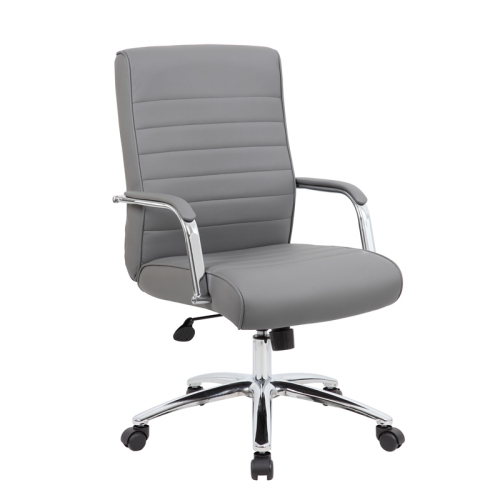

Everyday desk comfort starts with the right fit
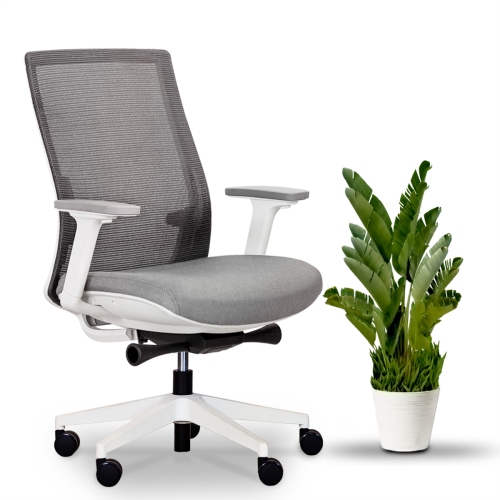
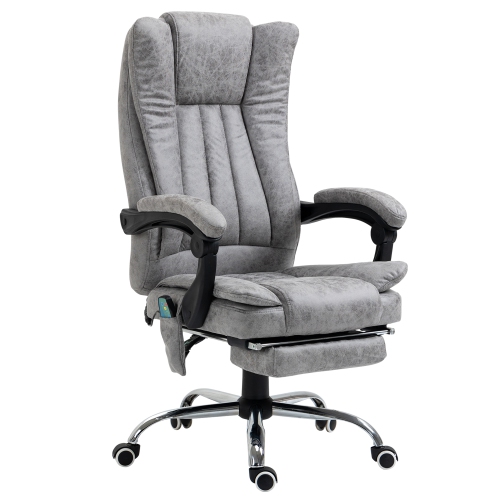
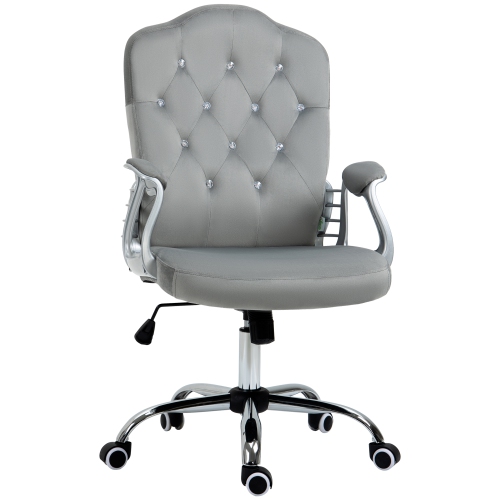
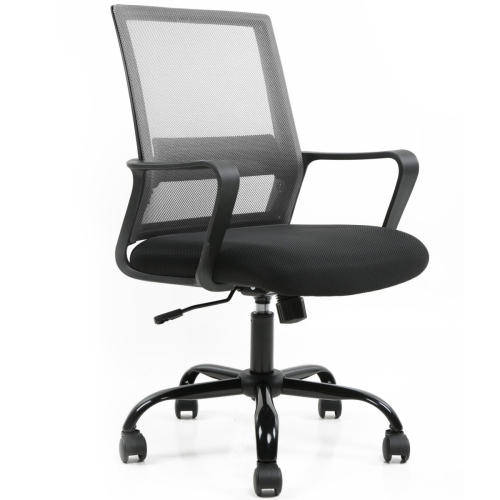
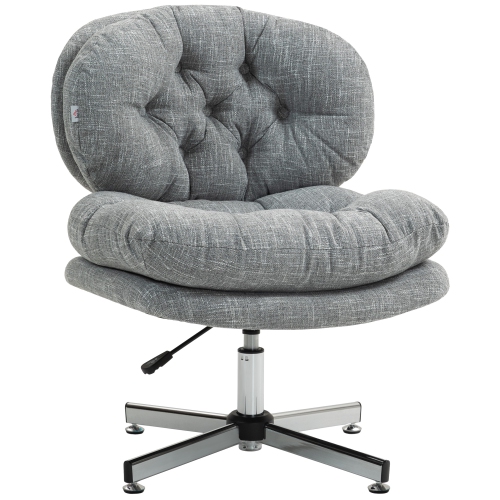
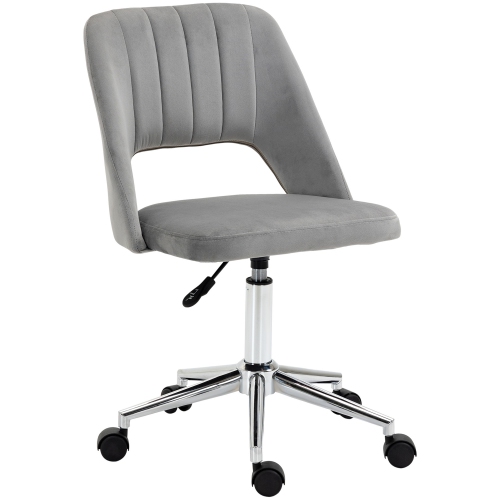
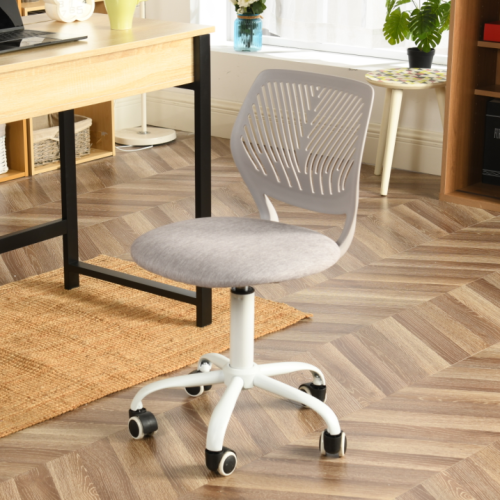
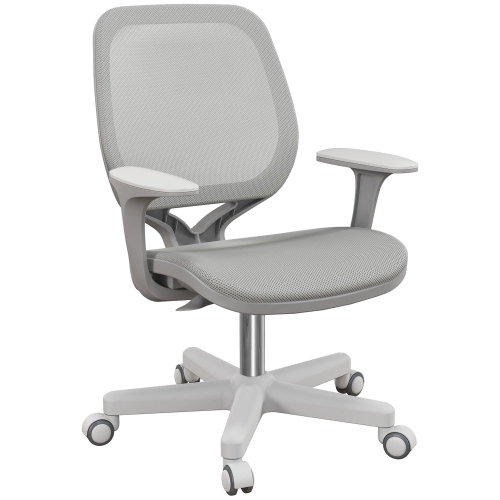
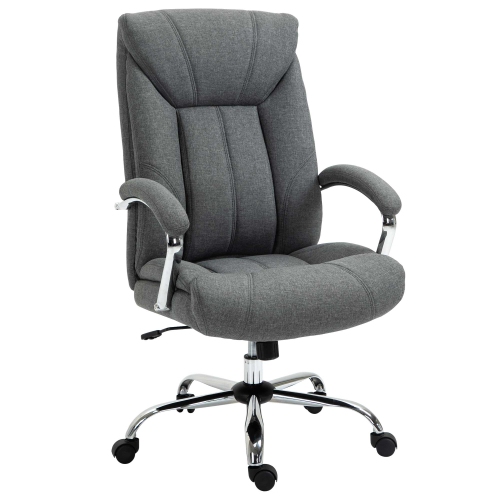
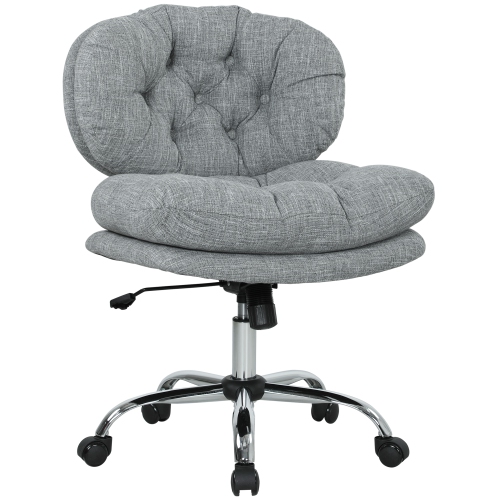
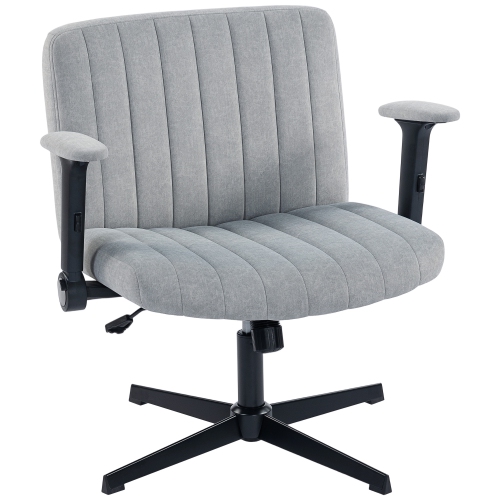
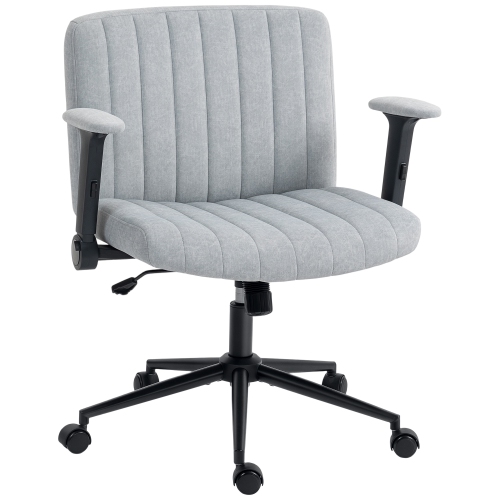
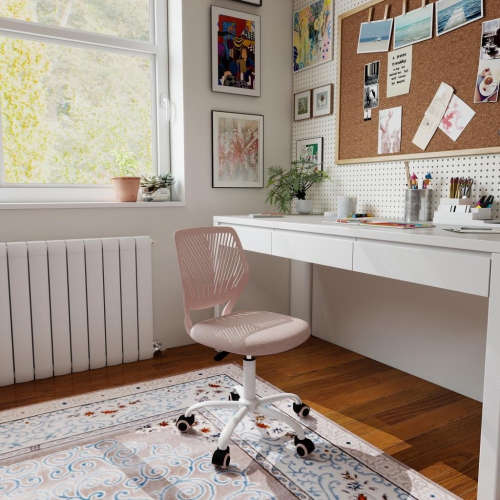
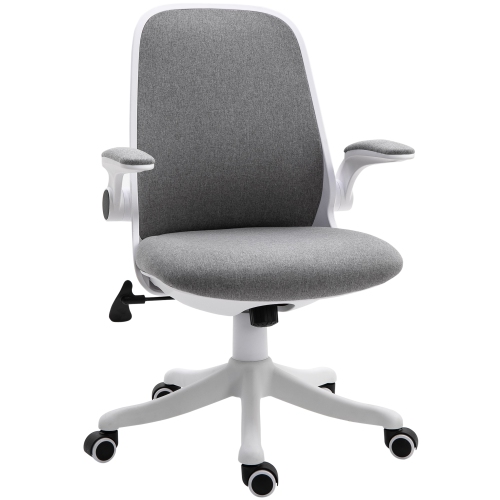
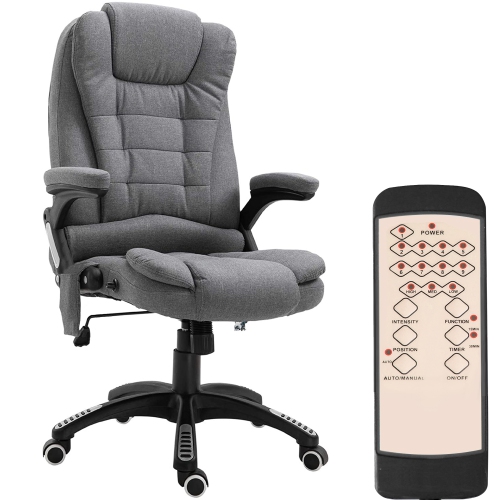
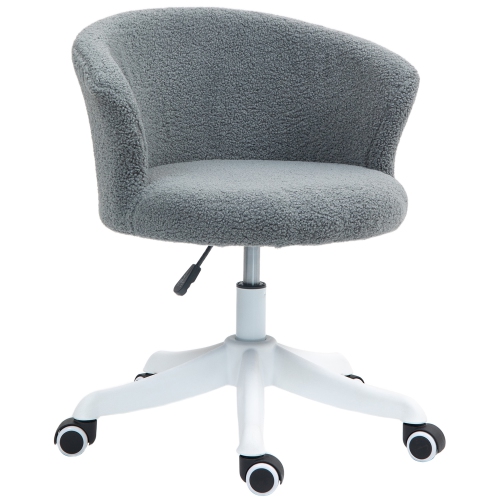
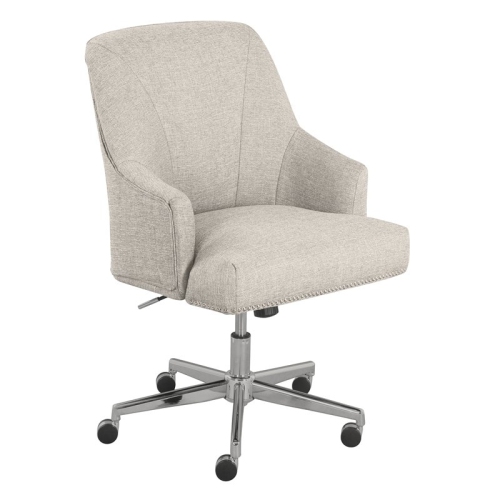
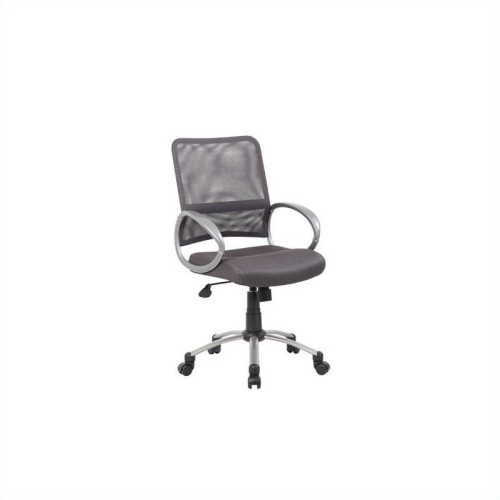
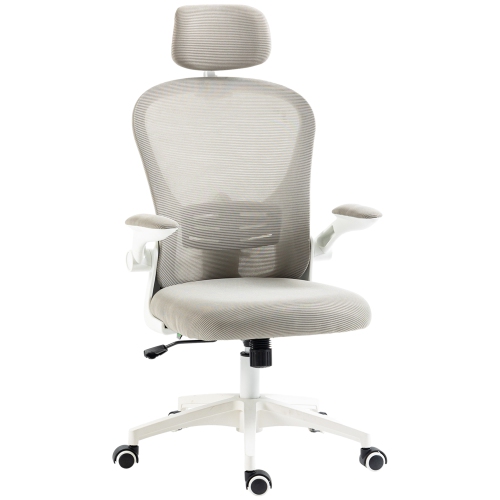
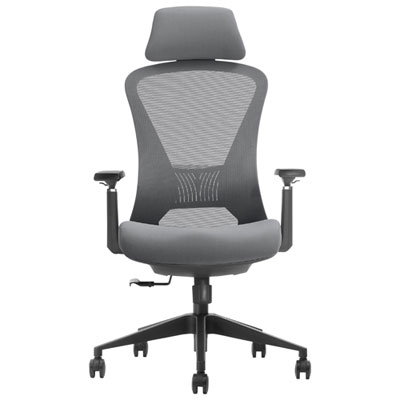
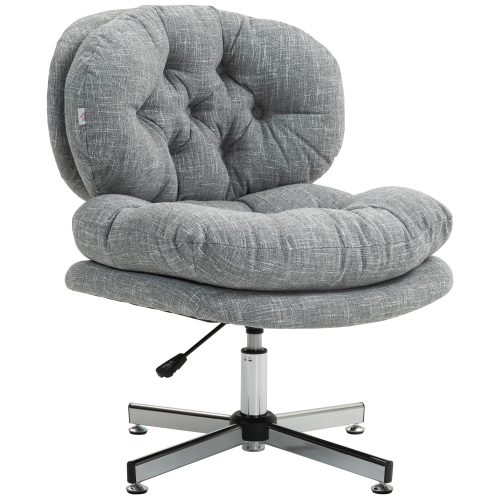
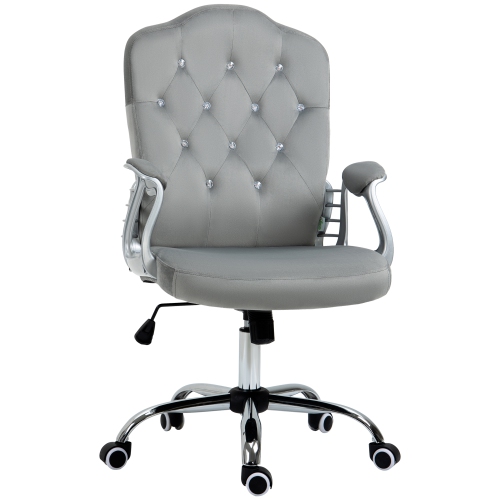
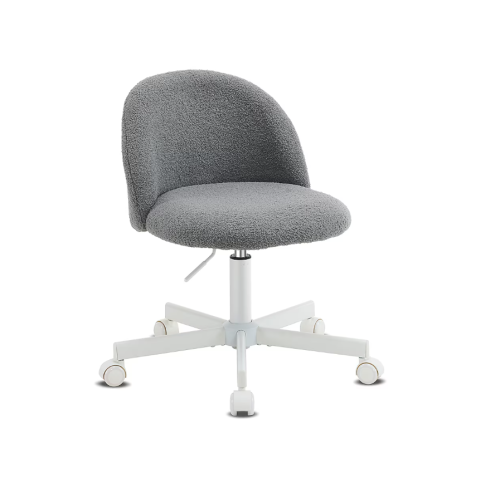
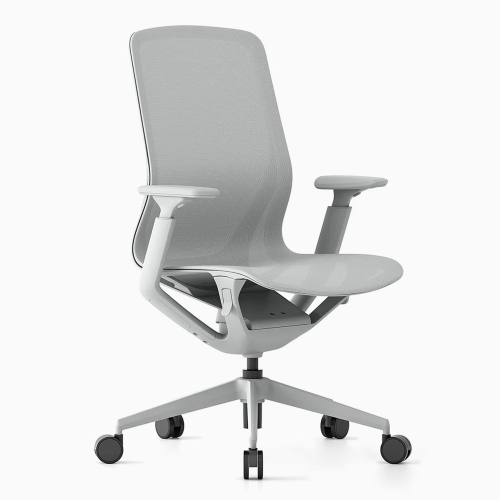
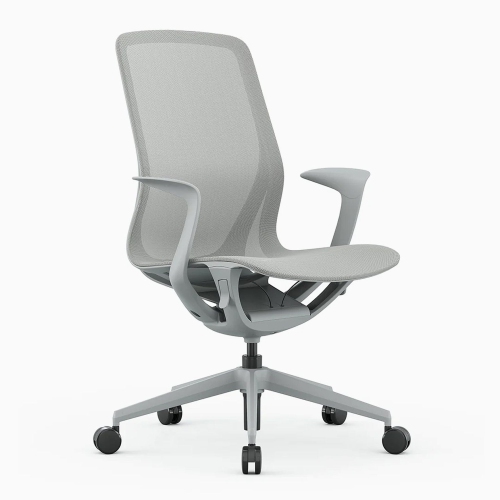
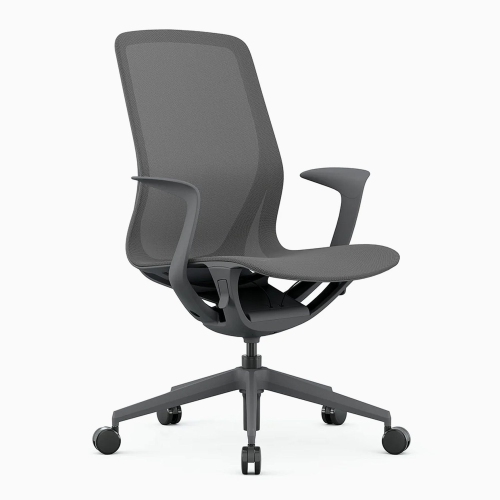
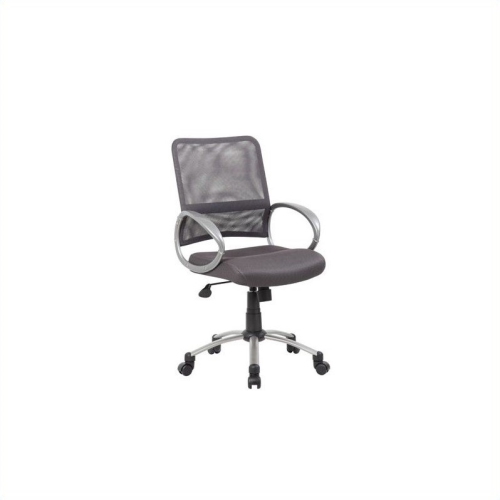
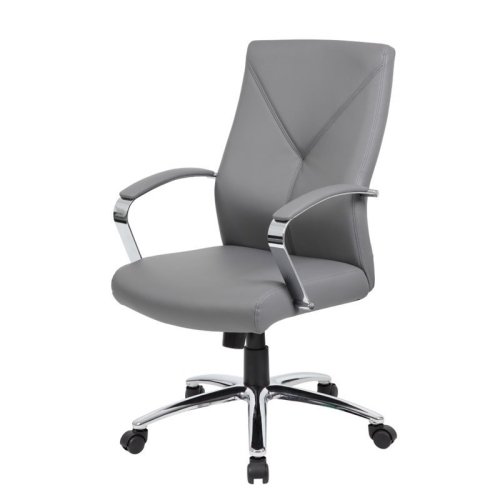
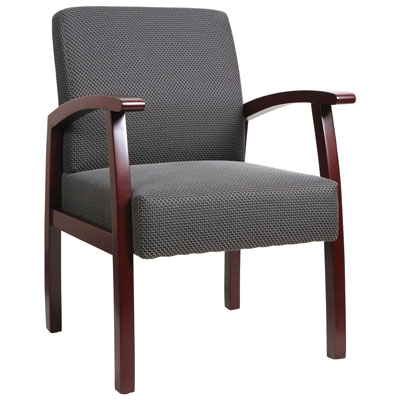
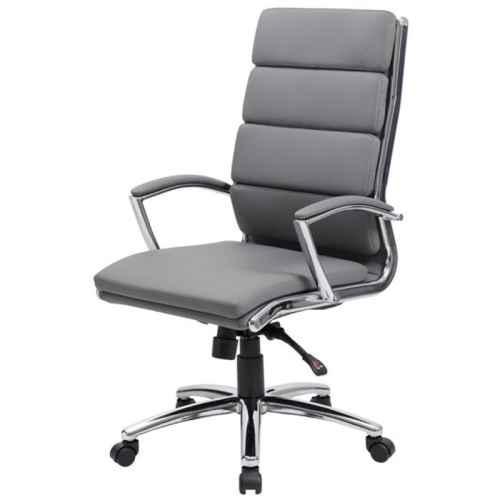
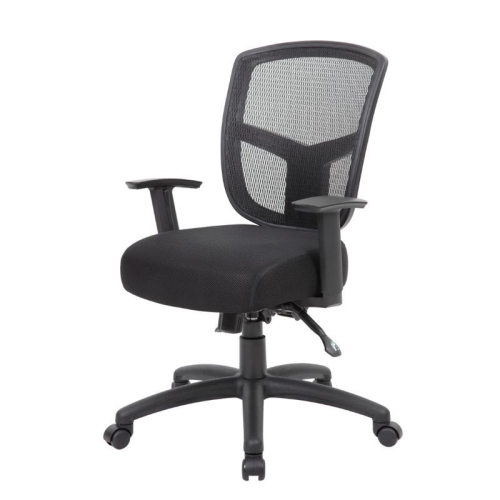
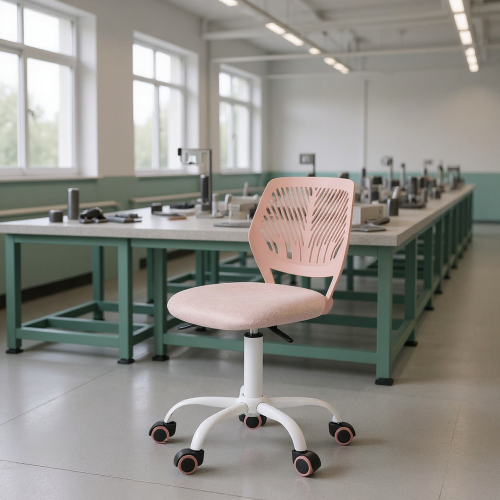
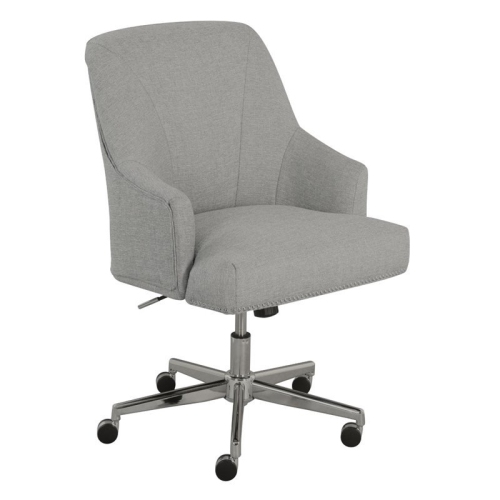
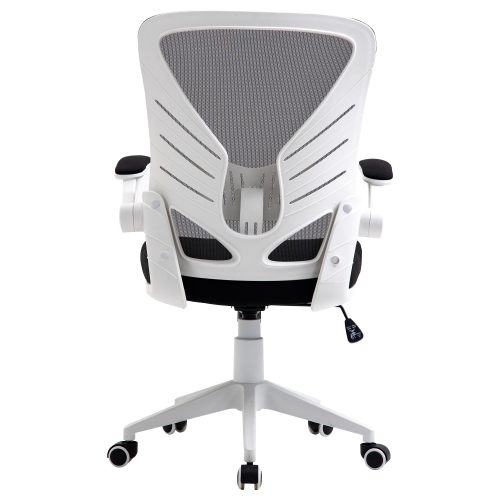
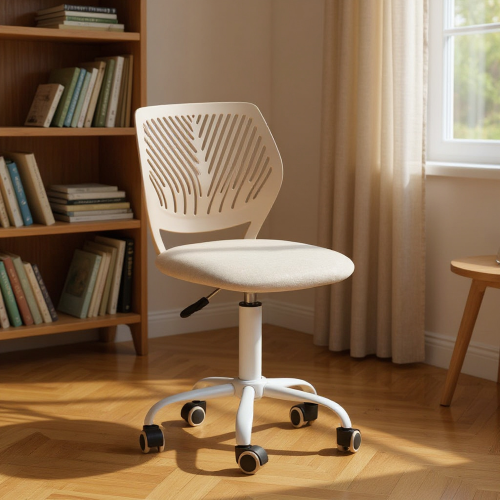
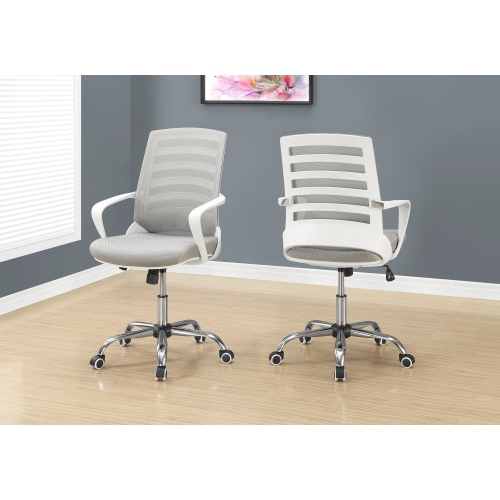
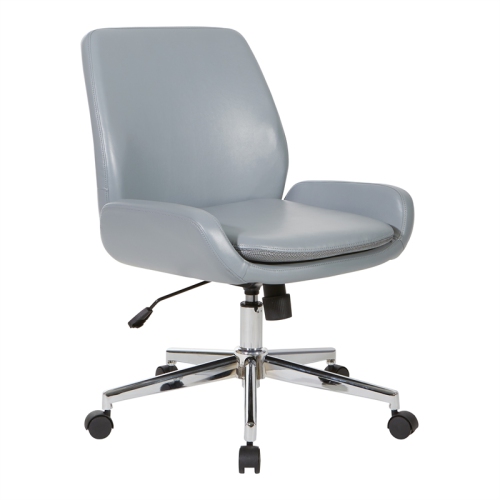
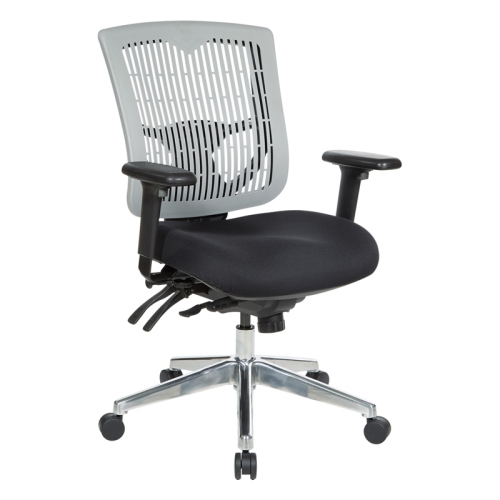
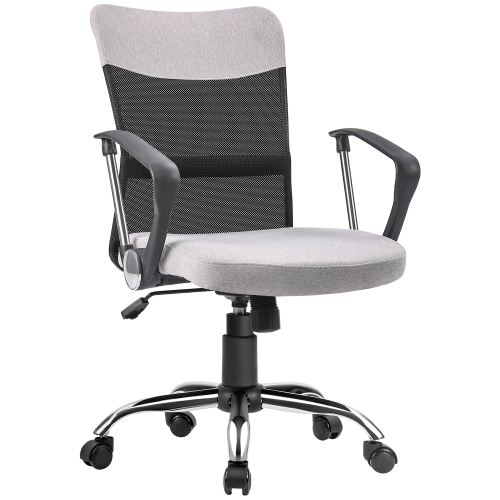
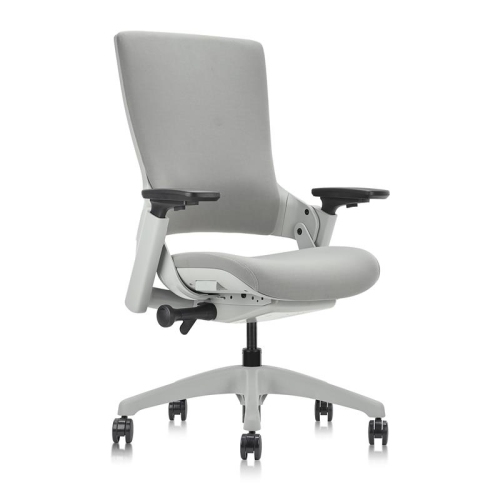
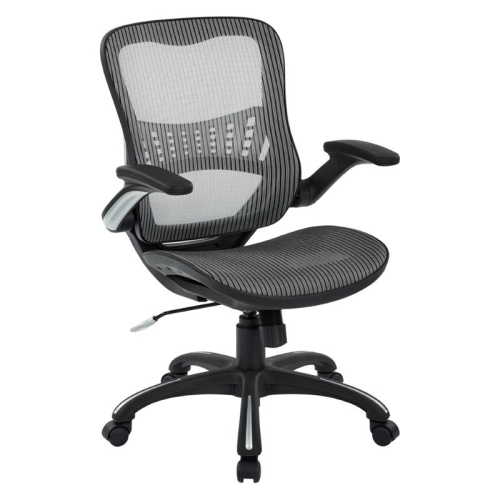
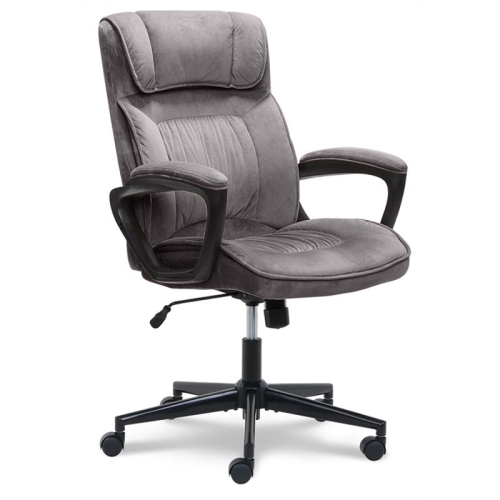
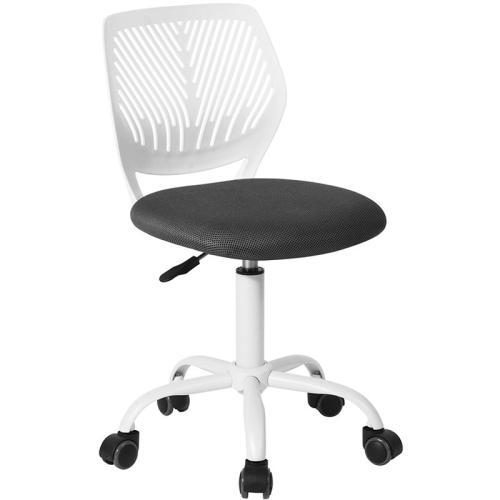
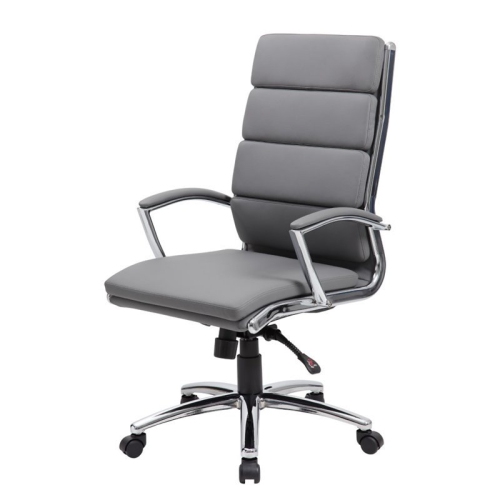
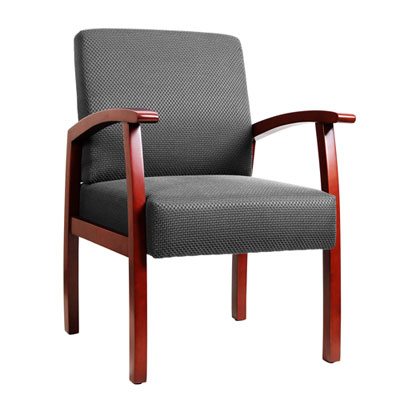
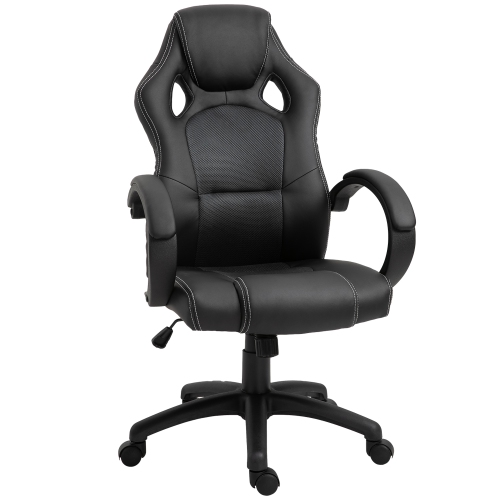
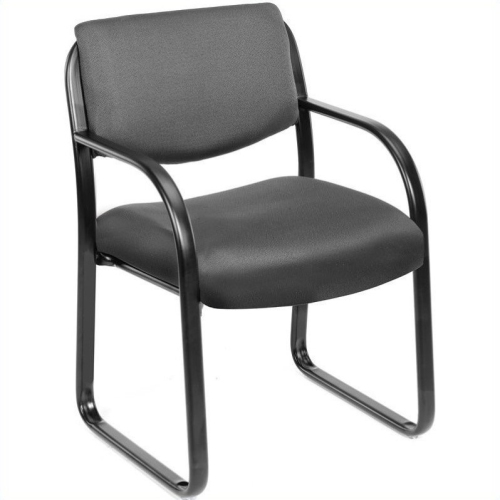
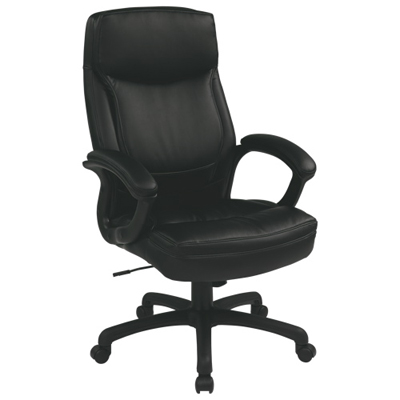
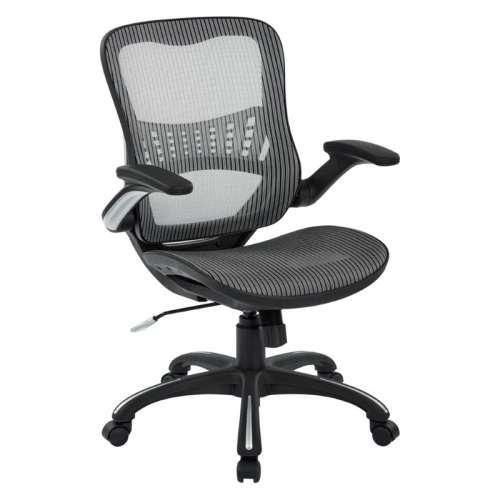
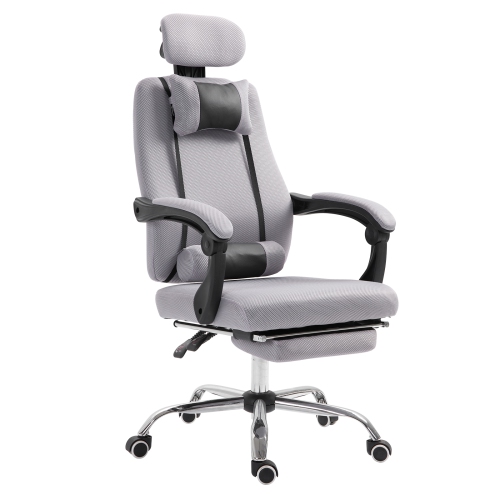
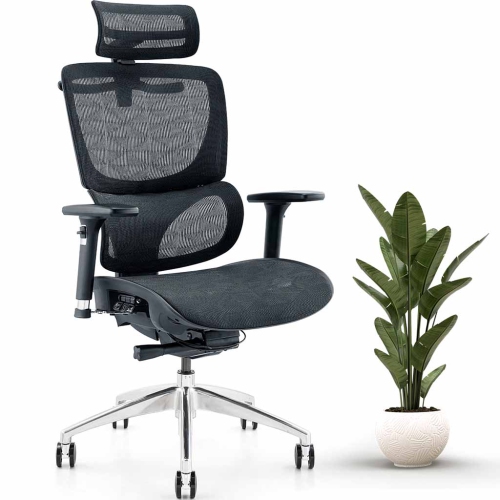
Grey task chairs are desk chairs designed for everyday activities such as computer work, writing, studying, and handling household paperwork. They typically combine a compact seat and backrest with a swivel base, while many designs include seat-height adjustment, rolling casters, and additional controls for positioning the back or armrests. Their relatively streamlined shape makes them well suited to home offices, student desks, and workstations tucked into a bedroom or living area. Grey provides a versatile colour foundation: pale shades can soften a room with white cabinetry and light wood, while charcoal tones create a stronger contrast against a bright desktop. Mid-grey upholstery pairs comfortably with black metal, warm oak, and colourful desk accessories without drawing attention away from the rest of the room. The material also changes the chair’s appearance and feel. Mesh backs have an open structure that allows air to pass through, making them appealing for people who prefer less contact with a padded backrest. Woven fabric offers a softer, more upholstered look, with texture that can make a practical desk chair feel at home beside other furniture. Smooth faux-leather upholstery has a more uniform finish and may be easier to wipe clean, although its care requirements differ from those of fabric or mesh. Some designs combine materials, such as a mesh back with a cushioned fabric seat, to balance airflow and padding. A task chair generally places more emphasis on everyday desk use than on the oversized proportions associated with some executive seating, but dimensions and features vary considerably. A slim silhouette may suit a small writing nook, while a broader seat and more substantial backrest may better match a full-size workstation. As part of the wider category of Grey Home Office Chairs, these chairs bring a neutral finish to spaces used for focused work, creative projects, and daily organization.
Comfort depends on how the chair fits both the person using it and the desk in front of it. Seat-height adjustment is useful for bringing the body into a workable position, with feet supported and shoulders relaxed while typing or writing. The adjustment range matters more than the presence of a height lever alone: a chair that does not lower enough can leave a shorter person’s feet unsupported, while one that does not rise enough may feel cramped for a taller user. Seat depth is another important detail. There should be room to sit against the backrest without the front edge pressing into the backs of the knees. A gently shaped seat edge can help reduce that pressure, but it cannot compensate for dimensions that are too large or too small. Backrest shape, lumbar support, and tilt functions influence how the chair feels during longer stretches at a desk. Fixed support may suit someone whose proportions match the chair closely, while adjustable lumbar positioning offers more flexibility. Where included, tilt tension and locking controls can help accommodate different body weights and preferred sitting positions. Armrests can provide support between tasks, but their height and spacing should allow the arms to rest without lifting the shoulders. They also need to clear the desk if the chair will be pushed underneath it. Armless designs can be practical at narrow desks or where unrestricted movement is important. A person switching between a keyboard, a sketchbook, and a filing drawer may appreciate a swivel seat and easy movement, whereas someone mainly reading at a desk may place greater value on back support. For shared workstations, accessible adjustments make it easier for different users to reset the chair. For a student or someone setting up a first home office, a grey task chair can be a useful gift when their measurements, desk height, and preferences are known. Even a supportive chair works best alongside changes of position and regular breaks from sitting.
Everyday practicality becomes especially noticeable once a chair is part of a regular routine. The base needs enough room to move without catching on drawer units, cables, or nearby furniture, and its footprint can be wider than the seat suggests. In a compact room, that clearance affects whether the chair can turn easily or be tucked away after work. Casters should be appropriate for the flooring: some are intended for carpet, while others are designed for hard surfaces, and compatibility should be confirmed rather than assumed. A suitable chair mat can help protect the floor and create a more consistent rolling surface. Durability comes from several details working together, including the base, frame, adjustment mechanisms, upholstery, and quality of assembly. The stated weight capacity is an important limit, not a substitute for checking seat dimensions or overall fit. Smooth adjustment controls, secure armrests, and a stable base all contribute to a chair that feels dependable in daily use. Cushion construction matters too; thickness alone does not determine comfort, since foam density and seat shape affect support over time. Care varies by material. Fabric benefits from regular vacuuming with an upholstery attachment to lift crumbs and dust from seams, while spills are generally best blotted promptly rather than rubbed into the fibres. Mesh can be cleaned gently to remove dust from its openings without stretching or snagging the surface. Faux leather usually needs a soft cloth and a cleaner approved for that finish, since harsh products can damage the coating. Manufacturer care directions should take priority, particularly where cleaning could affect padding, mesh tension, or surface treatments. Grey is forgiving visually, but textured upholstery can still hold dust, and lighter shades may show dark marks from clothing or frequent contact. Keeping casters clear of hair and debris helps preserve movement, while periodic checks of accessible fasteners can address loosening from normal use. These practical details make a difference whether the chair supports a full workday, evening coursework, or a short session spent sorting bills at a family desk.
Comfort depends on how the chair fits both the person using it and the desk in front of it. Seat-height adjustment is useful for bringing the body into a workable position, with feet supported and shoulders relaxed while typing or writing. The adjustment range matters more than the presence of a height lever alone: a chair that does not lower enough can leave a shorter person’s feet unsupported, while one that does not rise enough may feel cramped for a taller user. Seat depth is another important detail. There should be room to sit against the backrest without the front edge pressing into the backs of the knees. A gently shaped seat edge can help reduce that pressure, but it cannot compensate for dimensions that are too large or too small. Backrest shape, lumbar support, and tilt functions influence how the chair feels during longer stretches at a desk. Fixed support may suit someone whose proportions match the chair closely, while adjustable lumbar positioning offers more flexibility. Where included, tilt tension and locking controls can help accommodate different body weights and preferred sitting positions. Armrests can provide support between tasks, but their height and spacing should allow the arms to rest without lifting the shoulders. They also need to clear the desk if the chair will be pushed underneath it. Armless designs can be practical at narrow desks or where unrestricted movement is important. A person switching between a keyboard, a sketchbook, and a filing drawer may appreciate a swivel seat and easy movement, whereas someone mainly reading at a desk may place greater value on back support. For shared workstations, accessible adjustments make it easier for different users to reset the chair. For a student or someone setting up a first home office, a grey task chair can be a useful gift when their measurements, desk height, and preferences are known. Even a supportive chair works best alongside changes of position and regular breaks from sitting.
Everyday practicality becomes especially noticeable once a chair is part of a regular routine. The base needs enough room to move without catching on drawer units, cables, or nearby furniture, and its footprint can be wider than the seat suggests. In a compact room, that clearance affects whether the chair can turn easily or be tucked away after work. Casters should be appropriate for the flooring: some are intended for carpet, while others are designed for hard surfaces, and compatibility should be confirmed rather than assumed. A suitable chair mat can help protect the floor and create a more consistent rolling surface. Durability comes from several details working together, including the base, frame, adjustment mechanisms, upholstery, and quality of assembly. The stated weight capacity is an important limit, not a substitute for checking seat dimensions or overall fit. Smooth adjustment controls, secure armrests, and a stable base all contribute to a chair that feels dependable in daily use. Cushion construction matters too; thickness alone does not determine comfort, since foam density and seat shape affect support over time. Care varies by material. Fabric benefits from regular vacuuming with an upholstery attachment to lift crumbs and dust from seams, while spills are generally best blotted promptly rather than rubbed into the fibres. Mesh can be cleaned gently to remove dust from its openings without stretching or snagging the surface. Faux leather usually needs a soft cloth and a cleaner approved for that finish, since harsh products can damage the coating. Manufacturer care directions should take priority, particularly where cleaning could affect padding, mesh tension, or surface treatments. Grey is forgiving visually, but textured upholstery can still hold dust, and lighter shades may show dark marks from clothing or frequent contact. Keeping casters clear of hair and debris helps preserve movement, while periodic checks of accessible fasteners can address loosening from normal use. These practical details make a difference whether the chair supports a full workday, evening coursework, or a short session spent sorting bills at a family desk.
Top selling and popular products
-
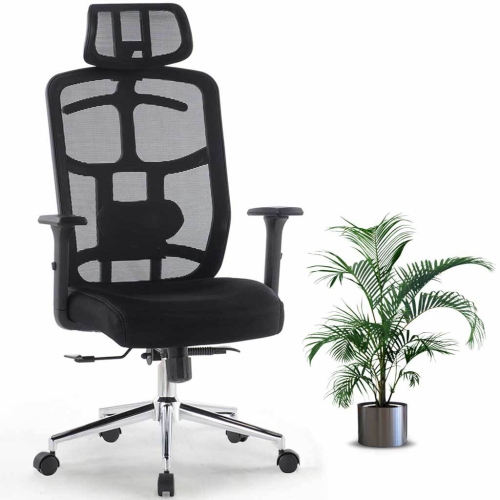 Your price for this item is $114.99
 -
 Your price for this item is $123
 -
 Your price for this item is $139.99
 -
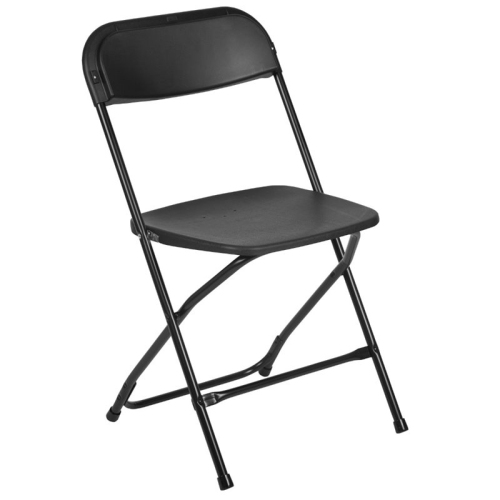 Your price for this item is $139.99
 -
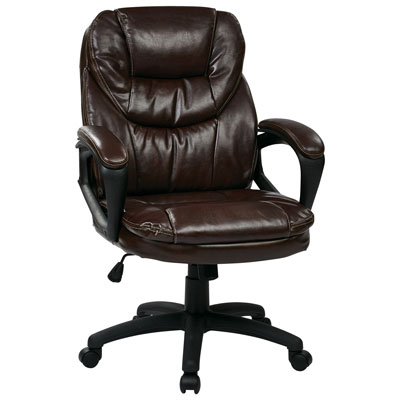 Your price for this item is $203.98
 -
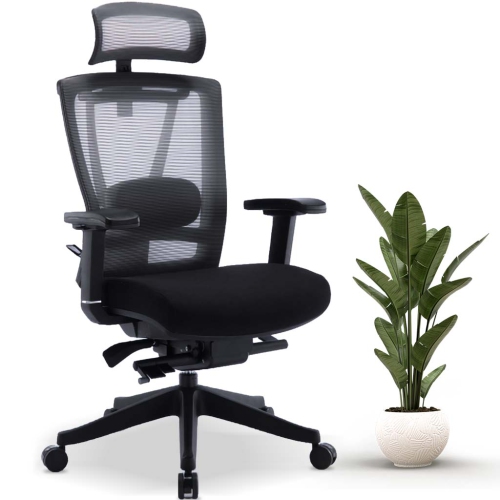 Your price for this item is $379.99
 -
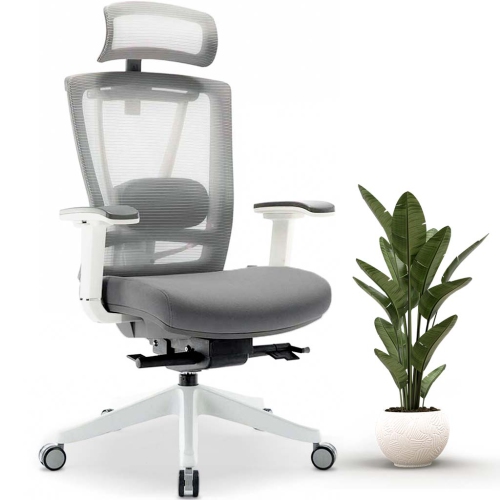 Your price for this item is $379.99
 -
 Your price for this item is $594.99
Discover more categories related to Grey Task Chairs
Top Collections:
Pokemon Centers, Kindle Devices, Best Budget Office Chairs, Apple iPhones 16, Canon G7X Cameras, iPhone 15 Apple, Alarm Clock, Refurbished Apple Laptops, Flip Phones, Best Laptops for Writers
Some products may be subject to Environmental Handling Fees
(EHF) depending on your province.
Learn more about EHFs.