Beautiful Work Desks
Your workstation is the most important part of your day. It's where you spend hours every day, so it should be comfortable and convenient. A beautiful desk can help you get more done and enjoy your time in the office more. Here are some of our favorites.
Sort





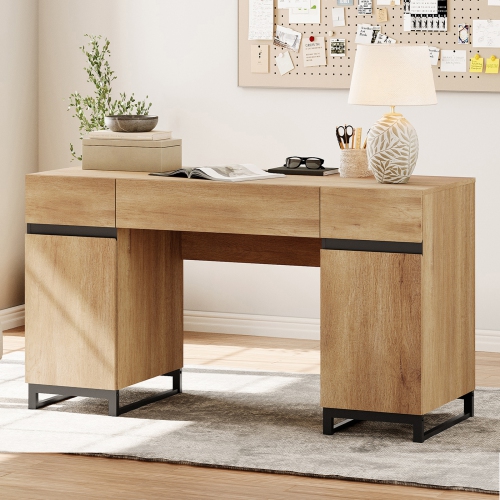
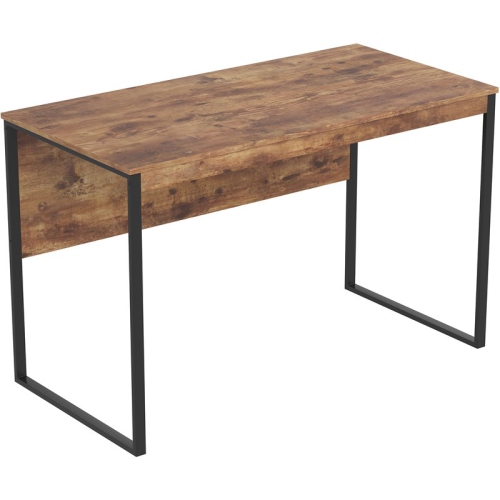
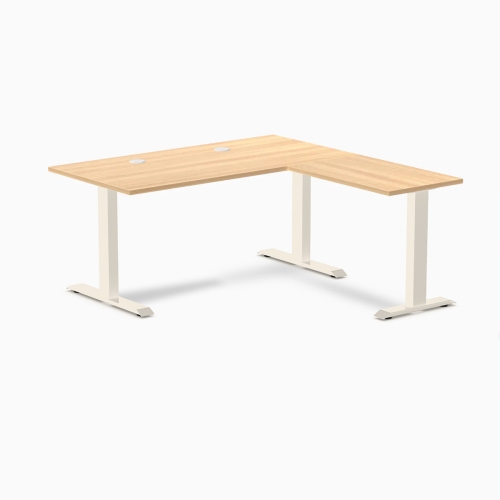
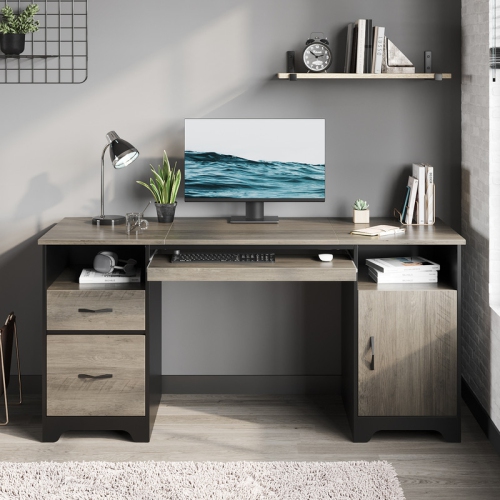


































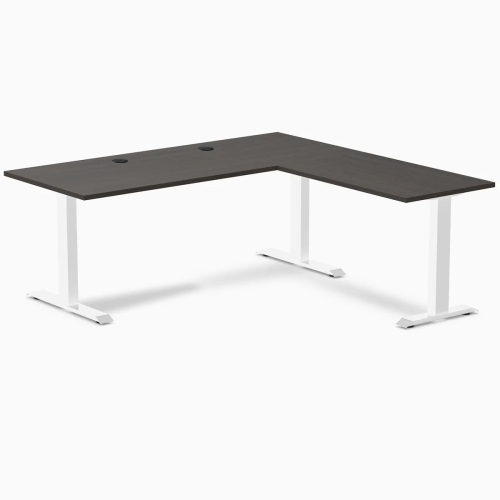
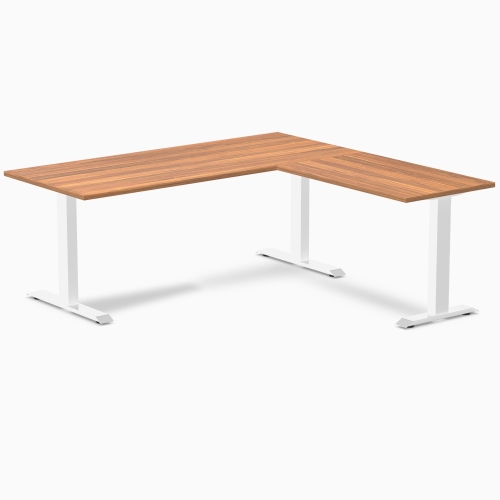
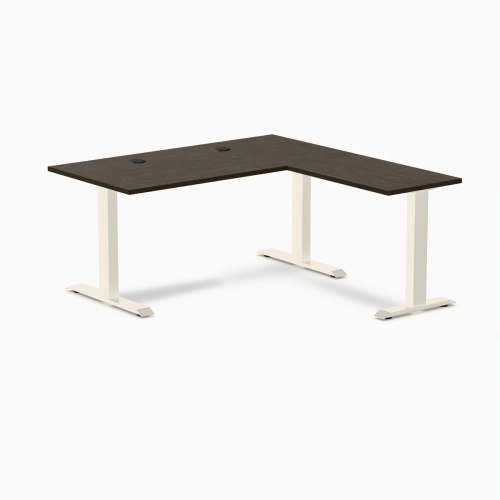

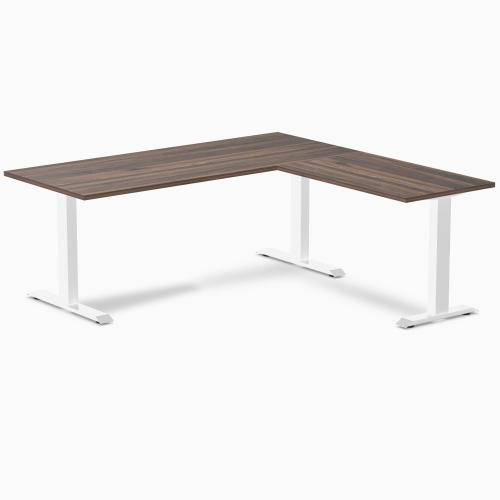










Why desk proportions matter as much as finishes
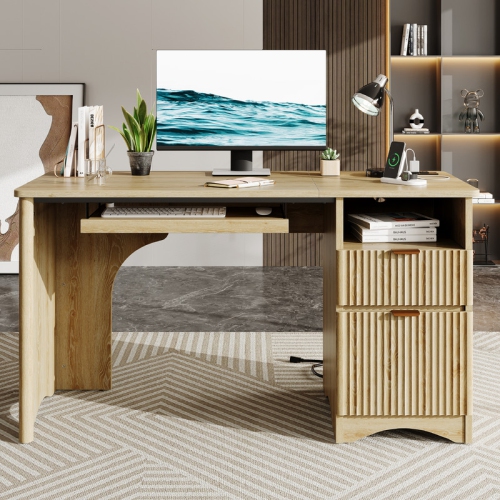
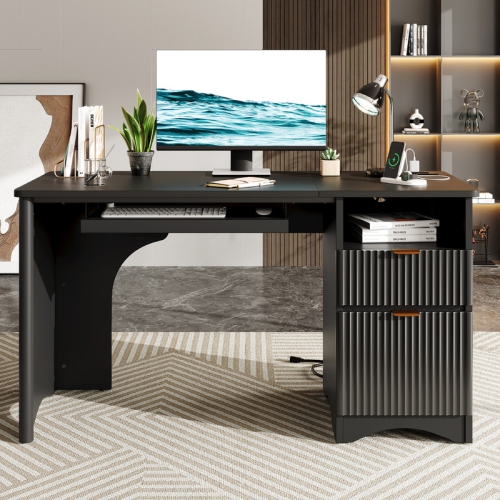
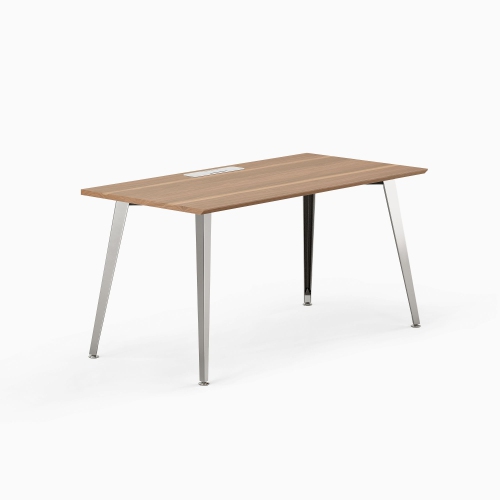
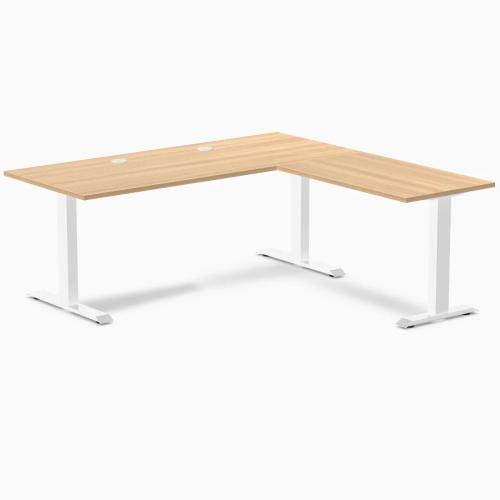
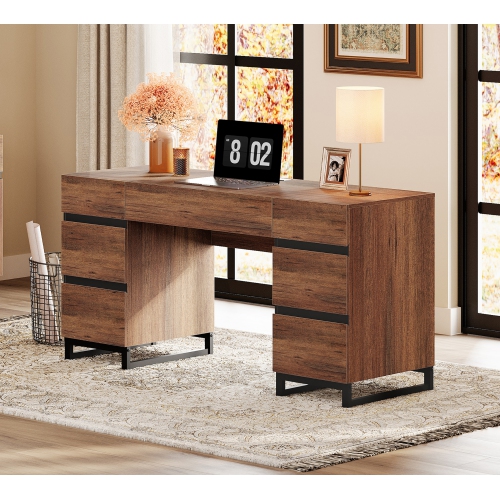
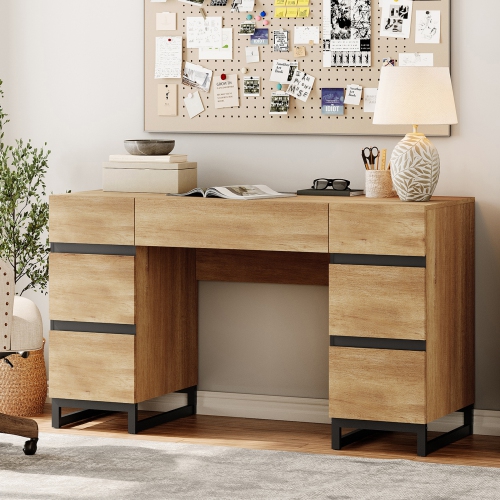
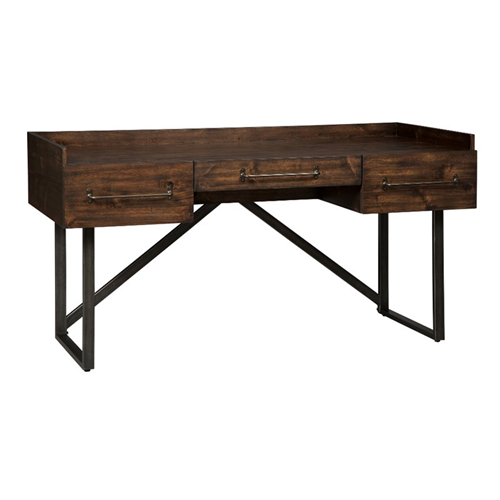
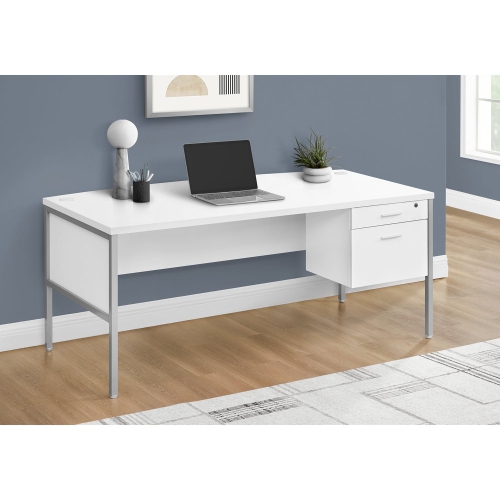
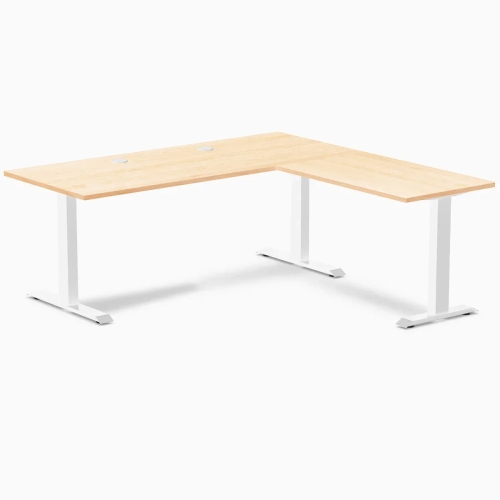
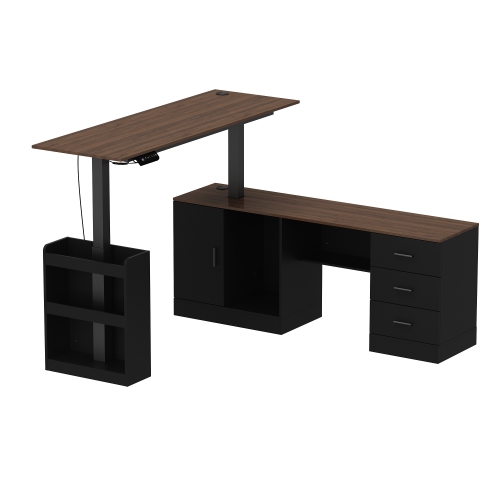
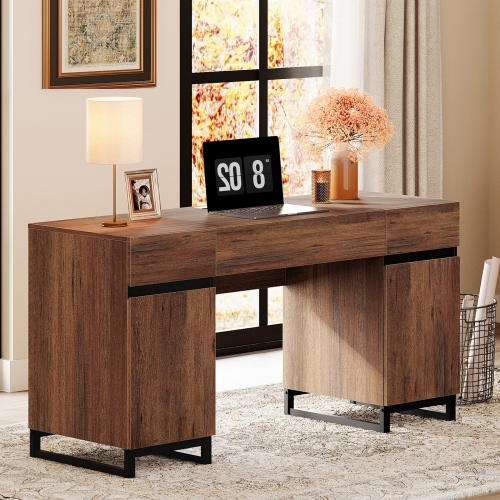
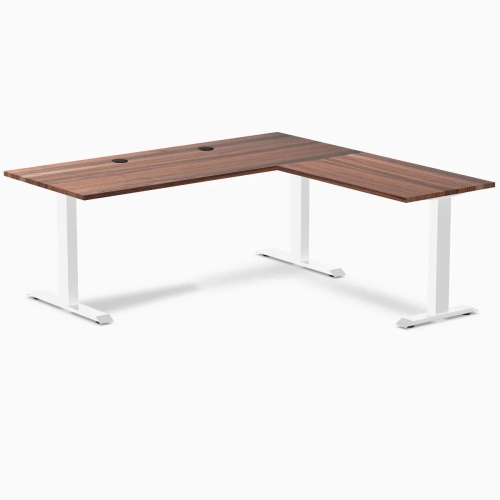
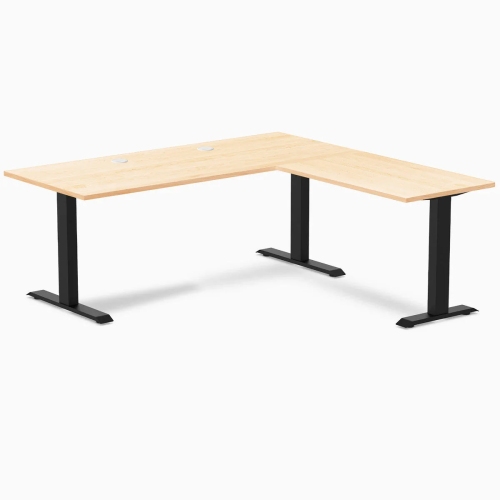
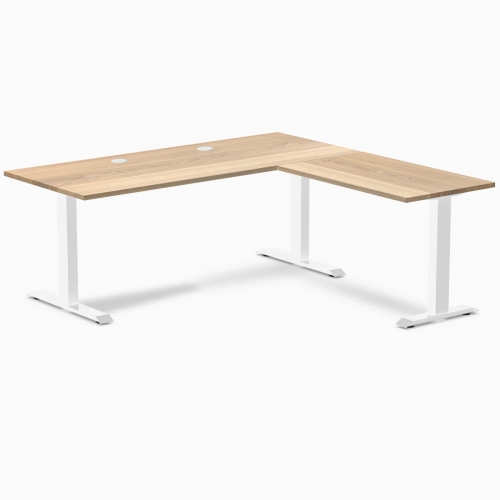
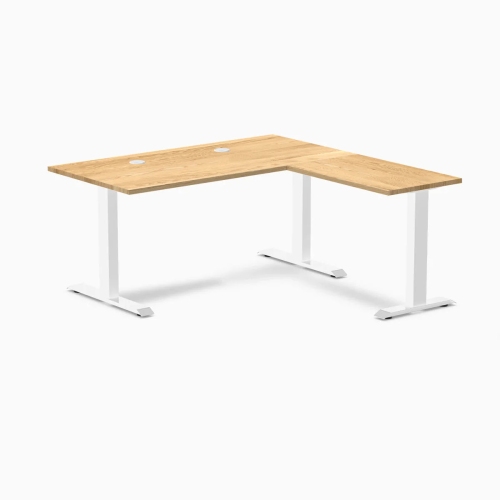
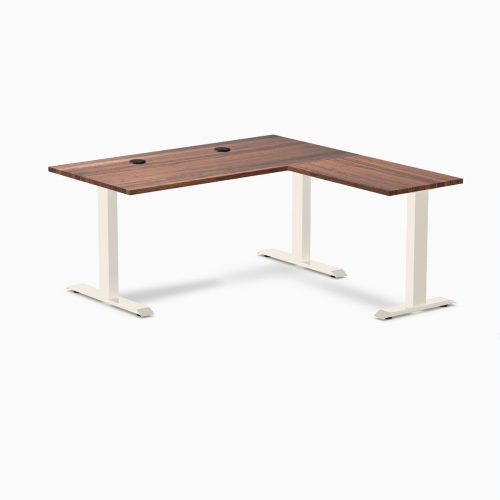
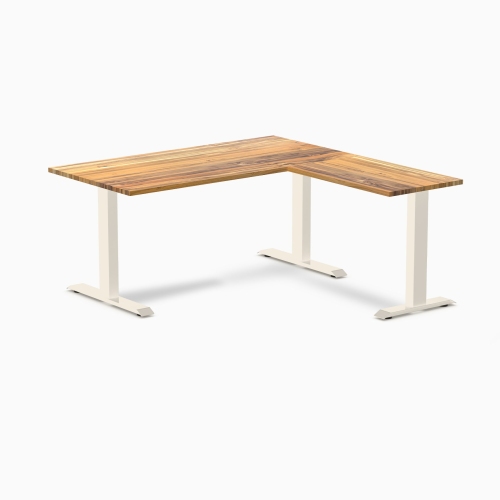
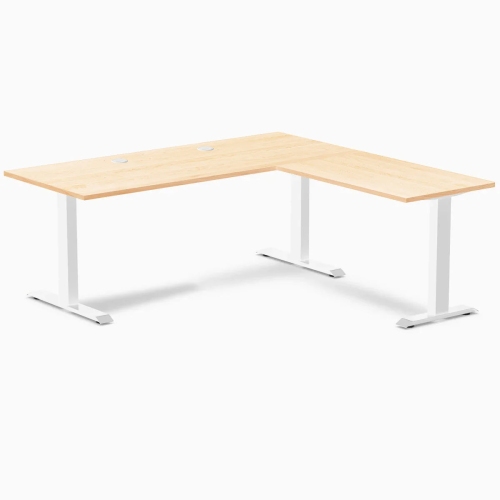
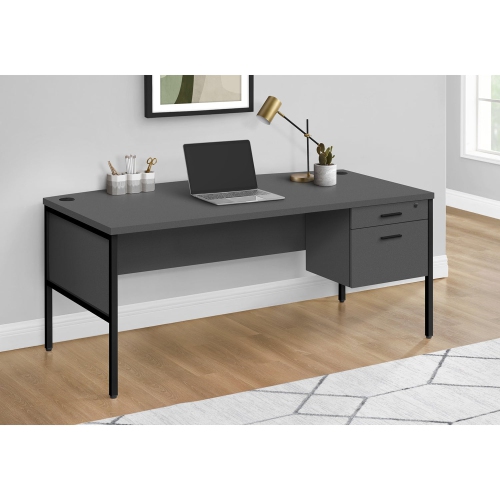
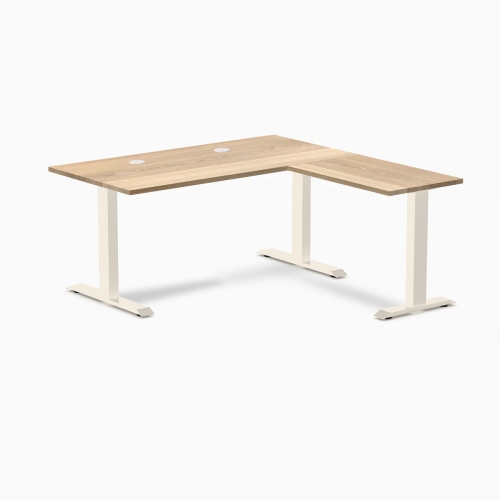
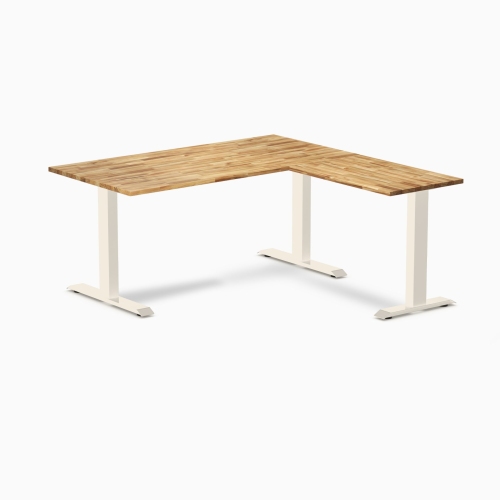
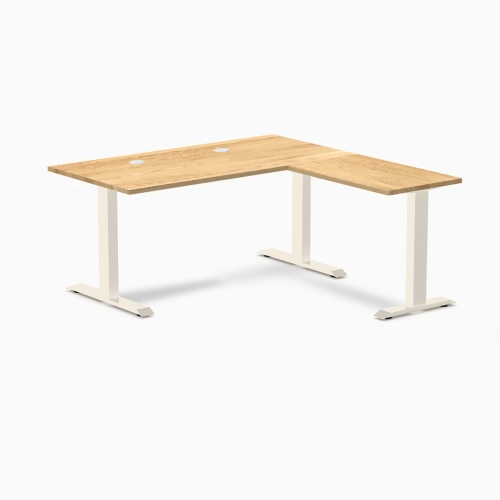
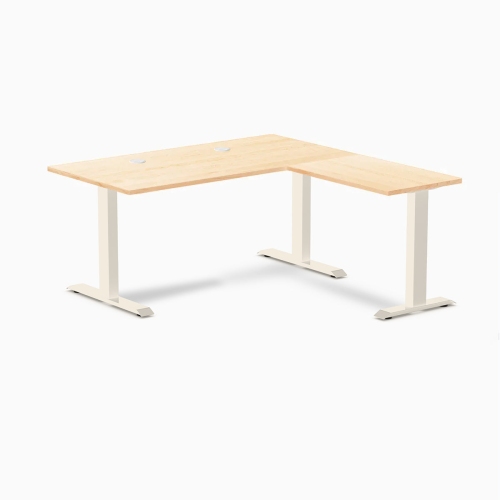
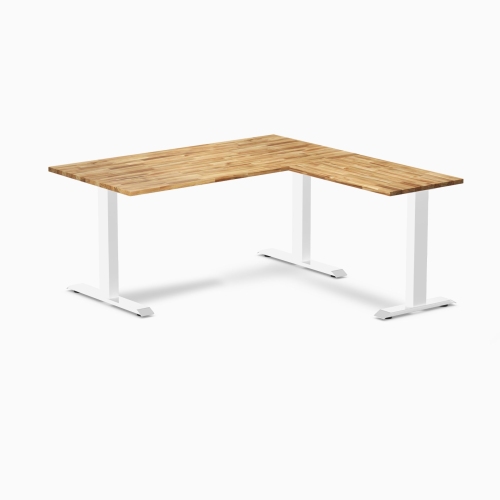
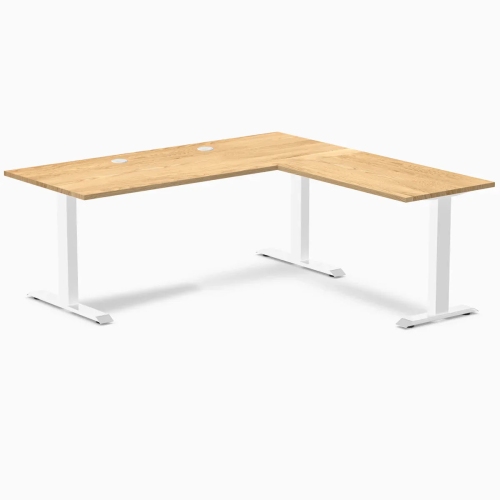
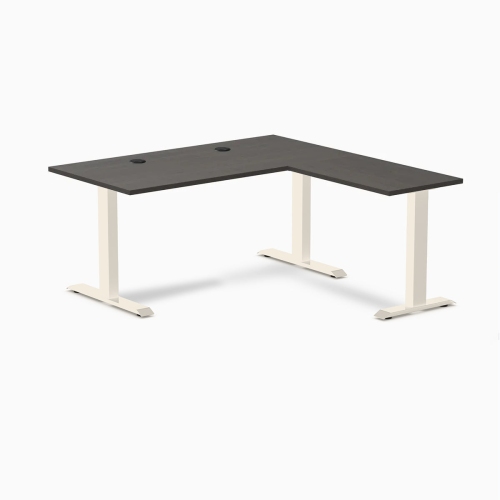
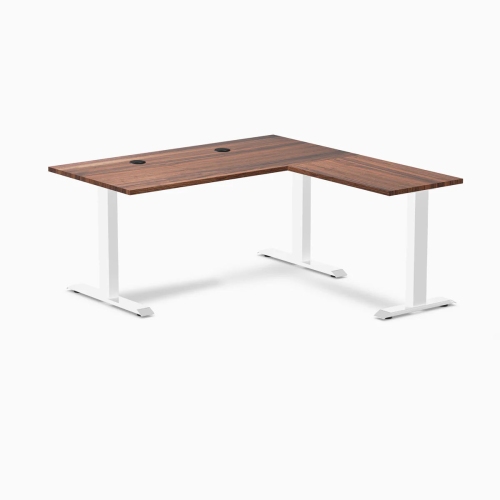
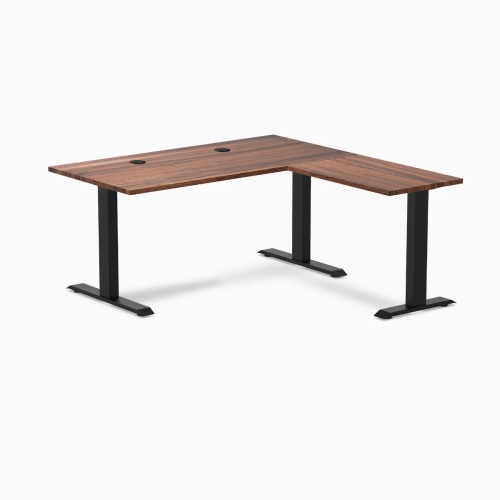
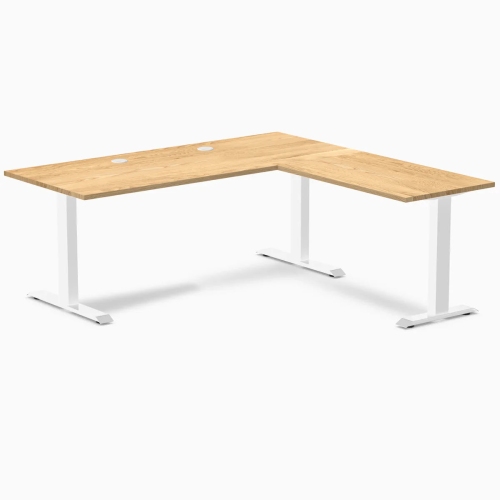
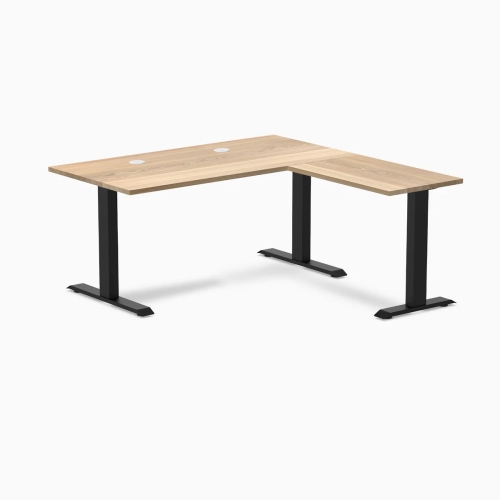
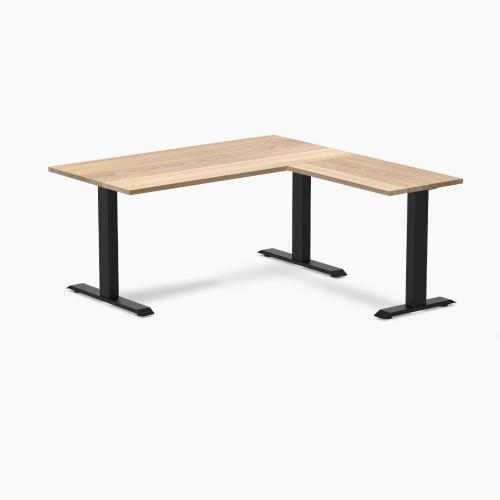
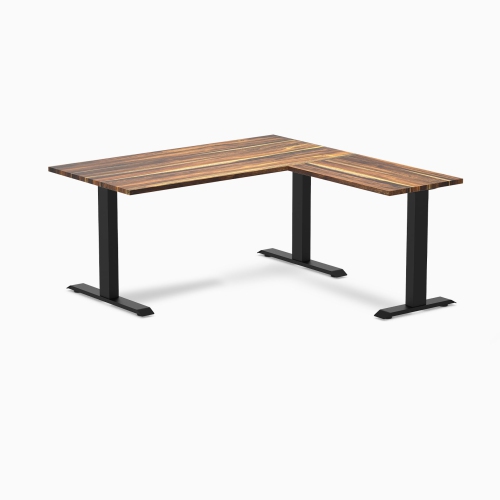
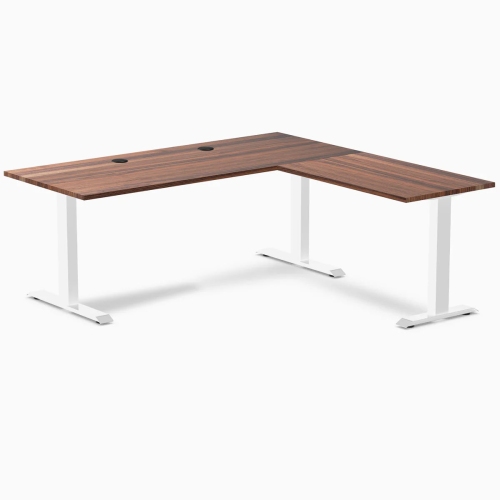
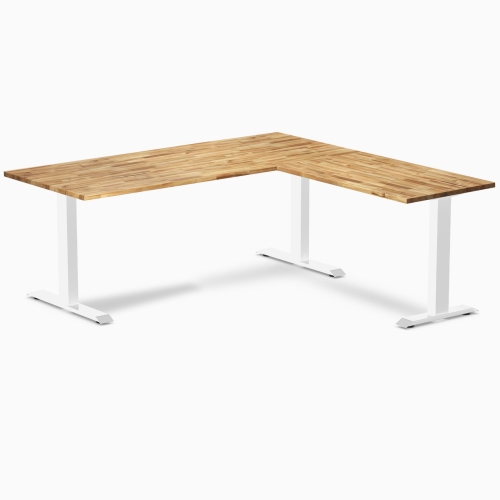
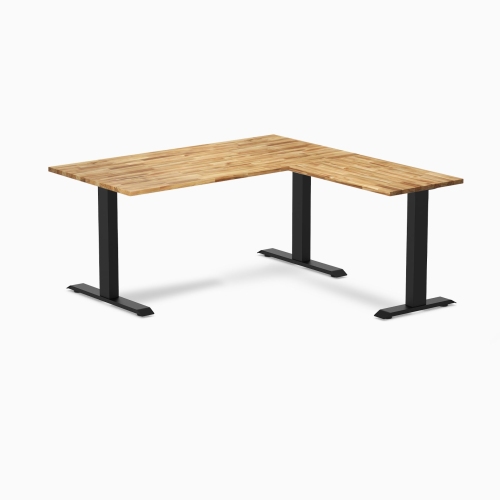
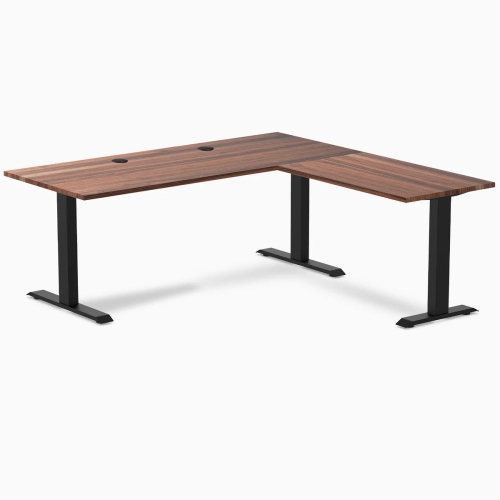
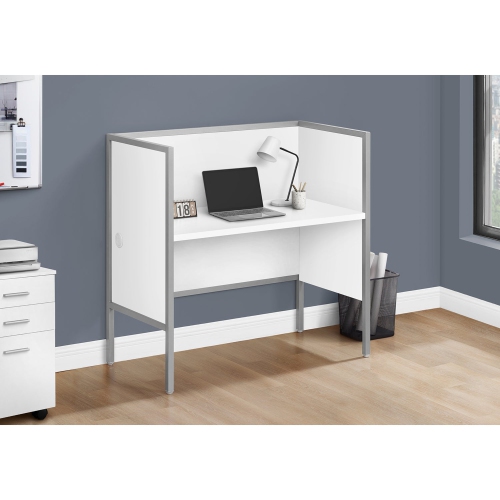
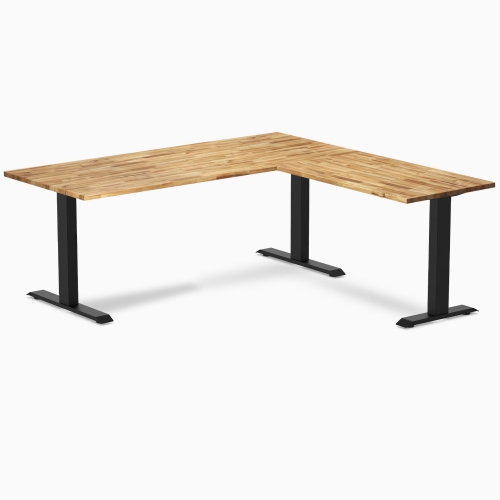
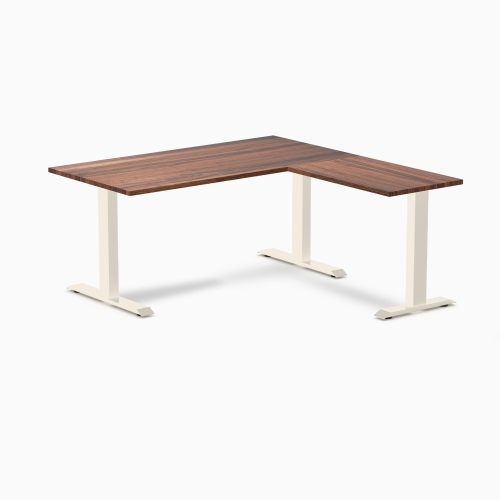
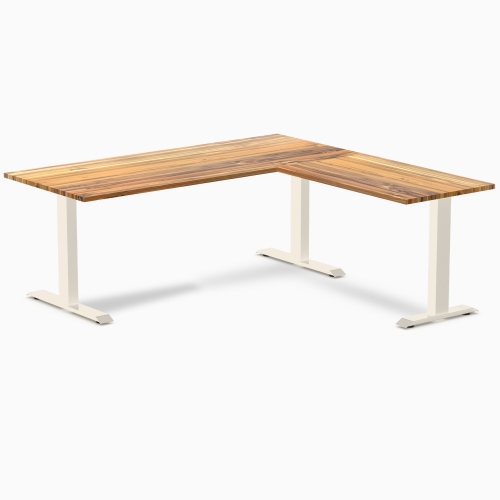
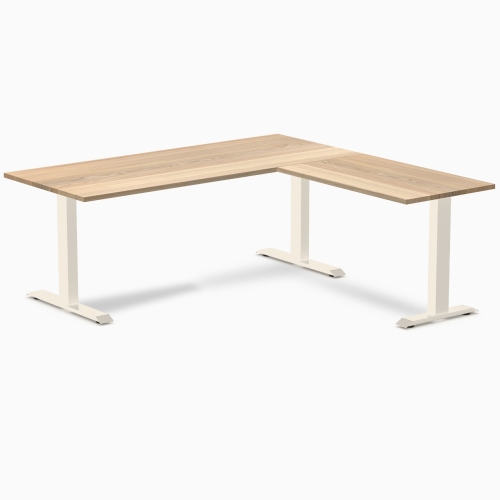
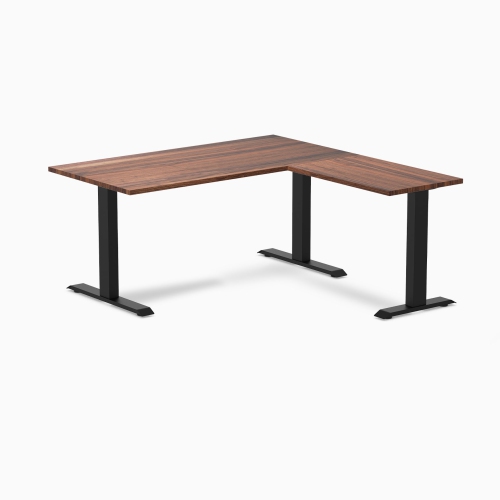
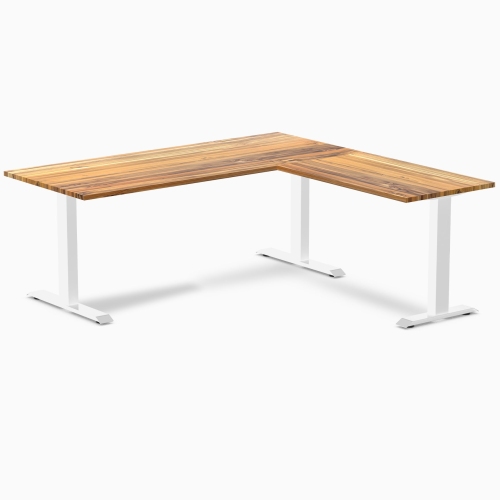
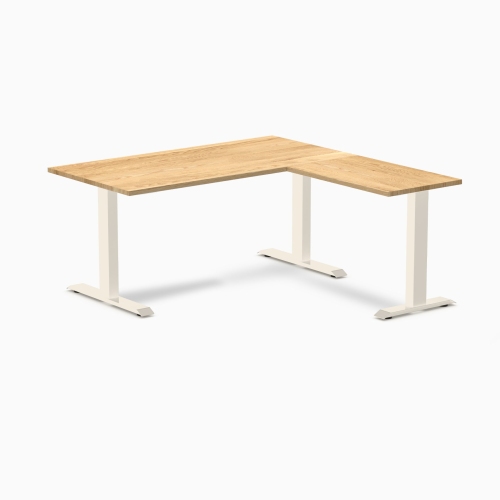
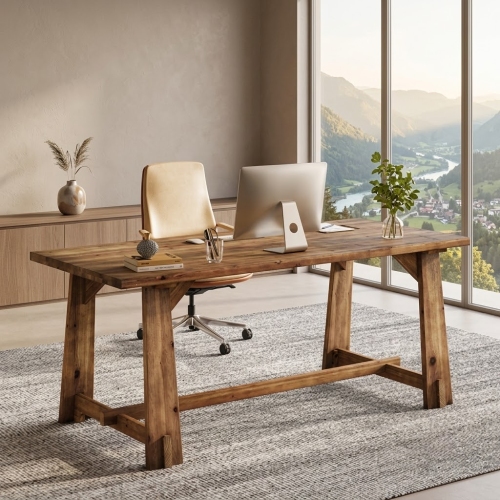
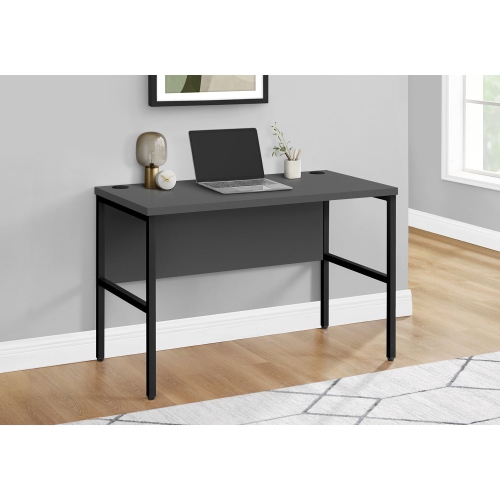
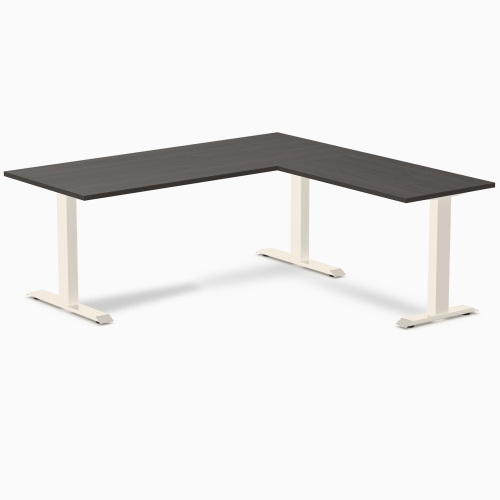
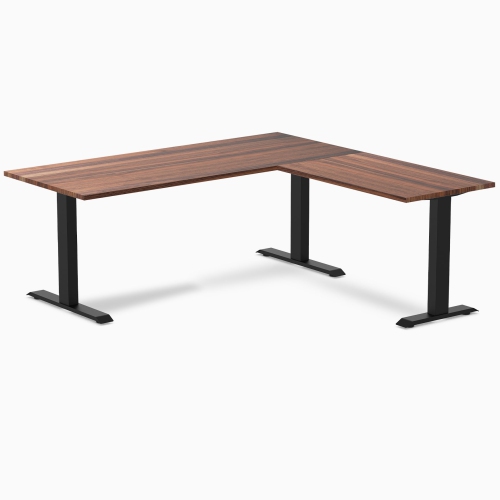
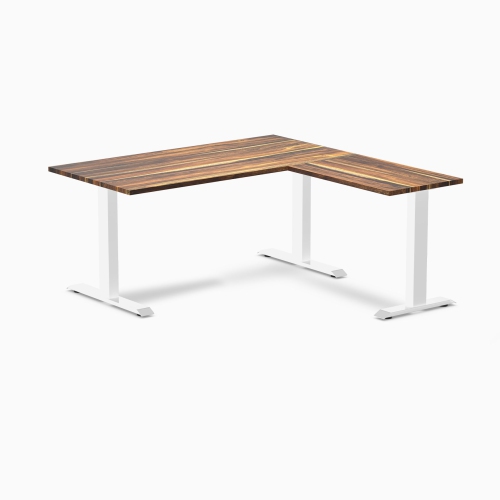
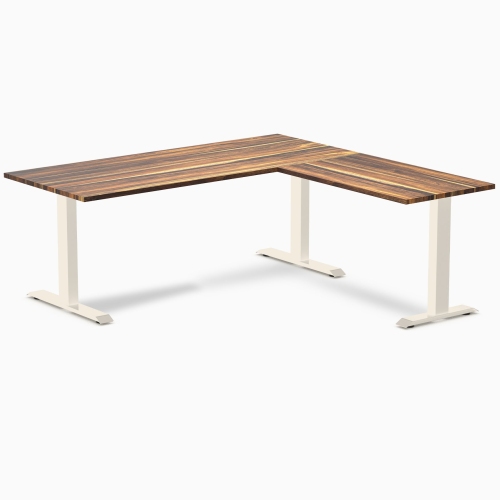
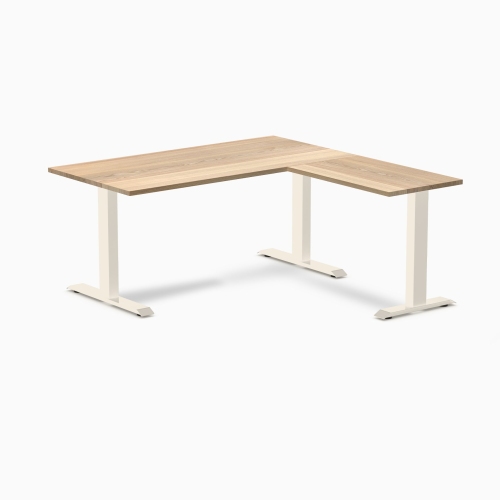
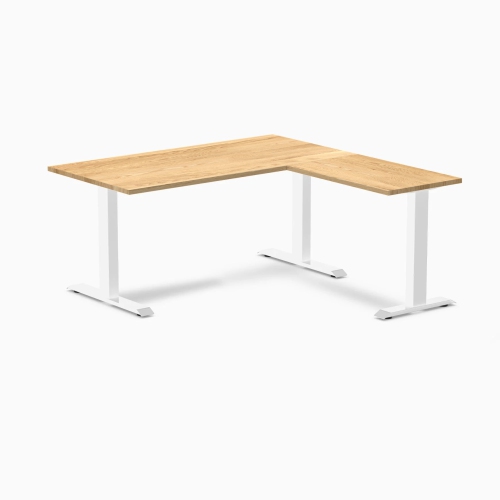
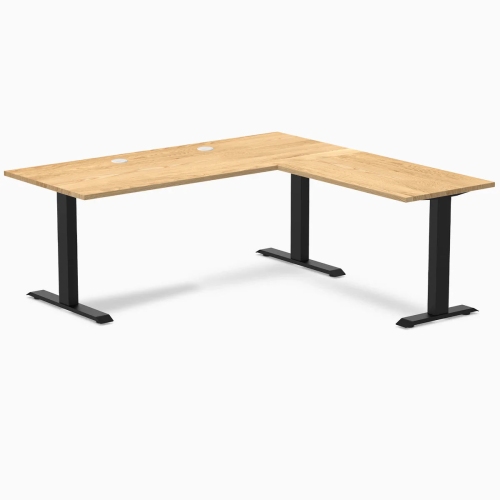
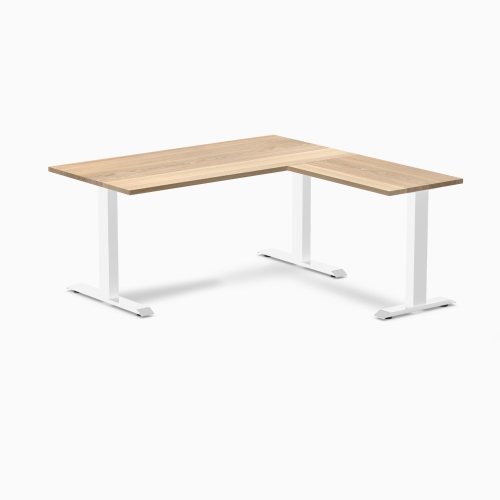
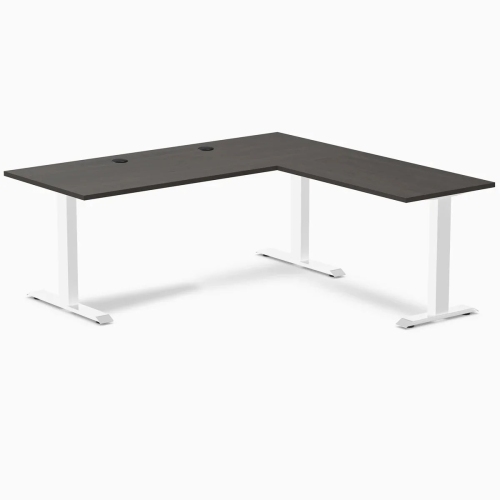
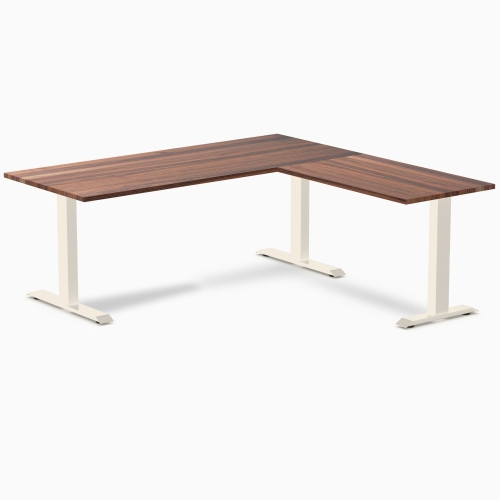
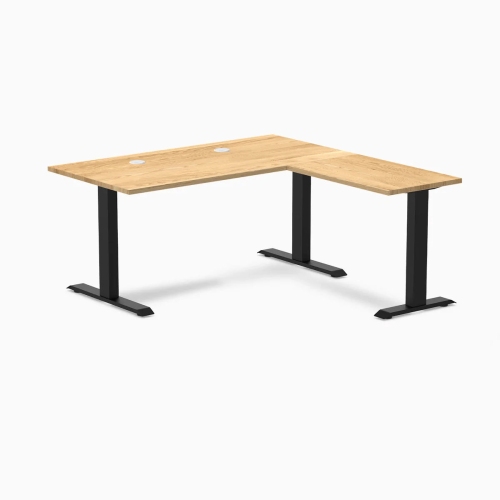
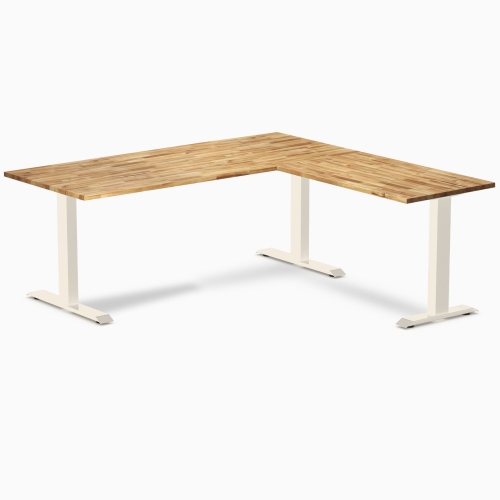
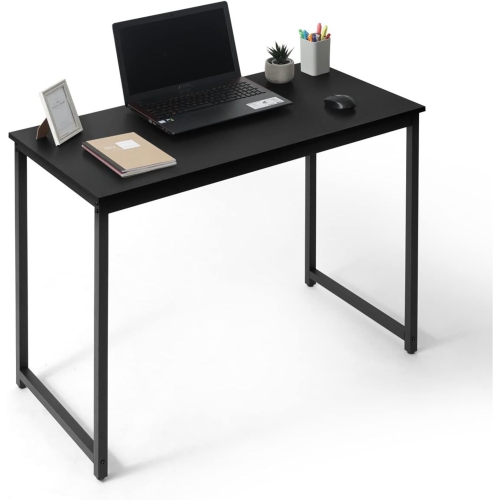
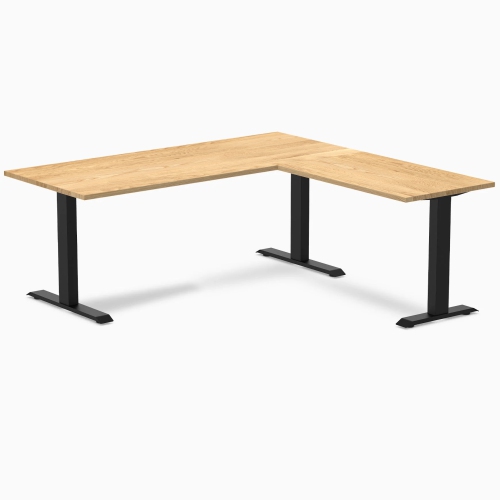
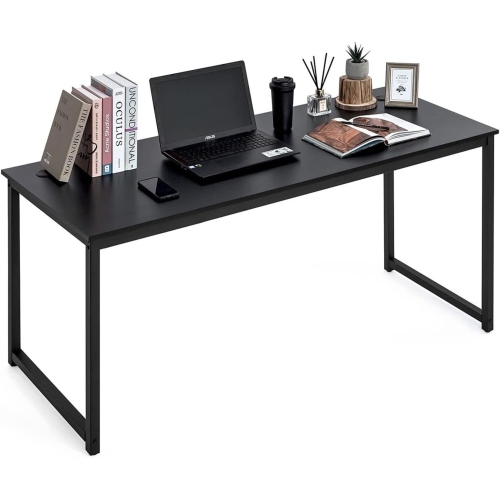
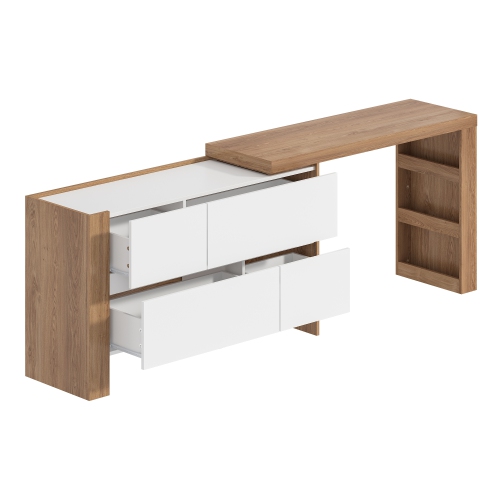
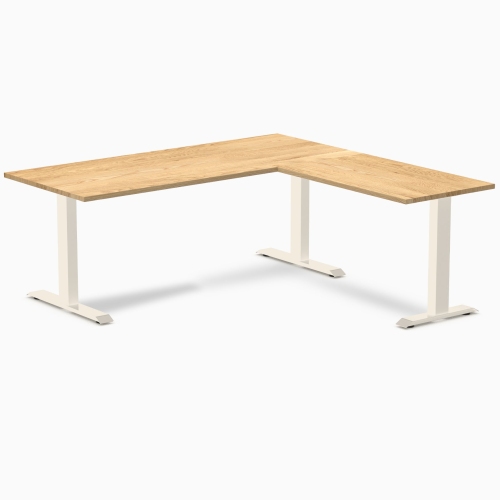
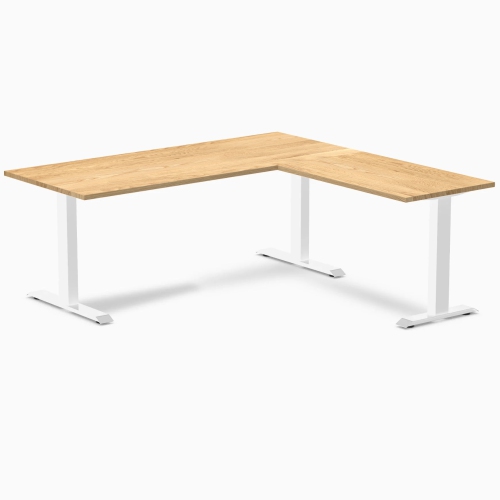
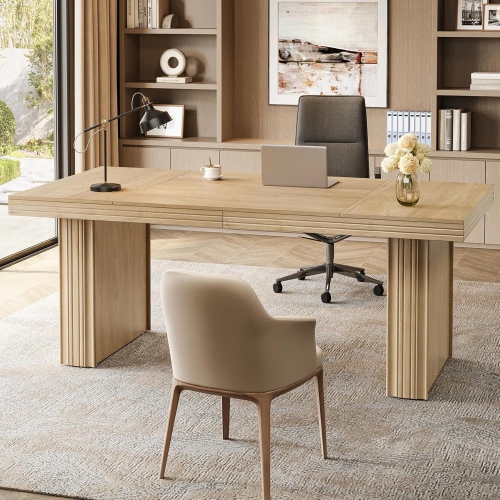
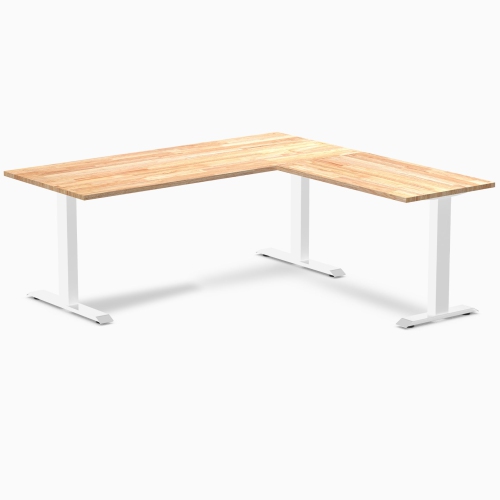
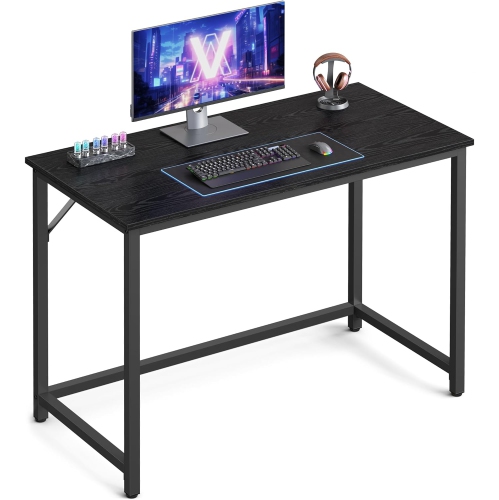
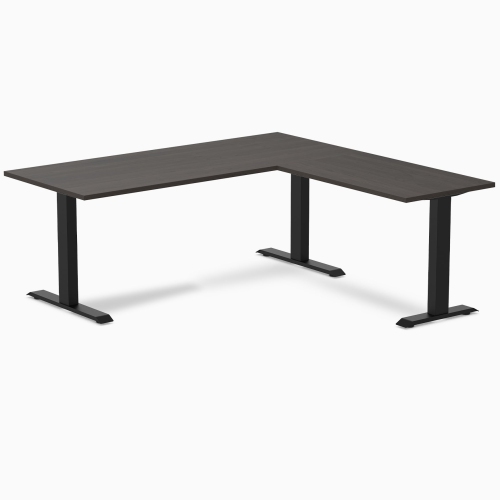
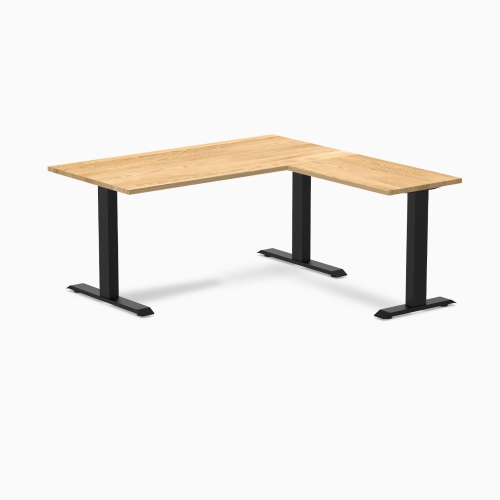
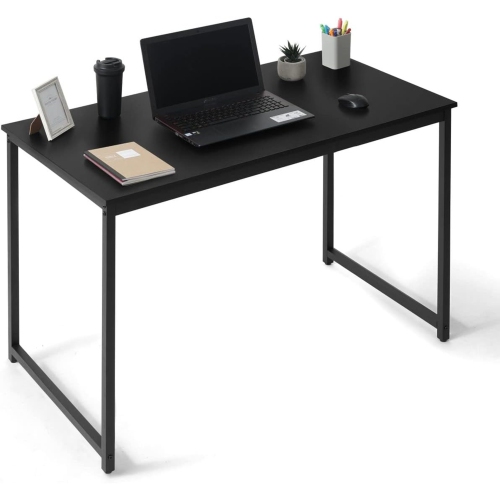
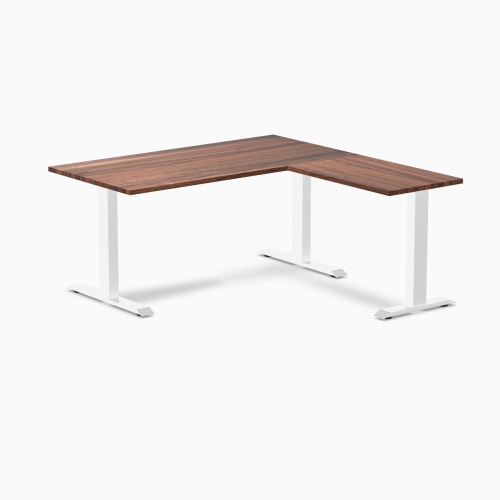
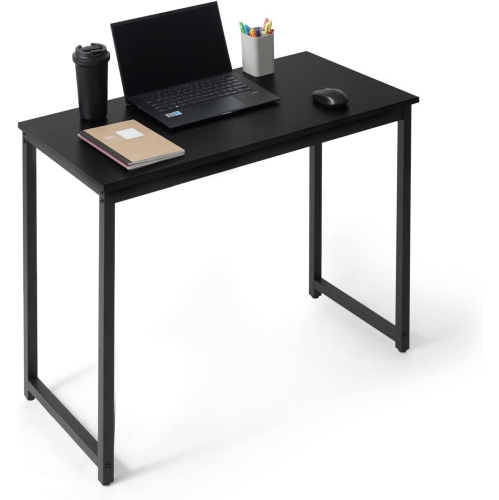
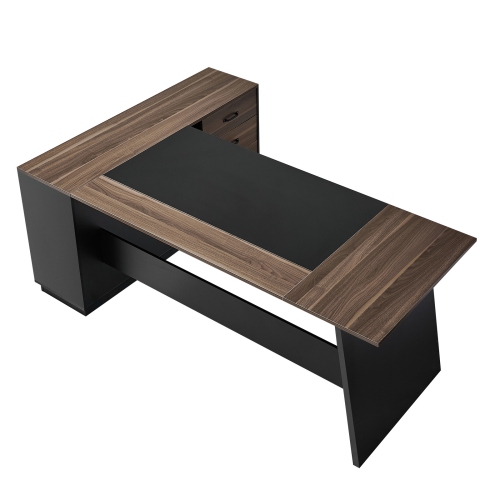
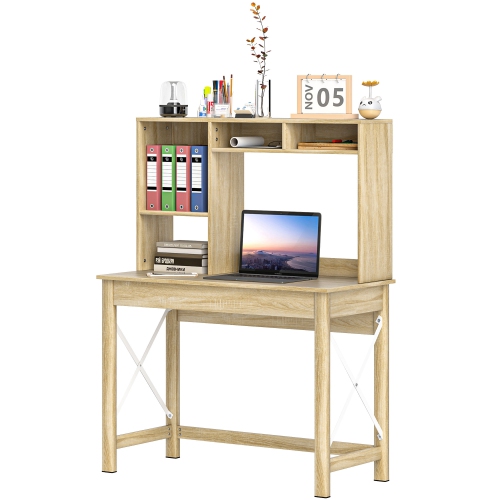
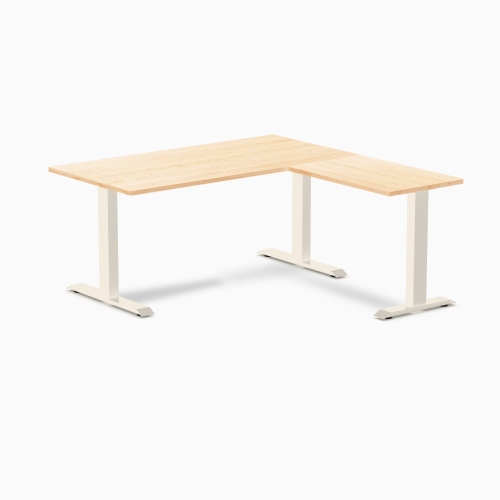
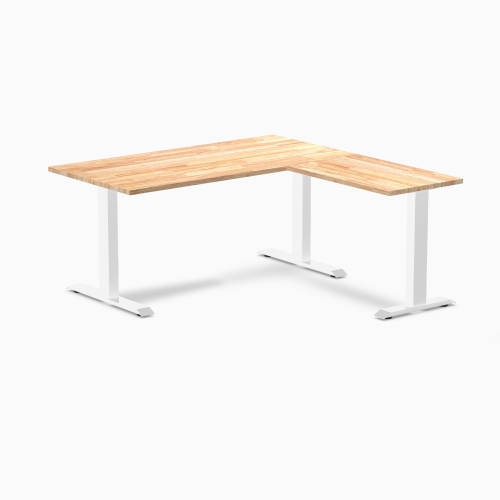
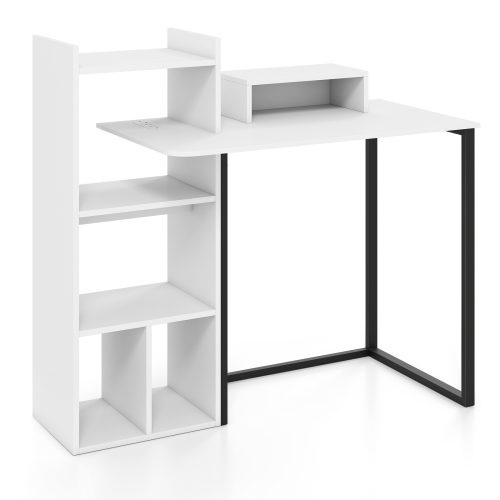
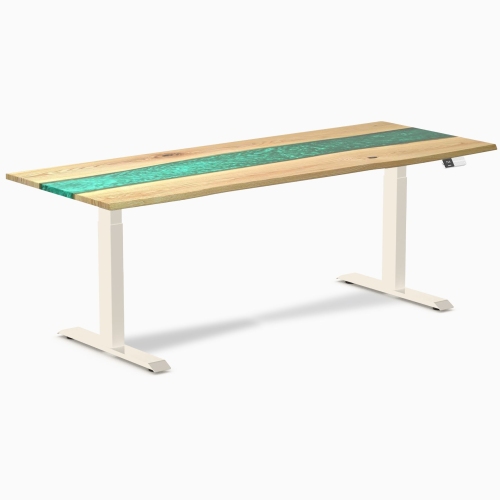
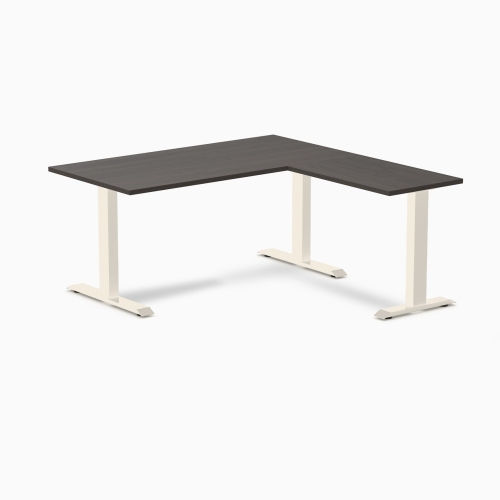
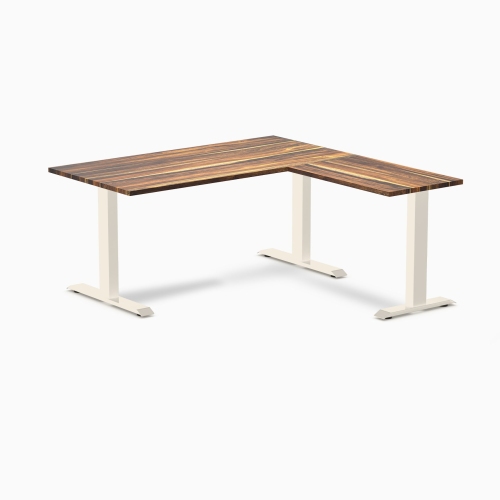
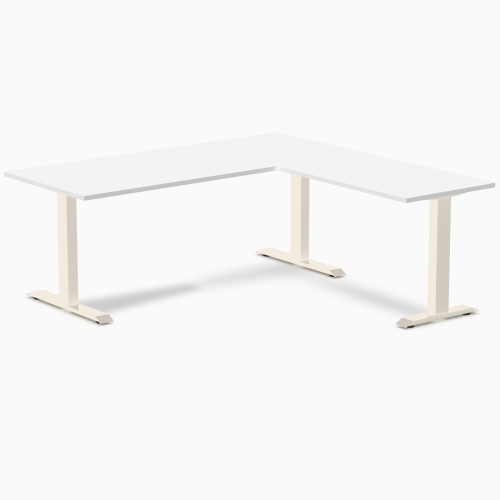
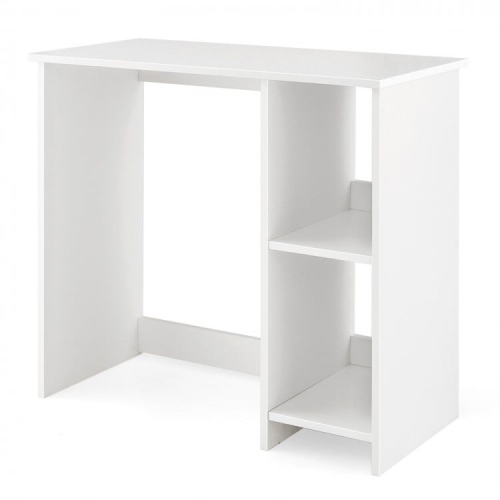
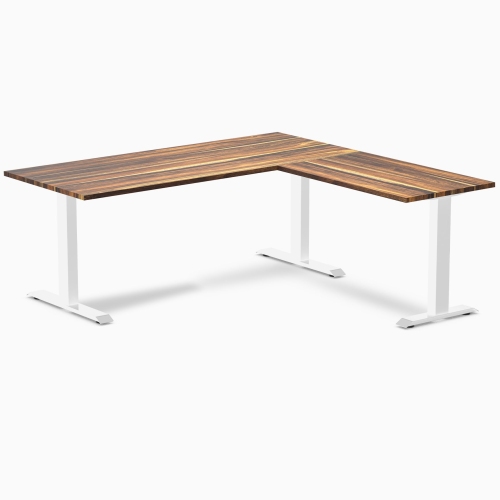
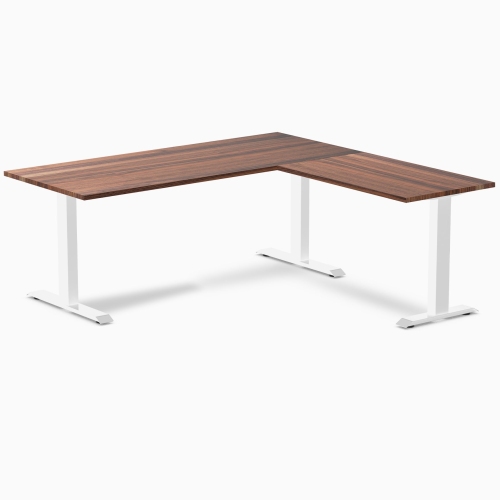
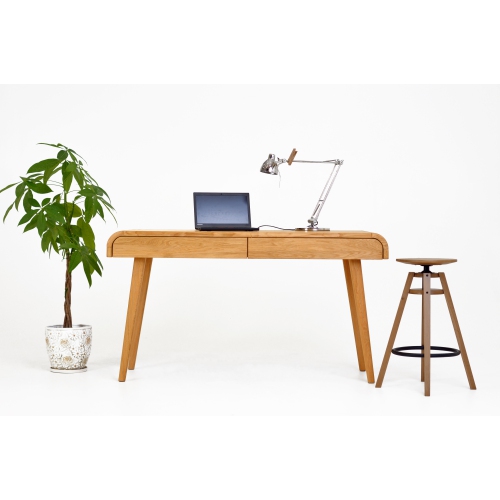
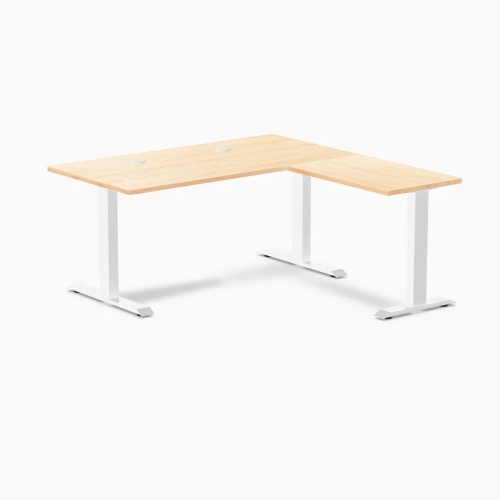
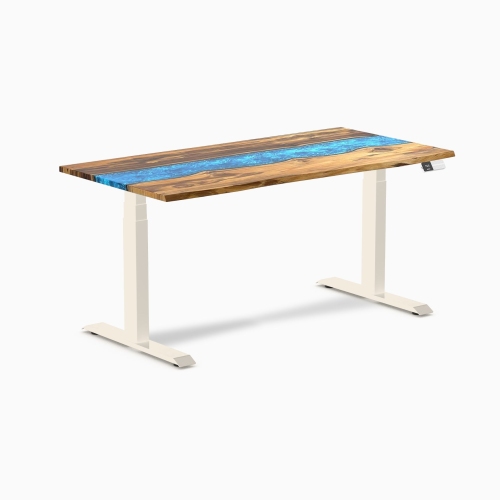
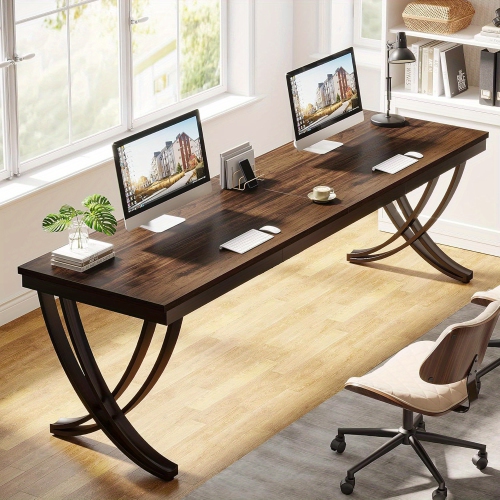
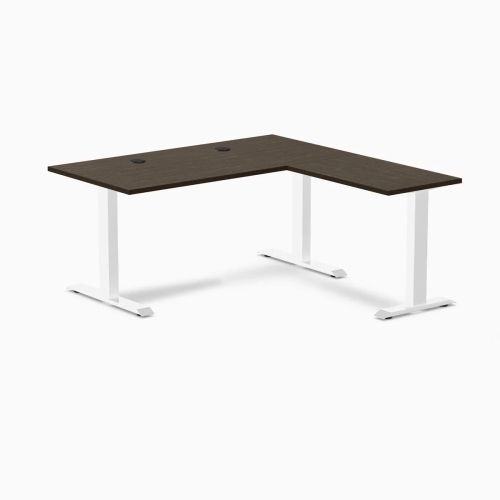
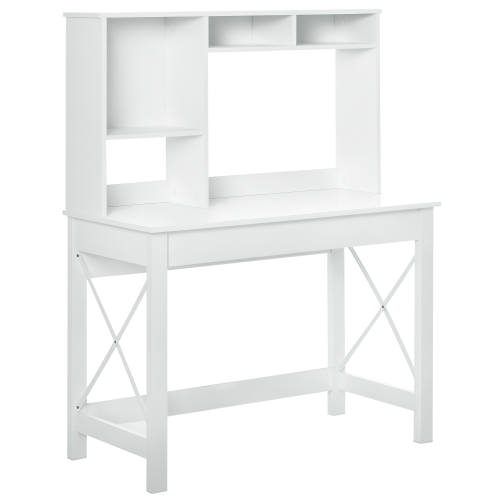
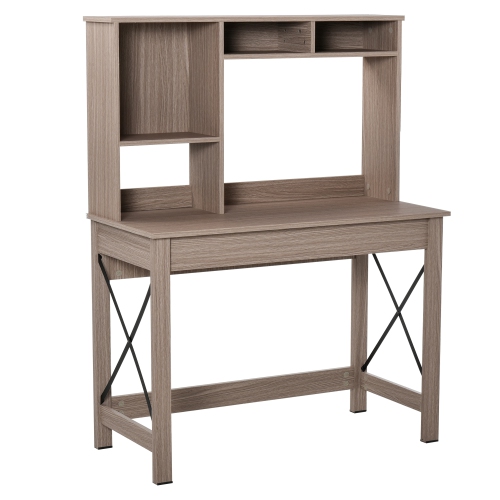
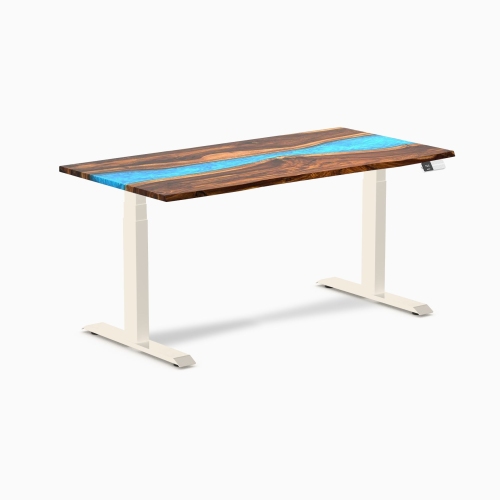
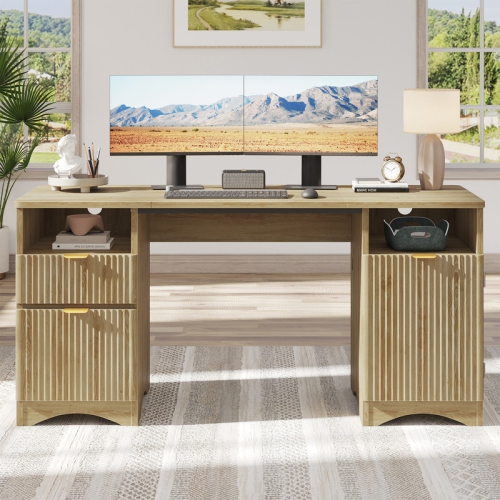
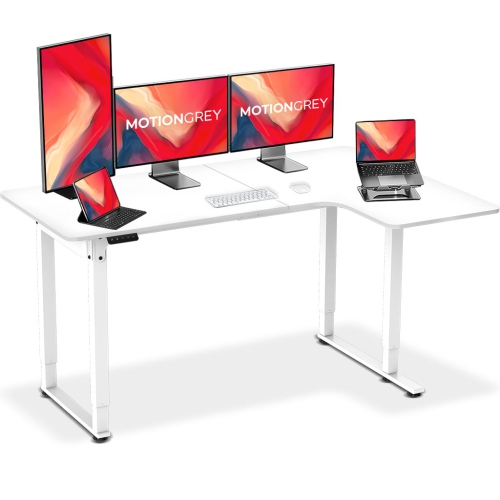
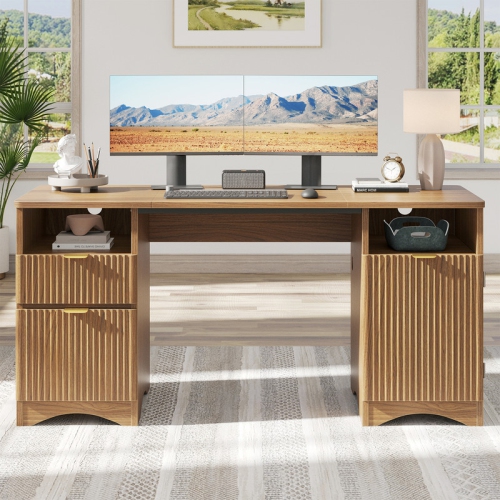
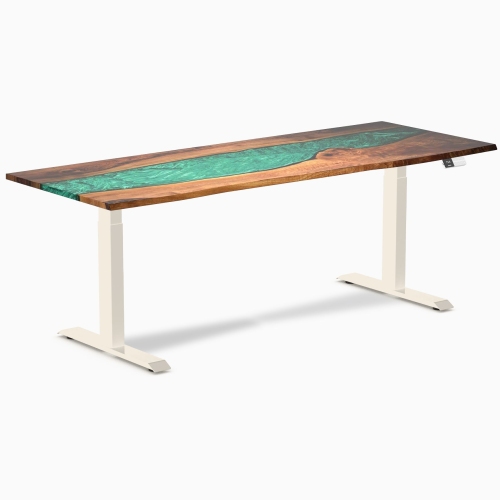
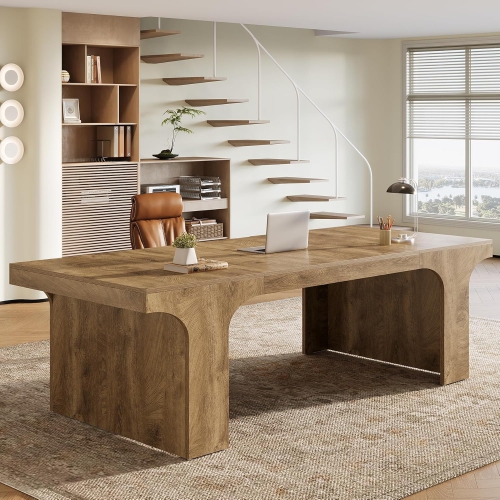
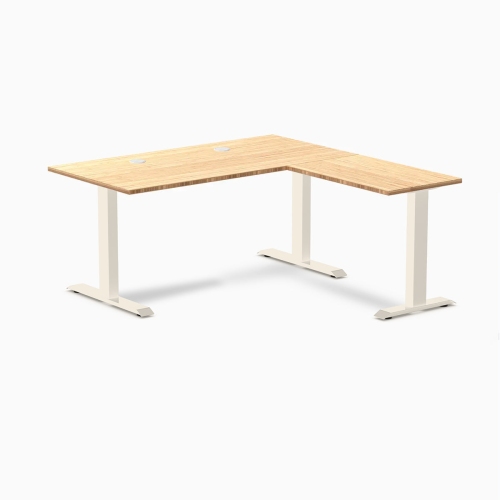
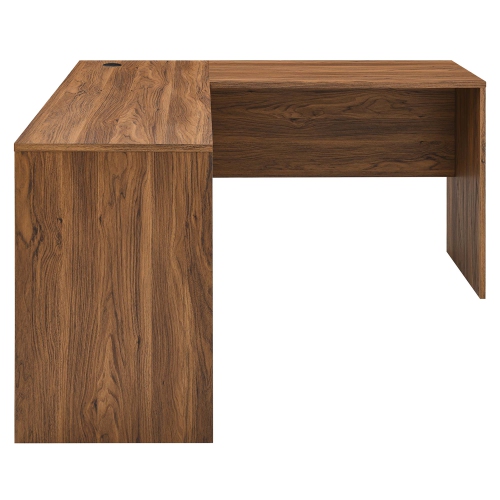
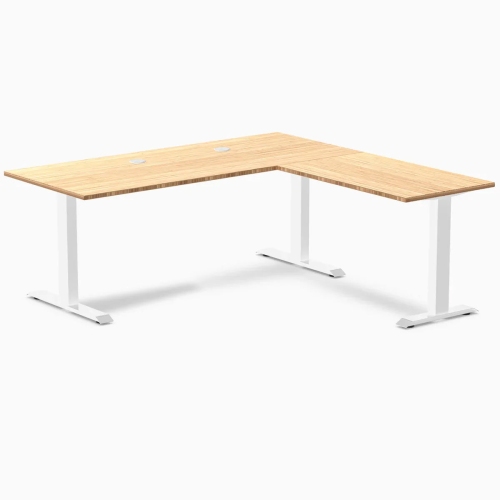
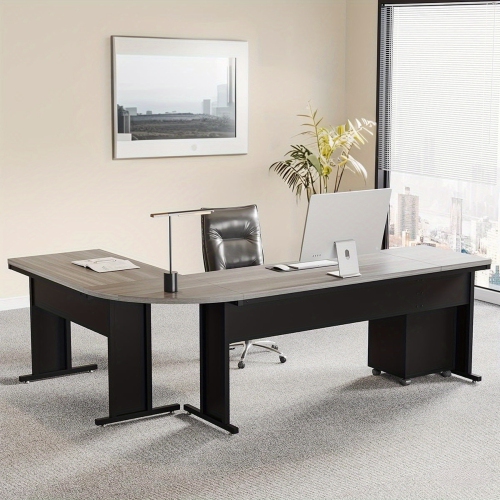
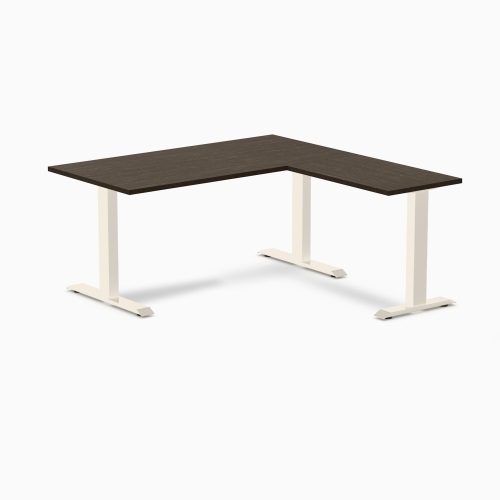
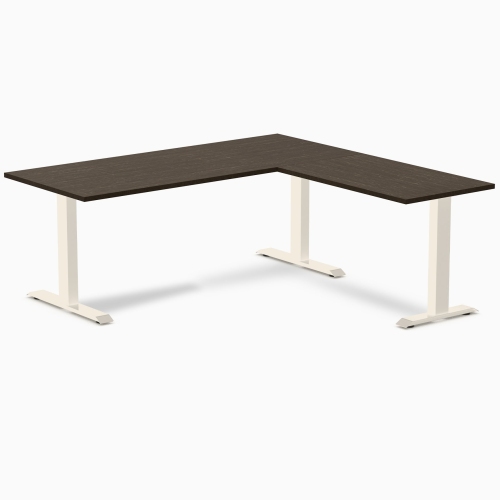
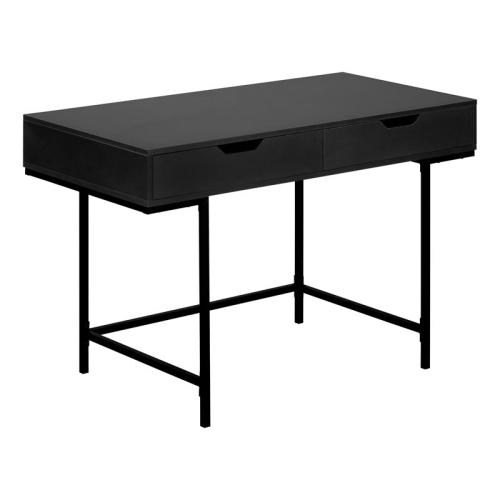
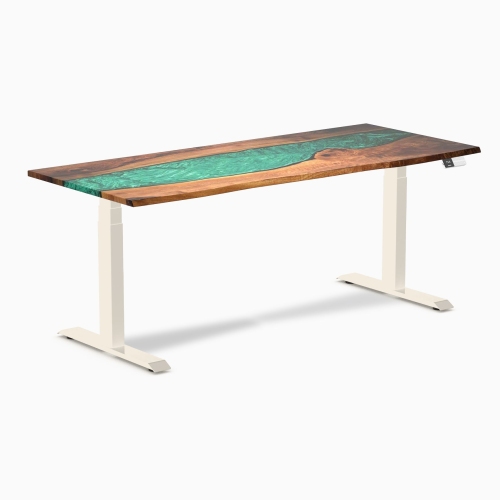
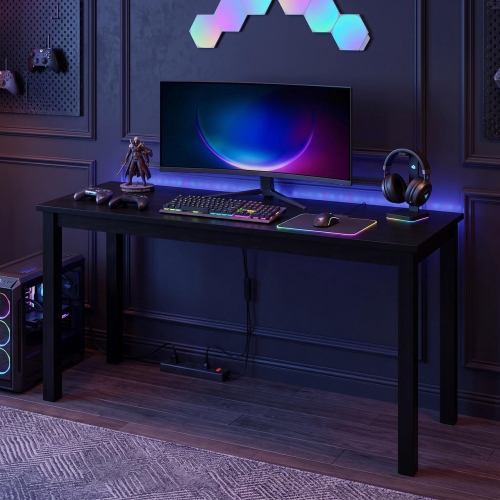
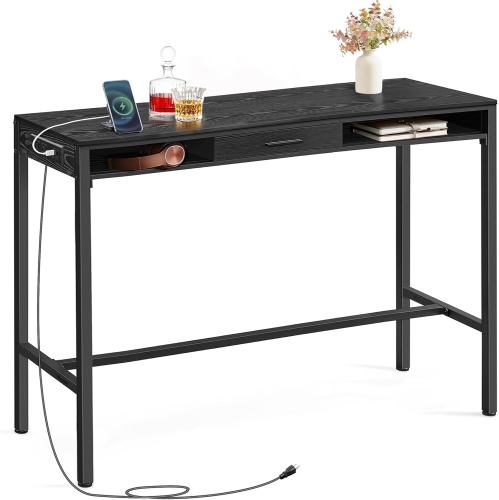
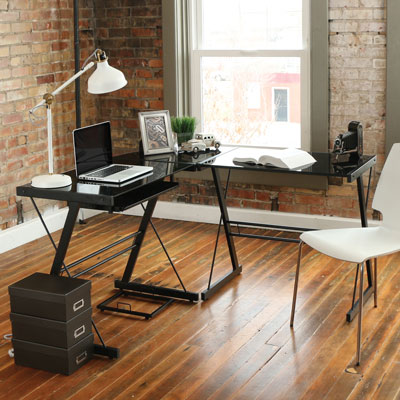
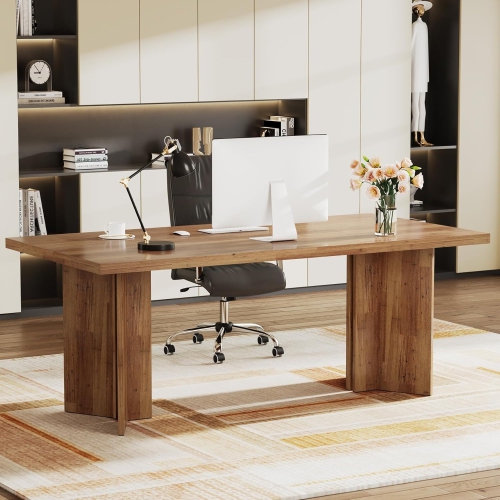
Beautiful work desks combine an appealing shape, a well-finished surface, and proportions that make everyday tasks feel comfortable rather than crowded. Their visual character often comes from the relationship between the desktop and its base: a substantial wood top on slender metal legs feels different from a desk with curved sides, tapered supports, or a full panel base. A pale wood finish can bring a light, relaxed look to a small study, while deeper brown tones and framed drawer fronts lend a more traditional presence to a dedicated office. White surfaces create a crisp backdrop for colourful accessories, and black finishes can give monitors, lighting, and storage a more unified appearance. The most successful designs look considered from the angles visible in the room, including the back when the desk sits away from a wall. Materials influence both that appearance and the experience of using the surface. Solid wood has natural grain variation and may develop small marks with use; wood veneer offers the character of real wood over a supporting core. Laminate surfaces can provide a consistent colour or wood-look pattern, with resistance to wear depending on their construction and finish. Glass desktops have a lighter visual presence, although fingerprints and the visibility of cables beneath them are worth bearing in mind. Metal frames can introduce slim lines or a more industrial feel, while painted finishes soften the appearance of a substantial desk. Details such as smoothly finished edges, neatly aligned drawers, and hardware that suits the overall design help a work desk feel like furniture rather than simply a place to put a computer. A rounded desktop can soften a room filled with straight edges, while a rectangular surface may align neatly with shelving or cabinetry. Matching every finish is not essential: a shared colour undertone or repeated metal detail can connect a desk to the rest of the room without making the space feel overly coordinated.
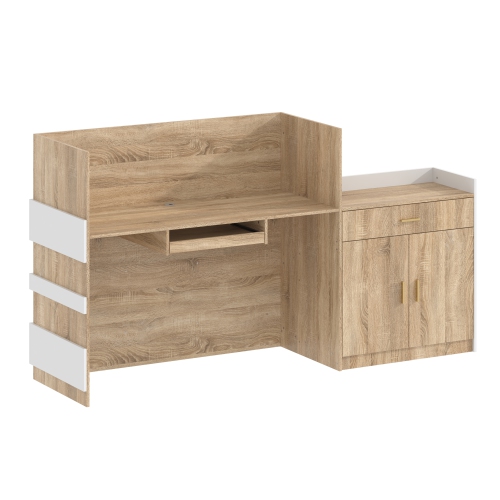
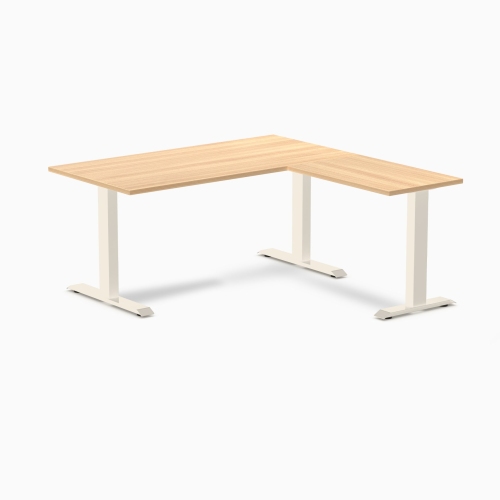
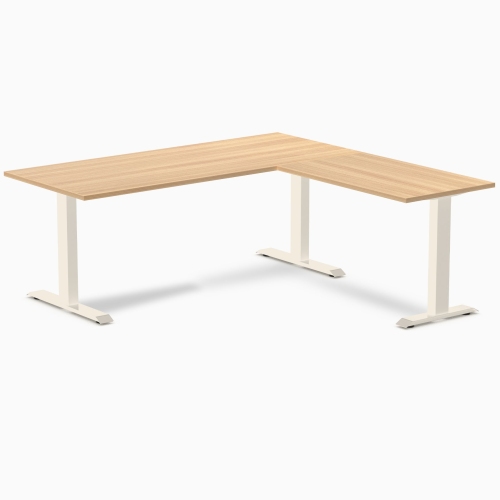
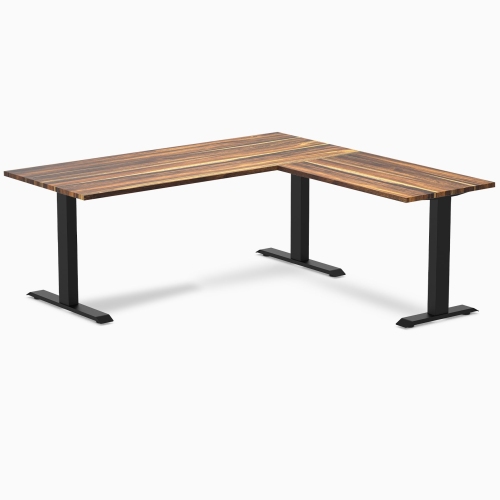
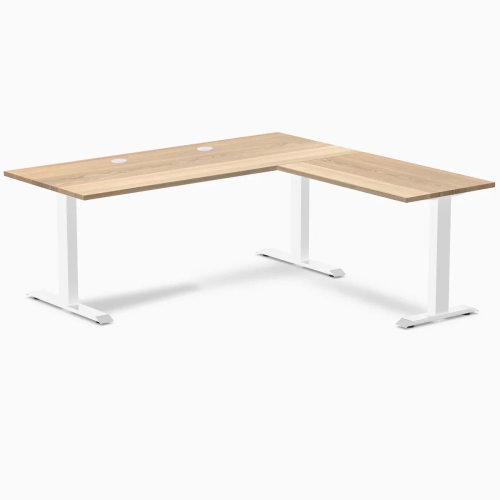
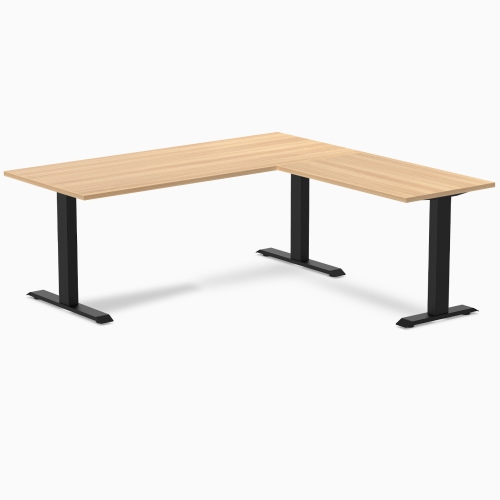
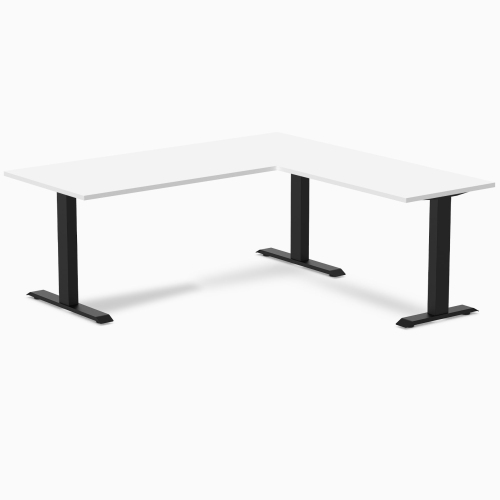
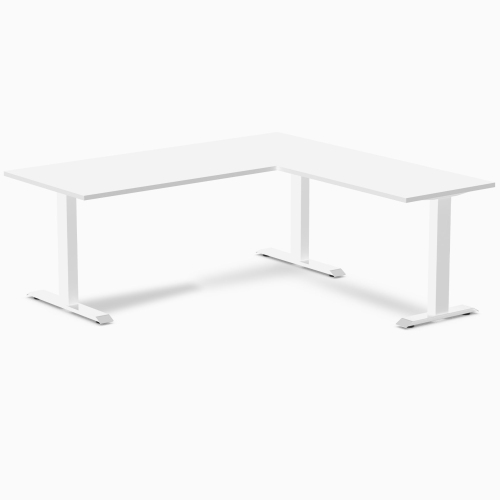
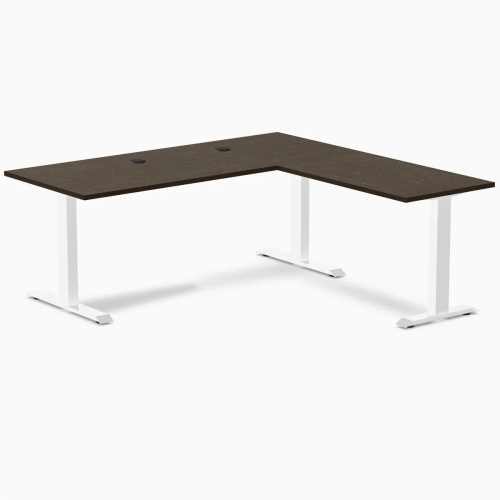
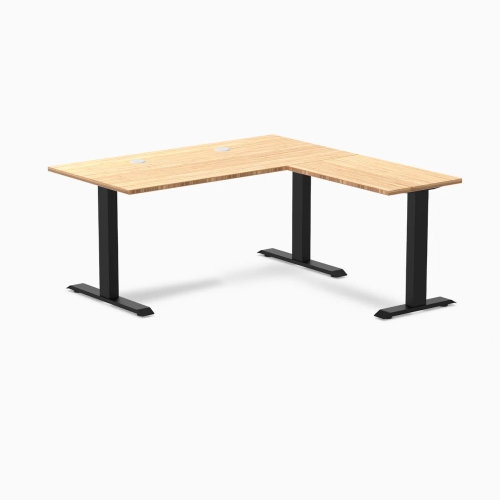
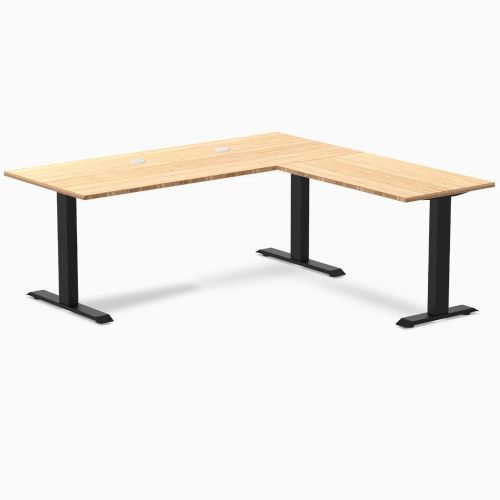
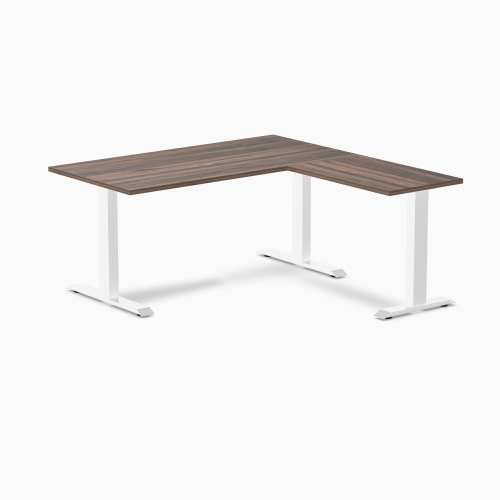
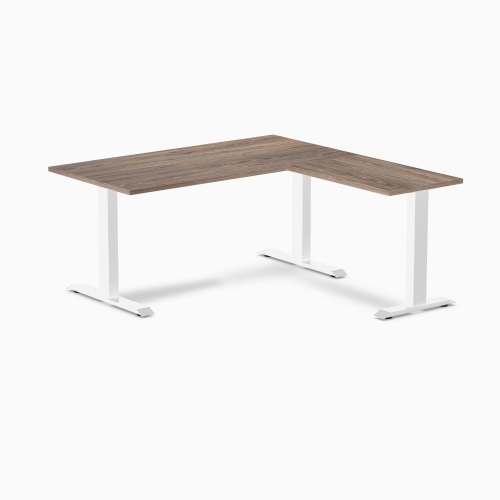
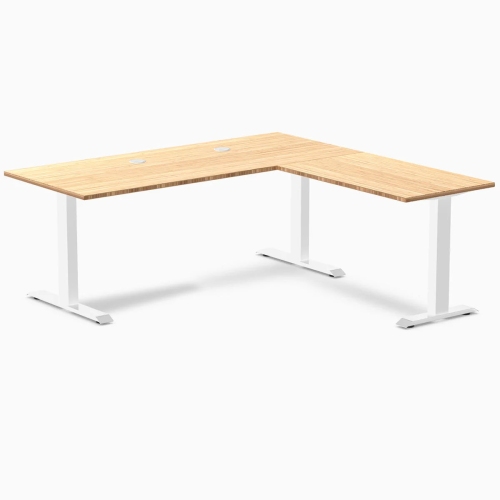
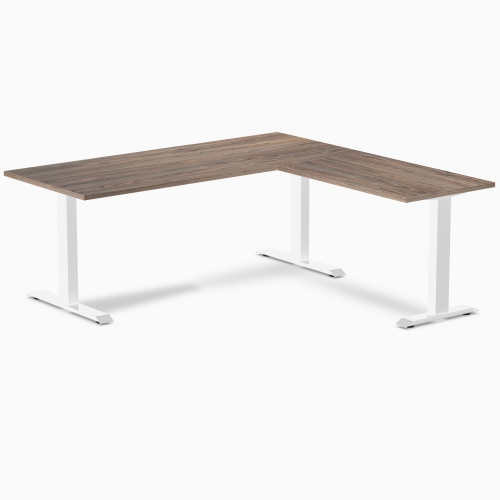
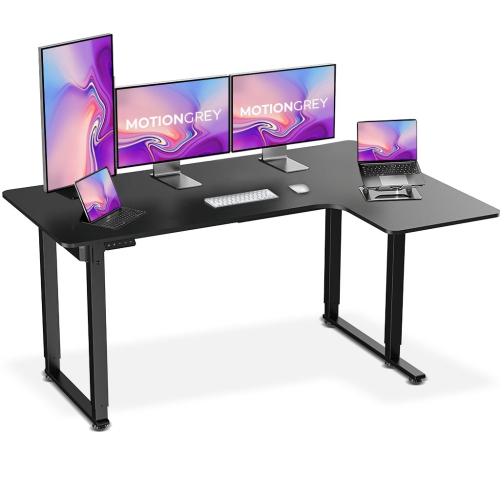
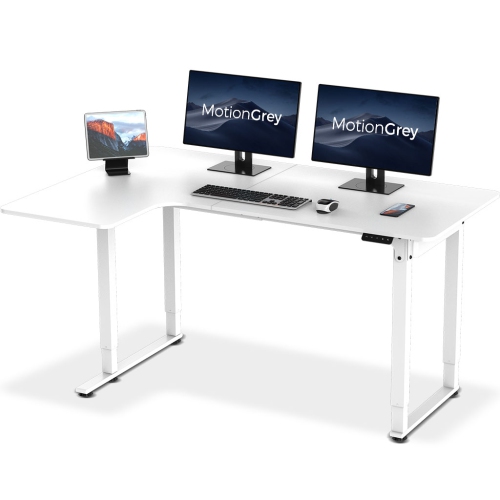
The right proportions make a beautiful desk useful beyond its first impression. Width determines how comfortably a laptop, monitor, notebook, and task lamp can sit together, but depth is equally important. A shallow surface may suit occasional correspondence or a compact laptop setup, while a deeper desktop leaves more room between a keyboard and screen and provides space to spread out reference materials. For someone who works with two monitors, the usable area matters more than the outer dimensions alone; raised shelves, built-in drawers, and curved edges can all affect where equipment fits. An L-shaped desk can separate computer work from paperwork, provided its return leaves enough room for movement and does not block a doorway. A straight desk is often easier to position along a wall, beneath shelving, or within a shared living area. Clearance deserves the same attention as the desktop itself. Legs need room to move beneath the surface, a chair needs space to pull back, and nearby drawers or cupboard doors need to open without colliding. Fixed-height desks work best when paired with seating that supports a comfortable posture, with relaxed shoulders and feet supported. Height-adjustable designs offer another way to vary working position, though their adjustment range, equipment weight limits, and cable clearance need to suit the setup. Storage changes how the desk functions throughout the day. Shallow drawers keep pens and small essentials close without occupying the writing surface; deeper compartments may suit documents, provided their internal dimensions match what needs storing. Cable openings, trays, and accessible routes to power outlets can keep cords from becoming the most noticeable feature. The broader Great Desks collection offers another way to explore desk styles with these practical details in mind. Whether the workspace occupies a separate room or one corner of a dining area, the desk should leave enough breathing room for both its user and the surrounding furniture.
Durability becomes especially noticeable in the small actions repeated every day: leaning forward to write, opening a drawer, moving a keyboard, or resting forearms along the front edge. A stable base, secure connections, and drawer runners that move smoothly contribute as much to lasting satisfaction as the finish on top. A desk used for occasional household paperwork has different demands from one supporting a full workday, a desktop computer, or creative equipment. Weight limits are particularly relevant when adding multiple screens, heavy speakers, or a monitor arm. Clamp-mounted accessories also need a suitable desktop thickness and construction, since not every surface or edge can accept a clamp safely. Care should reflect the material rather than a single cleaning routine for every desk. A soft cloth removes everyday dust, while spills are best addressed promptly using a method approved for the finish. Excess moisture can damage some wood-based surfaces, harsh cleaners may dull coatings, and abrasive pads can leave visible scratches. Coasters, a writing mat, and protective pads beneath accessories help reduce concentrated wear, especially where a mouse or notebook stays in the same position. Wood furniture also benefits from placement away from direct heat sources and prolonged strong sunlight, which can affect its appearance over time. For remote workers, students, and people managing household tasks, a pleasing desk can make an ordinary routine feel more settled: there is a clear place for the morning’s notes, enough surface for an open textbook, and somewhere to put work away at the end of the day. In a shared room, discreet storage can help that transition happen without leaving paperwork in view. In a dedicated office, a larger surface may support focused work alongside drawing, planning, or other projects. Beautiful work desks earn their place through this balance of visual appeal and daily usefulness, with materials, proportions, and thoughtful details that continue to feel right after the room is fully lived in.
Top selling and popular products
-
 Your price for this item is $304.99
-
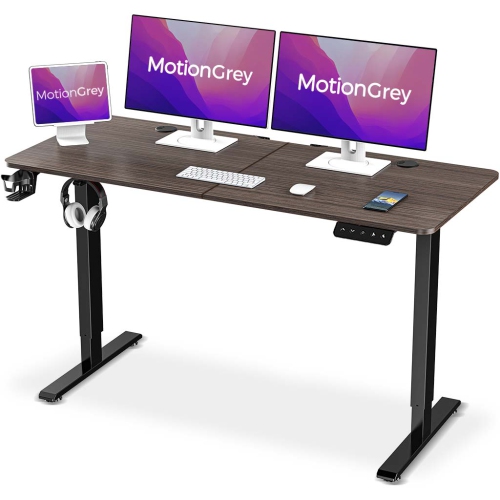 Your price for this item is $142.94
-
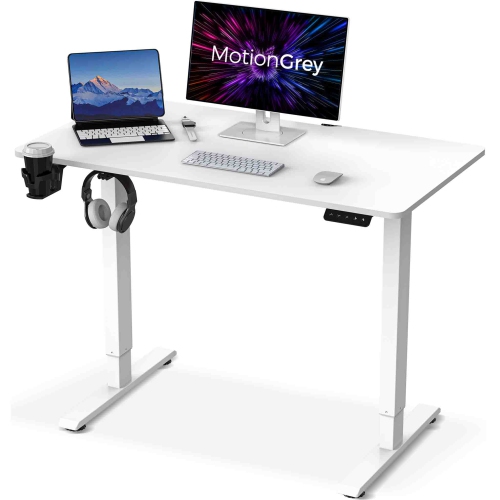 Your price for this item is $133.91
-
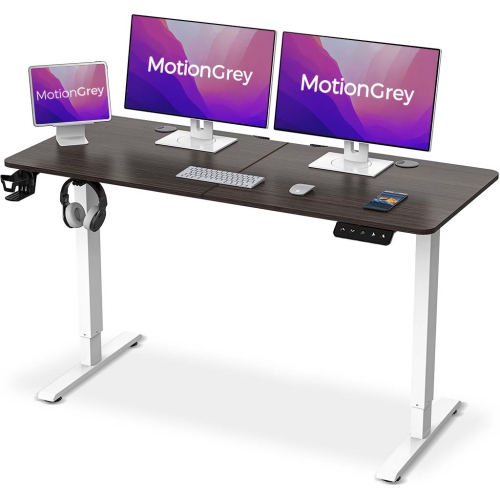 Your price for this item is $158.99
-
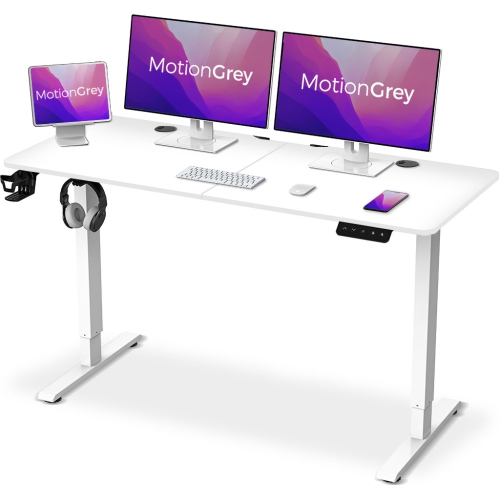 Your price for this item is $142.94
-
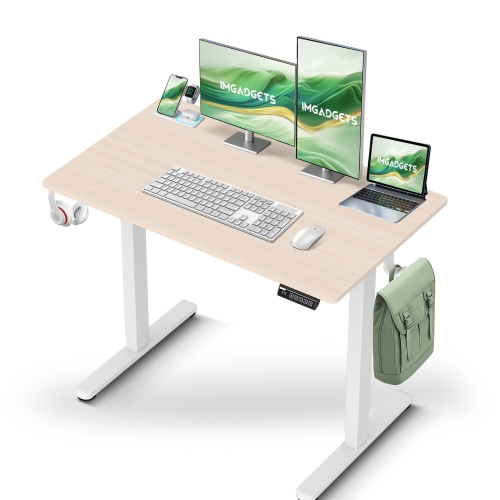 Your price for this item is $119.99
-
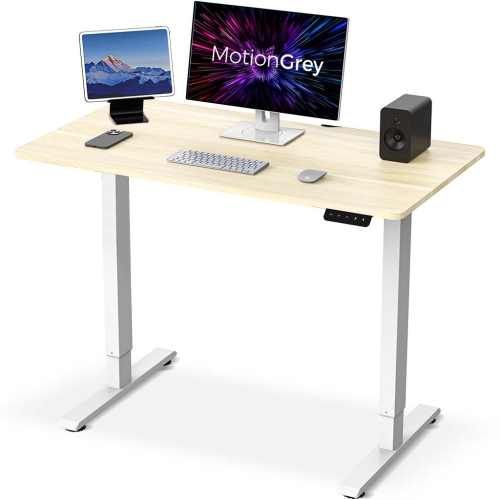 Your price for this item is $133.91
-
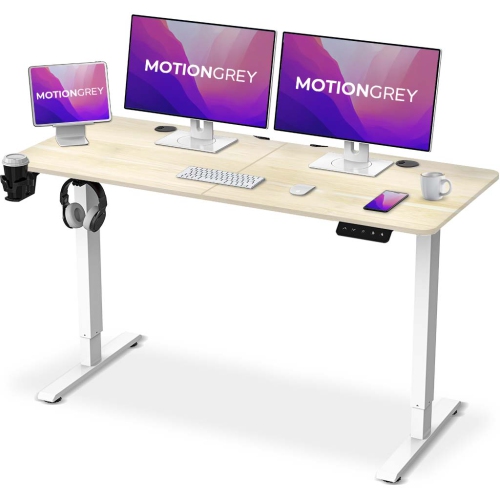 Your price for this item is $142.94
Discover more categories related to Beautiful Work Desks
Top Collections:
Pokemon Centers, Kindle Devices, Best Cameras for Sports Photography, Pokémon 30th Celebration Cards, Apple iPhones 16, Canon G7X Cameras, iPhone 15 Apple, Flip Phones, Samsung Galaxy Phones, Alarm Clock
Some products may be subject to Environmental Handling Fees
(EHF) depending on your province.
Learn more about EHFs.