Gray Lateral File Cabinets
A lateral file cabinet is a piece of furniture that's designed to help you keep your work organized. It has drawers on both sides, which means you can store documents and files in each one. The purpose of a lateral file cabinet is to make it easier for you to find the information you need quickly. Here are some of the best gray lateral file cabinets on the market today.
Sort
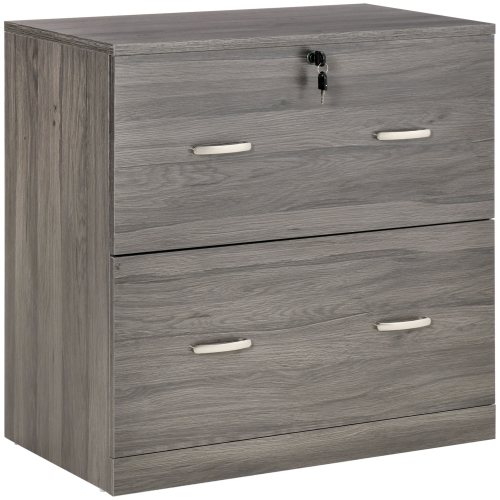

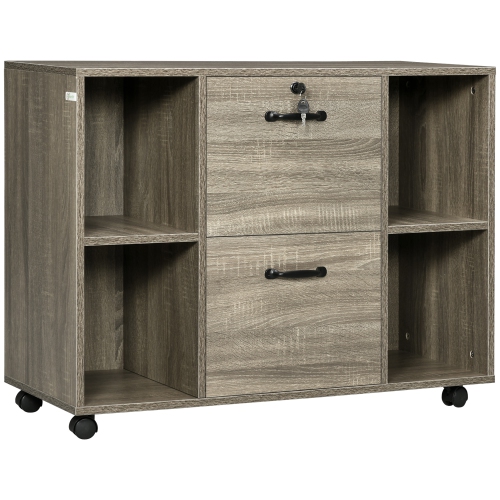
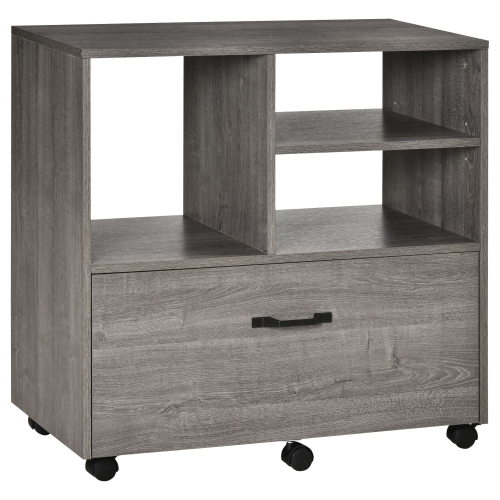
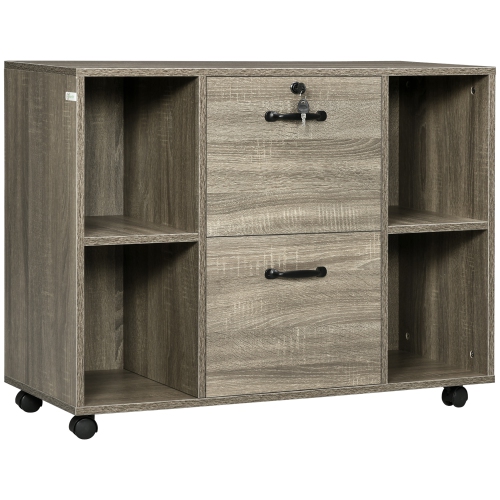
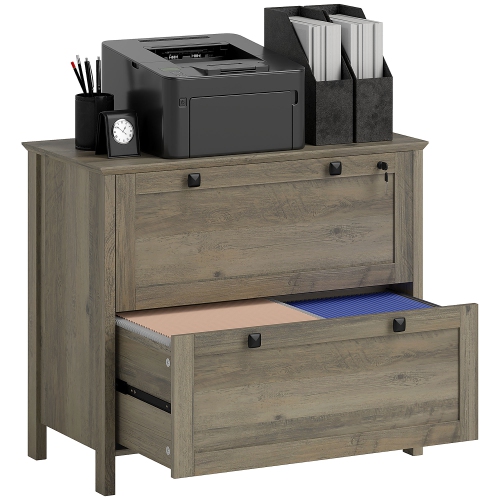
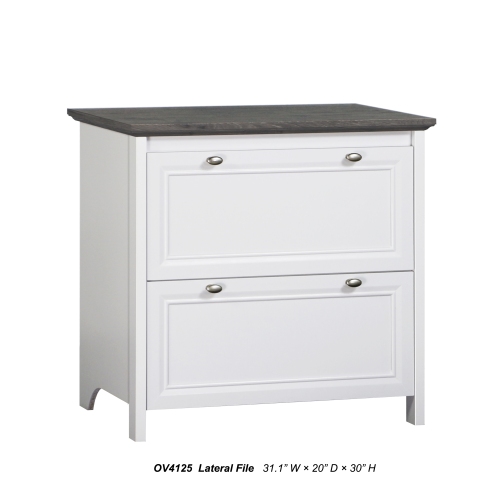
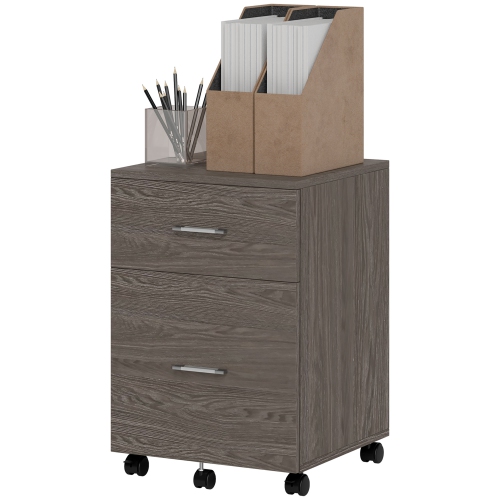
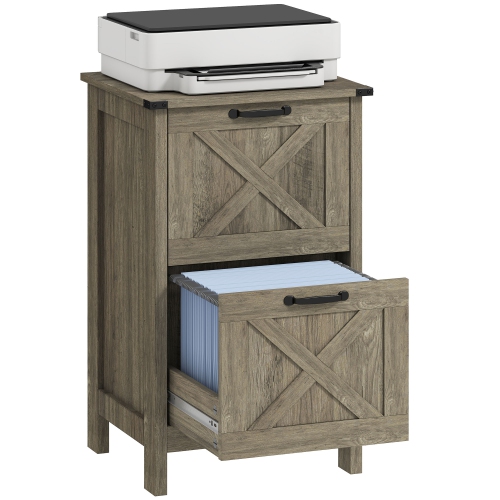
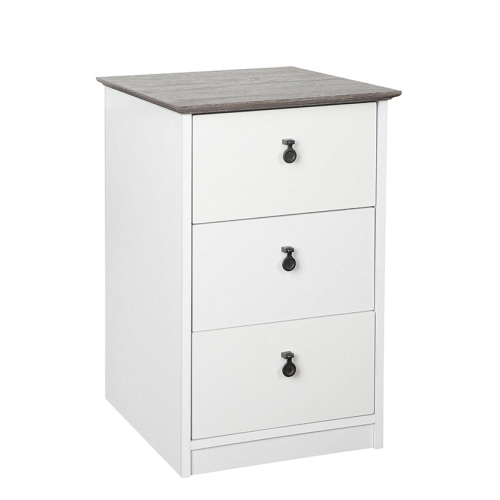
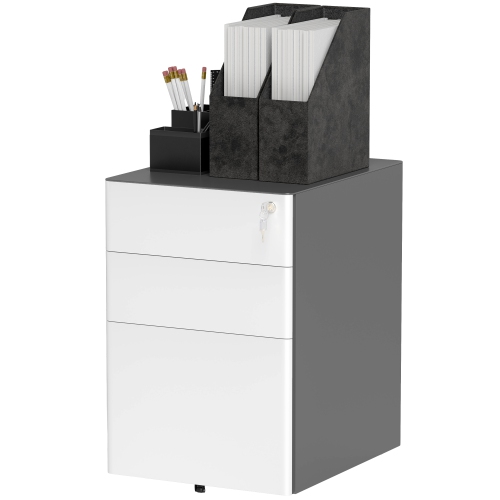
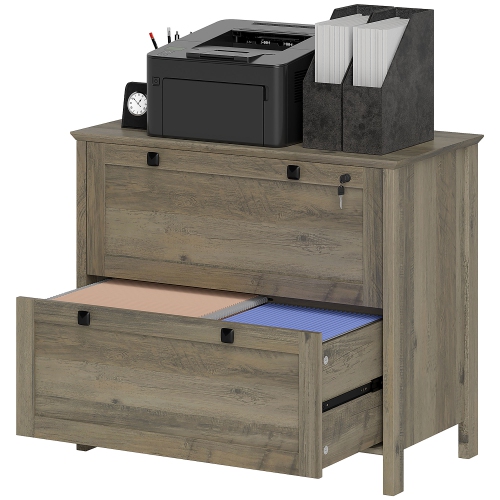
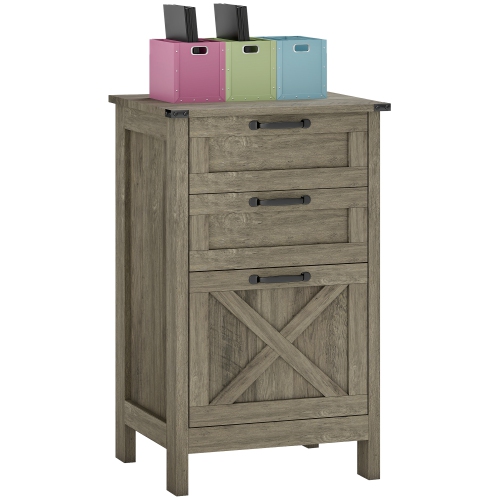
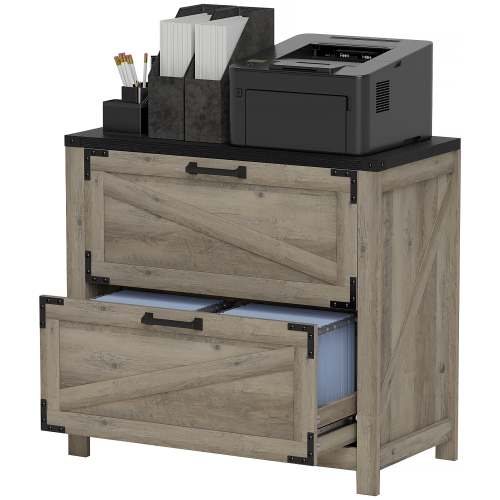
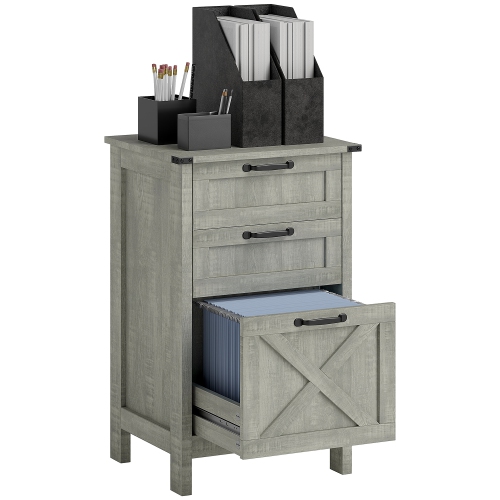
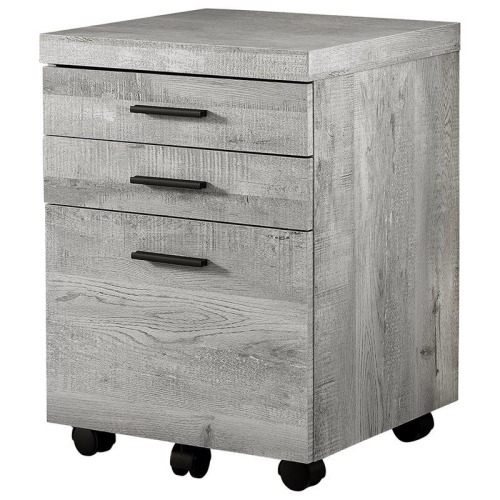
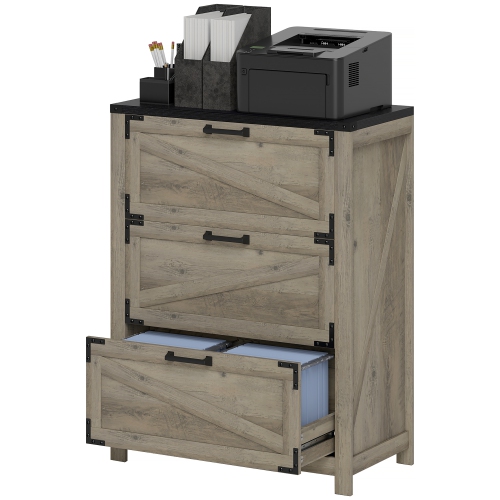
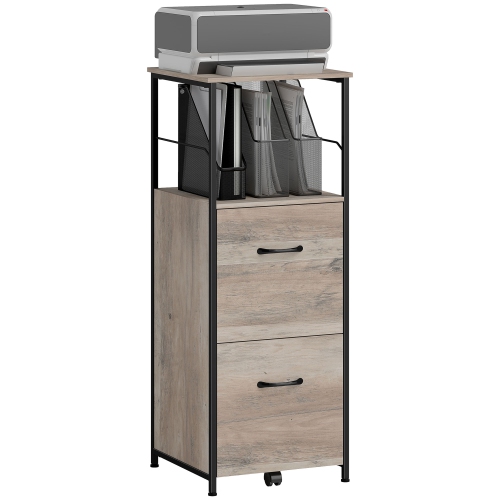
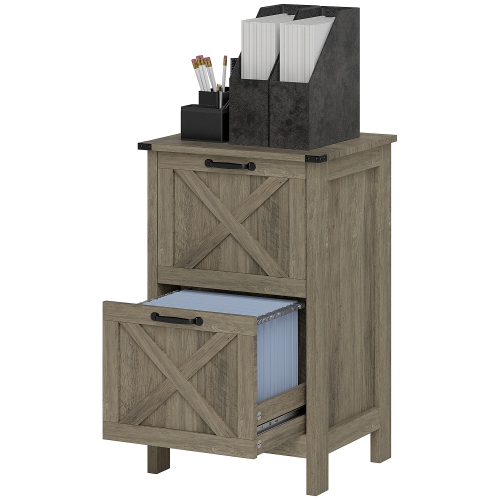
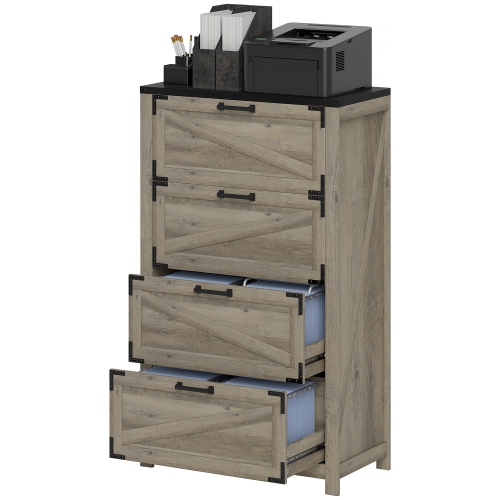
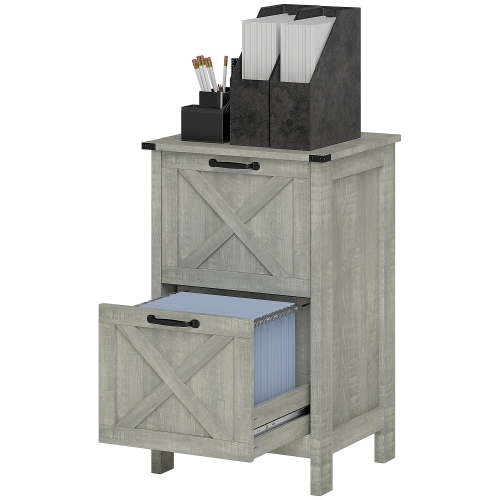
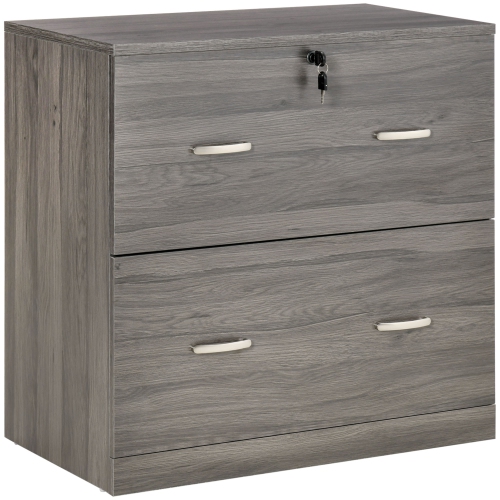
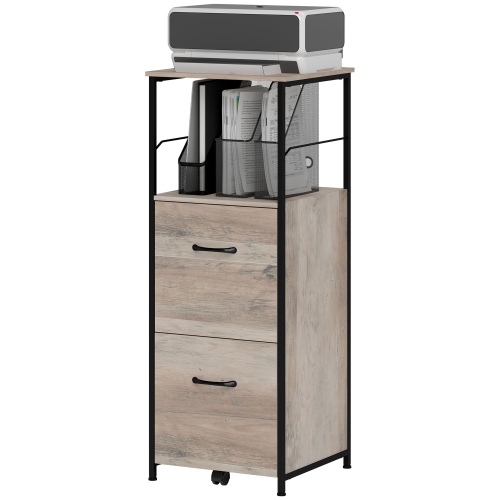
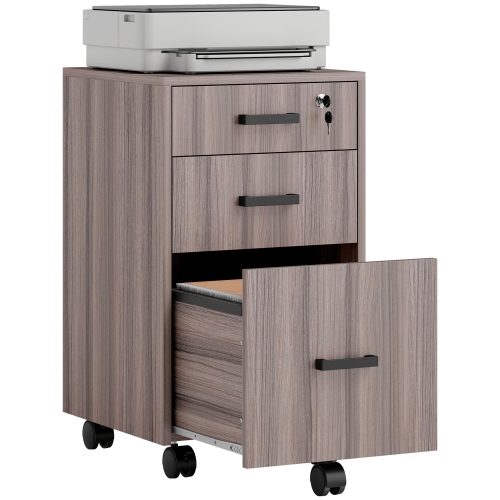
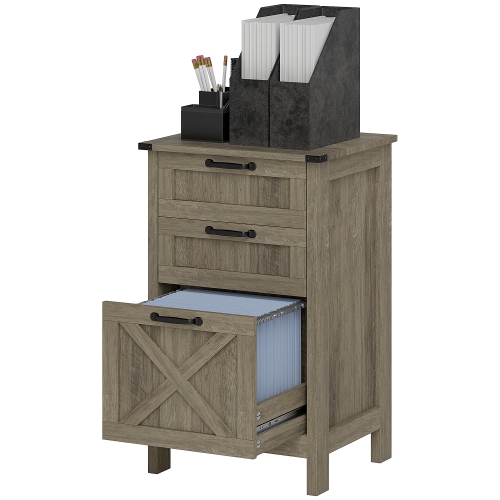
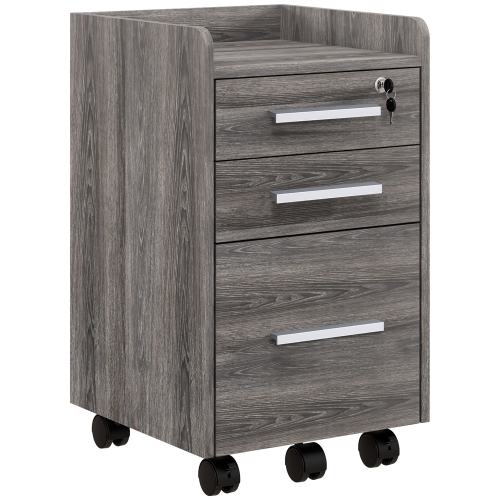
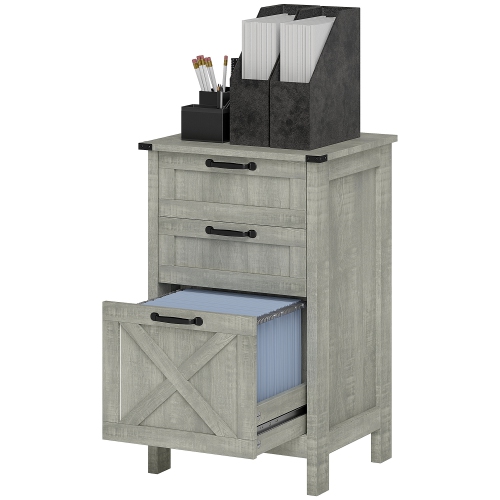
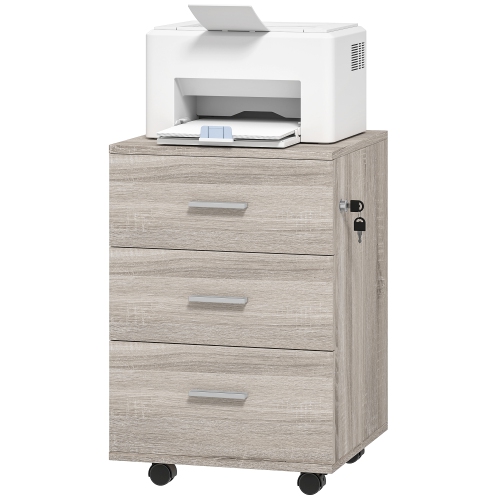
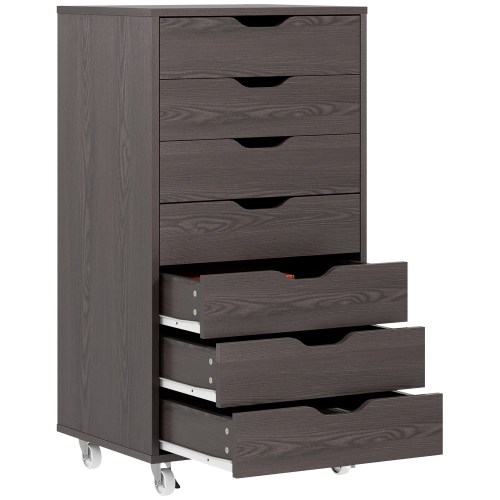
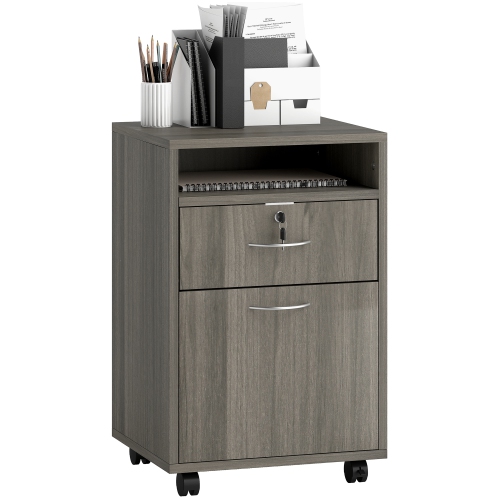
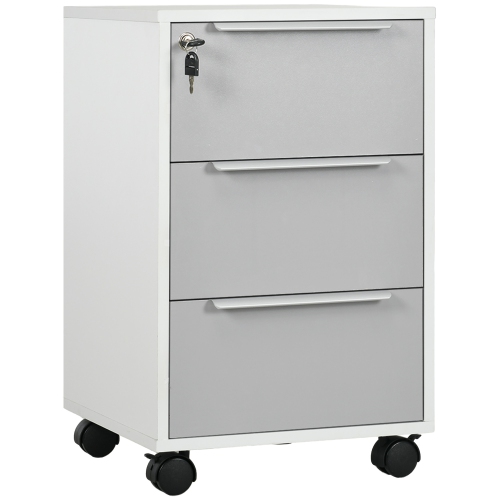
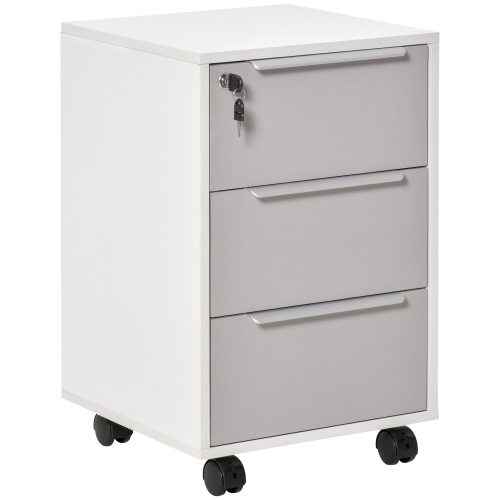
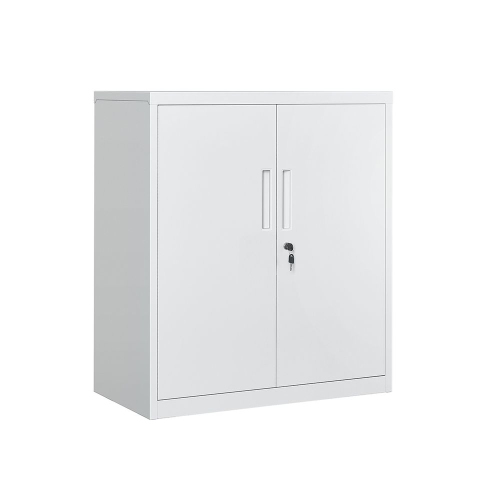
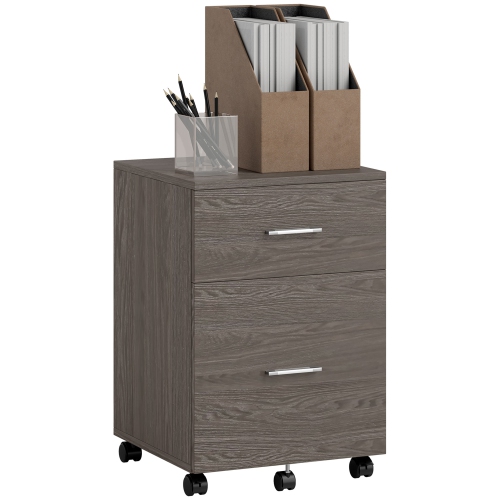
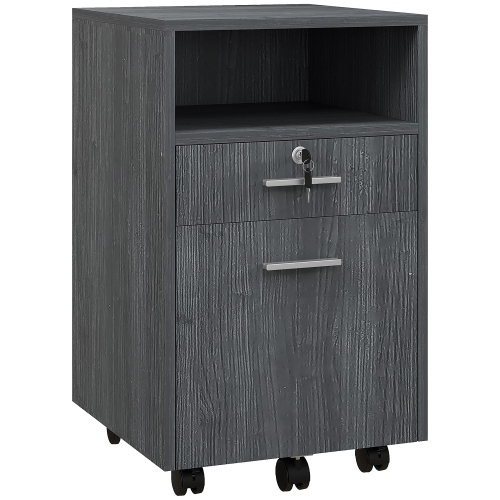
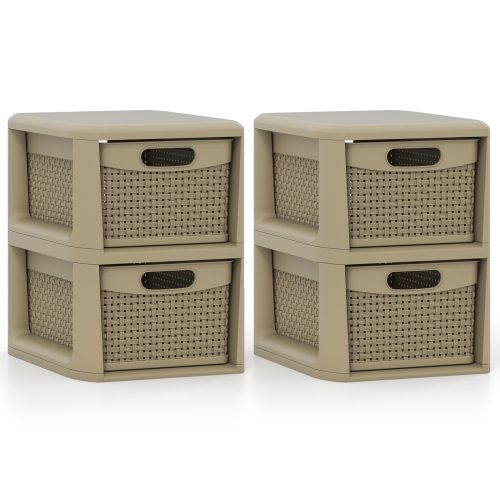
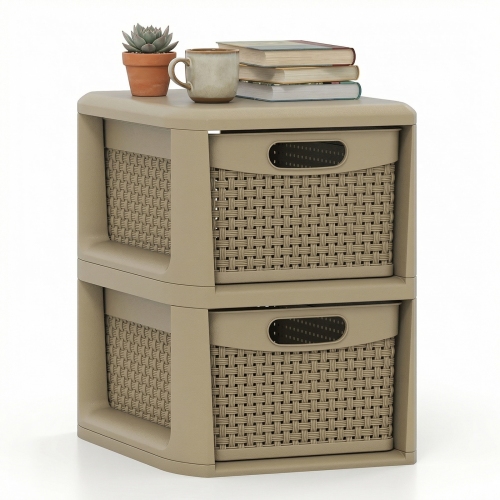
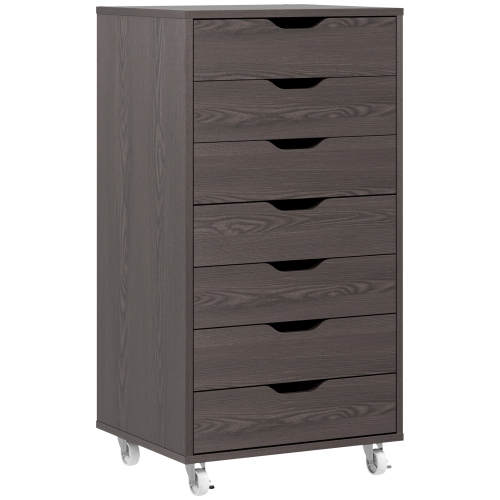
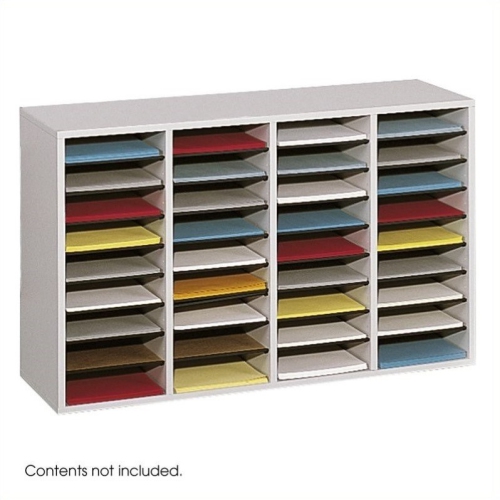
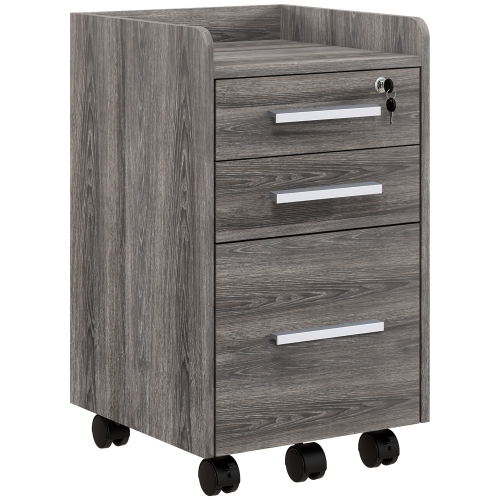
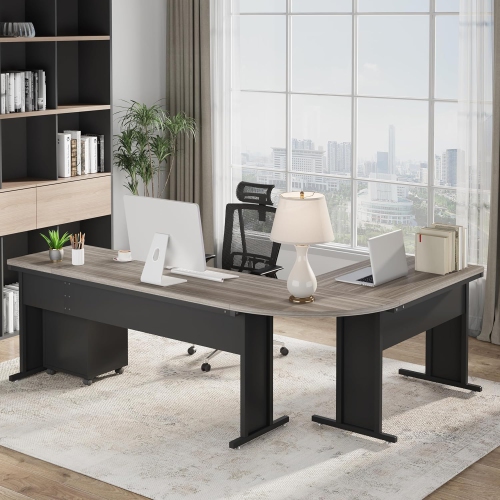
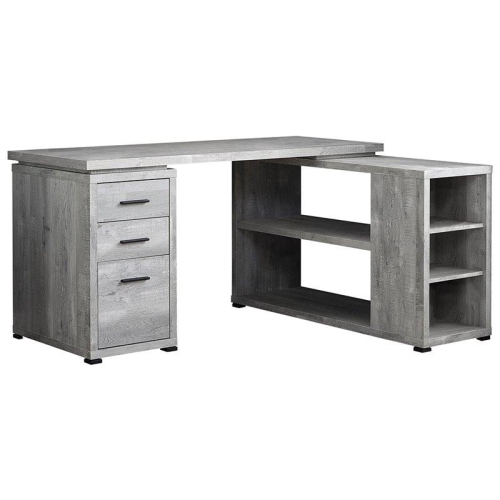

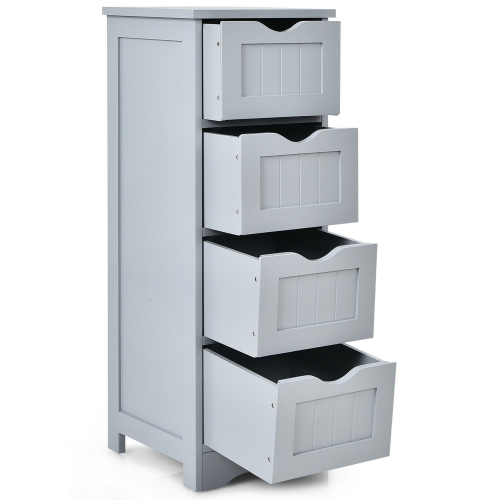
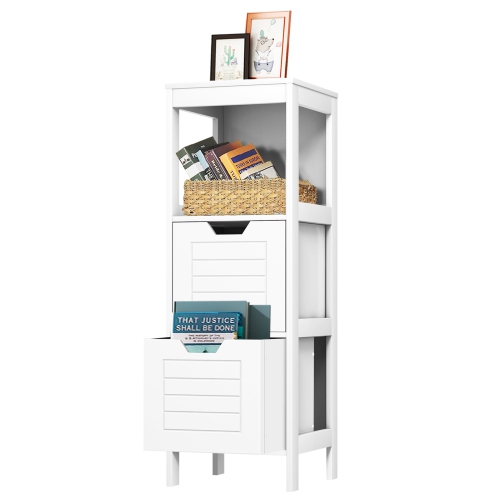

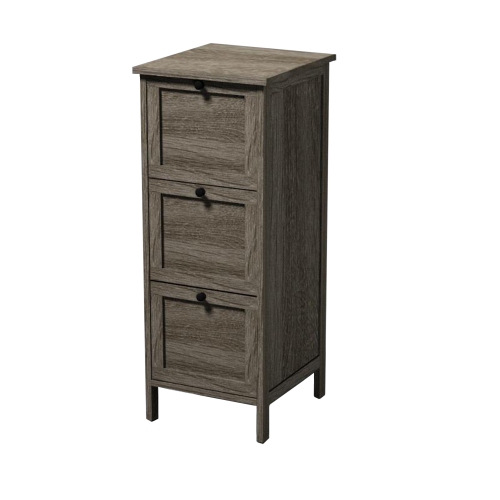
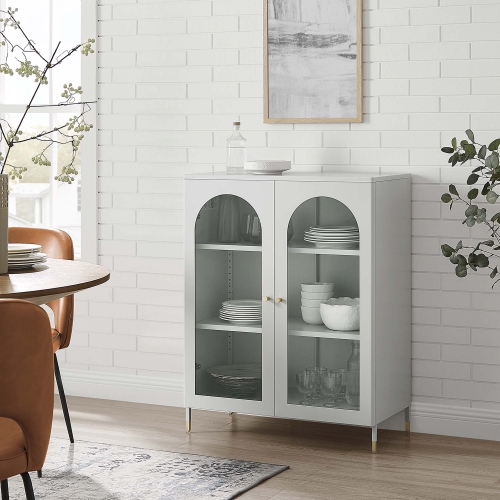
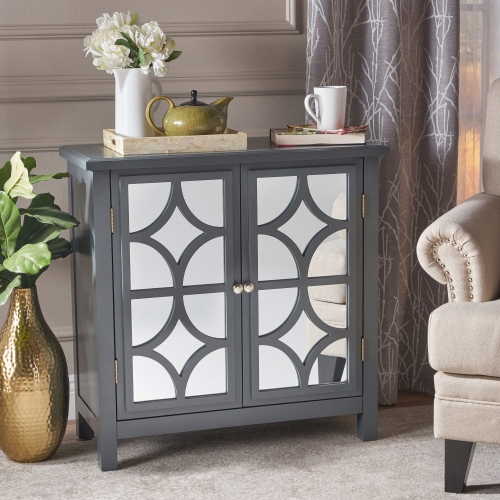
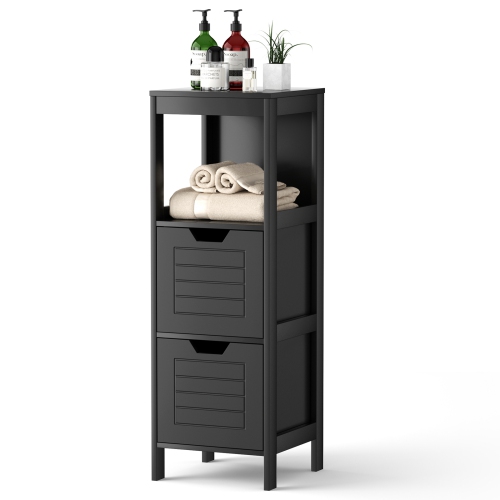

Wide drawers give everyday paperwork a dedicated place
Grey lateral file cabinets bring wide, accessible document storage to home offices, shared workspaces, and administrative areas where paper files still play an important role. Their defining feature is a broad drawer layout, rather than the narrower profile of a vertical filing cabinet. Depending on the drawer dimensions and hanging rail arrangement, folders may run from side to side or from front to back, making it easier to group documents by client, project, household member, or year. Letter-size and legal-size compatibility varies, so the supported paper formats and included file bars matter just as much as the outside measurements. A cabinet that holds everyday correspondence may also need space for longer contracts, property documents, or business paperwork without folding the pages. Two-drawer lateral cabinets can sit beside a desk or along a short wall, keeping frequently used records within reach while leaving room above for a noticeboard or shelving. Three-, four-, and five-drawer configurations use more wall height and suit offices with larger filing needs, provided the upper drawers remain comfortably accessible. Grey is a versatile colour for this furniture because it sits comfortably beside white desktops, black task chairs, natural wood finishes, and brushed metal hardware. Light grey can keep a substantial cabinet from looking too dominant in a compact room, while charcoal creates a stronger visual anchor against pale walls. Woodgrain grey finishes add pattern and texture; smooth painted finishes offer a more uniform appearance. The wider selection of Gray File Cabinets can also be useful when coordinating lateral storage with other filing formats. For a household, a lateral cabinet might separate insurance papers, school documents, and appliance manuals into clearly labelled sections. In a small business, the same layout can support orderly access to invoices, supplier information, and active project folders without spreading paperwork across the main work surface. Keeping those categories distinct gives the cabinet a practical role beyond simply hiding a stack of paper.
Materials and construction influence how a grey lateral file cabinet feels in daily use, how it wears, and how closely it matches nearby furniture. Steel cabinets often have a straightforward office appearance, with painted or powder-coated surfaces and drawer assemblies designed for repeated use. The quality of the finish, drawer supports, and hardware matters more than material alone: thin panels, uneven drawer alignment, or loosely fitted handles can affect the experience of opening a heavily filled drawer. Laminate cabinets typically use an engineered wood core with a finished surface that may be smooth, textured, or printed with a woodgrain pattern. They can blend naturally with matching desks and bookcases, though edges and seams need protection from standing water. Wood and wood veneer designs offer different grain patterns and furniture-like detailing, with care requirements that depend on the surface finish. Across all these materials, drawer load ratings deserve attention because a row of densely packed folders can be surprisingly heavy. Smooth runners and sturdy hanging rails help keep files supported, while full-extension drawers, where included, make it easier to reach folders at the back. Handles should offer a comfortable grip without projecting awkwardly into a walkway. A busy administrative office may place greater emphasis on frequent drawer operation and clearly visible label holders, while a home workspace may benefit from a cabinet that visually connects with a nearby desk or living room shelving. Neither setting makes construction quality less important. For routine care, a soft cloth and a manufacturer-approved cleaning method are generally preferable to abrasive pads or harsh cleaners that could scratch or dull the finish. Spills should be wiped up promptly, especially around joints, exposed edges, and hardware. Drawer tracks should be kept free of loose paper, staples, and other small debris, with lubrication used only if directed by the manufacturer. Leaving enough room between folders to lift them out easily also reduces tugging on the rails and helps protect documents from creased edges during everyday filing.
A good fit involves the cabinet’s full working footprint, not just the space it occupies with the drawers closed. Lateral cabinets are wide, and their drawers need clear space in front for opening, standing, and moving files. Measurements should account for nearby chair movement, door swings, baseboards, power outlets, and the route used to bring the cabinet into the room. A low cabinet may fit beside a desk, but placement beneath a work surface depends on the actual height, width, depth, and any clearance required by the manufacturer. Assembly requirements also vary, so it is useful to distinguish between a cabinet that arrives assembled and one that requires drawer installation, rail adjustment, or wall attachment before use. A level base helps drawers operate as intended, and any supplied levelling feet should be adjusted according to the instructions. Safety features are especially important where several drawers hold substantial amounts of paper. Some lateral file cabinets include an interlocking mechanism that allows only one drawer to open at a time, helping reduce the risk created by multiple extended drawers. That feature does not replace required anchoring, sensible loading, or supervision around children. Heavier contents generally belong in lower drawers, within the stated load limits, and drawers should never serve as steps or seats. Locking options also differ: a central lock may secure all drawers, while other arrangements secure only designated compartments. Locks can help limit casual access to personal or business documents, but a standard locking cabinet should not be assumed to provide fire protection, water protection, or the security of a safe. In shared offices, knowing who holds the keys and which records belong in locked storage is part of keeping the filing system useful. A cabinet top can provide an additional surface for light office essentials only where its load rating and intended use permit. With suitable dimensions, dependable drawer operation, and an interior arranged around the documents it will hold, a grey lateral file cabinet can make everyday paperwork easier to store, retrieve, and return to its proper place.
Top selling and popular products
-
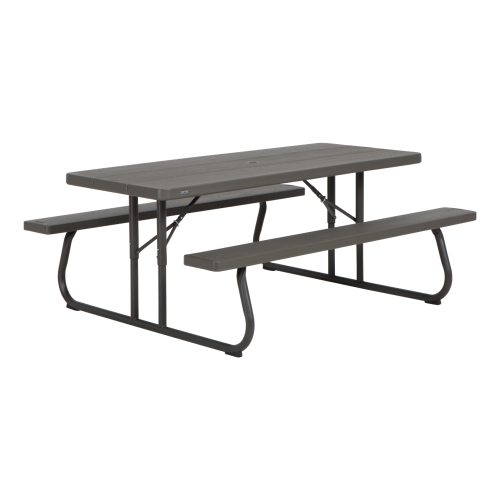 Your price for this item is $369.99
-
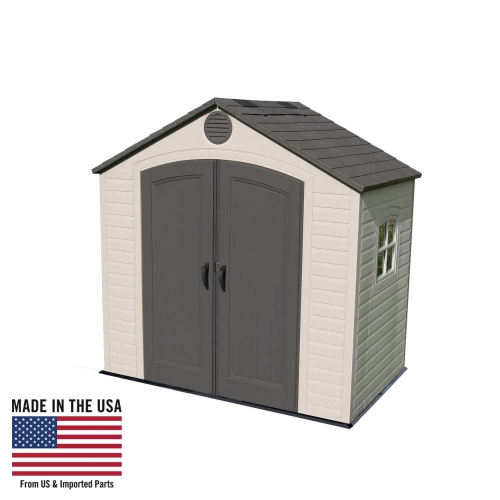 Your price for this item is $2249
-
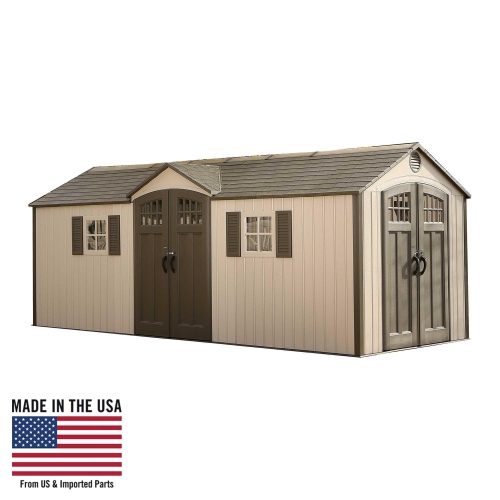 Your price for this item is $5999.99
-
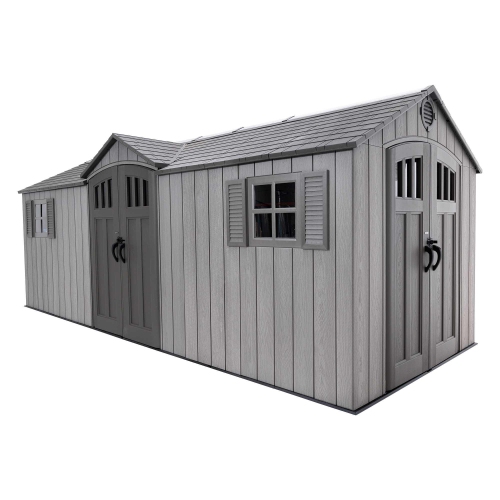 Your price for this item is $5999.99
-
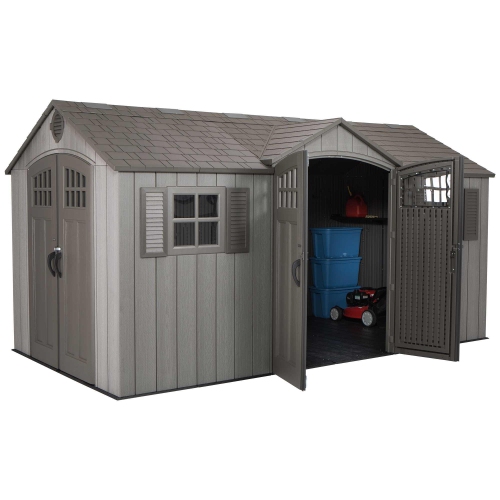 Your price for this item is $4499.99
-
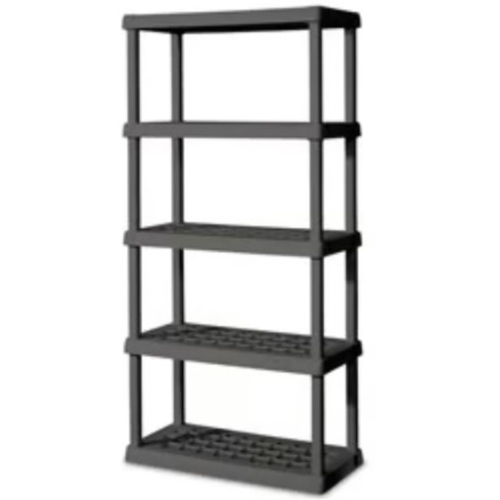 Your price for this item is $629.99
-
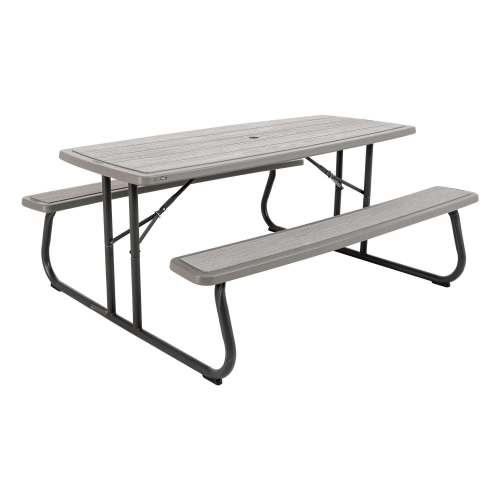 Your price for this item is $369.99
-
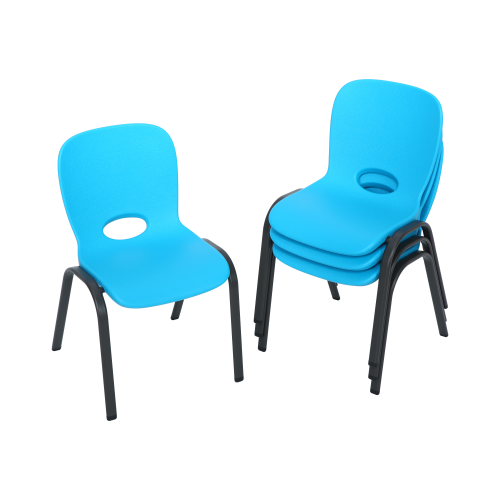 Your price for this item is $119.99
Discover more categories related to Gray Lateral File Cabinets
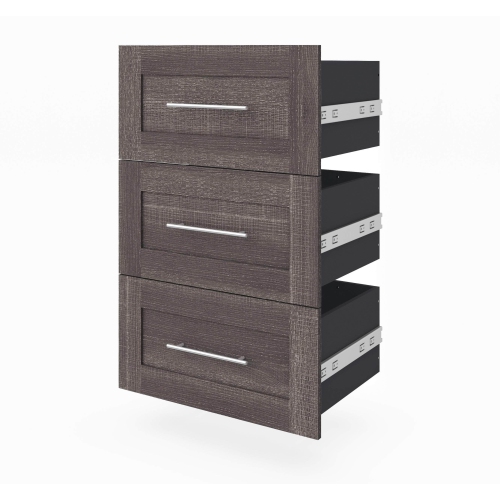
Top Collections:
Best Black Friday Deals This Year, Best Black Friday Deals On Electronics, Kindle Devices, Dyson Airwrap, Best Cameras for Sports Photography, Best Budget Office Chairs, Canon G7X Cameras, PS5 Pro Consoles, Best Black Friday Deals On Apple Products, XBOX One S Consoles
Some products may be subject to Environmental Handling Fees
(EHF) depending on your province.
Learn more about EHFs.