Metal Frame Office Chairs
A metal frame office chair is a great choice for anyone who wants to be comfortable and supported while working. Metal chairs are also an excellent choice for people who spend long hours sitting at their desks, as they are durable. Here are some great options available.
Sort
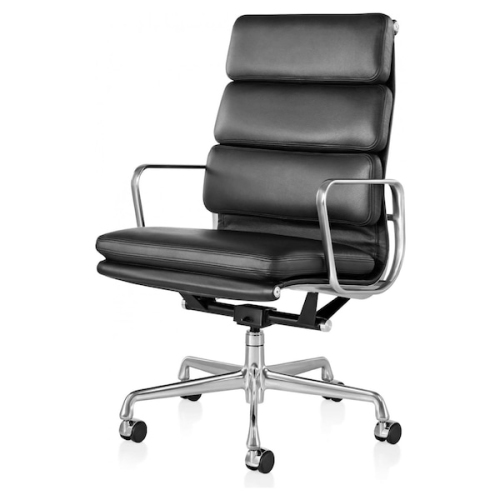
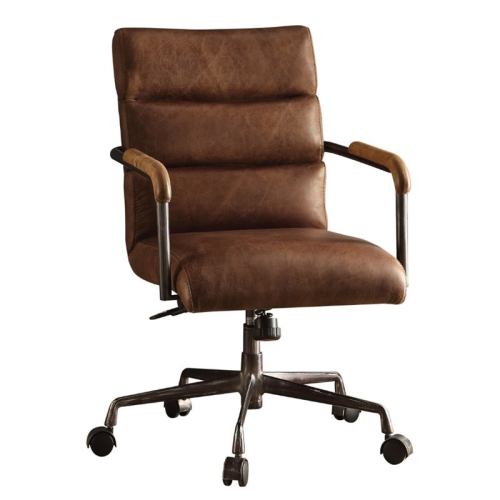
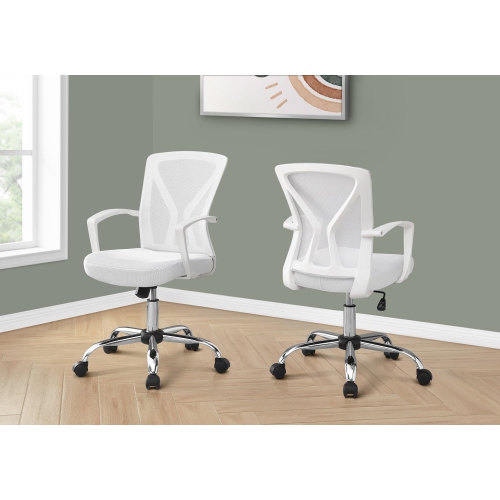
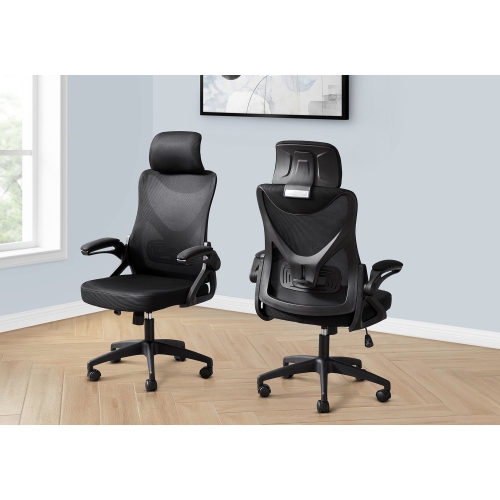
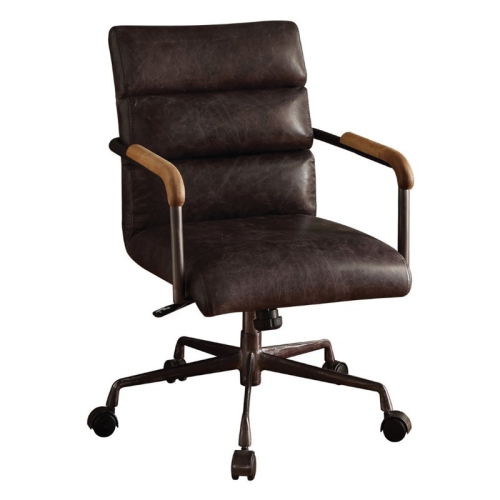
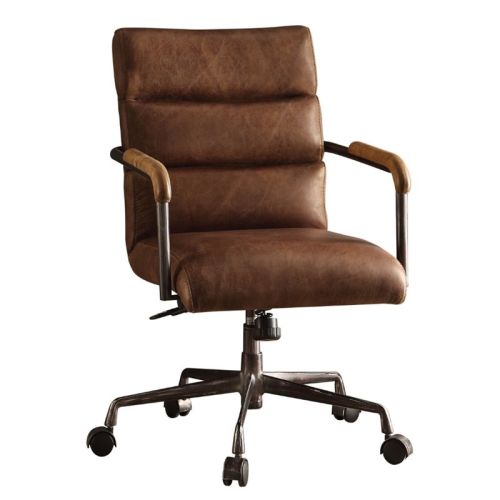
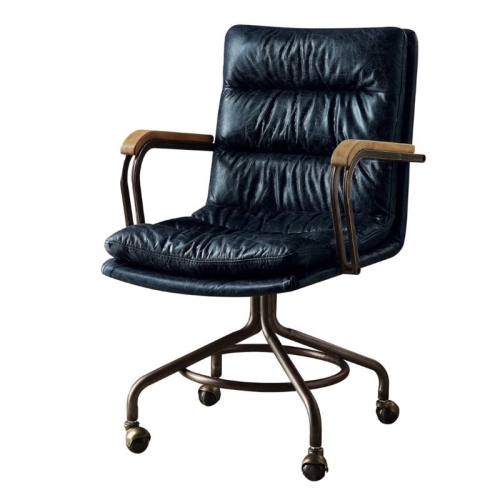
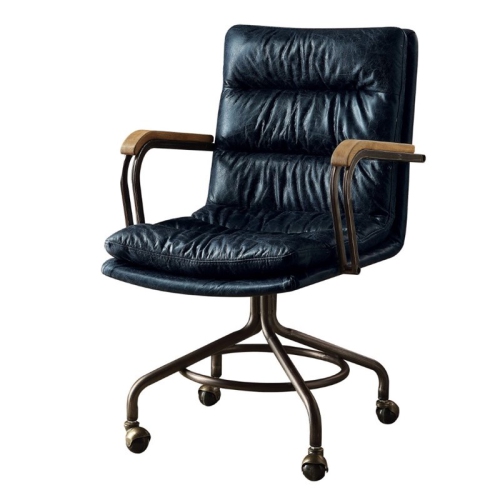

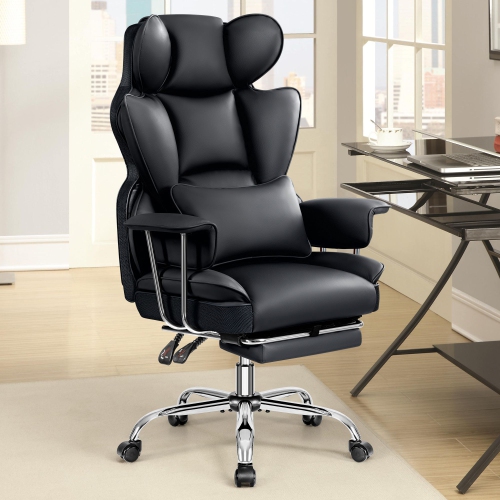
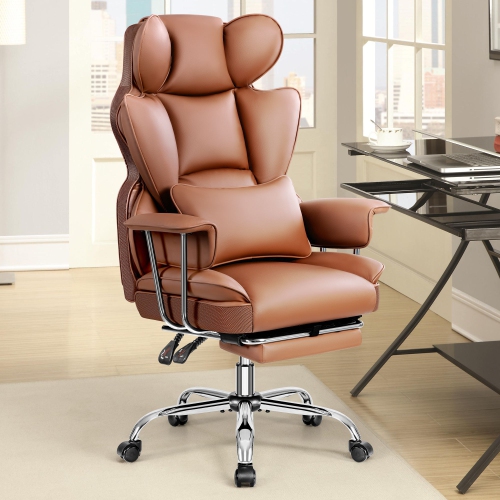
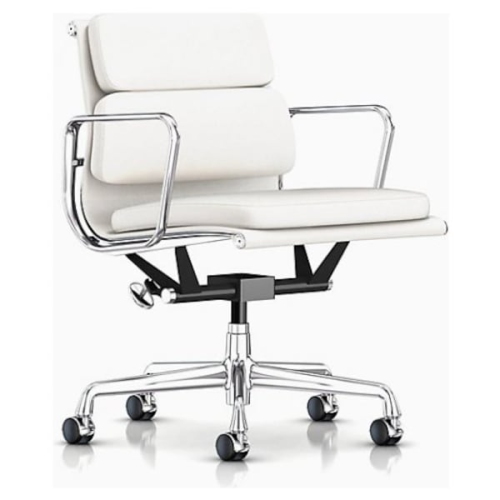
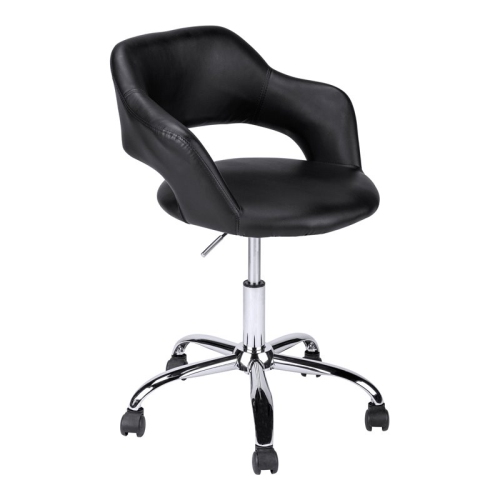
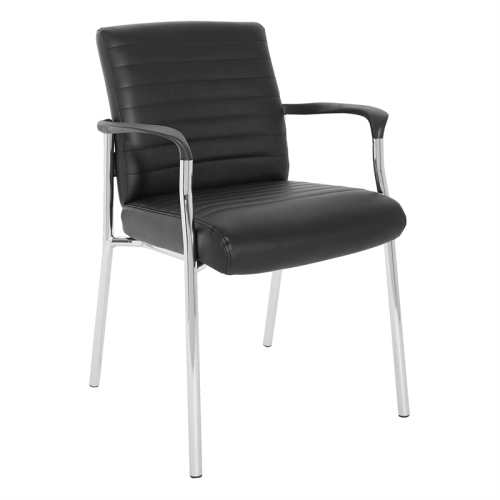
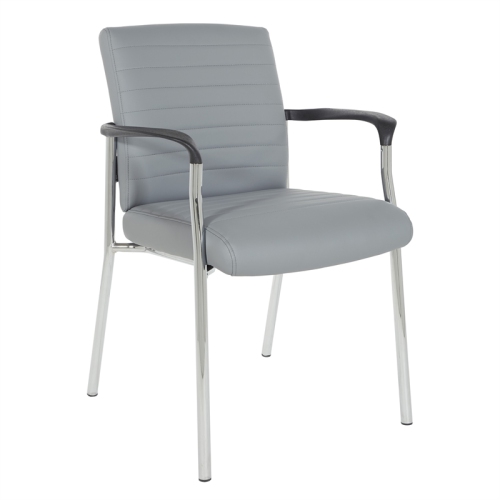
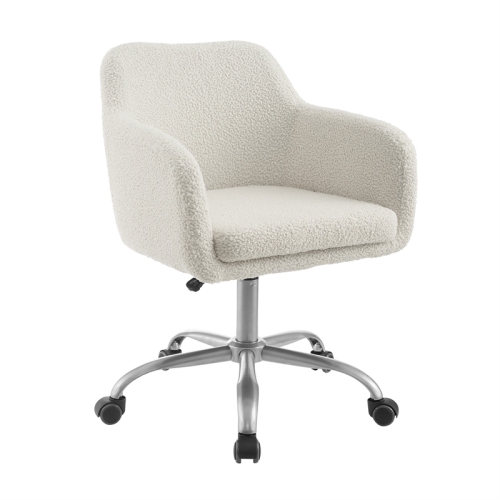
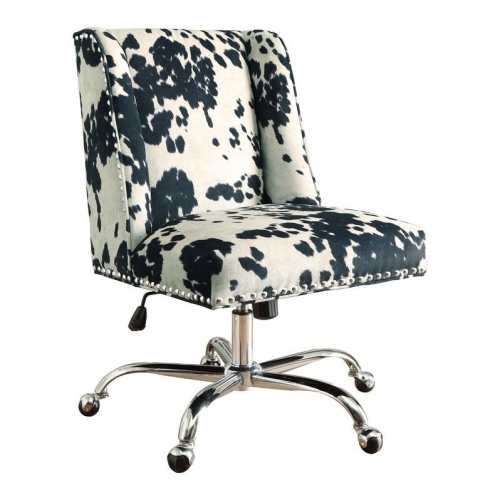
Chair comfort and durability go beyond the frame
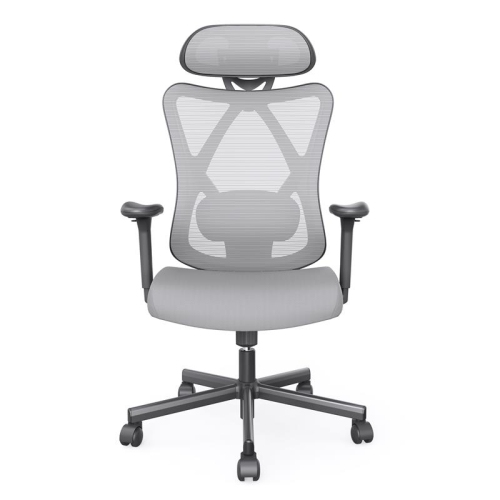
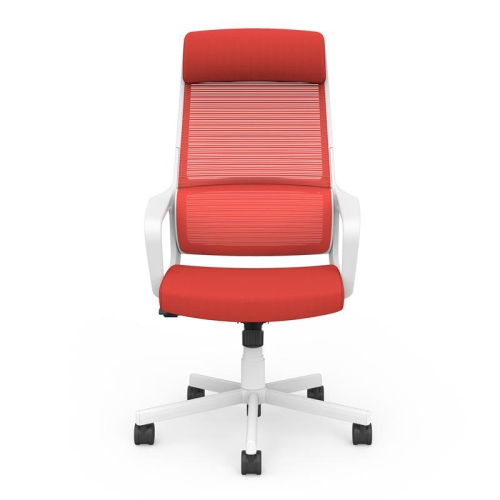
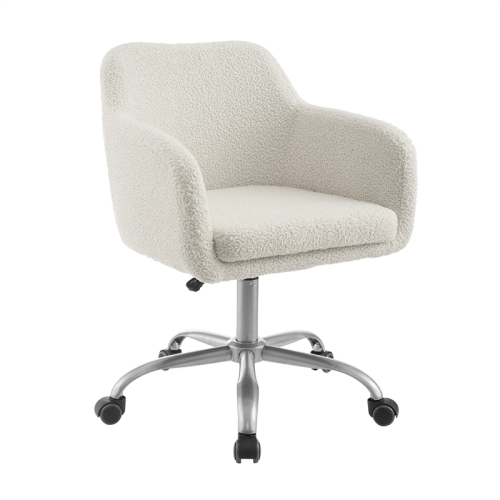
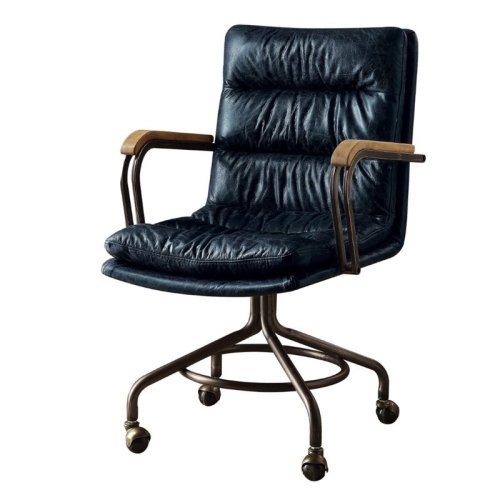
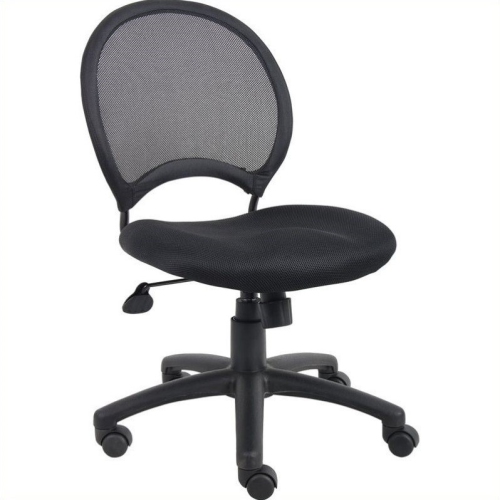
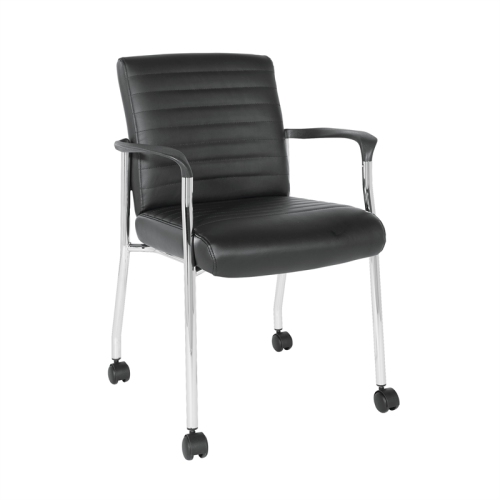
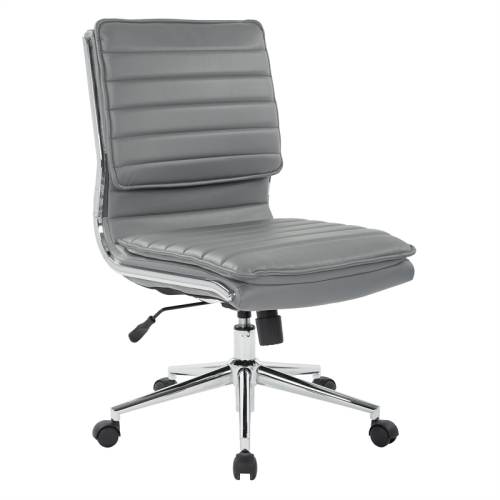
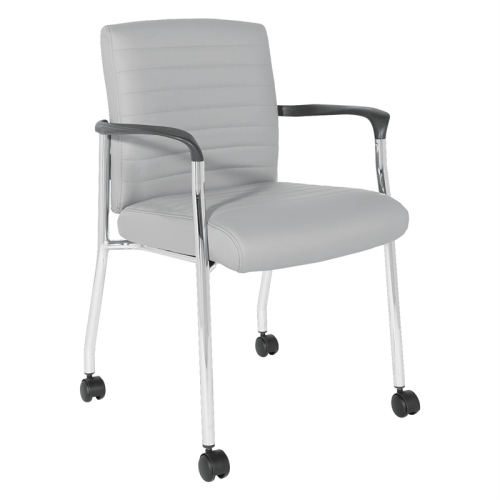
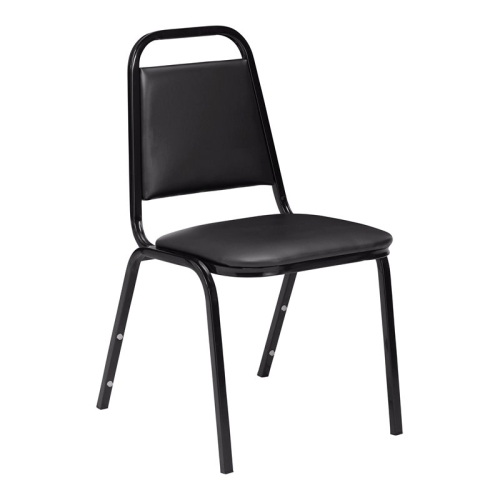
Metal frame office chairs combine a metal supporting structure with seating materials designed for everyday desk work. Steel and aluminum are common choices for the frame or structural components, providing support for the seat, backrest, arms, or base, depending on the design. Steel is often used where rigidity is important, while aluminum can offer a lighter structure and a polished or brushed appearance. The term “metal frame” does not necessarily mean that every part of the chair is metal: a chair may pair a steel backrest frame with a moulded seat shell, or use an aluminum base beneath an upholstered seat. Those distinctions matter when comparing construction, since a metal base alone does not describe the materials throughout the chair. Overall durability depends on the quality of the joints, fasteners, upholstery, adjustment mechanisms, and moving parts, not simply the presence of metal. Weight capacity is also specific to each design and should be confirmed in the manufacturer’s specifications rather than inferred from the frame material. Within this category, task chairs suit computer work and frequent adjustments, high-back chairs provide more coverage behind the shoulders, and fixed-base chairs can work well beside a meeting table or in a visitor area. A swivel base makes it easier to turn between a monitor and nearby storage, while a stationary frame keeps the seating position consistent. Visually, exposed metal can give a chair a clean, architectural profile without making the entire workspace feel industrial. Black powder-coated frames blend easily with dark shelving and monitor stands, while silver finishes complement lighter desktops and neutral upholstery. For a coordinated workspace, Metal Frame Desks can provide a similar structural look, although matching finishes is less important than leaving enough room for the chair to move comfortably beneath the work surface. The result can suit anything from a dedicated home office to a compact work corner in a living room.
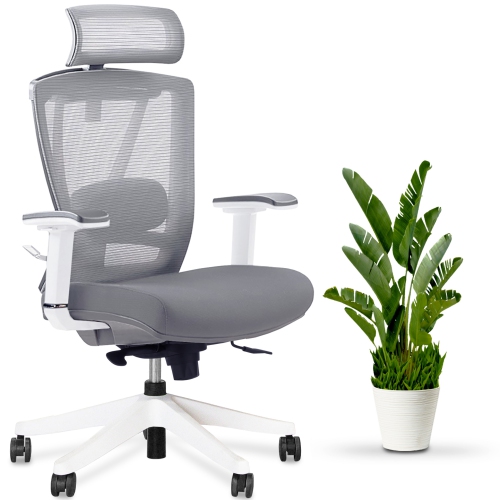
Comfort in a metal frame office chair comes primarily from how the seat and adjustments fit the person using it. Seat height should allow feet to rest securely on the floor or a footrest, with the work surface positioned so the shoulders can stay relaxed. Seat depth matters just as much: there should be a small gap between the front edge of the seat and the backs of the knees when sitting against the backrest. A seat that is too deep can encourage perching forward, while one that is too shallow may leave the thighs insufficiently supported. Width deserves attention too, particularly when fixed armrests limit the usable space. Adjustable lumbar support can help position the backrest’s contour against the lower back, but its shape and range need to suit the user rather than simply appear on a feature list. Armrests that adjust in height or position can support different tasks, from typing to reading, and should not prevent the chair from moving close enough to the desk. For someone alternating between a keyboard, handwritten notes, and video calls, a swivel mechanism and adjustable backrest can make those changes in position easier. Tilt tension controls how much resistance the chair provides when leaning back; tilt locks and synchronized mechanisms vary by design, so their functions are worth comparing carefully. Headrests may be useful during reclined breaks, though their height and angle need to align comfortably with the head and neck. Upholstery also changes the feel of the chair through a working day. Mesh allows airflow and offers a more flexible surface, padded fabric adds texture and cushioning, and leather or leather-look coverings provide a smoother finish. Foam density, seat contour, seams, and the front edge all affect comfort independently of the metal frame. No chair removes the need to change position and take regular movement breaks, even when its adjustments are well matched to the user.
Metal frame office chairs serve a wide range of spaces, from a student’s study area to a shared household workstation or a professional office. In a room where several people use the same desk, accessible adjustment levers and a useful seat-height range make it easier to reset the chair between users. For longer desk sessions, fit and supportive padding generally deserve more attention than decorative stitching or an oversized silhouette. A chair used mainly for brief paperwork sessions may call for a smaller footprint, while meeting and visitor seating may benefit from a straightforward fixed frame without rolling components. Physical dimensions help establish whether a chair will work in the room: overall width affects clearance beside drawers, arm height determines whether it can tuck beneath the desk, and the base needs room to turn without hitting furniture. Reclining also requires space behind the backrest. Casters should be suited to the floor surface, since wheel materials and designs intended for carpet may differ from those intended for hard flooring. A compatible chair mat can help protect flooring and provide a more consistent rolling surface, particularly where carpet makes movement difficult. Routine care helps preserve both appearance and function. Dust and grit can collect around the base, casters, and adjustment mechanisms, while crumbs and fabric fibres may gather along seat seams. A soft cloth is usually suitable for wiping metal components, with any cleaner checked against the manufacturer’s care directions first. Spills should be addressed promptly, and upholstery cleaning methods should match the covering rather than assume that fabric, mesh, and leather-look materials can be treated alike. Abrasive pads may scratch painted or polished finishes, and excess moisture should not be left around joints or mechanisms. Fasteners can need periodic checking according to the assembly instructions, especially after a chair has been moved or used regularly. If a caster, gas lift, or adjustment mechanism develops a fault, compatible replacement parts and manufacturer support matter more than an improvised repair. Thoughtful sizing, suitable materials, and straightforward upkeep make a metal frame office chair a practical part of a workspace built around daily routines.
Comfort in a metal frame office chair comes primarily from how the seat and adjustments fit the person using it. Seat height should allow feet to rest securely on the floor or a footrest, with the work surface positioned so the shoulders can stay relaxed. Seat depth matters just as much: there should be a small gap between the front edge of the seat and the backs of the knees when sitting against the backrest. A seat that is too deep can encourage perching forward, while one that is too shallow may leave the thighs insufficiently supported. Width deserves attention too, particularly when fixed armrests limit the usable space. Adjustable lumbar support can help position the backrest’s contour against the lower back, but its shape and range need to suit the user rather than simply appear on a feature list. Armrests that adjust in height or position can support different tasks, from typing to reading, and should not prevent the chair from moving close enough to the desk. For someone alternating between a keyboard, handwritten notes, and video calls, a swivel mechanism and adjustable backrest can make those changes in position easier. Tilt tension controls how much resistance the chair provides when leaning back; tilt locks and synchronized mechanisms vary by design, so their functions are worth comparing carefully. Headrests may be useful during reclined breaks, though their height and angle need to align comfortably with the head and neck. Upholstery also changes the feel of the chair through a working day. Mesh allows airflow and offers a more flexible surface, padded fabric adds texture and cushioning, and leather or leather-look coverings provide a smoother finish. Foam density, seat contour, seams, and the front edge all affect comfort independently of the metal frame. No chair removes the need to change position and take regular movement breaks, even when its adjustments are well matched to the user.
Metal frame office chairs serve a wide range of spaces, from a student’s study area to a shared household workstation or a professional office. In a room where several people use the same desk, accessible adjustment levers and a useful seat-height range make it easier to reset the chair between users. For longer desk sessions, fit and supportive padding generally deserve more attention than decorative stitching or an oversized silhouette. A chair used mainly for brief paperwork sessions may call for a smaller footprint, while meeting and visitor seating may benefit from a straightforward fixed frame without rolling components. Physical dimensions help establish whether a chair will work in the room: overall width affects clearance beside drawers, arm height determines whether it can tuck beneath the desk, and the base needs room to turn without hitting furniture. Reclining also requires space behind the backrest. Casters should be suited to the floor surface, since wheel materials and designs intended for carpet may differ from those intended for hard flooring. A compatible chair mat can help protect flooring and provide a more consistent rolling surface, particularly where carpet makes movement difficult. Routine care helps preserve both appearance and function. Dust and grit can collect around the base, casters, and adjustment mechanisms, while crumbs and fabric fibres may gather along seat seams. A soft cloth is usually suitable for wiping metal components, with any cleaner checked against the manufacturer’s care directions first. Spills should be addressed promptly, and upholstery cleaning methods should match the covering rather than assume that fabric, mesh, and leather-look materials can be treated alike. Abrasive pads may scratch painted or polished finishes, and excess moisture should not be left around joints or mechanisms. Fasteners can need periodic checking according to the assembly instructions, especially after a chair has been moved or used regularly. If a caster, gas lift, or adjustment mechanism develops a fault, compatible replacement parts and manufacturer support matter more than an improvised repair. Thoughtful sizing, suitable materials, and straightforward upkeep make a metal frame office chair a practical part of a workspace built around daily routines.
Top selling and popular products
-
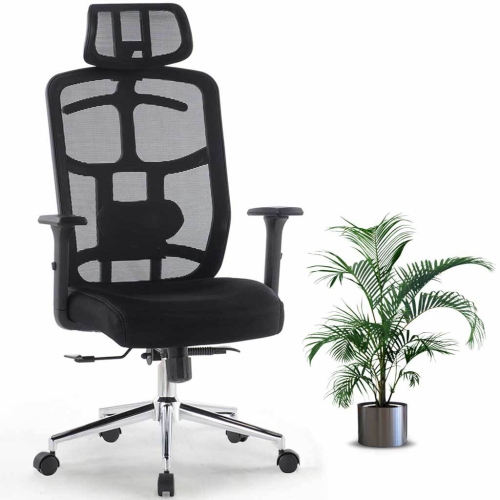 Your price for this item is $114.99
 -
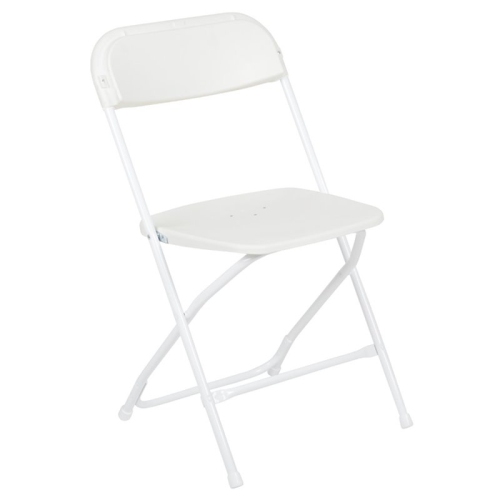 Your price for this item is $123
 -
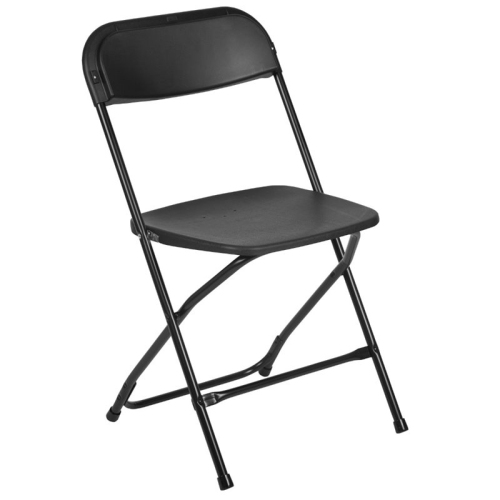 Your price for this item is $139.99
 -
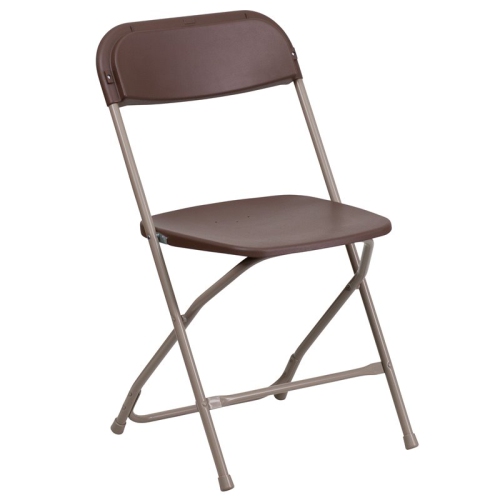 Your price for this item is $139.99
 -
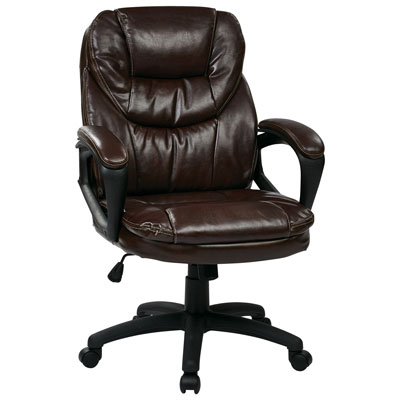 Your price for this item is $203.98
 -
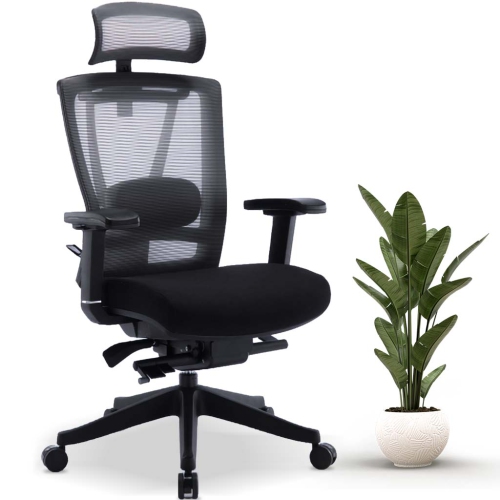 Your price for this item is $379.99
 -
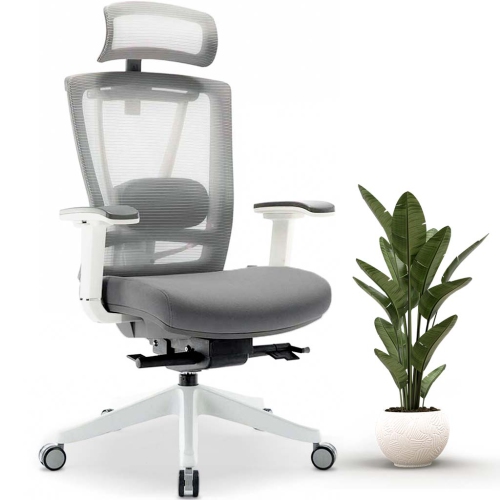 Your price for this item is $379.99
 -
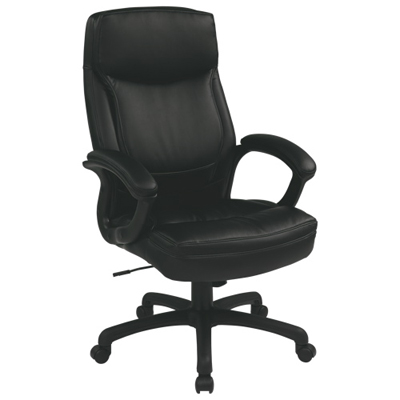 Your price for this item is $594.99
Discover more categories related to Metal Frame Office Chairs
Top Collections:
Pokemon Centers, Kindle Devices, Best Budget Office Chairs, Apple iPhones 16, Best Laptops for Writers, iPhone 15 Apple, Canon G7X Cameras, Refurbished Apple Laptops, Alarm Clock, Motorola Razr Phones
Some products may be subject to Environmental Handling Fees
(EHF) depending on your province.
Learn more about EHFs.