Top Home Office Desks
The home office is a place where you can work, play and relax all in one place. It's also a place that can take on many different looks, depending on your needs and preferences. If you're looking for a desk that will help you stay organized and productive, look no further than this list of top home office desks.
Sort

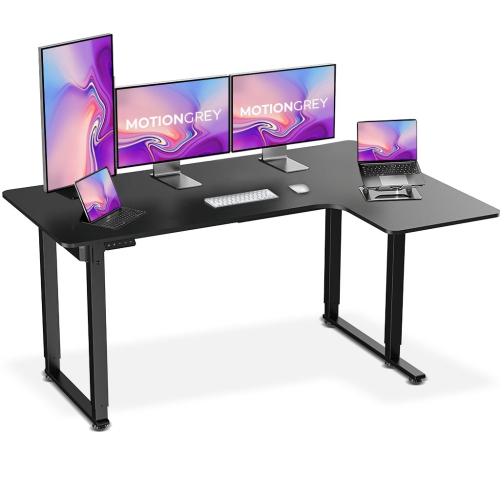
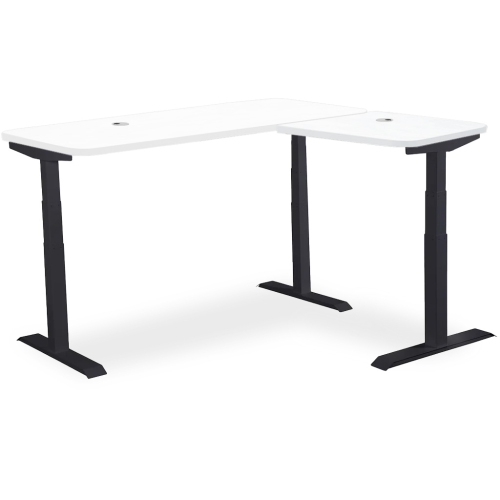
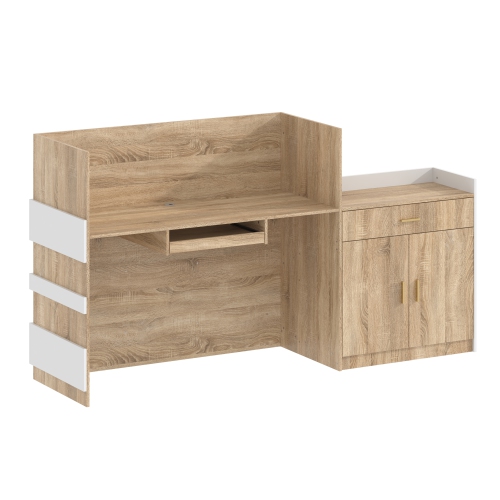

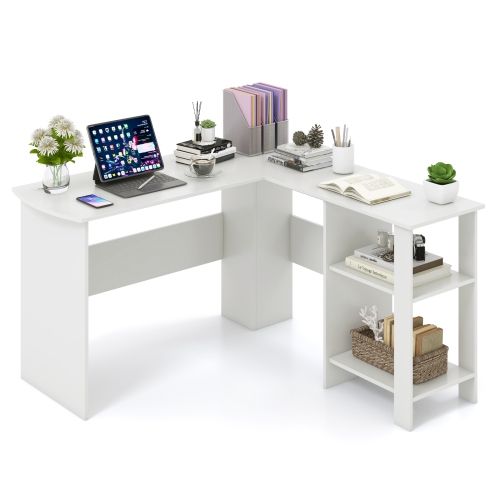

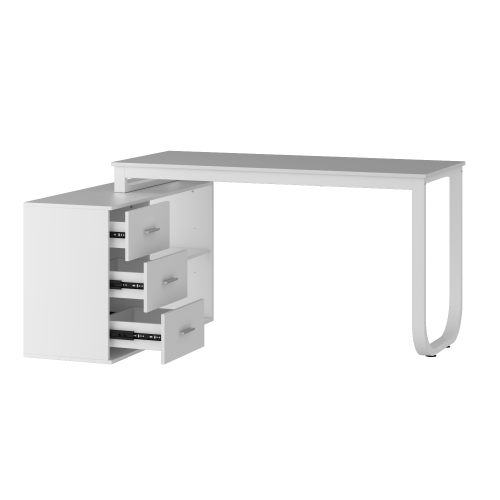


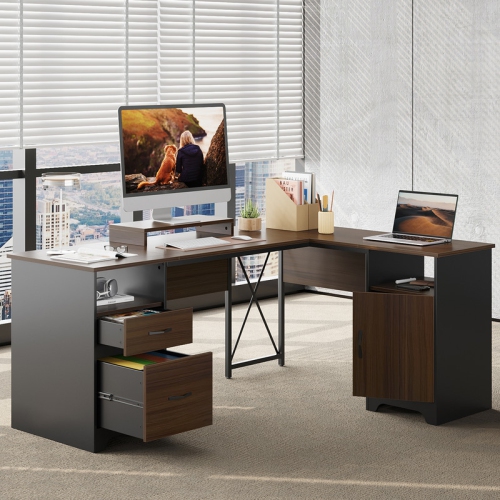
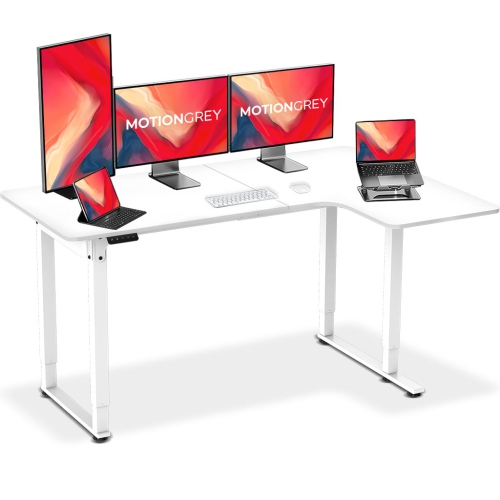


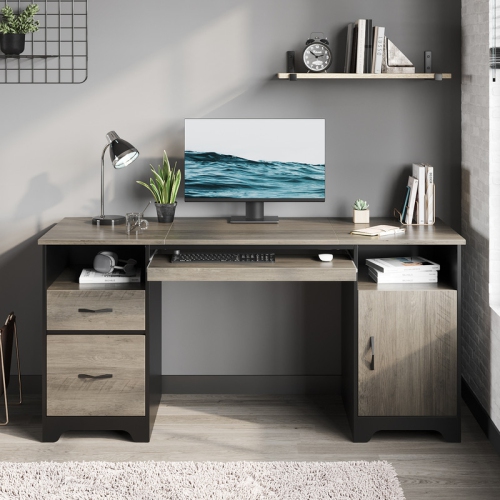
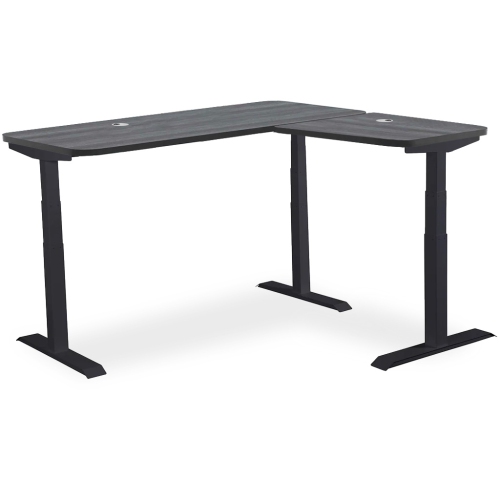
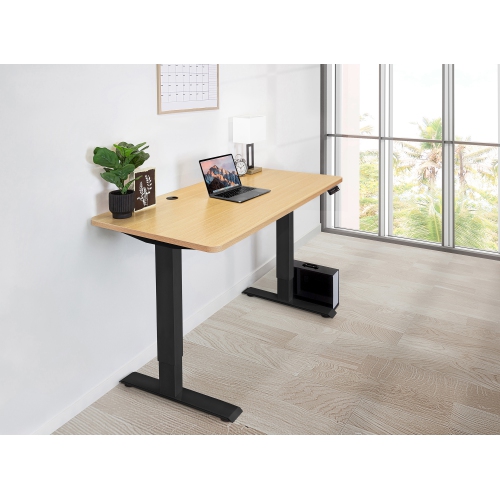
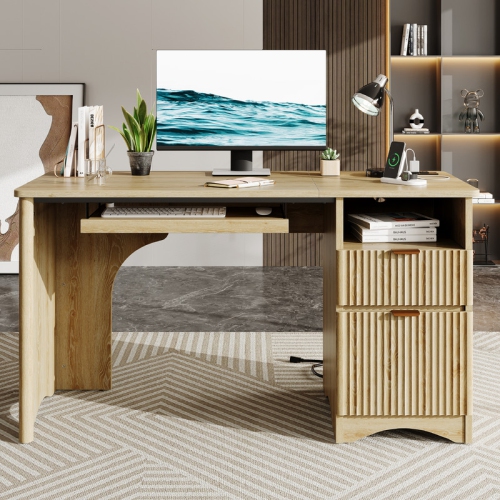
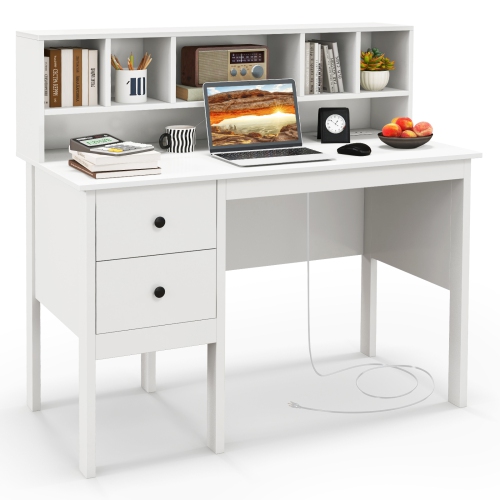
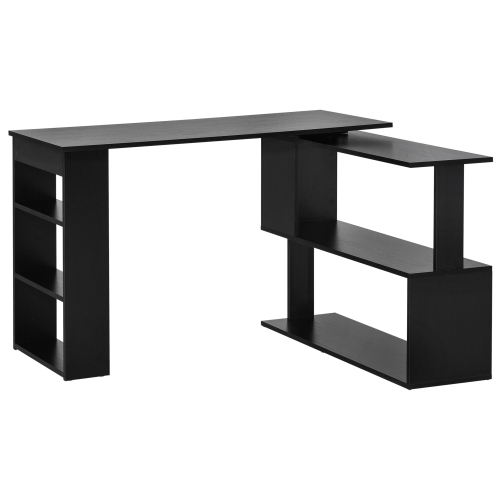
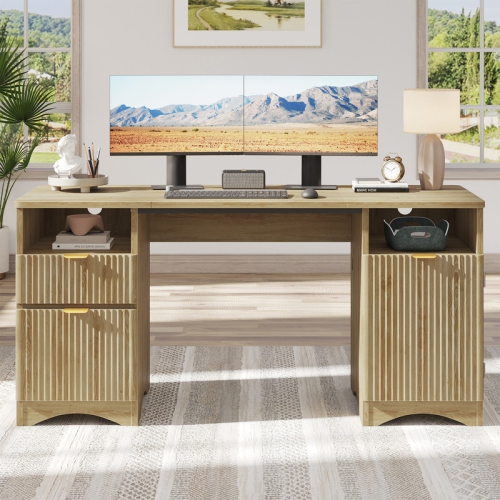

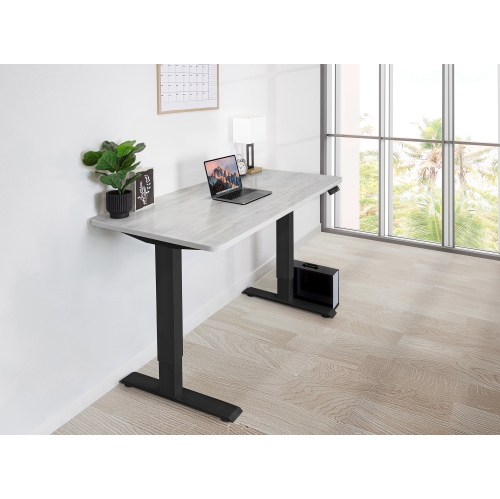
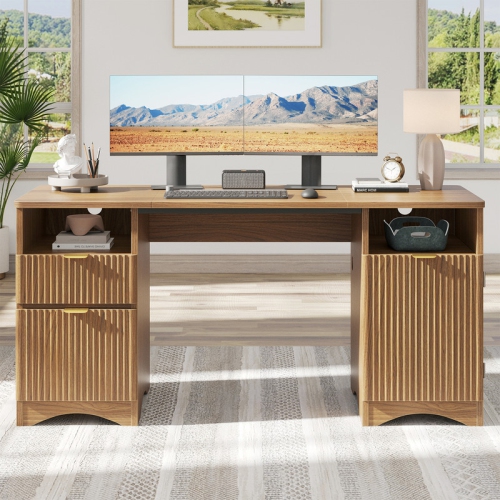
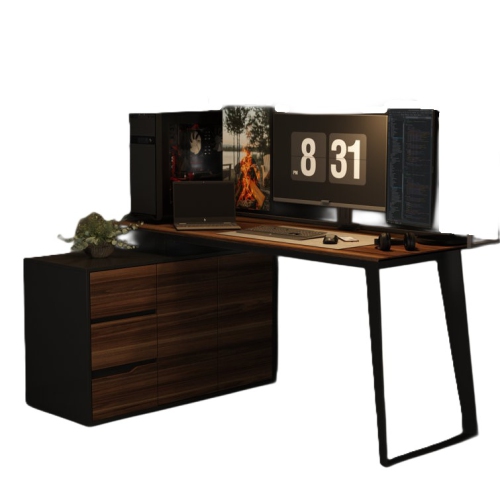
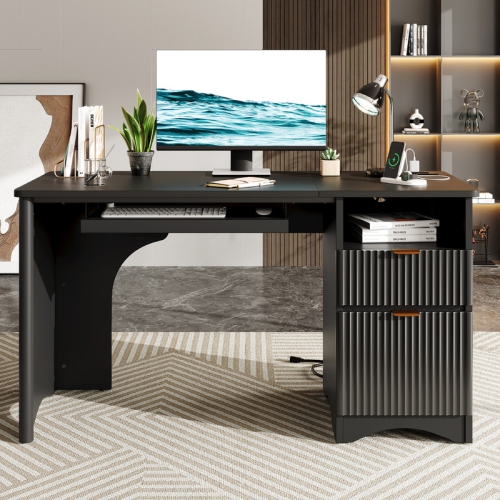
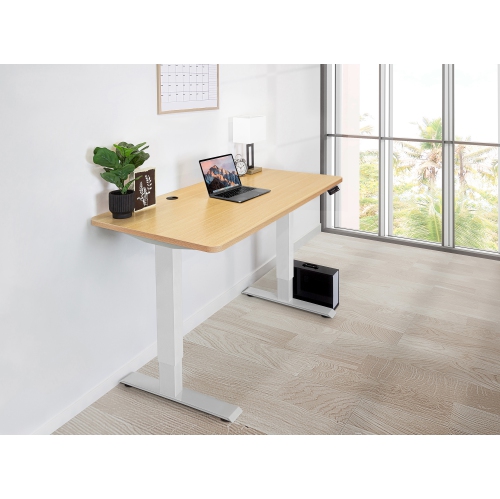

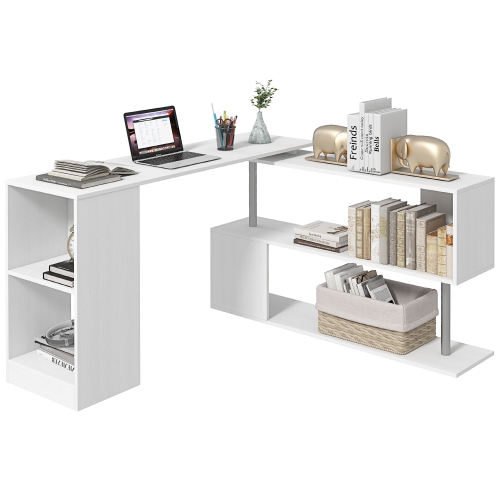
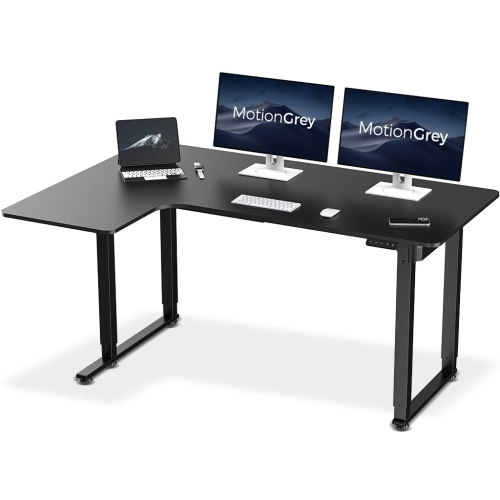
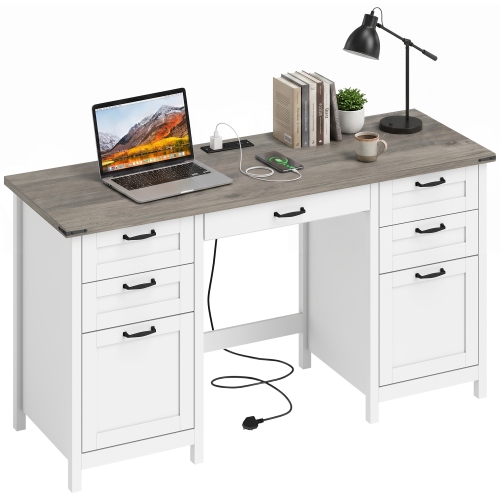
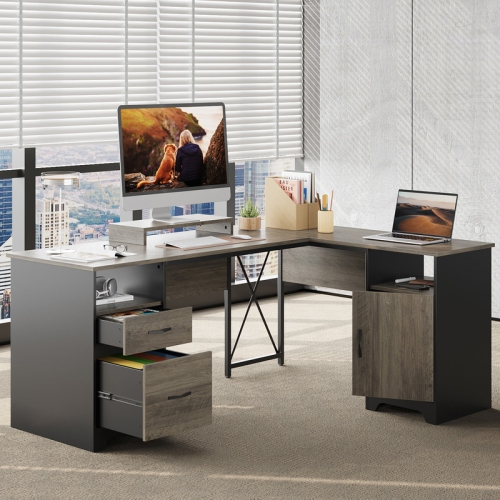
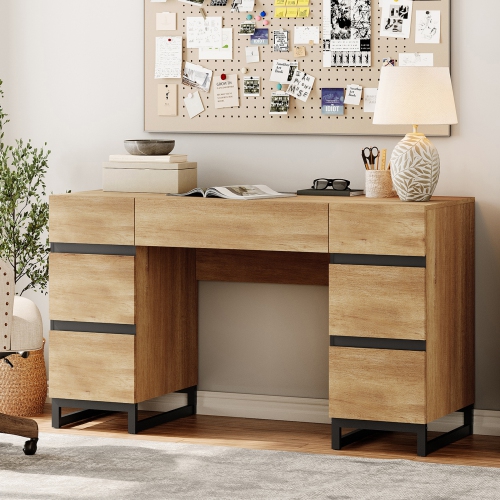

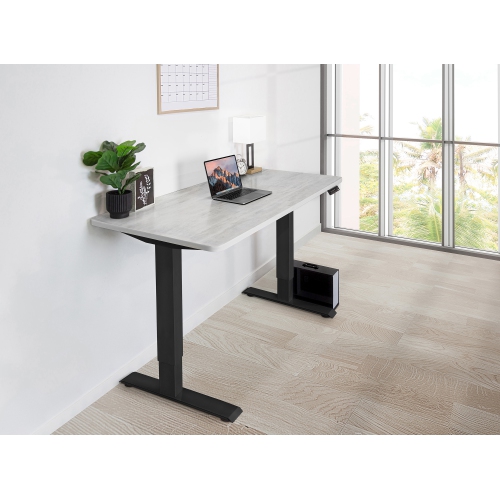
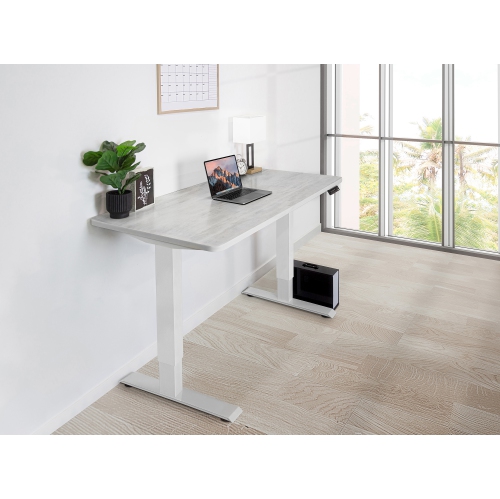
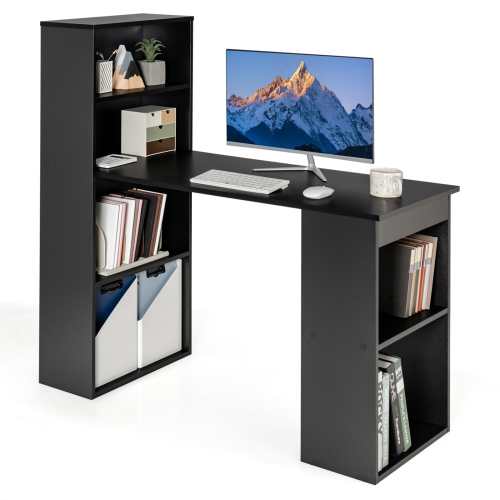
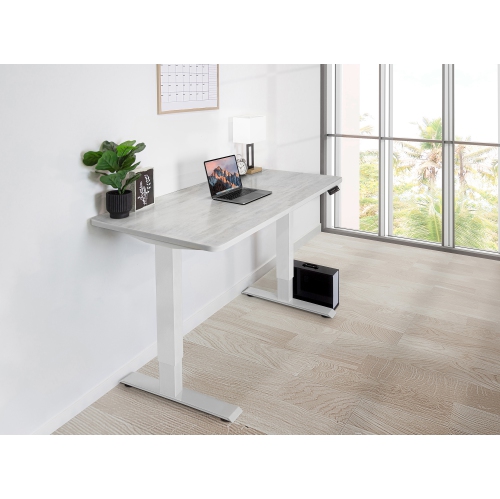
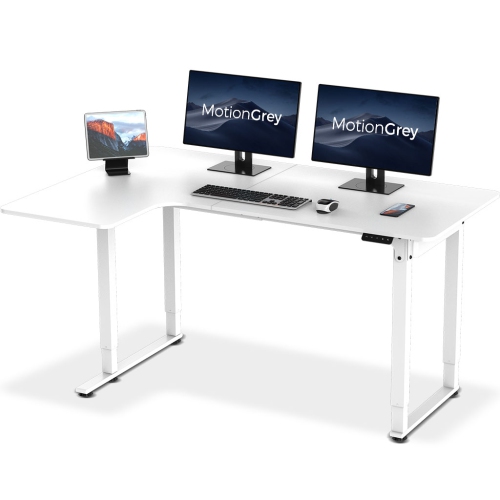
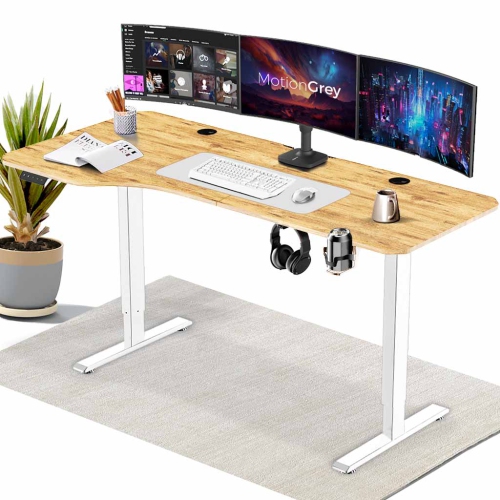
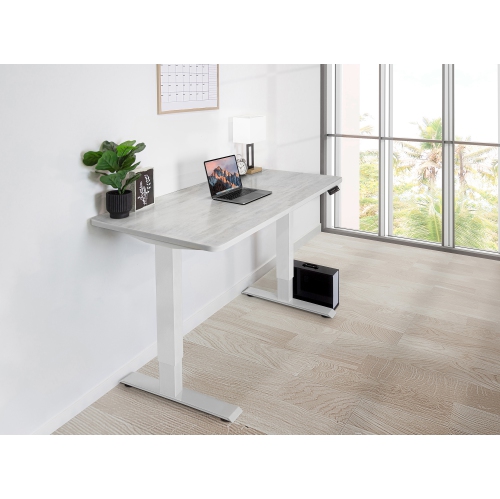
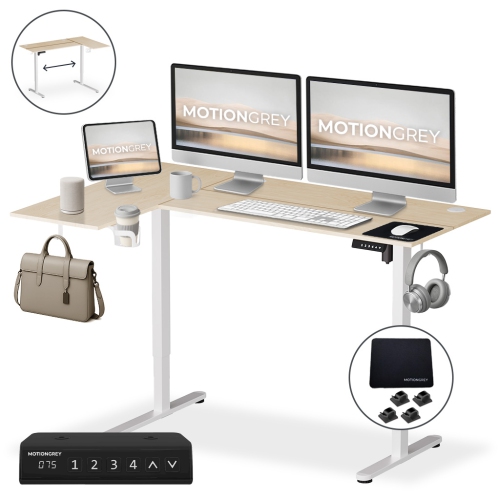
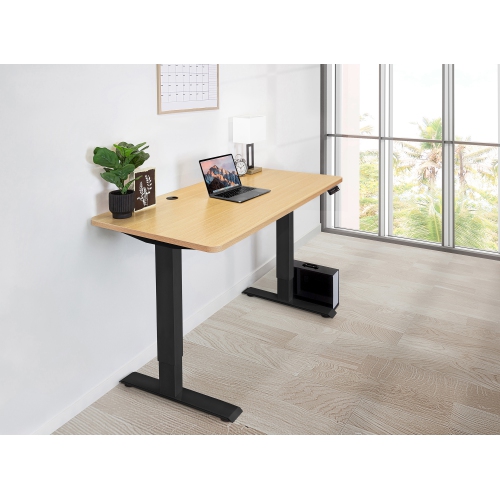
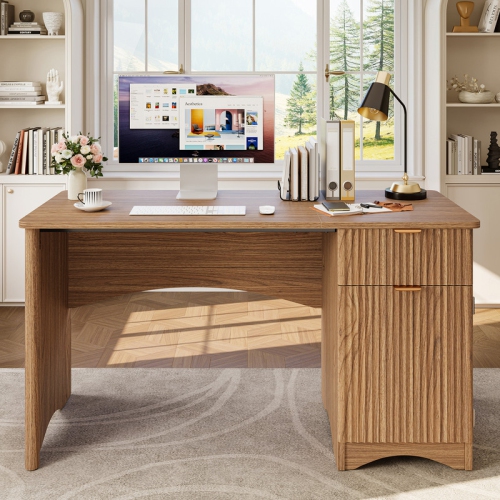
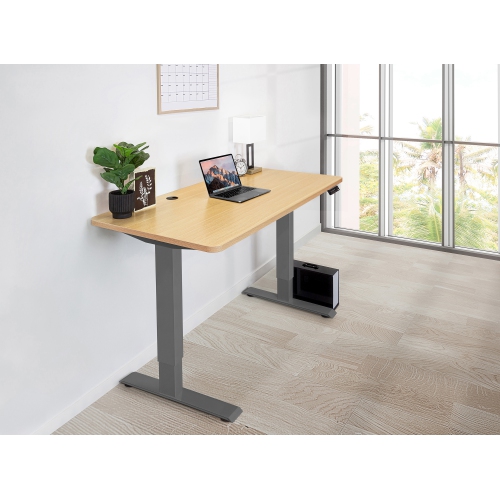
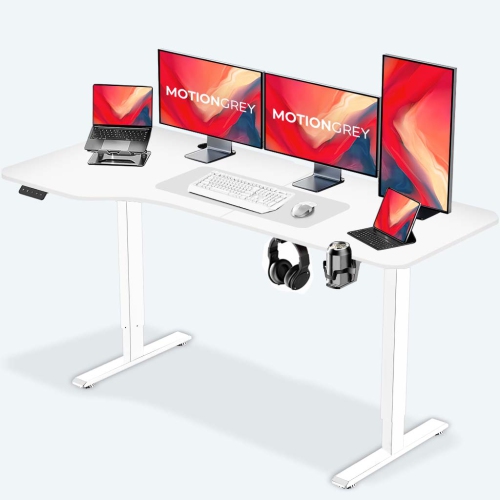
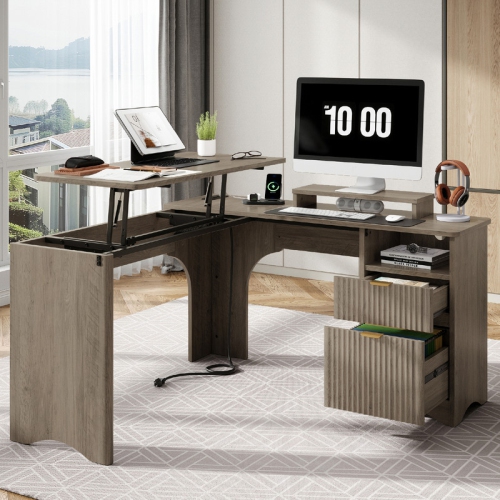
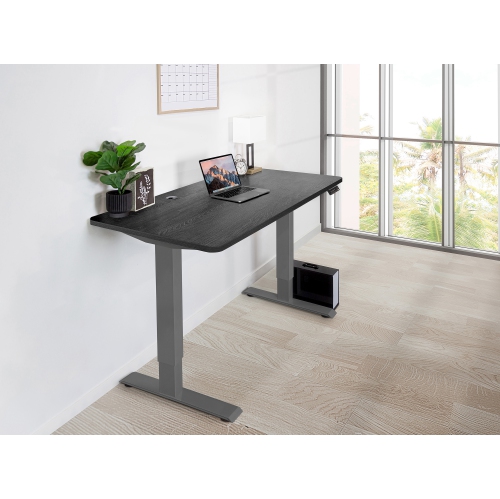
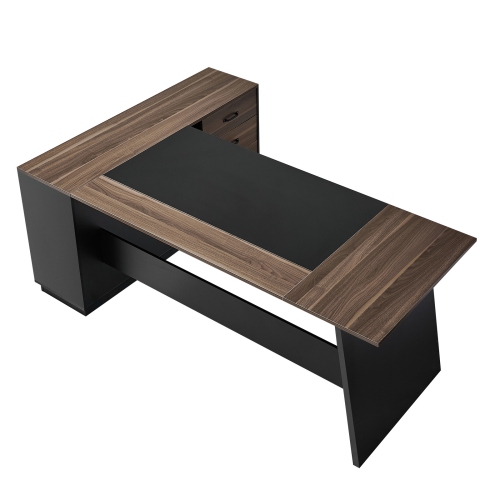
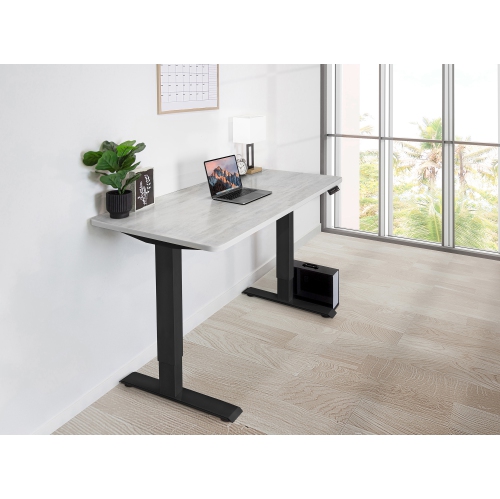
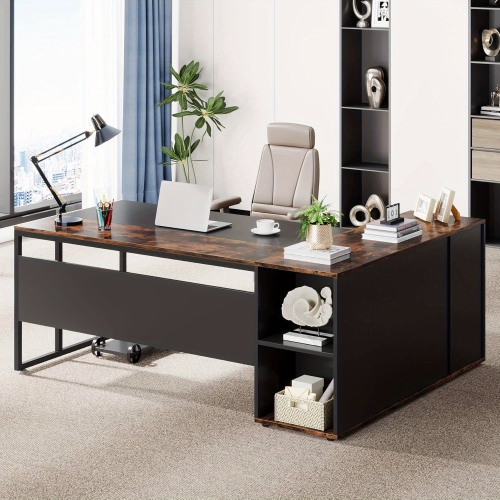
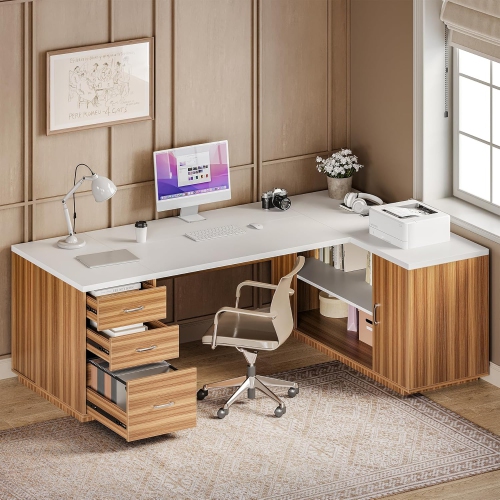
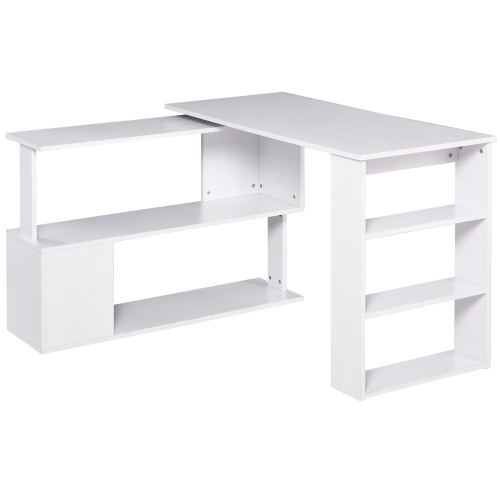
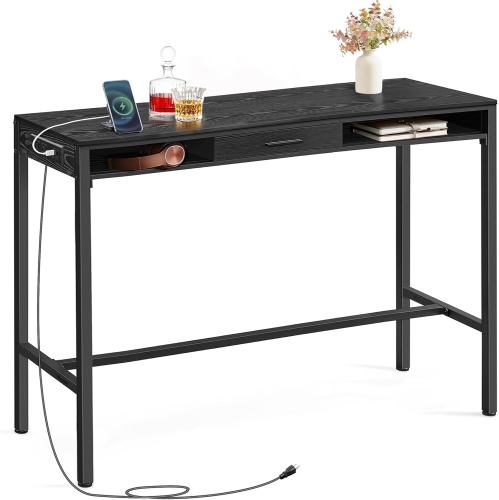

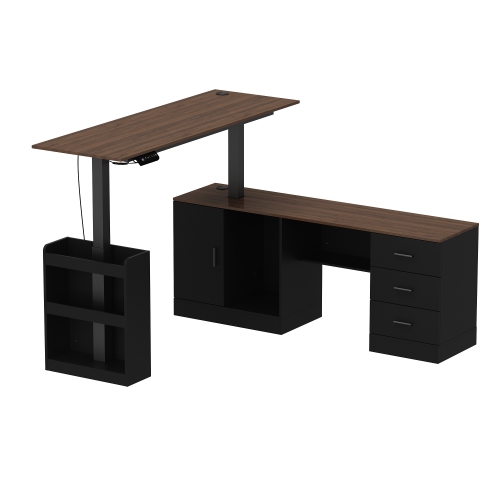

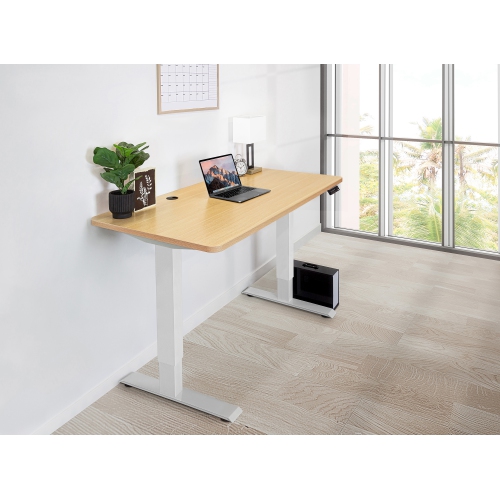
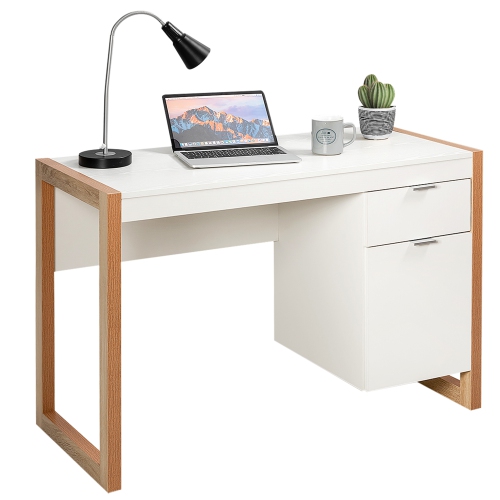
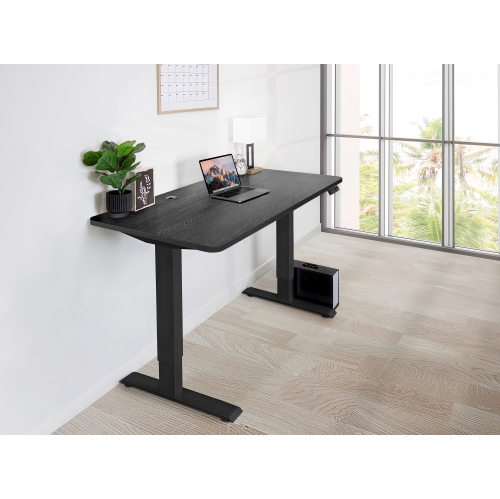


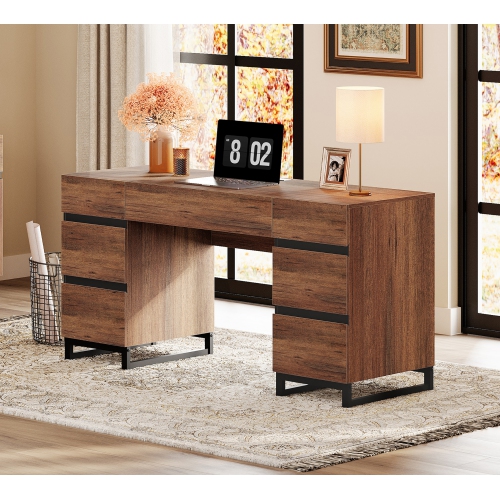
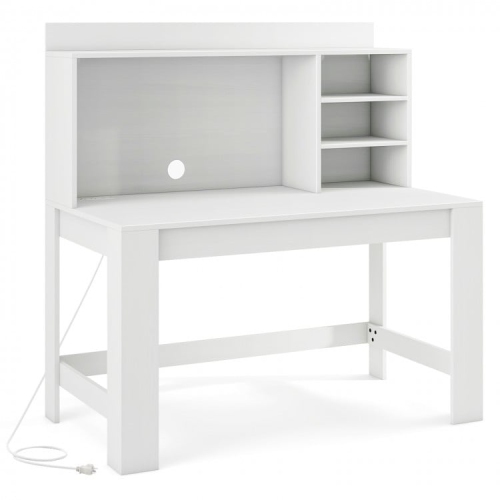
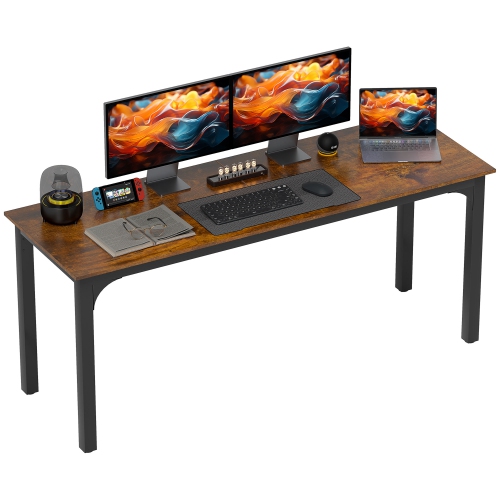
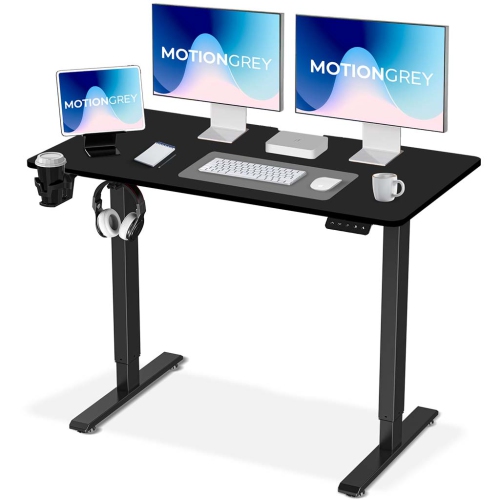


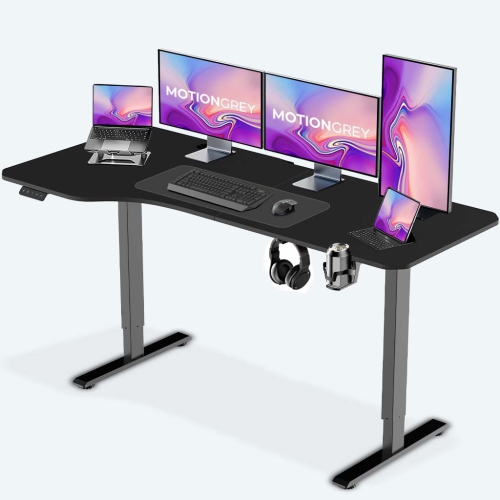
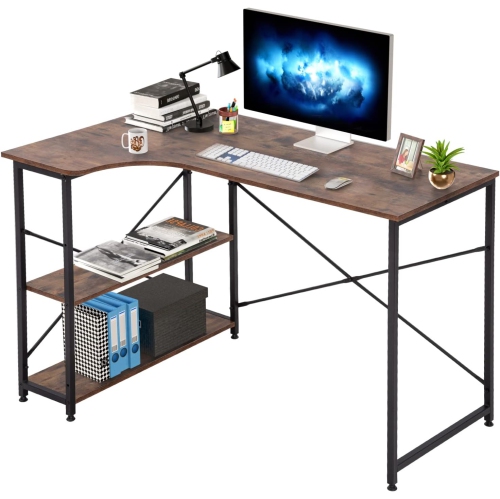
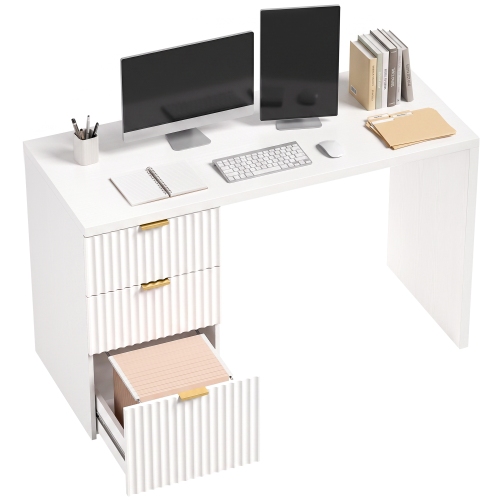
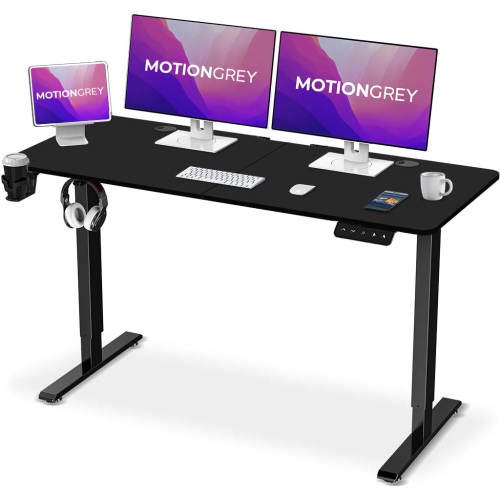
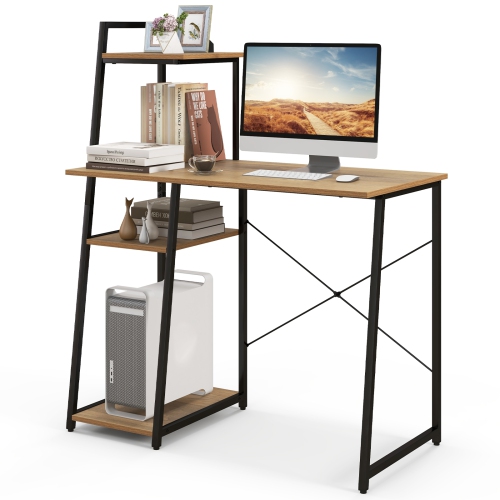

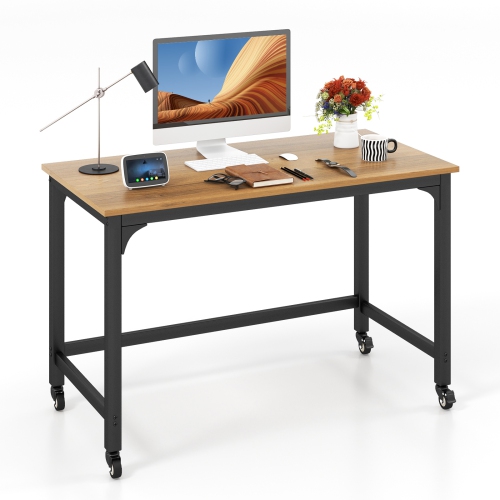
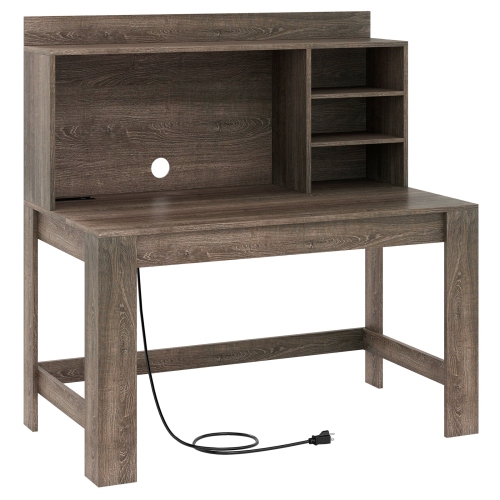
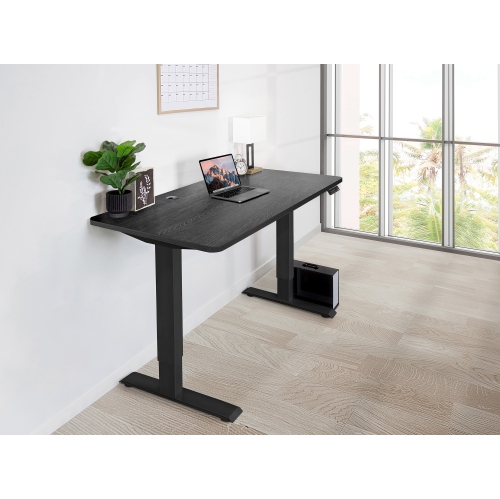
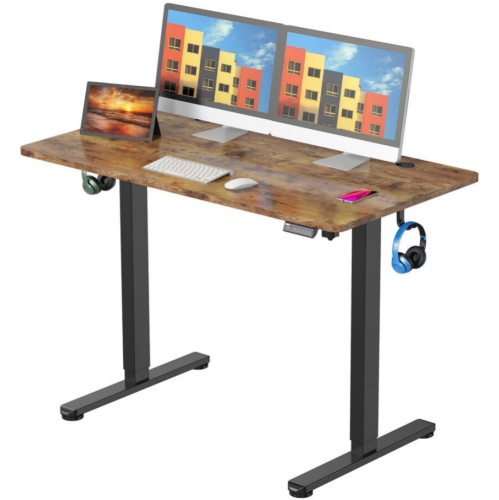
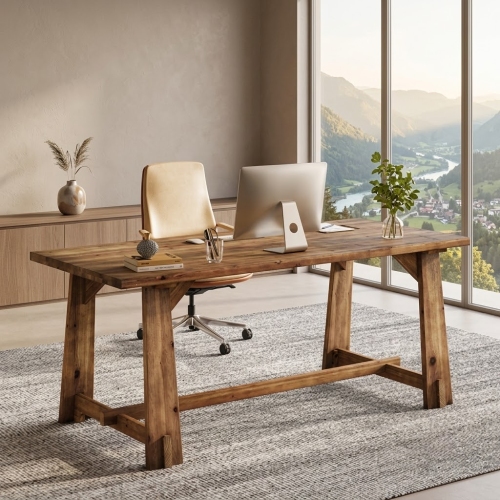
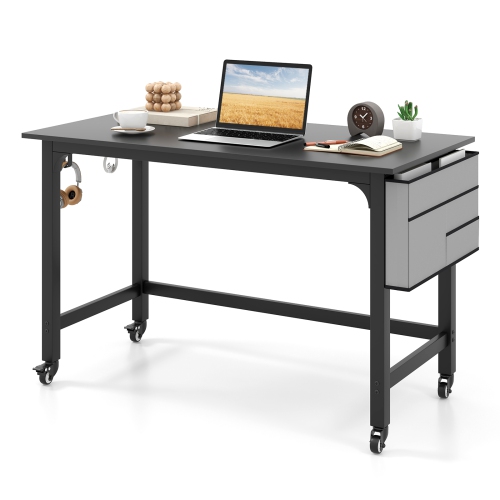
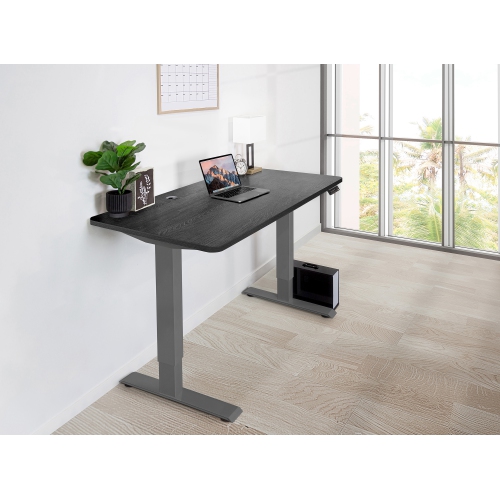

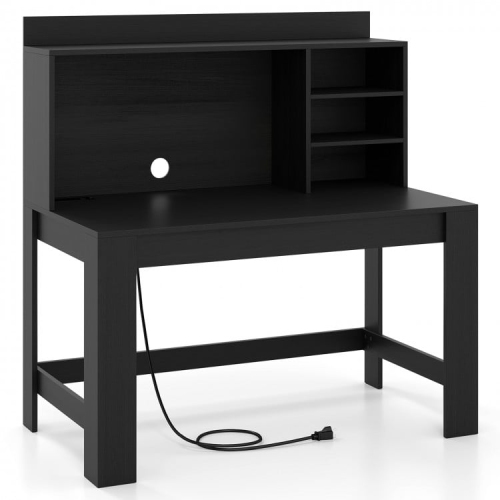
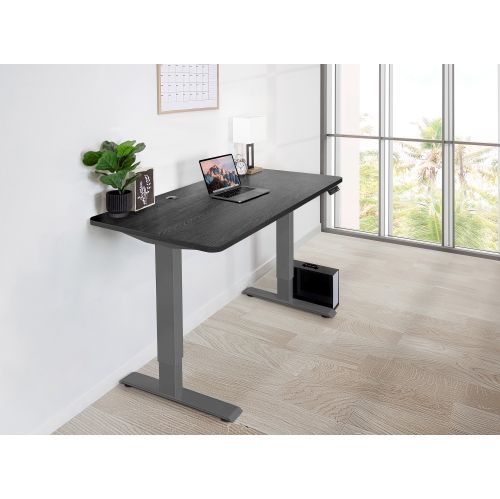

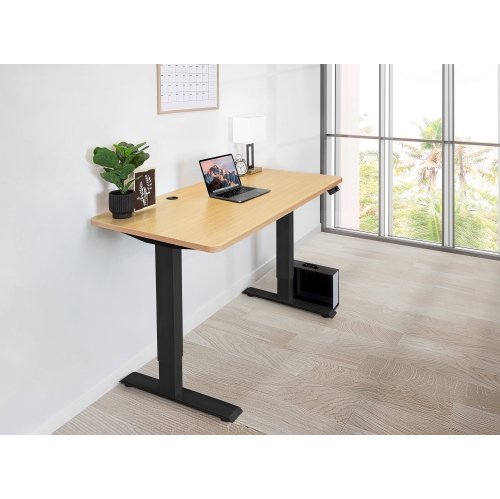
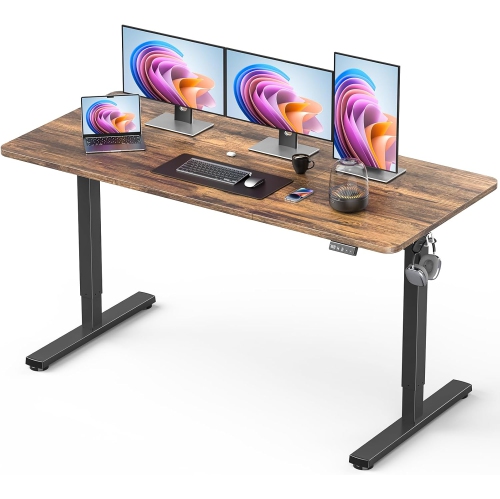
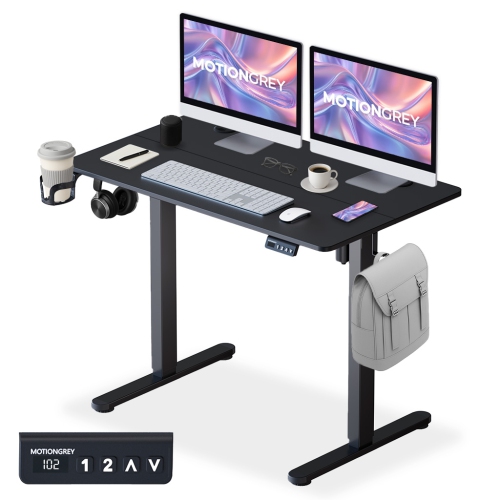
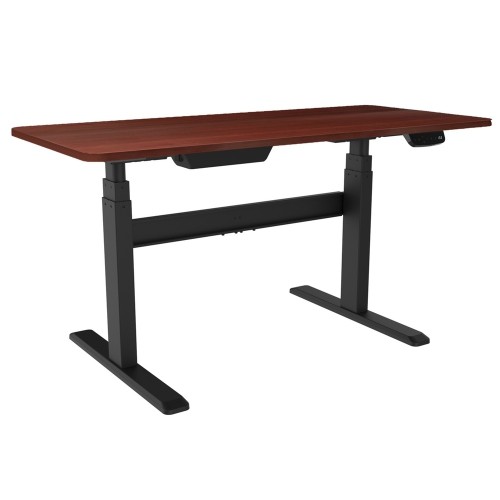


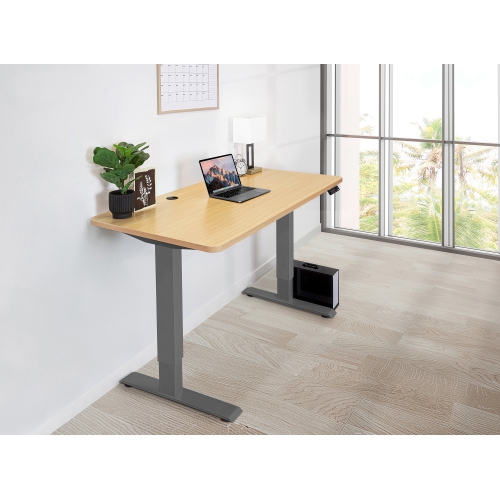
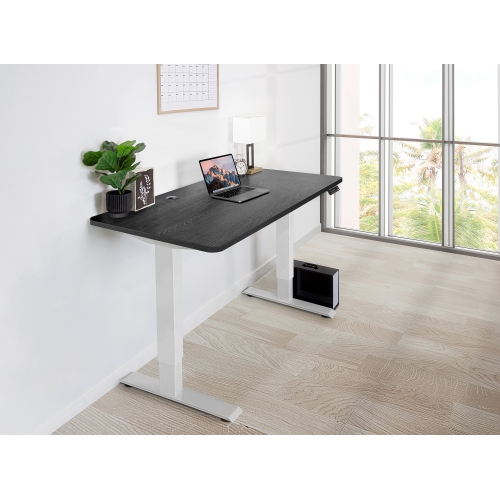
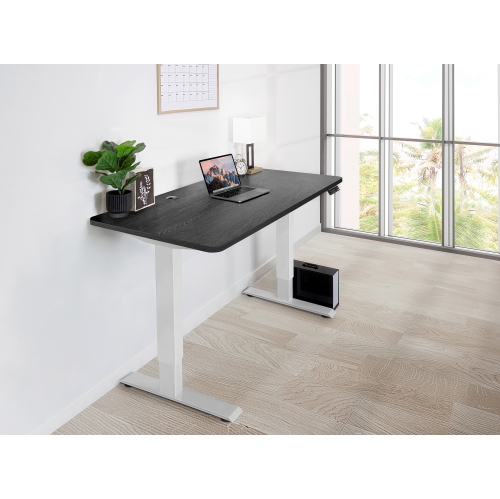
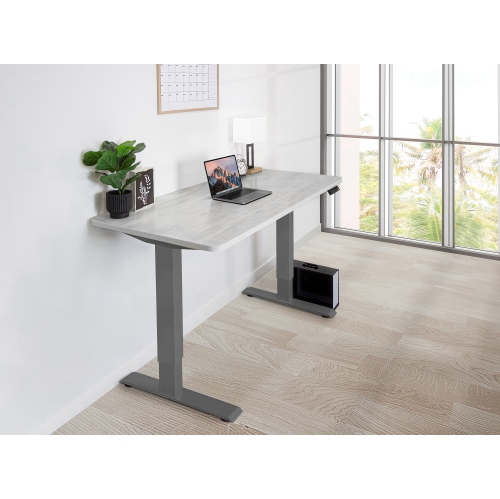
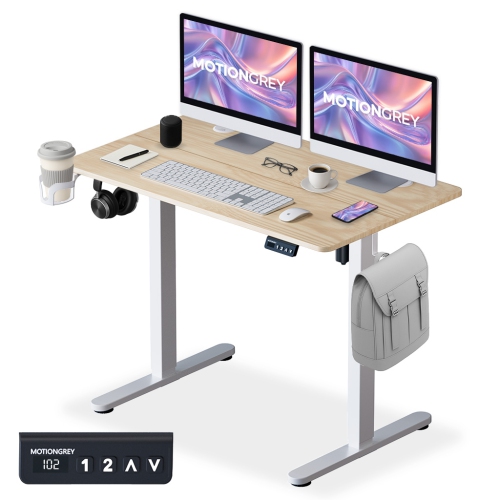

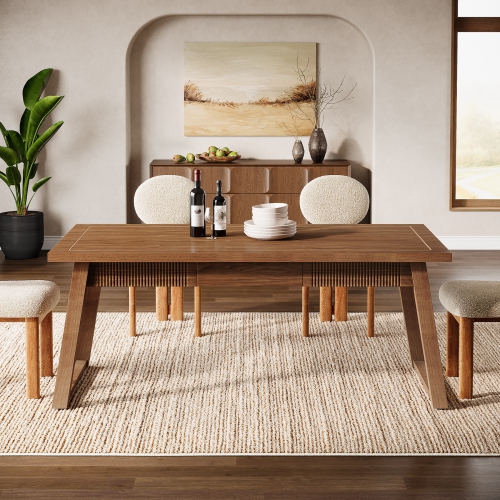

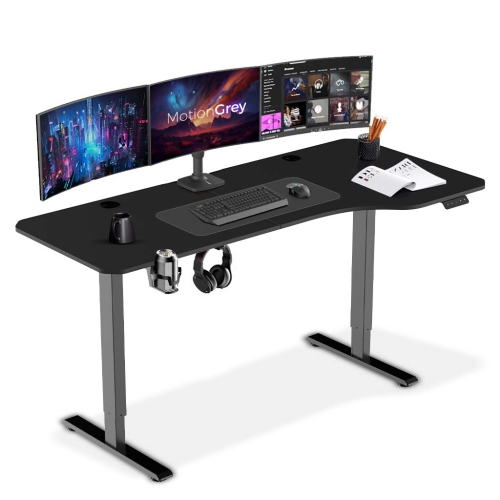
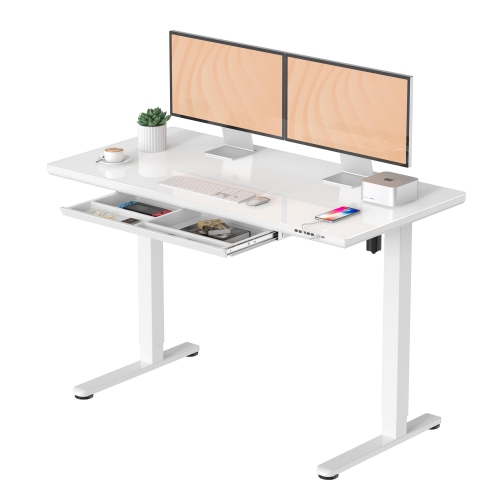
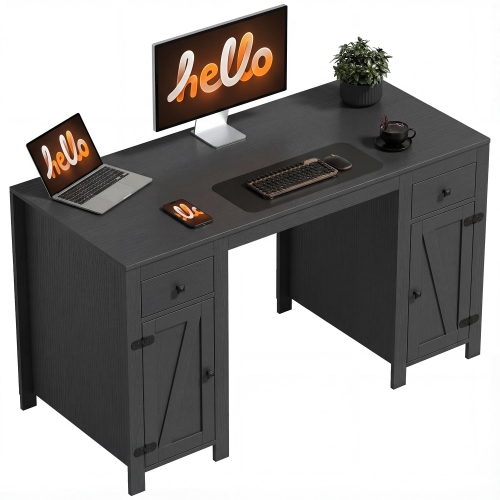

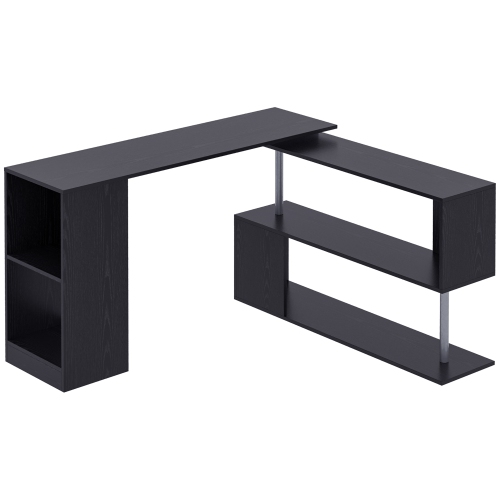
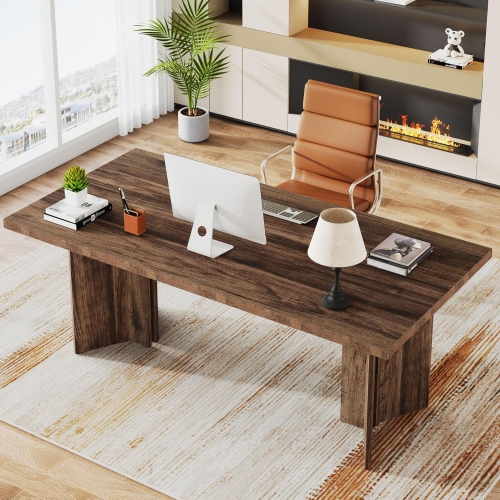

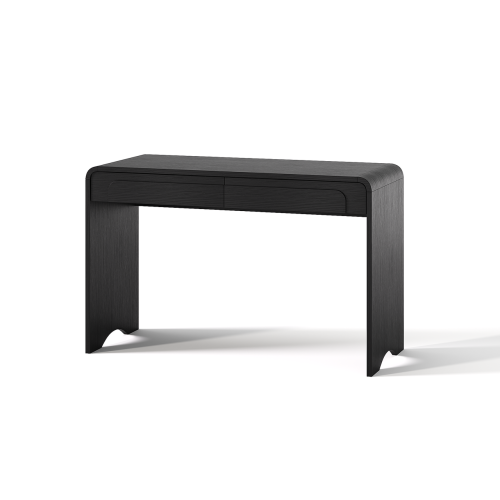

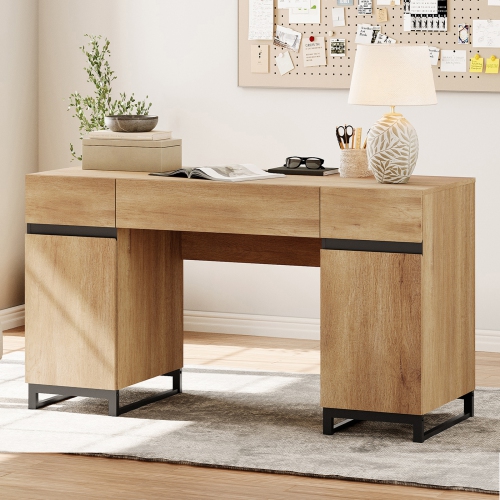
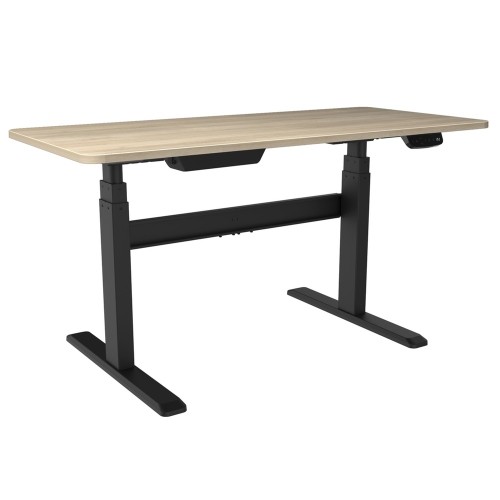

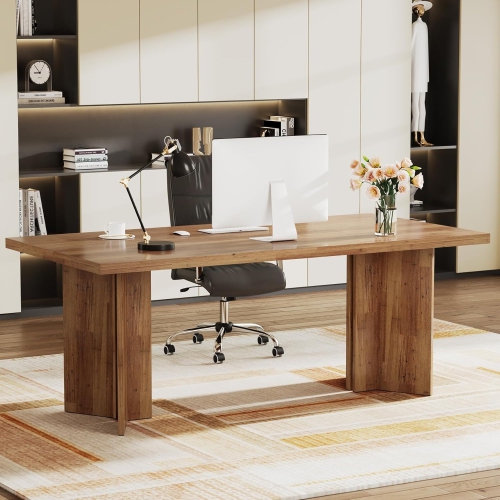
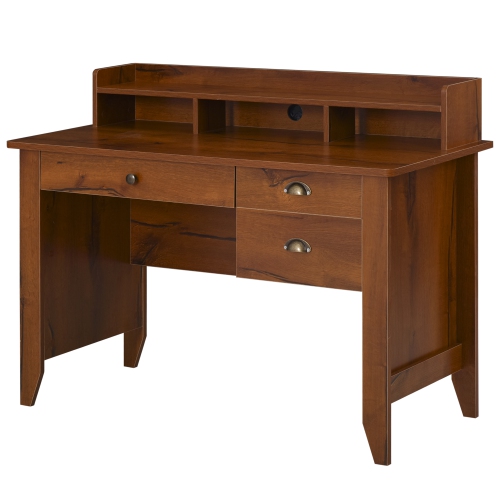

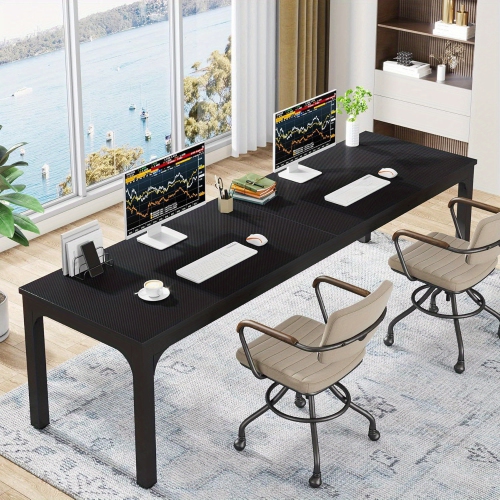
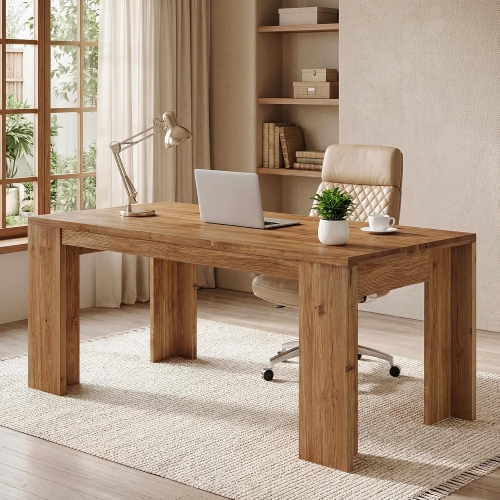

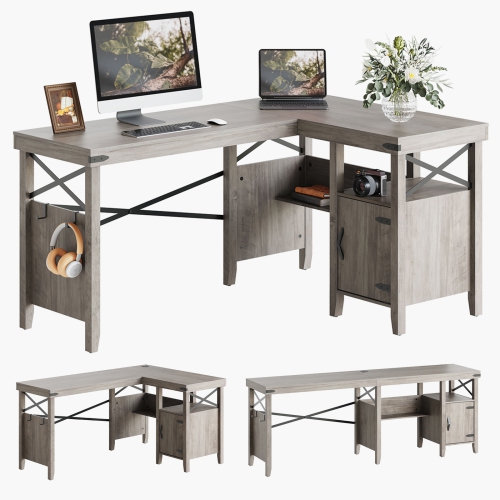


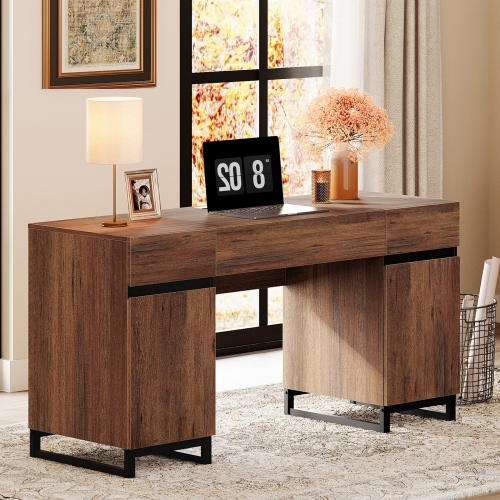

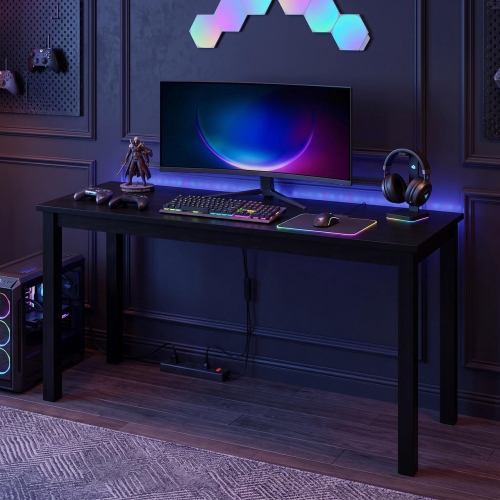
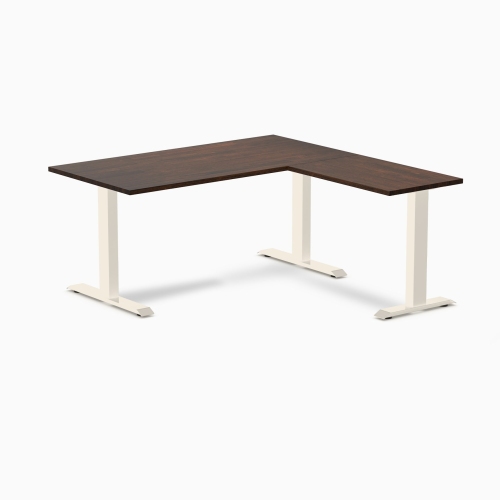
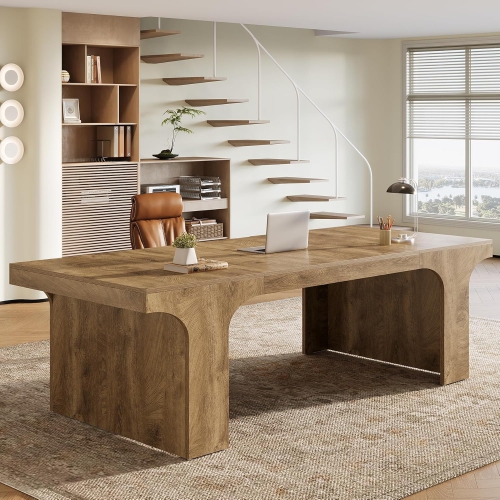
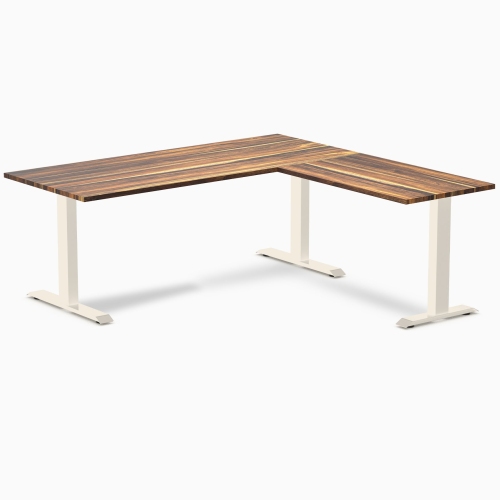
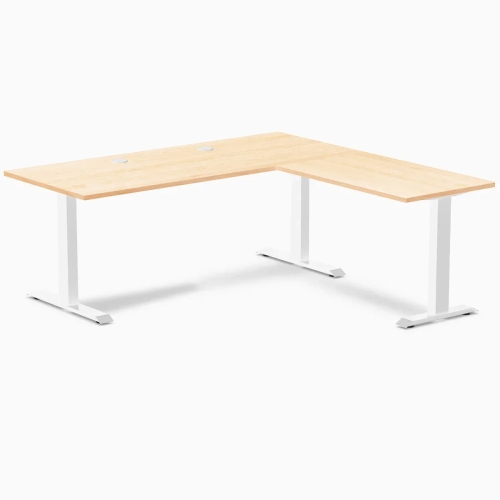
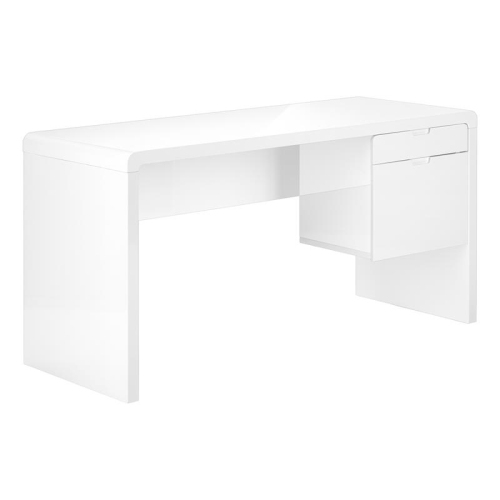




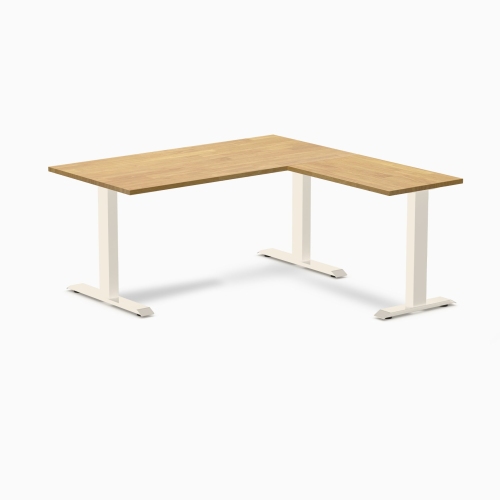
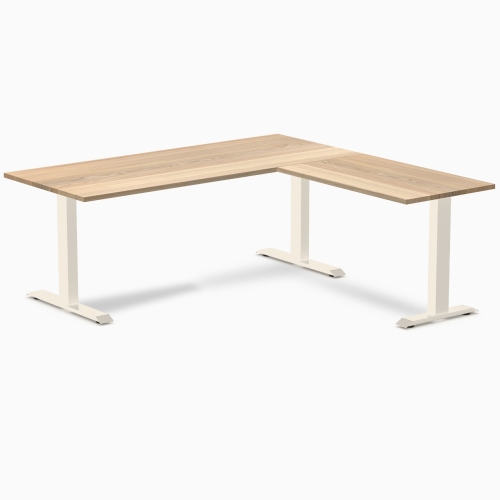
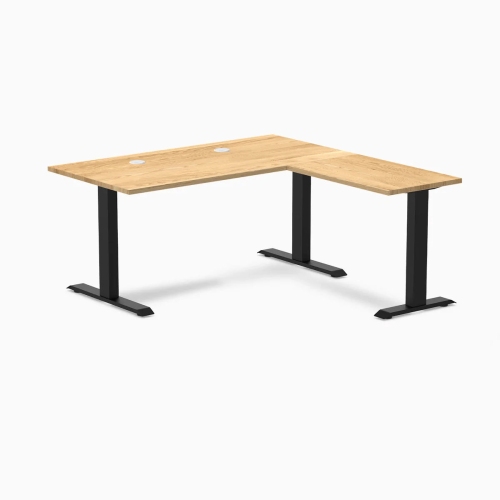
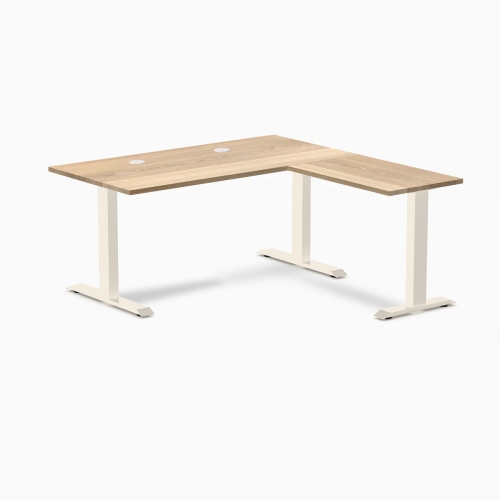

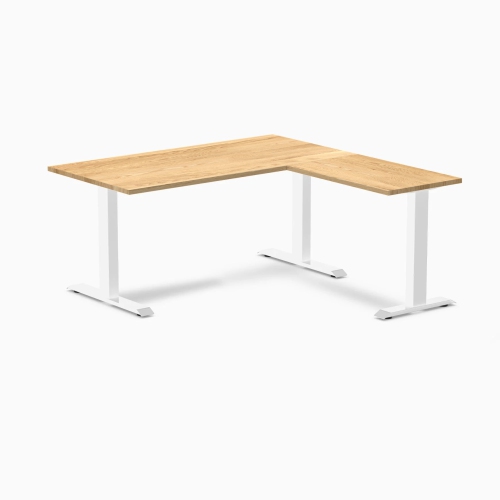
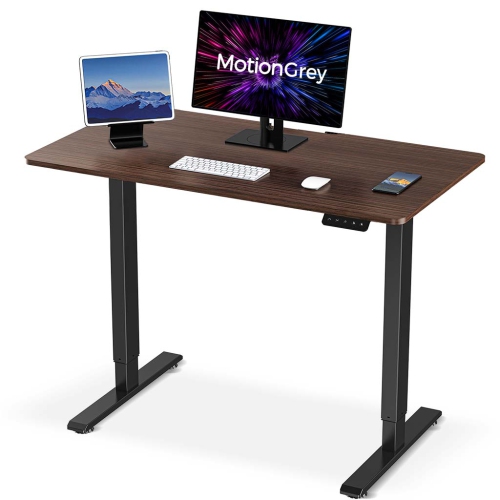
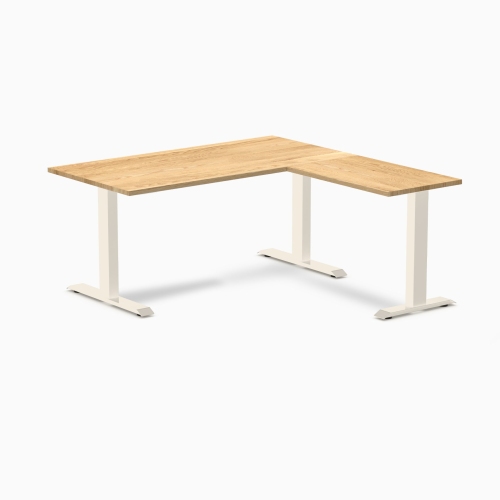

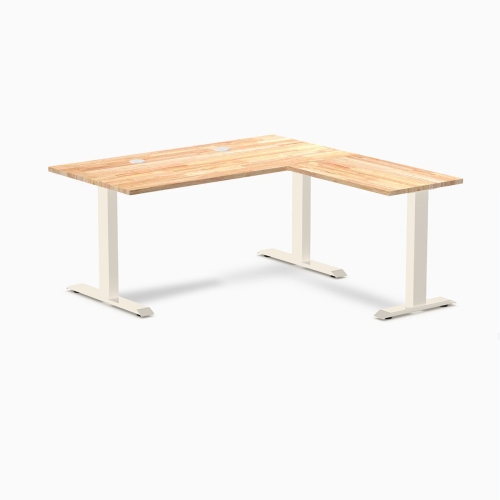
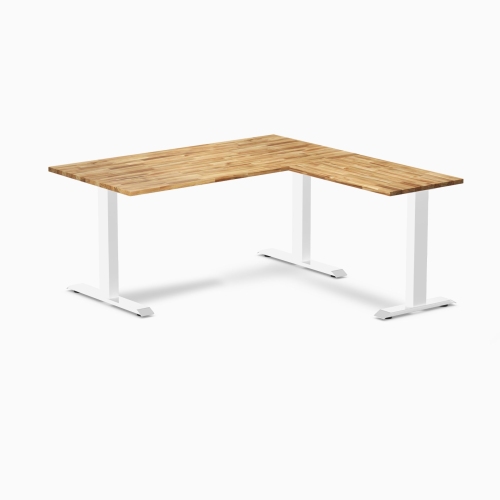
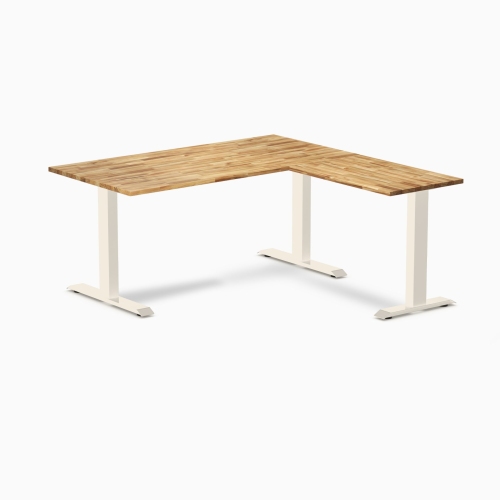
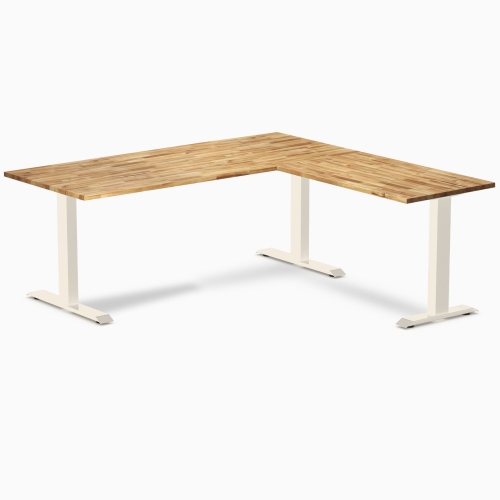

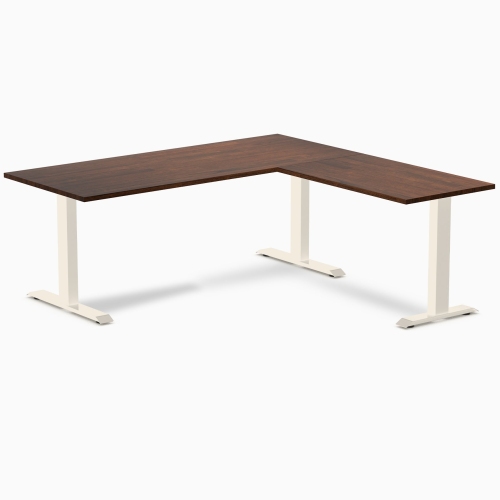


The desk details that make everyday work less cramped
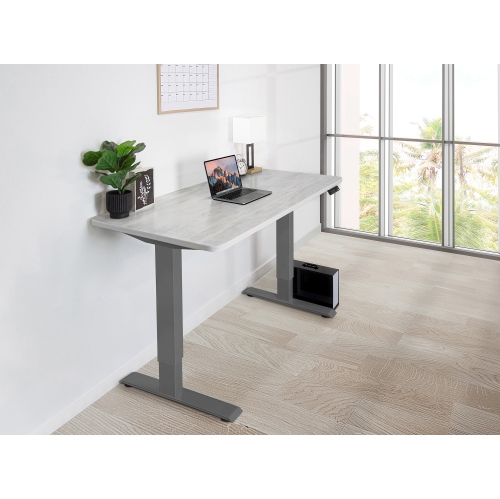
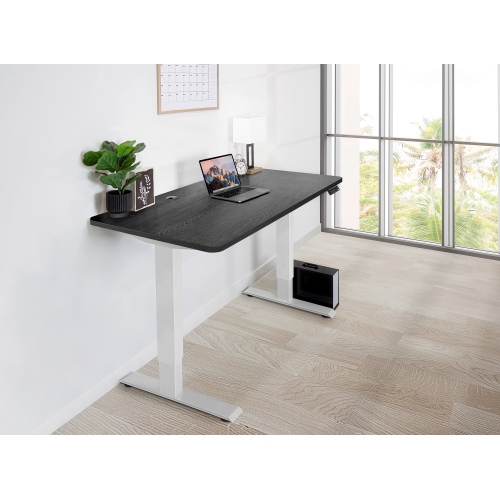
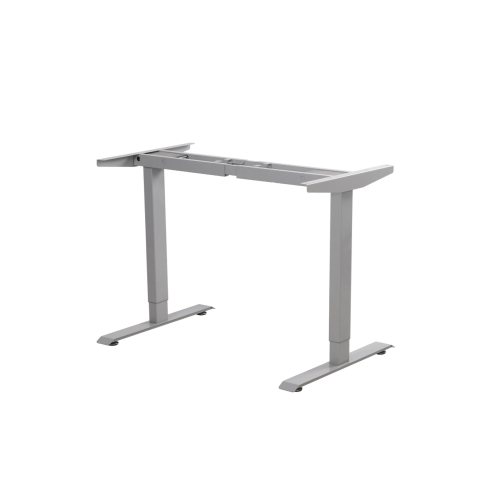
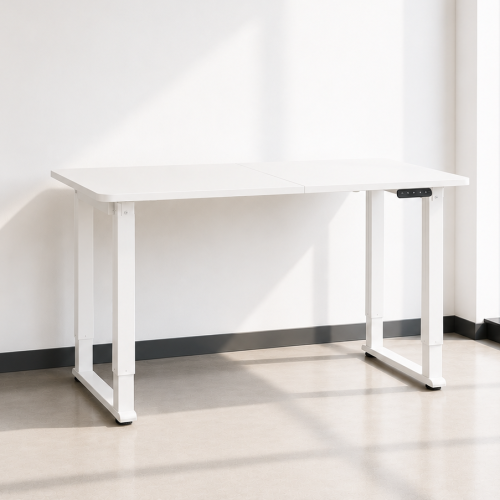
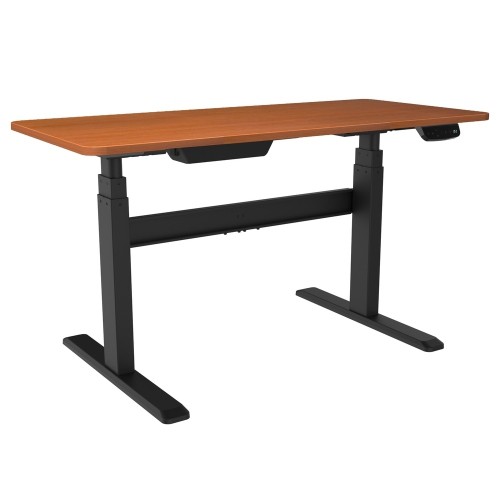
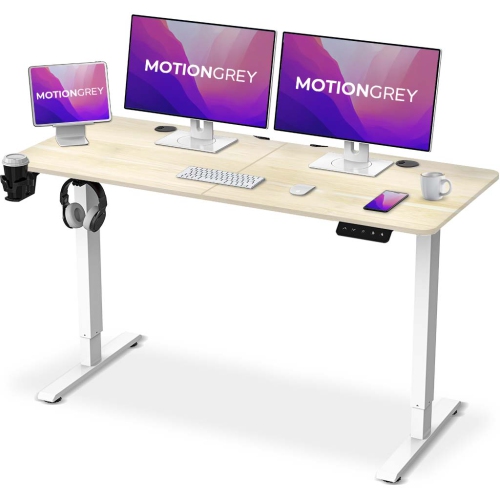
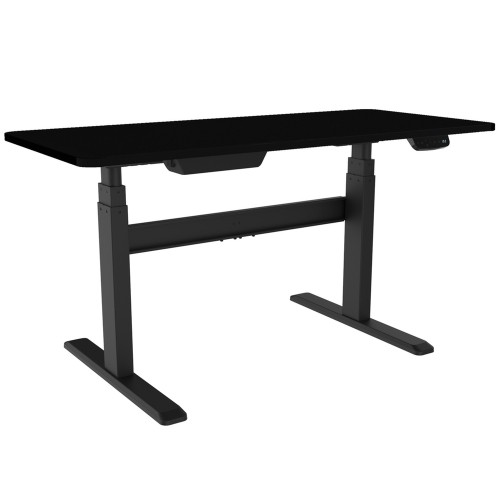
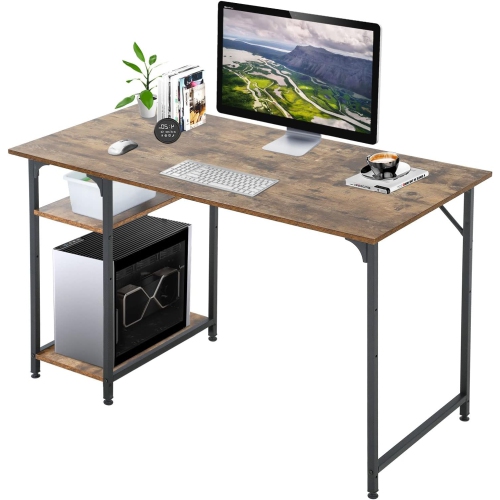
Top home office desks combine a stable work surface, a comfortable working height, and a layout that suits both the room and the work happening there. For someone answering emails on a laptop, a compact desk with space for a notebook may be enough. A person working with two monitors, reference documents, and a separate keyboard needs more width and depth to keep everything within easy reach without crowding the surface. Desktop depth is especially important: it allows room between the screen and the seated user while leaving space for a keyboard, mouse, and forearms. A fixed-height desk offers a straightforward workspace for regular seated use, provided its height works with the chair and leaves adequate clearance underneath. Height-adjustable desks offer more flexibility for people who prefer to alternate between sitting and standing or share a workspace with someone of a different height. Electric lift systems make those changes easier, while memory settings, where included, let users return to familiar positions without repeated adjustment. Manual adjustable designs provide another way to change working height, though the adjustment method affects how convenient frequent changes will be. Across these styles, comfort depends on the whole setup rather than the desk alone. A chair that fits beneath the surface, a screen positioned at a suitable viewing height, and enough legroom to change position all contribute to a more comfortable arrangement. Drawers, support rails, and crossbars can reduce usable clearance even when the desktop itself looks generous. Stability matters just as much as adjustability, particularly when typing, writing by hand, or using a monitor arm. For a standing desk, steadiness at the intended working height deserves attention alongside the lifting mechanism. The stated load capacity also needs to accommodate the full setup, including screens, mounts, and accessories, rather than just the computer. A useful home office desk makes everyday work feel less cramped, whether that means spreading out paperwork or keeping a simple laptop station clear and ready.
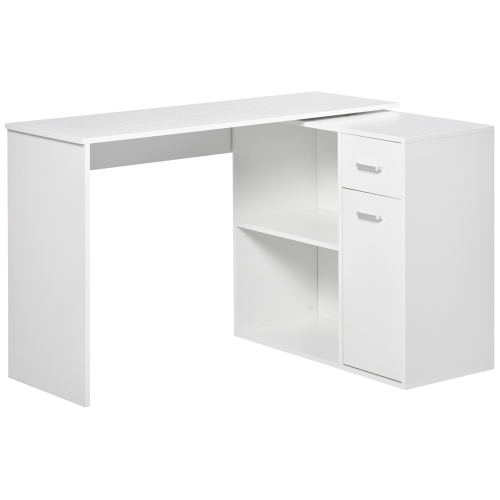
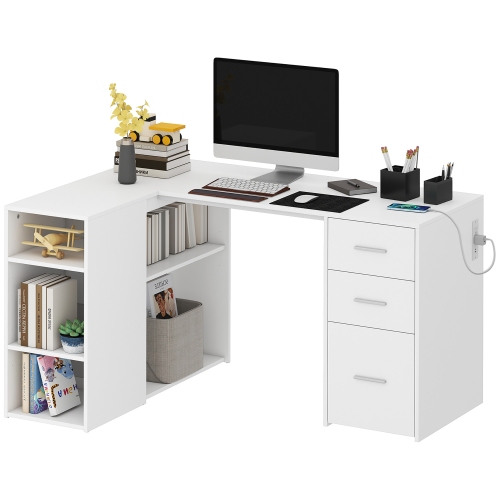
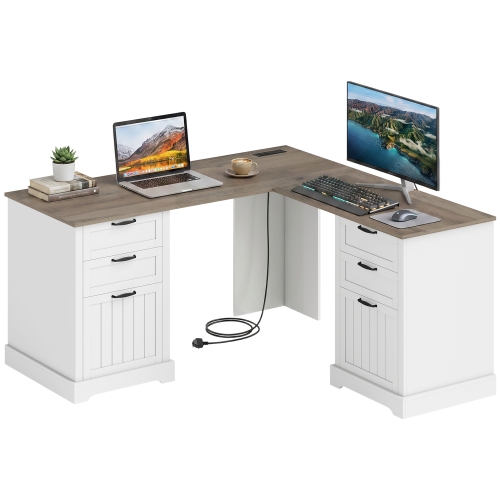
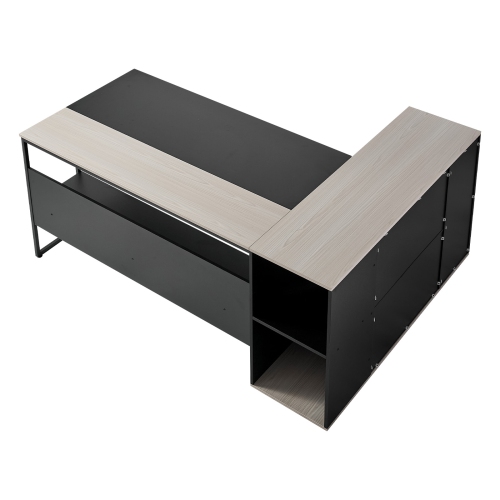
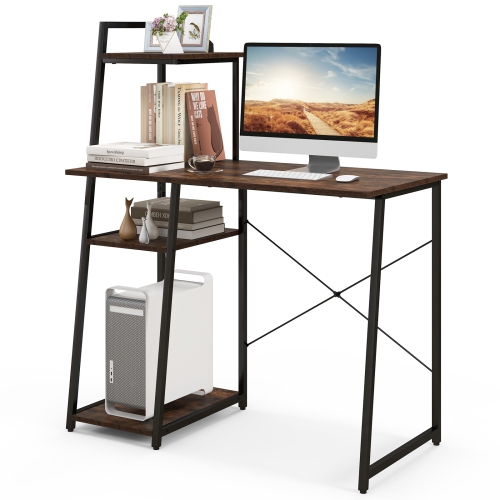
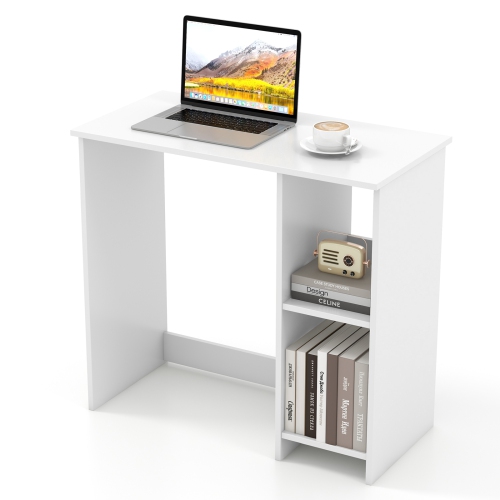
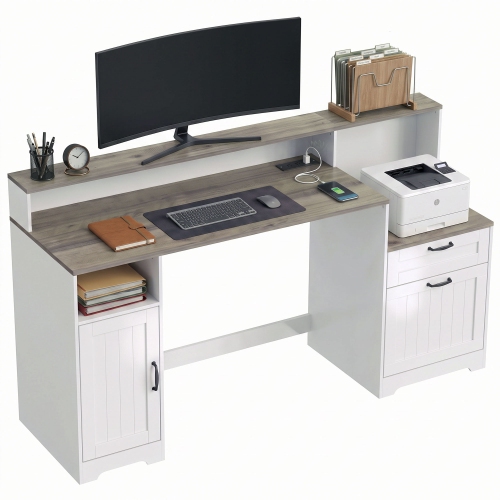
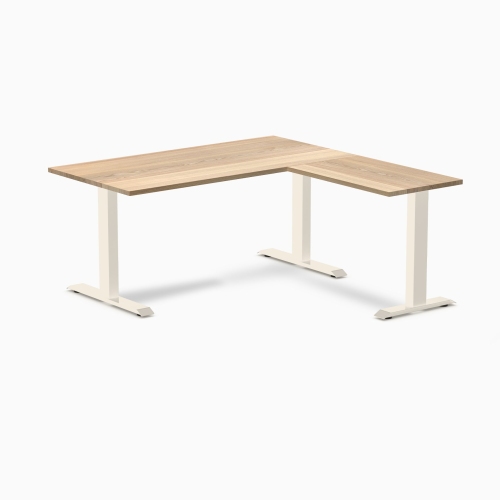
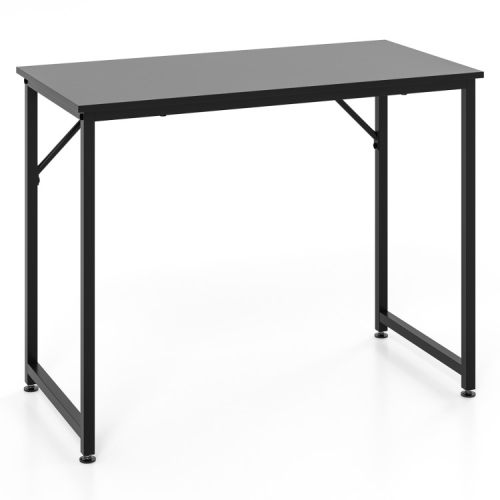
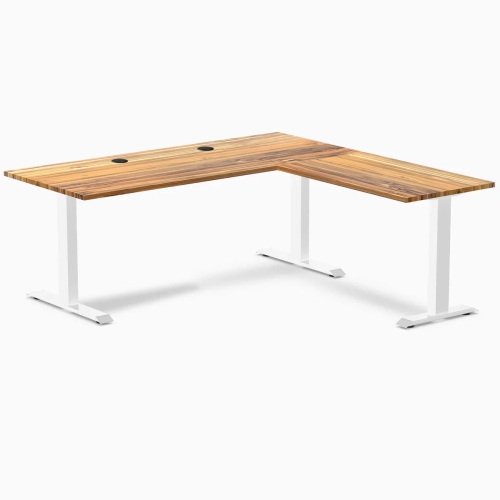
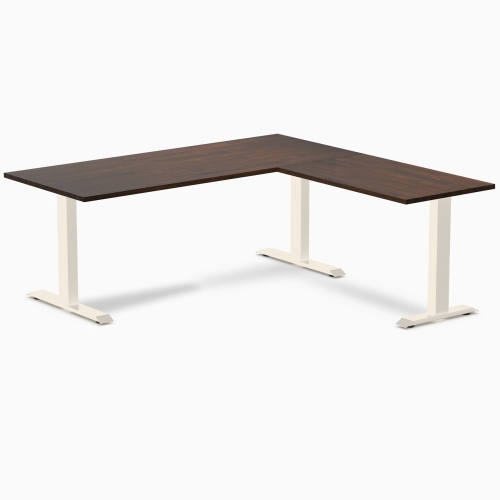
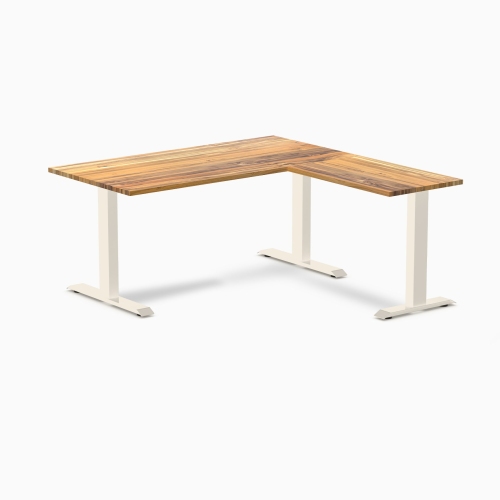
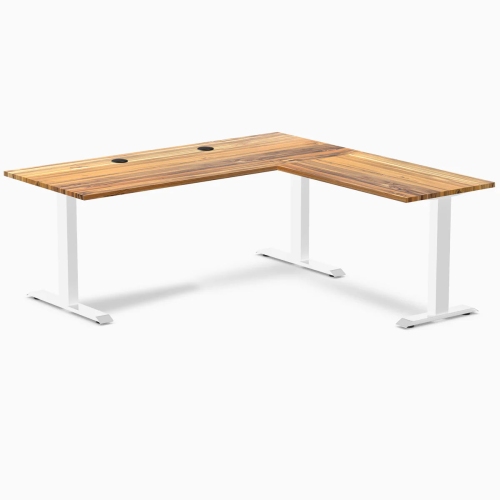
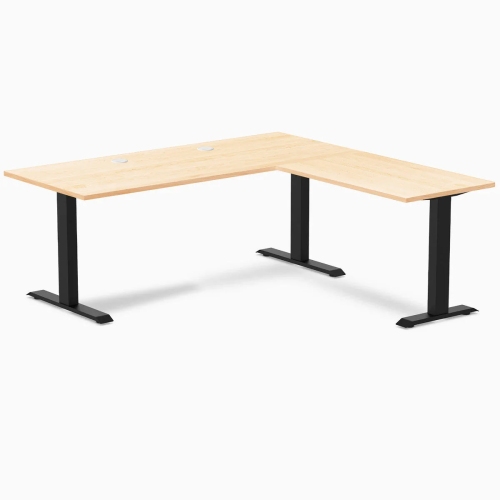
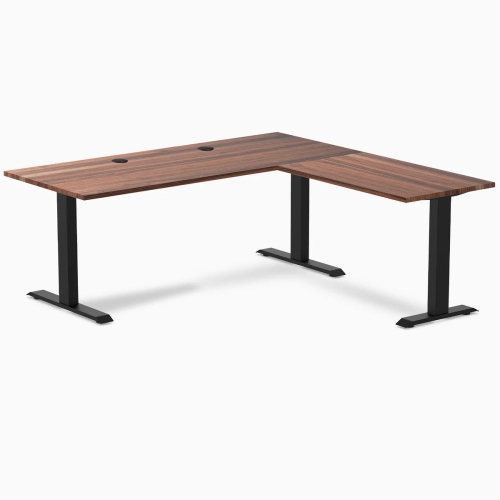
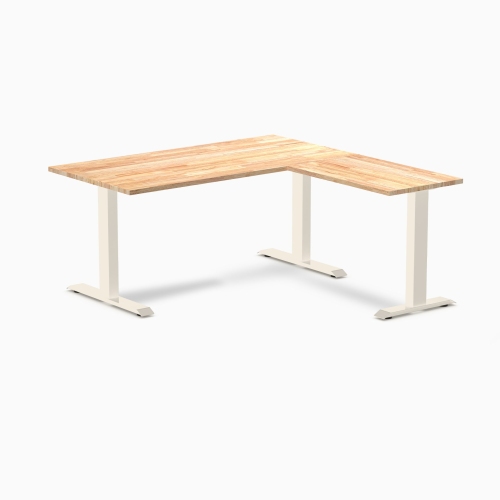
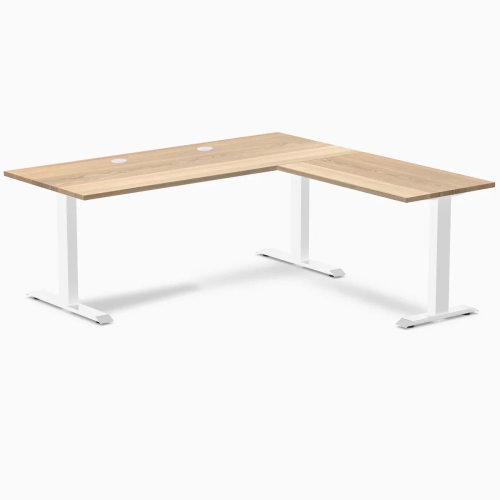
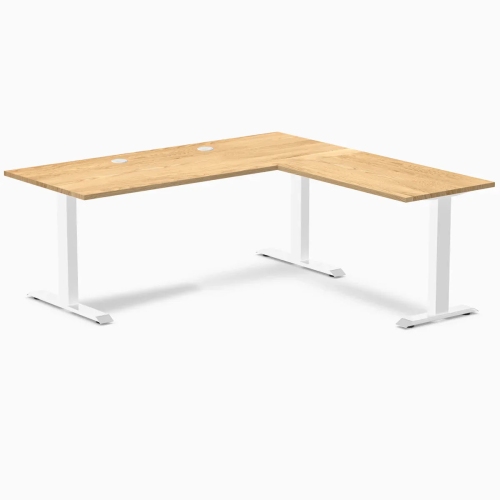
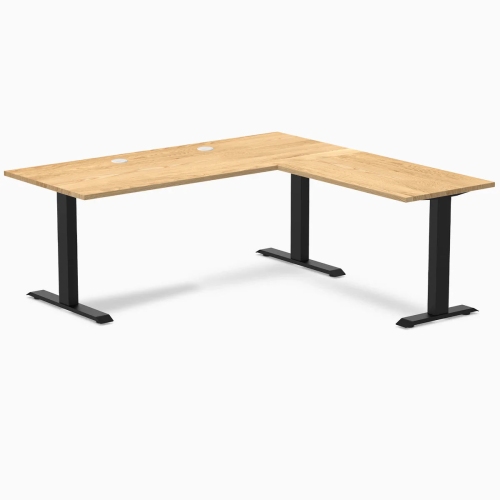
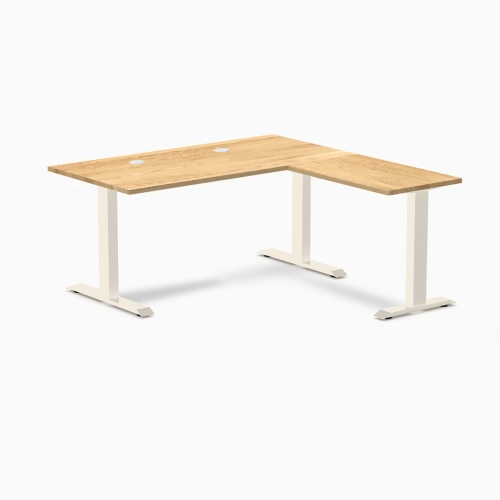
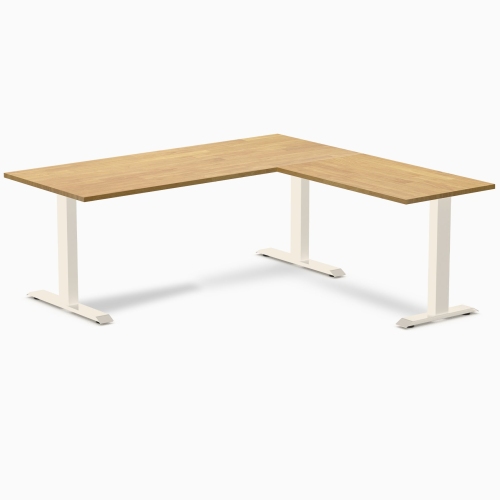
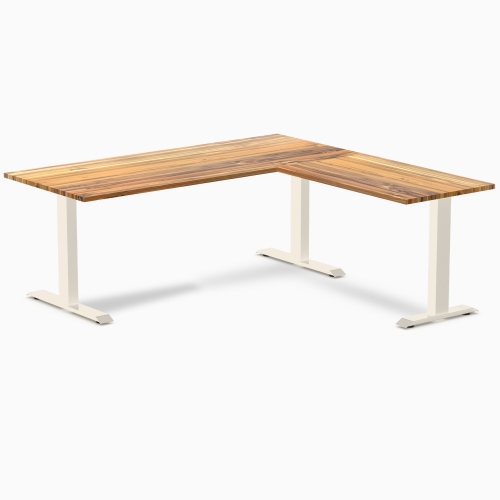
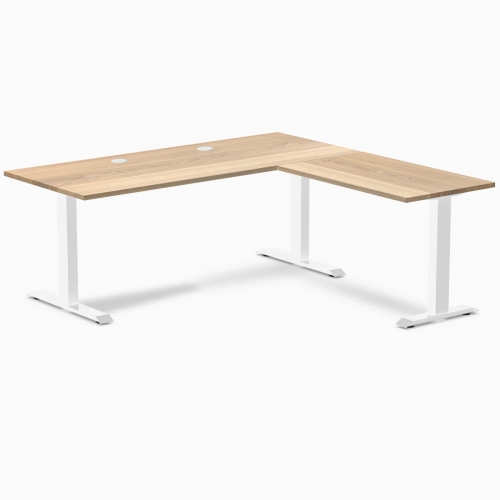
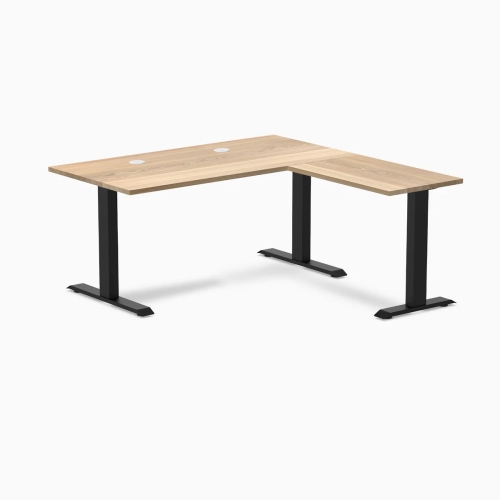
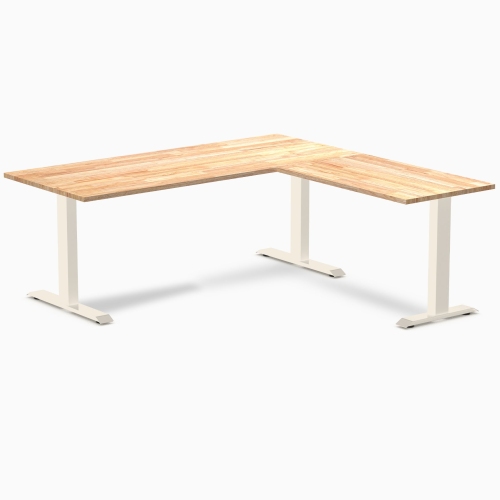
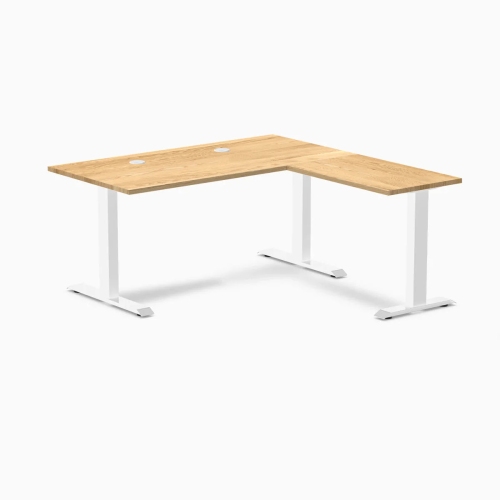
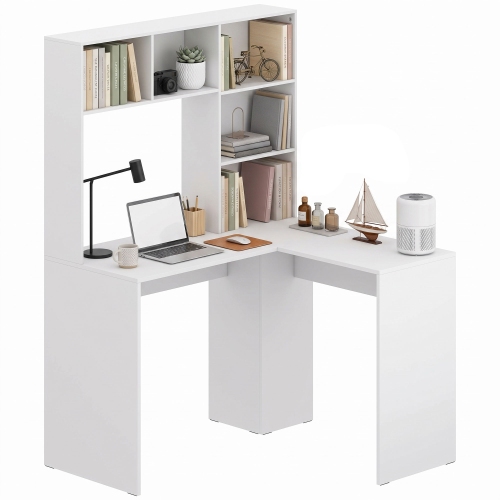
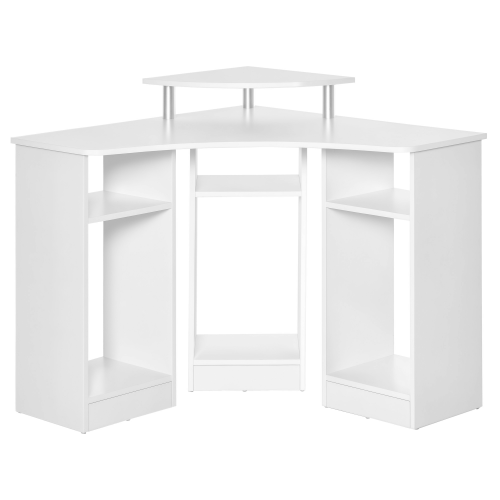
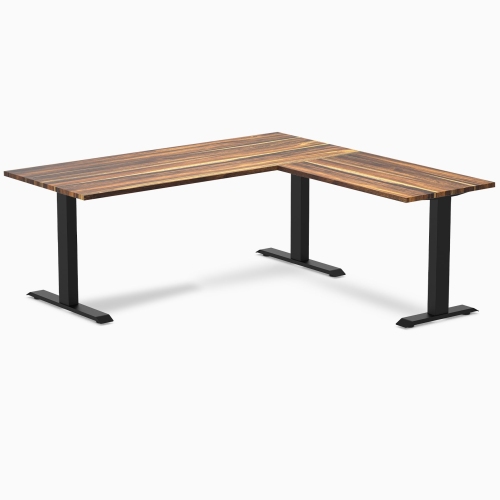
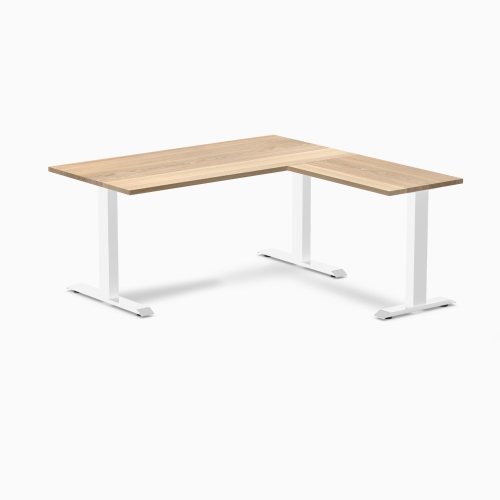
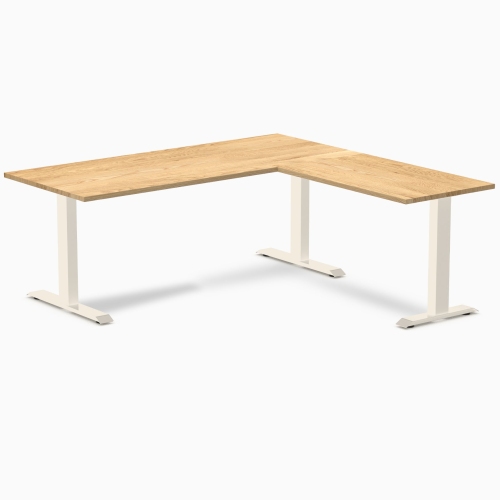
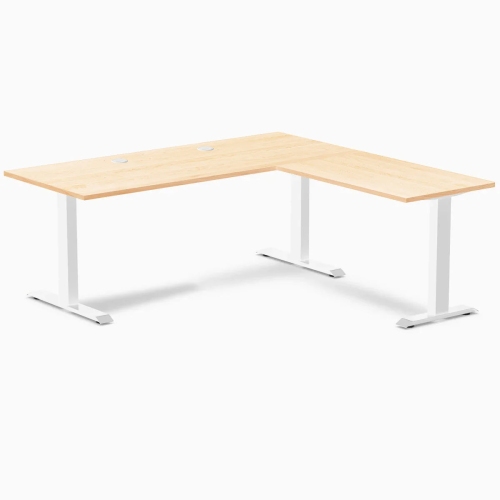
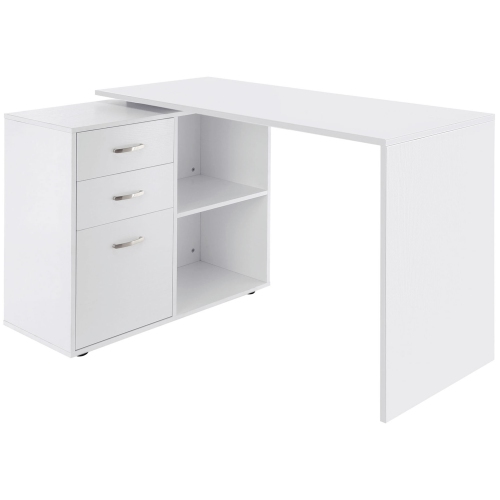
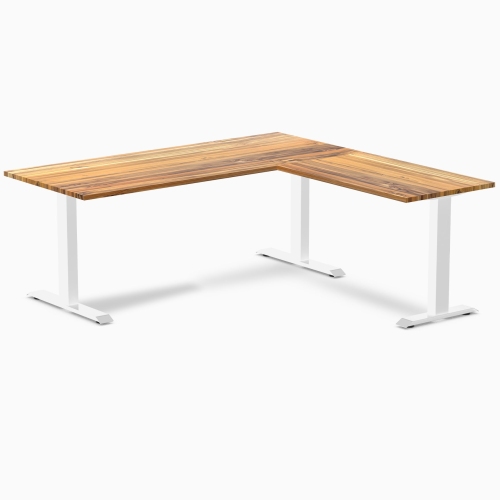
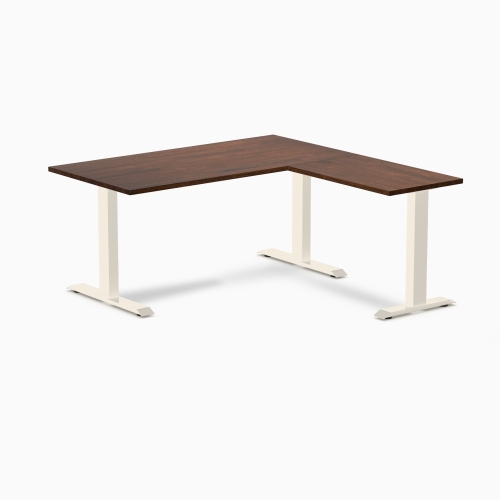
The shape and footprint of a desk influence how naturally it fits into a home. Rectangular desks are versatile choices for a dedicated office, a bedroom wall, or an alcove in a shared living area. Their straight edges make it easier to position shelving nearby or arrange two workstations along the same wall. Compact desks suit spaces where work needs a defined place without taking over the room, but a small footprint should still leave enough usable surface for the actual routine. A shallow desk may work well for brief laptop sessions yet feel restrictive with a full-size monitor and keyboard. L-shaped desks provide separate zones for computer work and paperwork, and they can make good use of a corner when both sides fit comfortably. The orientation of the return matters, particularly beside a doorway, radiator, or existing storage unit; reversible configurations offer flexibility when the room layout changes. For work that involves multiple displays, large drawing sheets, or several open reference books, Big Home Office Desks offer a related category to explore. A larger desktop still needs space around it for the chair to pull back, drawers to open, and people to move through the room. Overall dimensions tell only part of that story, since handles, raised shelves, and side compartments may affect placement. Storage is most useful when it matches what needs a home: shallow drawers for stationery, deeper compartments for supplies, or open shelves for frequently used folders. Built-in storage can keep a workspace organized, although it may limit legroom or make the desk harder to reposition. Cable openings, trays, and accessible routes to wall outlets help keep cords from spreading across the desktop. On a height-adjustable desk, cables need enough slack to move with the surface without pulling on connected devices. Thoughtful placement also keeps a monitor out of the direct path of window glare and leaves room for a task lamp. These practical details help a desk work as part of the room rather than simply occupy it.
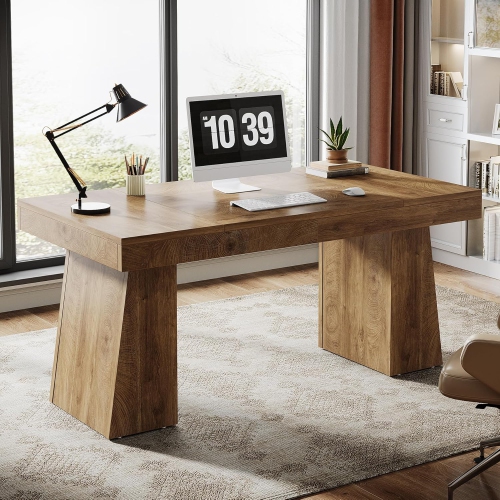
Materials and construction determine much of a desk’s appearance, weight, care needs, and durability. Solid wood brings visible grain and variation that can add warmth to a workspace, while wood veneer offers a real wood surface over a supporting core. Both benefit from care suited to their finish, especially where drinks, pens, and frequently handled equipment sit. Engineered wood with a laminate or melamine surface offers a consistent appearance and a finish that is generally easy to wipe clean; sealed edges and neatly finished joints are worth attention because they are common contact points during daily use. Metal frames can provide a clean, open look and firm support, while glass desktops create a lighter visual impression but show fingerprints readily and need cleaning products appropriate for the surface. Material alone does not establish quality. Secure joints, well-supported corners, smooth drawer movement, and a frame that remains steady during ordinary use are meaningful details across different desk styles. Desktop thickness and edge shape also affect how accessories fit. A clamp-mounted monitor arm needs a compatible edge and sufficient support, and an under-desk keyboard tray needs unobstructed mounting space. Following the desk’s care directions helps protect its finish: a soft cloth, prompt attention to spills, and desk mats or coasters can reduce everyday marks without adding much upkeep. Assembly deserves consideration too, particularly for heavier tops or adjustable frames that may require two people to handle safely. Beyond function, the right finish helps the workspace belong in the home. A pale wood tone or white surface can blend into a smaller room, while darker finishes and metal details create a more defined workstation. Matching every piece is not essential; coordinating colour, proportions, and storage can give the space a cohesive feel. Home office desks serve remote workers, students, freelancers, and people managing household paperwork, and they can make thoughtful gifts for someone establishing a dedicated workspace. For a gift, knowing the recipient’s room dimensions, equipment, and preferred working style is more useful than choosing by appearance alone.
Top selling and popular products
-
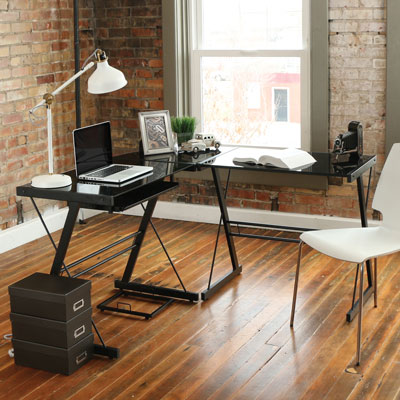 Your price for this item is $304.99
-
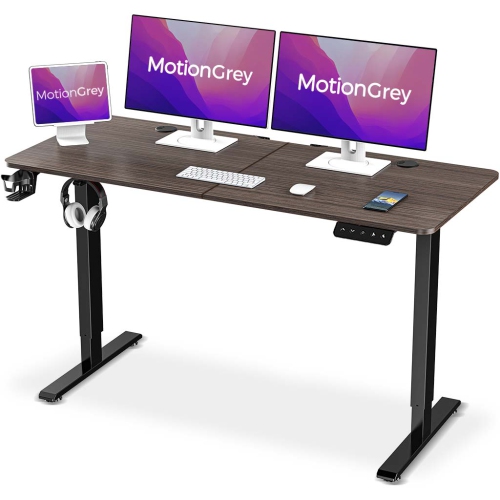 Your price for this item is $142.92
-
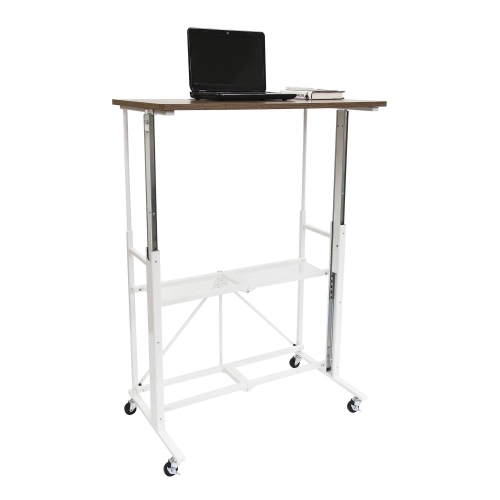 Your price for this item is $248.99
-
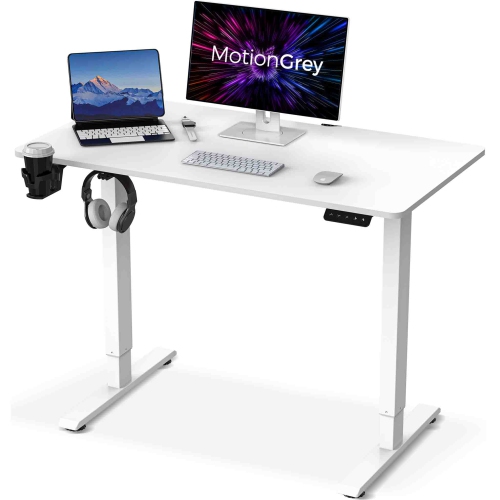 Your price for this item is $133.91
-
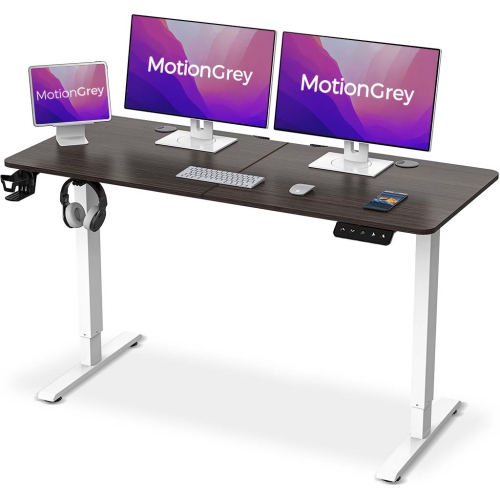 Your price for this item is $158.99
-
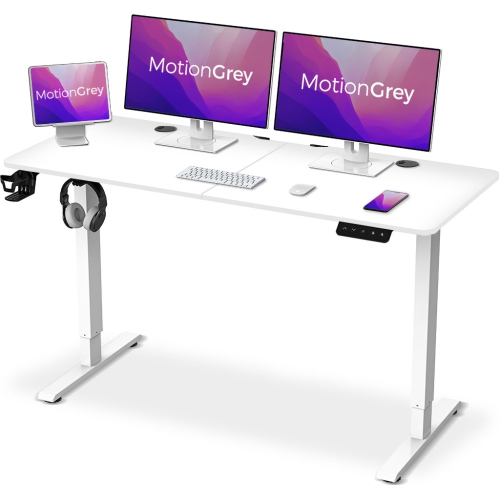 Your price for this item is $142.94
-
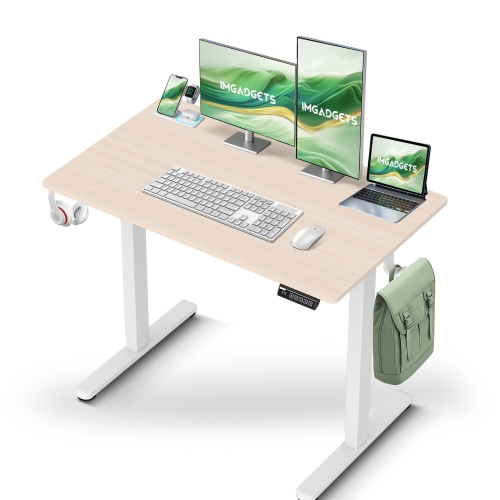 Your price for this item is $119.99
-
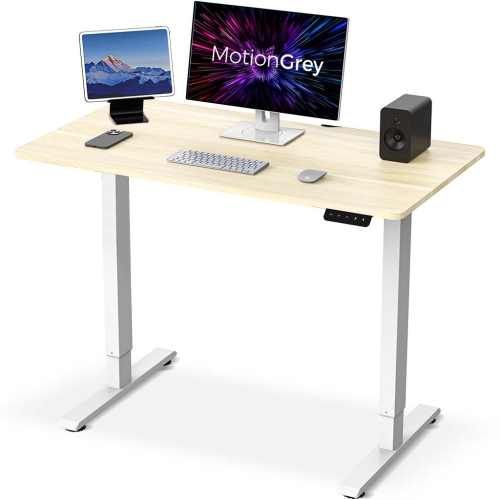 Your price for this item is $133.91
Discover more categories related to Top Home Office Desks
Top Collections:
Pokemon Centers, Best Cameras for Sports Photography, Kindle Devices, Samsung Galaxy Phones, Canon G7X Cameras, Pokémon 30th Celebration Cards, Refurbished Apple Laptops, iPhone 15 Apple, Laptops for Students, Budget Smartphones
Some products may be subject to Environmental Handling Fees
(EHF) depending on your province.
Learn more about EHFs.