3V Batteries
Looking for reliable power sources for your small electronic devices? Look no further than 3V batteries. These compact and versatile batteries are essential for a wide range of gadgets, from remote controls to calculators to small toys. With long-lasting power and easy availability, 3V batteries are a convenient choice for keeping your devices up and running. Explore our selection of 3V batteries to find the right option for your needs.
Sort
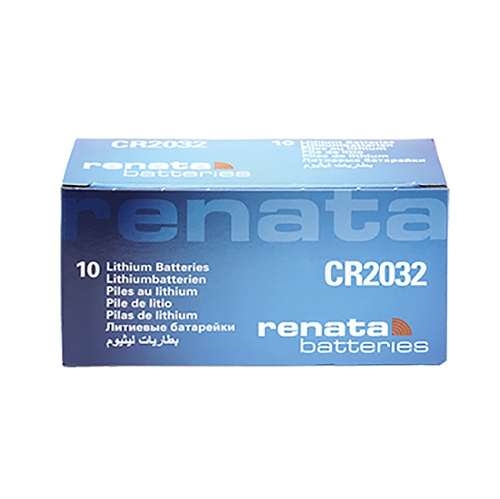
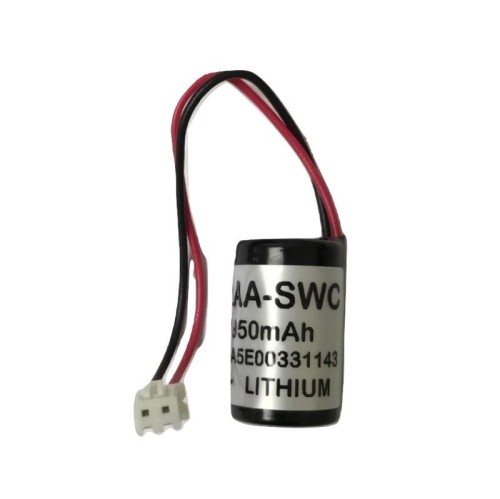
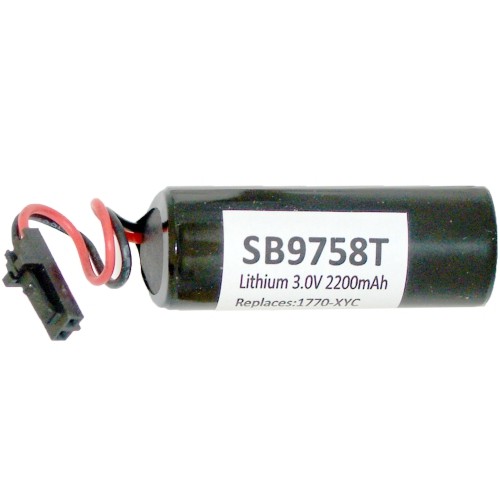
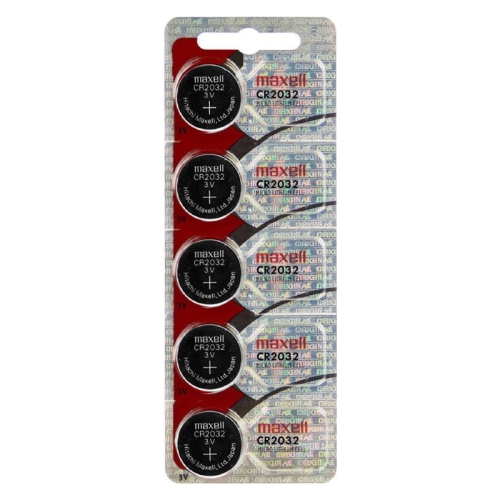
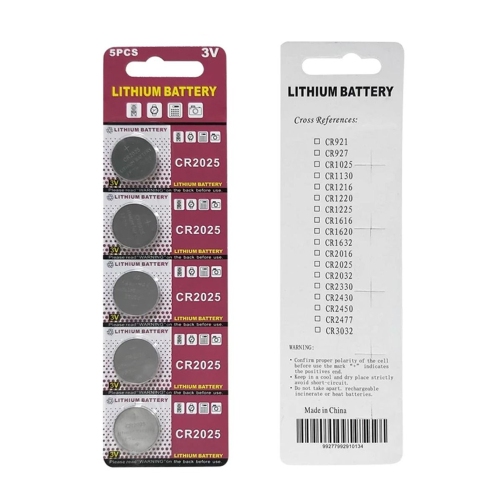
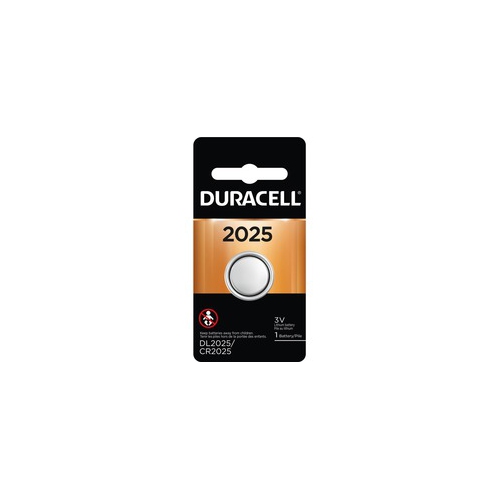
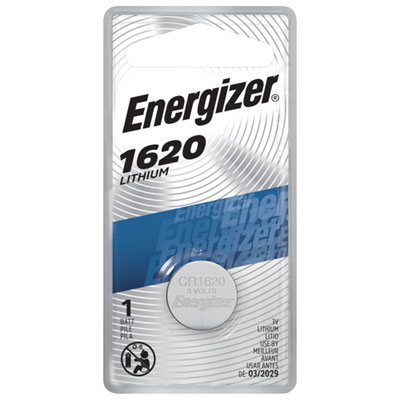
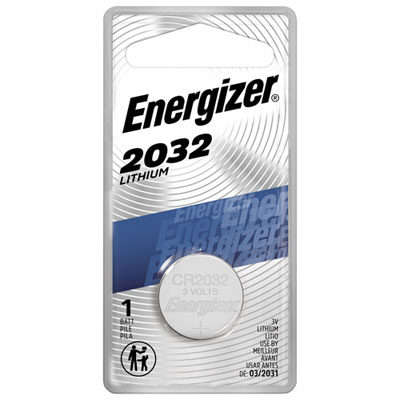
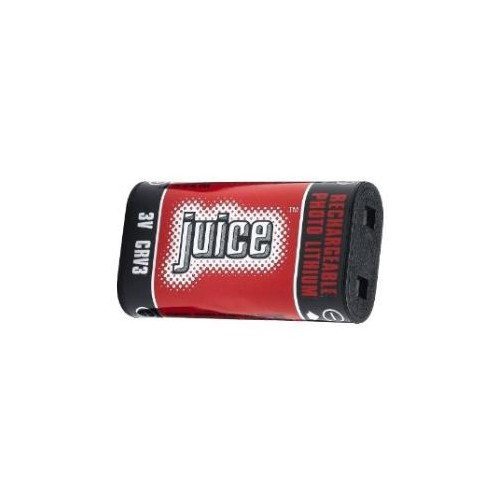
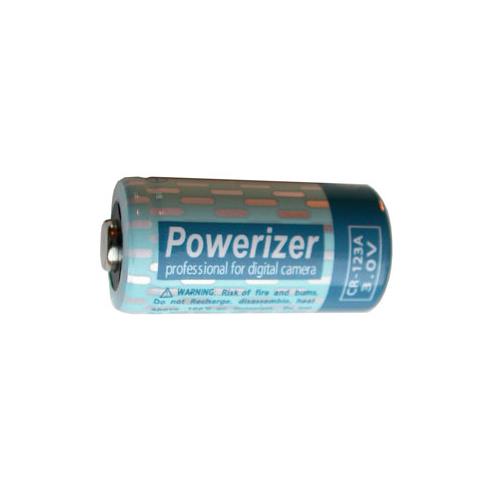
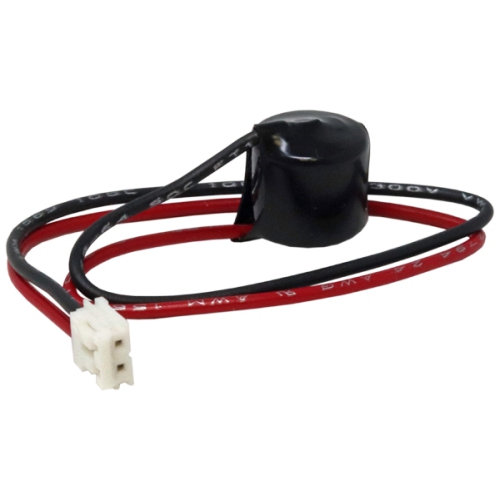
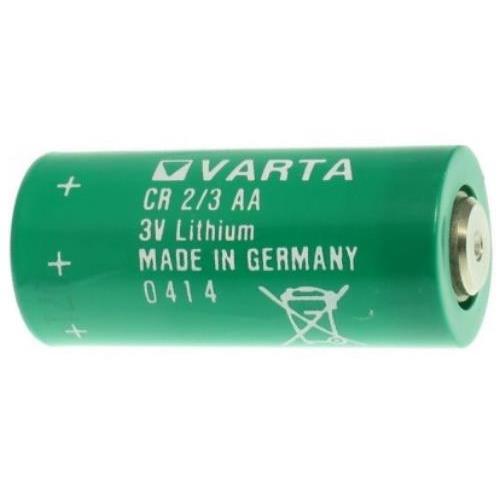
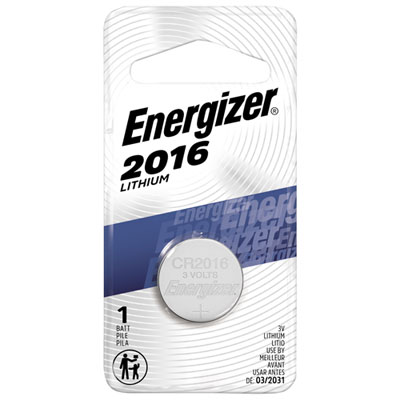
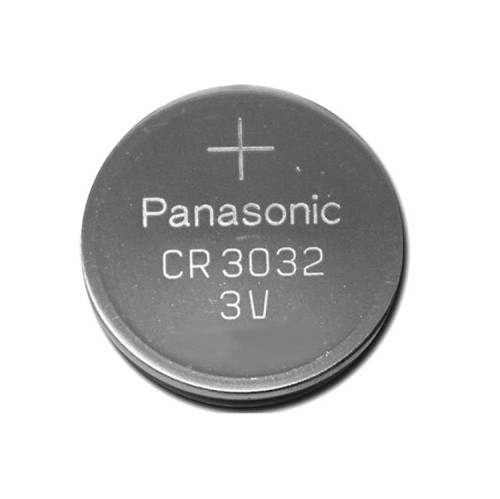
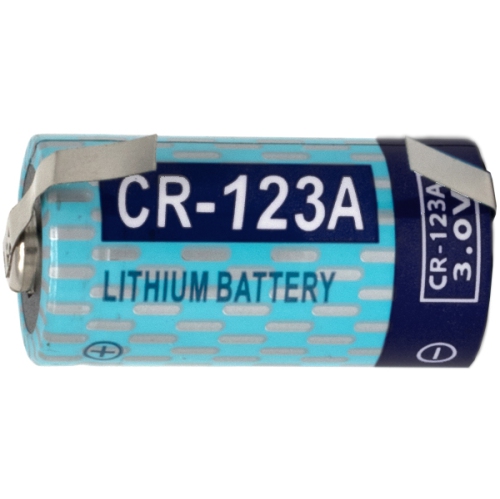
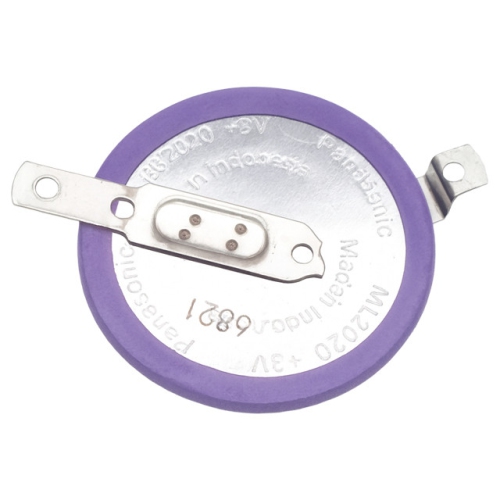
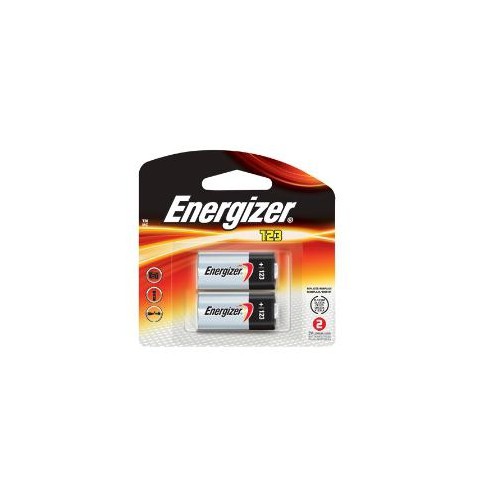
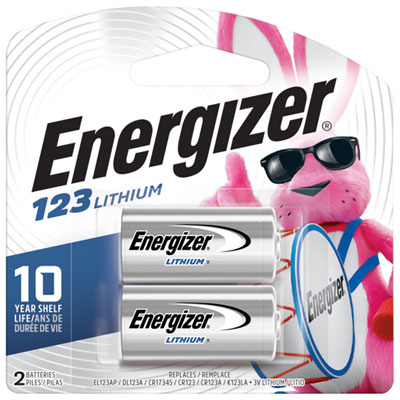
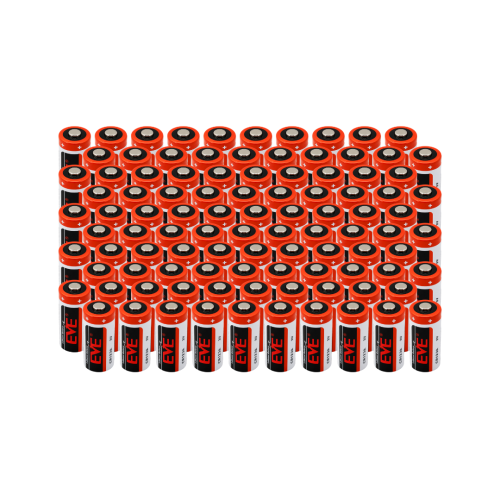
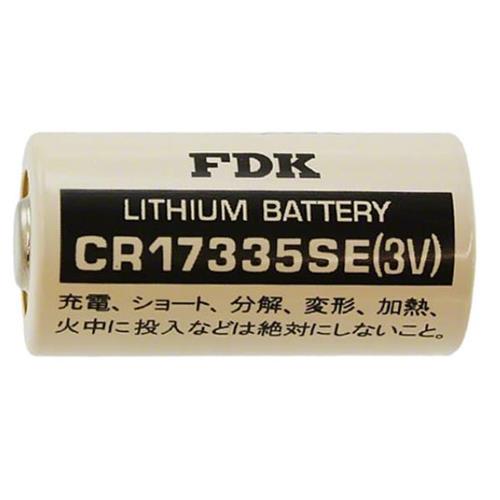
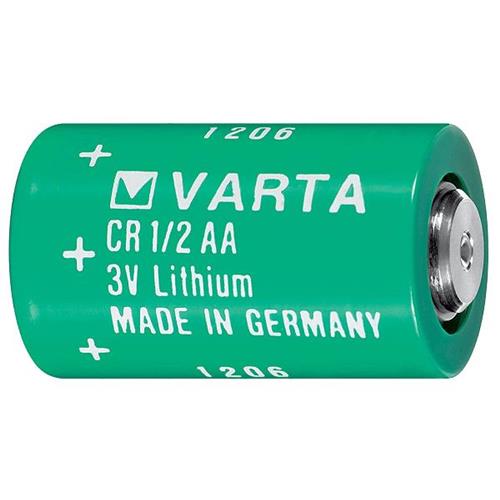
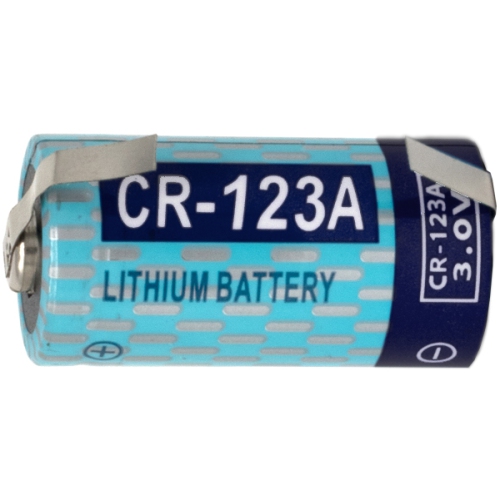
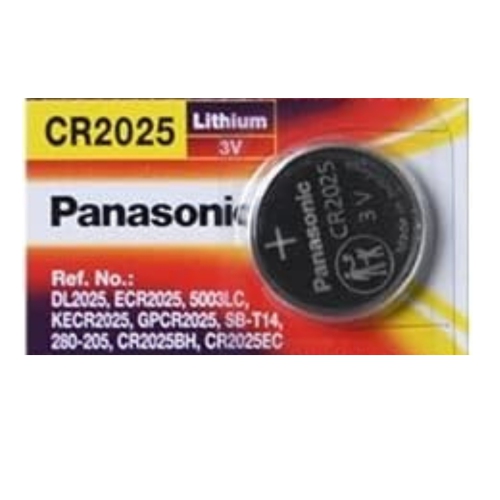
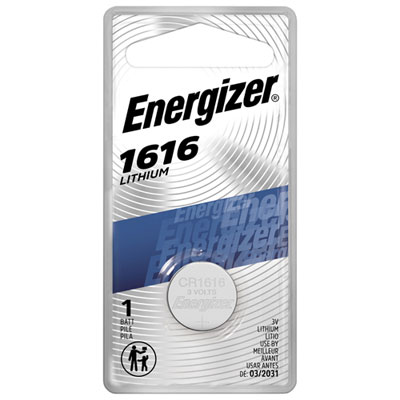
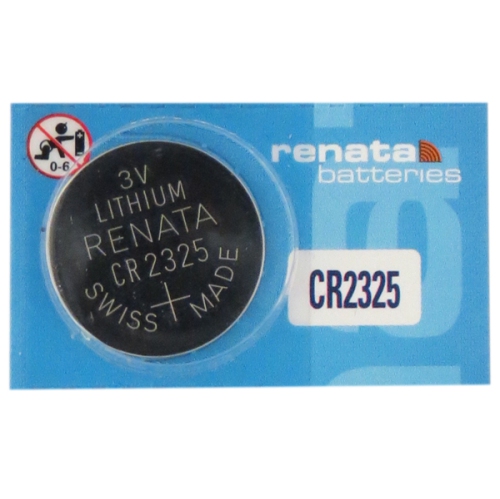

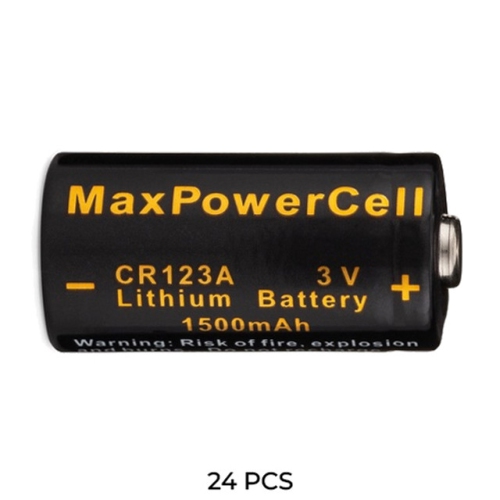
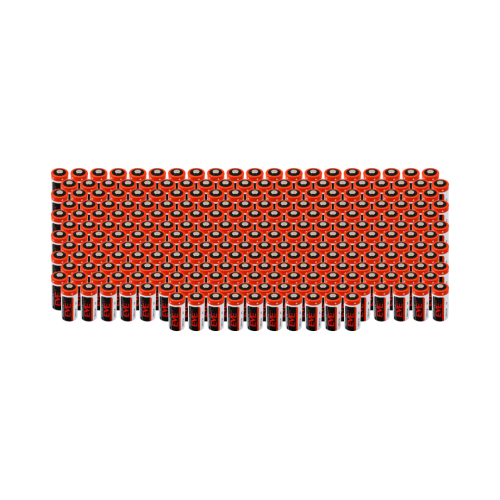

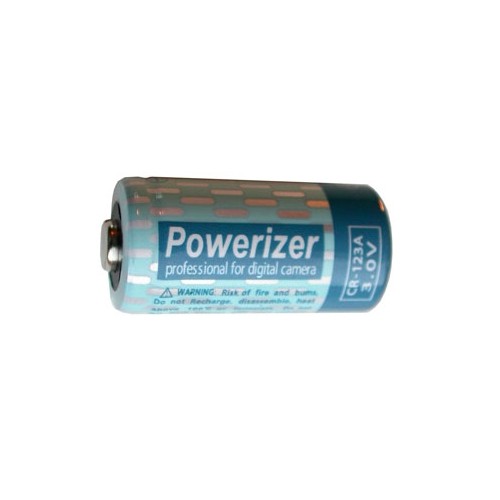
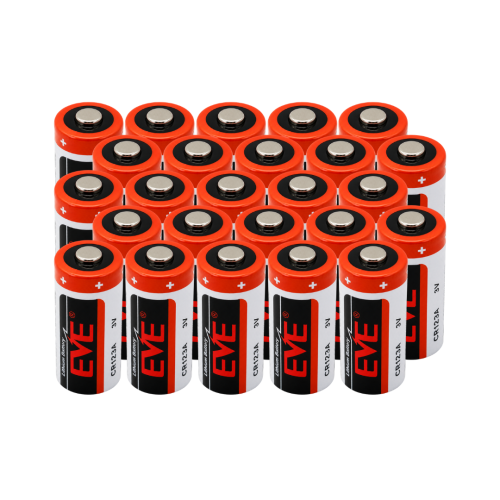

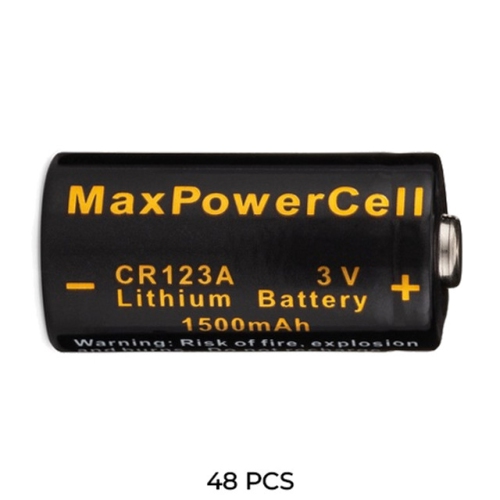
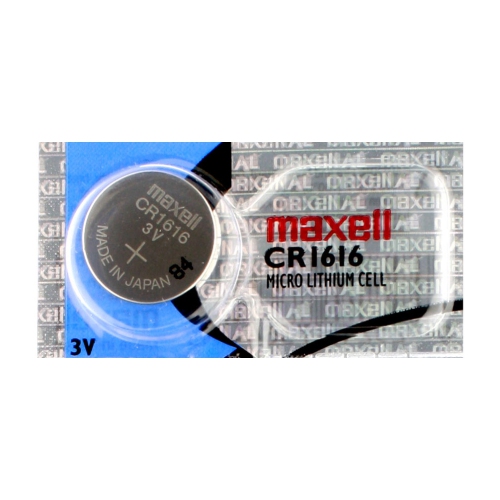
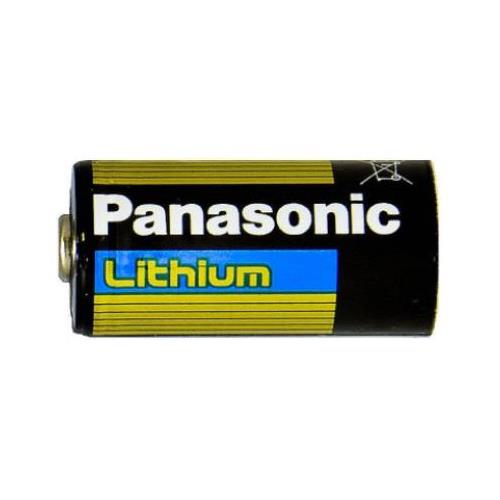
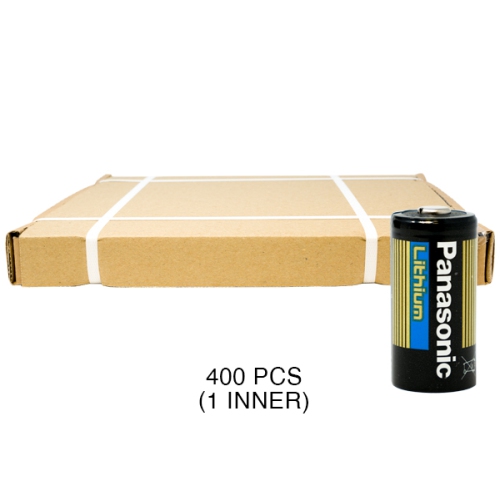
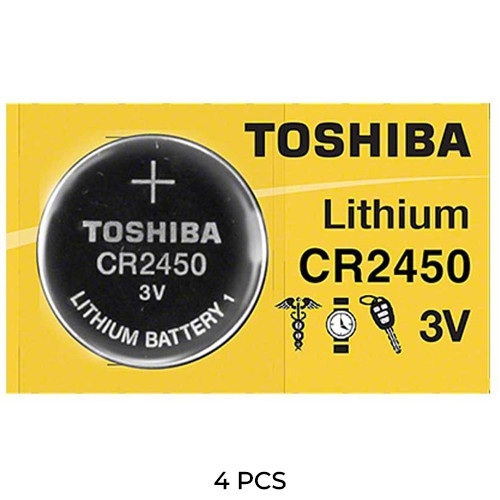
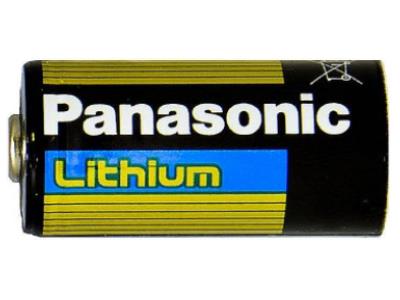
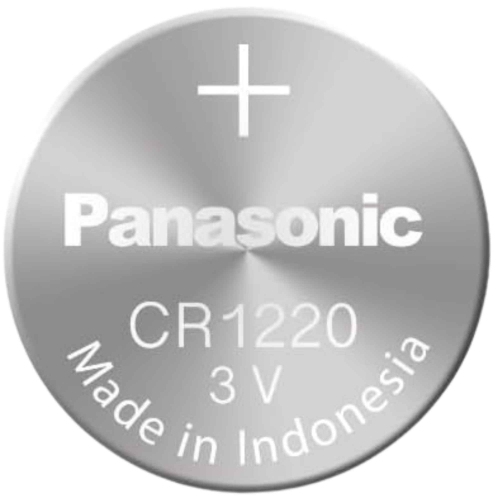
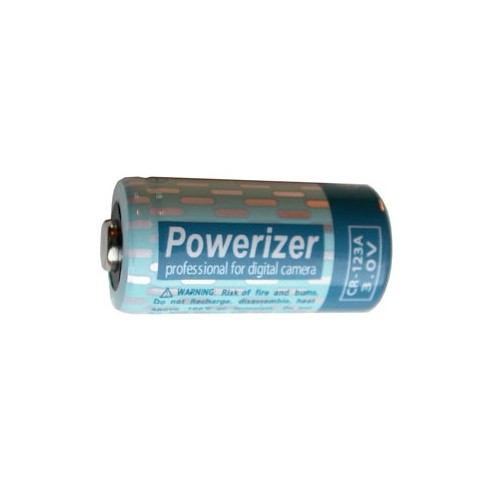




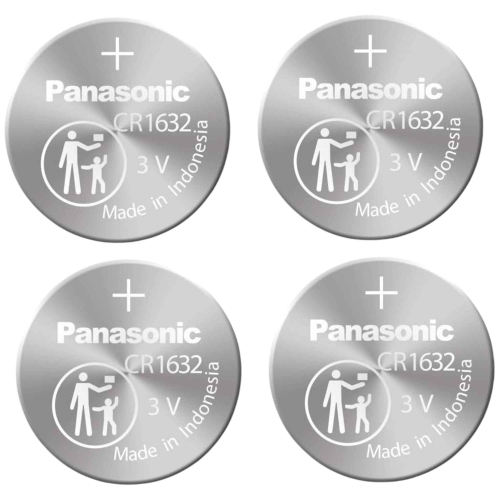
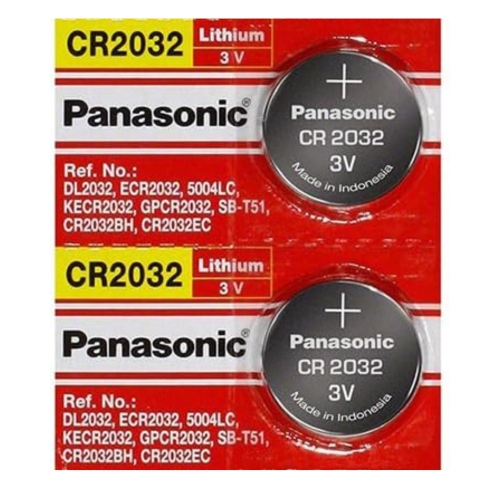

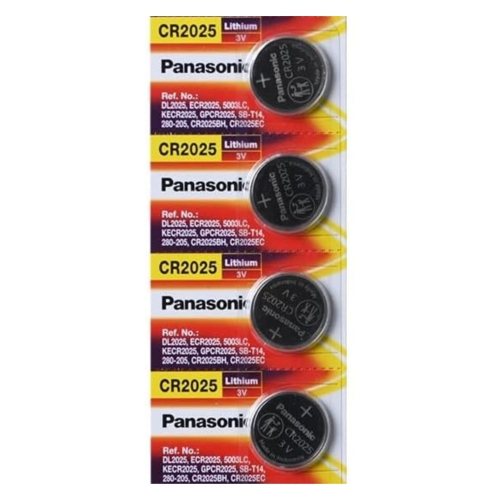
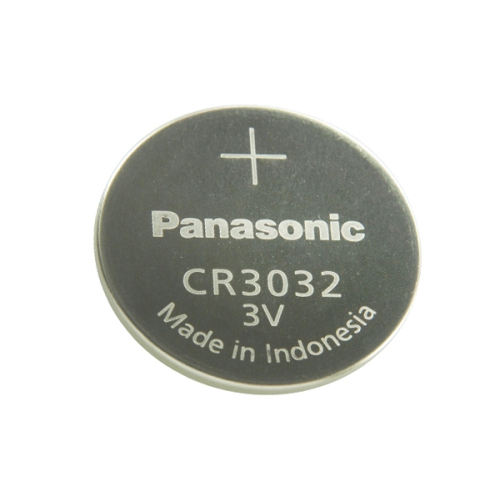
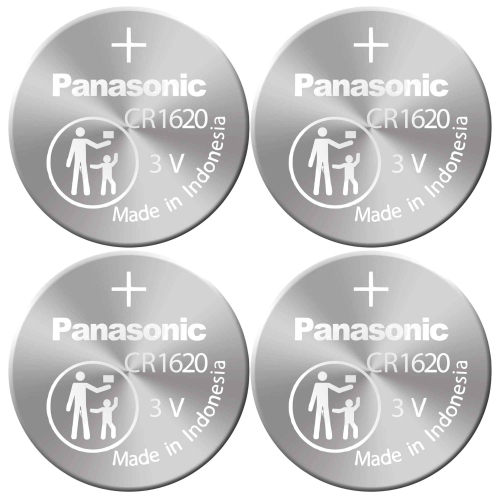
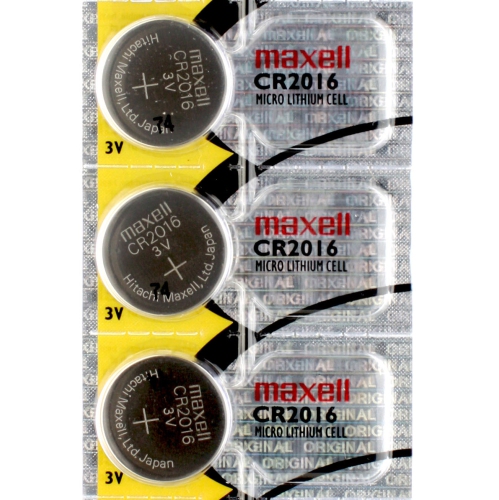
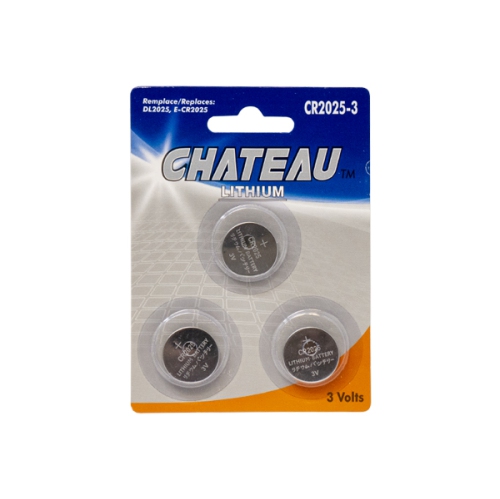
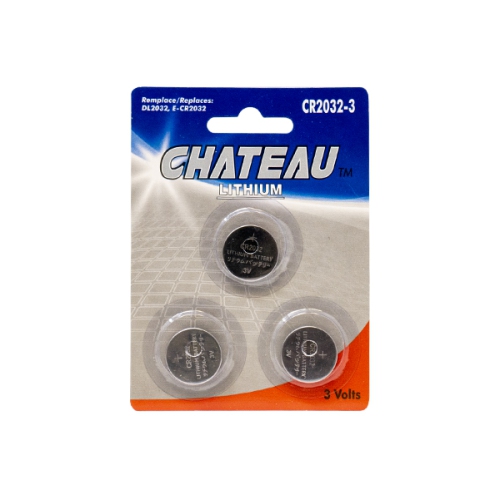
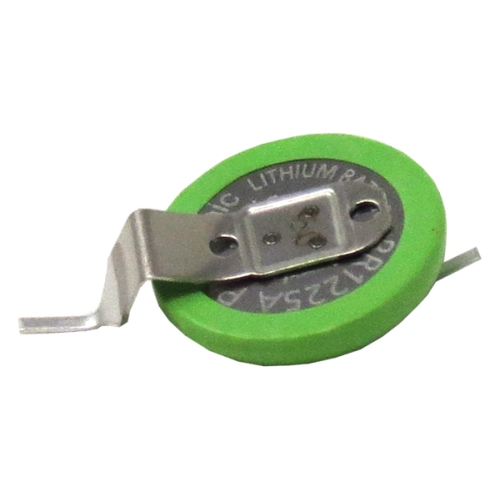
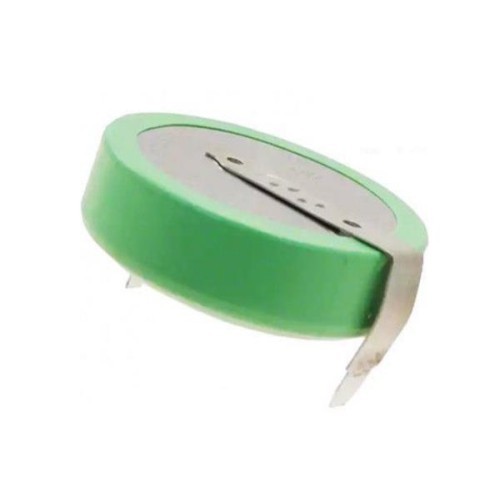
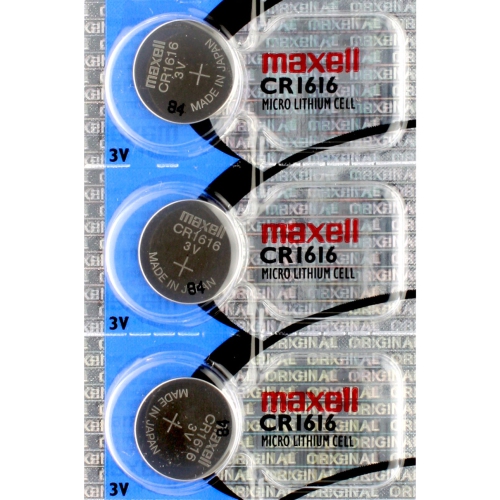
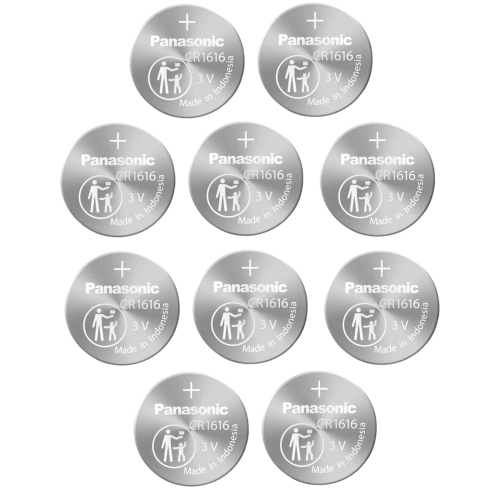
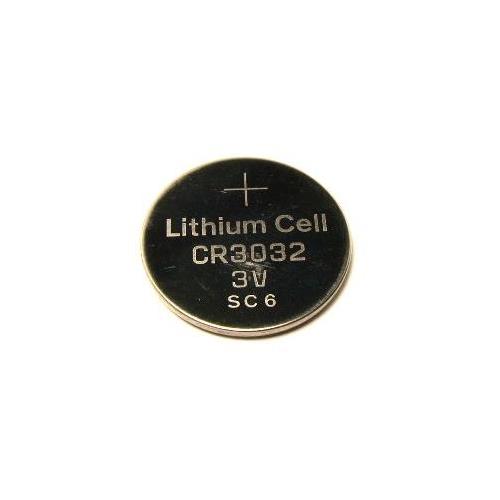
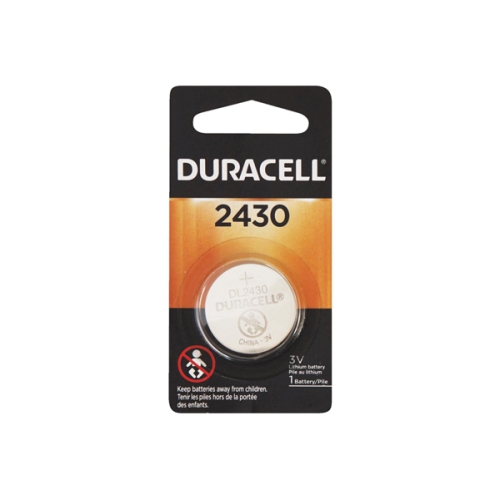
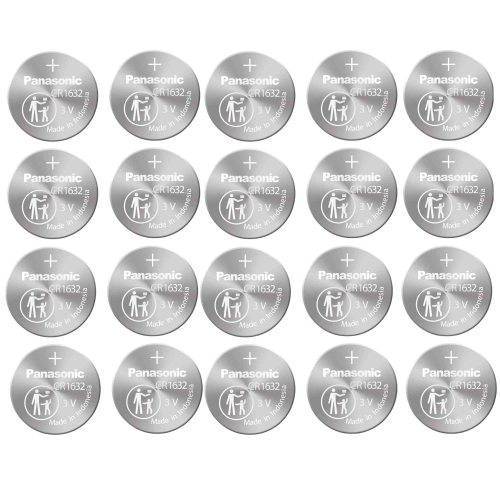
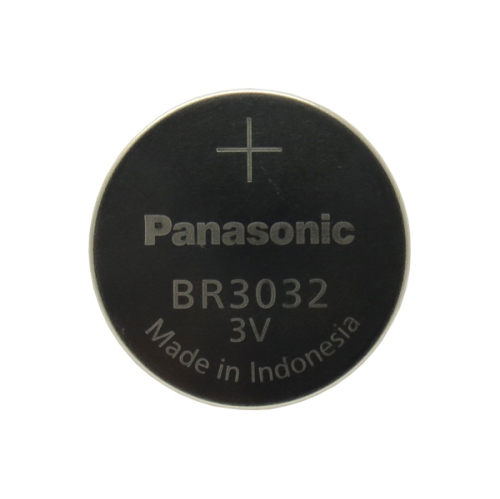
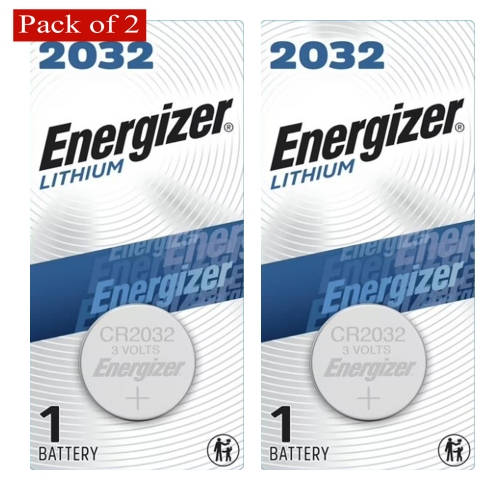
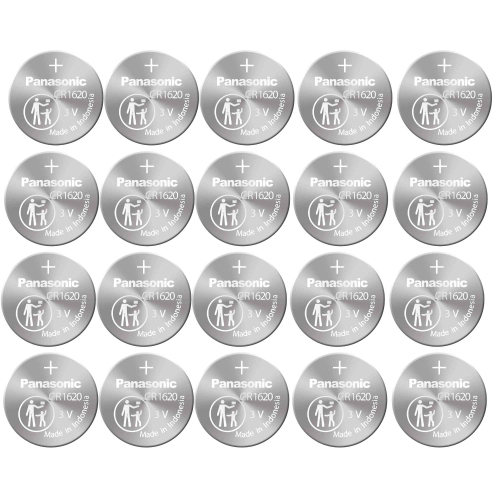
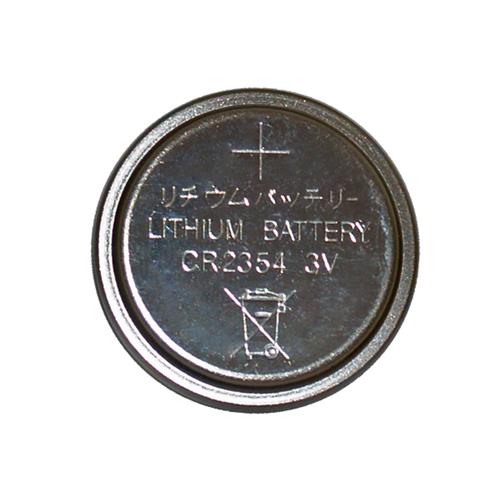
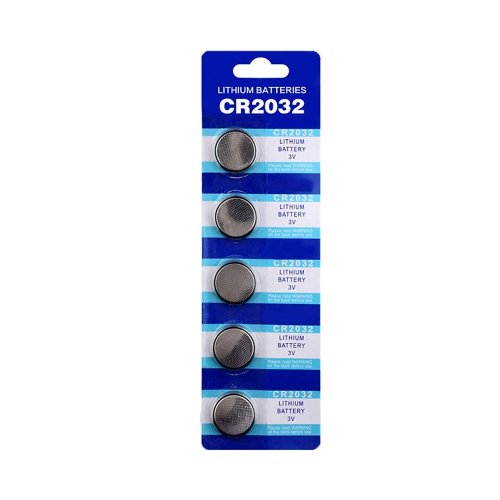

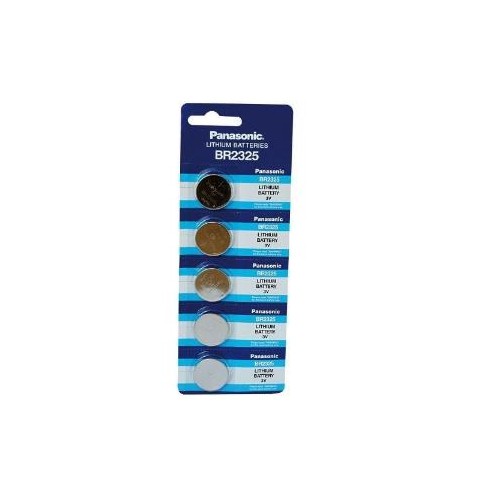
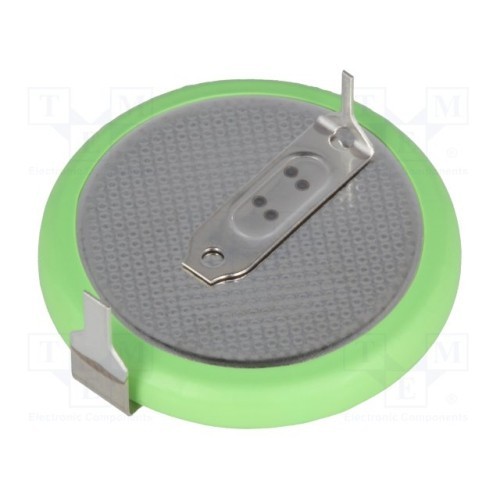
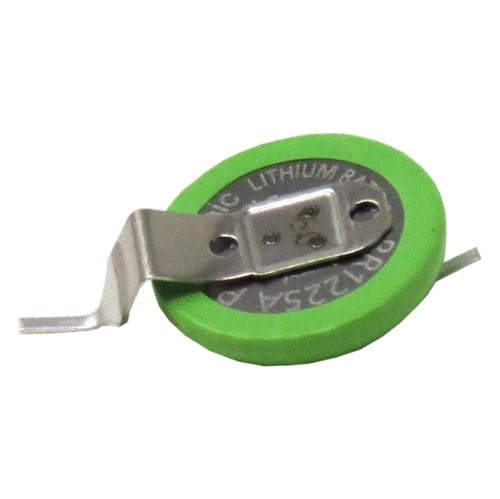
Dependable power for key fobs and everyday electronics
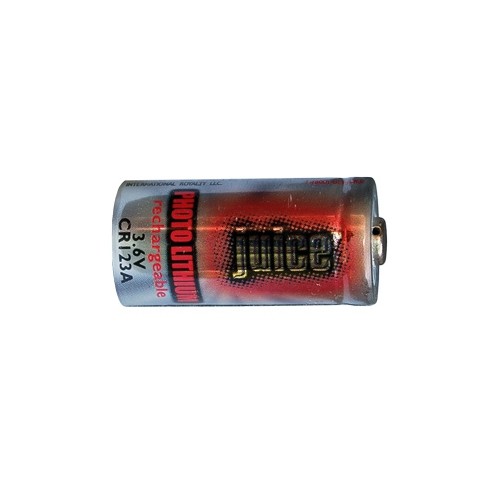
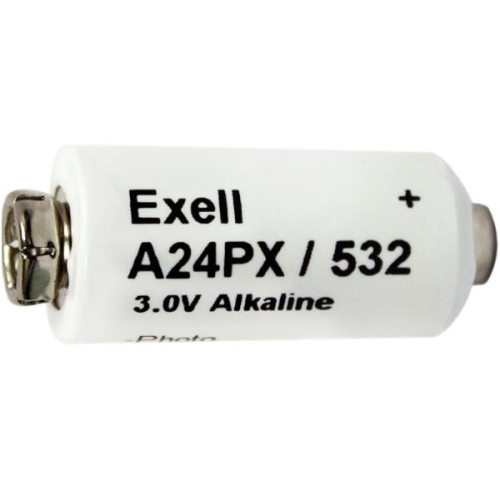
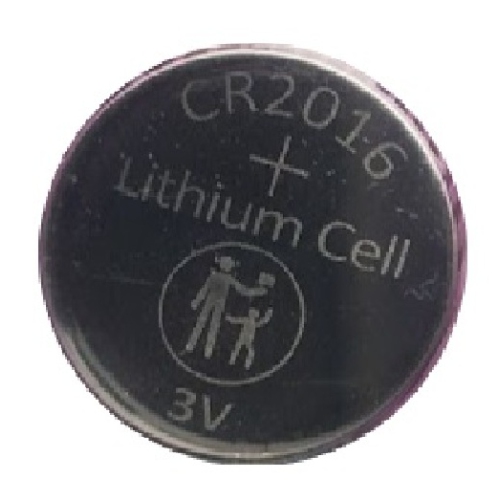
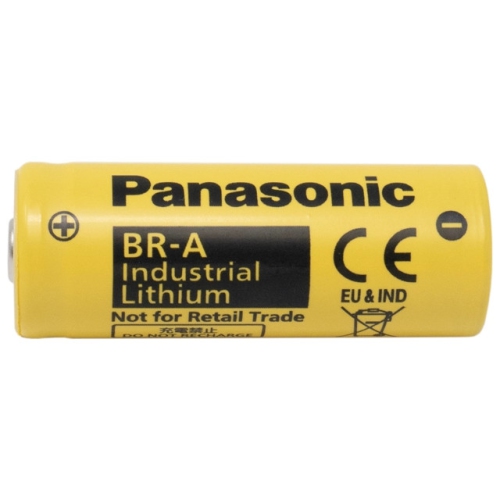
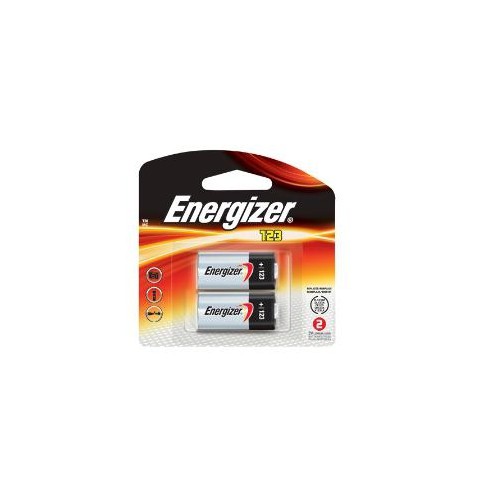
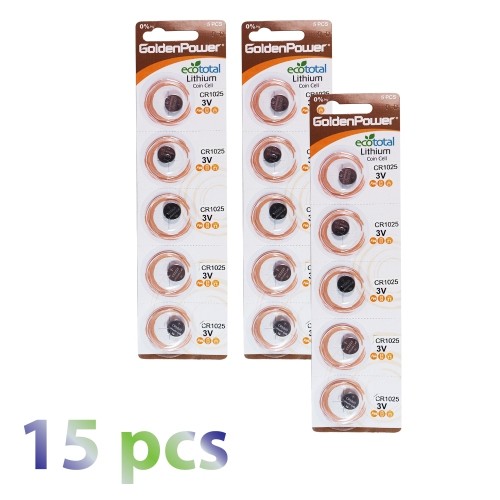
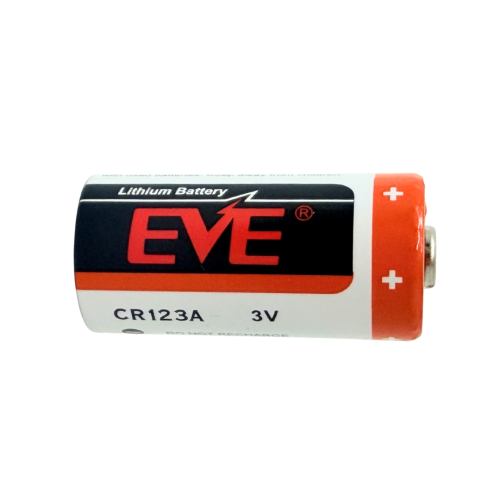
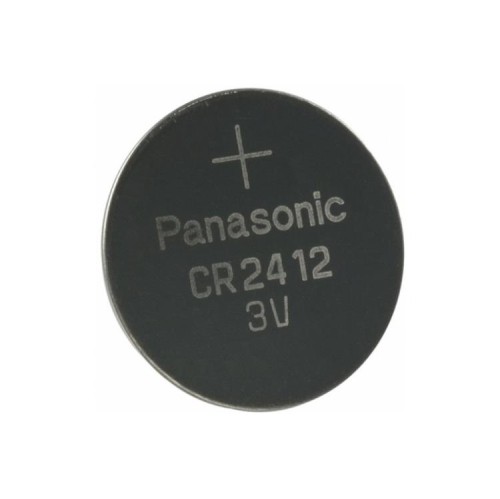
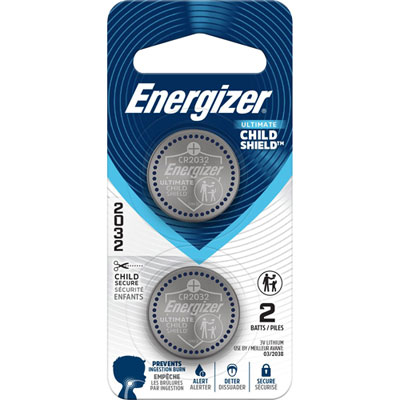
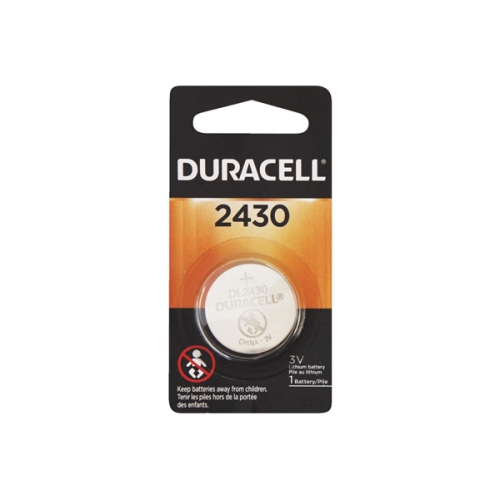
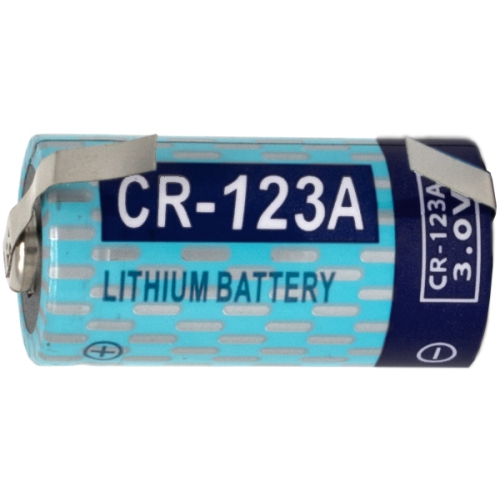
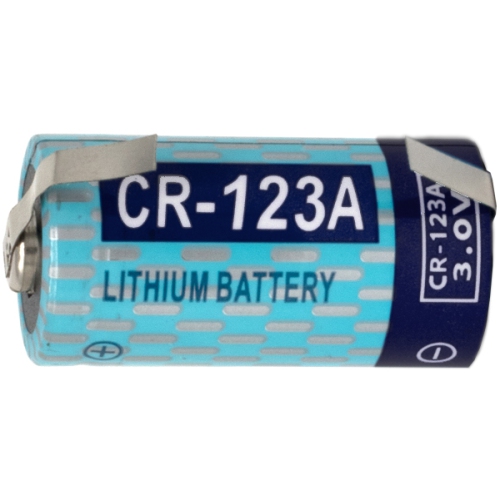
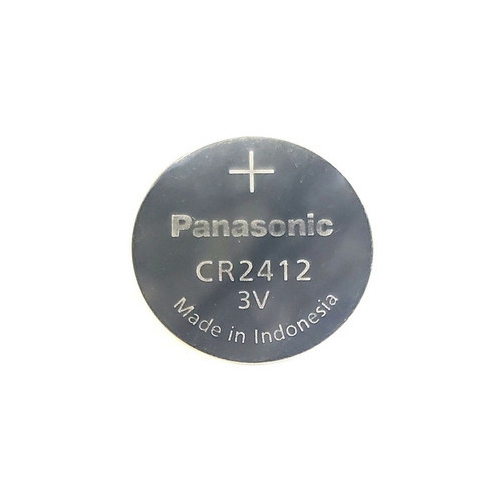
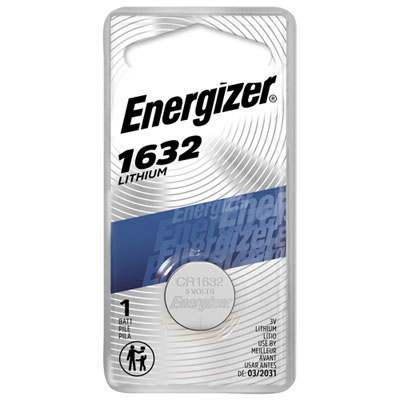
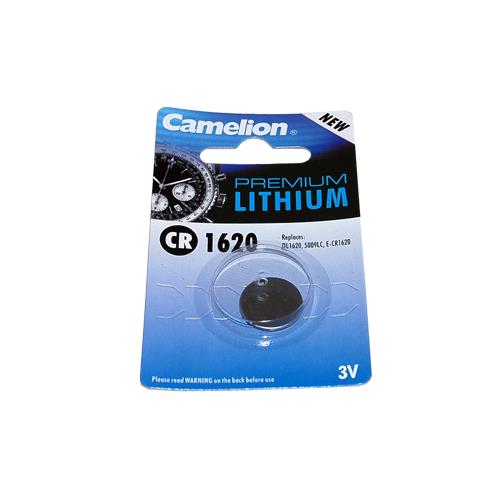
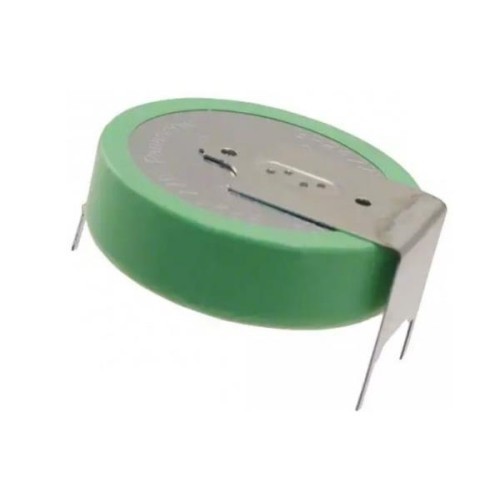
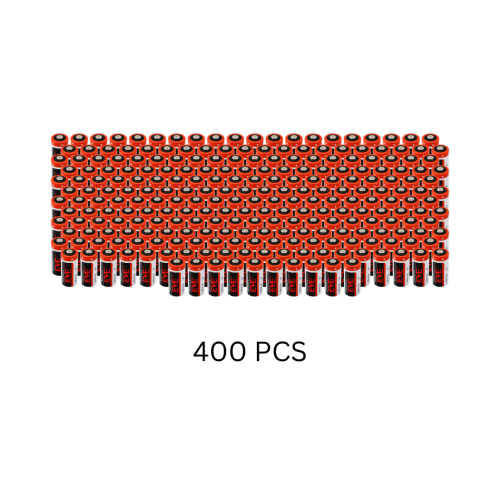
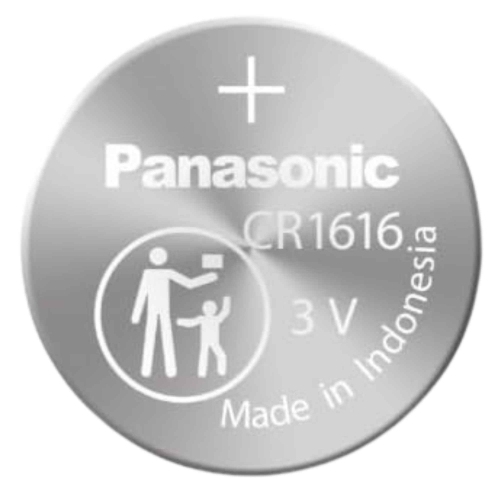
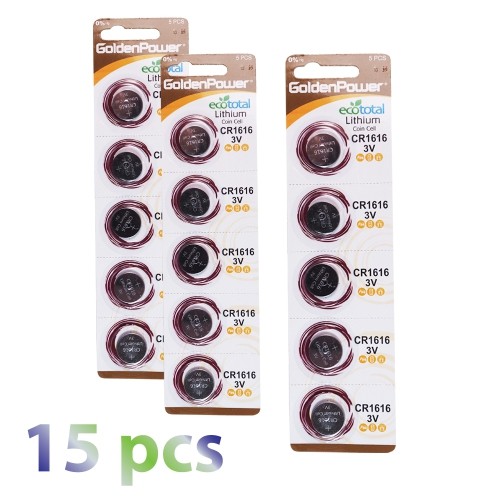
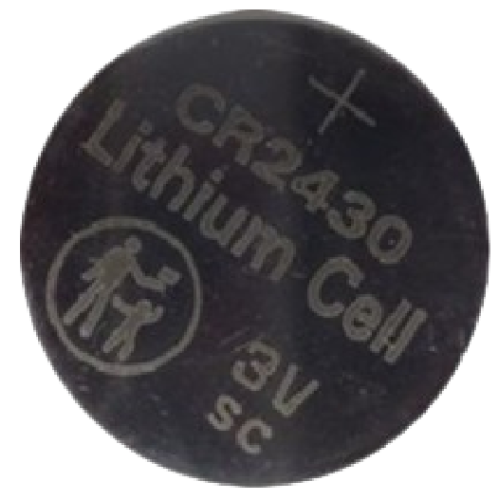
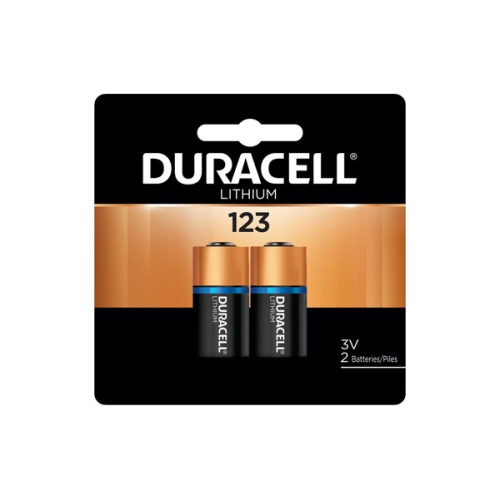
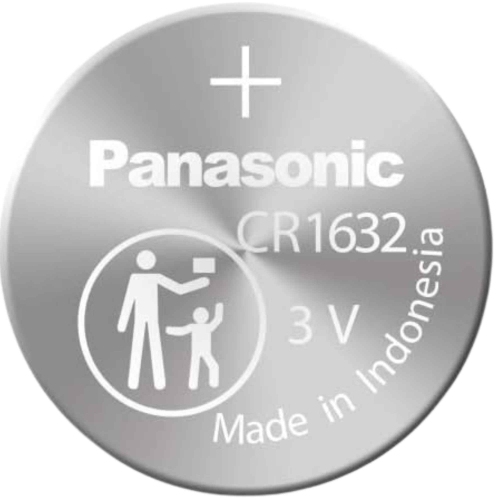
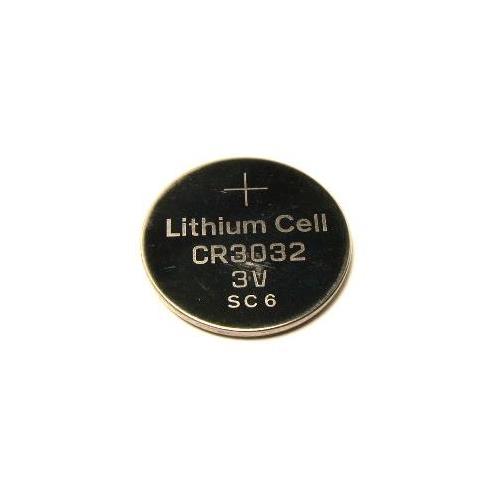
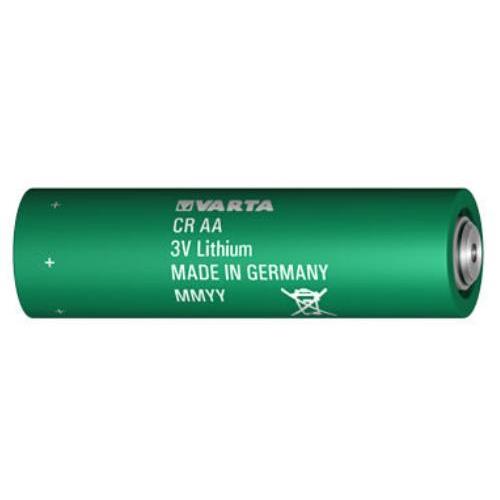
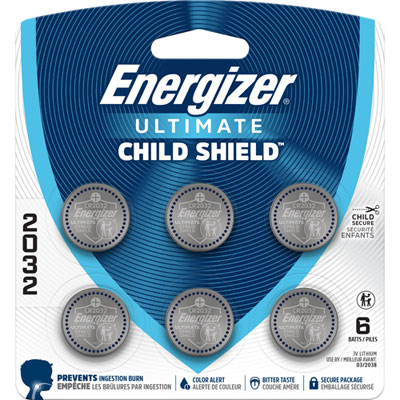
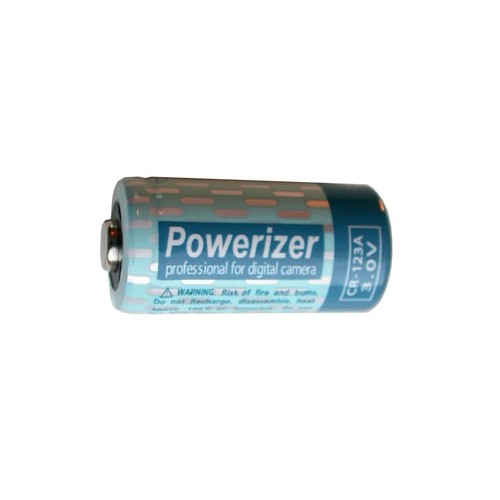
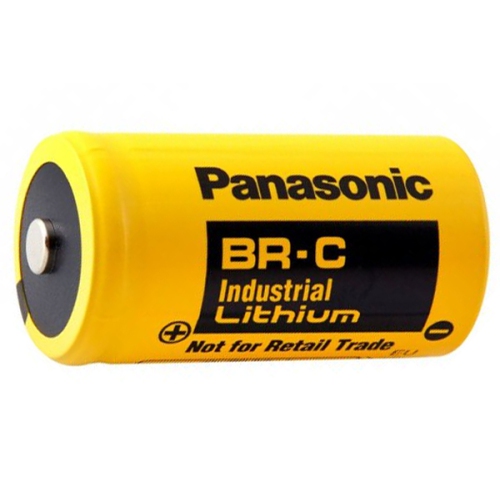
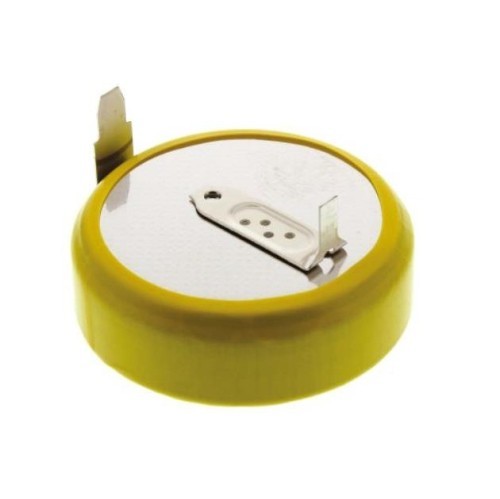
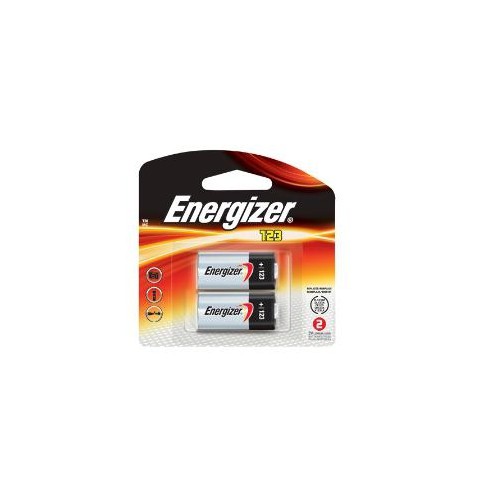
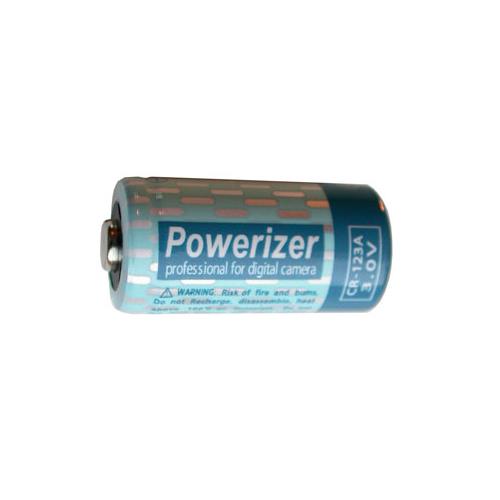
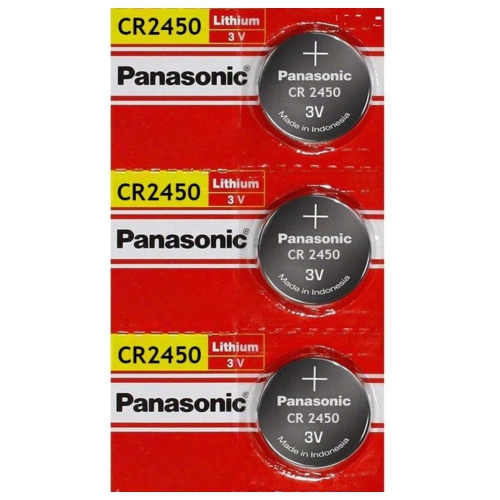
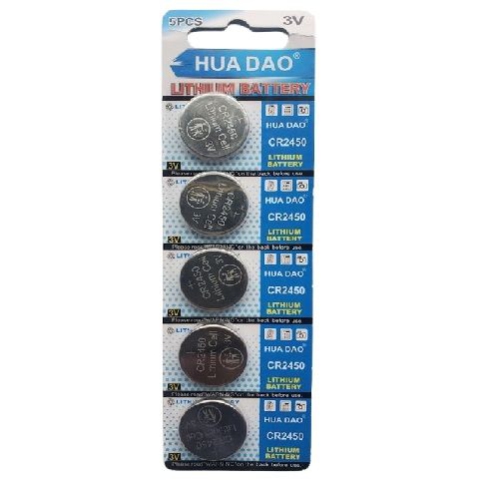
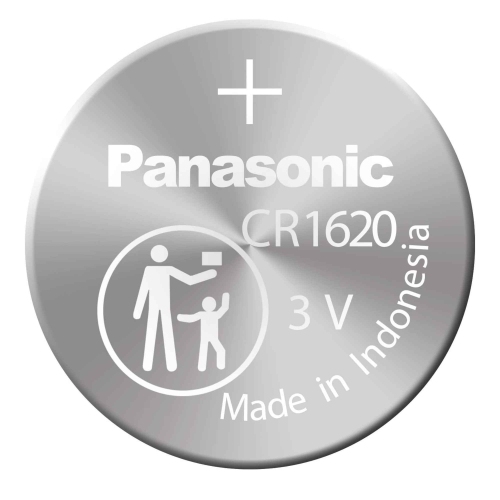
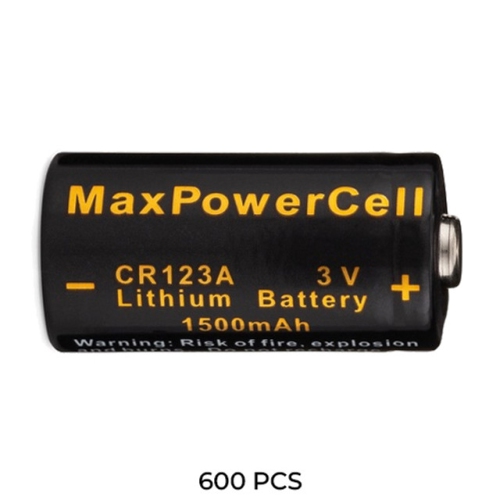
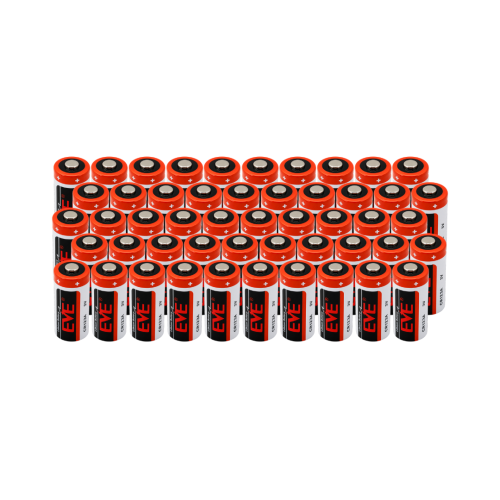
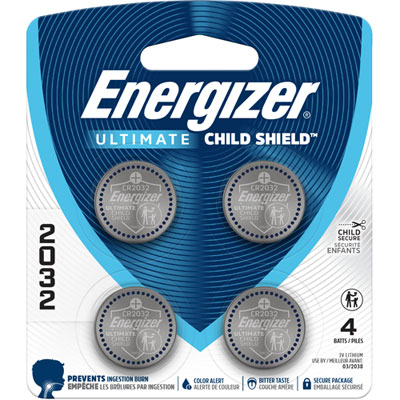
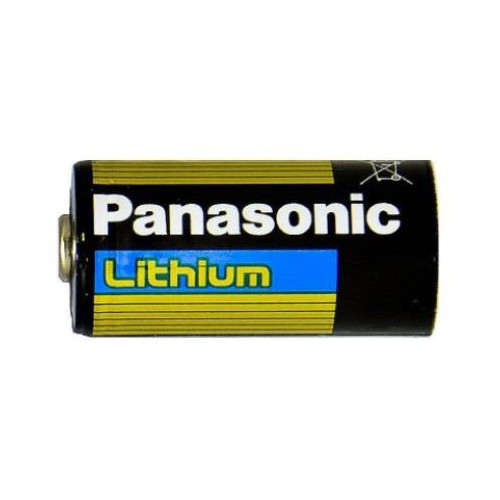
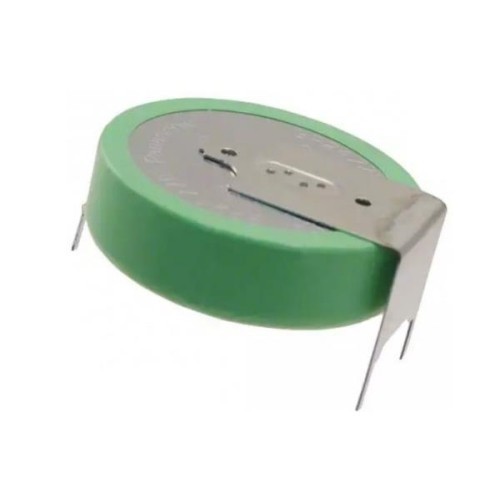
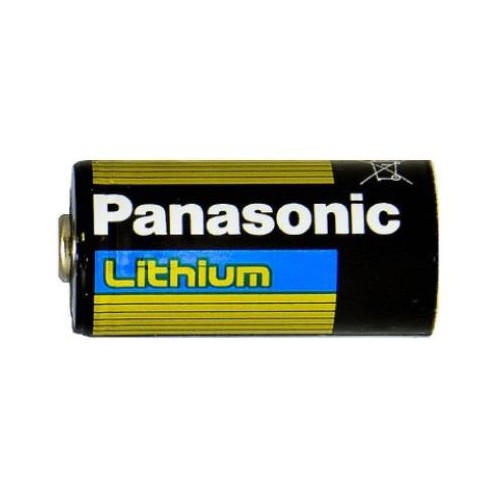
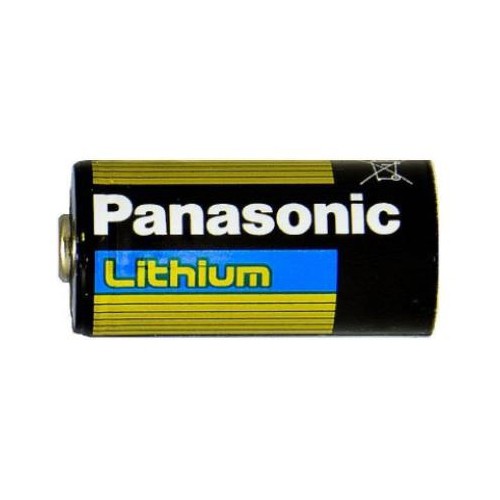
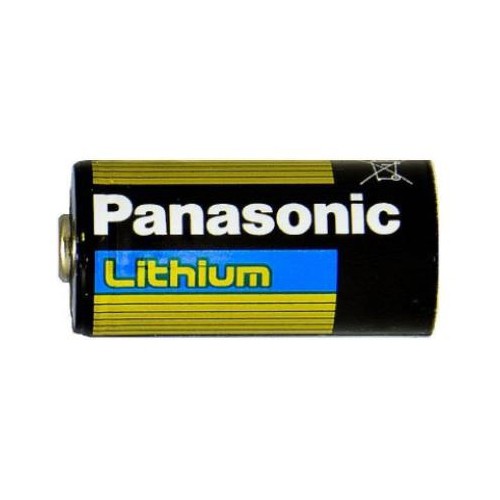
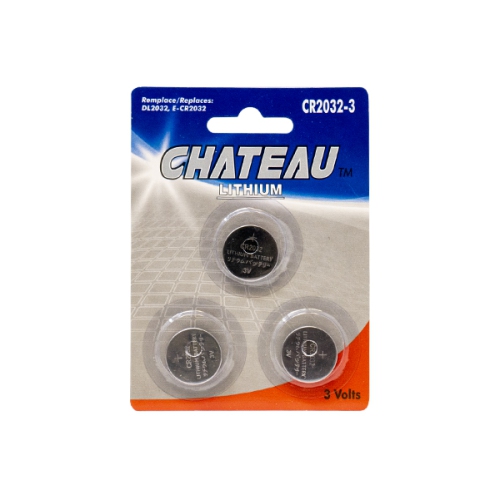
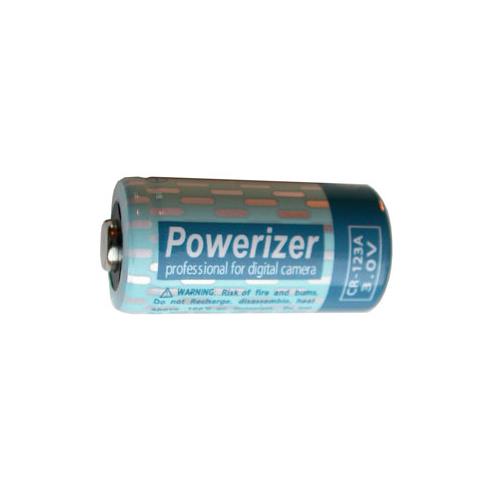
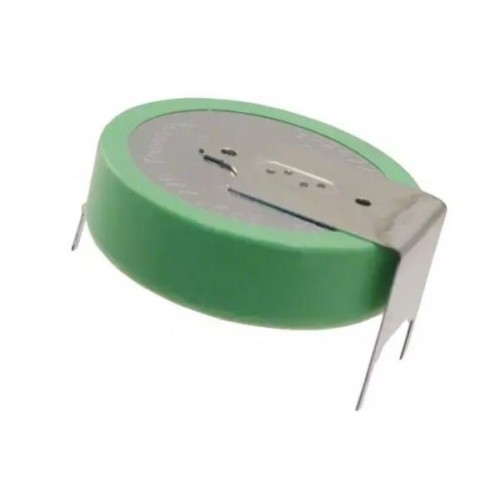
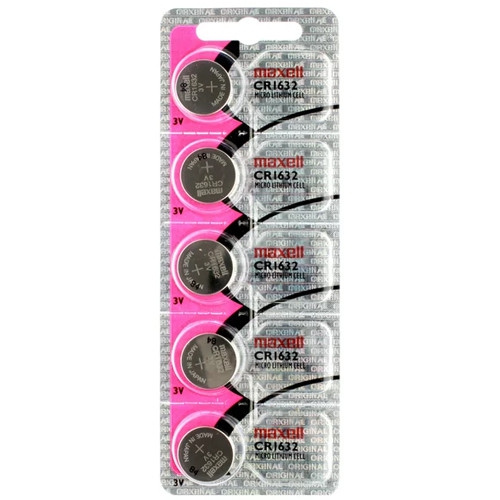
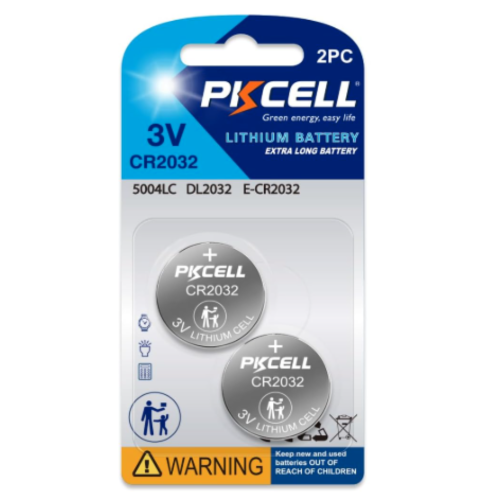
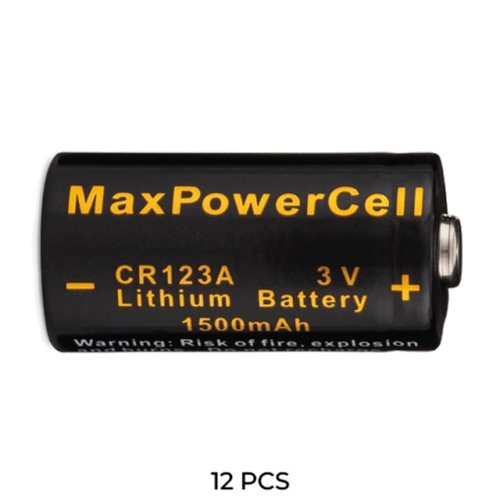
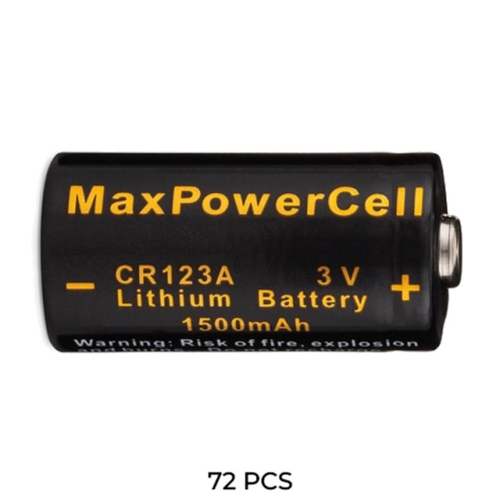
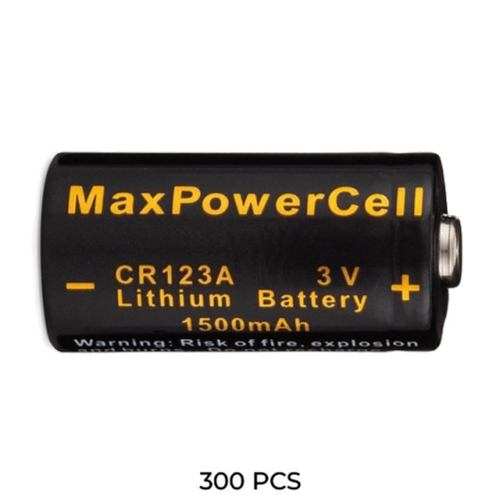
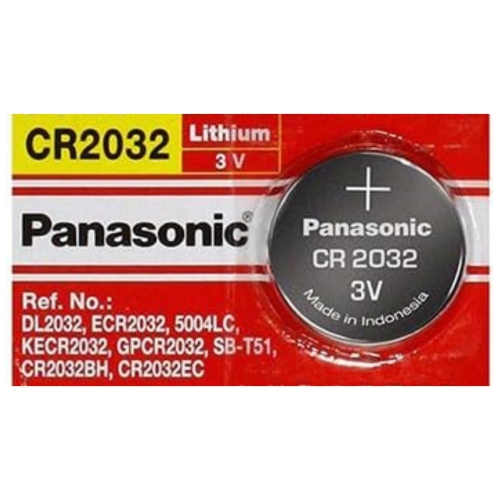
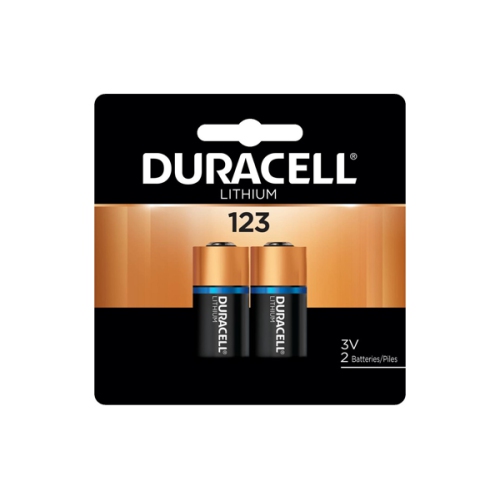
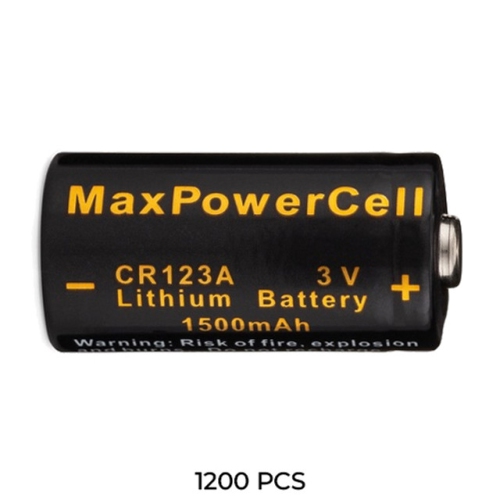
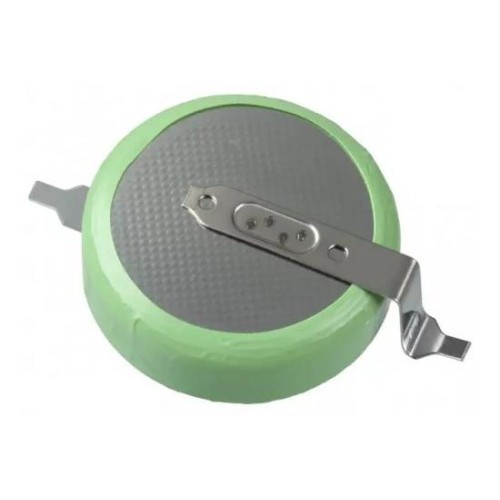
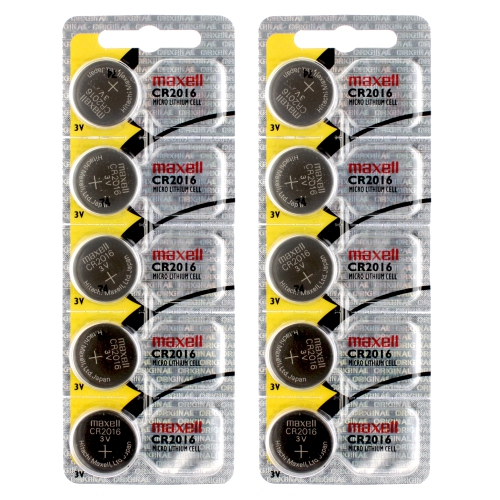
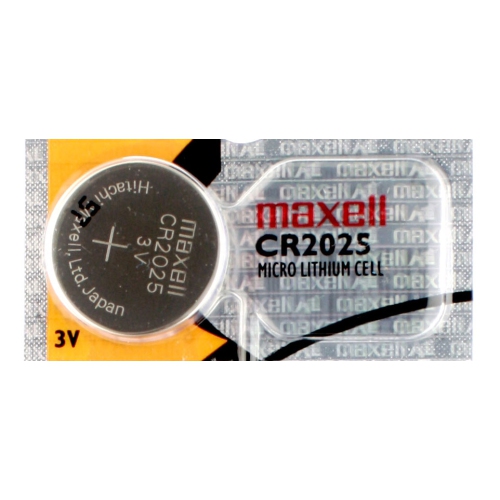
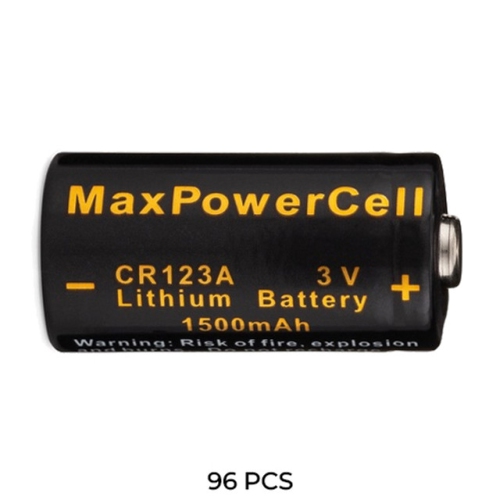
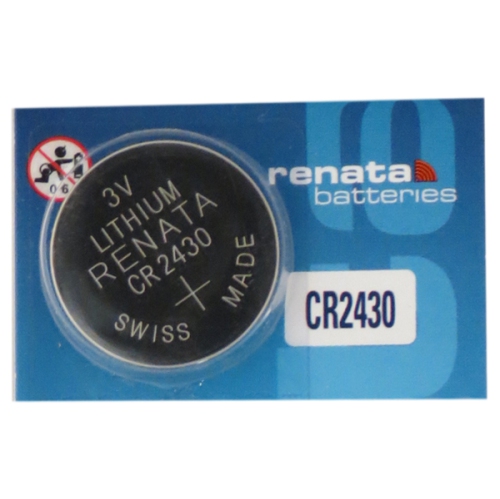
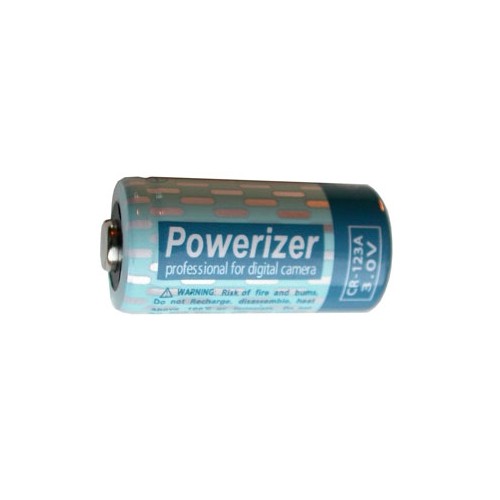
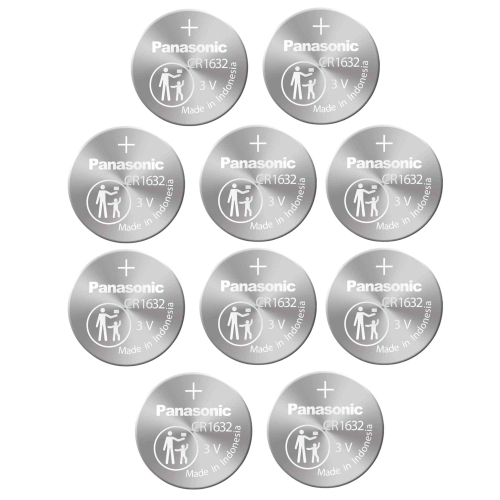
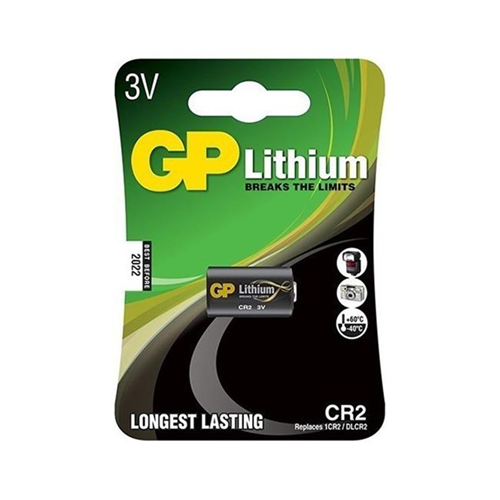
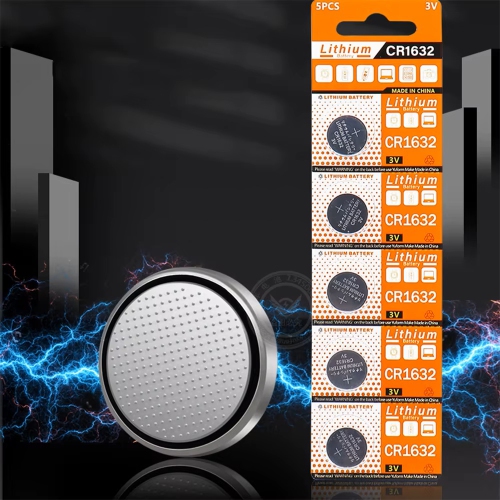
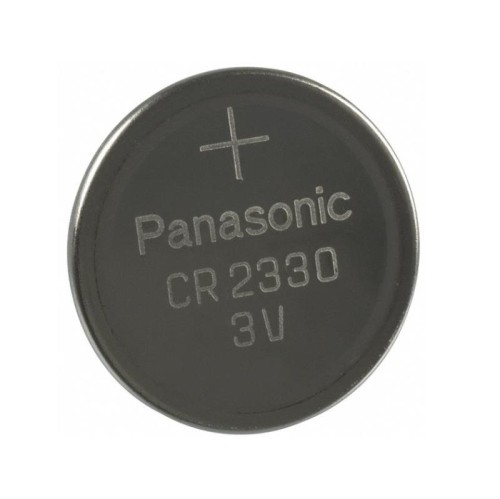
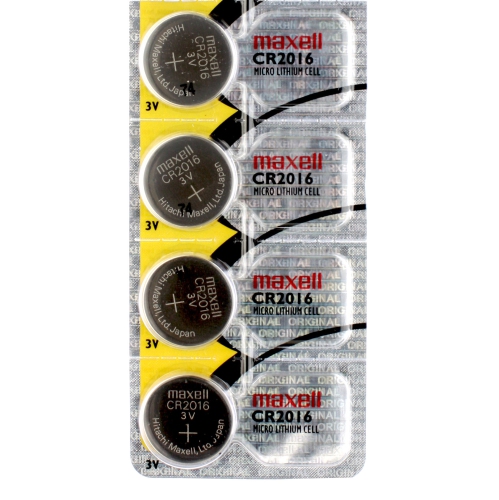
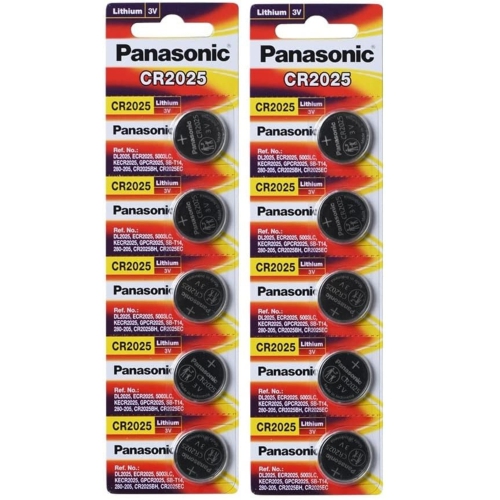
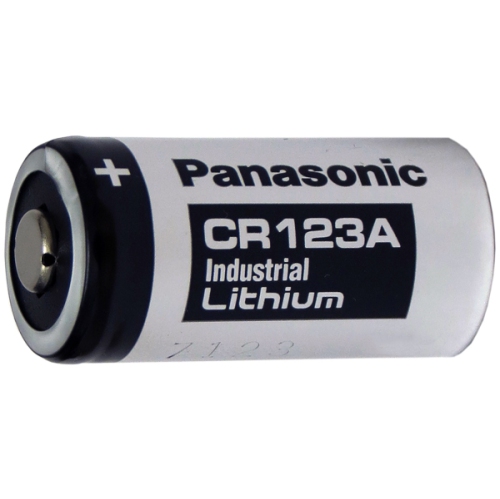
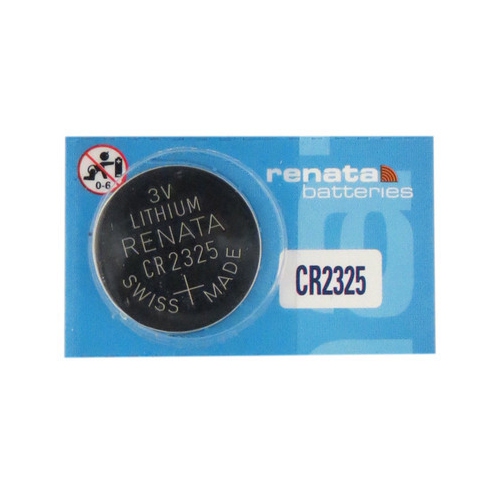
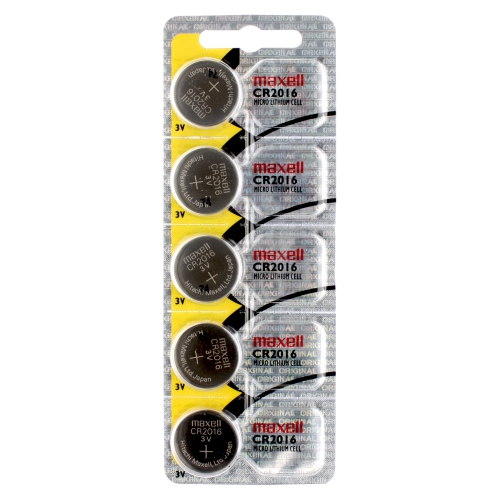
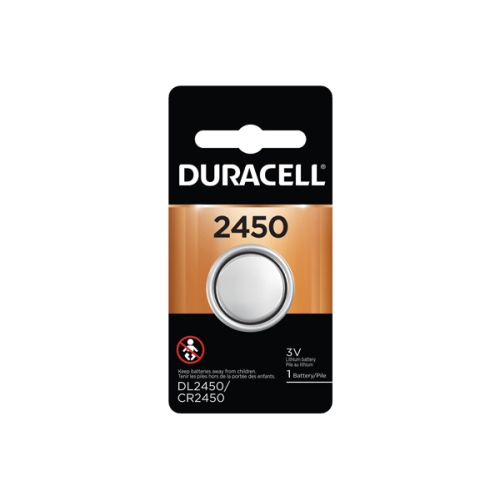
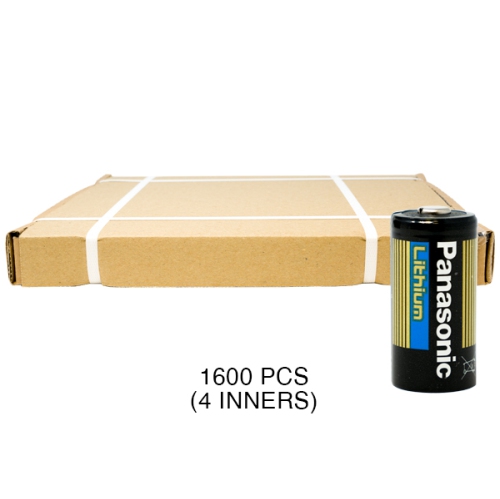
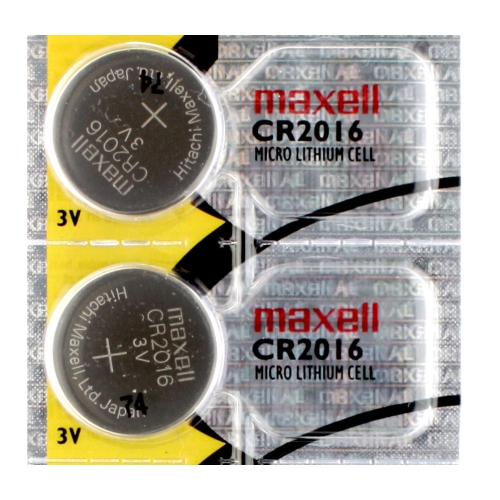
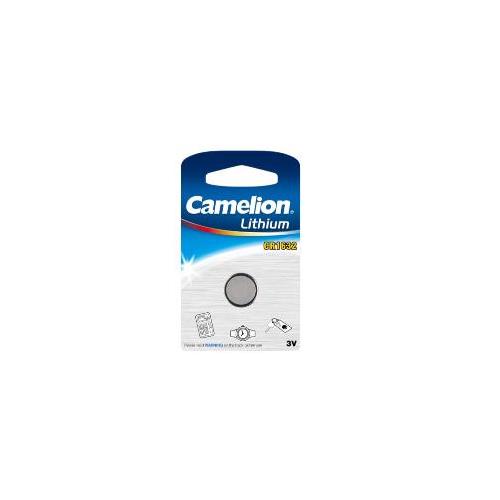
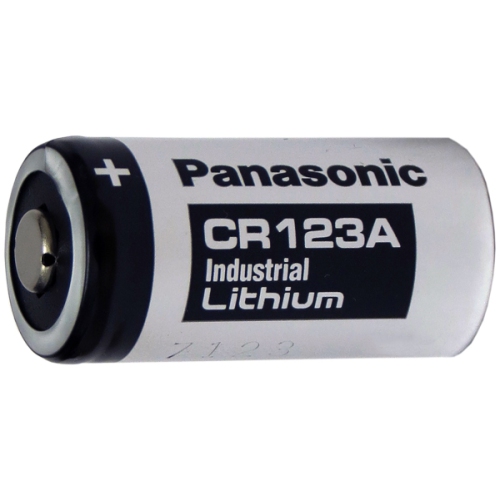
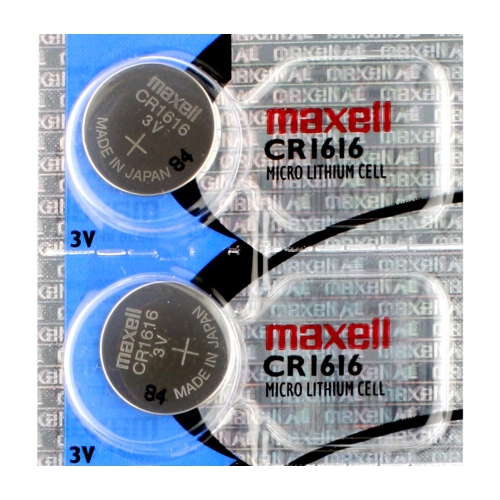
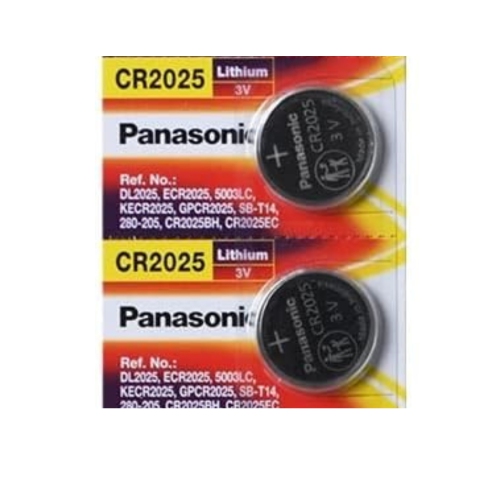
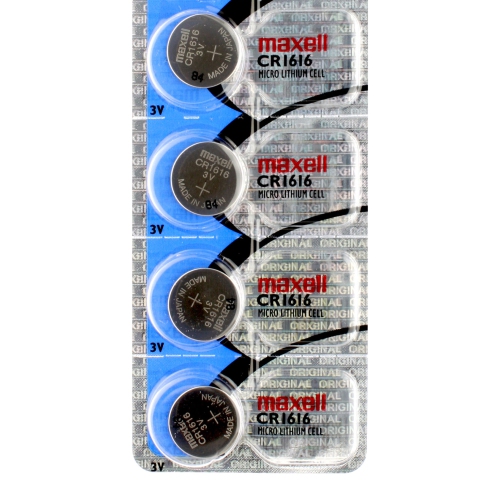
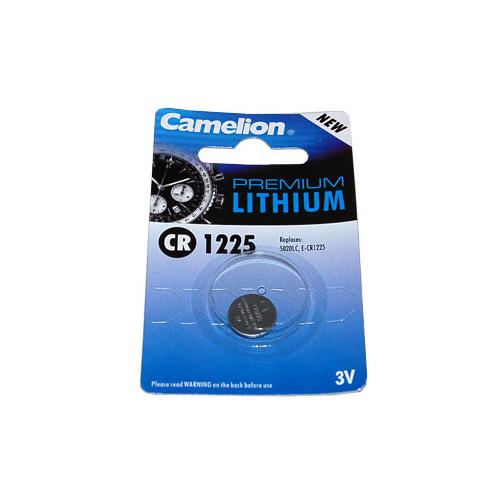
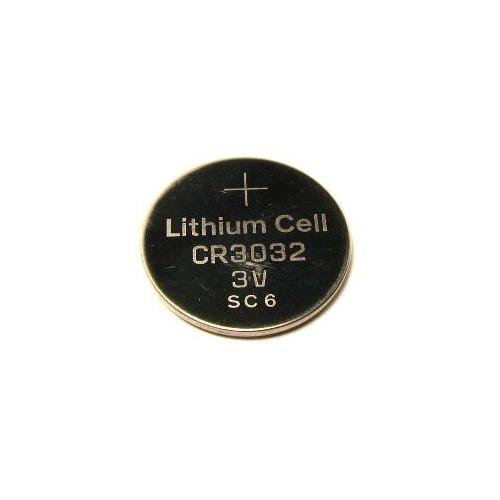
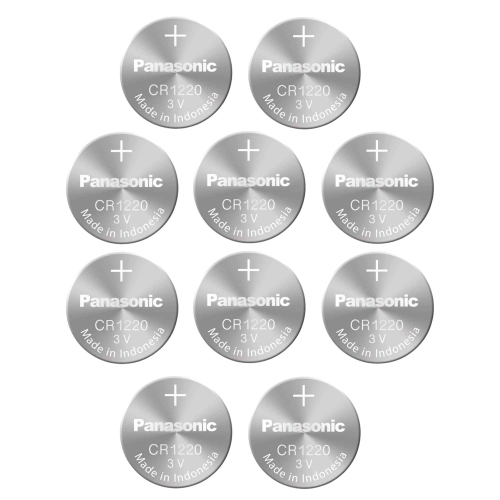
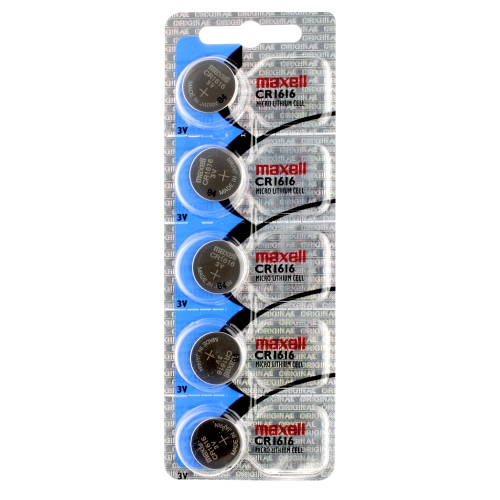
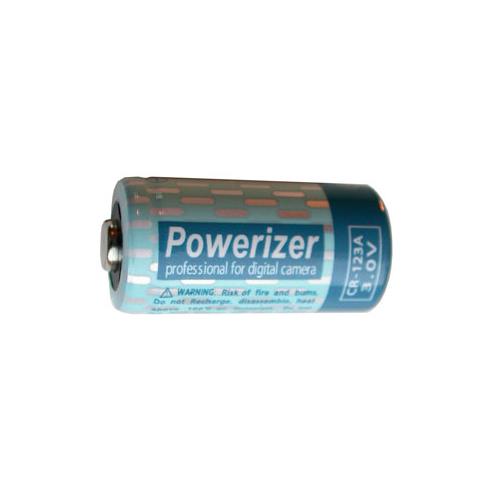
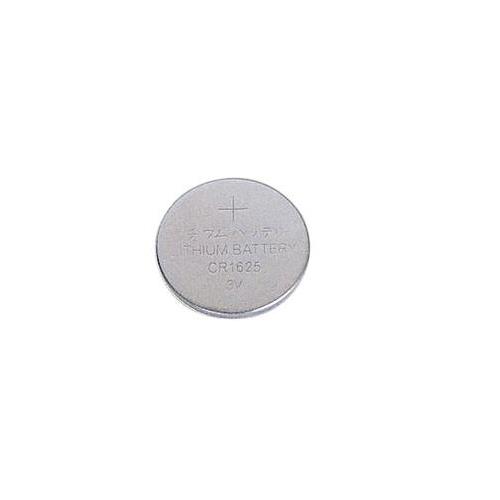
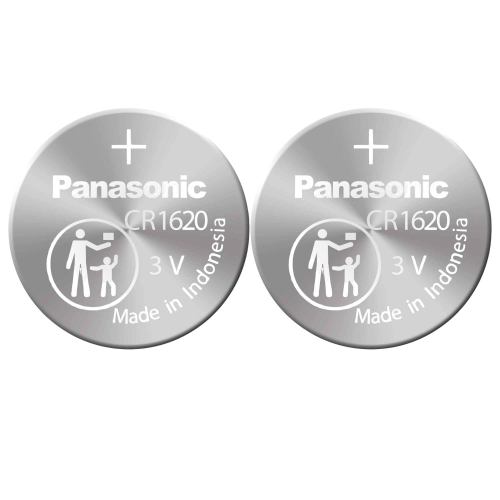
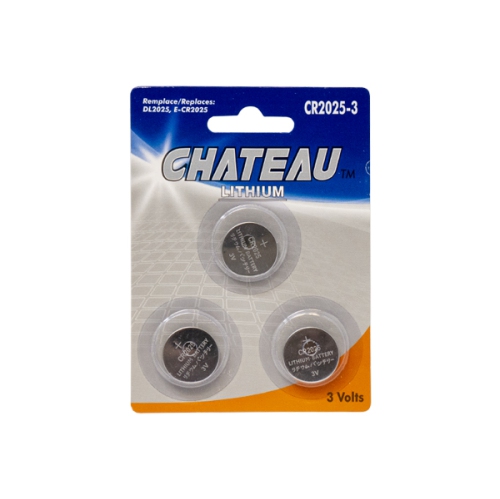
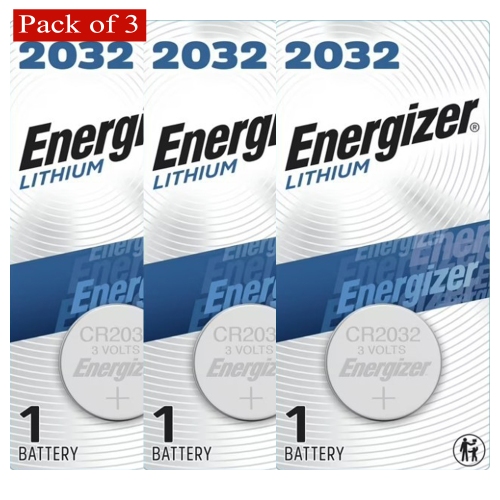
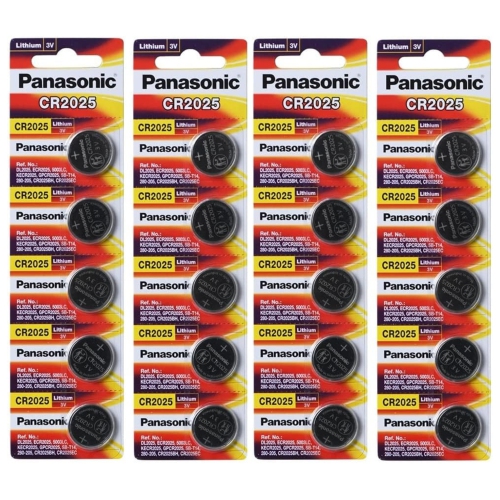
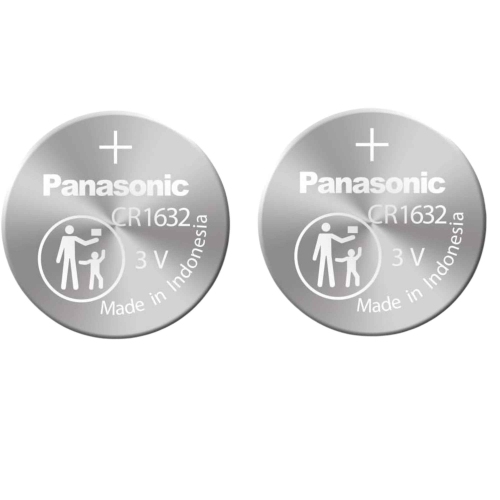
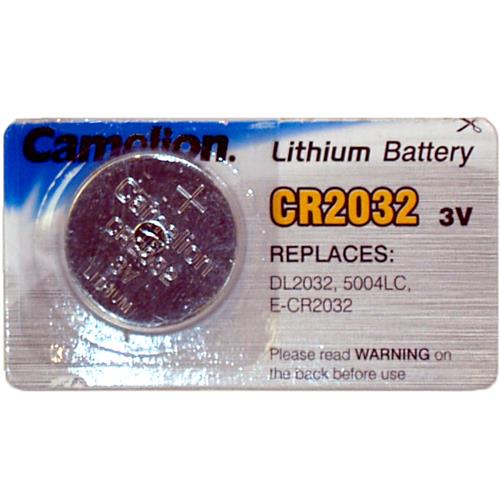
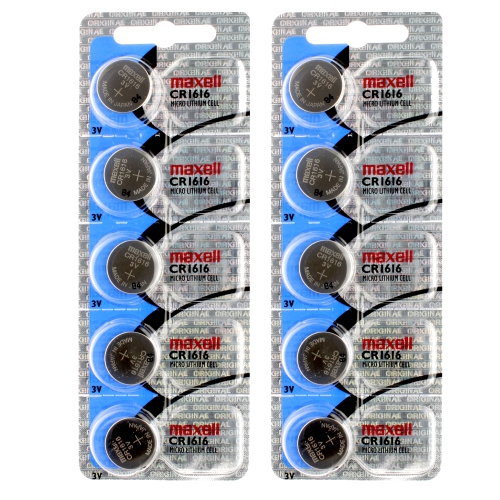
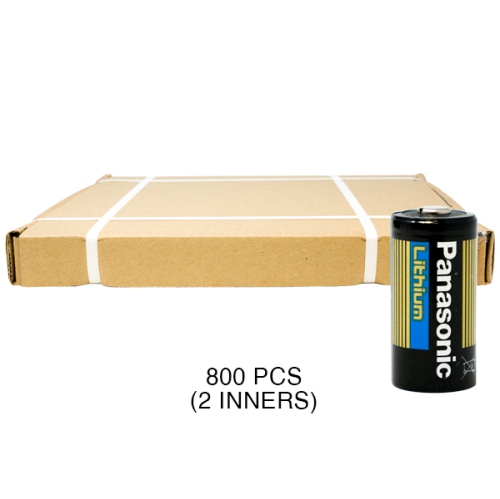
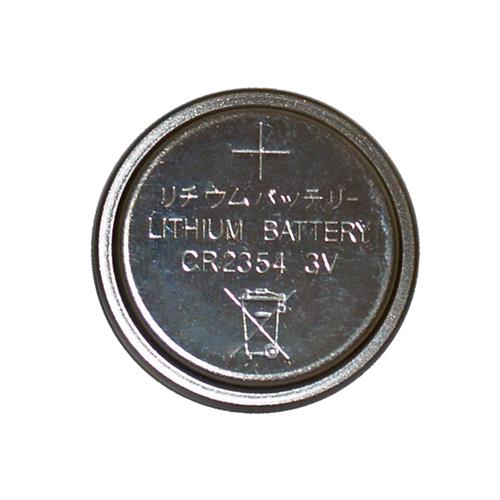
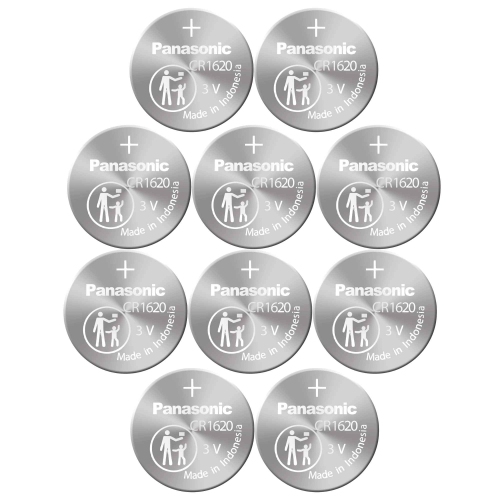
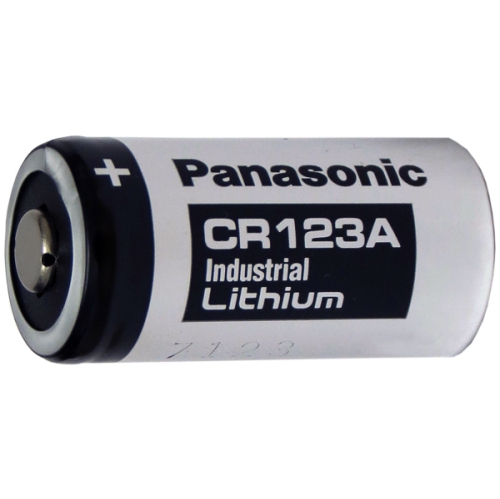
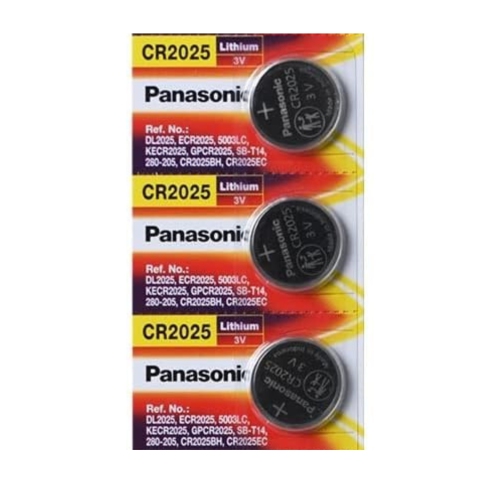
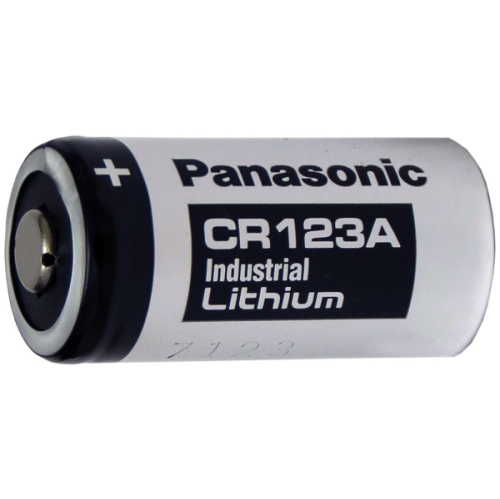
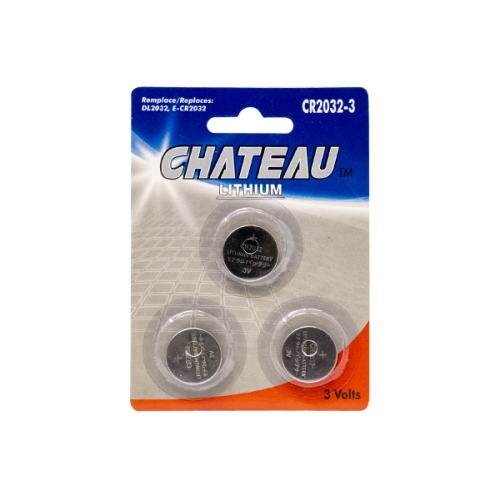
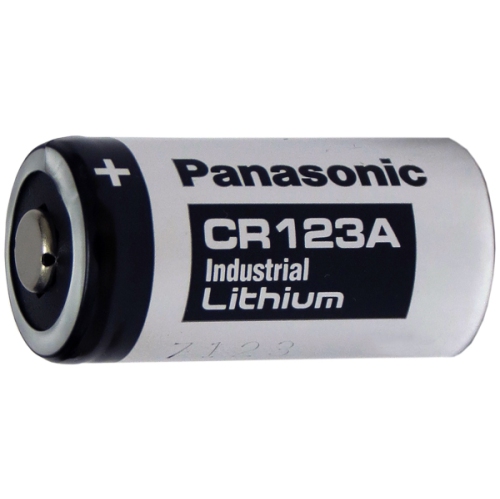
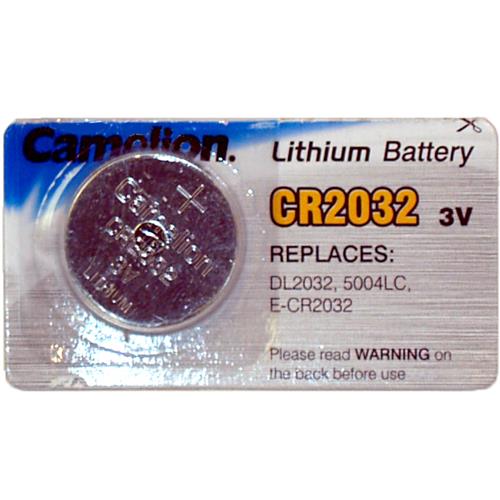
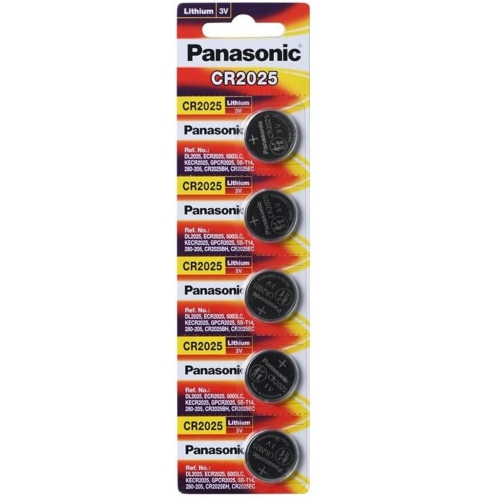
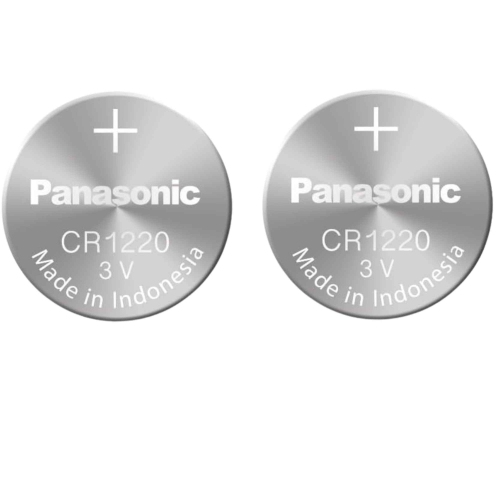
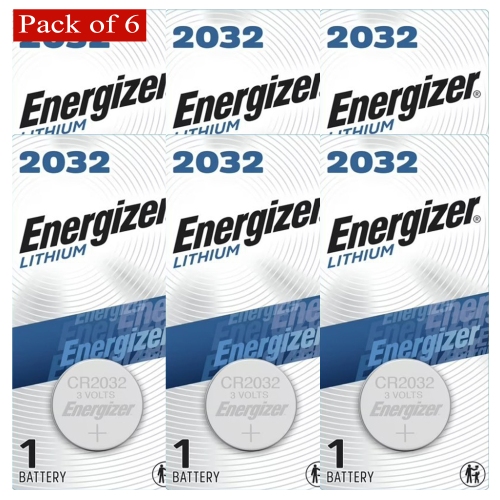
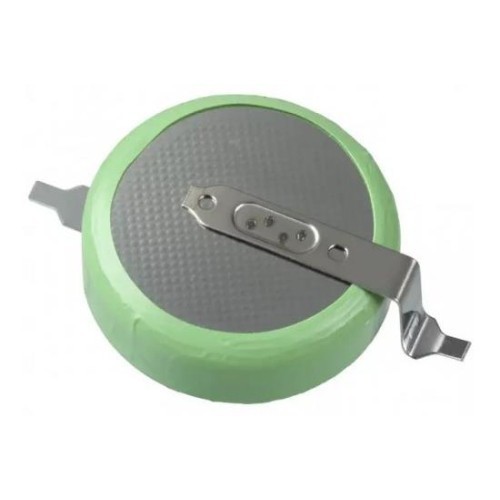
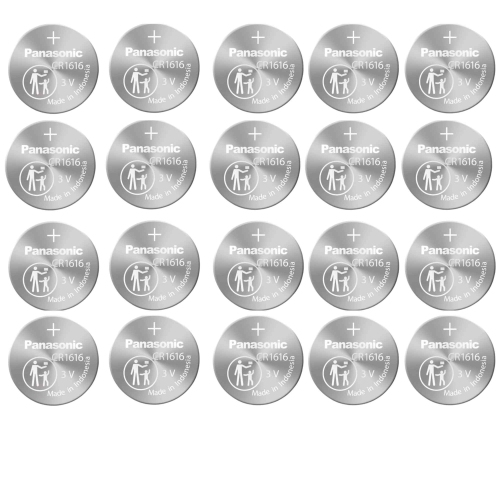
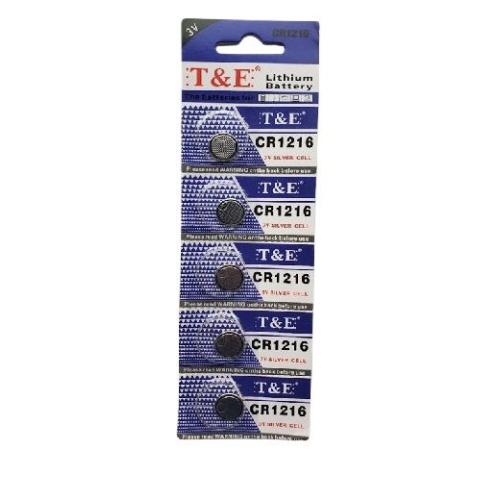
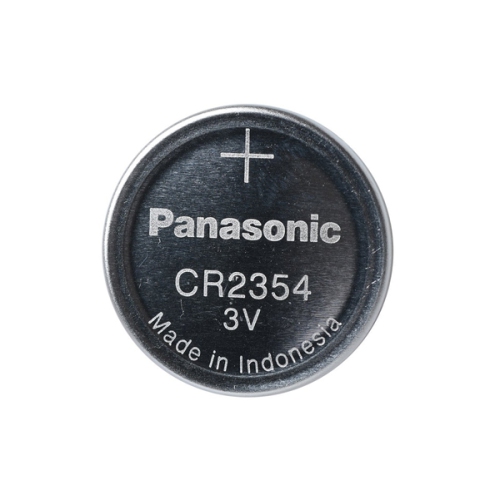
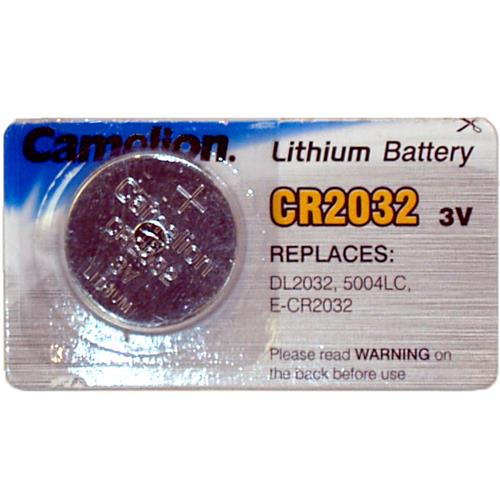
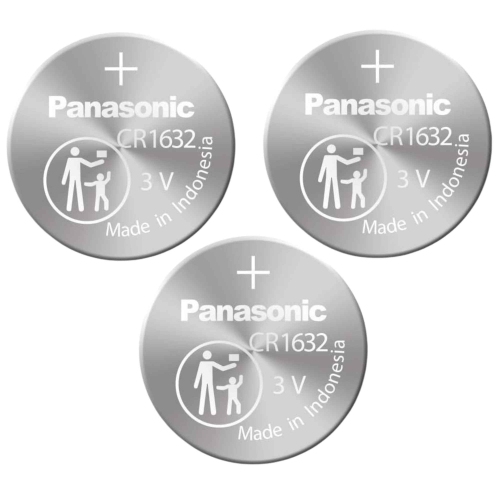
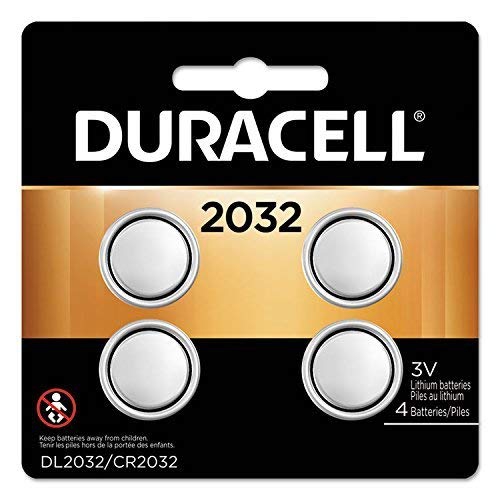
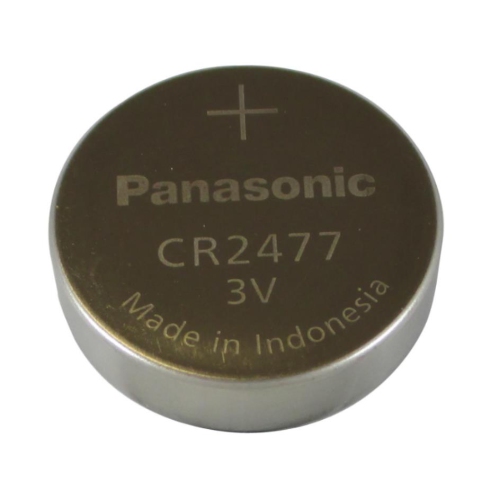
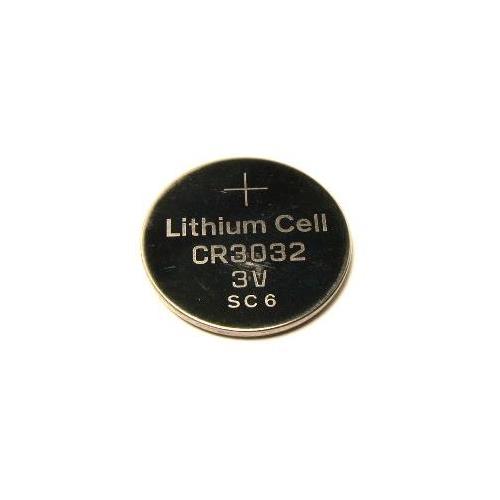
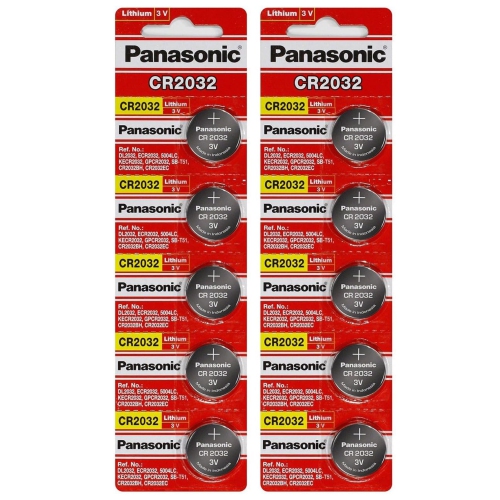
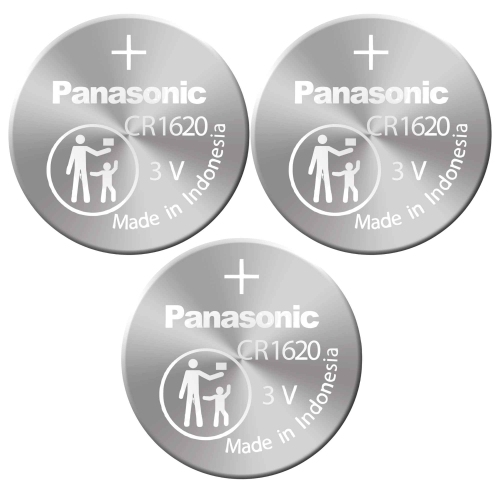
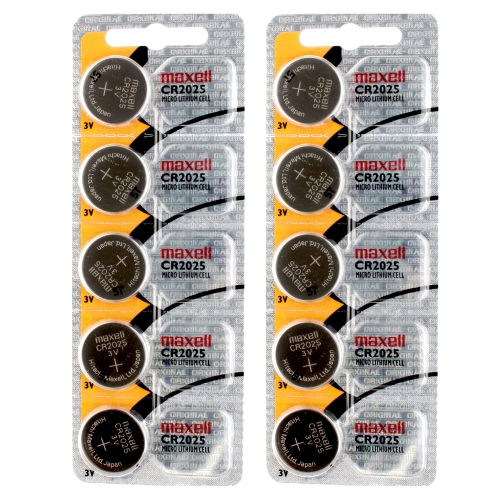
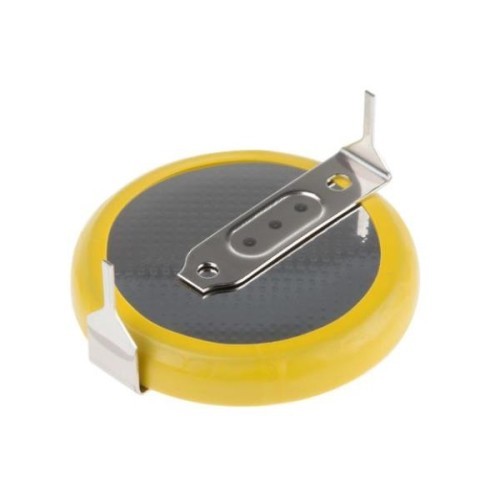
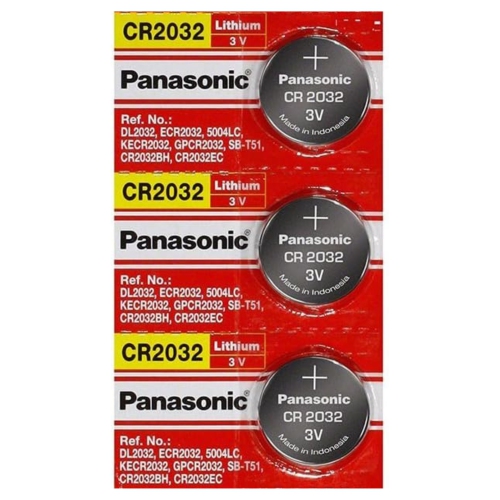
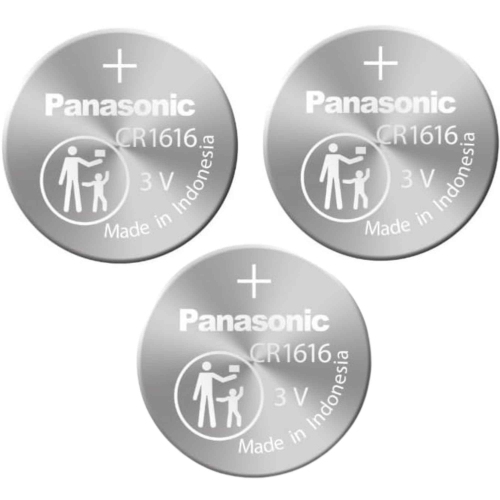
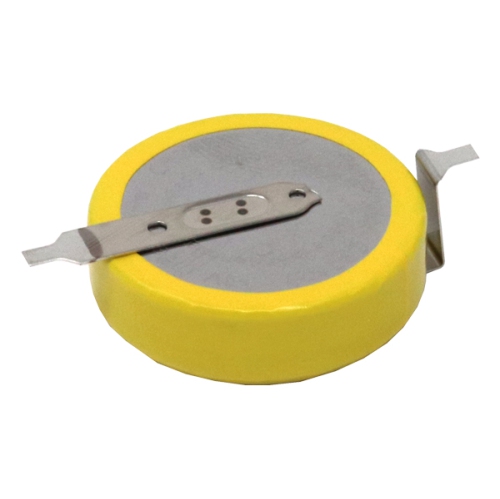
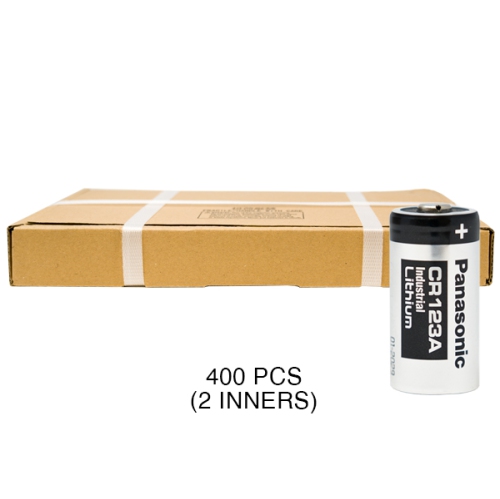
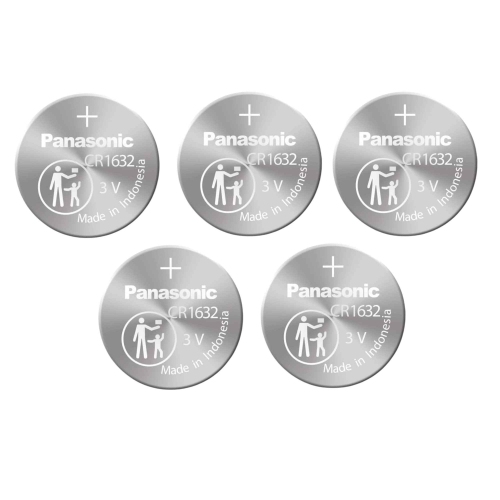
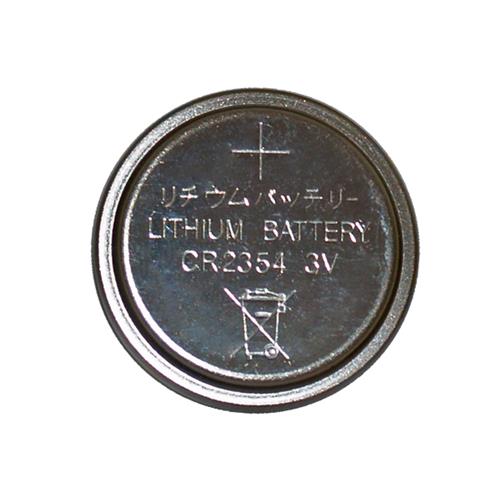
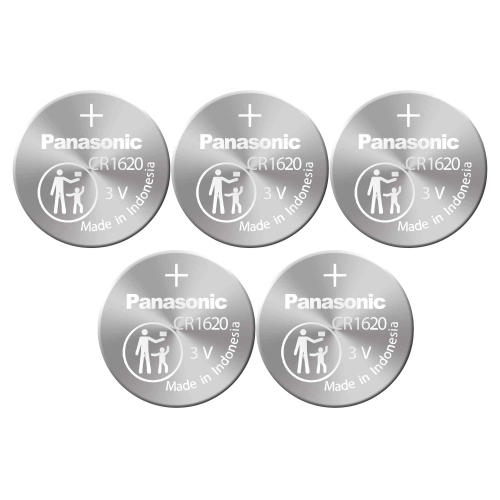
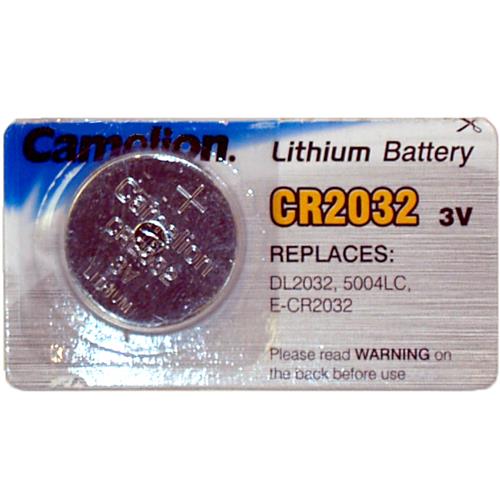
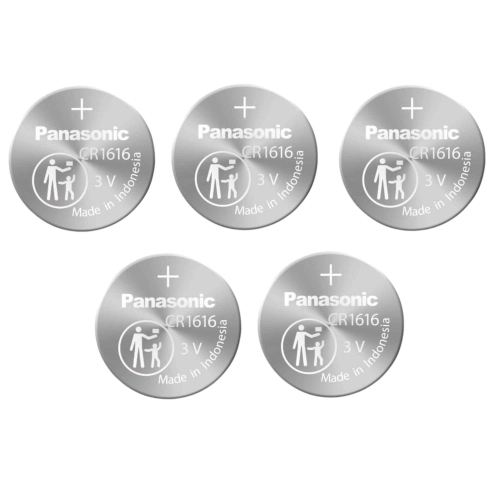
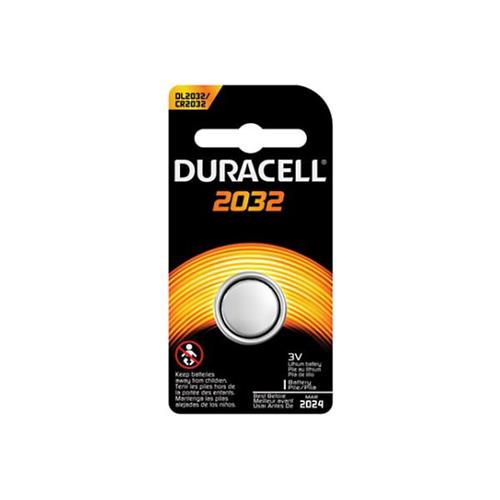
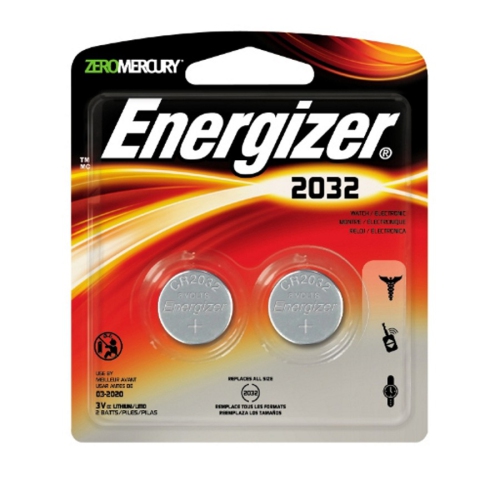
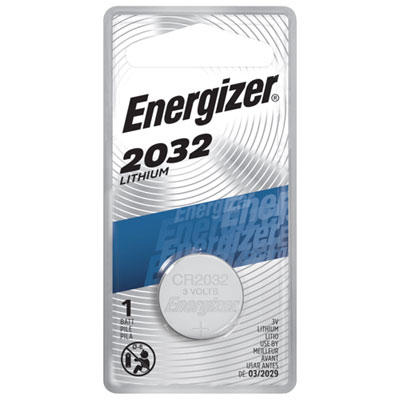
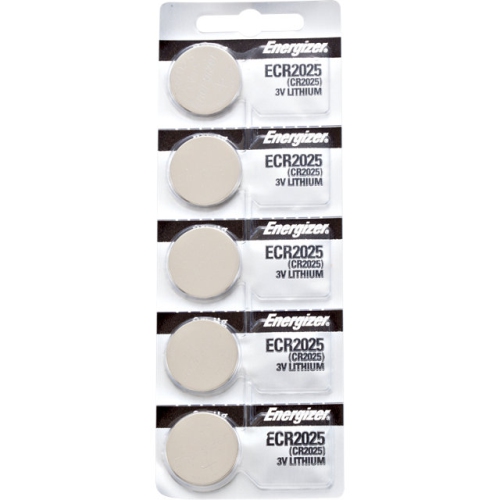
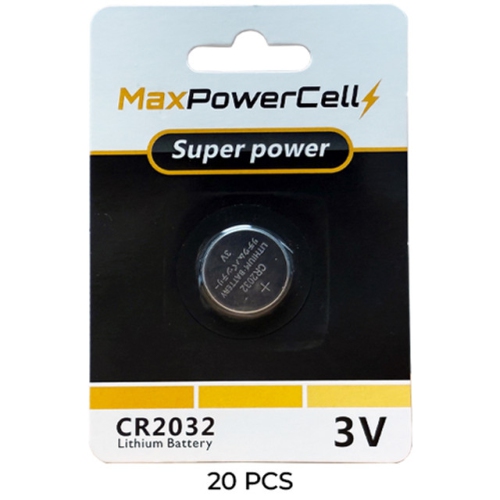
3V batteries are compact, dependable power sources for the small electronics that keep everyday routines moving. A 3-volt battery commonly uses lithium manganese dioxide chemistry and is designed to provide a steady output from a single cell, even in a small package. The most familiar formats are coin cells, including CR2032, CR2025 and CR1632, along with cylindrical CR123A cells. Coin batteries are often found in car key fobs, watches, calculators, remotes, digital thermometers, small medical monitors, fitness devices, smart home sensors and compact tracking accessories. Cylindrical 3V batteries are frequently used in selected flashlights, security equipment, cameras and other devices that need a higher-capacity cell in a tube-shaped format. Since several batteries can look similar while differing in thickness, diameter or terminal design, checking the original battery, the device manual or the markings inside the battery compartment is an important first step. A CR2032 coin cell measures approximately 20 mm across and 3.2 mm thick, while a CR2025 has the same approximate diameter with a slimmer 2.5 mm profile. That small difference can affect how firmly the battery contacts fit, so substituting one format for another is not always suitable. A CR1632 is smaller at approximately 16 mm across and is used in certain compact electronics. For cylindrical cells, confirm both the model number and the required voltage before purchasing, particularly when replacing batteries in security cameras or high-output flashlights.
When choosing 3V batteries, start with compatibility, then consider how often the device is used and how difficult it is to access the battery compartment. A key fob carried every day may need a reliable coin cell kept in a drawer as a convenient spare, while a wall-mounted sensor or rarely used backup device may benefit from a battery with a long storage life. Many lithium 3V batteries can retain their charge for approximately seven to 10 years when stored correctly, although actual performance varies with the battery design, storage conditions and the device itself. Keep replacement batteries in their original packaging in a cool, dry place away from direct sunlight, heat and moisture. Avoid placing loose coin cells in a pocket, drawer or bag with keys, coins or other metal objects, as contact with metal can cause a short circuit. Coin cells should also be kept well away from children and pets because their small, smooth shape can be dangerous if swallowed. When installing a battery, match the positive and negative markings carefully, use clean and dry hands, and avoid bending or puncturing the cell. If a device has been stored for a long time, inspect the battery compartment for dirt, corrosion or damage before inserting a replacement. It is also useful to record the battery format used by important devices, especially if several household items require different sizes. This simple habit can make it easier to prepare for cooler months, travel, moving day or a busy period when a dead remote, sensor or key fob would be particularly inconvenient.
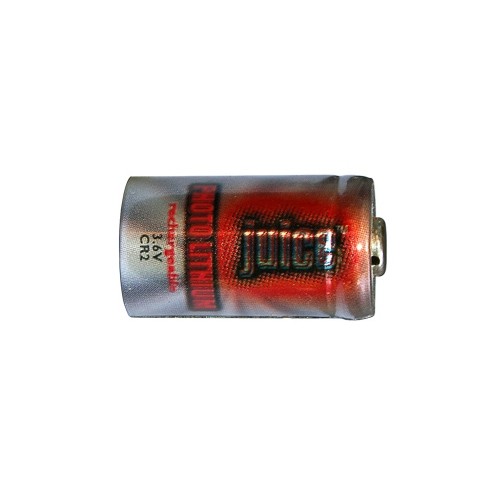
3V batteries can be a practical addition to a household electronics drawer, a travel kit or a workplace supply cabinet because they support so many small but essential devices. They are especially useful for people who rely on a car remote, home monitoring equipment, personal electronics or specialty lighting and prefer to have the correct replacement ready before a low-battery warning appears. They can also make a thoughtful, practical addition to a housewarming, new-car or gadget-focused gift, provided the recipient’s device requirements are known. Packaging may contain one battery or several, so compare the quantity with the number of devices that need attention and the likelihood of future replacements. Look for clear labelling that shows the exact battery code, voltage, quantity and intended format, and do not confuse a 3V battery with a rechargeable battery or a cell with a different nominal voltage. Some rechargeable and non-rechargeable cells may share a similar shape but are not interchangeable; using the wrong type can result in poor performance or damage to the device. If your electronics require another voltage, review the available 3.6V Batteries assortment instead of assuming that a 3V replacement will provide the required power. With the correct size, chemistry and voltage on hand, replacing a battery can be a quick task: open the compartment, note the orientation, remove the old cell responsibly according to local disposal guidance, and install the new one without forcing it. A well-matched 3V battery helps key fobs respond promptly, sensors remain connected, watches keep time and compact devices stay ready when they are needed.
When choosing 3V batteries, start with compatibility, then consider how often the device is used and how difficult it is to access the battery compartment. A key fob carried every day may need a reliable coin cell kept in a drawer as a convenient spare, while a wall-mounted sensor or rarely used backup device may benefit from a battery with a long storage life. Many lithium 3V batteries can retain their charge for approximately seven to 10 years when stored correctly, although actual performance varies with the battery design, storage conditions and the device itself. Keep replacement batteries in their original packaging in a cool, dry place away from direct sunlight, heat and moisture. Avoid placing loose coin cells in a pocket, drawer or bag with keys, coins or other metal objects, as contact with metal can cause a short circuit. Coin cells should also be kept well away from children and pets because their small, smooth shape can be dangerous if swallowed. When installing a battery, match the positive and negative markings carefully, use clean and dry hands, and avoid bending or puncturing the cell. If a device has been stored for a long time, inspect the battery compartment for dirt, corrosion or damage before inserting a replacement. It is also useful to record the battery format used by important devices, especially if several household items require different sizes. This simple habit can make it easier to prepare for cooler months, travel, moving day or a busy period when a dead remote, sensor or key fob would be particularly inconvenient.
3V batteries can be a practical addition to a household electronics drawer, a travel kit or a workplace supply cabinet because they support so many small but essential devices. They are especially useful for people who rely on a car remote, home monitoring equipment, personal electronics or specialty lighting and prefer to have the correct replacement ready before a low-battery warning appears. They can also make a thoughtful, practical addition to a housewarming, new-car or gadget-focused gift, provided the recipient’s device requirements are known. Packaging may contain one battery or several, so compare the quantity with the number of devices that need attention and the likelihood of future replacements. Look for clear labelling that shows the exact battery code, voltage, quantity and intended format, and do not confuse a 3V battery with a rechargeable battery or a cell with a different nominal voltage. Some rechargeable and non-rechargeable cells may share a similar shape but are not interchangeable; using the wrong type can result in poor performance or damage to the device. If your electronics require another voltage, review the available 3.6V Batteries assortment instead of assuming that a 3V replacement will provide the required power. With the correct size, chemistry and voltage on hand, replacing a battery can be a quick task: open the compartment, note the orientation, remove the old cell responsibly according to local disposal guidance, and install the new one without forcing it. A well-matched 3V battery helps key fobs respond promptly, sensors remain connected, watches keep time and compact devices stay ready when they are needed.
Top selling and popular products
-
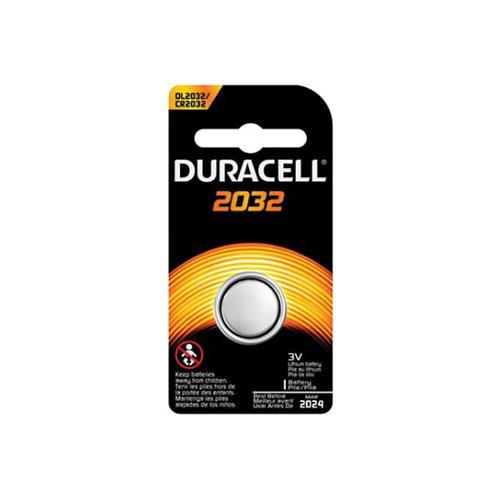 Your price for this item is $25.97
 -
 Your price for this item is $45.97
 -
 Your price for this item is $9.99
 -
 Your price for this item is $10.99
 -
 Your price for this item is $6.99
 -
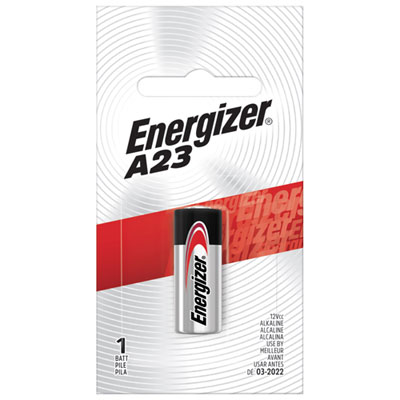 Your price for this item is $6.97
 -
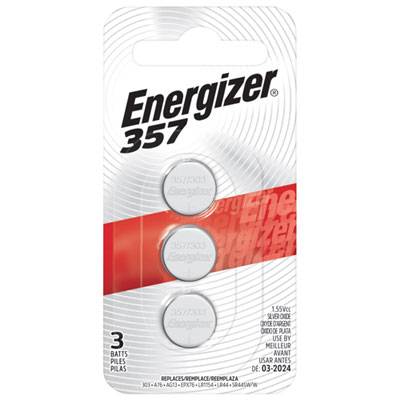 Your price for this item is $12.99
 -
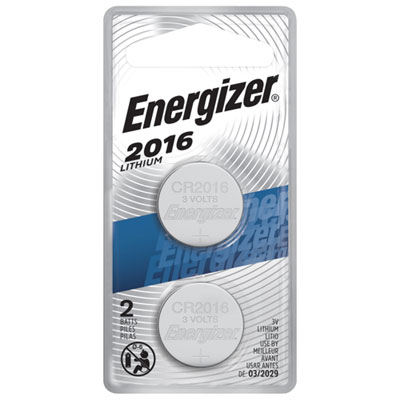 Your price for this item is $10.99
Discover more categories related to 3V Batteries
Top Collections:
Pokemon Centers, Best Cameras for Sports Photography, Kindle Devices, Samsung Galaxy Phones, Canon G7X Cameras, Pokémon 30th Celebration Cards, Refurbished Apple Laptops, iPhone 15 Apple, Laptops for Students, Budget Smartphones
Some products may be subject to Environmental Handling Fees
(EHF) depending on your province.
Learn more about EHFs.