8.5 X 11 Papers
Our selection of standard letter-size paper is perfect for printing documents, reports, flyers, and more. Whether you're stocking up for your home office, classroom, or business, we have a variety of options to suit your needs. With excellent brightness and weight options available, you can rely on our 8.5 x 11 paper to deliver crisp and professional-looking prints every time. Browse through our collection today to find the perfect paper for all your printing projects!
Sort






























Why paper weight and finish matter for everyday printing
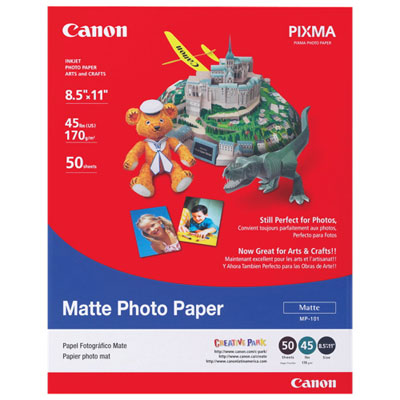
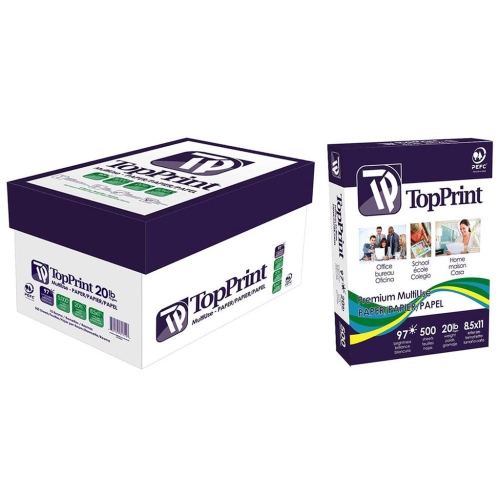
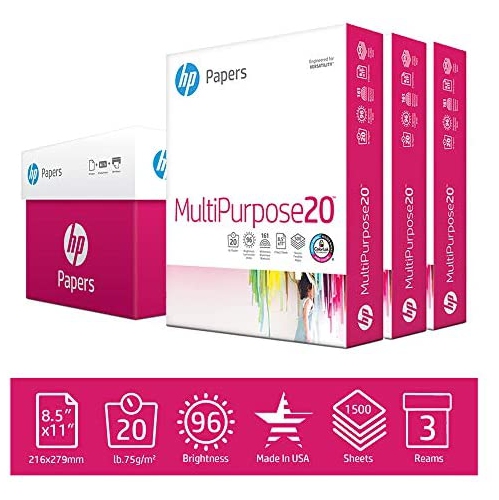
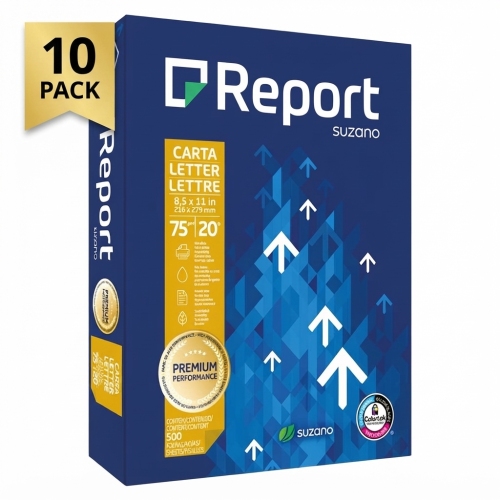
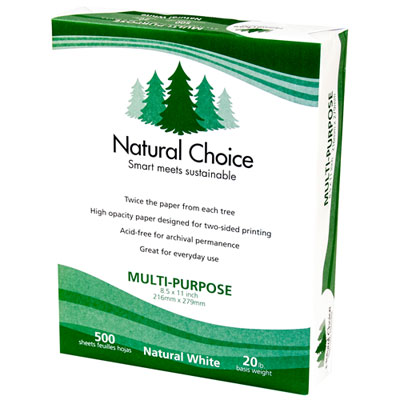
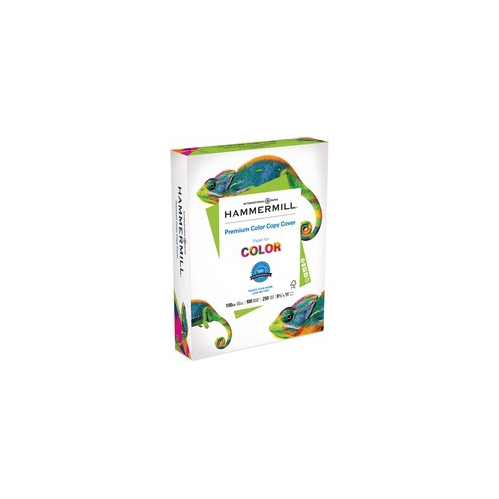
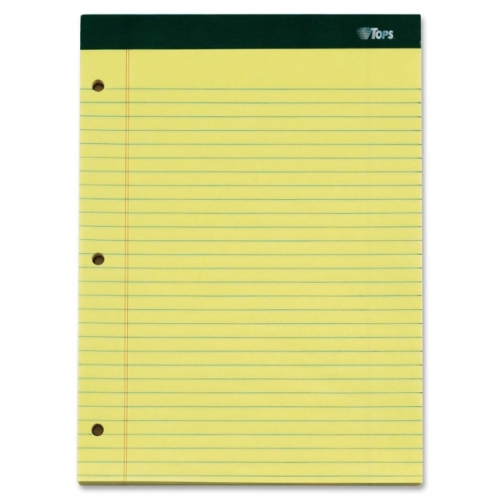
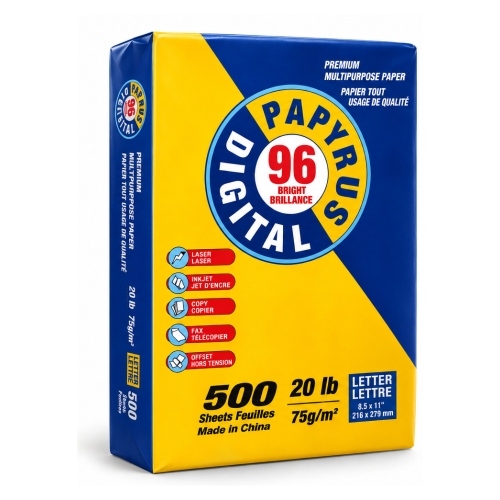
8.5 x 11 inch paper is the standard letter-size format used for everyday printing, copying, and document preparation in Canada and across North America. Each sheet measures approximately 216 x 279 mm, making it a familiar fit for office correspondence, school assignments, household records, and business forms. For these everyday tasks, Letter-Sized Papers provide a consistent page size that works with many document templates, folders, binders, and filing systems. Letter size is different from A4, which measures 210 x 297 mm; the difference matters when printing forms with fixed margins or placing documents in fitted sleeves. A document designed for A4 may need scaling to print on letter paper without cutting off text or shifting page breaks. Within the letter-size format, paper weight helps distinguish everyday sheets from heavier options intended for more substantial documents. Standard 20 lb bond paper, approximately 75 g/m², is a common choice for routine text, draft copies, and worksheets. A 24 lb bond sheet, approximately 90 g/m², generally has a more substantial feel within the same paper category and can suit correspondence, reports, and documents that receive frequent handling. The g/m² measurement describes the mass of a square metre of paper and makes comparisons easier across different paper types. Pound ratings are less straightforward because bond paper, cover stock, and other categories use different basis sizes; a higher number does not always mean a thicker sheet when comparing unlike categories. Thickness and stiffness also affect how paper feels and feeds through a printer. A lightweight sheet can be practical for a thick stack of training notes, while a firmer sheet may better suit a certificate or a presentation cover. Heavier paper is not automatically better for every task: the useful balance depends on the printing equipment, the amount of handling, and whether the finished pages need to fold, staple, or sit neatly in a binder.
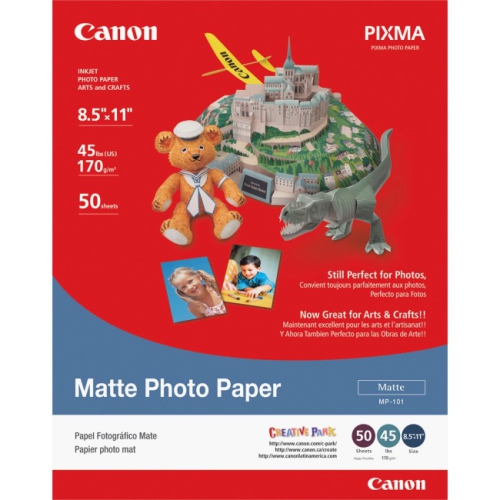
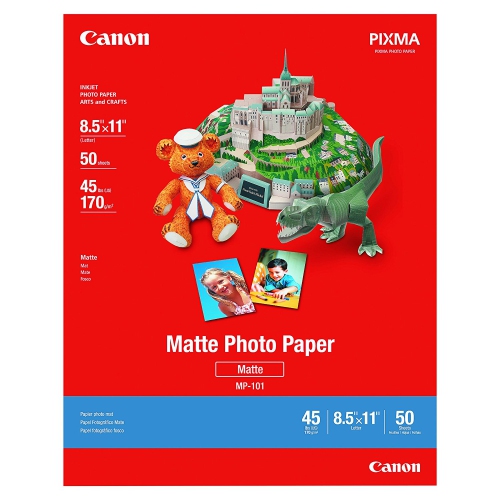
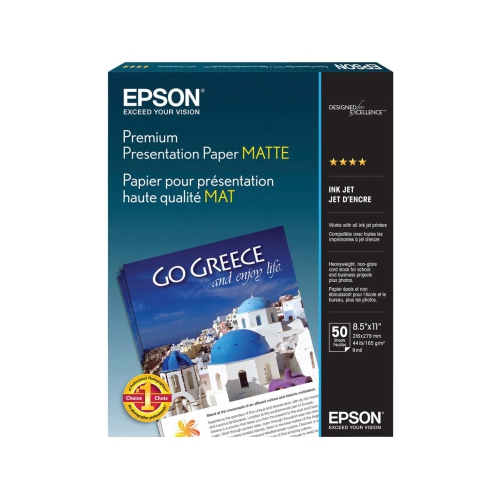
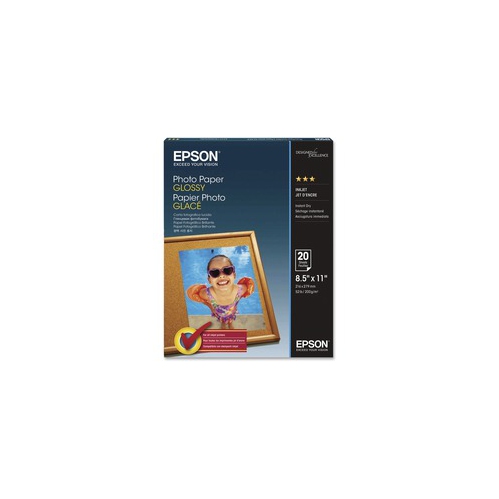
Brightness, opacity, colour, and surface finish influence how a printed page looks as much as its size. Brightness describes how strongly paper reflects light under a particular measurement system, while whiteness relates more broadly to its visual appearance. A bright white surface can create strong contrast for black text and make colour charts look crisp, although the highest brightness rating is not necessary for every document. Opacity is especially useful for double-sided printing because it describes how well the sheet limits visibility through to the reverse side. More opaque paper can make a two-sided report easier to read, particularly where dark headings or shaded tables would otherwise show through. Paper weight can contribute to opacity, but composition and manufacturing also matter, so weight alone does not tell the whole story. Most everyday printing paper is made primarily from cellulose fibres, with surface treatments that help control ink absorption and handling. Cotton-content and other specialty papers can offer a different texture or feel for formal correspondence and keepsake documents. Smooth, uncoated sheets are practical for text, handwritten notes, and many office tasks, while coated matte or glossy surfaces serve different presentation and image-printing needs. Printer compatibility remains important across these finishes. Inkjet printers apply liquid ink, so suitable paper helps manage absorption, edge definition, and drying. Laser printers use toner and heat, which means any coating or specialty surface must be rated for that process. Paper labelled for multipurpose use may support both technologies, but the stated compatibility and the printer’s supported media range are the relevant checks. A glossy inkjet sheet should not be assumed suitable for a laser printer simply because the dimensions match. The same principle applies to heavier sheets and textured finishes, which may require a particular feed path or media setting. For photographs, detailed graphics, or solid blocks of colour, the relationship between paper surface and printing technology can have a greater effect on the result than brightness alone.
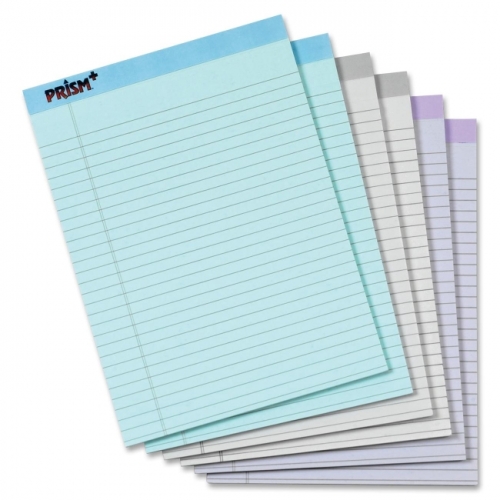
The most useful 8.5 x 11 paper depends on what happens after the page leaves the printer. A student annotating lecture notes needs room for clear handwriting and a surface that behaves well with a pencil or pen. A home office preparing client documents may place more importance on a smooth finish, consistent colour, and enough opacity for two-sided pages. Teachers, community groups, and small businesses often use the same letter-size format for activity sheets, meeting agendas, sign-up forms, and information handouts, but each task places slightly different demands on the sheet. Coloured paper can separate sections in a binder or make a notice easier to identify, while white paper keeps the background neutral for text and images. For craft projects, the intended tools matter: ordinary copy paper works well for folding, cutting, and light pencil or crayon use, but wet paint and heavy marker coverage can cause rippling or bleed-through. Firmer paper can give paper models and handmade cards more structure, provided it remains suitable for any printer involved. Durability also includes how the paper holds up over time. Acid-free paper can help reduce yellowing and deterioration in documents intended for longer retention, although ink quality, light exposure, and storage conditions also affect the finished result. For everyday storage, flat sheets with clean edges are easier to feed reliably than paper with curled corners, bent edges, or moisture damage. Keeping unused paper in its protective wrapping, away from spills and direct sunlight, helps preserve its condition. An overfilled tray, mixed paper types, or an incorrect size setting can interfere with feeding even when the paper itself is suitable. Letter-size settings in both the document and printer help maintain the intended margins and layout. Matching the sheet’s weight, surface, and compatibility to its purpose makes the format useful across everything from a quick reference page beside a desk to a neatly assembled report that will be handled and read many times.
Top selling and popular products
-
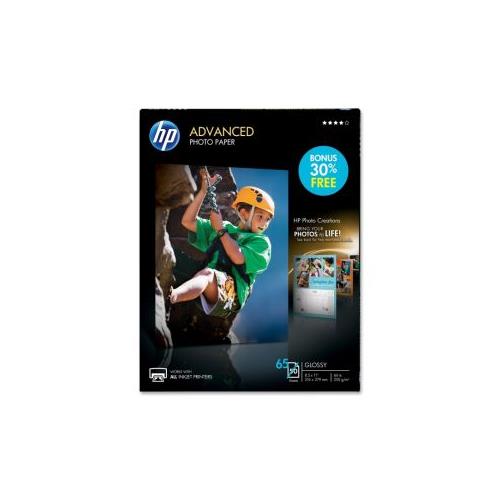 Your price for this item is $57.68
-
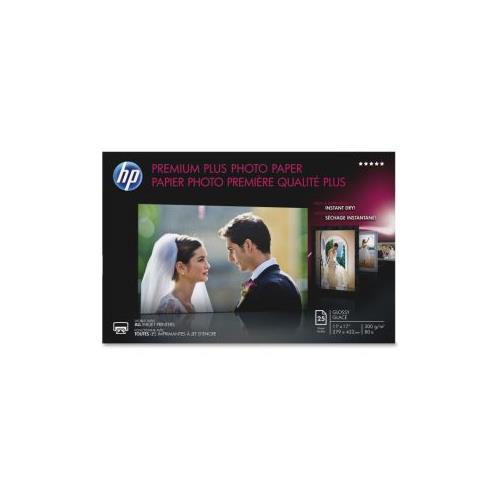 Your price for this item is $90.68
-
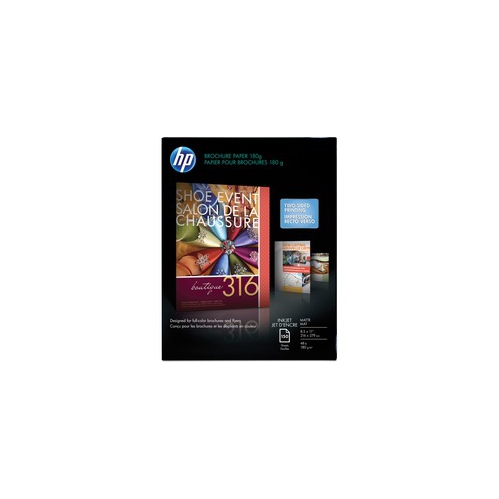 Your price for this item is $45.99
-
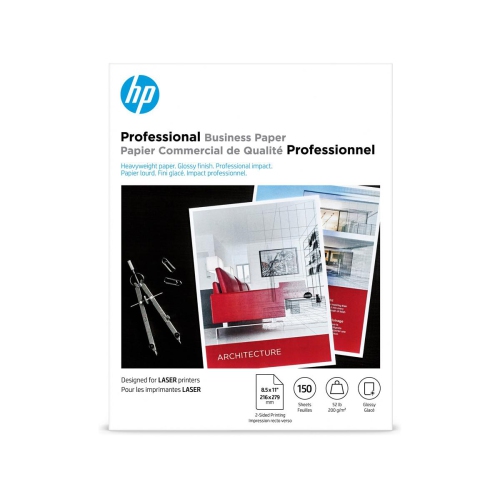 Your price for this item is $40.79
-
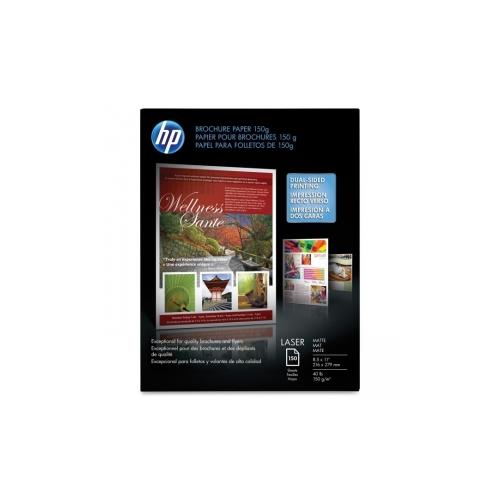 Your price for this item is $37.99
-
 Your price for this item is $358.99
-
 Your price for this item is $31.99
-
 Your price for this item is $103.99
Discover more categories related to 8.5 X 11 Papers

Top Collections:
Pokemon Centers, Best Cameras for Sports Photography, Kindle Devices, Samsung Galaxy Phones, Canon G7X Cameras, Pokémon 30th Celebration Cards, Refurbished Apple Laptops, iPhone 15 Apple, Laptops for Students, Budget Smartphones
Some products may be subject to Environmental Handling Fees
(EHF) depending on your province.
Learn more about EHFs.