Aaa Batteries for Smoke Detectors
Aaa Batteries For Smoke Detectors are essential for keeping your home and loved ones protected. Whether you’re replacing old batteries or stocking up for future use, having reliable AAA batteries ensures your smoke detectors stay powered and ready to alert you when it matters most. Explore a wide selection of Aaa Batteries For Smoke Detectors to find the right option for your household needs and enjoy peace of mind knowing your safety devices are always prepared.
Sort





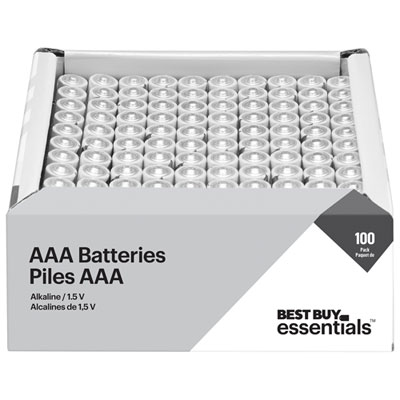

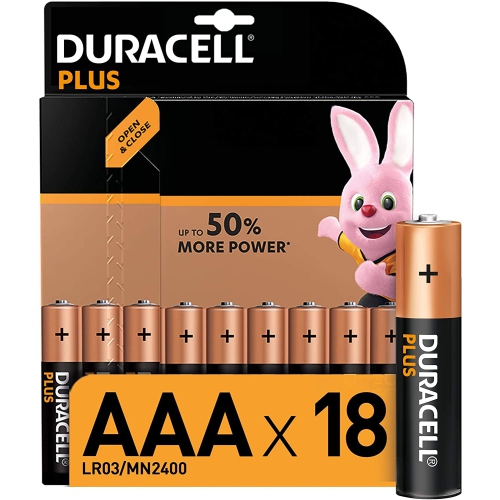
Essential guidance for replacing AAA smoke detector batteries
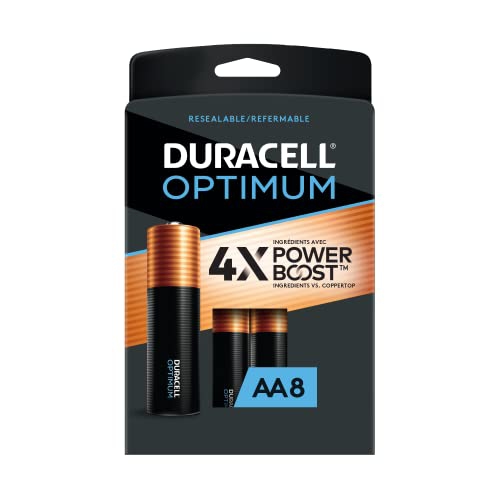
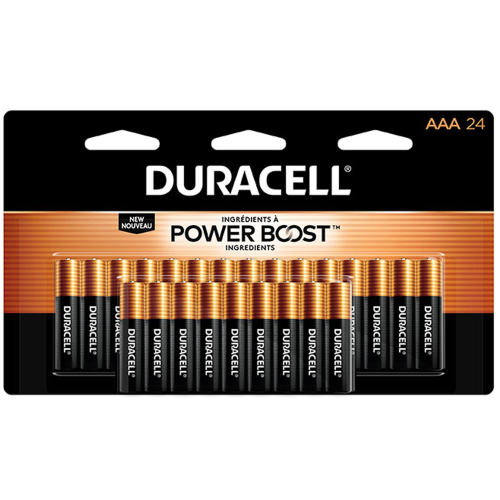
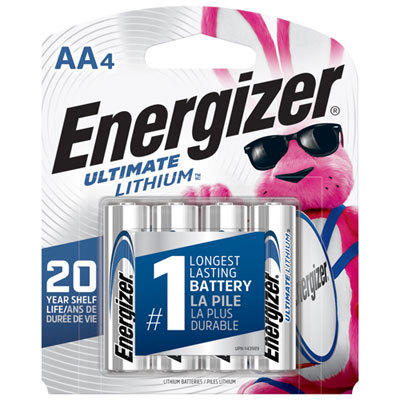
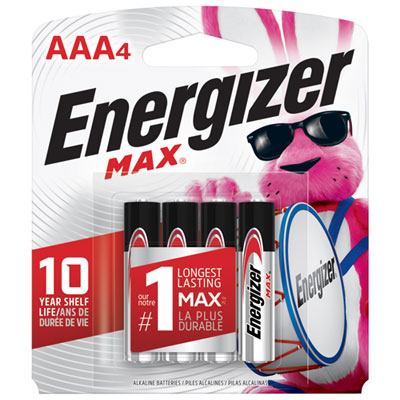
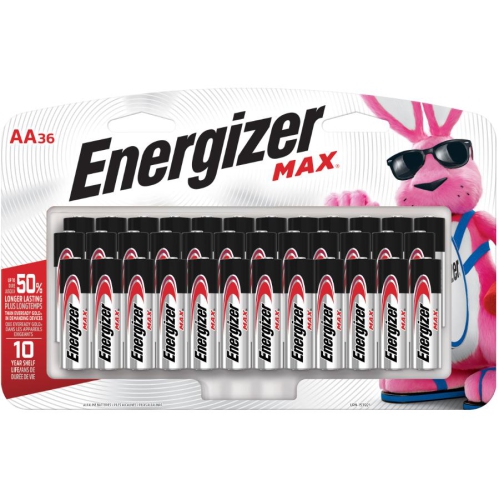
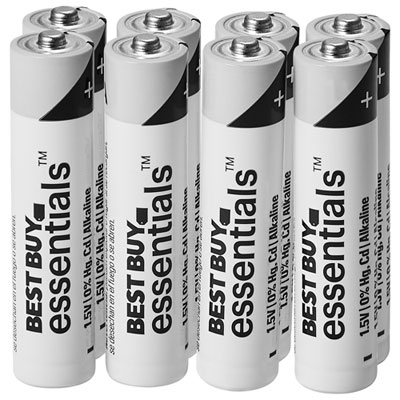
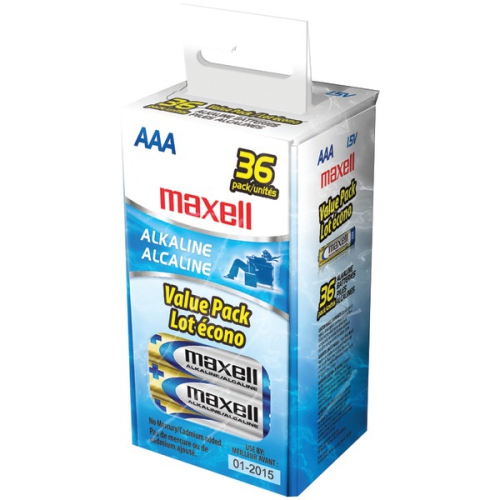
AAA batteries for smoke detectors are a practical choice for households whose alarms are designed to use this compact battery size. Before buying, check the smoke detector’s manual, the label on the alarm, or the markings inside the battery compartment to confirm that it specifically requires AAA cells. Smoke detectors do not all use the same power source; some rely on AA batteries, 9-volt batteries, sealed battery units, or a hardwired connection with battery backup. Choosing the right size helps the alarm operate as intended and prevents the frustration of opening a package only to discover that the cells do not fit. If your detector takes AAA batteries, standard alkaline cells are a dependable option for everyday household use, offering steady power and a useful shelf life when stored properly. When comparing packs, consider how many alarms are installed in your home, how many batteries each alarm needs, and whether you would like to keep a spare set available for future replacements. A multi-pack can be convenient for homes with alarms on several floors, while a smaller pack may suit an apartment, cottage, workshop, or replacement of a single depleted set. You can browse related options through Batteries for Smoke Detectors to help find cells that match your household needs. Keep new batteries in their original packaging until they are needed, store them in a cool, dry place away from loose metal objects, and avoid mixing old and new cells or combining different battery types in the same device. These simple habits can make replacement day easier, especially when a detector begins chirping during the quiet hours before dawn or while everyone is getting ready for school and work.
Smoke detector batteries are used by homeowners, renters, landlords, caregivers, property managers, and anyone responsible for maintaining a safe living space. They are also a thoughtful practical gift for someone moving into a new home, setting up a first apartment, opening a seasonal property, or completing a household maintenance checklist. A small supply can be especially useful for older family members or relatives who may appreciate having replacement batteries on hand without needing to make an extra trip to the store. In a typical home, alarms may be installed near sleeping areas, on each level, and close to rooms where a fire could develop, so the number of required cells can add up quickly. During the cooler months, when windows are often closed and heating equipment is in regular use, it is worth making battery checks part of a broader home routine. Test each smoke detector according to the manufacturer’s instructions, usually by pressing and holding the test button until the alarm sounds clearly. A brief beep or weak response can signal that the battery needs attention, although a chirp may also indicate dust, an expired detector, a malfunction, or another issue. Replace the battery promptly when the alarm indicates low power, and follow the detector manual for its recommended replacement schedule. Many safety authorities and manufacturers advise checking alarms monthly and replacing standard backup batteries about every six months, but the instructions for your specific model should take priority. If a detector continues to chirp after a fresh, correctly installed AAA battery is fitted, check the polarity markings, make sure the compartment is fully closed, clean the unit as directed, and review its age and maintenance requirements. Smoke detectors have a limited service life, and a new battery cannot correct every problem. Never remove a battery simply to silence an alarm without addressing the cause, since the detector may be left without protection.
A little preparation can make battery replacement feel less like an emergency and more like a familiar household task. Keep a marker or note on your home maintenance calendar to record when batteries were changed, and consider replacing all compatible alarm batteries during the same check so that one low-power chirp does not catch you off guard later. Walk through the home and listen for a strong test signal from every unit, including alarms in less frequently used rooms, hallways, finished basements, garages where permitted by the manufacturer, and seasonal residences. Follow placement and maintenance instructions carefully, because smoke detectors can be affected by steam, dust, cooking vapours, extreme temperatures, and poor positioning. Batteries should also be kept out of reach of young children and disposed of according to local battery recycling or waste-handling requirements when they are no longer usable. If you are stocking a new home, preparing a rental property between occupants, or assembling a useful housewarming bundle, AAA batteries can be paired with other everyday safety essentials while still remaining easy to store in a drawer or utility cupboard. Choosing the correct size, purchasing enough cells for every compatible detector, and keeping a few replacements available can provide welcome peace of mind. Most importantly, use only the battery type approved for the alarm, install it with the positive and negative ends aligned with the markings, and test the detector after installation so you know the system is ready to alert the household when it matters.
Top selling and popular products
-
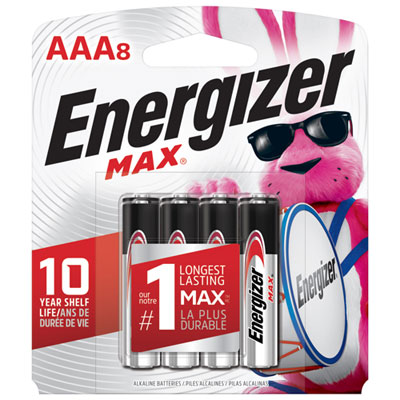 Your price for this item is $16.99
-
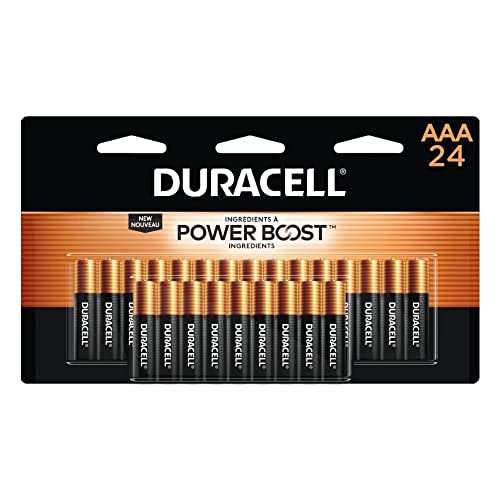 Your price for this item is $24.99
-
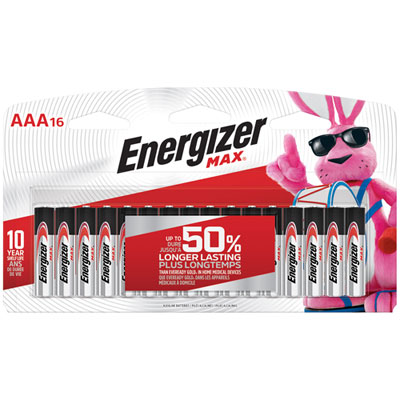 Your price for this item is $20.99
-
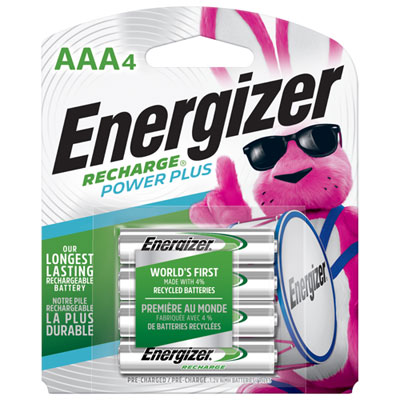 Your price for this item is $17.99
-
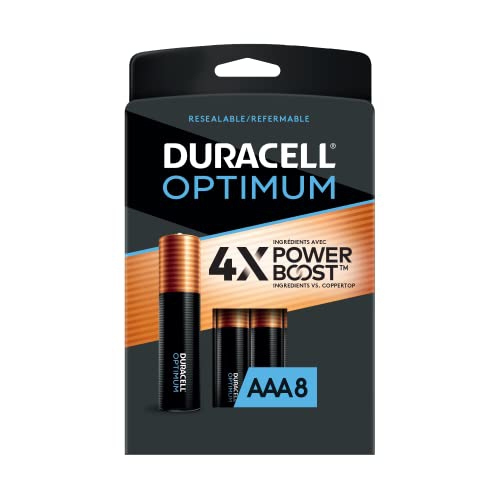 Your price for this item is $38.97
-
 Your price for this item is $57.97
-
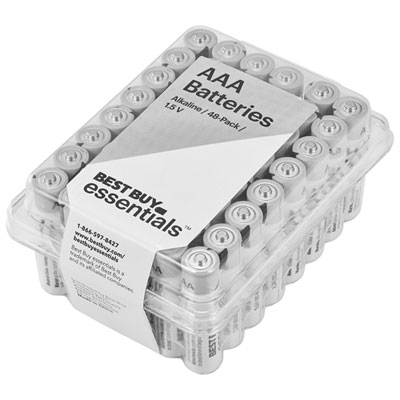 Your price for this item is $15.99
-
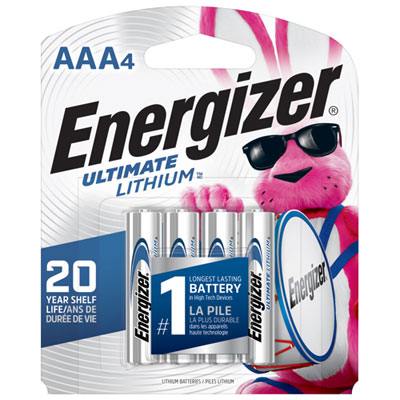 Your price for this item is $16.95
Discover more categories related to Aaa Batteries for Smoke Detectors
Top Collections:
Pokemon Centers, Best Budget Office Chairs, Kindle Devices, Best Laptops for Writers, Apple iPhones 16, Canon G7X Cameras, Best Cell Phones Under $300, Samsung Galaxy Phones, iPhone 15 Apple, Flip Phones
Some products may be subject to Environmental Handling Fees
(EHF) depending on your province.
Learn more about EHFs.