Agenda Planners
Stay organized and on top of your schedule with our collection of agenda planners. Whether you're a student looking to keep track of assignments and deadlines, a professional needing to manage meetings and appointments, or simply someone who loves to stay organized, we have the perfect agenda planner for you. From sleek and minimalist designs to vibrant and fun styles, find the ideal planner to suit your personality and help you stay productive every day.
Sort
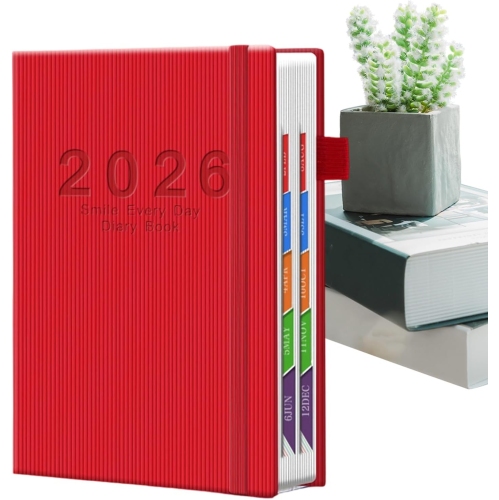
The right layout leaves room for your real schedule
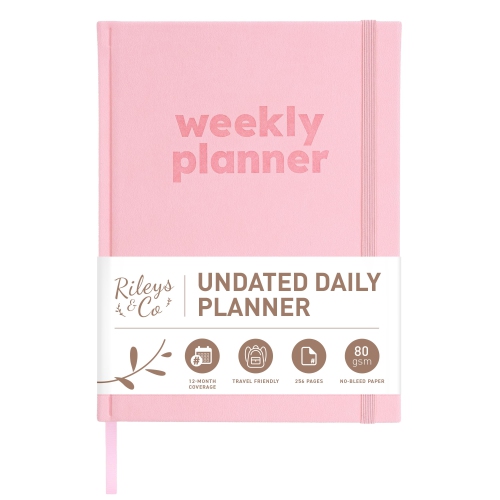
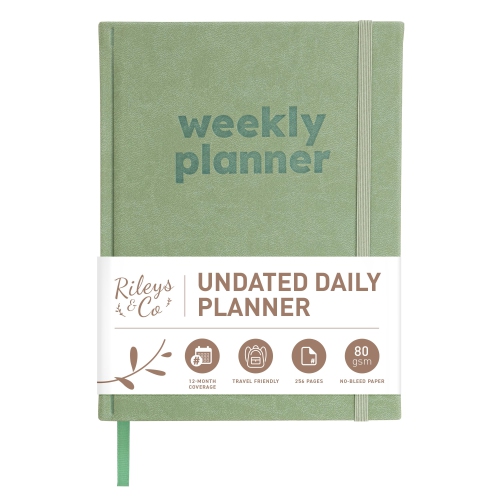
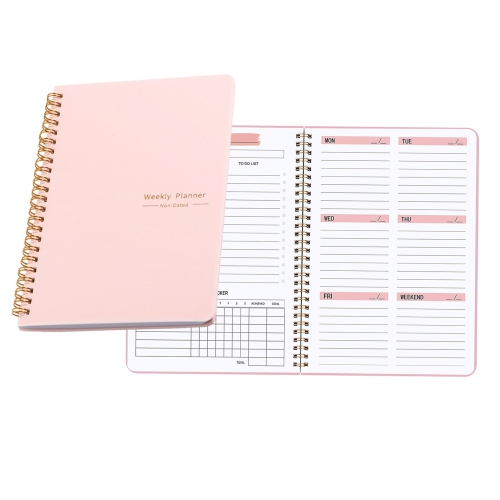
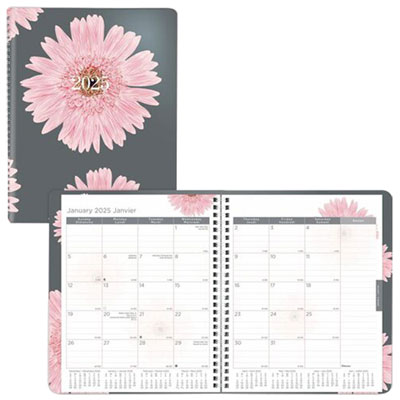
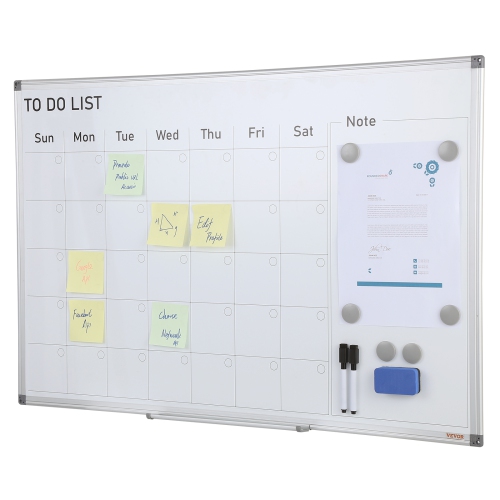
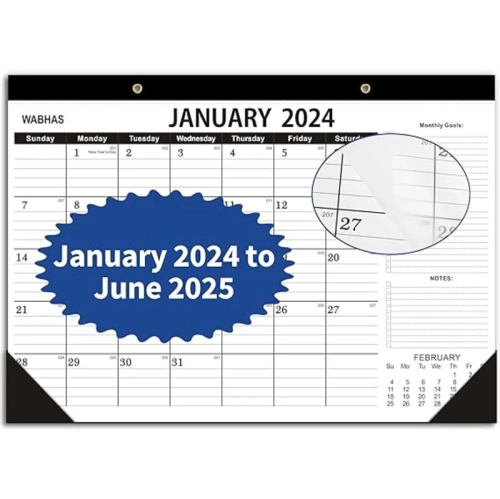
Agenda planners bring appointments, deadlines, and everyday tasks together in a format that is easy to check at a glance. Choosing the right agenda planner starts with the layout: daily pages offer room for detailed schedules, weekly spreads show how commitments fit together, and monthly calendars make longer-term dates easier to track. A daily planner suits someone whose days involve several appointments, shifting priorities, or plenty of handwritten notes. Depending on the design, a page may include hourly time slots, a short priority list, and open space for reminders. That extra writing room is useful when a simple entry such as “project meeting” needs an accompanying list of questions, preparation tasks, and follow-up details. Weekly agenda planners offer a broader view without requiring a page for every day. Seeing work shifts, assignment deadlines, and personal plans side by side can make an overloaded stretch more obvious before another commitment is added. Some weekly layouts divide the spread into vertical columns, which suit time-based scheduling; others use horizontal sections that leave room for short lists and sentences. A weekly calendar paired with a full notes page can be especially practical when the tasks matter as much as the appointments. Monthly planners provide a wider view for tracking travel dates, recurring bills, birthdays, and project milestones, though their smaller date boxes usually leave less space for detail. For many people, the most useful combination is a monthly overview followed by weekly or daily pages. Picture a busy household with an appointment card tucked beside the kettle, a school notice on the counter, and a work deadline approaching: an agenda gives those scattered details a shared place to land. The aim is not to fill every blank space, but to choose enough room for the information that genuinely helps the day run smoothly. Checking whether weekends receive full-size sections is worthwhile, particularly for anyone who works shifts, studies outside regular hours, or keeps most personal commitments for the end of the week.
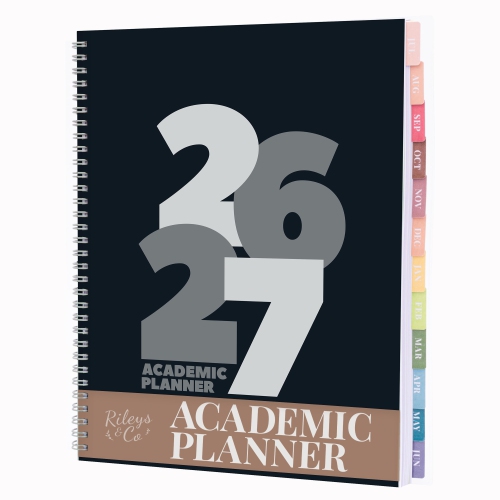
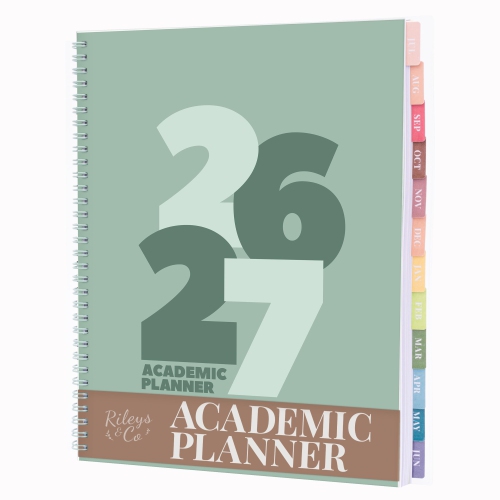
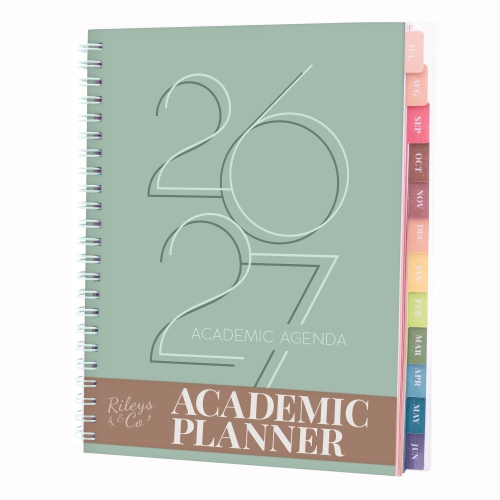
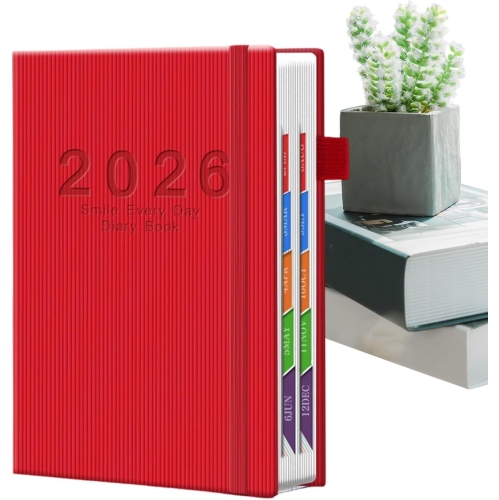
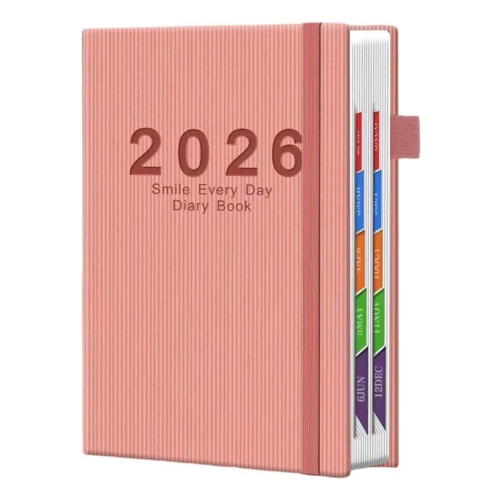
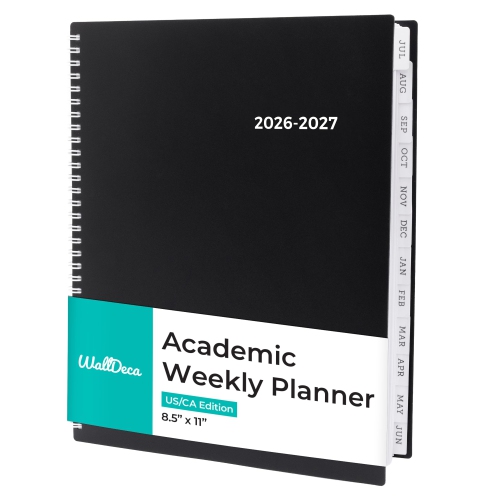
Beyond the layout, the date range and physical construction have a noticeable effect on how an agenda feels in daily use. Dated planners have calendars already printed, making it straightforward to enter future appointments and move between pages. Before choosing one, check the start date, end date, and year rather than relying on the cover design alone. Academic-year planners often suit students, educators, and families whose routines follow the school year, while calendar-year formats may fit annual work planning and personal goals. Longer formats can bridge overlapping school and work schedules, but they may also add thickness and weight. Undated agenda planners let you write in dates yourself and begin whenever you need them. They can suit occasional planning, changing routines, or projects with a defined start and finish; the trade-off is the time needed to label pages and the extra care involved in entering appointments far ahead. Size is equally practical. A compact agenda is easier to carry in a handbag or small backpack, while a larger planner provides more comfortable writing space on a desk. Check the actual dimensions and the usable page area, since generous margins and decorative sections can reduce room for notes. Binding matters when writing on a crowded desk or balancing the planner on your lap. Spiral and wire-bound designs often fold back on themselves, while sewn or other bound formats may offer a slimmer profile; look for a stated lay-flat design if writing near the centre crease is important. Refillable planners allow pages to be changed or rearranged, but replacement inserts need to match both the page size and the hole spacing. Paper quality deserves attention, too. Heavier paper may help limit show-through, although coating, ink type, and writing pressure also affect performance. Anyone who uses fountain pens, markers, or highlighters should check the paper specifications rather than assume every planner handles wet ink equally well. A sturdy cover, secure closure, ribbon marker, or interior pocket can add everyday convenience without taking attention away from the calendar itself.
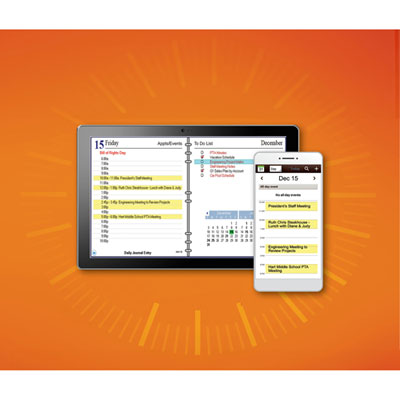
The best agenda planner is one that fits the way its owner already thinks and works. Students may need space for class times, reading assignments, exam preparation, and part-time shifts, while professionals may prefer clear appointment blocks and separate areas for meeting notes. Freelancers and small-business owners can use weekly spreads to balance client commitments with administrative work that has no fixed appointment time. At home, an agenda can hold meal plans, activity schedules, maintenance reminders, and shared errands, helping keep practical details from getting lost among messages and loose slips of paper. During the cooler months, when indoor activities, school commitments, and year-end plans can overlap, a clear overview can make it easier to leave breathing room between obligations. For someone who mainly wants to capture actions rather than appointments, To Do List Planners offer a task-focused alternative or a useful companion to a calendar-based agenda. Features such as habit trackers, goal-setting pages, expense sections, and project outlines are worth considering when they serve a real purpose; extra sections can become distracting if they do not match the owner's routine. A planner does not need an elaborate colour system to be helpful. A short appointment entry, a clearly marked deadline, and a few achievable priorities can be enough to make the page useful. Paper agendas can also sit comfortably alongside digital calendars: notifications can handle timed reminders while the handwritten spread holds the broader shape of the day. As gifts, planners suit people starting a course, taking on a new role, building a business, or simply enjoying the feel of pen on paper. A restrained cover and flexible layout are sensible choices when personal preferences are uncertain, and an undated format avoids tying the gift to a particular starting point. For a frequent traveller, portability may matter most; for someone who plans at a kitchen table each evening, spacious pages and easy opening may be more valuable. The thoughtful choice is the one that feels comfortable to carry, pleasant to write in, and clear enough to return to on a busy day.
Beyond the layout, the date range and physical construction have a noticeable effect on how an agenda feels in daily use. Dated planners have calendars already printed, making it straightforward to enter future appointments and move between pages. Before choosing one, check the start date, end date, and year rather than relying on the cover design alone. Academic-year planners often suit students, educators, and families whose routines follow the school year, while calendar-year formats may fit annual work planning and personal goals. Longer formats can bridge overlapping school and work schedules, but they may also add thickness and weight. Undated agenda planners let you write in dates yourself and begin whenever you need them. They can suit occasional planning, changing routines, or projects with a defined start and finish; the trade-off is the time needed to label pages and the extra care involved in entering appointments far ahead. Size is equally practical. A compact agenda is easier to carry in a handbag or small backpack, while a larger planner provides more comfortable writing space on a desk. Check the actual dimensions and the usable page area, since generous margins and decorative sections can reduce room for notes. Binding matters when writing on a crowded desk or balancing the planner on your lap. Spiral and wire-bound designs often fold back on themselves, while sewn or other bound formats may offer a slimmer profile; look for a stated lay-flat design if writing near the centre crease is important. Refillable planners allow pages to be changed or rearranged, but replacement inserts need to match both the page size and the hole spacing. Paper quality deserves attention, too. Heavier paper may help limit show-through, although coating, ink type, and writing pressure also affect performance. Anyone who uses fountain pens, markers, or highlighters should check the paper specifications rather than assume every planner handles wet ink equally well. A sturdy cover, secure closure, ribbon marker, or interior pocket can add everyday convenience without taking attention away from the calendar itself.
The best agenda planner is one that fits the way its owner already thinks and works. Students may need space for class times, reading assignments, exam preparation, and part-time shifts, while professionals may prefer clear appointment blocks and separate areas for meeting notes. Freelancers and small-business owners can use weekly spreads to balance client commitments with administrative work that has no fixed appointment time. At home, an agenda can hold meal plans, activity schedules, maintenance reminders, and shared errands, helping keep practical details from getting lost among messages and loose slips of paper. During the cooler months, when indoor activities, school commitments, and year-end plans can overlap, a clear overview can make it easier to leave breathing room between obligations. For someone who mainly wants to capture actions rather than appointments, To Do List Planners offer a task-focused alternative or a useful companion to a calendar-based agenda. Features such as habit trackers, goal-setting pages, expense sections, and project outlines are worth considering when they serve a real purpose; extra sections can become distracting if they do not match the owner's routine. A planner does not need an elaborate colour system to be helpful. A short appointment entry, a clearly marked deadline, and a few achievable priorities can be enough to make the page useful. Paper agendas can also sit comfortably alongside digital calendars: notifications can handle timed reminders while the handwritten spread holds the broader shape of the day. As gifts, planners suit people starting a course, taking on a new role, building a business, or simply enjoying the feel of pen on paper. A restrained cover and flexible layout are sensible choices when personal preferences are uncertain, and an undated format avoids tying the gift to a particular starting point. For a frequent traveller, portability may matter most; for someone who plans at a kitchen table each evening, spacious pages and easy opening may be more valuable. The thoughtful choice is the one that feels comfortable to carry, pleasant to write in, and clear enough to return to on a busy day.
Top selling and popular products
-
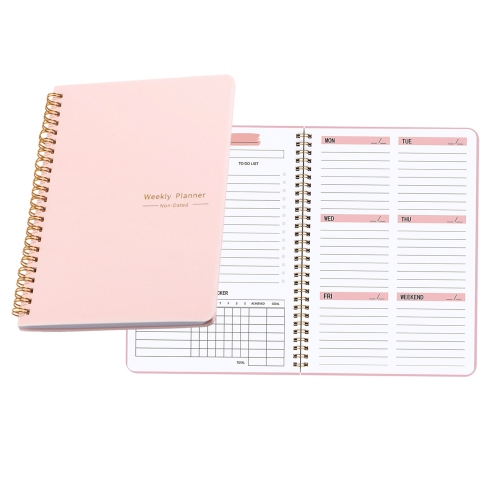 Your price for this item is $21.03
 -
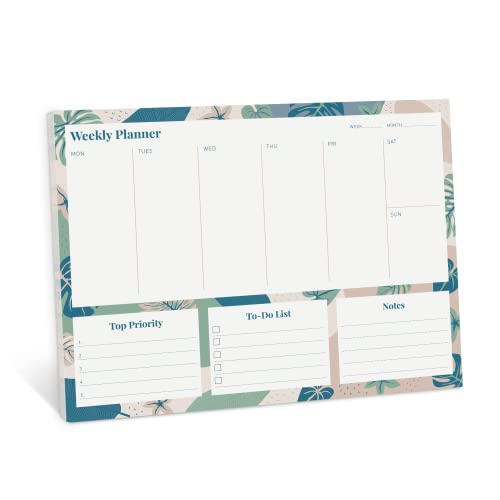 Your price for this item is $19.99
 -
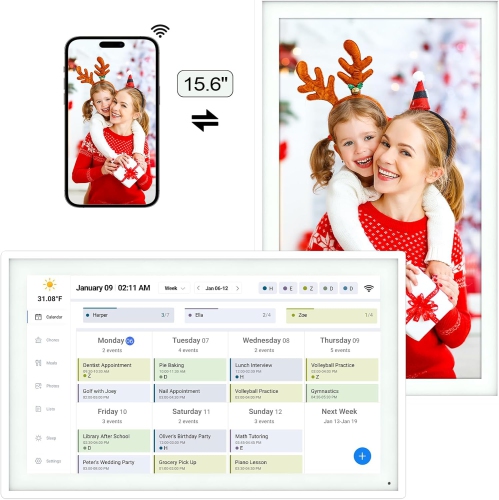 Your price for this item is $349.99
 -
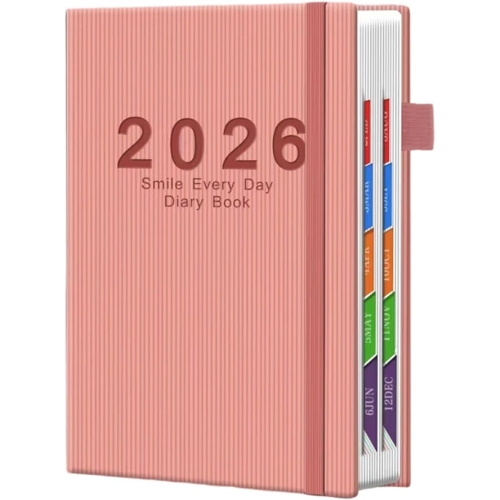 Your price for this item is $23.7
 -
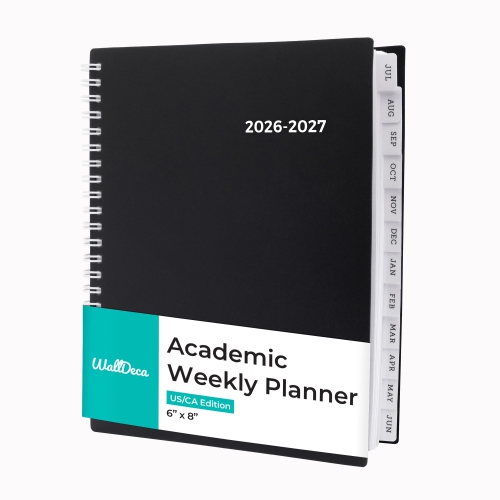 Your price for this item is $99.99
 -
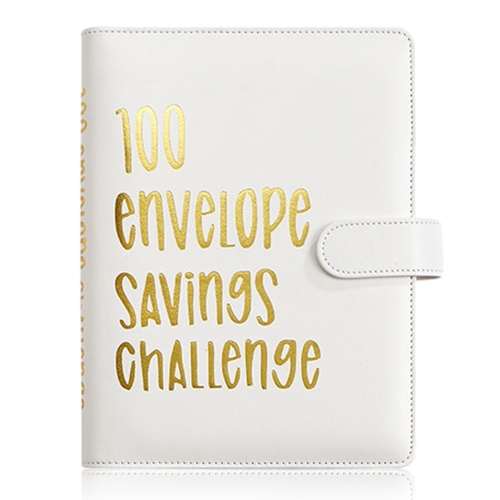 Your price for this item is $26.15
 -
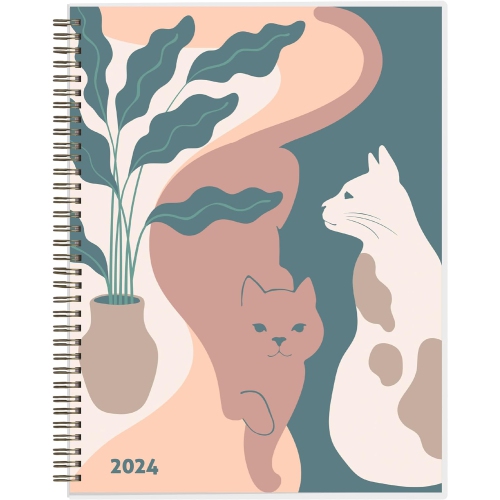 Your price for this item is $19.99
 -
 Your price for this item is $153.55
Discover more categories related to Agenda Planners
Top Collections:
Pokemon Centers, Kindle Devices, Best Budget Office Chairs, Apple iPhones 16, Best Laptops for Writers, iPhone 15 Apple, Canon G7X Cameras, Refurbished Apple Laptops, Alarm Clock, Motorola Razr Phones
Some products may be subject to Environmental Handling Fees
(EHF) depending on your province.
Learn more about EHFs.