To Do List Planners
Stay organized and on top of your tasks with our collection of to-do list planners. From daily planners to weekly and monthly options, these planners are designed to help you prioritize your tasks, set goals, and stay productive. Whether you prefer a minimalist design or a more colorful layout, we have a variety of options to suit your style and needs. Say goodbye to forgotten appointments and missed deadlines - shop our range of to-do list planners today and take control of your schedule!
Sort
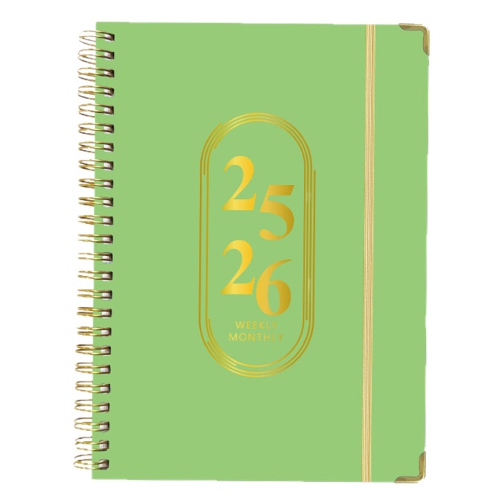
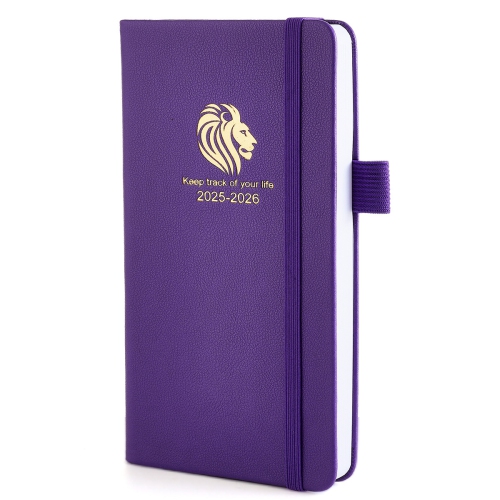
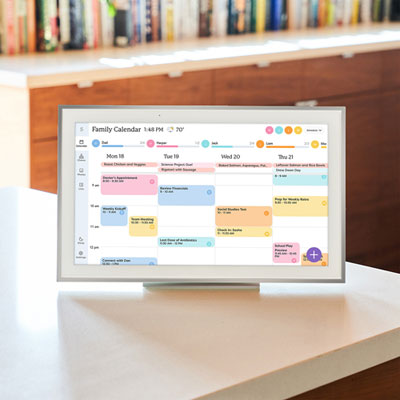
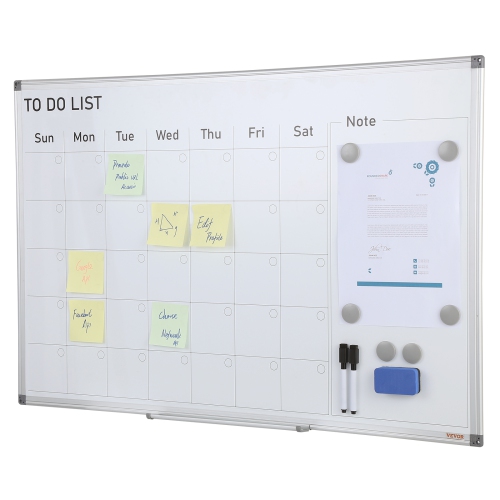
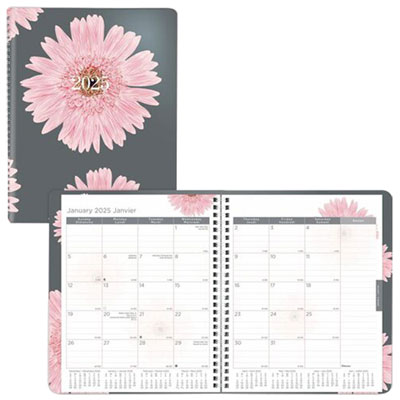
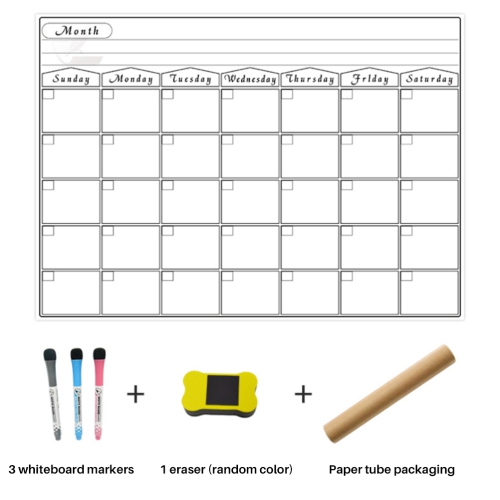
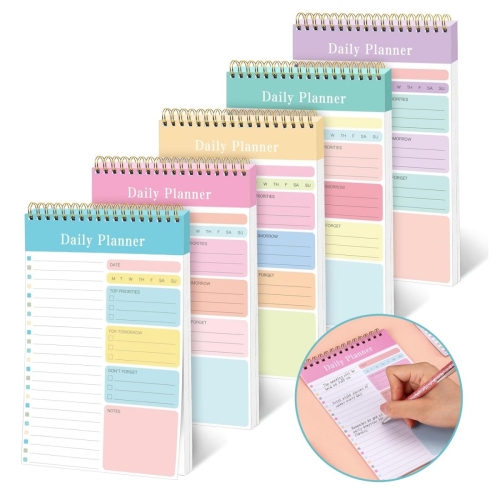
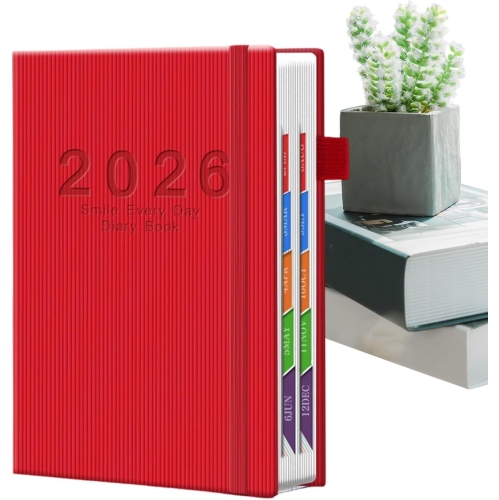
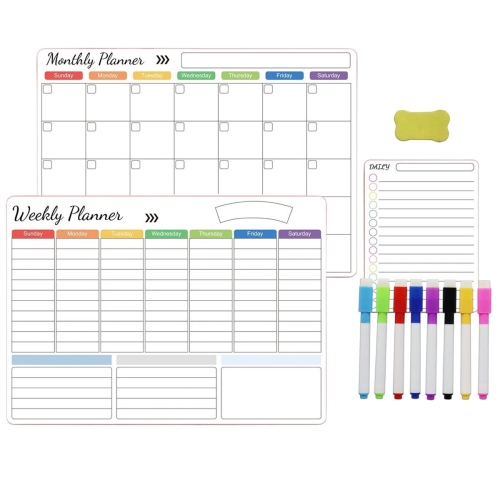
Flexible planning formats for tasks, routines, and changing schedules
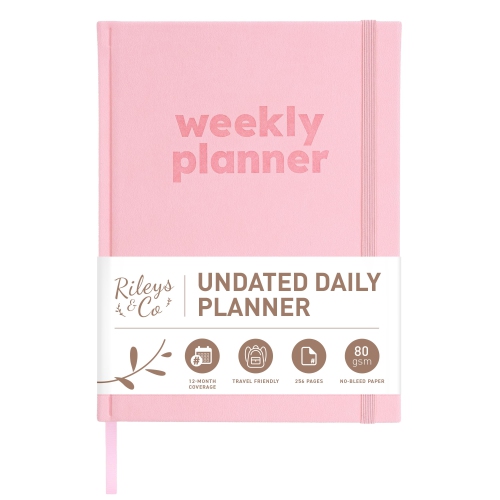
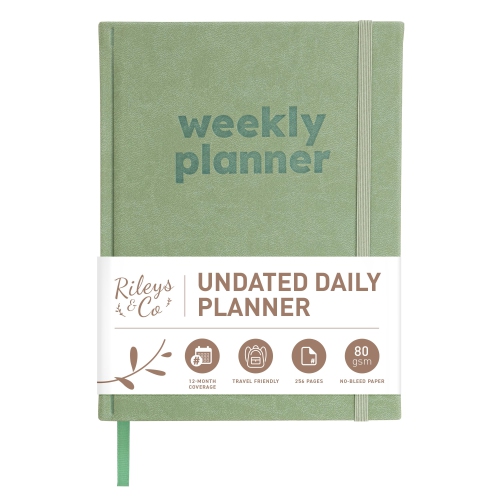
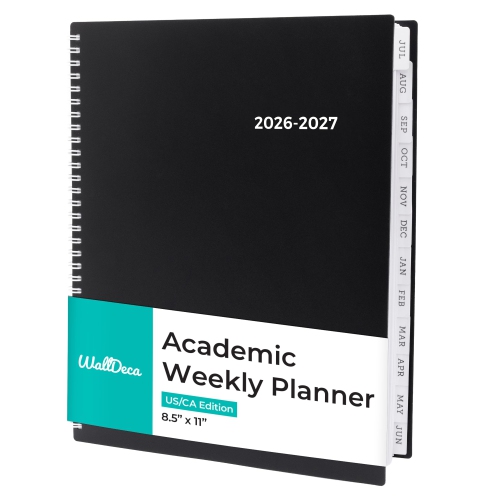
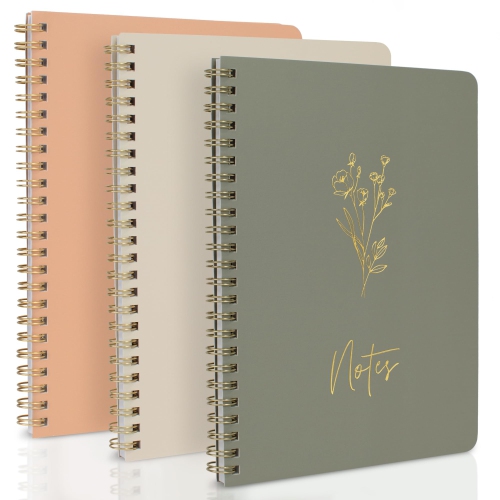
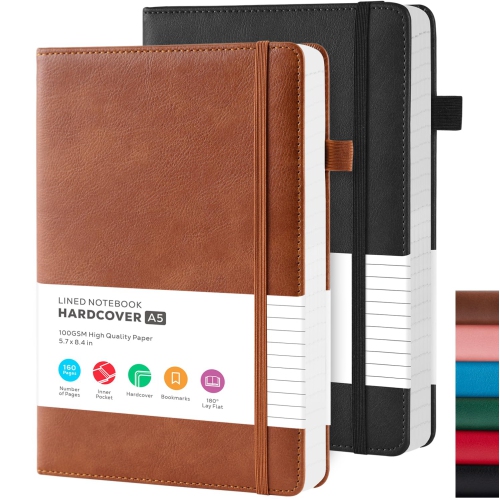
To do list planners bring structure to the small tasks that can otherwise crowd your thoughts from morning to evening. They give you a visible place to record errands, appointments, household jobs, schoolwork, work deadlines, and personal goals, making it easier to decide what deserves attention first. A simple list pad can be ideal for someone who likes to start each day with a clean page, while a bound planner may suit anyone who prefers to keep several weeks of plans, notes, and reminders together. Undated formats offer particular flexibility because they can be started at any point and paused during busy periods without leaving blank dated pages behind. This makes them useful for changing schedules, seasonal routines, freelance work, home projects, and anyone who prefers planning at their own pace. When choosing a to do list planner, consider how much detail you naturally record. A compact layout with space for a few priorities may be enough for quick daily planning, while a more generous page can accommodate time blocks, notes, shopping lists, habit tracking, and follow-up reminders. Look for clear headings, paper that feels comfortable with your preferred pen, a size that suits your desk or bag, and a binding that allows the pages to lie flat. If you already use a calendar for appointments, a task-focused planner can complement it by separating actions from fixed events. Browsing Daily Planners can also help you compare layouts and find a format that matches the way you organize your day.
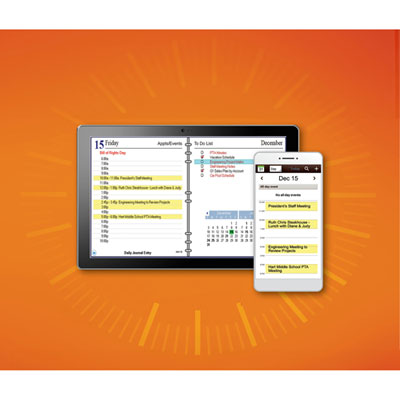
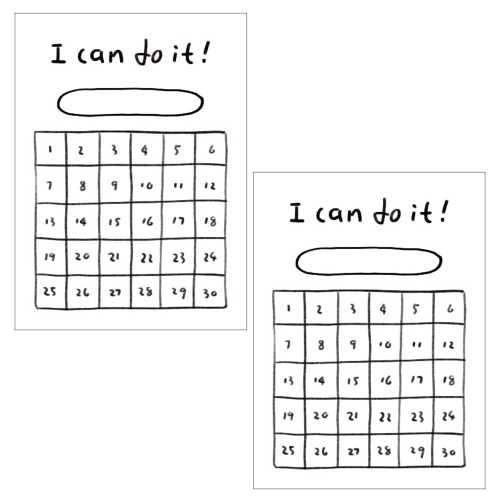
The most effective to do list planner is one that fits naturally into an existing routine. Some people write their priorities over coffee, before messages and notifications begin competing for attention. Others prefer an evening reset, jotting down unfinished tasks while the day is still fresh and choosing a manageable starting point for the morning. A useful layout may include a short section for the one to three tasks that matter most, followed by room for smaller actions that can be completed between appointments or household responsibilities. Time-blocking sections can help when the day has a firm shape, allowing tasks to be paired with realistic periods rather than left as an endless list. For example, a morning block might hold calls and correspondence, an afternoon block might be reserved for errands, and a later section might capture meal preparation or family activities. Flexible checkboxes, priority symbols, and notes areas are helpful for sorting tasks without rewriting the entire page when plans change. In a shared home, a larger reusable planning surface can make rotating chores, grocery needs, school reminders, and weekend plans easy for everyone to see. Digital planning options may appeal to people who move between a computer, phone, and tablet, particularly when they want searchable notes, recurring reminders, or the ability to rearrange tasks quickly. Handwritten planners, meanwhile, offer a quiet pause from screens and can make a long list feel more approachable when each item is broken into a clear next step. Whichever format you choose, leave room for the unexpected. A planner should support your day rather than turn every hour into a demand, and a short, completed list is often more useful than an ambitious page that feels impossible to finish.
To do list planners can be practical gifts for students, new homeowners, busy parents, colleagues, creative professionals, and anyone preparing for a change in routine. A student may use one to divide a large assignment into research, drafting, editing, and submission dates. Someone settling into a new home can keep track of service appointments, furniture measurements, unpacking jobs, and small repairs that are easy to forget among larger priorities. During the warmer seasons, a planner can hold travel preparations, outdoor maintenance, event planning, and errands that accumulate when routines become more active. As the weather cools, it can help organize indoor projects, study schedules, household tasks, and preparations for gatherings without relying on memory alone. For a thoughtful gift, consider the recipient’s planning style: a slim list pad works well for a person who enjoys quick notes and a fresh start each day, while an undated notebook may suit someone whose schedule changes often. A planner with generous writing space can be especially useful for people who like to record details, while a compact design is convenient for carrying between work, school, appointments, and home. Encourage practical habits rather than perfection. Writing down a task, estimating the effort involved, and marking it complete can create momentum even on a demanding day. Over time, these small actions can make priorities easier to see, reduce the mental clutter of remembering every obligation, and provide a satisfying record of progress. With the right balance of structure and flexibility, a to do list planner becomes a dependable place to gather plans, clear next steps, and the everyday details that keep life moving.
The most effective to do list planner is one that fits naturally into an existing routine. Some people write their priorities over coffee, before messages and notifications begin competing for attention. Others prefer an evening reset, jotting down unfinished tasks while the day is still fresh and choosing a manageable starting point for the morning. A useful layout may include a short section for the one to three tasks that matter most, followed by room for smaller actions that can be completed between appointments or household responsibilities. Time-blocking sections can help when the day has a firm shape, allowing tasks to be paired with realistic periods rather than left as an endless list. For example, a morning block might hold calls and correspondence, an afternoon block might be reserved for errands, and a later section might capture meal preparation or family activities. Flexible checkboxes, priority symbols, and notes areas are helpful for sorting tasks without rewriting the entire page when plans change. In a shared home, a larger reusable planning surface can make rotating chores, grocery needs, school reminders, and weekend plans easy for everyone to see. Digital planning options may appeal to people who move between a computer, phone, and tablet, particularly when they want searchable notes, recurring reminders, or the ability to rearrange tasks quickly. Handwritten planners, meanwhile, offer a quiet pause from screens and can make a long list feel more approachable when each item is broken into a clear next step. Whichever format you choose, leave room for the unexpected. A planner should support your day rather than turn every hour into a demand, and a short, completed list is often more useful than an ambitious page that feels impossible to finish.
To do list planners can be practical gifts for students, new homeowners, busy parents, colleagues, creative professionals, and anyone preparing for a change in routine. A student may use one to divide a large assignment into research, drafting, editing, and submission dates. Someone settling into a new home can keep track of service appointments, furniture measurements, unpacking jobs, and small repairs that are easy to forget among larger priorities. During the warmer seasons, a planner can hold travel preparations, outdoor maintenance, event planning, and errands that accumulate when routines become more active. As the weather cools, it can help organize indoor projects, study schedules, household tasks, and preparations for gatherings without relying on memory alone. For a thoughtful gift, consider the recipient’s planning style: a slim list pad works well for a person who enjoys quick notes and a fresh start each day, while an undated notebook may suit someone whose schedule changes often. A planner with generous writing space can be especially useful for people who like to record details, while a compact design is convenient for carrying between work, school, appointments, and home. Encourage practical habits rather than perfection. Writing down a task, estimating the effort involved, and marking it complete can create momentum even on a demanding day. Over time, these small actions can make priorities easier to see, reduce the mental clutter of remembering every obligation, and provide a satisfying record of progress. With the right balance of structure and flexibility, a to do list planner becomes a dependable place to gather plans, clear next steps, and the everyday details that keep life moving.
Top selling and popular products
-
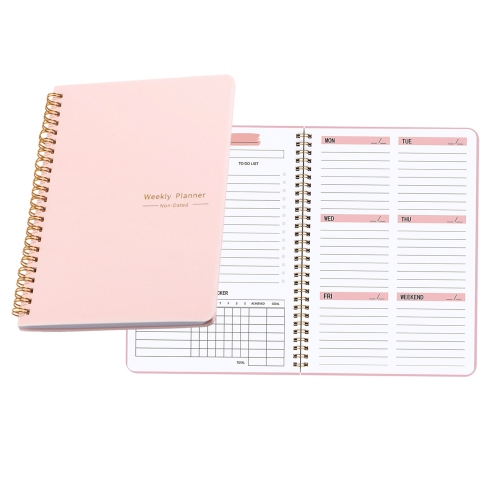 Your price for this item is $21.03
 -
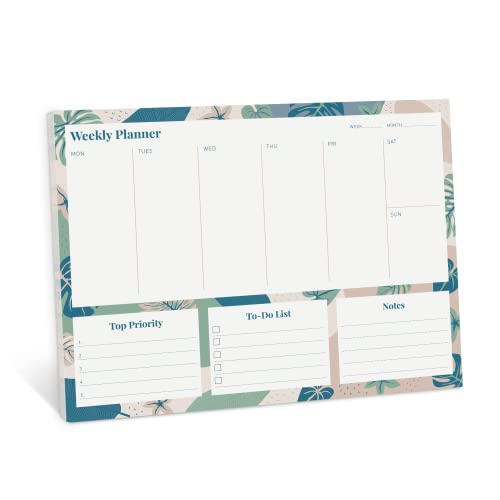 Your price for this item is $19.99
 -
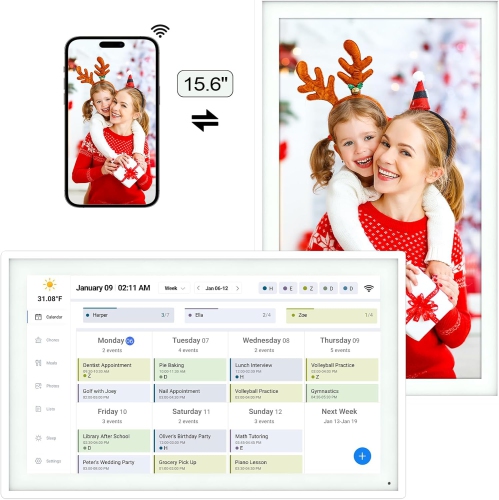 Your price for this item is $349.99
 -
 Your price for this item is $23.7
 -
 Your price for this item is $99.99
 -
 Your price for this item is $26.15
 -
 Your price for this item is $19.99
 -
 Your price for this item is $153.55
Discover more categories related to To Do List Planners
Top Collections:
Pokemon Centers, Kindle Devices, Best Budget Office Chairs, Apple iPhones 16, Best Laptops for Writers, iPhone 15 Apple, Canon G7X Cameras, Refurbished Apple Laptops, Alarm Clock, Motorola Razr Phones
Some products may be subject to Environmental Handling Fees
(EHF) depending on your province.
Learn more about EHFs.