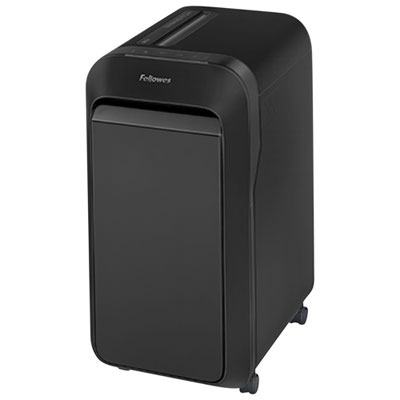
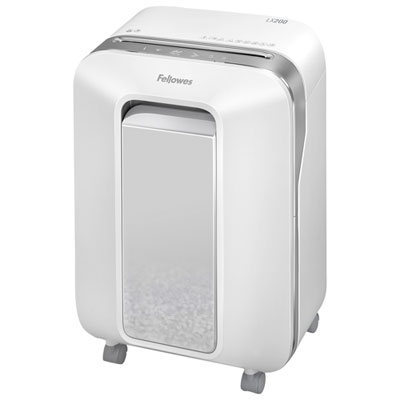
Back To School Compact Paper Shredders

Back-to-school compact paper shredders help you dispose of personal documents while keeping your study space tidy. Browse small paper shredders for dorm rooms, home offices, and shared study areas, and compare dimensions, sheet capacity, and cut type to find one that fits your space and paperwork needs.

Read More

Sort

Back To School Compact Paper Shredders
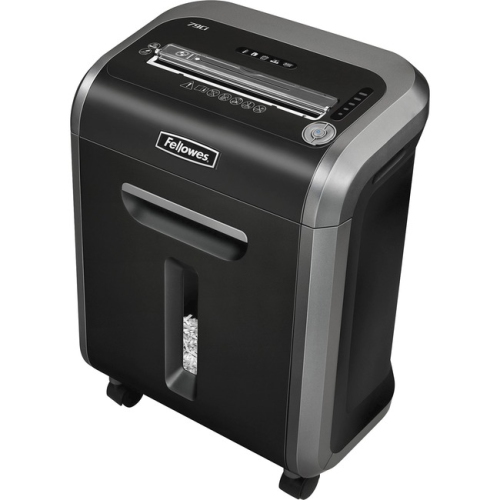
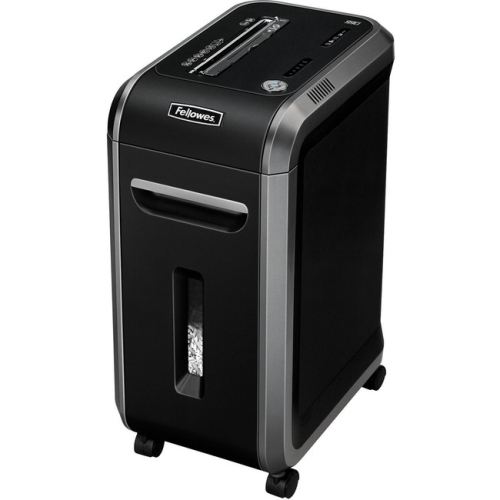
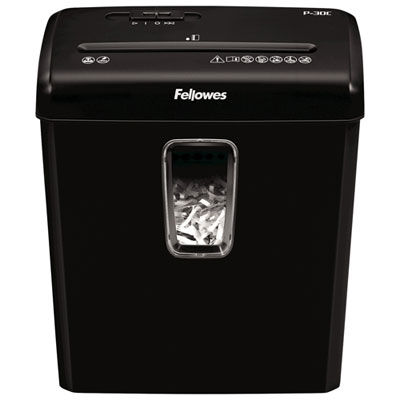
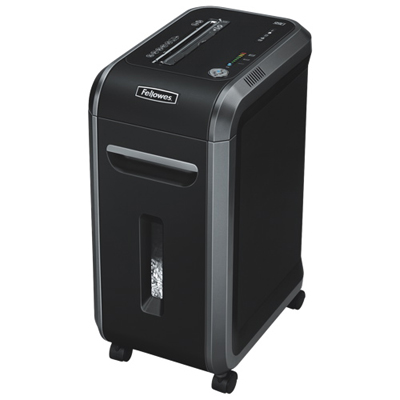
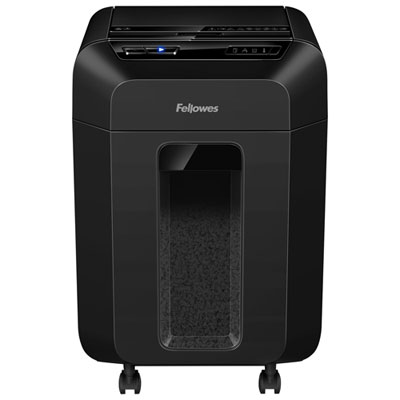
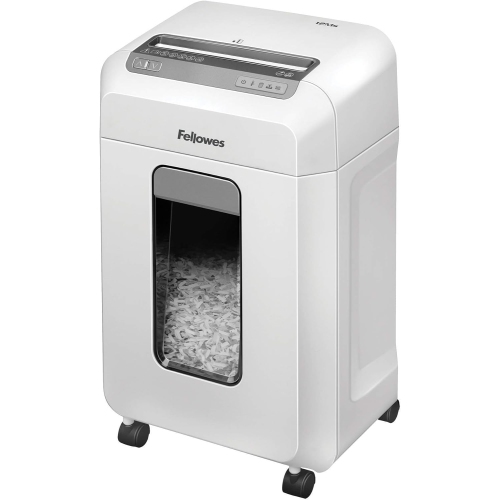
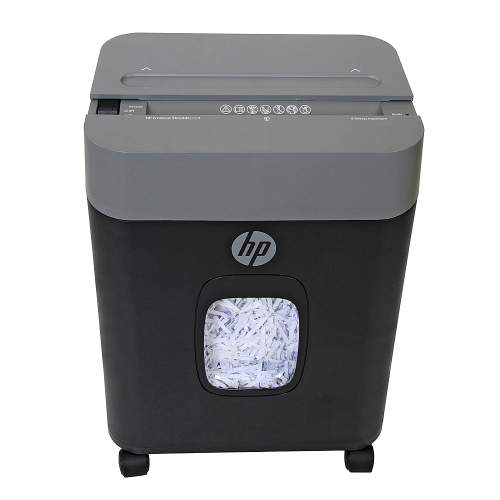
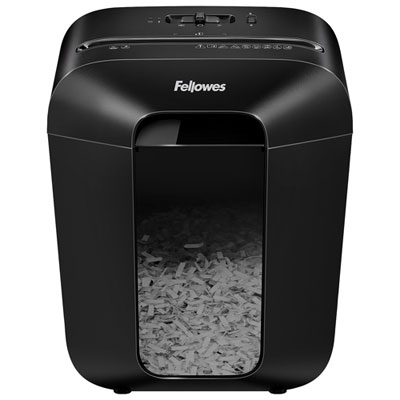
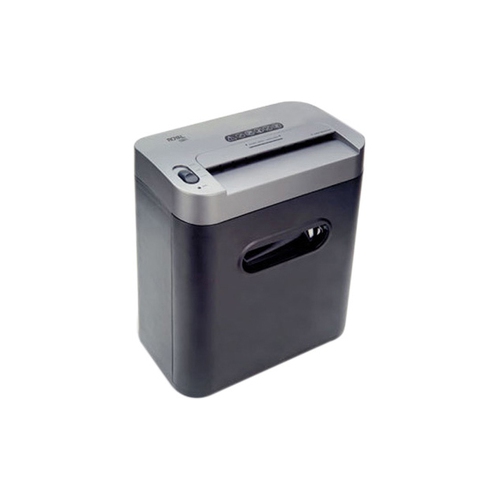
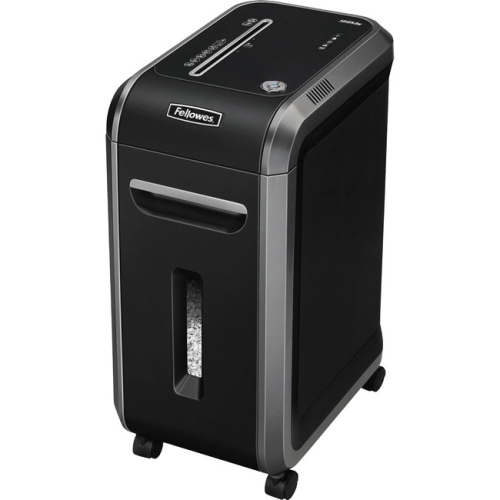
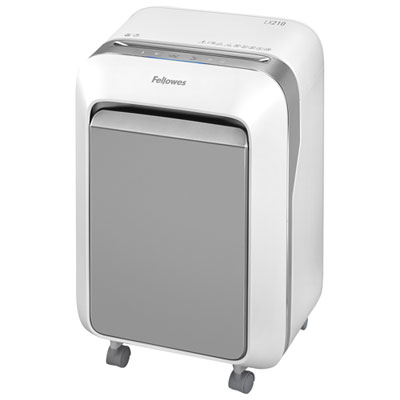
Back To School Compact Paper Shredders make it easier to keep personal paperwork under control when classes, assignments, and household routines pick up again. A small shredder can fit naturally into a student’s study area, a shared apartment, or a family workspace, offering a convenient way to dispose of papers that contain names, addresses, account details, or other private information. Think of the stack that builds beside a laptop over a busy term: outdated mailing labels, old bank statements, duplicate forms, and rough notes mixed in with documents that still need filing. Having a shredder close by makes sorting that pile less of a project, especially when floor space is already shared with a desk chair, backpack, and textbooks. These compact models are worth considering for post-secondary students moving into residence, parents managing school paperwork, and teachers handling documents in accordance with their school’s privacy policies. They can also be a practical back-to-school gift for someone setting up their first independent workspace, particularly when paired with a simple filing system for the records they need to keep.
Choosing a compact paper shredder starts with how much paper you expect to handle and the level of security you want. Strip-cut shredders turn sheets into long ribbons, while cross-cut and micro-cut designs produce smaller pieces that generally make the original information harder to reconstruct. For sensitive paperwork, check the model’s stated security rating rather than relying on its size or appearance. Sheet capacity matters, too: a machine intended for a few pages at a time suits occasional desk clearing, whereas frequent batches may call for a higher capacity and a longer continuous run time. The maximum sheet count is a limit, not a target to exceed, and folded pages or thicker paper can add to the load. Pay attention to the required cool-down period, since many compact shredders need a rest between sessions. A reverse function can help with minor jams, while automatic start and stop can make everyday use more straightforward. If your paperwork often includes staples, confirm that the shredder explicitly accepts them; the same applies to paper clips, cards, and any materials other than ordinary paper. A smaller footprint should not mean overlooking the operating details that determine how comfortably a shredder fits your routine.

The best fit for a small study space also depends on details you notice only after the desk is in use. Measure the available floor area and leave enough clearance to feed pages and empty the bin without moving furniture. A pull-out wastebasket may be easier to manage beneath a desk than a design with a lift-off shredding head, while a viewing window helps you spot a full bin before paper backs up near the cutters. Bin capacity is a useful counterbalance to overall size: a very small unit saves room but may need emptying more often. In a shared home or residence room, consider noise alongside capacity, particularly if someone nearby studies or sleeps on a different schedule. Follow the manufacturer’s placement and maintenance instructions, keep the feed opening away from children and pets, and unplug the unit before any cleaning the instructions permit. Before shredding school, tax, or financial paperwork, check whether an original must be retained. With those everyday needs in mind, a compact shredder can become a useful part of a tidy workspace—a place where papers worth keeping have a home, and private documents that are no longer needed do not linger in an open wastebasket.

Read More

FAQ

Some products may be subject to Environmental Handling Fees (EHF) depending on your province. Learn more about EHFs.