Batteries for Camping
Planning a camping adventure? Ensure you’re powered up and ready to go with reliable batteries for camping. Whether you're illuminating your tent with lanterns, charging essential gadgets, or keeping your GPS running smoothly, having the right batteries is crucial for a seamless outdoor experience. Explore our diverse selection of batteries, designed to keep your gear functioning optimally throughout your trip. With options tailored for various devices and demands, you'll find everything you need to stay connected and prepared in the great outdoors. Dive into our collection and power up your next camping expedition with confidence!
Sort
Why campsite power depends on more than battery size
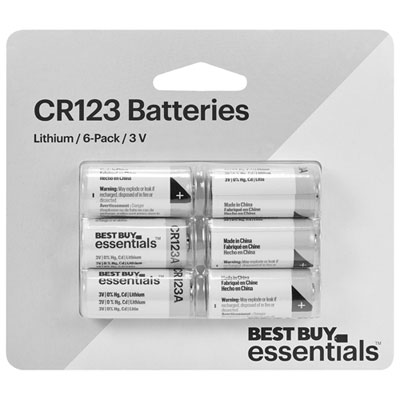
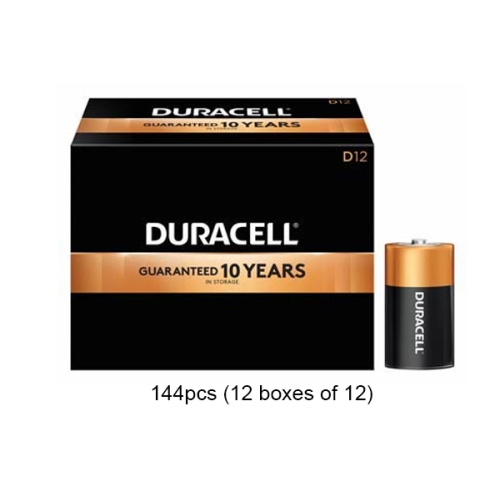
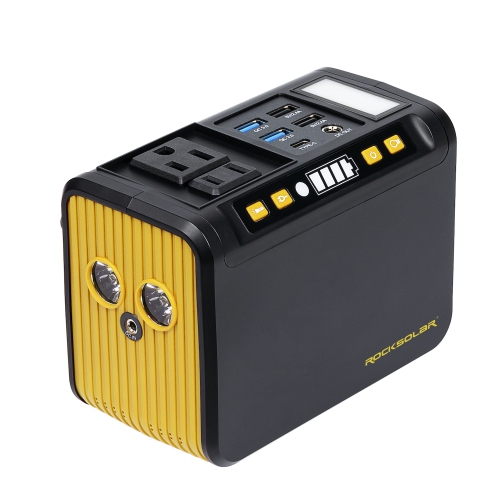
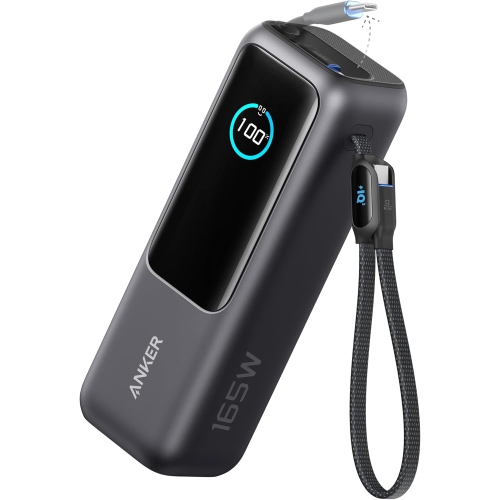
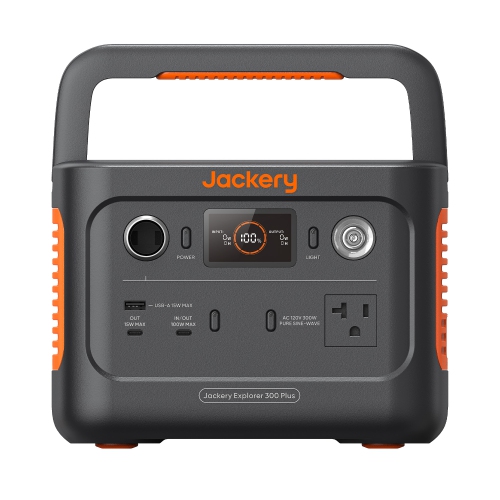
Batteries for camping provide stored electrical power for lighting, communication, navigation, photography, and other equipment used away from a wall outlet. The category spans replacement batteries for small devices, rechargeable power banks, portable power stations, and deep-cycle batteries for compatible camping or RV setups. Each serves a different purpose: a compact power bank can keep a phone charged on a walking trip, while a portable power station combines a larger battery with charging inputs and outputs for several devices. A standalone deep-cycle battery generally needs compatible charging equipment and may also require an inverter to supply household-style AC power. For a tent camper, useful power might mean a reading light beside a sleeping bag and enough phone charge to access downloaded maps. A family at a drive-in campsite may have additional needs, such as powering a portable fridge, charging camera batteries, or keeping several devices ready for the next day. These differences make intended use more important than size alone. Small rechargeable AA or AAA batteries remain practical for compatible headlamps and lanterns, provided the device supports their chemistry and voltage. USB power banks suit equipment that charges through USB, but they do not replace a power station when an appliance requires an AC outlet. Portable power stations can supply electricity without a running fuel engine, although cooling fans may still be audible. Their usefulness depends on both stored energy and supported output, not simply the number of sockets on the case. For broader campsite needs, Power Solutions for Camping brings the focus beyond batteries to related ways of supplying and managing power outdoors. Backpackers, paddlers, RV travellers, and occasional campground visitors may all use camping batteries, but the right balance of portability, capacity, and connections will look different for each setup.
Battery capacity is commonly expressed in watt-hours, written as Wh, while output power is expressed in watts, written as W. Watt-hours describe how much energy a battery stores; watts describe how quickly connected equipment uses that energy. A 300Wh battery powering a steady 30W load has a theoretical runtime of 10 hours, but actual runtime is shorter because of conversion losses, the unit’s own power use, and any reserve maintained by its battery management system. Appliances that cycle on and off, such as portable fridges, need an estimate of average energy use rather than a calculation based only on their maximum rated draw. Compact power stations below about 300Wh often suit modest phone, camera, and lighting needs, while units around 800Wh to 1,000Wh or more can support longer use or larger loads, depending on the equipment. These ranges are useful context, not guarantees of a particular runtime. Continuous output must also meet the combined demand of everything connected, and equipment with a motor may need additional starting power. A high-capacity battery with a low-output inverter cannot necessarily run a high-wattage appliance. Connection details matter just as much at the picnic table as they do on a specification sheet. USB-C Power Delivery can charge compatible electronics efficiently, but both the port and cable must support the required wattage. AC outlets, regulated DC outputs, and vehicle-style sockets serve different equipment, so matching the plug alone is not enough; voltage and current requirements must match as well. Power-bank capacity stated in milliamp-hours, or mAh, is less useful for comparing different battery systems unless the voltage is also known. For equipment such as a CPAP machine, compatibility should be confirmed with the device manufacturer, including the approved power connection and expected demand with any humidification features enabled. Essential equipment warrants a verified runtime plan and a suitable backup rather than reliance on a general capacity estimate.
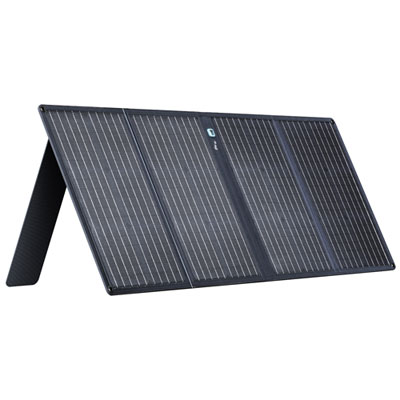
Materials, construction, and charging arrangements influence how a camping battery fits into daily use. Many compact power banks use lithium-ion cells to provide substantial energy in a relatively small package. Lithium iron phosphate, often labelled LiFePO4 or LFP, is a lithium-ion chemistry valued for its thermal stability and long cycle life, although usable lifespan still depends on cell quality, charging habits, and operating limits. Lead-acid deep-cycle batteries are another option for compatible installed systems, but their weight, ventilation requirements, and usable discharge limits differ from those of lithium batteries. Battery chemistry must match the charger and the electrical system; batteries with similar-looking terminals are not automatically interchangeable. Protective housings, recessed connections, secure terminal covers, and sturdy handles can make equipment easier to pack and carry between a vehicle and campsite. A moulded plastic or metal case does not by itself establish water resistance, so any stated protection rating deserves attention before outdoor use. Keeping connections dry, protecting ports from dirt, and placing the unit on a stable surface help preserve its condition. During charging and operation, ventilation openings need to remain clear, and the manufacturer’s placement instructions take priority over the convenience of tucking a battery into bedding or a closed storage bin. Recharging options also shape how practical a battery is over several nights away. Wall charging is convenient before departure, vehicle charging may replenish power during a drive, and compatible portable solar panels can provide another charging input where sunlight and placement allow. Panel voltage, connector type, and the power station’s input limits must align; charging speed varies with the source and conditions. Loose batteries should travel in a protective case with terminals kept away from keys, coins, and other metal objects. Damaged, leaking, or swollen batteries should not be used. For storage between trips, the manufacturer’s charge-level and inspection guidance helps maintain dependable performance. As a gift for someone who camps, a battery is most useful when its connections, weight, and charging method suit the equipment they already take along.
Battery capacity is commonly expressed in watt-hours, written as Wh, while output power is expressed in watts, written as W. Watt-hours describe how much energy a battery stores; watts describe how quickly connected equipment uses that energy. A 300Wh battery powering a steady 30W load has a theoretical runtime of 10 hours, but actual runtime is shorter because of conversion losses, the unit’s own power use, and any reserve maintained by its battery management system. Appliances that cycle on and off, such as portable fridges, need an estimate of average energy use rather than a calculation based only on their maximum rated draw. Compact power stations below about 300Wh often suit modest phone, camera, and lighting needs, while units around 800Wh to 1,000Wh or more can support longer use or larger loads, depending on the equipment. These ranges are useful context, not guarantees of a particular runtime. Continuous output must also meet the combined demand of everything connected, and equipment with a motor may need additional starting power. A high-capacity battery with a low-output inverter cannot necessarily run a high-wattage appliance. Connection details matter just as much at the picnic table as they do on a specification sheet. USB-C Power Delivery can charge compatible electronics efficiently, but both the port and cable must support the required wattage. AC outlets, regulated DC outputs, and vehicle-style sockets serve different equipment, so matching the plug alone is not enough; voltage and current requirements must match as well. Power-bank capacity stated in milliamp-hours, or mAh, is less useful for comparing different battery systems unless the voltage is also known. For equipment such as a CPAP machine, compatibility should be confirmed with the device manufacturer, including the approved power connection and expected demand with any humidification features enabled. Essential equipment warrants a verified runtime plan and a suitable backup rather than reliance on a general capacity estimate.
Materials, construction, and charging arrangements influence how a camping battery fits into daily use. Many compact power banks use lithium-ion cells to provide substantial energy in a relatively small package. Lithium iron phosphate, often labelled LiFePO4 or LFP, is a lithium-ion chemistry valued for its thermal stability and long cycle life, although usable lifespan still depends on cell quality, charging habits, and operating limits. Lead-acid deep-cycle batteries are another option for compatible installed systems, but their weight, ventilation requirements, and usable discharge limits differ from those of lithium batteries. Battery chemistry must match the charger and the electrical system; batteries with similar-looking terminals are not automatically interchangeable. Protective housings, recessed connections, secure terminal covers, and sturdy handles can make equipment easier to pack and carry between a vehicle and campsite. A moulded plastic or metal case does not by itself establish water resistance, so any stated protection rating deserves attention before outdoor use. Keeping connections dry, protecting ports from dirt, and placing the unit on a stable surface help preserve its condition. During charging and operation, ventilation openings need to remain clear, and the manufacturer’s placement instructions take priority over the convenience of tucking a battery into bedding or a closed storage bin. Recharging options also shape how practical a battery is over several nights away. Wall charging is convenient before departure, vehicle charging may replenish power during a drive, and compatible portable solar panels can provide another charging input where sunlight and placement allow. Panel voltage, connector type, and the power station’s input limits must align; charging speed varies with the source and conditions. Loose batteries should travel in a protective case with terminals kept away from keys, coins, and other metal objects. Damaged, leaking, or swollen batteries should not be used. For storage between trips, the manufacturer’s charge-level and inspection guidance helps maintain dependable performance. As a gift for someone who camps, a battery is most useful when its connections, weight, and charging method suit the equipment they already take along.
Top selling and popular products
-
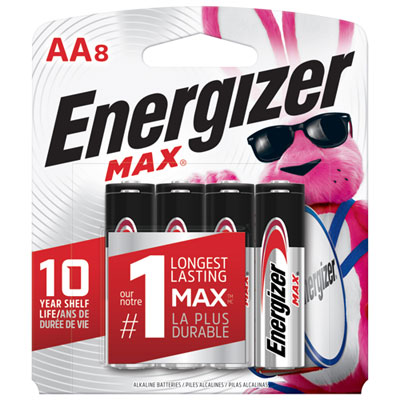 Your price for this item is $11.99
 -
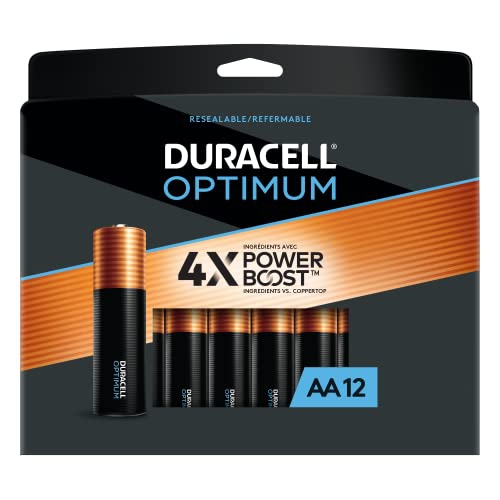 Your price for this item is $57.97
 -
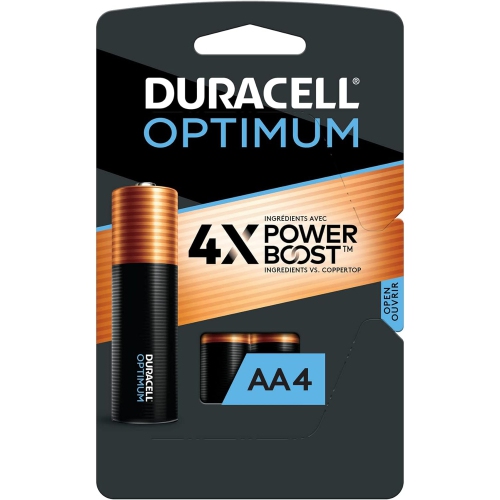 Your price for this item is $19.97
 -
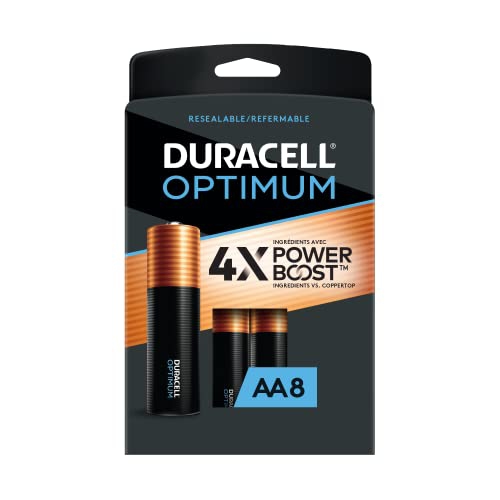 Your price for this item is $38.97
 -
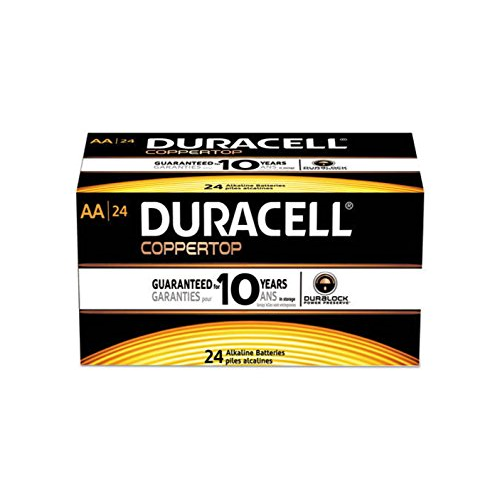 Your price for this item is $38.97
 -
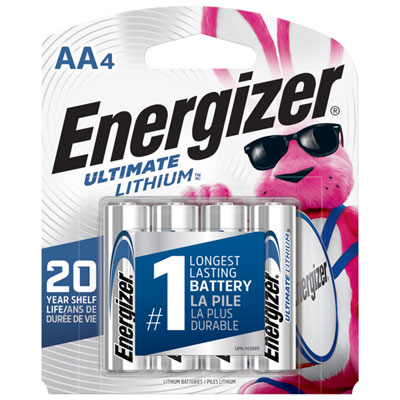 Your price for this item is $17.99
 -
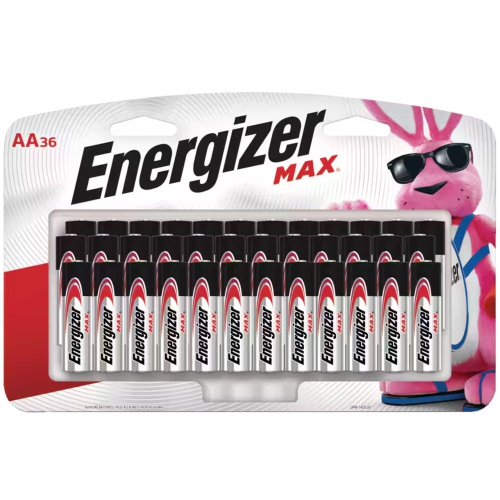 Your price for this item is $19.99
 -
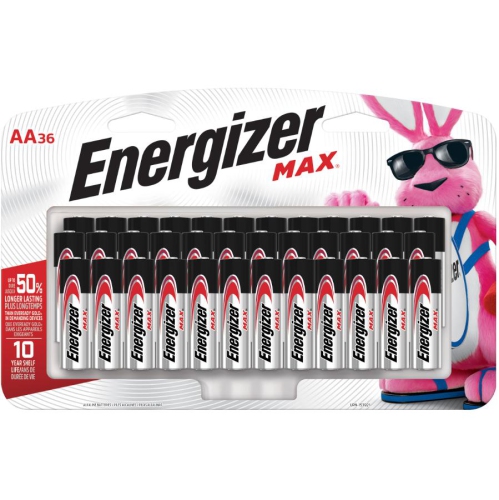 Your price for this item is $27.99
Discover more categories related to Batteries for Camping
Top Collections:
Pokemon Centers, Kindle Devices, Best Budget Office Chairs, Apple iPhones 16, Best Laptops for Writers, iPhone 15 Apple, Canon G7X Cameras, Refurbished Apple Laptops, Alarm Clock, Motorola Razr Phones
Some products may be subject to Environmental Handling Fees
(EHF) depending on your province.
Learn more about EHFs.