Batteries for Home Security Systems
Power your peace of mind with batteries for home security systems, ensuring your devices are always ready to protect what matters most. Whether you’re maintaining sensors, cameras, or control panels, reliable batteries help keep your home security system operating smoothly. Explore a wide selection designed to meet the needs of various home security setups, so you can stay confident in the safety and security of your space.
Sort
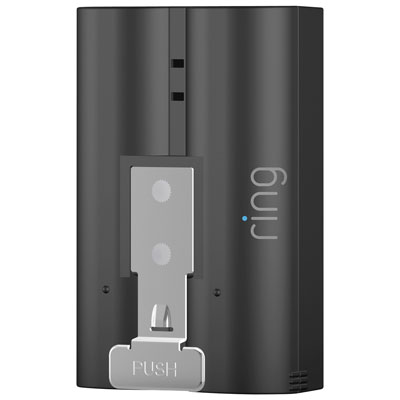
Exact specifications help maintain backup power during outages
Batteries for home security systems help keep alarms, monitoring equipment, and other essential components operating when the power goes out. Many wired security alarm panels use a rechargeable 12-volt Sealed Lead-Acid (SLA) backup battery, commonly rated at 4Ah, 5Ah, 7Ah, or 8Ah. This battery is typically installed inside the main control box, which may be mounted in a utility room, basement, closet, garage, or another discreet area. Under normal conditions, the alarm panel keeps the backup battery charged. During a power interruption, the battery provides temporary power so the system can continue communicating, sounding an alarm, or monitoring connected sensors. This extra protection can be especially reassuring during storms, electrical maintenance, or the cooler months, when heating equipment and other household systems may place additional demands on the electrical supply. When choosing a replacement, begin by opening the control panel only if it is safe and permitted to do so, then read the information printed on the existing battery. The label should identify the voltage and amp-hour capacity, such as 12V 4Ah or 12V 7Ah. Match the voltage exactly and choose the same capacity unless the security system manufacturer specifies another option. A battery with a different connector, size, terminal arrangement, or chemistry may not fit correctly or operate as intended. Taking a quick photo of the label and the terminal connections before removing the old battery can make shopping and installation much easier, particularly when the control box is tucked behind shelving or in a dim utility space.
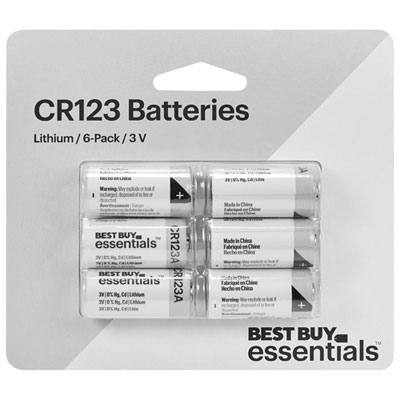
Compatibility is the most important consideration when shopping for batteries for home security systems. In addition to voltage and amp-hour rating, check the physical dimensions, terminal type, connector style, polarity, and charging requirements. SLA batteries are sealed and designed for standby use, but they are not interchangeable with every other type of rechargeable battery. The control panel’s charging circuit is designed for a particular battery chemistry, so the replacement should be approved for the alarm system or match the specifications listed in its manual. Some newer systems and specialised devices may use other battery technologies, including lithium options. If your system calls for that type, explore Lithium Batteries for Alarm Systems and confirm the required voltage, capacity, connector, and charging method before making a purchase. It is also useful to determine whether the battery is intended for a complete alarm panel or for an individual component such as a wireless door contact, motion sensor, glass-break sensor, keypad, siren, camera, or smart hub. These accessories may use different battery sizes and may require disposable or rechargeable cells rather than a 12-volt backup battery. Product listings can include several similar-looking options, so comparing the printed information on the existing battery with the listing details helps prevent an incorrect order. Consider the age and condition of the entire security system as well. A battery that has been in service for several years may lose its ability to hold a charge, show a low-battery warning, or provide much less backup time than it once did. Signs such as repeated trouble alerts, chirping from the panel, a warning indicator, or a system that shuts down soon after a power interruption can point to a battery that needs attention. Batteries should be handled carefully, kept away from children, and installed according to the system instructions. If the panel is connected to professional monitoring, follow the recommended procedure for placing the system in test mode before disconnecting its backup battery, since opening the enclosure or removing power can trigger an alarm notification.
A reliable replacement battery is useful for homeowners, renters with professionally installed systems, landlords, property managers, and anyone responsible for a cottage, workshop, small business, or other monitored space. It can also be a practical gift for a new homeowner who is learning the location and maintenance needs of an alarm panel, or for a family member who wants to prepare a home before extended travel. The best choice depends less on appearance than on an exact match with the equipment already in place. Before installing a new battery, note the old battery’s voltage and Ah rating, inspect the connector, measure the available space, and confirm that the replacement is intended for standby security use. After installation, allow the system to charge for the period recommended in the manual, then check for warning messages and test the alarm according to the manufacturer’s instructions. A short test can reveal a loose terminal, an incorrect connection, or a battery that the panel does not recognise. It is worth keeping the control panel manual, installation notes, and battery details in the same drawer or digital folder, especially if the system was installed before moving into the home. During a power outage, the backup battery may support the alarm for a limited time rather than indefinitely, and the actual runtime depends on the panel, connected devices, battery capacity, battery age, and whether the siren or communication module is active. Wireless accessories may also require their own batteries, so a functioning panel does not necessarily mean every part of the system has fresh power. Replacing batteries before the old ones fail completely helps maintain dependable coverage and avoids discovering a low-battery alert when the household is away. With the correct specifications, secure connections, and regular testing, batteries for home security systems provide an important layer of continuity between the electrical grid and the equipment that helps monitor doors, windows, motion, smoke, and other activity around the home.
Top selling and popular products
-
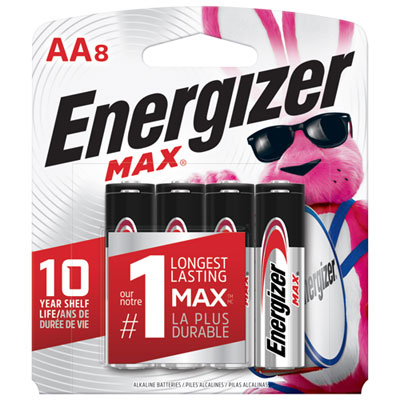 Your price for this item is $11.99
-
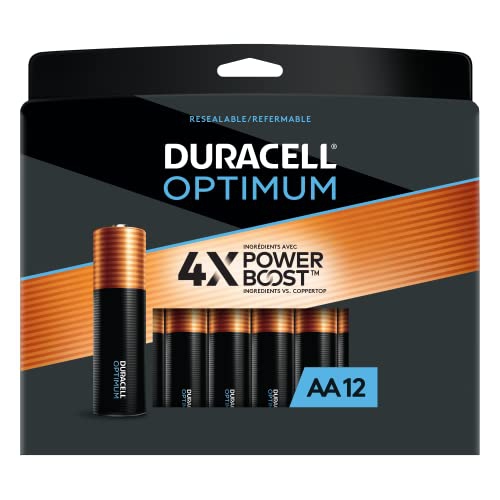 Your price for this item is $57.97
-
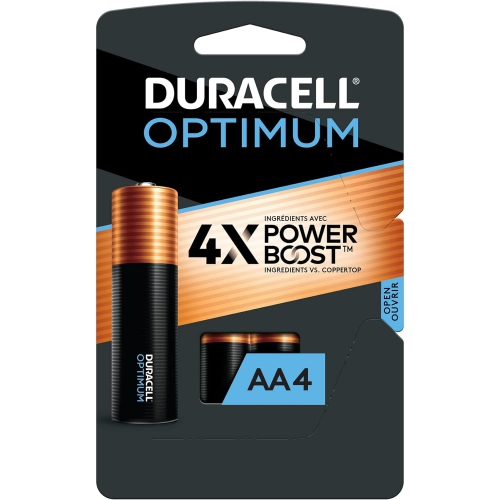 Your price for this item is $19.97
-
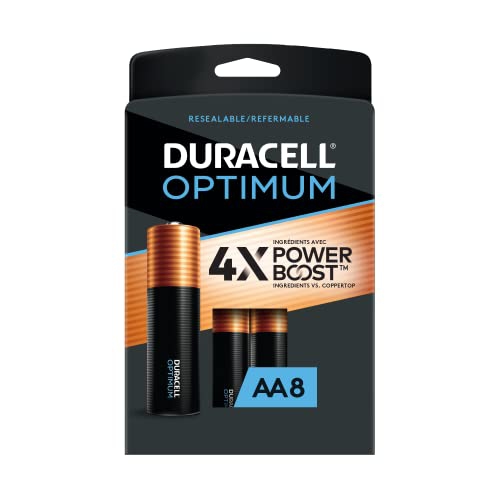 Your price for this item is $38.97
-
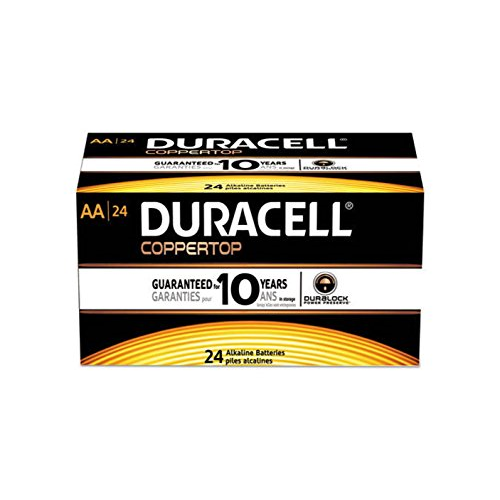 Your price for this item is $38.97
-
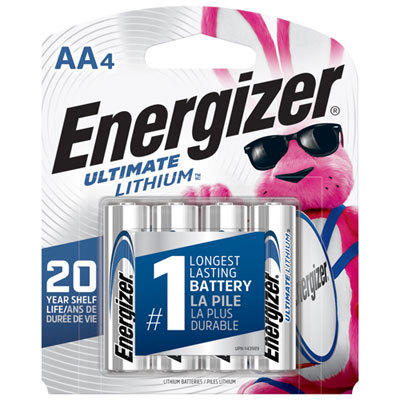 Your price for this item is $17.99
-
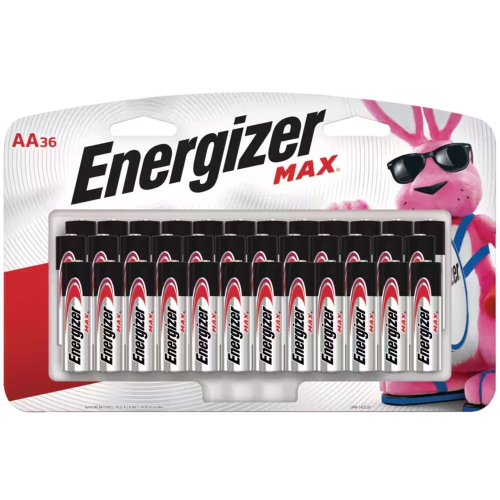 Your price for this item is $19.99
-
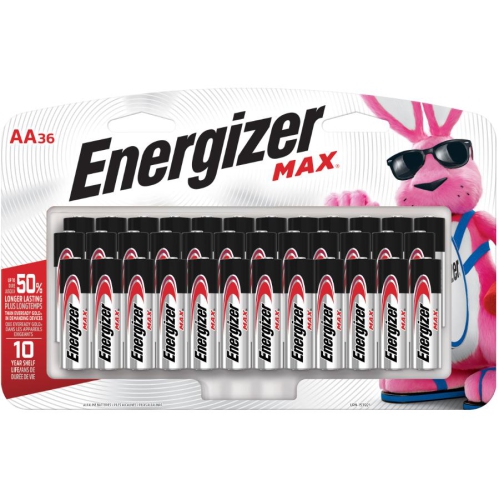 Your price for this item is $27.99
Discover more categories related to Batteries for Home Security Systems
Top Collections:
Pokemon Centers, Best Budget Office Chairs, Kindle Devices, Best Laptops for Writers, Apple iPhones 16, Canon G7X Cameras, Best Cell Phones Under $300, Samsung Galaxy Phones, iPhone 15 Apple, Flip Phones
Some products may be subject to Environmental Handling Fees
(EHF) depending on your province.
Learn more about EHFs.