Batteries for Security Cameras
Batteries For Security Cameras are essential for keeping your home or business surveillance systems operating smoothly and reliably. Whether you need replacements or spares, the right batteries help ensure your security cameras remain powered and ready to capture important moments. Explore a range of options designed to fit various models and keep your monitoring system running efficiently, so you can enjoy greater peace of mind around the clock.
Sort
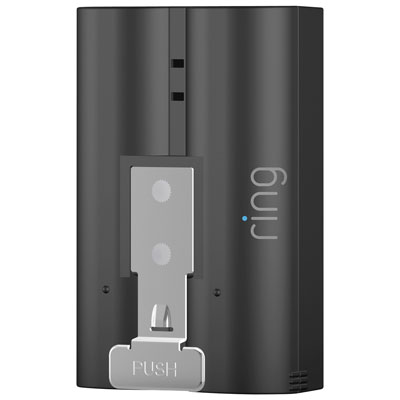
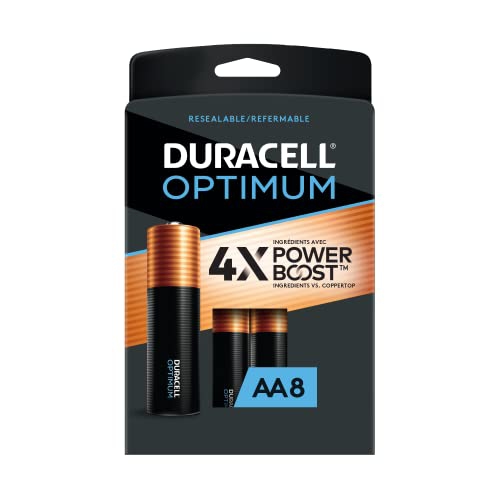
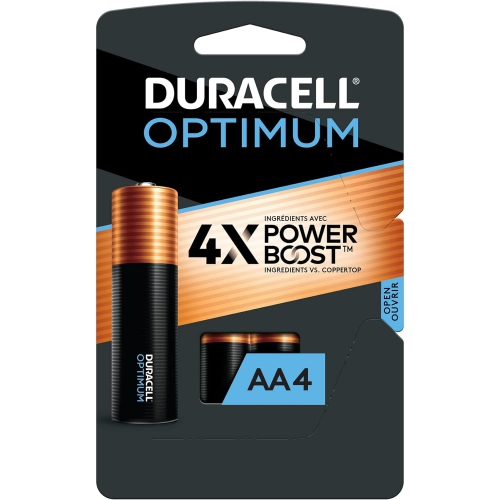
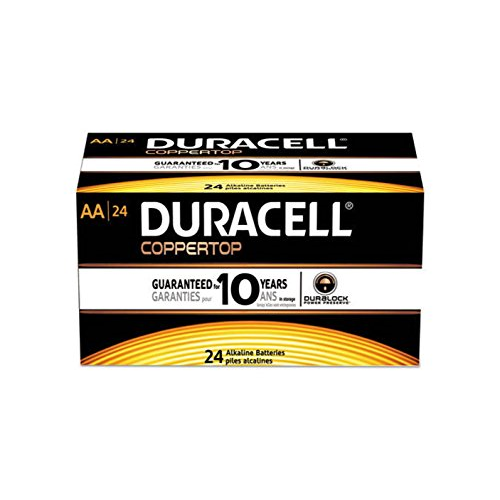
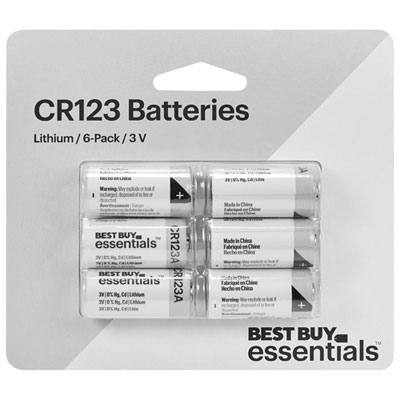


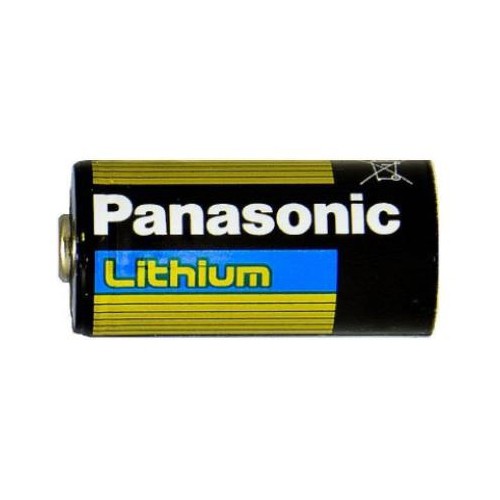


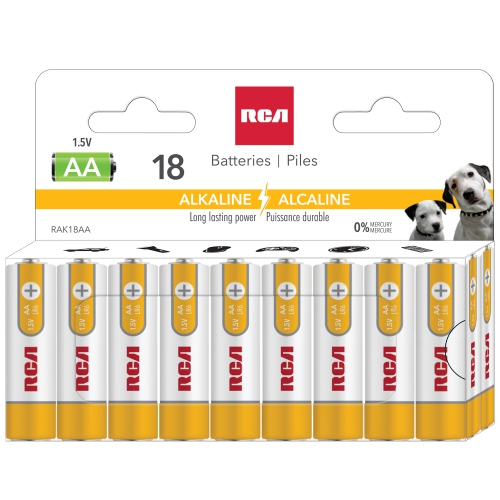
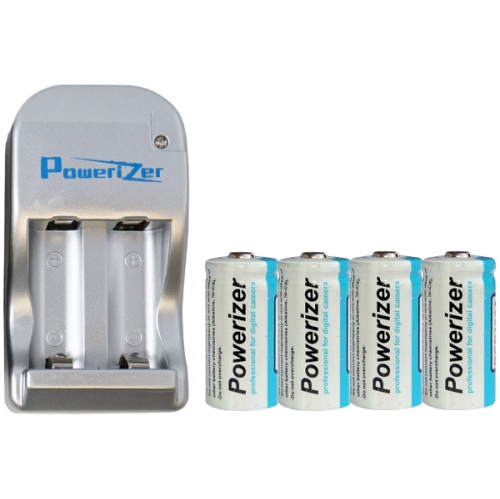


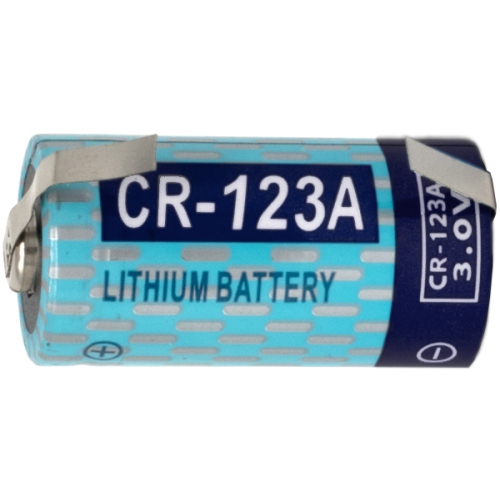

Power options for flexible, reliable camera placement
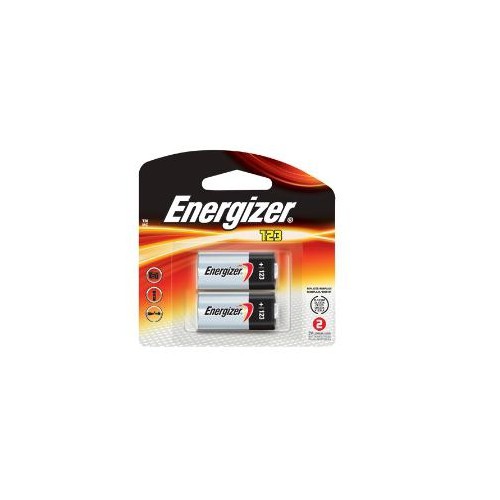
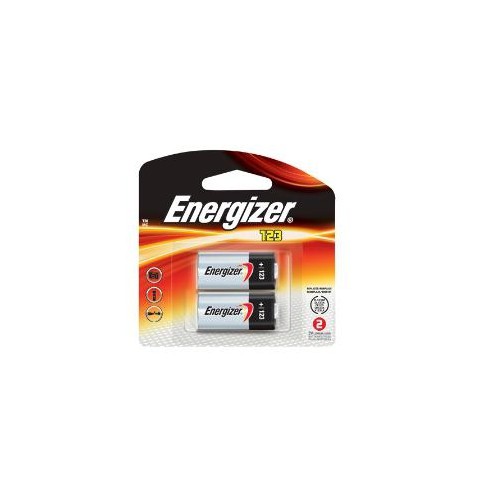
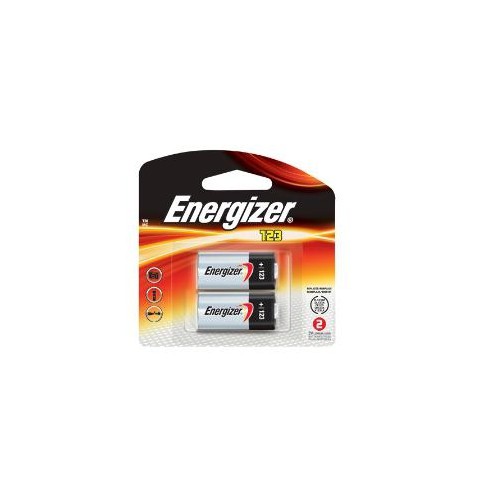
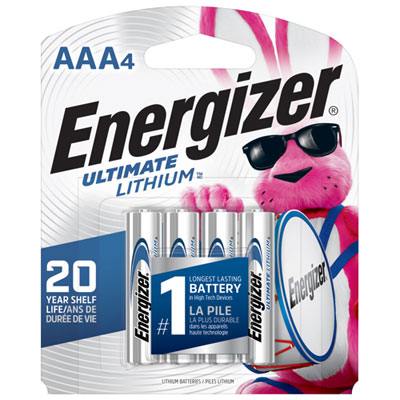
Batteries for security cameras make it easier to place a camera where running a power cable would be inconvenient, impractical, or impossible. They are useful for monitoring entryways, garages, sheds, driveways, balconies, cottages, and other areas where a clear view matters more than proximity to an electrical outlet. A battery-powered camera can often be installed with fewer wiring requirements, allowing you to adjust its position as your coverage needs change. Before choosing replacement batteries or an additional battery pack, check the camera’s user manual or product specifications for the required battery type, voltage, size, and compatibility. Some cameras use standard AA or lithium batteries, while others rely on a manufacturer-specific rechargeable pack that slides into the camera housing. Using the wrong battery can affect recording performance, charging, safety, or the camera’s warranty, so matching the power source to the exact camera model is an essential first step. It is also worth checking whether the camera uses one battery, several batteries, or a removable pack, and whether the package includes a charger or charging cable. If you are preparing a camera for a move, renovation, new rental property, or seasonal residence, having the correct replacement batteries on hand can help prevent gaps in monitoring while you wait for a new order or recharge a depleted pack.
Battery choice can influence how often a camera needs attention. Standard disposable batteries may be convenient for occasional use, backup power, or cameras placed in locations that are difficult to reach, while rechargeable options can be practical for cameras that send frequent motion notifications or record regularly. When comparing batteries, look beyond the capacity number alone. Camera settings, motion activity, live viewing, night vision, two-way audio, spotlight use, Wi-Fi signal strength, and local temperatures can all affect runtime. A camera facing a busy sidewalk may wake dozens of times a day, while one pointed at a quiet backyard may remain in standby for much longer. During the cooler months, outdoor batteries can lose capacity more quickly, especially when a camera is mounted in an exposed location. A sheltered position, a fully charged spare, and a routine check of the battery level can help keep the camera ready when it is needed. For rechargeable systems, consider how easily the pack can be removed, how long it takes to charge, and whether charging can be done indoors without taking down the camera. If your camera accepts interchangeable cells, explore Rechargeable Batteries for Cameras to compare compatible power options. Some security cameras can also connect to an optional solar charging accessory that provides a trickle charge, but the battery still needs to be suitable for the camera and the placement must receive adequate daylight.
The best battery setup depends on who uses the camera, where it is installed, and how often it is accessed. Homeowners may want dependable power for a front-door camera, while renters can appreciate a wire-free installation that does not require changes to the property. Small businesses, contractors, and property managers may keep spare batteries available for cameras at entrances, storage areas, construction sites, or vacant units. A cottage owner might choose a high-capacity rechargeable pack for a camera watching a gate or dock, particularly where visits are spread out and regular maintenance takes planning. Batteries can also be a useful gift for someone who has recently installed a security camera, moved into a new home, or added outdoor monitoring before the weather changes. For remote locations without reliable Wi-Fi, remember that battery life is only one part of the setup: some cameras depend on a strong wireless connection, while others use cellular service and may require a data plan. Storage is another consideration, since certain cameras save clips to a cloud service, local memory card, or compatible home hub. Frequent live viewing and high-resolution recording may use more power than motion-triggered recording, so reviewing detection zones and notification settings can extend the time between charges. Keep batteries in a dry, temperature-appropriate place, inspect them for swelling or damage, and follow the charging and storage directions provided with the camera. With the right battery type and a simple replacement or charging routine, a security camera can remain ready to capture activity around the home, workplace, or seasonal property through changing weather and everyday use.
Top selling and popular products
-
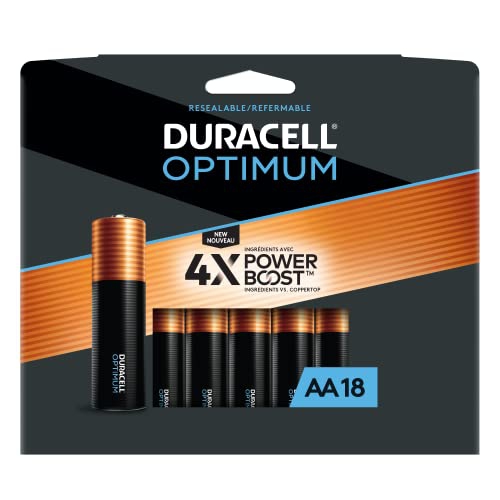 Your price for this item is $72.97
-
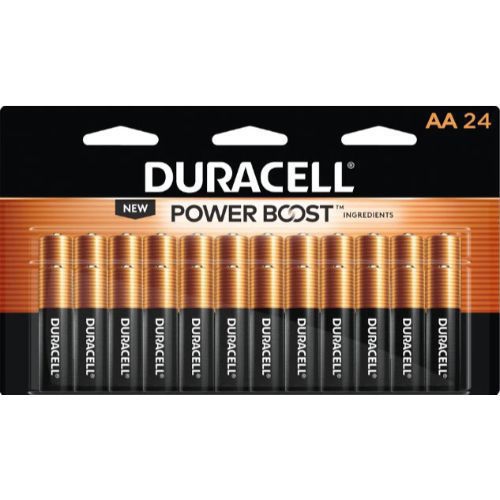 Your price for this item is $24.99
-
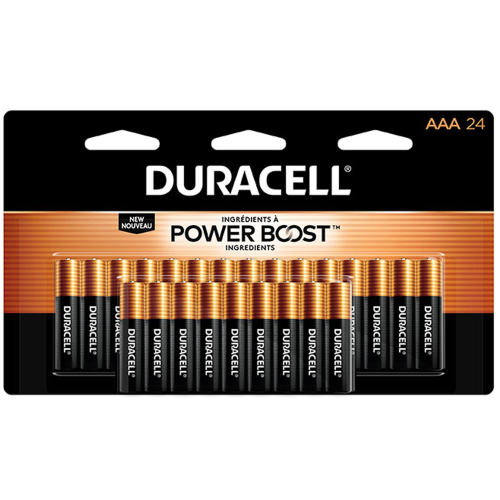 Your price for this item is $26.74
-
 Your price for this item is $22.97
-
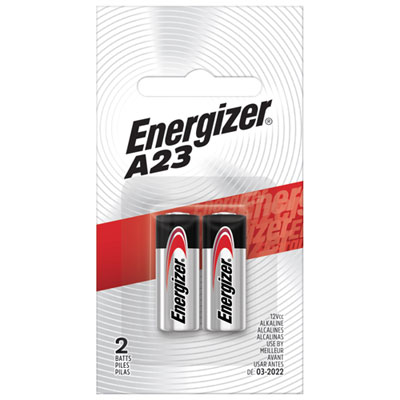 Your price for this item is $11.99
-
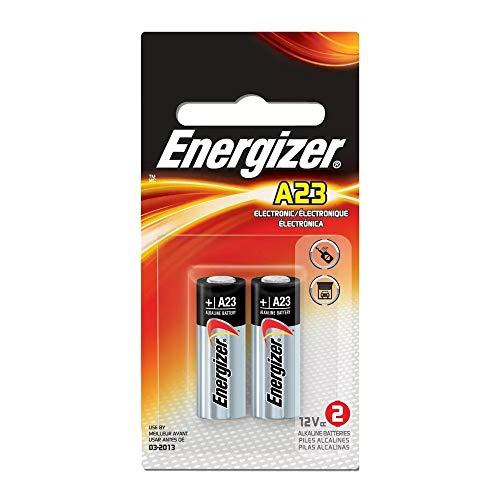 Your price for this item is $6.99
-
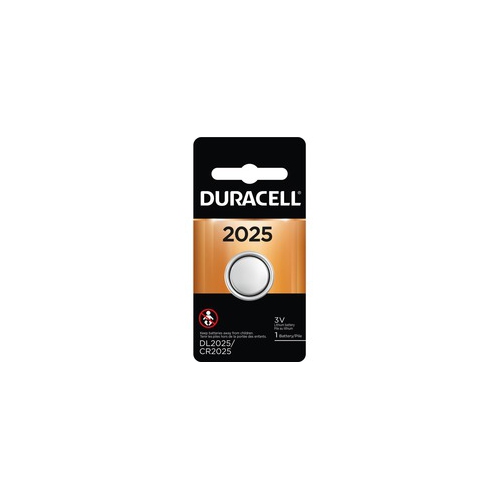 Your price for this item is $4.89
-
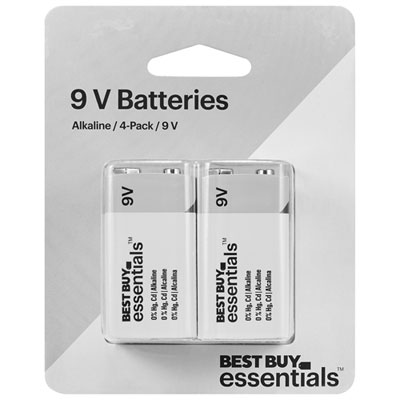 Your price for this item is $13.99
Discover more categories related to Batteries for Security Cameras
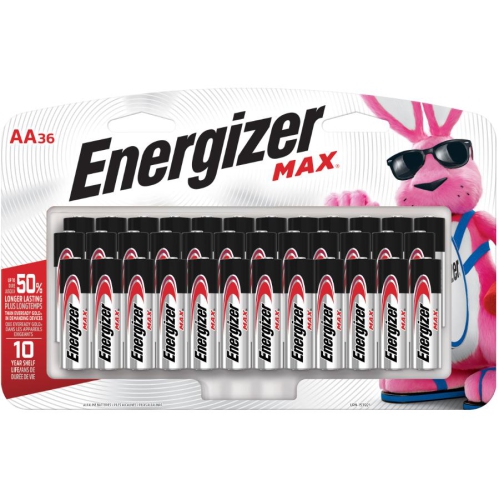
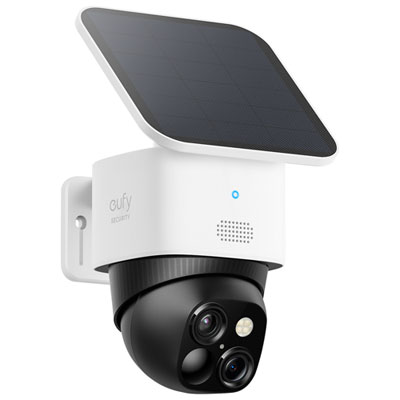

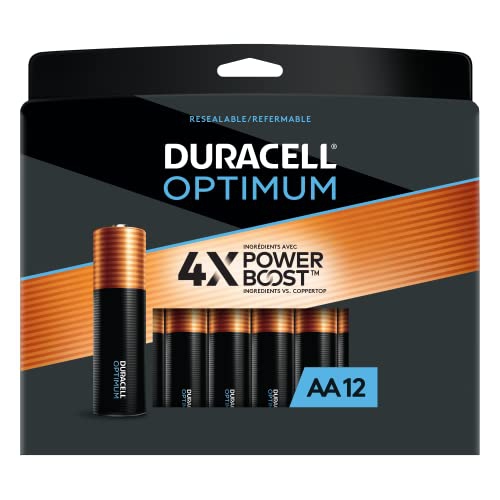
Top Collections:
Pokemon Centers, Best Budget Office Chairs, Kindle Devices, Best Laptops for Writers, Apple iPhones 16, Canon G7X Cameras, Best Cell Phones Under $300, Samsung Galaxy Phones, iPhone 15 Apple, Flip Phones
Some products may be subject to Environmental Handling Fees
(EHF) depending on your province.
Learn more about EHFs.