Black Binder Clips
Organize your documents with ease using black binder clips, a versatile and essential office accessory. These sleek and functional clips are perfect for securing papers together, creating neat bundles, and keeping your workspace tidy. Whether you're at home, in the office, or at school, black binder clips offer a simple yet effective solution for all your paper organization needs. Add a touch of professionalism to your paperwork while staying organized with these reliable black binder clips.
Sort
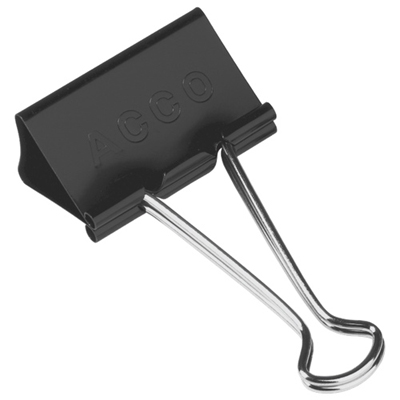
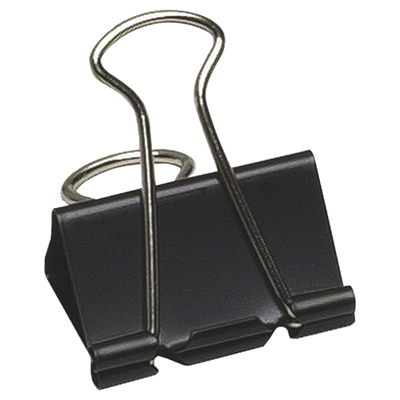
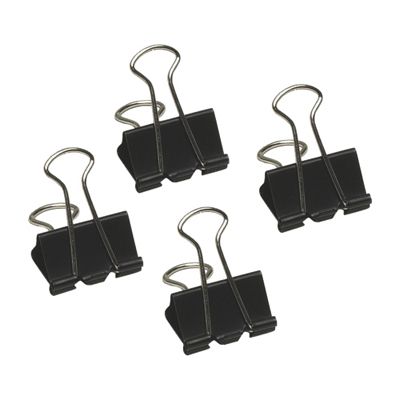
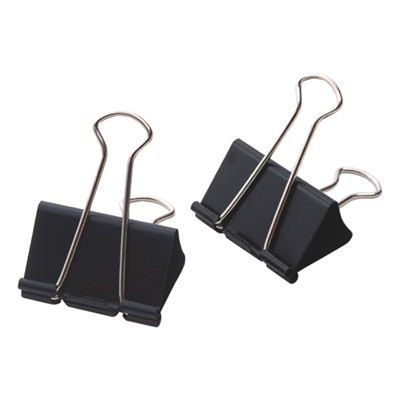
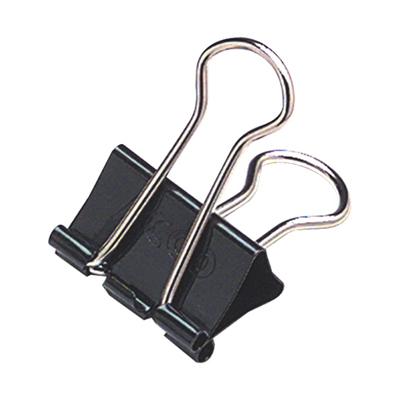
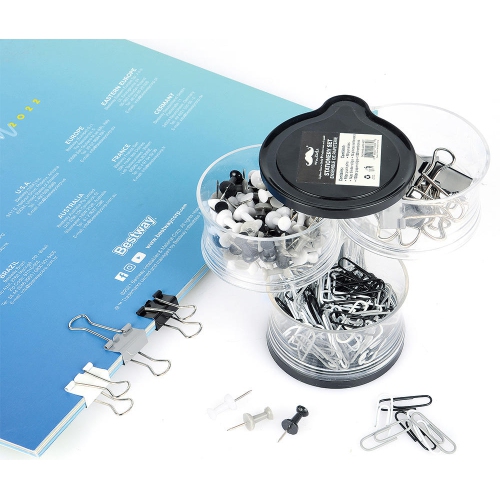
A firm grip on paperwork without staple holes
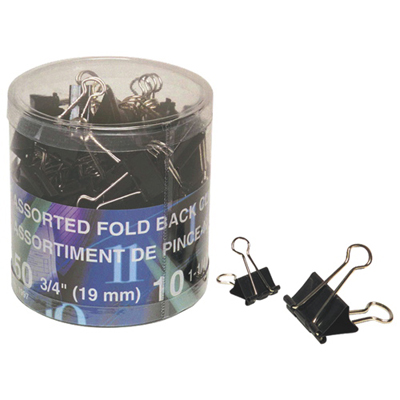
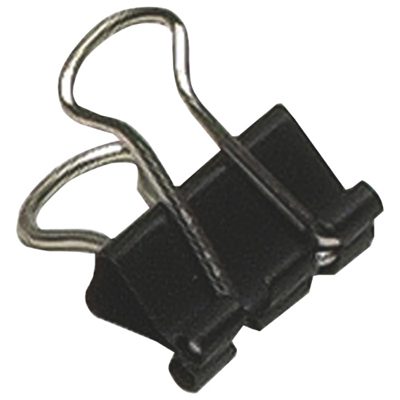
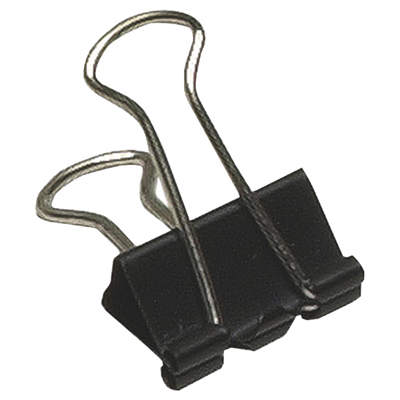
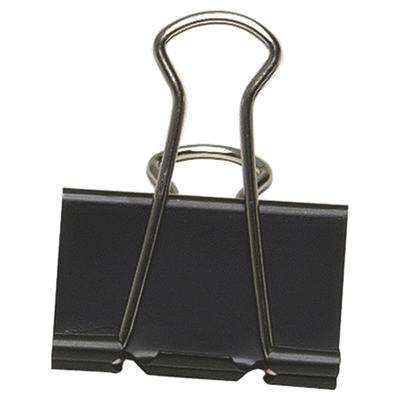
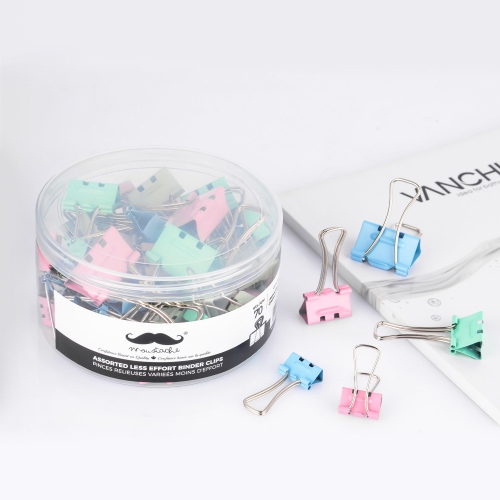
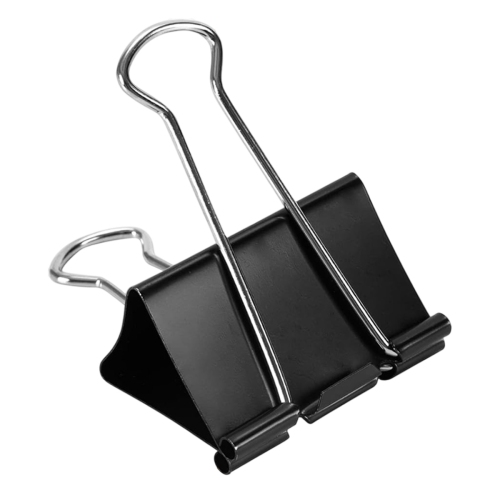
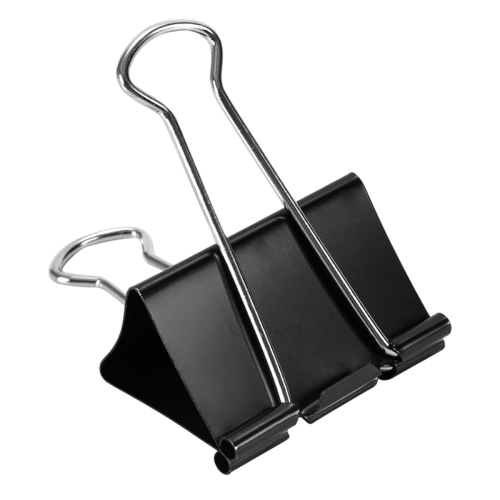
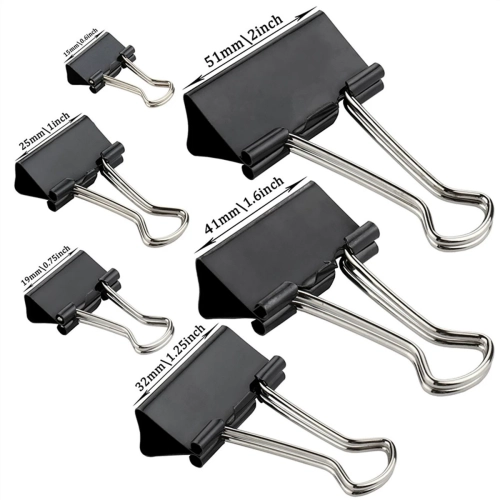
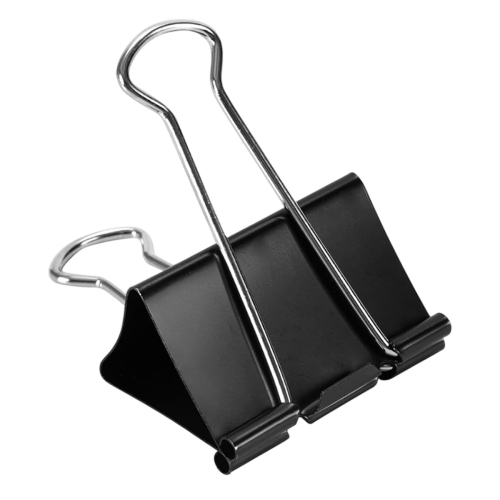
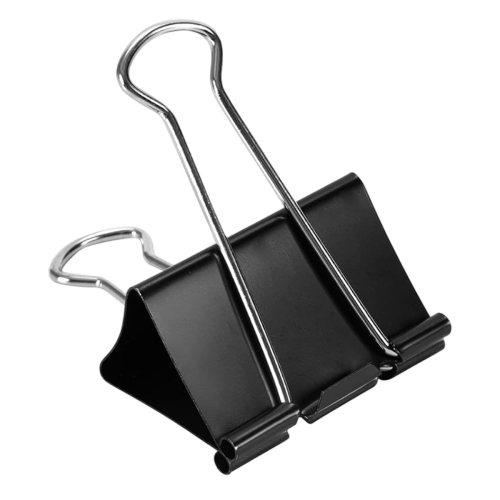
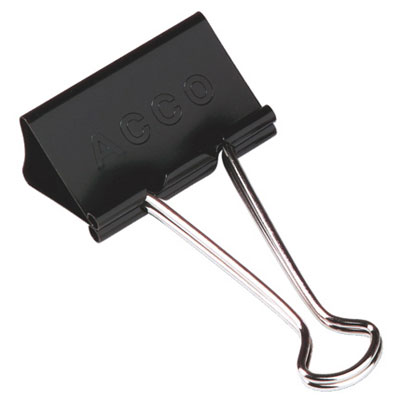
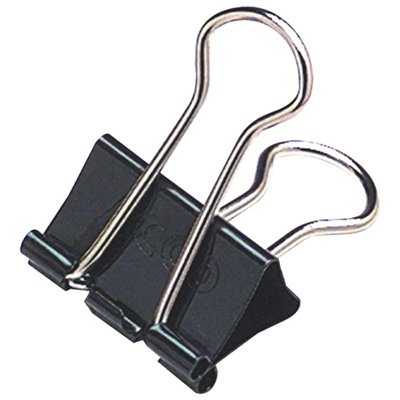
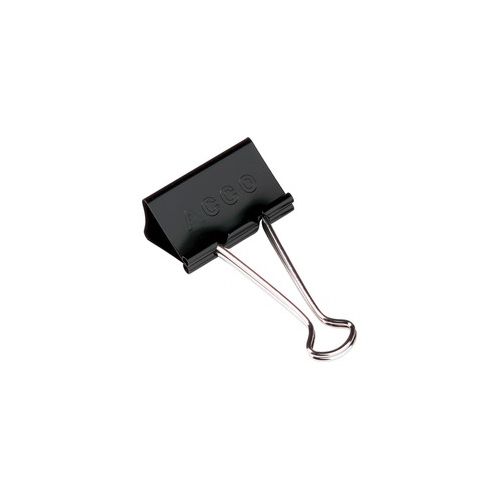
Black binder clips hold loose sheets together with a spring-loaded metal body and two wire handles, keeping paperwork grouped without staples or punched holes. Their familiar folded shape applies pressure along the edge of a stack, while the handles provide leverage to open the jaws. Many are made from tempered spring steel with a black finish and silver-coloured wire handles, although materials and finishes vary. The understated colour suits shared offices, classroom desks, reception counters, and home workspaces, where a neat stack of papers is often easier to manage than several loose piles. Common size descriptions include mini, small, medium, and large, with widths such as 3/5 inch, 3/4 inch, 1 inch, 1-1/4 inch, and 2 inches used across the category. These measurements generally describe the width of the clip body, not the thickness of paper it can hold. Stated sheet capacity or jaw capacity is a better indication of fit, and the thickness of the paper matters as much as the number of pages. A bundle of cardstock needs more room than an equally sized bundle of ordinary printer paper. Mini and small black binder clips are useful for short forms, receipts, and slim handouts; medium and large sizes suit thicker reports, project notes, and grouped documents when their capacity allows. Unlike a paper clip that slides over an edge, a binder clip opens around the stack and closes with a firm grip. That makes it practical for papers that need to stay together while moving between a desk, drawer, and bag. It also allows sheets to be added, removed, or rearranged without leaving staple holes. For related document fasteners, Paper Binder Clips offers another way to browse this everyday office category. The best fit leaves enough room for the jaws to seat securely without forcing an oversized bundle into a clip that is too small.
The details of a binder clip’s construction affect how it feels and functions throughout the day. A well-formed steel body should close evenly, with smooth contact edges that grip the stack without a sharp burr catching the paper. The black coating gives the clip its uniform appearance and helps cover the underlying metal, but repeated contact with hard surfaces can leave scratches or worn edges. Spring tension matters, too: the clip needs enough pressure to keep sheets aligned, yet its handles should be manageable for the person opening it. A larger clip is not automatically more comfortable or more useful, especially for someone handling only a few pages or finding firm pinch movements difficult. Handle length, body size, and the thickness of the bundle all influence ease of use. On many designs, the wire handles fold back against the papers after the clip is attached, reducing how far they project from the stack. They can also remain upright, and some designs allow the handles to be removed. Removable handles can leave a less bulky fastening, though opening the clip again usually means putting them back, so keeping the detached pieces together is helpful. Folded handles still add some thickness, which is worth considering when documents need to slide into a close-fitting folder or crowded filing drawer. Position matters as well. A clip at the upper corner can keep a report together while allowing pages to turn, whereas a clip centred along an edge may suit a bundle that will be carried rather than read. Smooth, aligned paper edges help distribute pressure more evenly. For delicate artwork, photographs, or presentation pages, a clean scrap of paper between the clip and the document can reduce direct contact, although pressure may still leave an impression. Binder clips are practical temporary fasteners, not a substitute for archival storage materials when preserving valuable originals. Their strongest everyday role is holding working documents securely while keeping those documents easy to update.
Black binder clips fit naturally into routines where paperwork changes hands or changes order. An administrator might use them to separate completed forms from those awaiting a signature, while a student can keep lecture notes and practice sheets together for each course. Teachers can group handouts by class, bookkeepers can attach receipts to supporting paperwork, and a household can keep appliance instructions beside warranty documents in a folder. On a project desk, a clipped set of drawings, measurements, and written notes stays distinct from unrelated papers without needing a separate binder for every task. The plain black finish keeps attention on the document rather than the fastener, particularly when a stack is headed into a meeting or being shared with a client. Assorted sizes suit workspaces with a mix of short notes and substantial reports, while matching sizes create a consistent arrangement when most bundles are similar. Pack quantity is most useful when considered alongside those habits: a shared workspace may need clips at several stations, whereas a personal desk may only need enough to support a few ongoing projects. Keeping sizes separated in a shallow tray or divided drawer makes the right clip easier to find and prevents small handles from tangling together. Care is straightforward. A soft, dry cloth can remove dust, and clips should be kept dry to limit corrosion, especially where a finish has worn away. A clip with bent handles, rough edges, visible rust, or weakened tension can snag papers or lose its grip and is better kept away from important documents. Forcing the jaws beyond their intended capacity can distort the body or handles, so a thicker bundle calls for a suitably sized clip rather than extra pressure. Small clips and detachable handles also need to stay out of reach of young children. With an appropriate fit and ordinary care, these simple fasteners can be used repeatedly as paperwork moves from an active task to a filed reference, bringing order to the everyday shuffle of loose pages.
The details of a binder clip’s construction affect how it feels and functions throughout the day. A well-formed steel body should close evenly, with smooth contact edges that grip the stack without a sharp burr catching the paper. The black coating gives the clip its uniform appearance and helps cover the underlying metal, but repeated contact with hard surfaces can leave scratches or worn edges. Spring tension matters, too: the clip needs enough pressure to keep sheets aligned, yet its handles should be manageable for the person opening it. A larger clip is not automatically more comfortable or more useful, especially for someone handling only a few pages or finding firm pinch movements difficult. Handle length, body size, and the thickness of the bundle all influence ease of use. On many designs, the wire handles fold back against the papers after the clip is attached, reducing how far they project from the stack. They can also remain upright, and some designs allow the handles to be removed. Removable handles can leave a less bulky fastening, though opening the clip again usually means putting them back, so keeping the detached pieces together is helpful. Folded handles still add some thickness, which is worth considering when documents need to slide into a close-fitting folder or crowded filing drawer. Position matters as well. A clip at the upper corner can keep a report together while allowing pages to turn, whereas a clip centred along an edge may suit a bundle that will be carried rather than read. Smooth, aligned paper edges help distribute pressure more evenly. For delicate artwork, photographs, or presentation pages, a clean scrap of paper between the clip and the document can reduce direct contact, although pressure may still leave an impression. Binder clips are practical temporary fasteners, not a substitute for archival storage materials when preserving valuable originals. Their strongest everyday role is holding working documents securely while keeping those documents easy to update.
Black binder clips fit naturally into routines where paperwork changes hands or changes order. An administrator might use them to separate completed forms from those awaiting a signature, while a student can keep lecture notes and practice sheets together for each course. Teachers can group handouts by class, bookkeepers can attach receipts to supporting paperwork, and a household can keep appliance instructions beside warranty documents in a folder. On a project desk, a clipped set of drawings, measurements, and written notes stays distinct from unrelated papers without needing a separate binder for every task. The plain black finish keeps attention on the document rather than the fastener, particularly when a stack is headed into a meeting or being shared with a client. Assorted sizes suit workspaces with a mix of short notes and substantial reports, while matching sizes create a consistent arrangement when most bundles are similar. Pack quantity is most useful when considered alongside those habits: a shared workspace may need clips at several stations, whereas a personal desk may only need enough to support a few ongoing projects. Keeping sizes separated in a shallow tray or divided drawer makes the right clip easier to find and prevents small handles from tangling together. Care is straightforward. A soft, dry cloth can remove dust, and clips should be kept dry to limit corrosion, especially where a finish has worn away. A clip with bent handles, rough edges, visible rust, or weakened tension can snag papers or lose its grip and is better kept away from important documents. Forcing the jaws beyond their intended capacity can distort the body or handles, so a thicker bundle calls for a suitably sized clip rather than extra pressure. Small clips and detachable handles also need to stay out of reach of young children. With an appropriate fit and ordinary care, these simple fasteners can be used repeatedly as paperwork moves from an active task to a filed reference, bringing order to the everyday shuffle of loose pages.
Top selling and popular products
-
 Your price for this item is $18.73
 -
 Your price for this item is $18.24
 -
 Your price for this item is $129.48
 -
 Your price for this item is $18.99
 -
 Your price for this item is $18.99
 -
 Your price for this item is $18.99
 -
 Your price for this item is $3.99
 -
 Your price for this item is $2.99
Discover more categories related to Black Binder Clips
Top Collections:
Pokemon Centers, Kindle Devices, Best Budget Office Chairs, Apple iPhones 16, Canon G7X Cameras, iPhone 15 Apple, Alarm Clock, Refurbished Apple Laptops, Flip Phones, Best Laptops for Writers
Some products may be subject to Environmental Handling Fees
(EHF) depending on your province.
Learn more about EHFs.