Black Markers
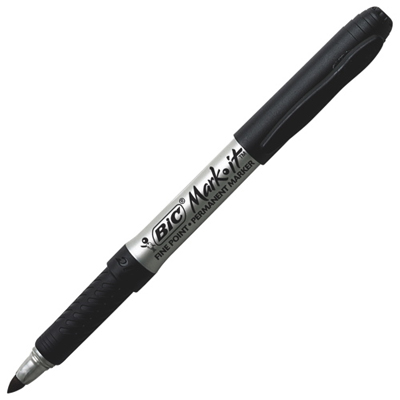
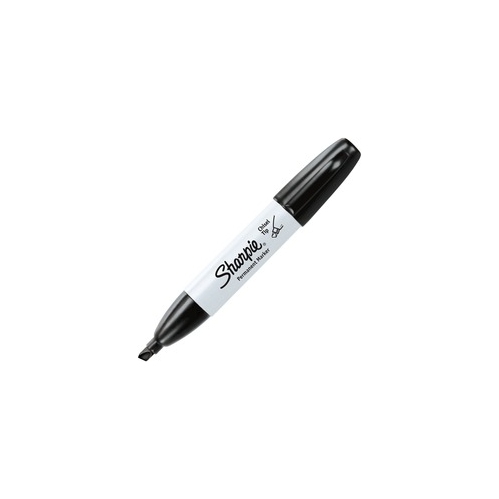
Looking to make a bold statement or add a touch of creativity to your projects? Look no further than our collection of black markers. Whether you're an artist, a student, or simply someone who loves to organize and create, these versatile tools are a must-have in any creative arsenal. From fine point markers for intricate detailing to bold chisel tips for eye-catching designs, our selection offers a range of options to suit your needs. Explore our assortment of black markers and unleash your imagination with confidence.
Sort
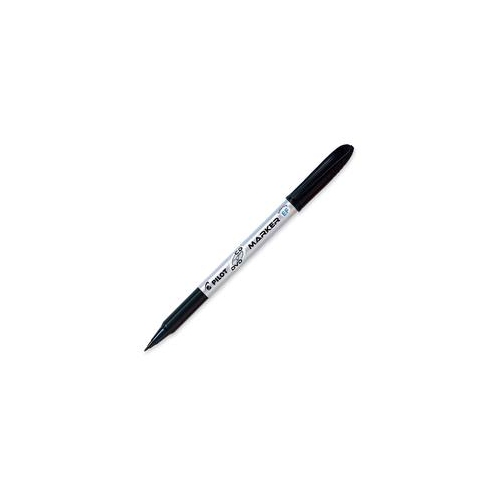
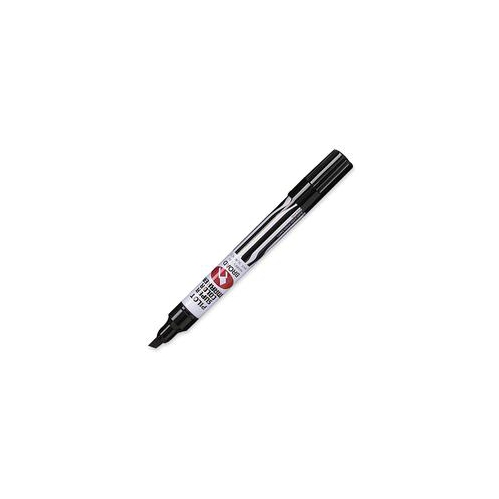
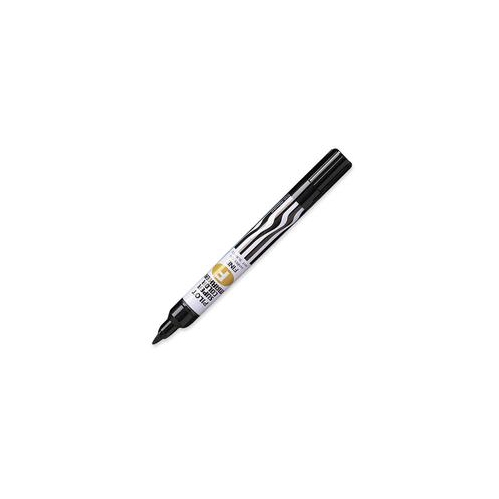

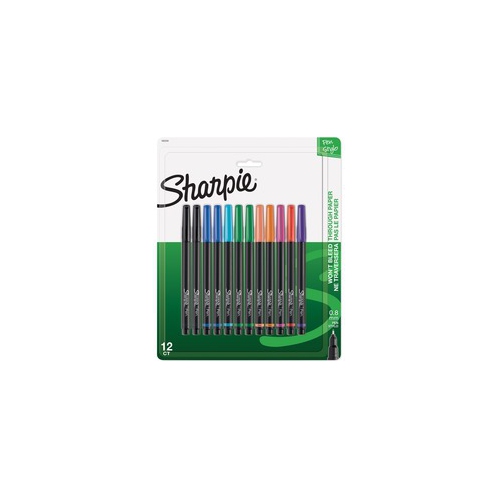
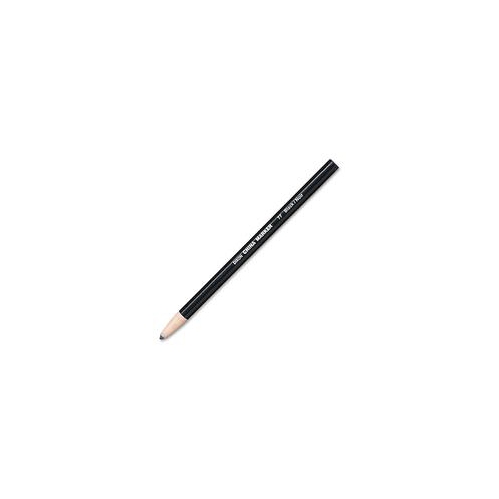
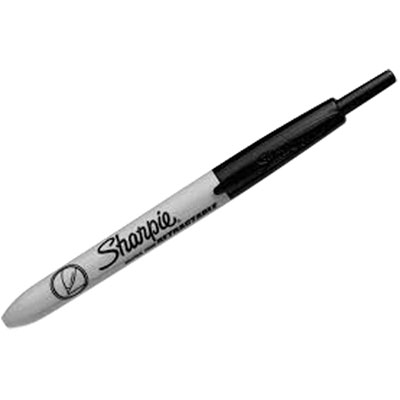
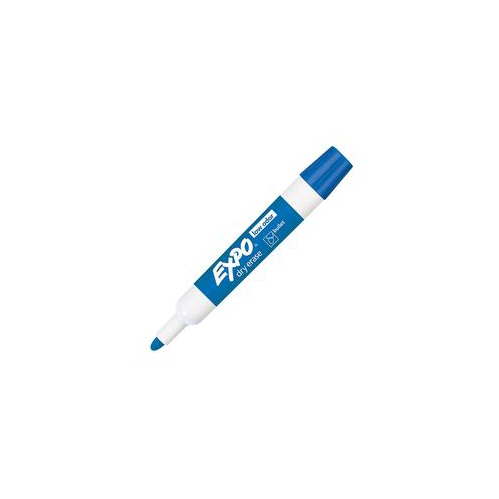
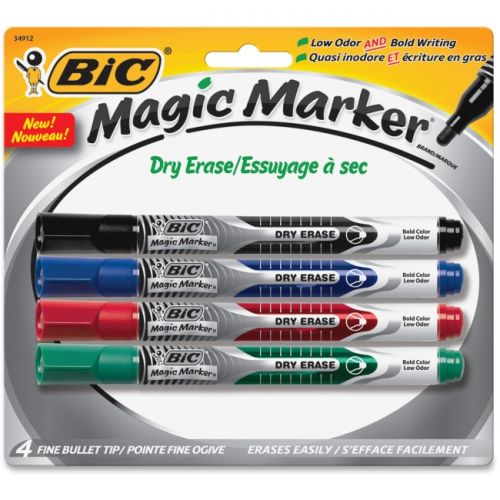
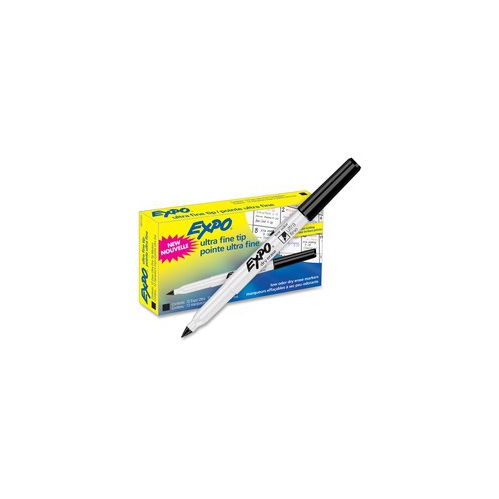
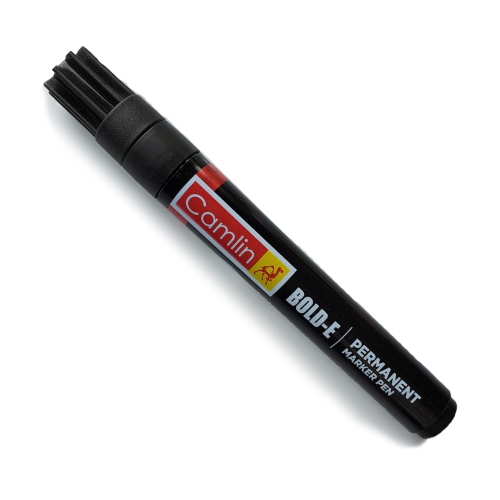
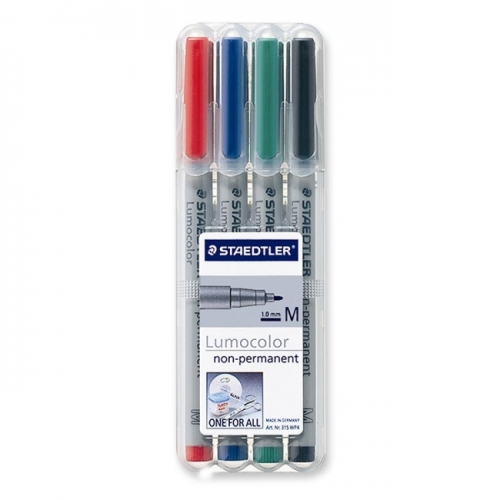
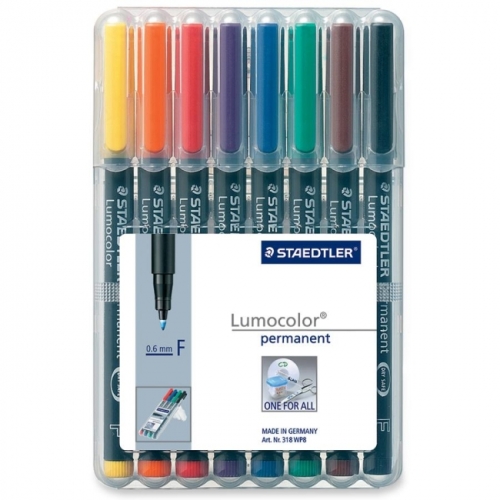
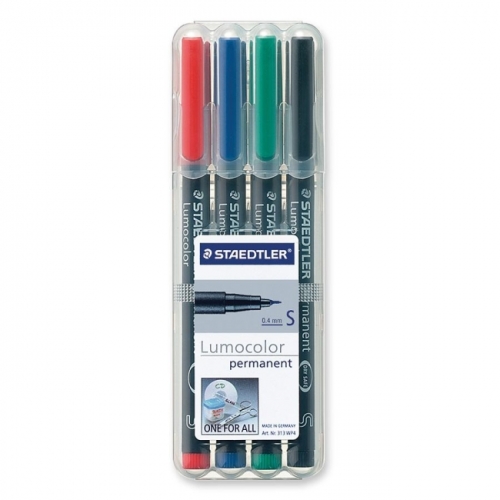
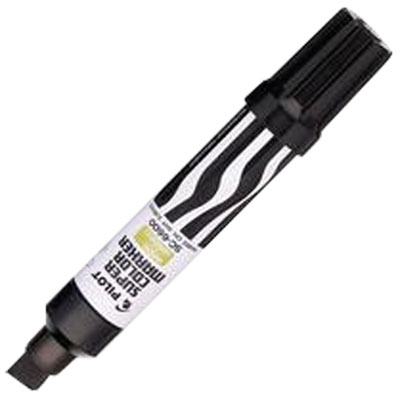
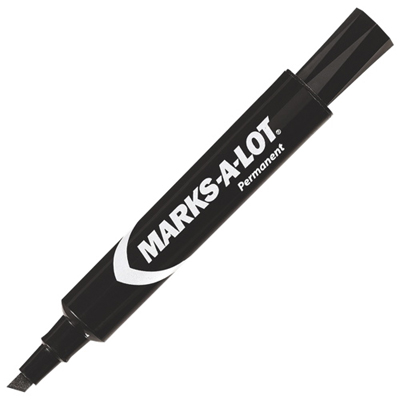
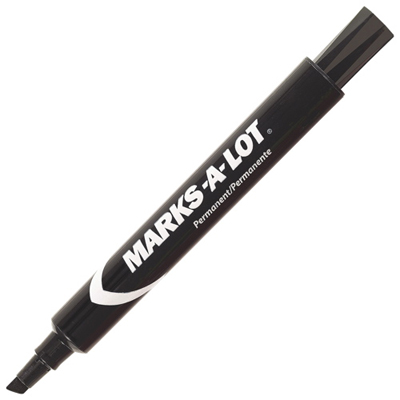
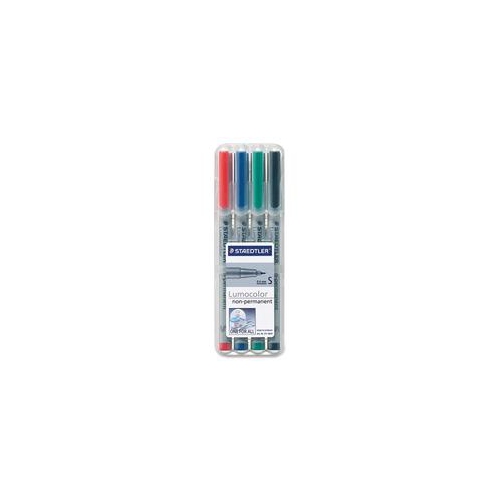
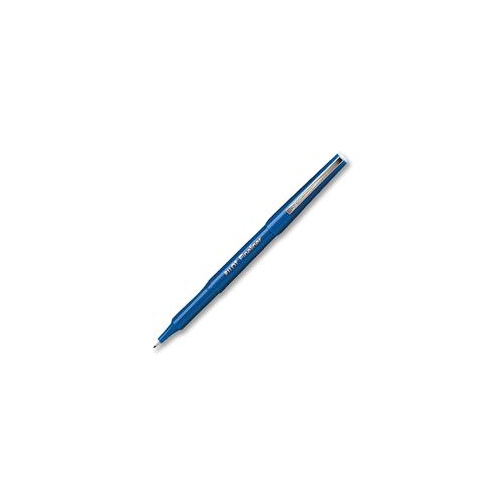
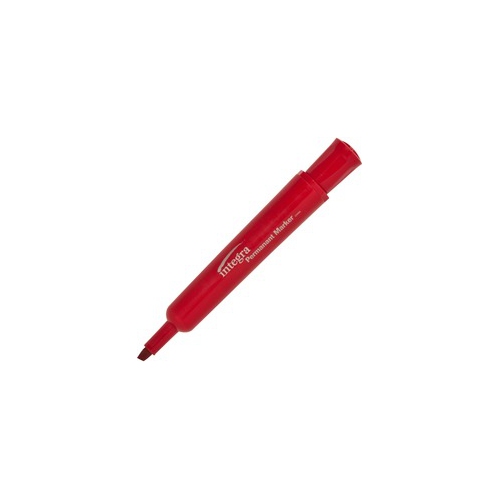
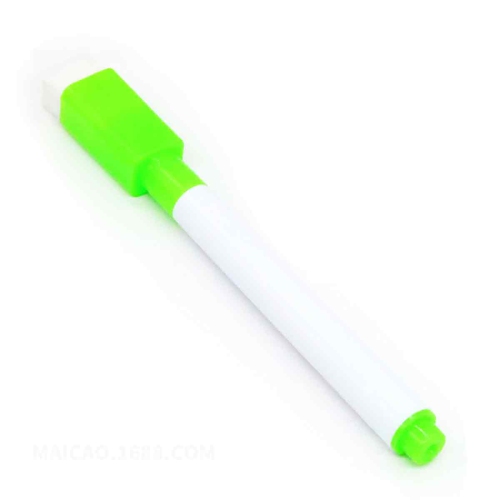
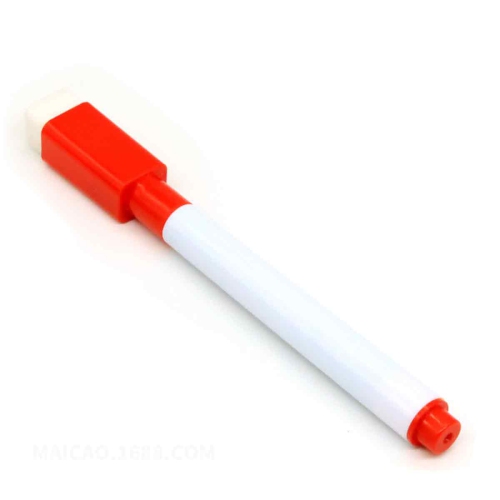
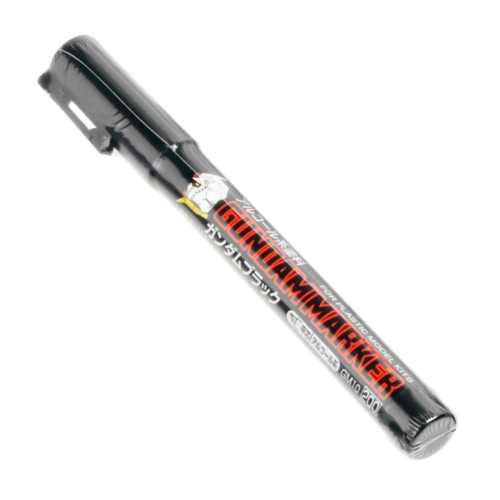
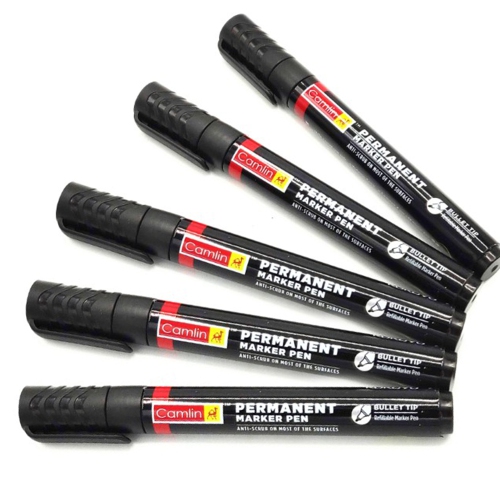

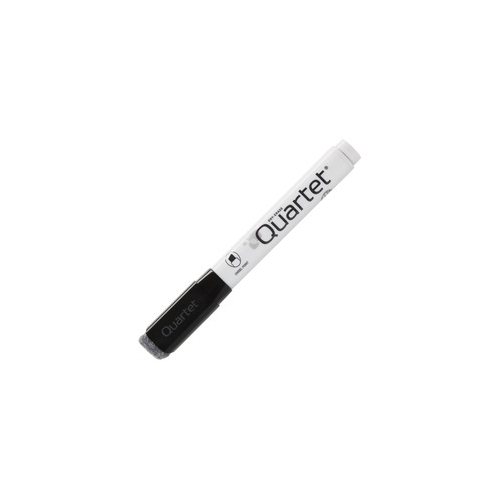
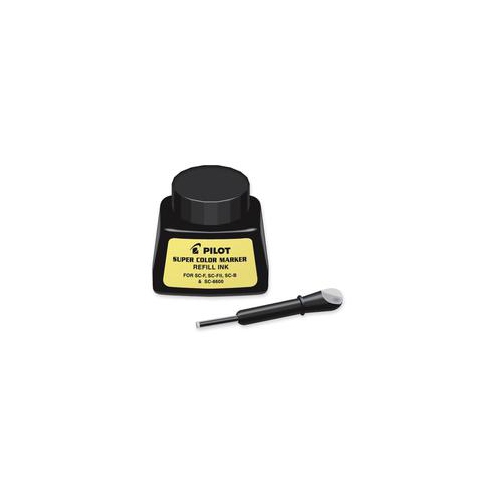
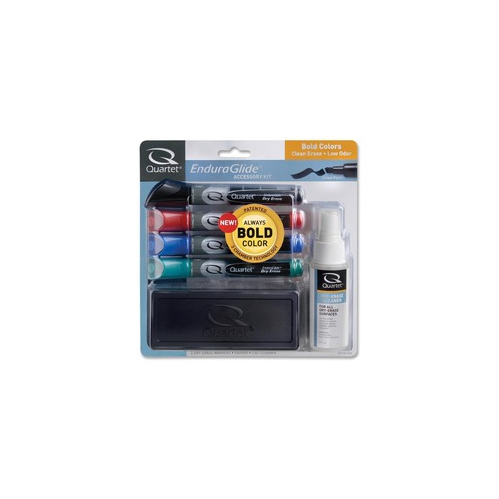
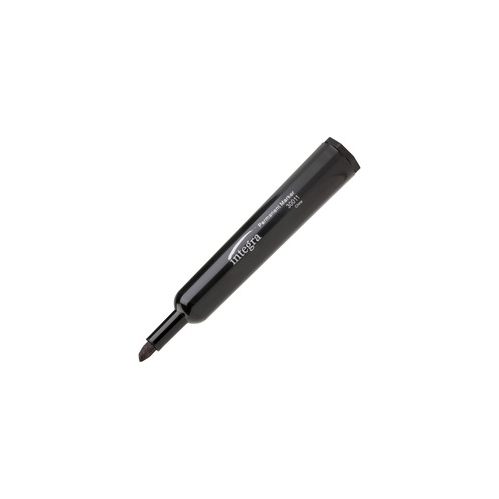

Tips, inks and surfaces for every marking project
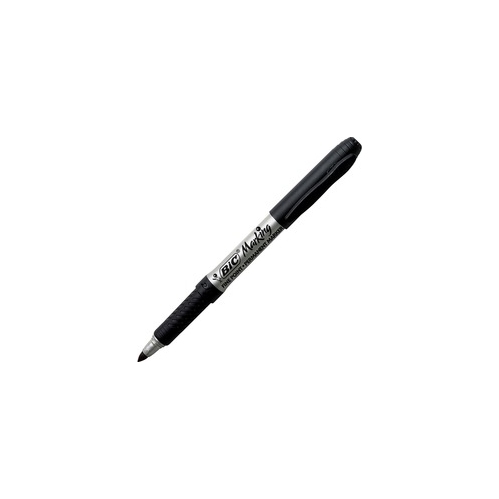
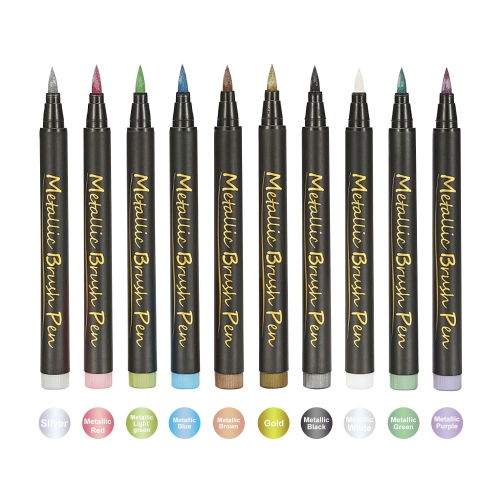
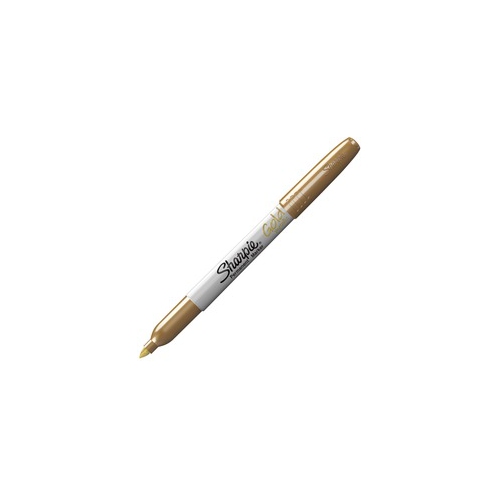
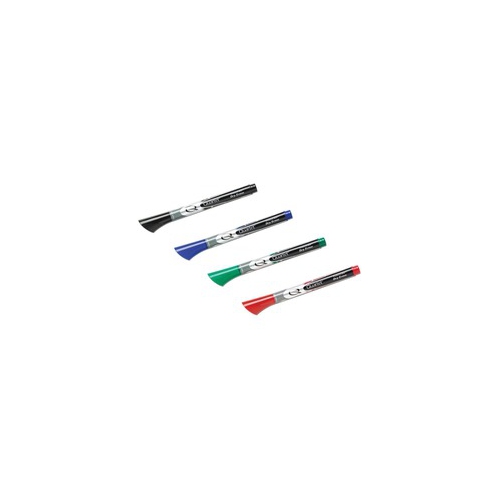
Black markers are versatile writing and drawing tools used for labelling, outlining, sketching, organising and adding contrast to everyday projects. Their dark ink stands out on paper, cardboard, folders, storage bins and many other common surfaces, making them useful at home, in classrooms, studios, workshops and offices. Some people reach for a black marker to address parcels, label school supplies or identify cables, while others use one to create bold lettering, comic-style outlines, hand-drawn signs or detailed illustrations. A marker’s tip shape has a noticeable effect on the finished result. Fine tips are well suited to small handwriting, narrow lines, calendars and intricate artwork. Medium or bullet tips offer a practical balance for notes, labels and general-purpose drawing, while chisel tips can produce both broad strokes and slimmer lines depending on the angle. Broad tips cover larger areas quickly and can create confident poster lettering, filled shapes and expressive strokes. Sets that include several tip sizes can be helpful when one project involves outlining, shading and writing, or when several people want to use the same collection for different activities. Black ink can also vary in appearance: some formulas look soft and charcoal-like, while others create a dense, high-contrast mark. Alcohol-based inks may appear slightly different depending on the paper and lighting, and some dark formulas can show a subtle purple or blue cast. Carbon-based and other highly pigmented inks are often chosen when a deeper-looking black is important, although the final appearance still depends on the surface, ink flow and number of passes. Checking whether the ink is permanent, water-resistant, washable or erasable is an important part of selecting markers for a particular task.
The surface you plan to mark should guide your choice as much as the colour. Paper and card stock generally work well with a wide range of black markers, but thin pages may show ink through to the reverse side, especially when the tip is broad or the ink is generously saturated. Placing a sheet of scrap paper underneath can help protect a desk or the next page in a sketchbook. Permanent markers are useful for durable labels on materials such as plastic, metal, glass, wood and laminated surfaces, but they may bleed on porous materials and can be difficult to remove once dry. Washable markers are often a convenient option for children’s drawing, temporary signs, classroom activities and projects where hands or work surfaces may need easy cleaning. Paint markers use opaque ink that can show more clearly on dark, smooth or non-porous surfaces, while specialty markers may be intended for fabric, windows, chalkboards or other specific materials. Always check the marker’s intended surface before beginning a finished project, then test it in an inconspicuous area to see how quickly it dries, how much it spreads and whether the ink remains visible after handling. On glossy materials, the ink may take longer to set and can smudge if touched too soon. On textured or absorbent surfaces, the line may appear wider than expected. Keeping the cap firmly attached when a marker is not in use helps prevent the tip from drying out, and storing markers as directed can help maintain consistent ink flow. If a tip becomes less even during a long drawing session, rotating the marker or allowing it to rest may help distribute the ink, although a worn or dried-out tip may need replacing.
Black markers can be useful additions to an artist’s supply drawer, a student’s pencil case, a home office or a craft station. They make practical gifts for people who enjoy journalling, lettering, scrapbooking, model-making, poster design or illustration, and a well-chosen set can suit both beginners who are building a basic collection and experienced creators who need dependable tools for finishing work. Families may use them for school projects, chore labels, storage organisation and rainy-day activities during the cooler months, while hobbyists may keep a few different tip styles nearby for outlining, planning and decorative details. For creative projects that call for a wider range of colours, textures or specialty finishes, explore Craft Markers alongside black options. When comparing markers, consider how often they will be used, whether several people will share them, the size of the writing or drawing area and the level of permanence required. A compact pack can be convenient for a desk drawer or travel kit, whereas a larger assortment may be better for classrooms, studios, family craft areas and frequent labelling. It is also worth considering comfort: a barrel that feels secure in the hand can make long lettering sessions easier, and a cap that is simple to remove and replace can be useful for younger users. Choosing the right black marker comes down to matching the ink, tip and surface to the job. With that combination in place, a simple dark line can become a clear label, a polished outline, a striking sketch or the small finishing detail that brings a project together.
The surface you plan to mark should guide your choice as much as the colour. Paper and card stock generally work well with a wide range of black markers, but thin pages may show ink through to the reverse side, especially when the tip is broad or the ink is generously saturated. Placing a sheet of scrap paper underneath can help protect a desk or the next page in a sketchbook. Permanent markers are useful for durable labels on materials such as plastic, metal, glass, wood and laminated surfaces, but they may bleed on porous materials and can be difficult to remove once dry. Washable markers are often a convenient option for children’s drawing, temporary signs, classroom activities and projects where hands or work surfaces may need easy cleaning. Paint markers use opaque ink that can show more clearly on dark, smooth or non-porous surfaces, while specialty markers may be intended for fabric, windows, chalkboards or other specific materials. Always check the marker’s intended surface before beginning a finished project, then test it in an inconspicuous area to see how quickly it dries, how much it spreads and whether the ink remains visible after handling. On glossy materials, the ink may take longer to set and can smudge if touched too soon. On textured or absorbent surfaces, the line may appear wider than expected. Keeping the cap firmly attached when a marker is not in use helps prevent the tip from drying out, and storing markers as directed can help maintain consistent ink flow. If a tip becomes less even during a long drawing session, rotating the marker or allowing it to rest may help distribute the ink, although a worn or dried-out tip may need replacing.
Black markers can be useful additions to an artist’s supply drawer, a student’s pencil case, a home office or a craft station. They make practical gifts for people who enjoy journalling, lettering, scrapbooking, model-making, poster design or illustration, and a well-chosen set can suit both beginners who are building a basic collection and experienced creators who need dependable tools for finishing work. Families may use them for school projects, chore labels, storage organisation and rainy-day activities during the cooler months, while hobbyists may keep a few different tip styles nearby for outlining, planning and decorative details. For creative projects that call for a wider range of colours, textures or specialty finishes, explore Craft Markers alongside black options. When comparing markers, consider how often they will be used, whether several people will share them, the size of the writing or drawing area and the level of permanence required. A compact pack can be convenient for a desk drawer or travel kit, whereas a larger assortment may be better for classrooms, studios, family craft areas and frequent labelling. It is also worth considering comfort: a barrel that feels secure in the hand can make long lettering sessions easier, and a cap that is simple to remove and replace can be useful for younger users. Choosing the right black marker comes down to matching the ink, tip and surface to the job. With that combination in place, a simple dark line can become a clear label, a polished outline, a striking sketch or the small finishing detail that brings a project together.
Top selling and popular products
-
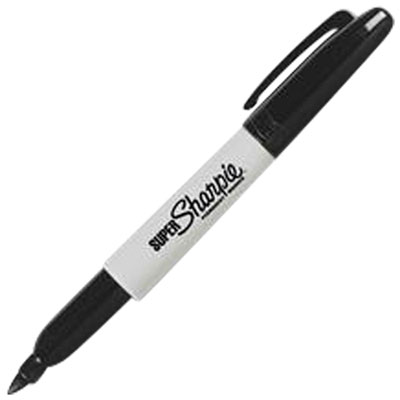 Your price for this item is $3.99
 -
 Your price for this item is $44.99
 -
 Your price for this item is $3.99
 -
 Your price for this item is $15.99
 -
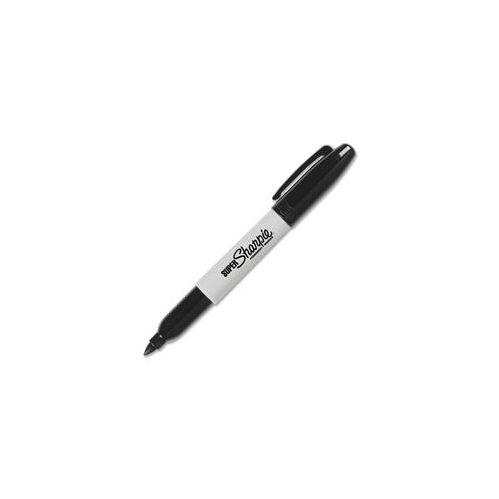 Your price for this item is $1.99
 -
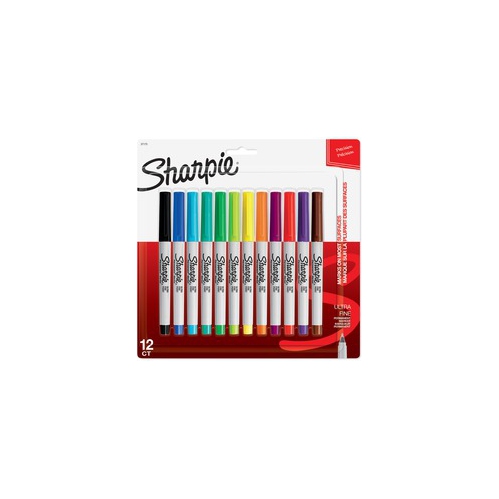 Your price for this item is $15.99
 -
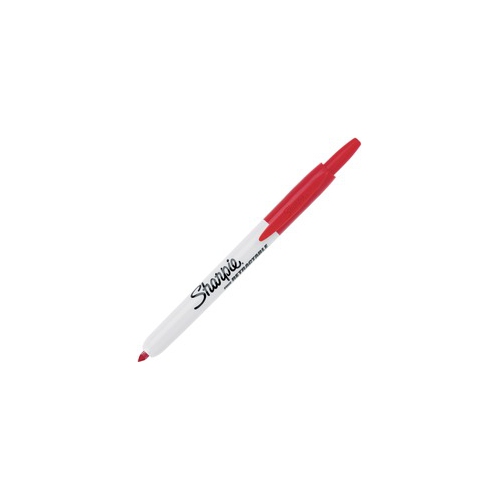 Your price for this item is $2.99
 -
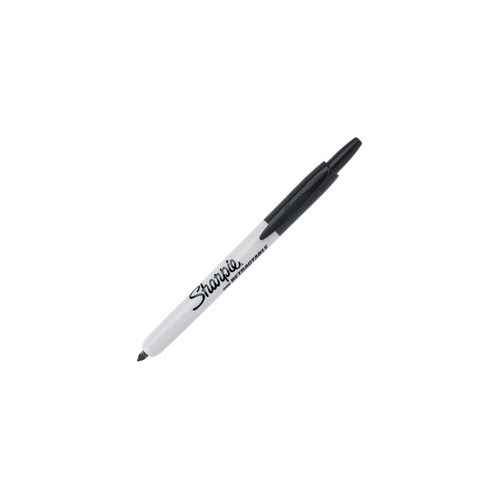 Your price for this item is $2.99
Discover more categories related to Black Markers
Top Collections:
Pokemon Centers, Kindle Devices, Best Budget Office Chairs, Apple iPhones 16, Best Laptops for Writers, iPhone 15 Apple, Canon G7X Cameras, Refurbished Apple Laptops, Alarm Clock, Motorola Razr Phones
Some products may be subject to Environmental Handling Fees
(EHF) depending on your province.
Learn more about EHFs.