Black on White Label Tape
Whether you need to organize your home office, label storage containers, or create professional-looking signage, these label tapes are designed to deliver crisp, clear text that stands out against a clean white background. With a range of sizes and adhesive options to choose from, you'll find the perfect tape to suit your labeling needs. Explore our selection of black on white label tapes and take the first step towards creating a well-organized and visually appealing space.
Sort
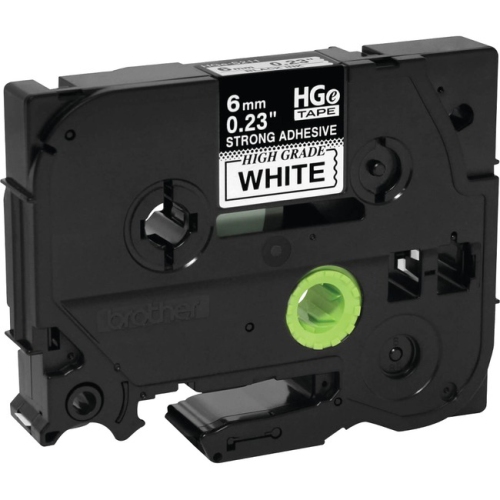
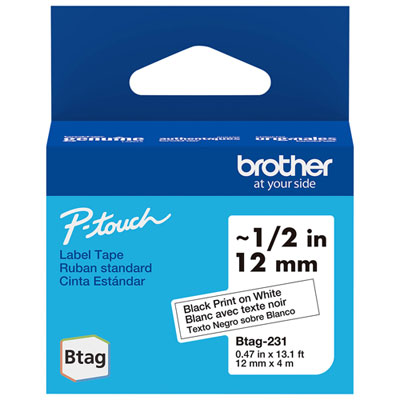
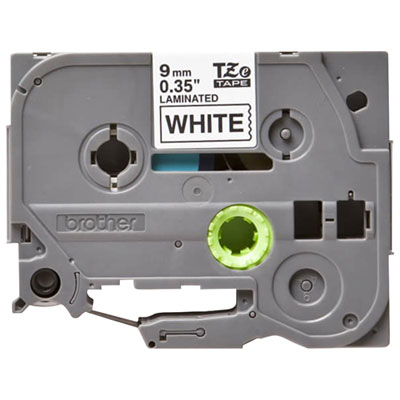
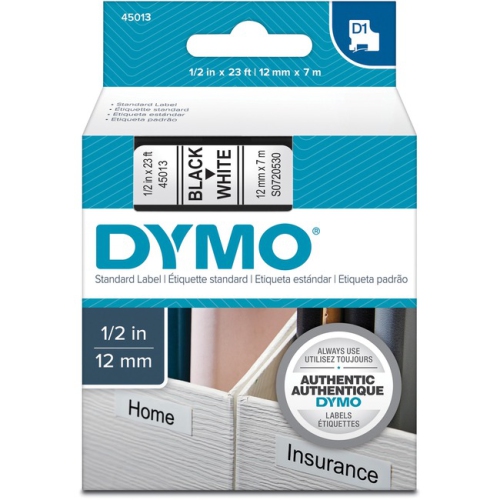
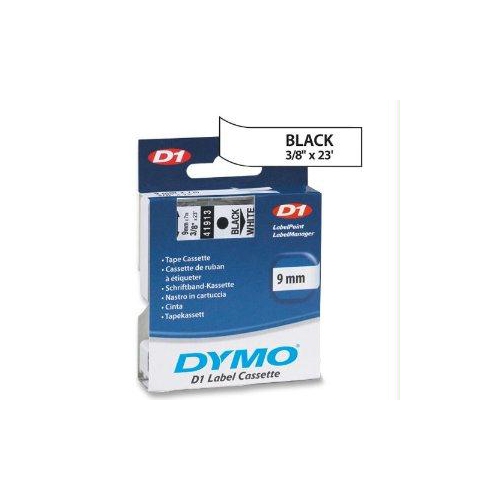
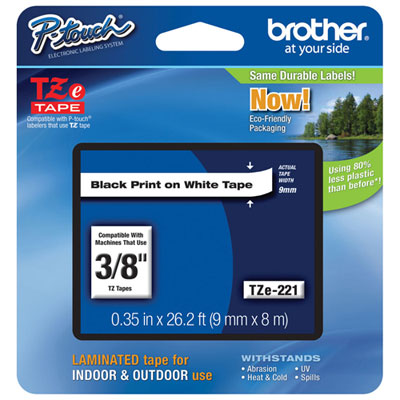
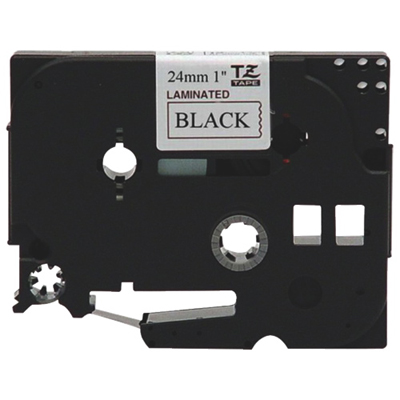
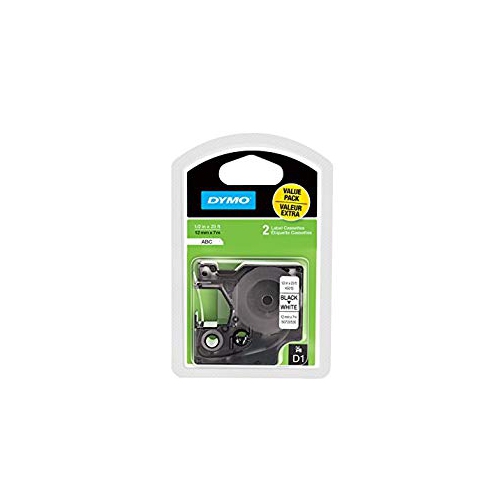
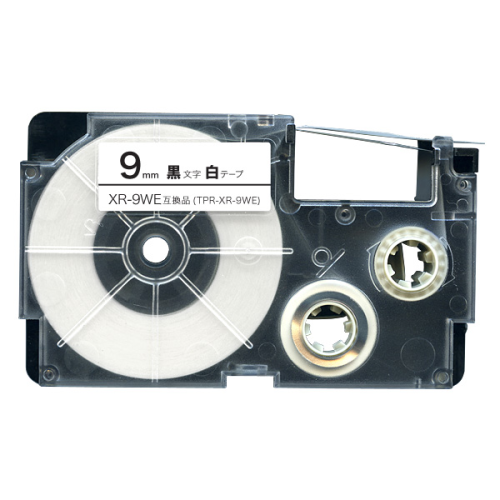
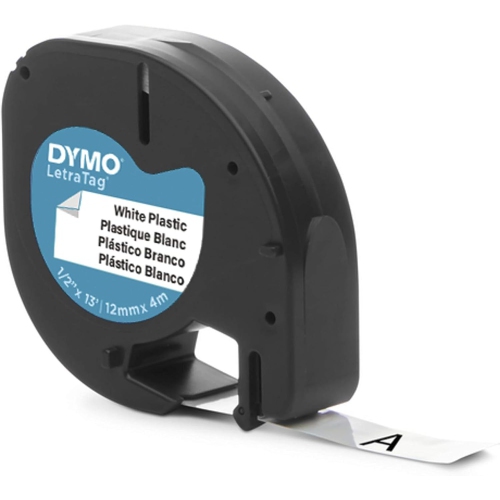
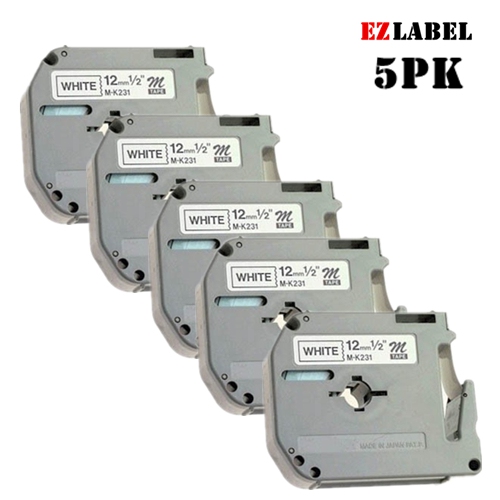
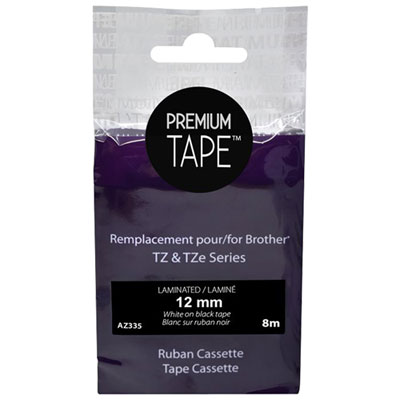

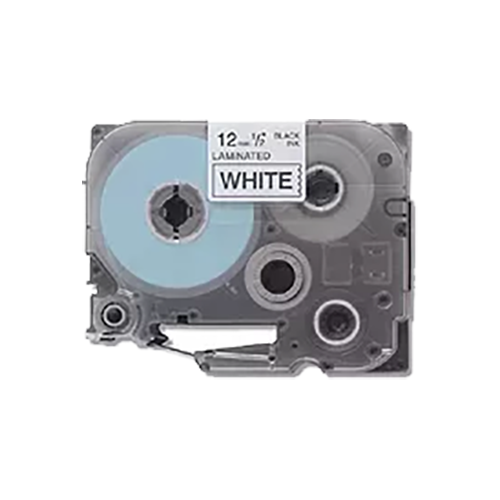
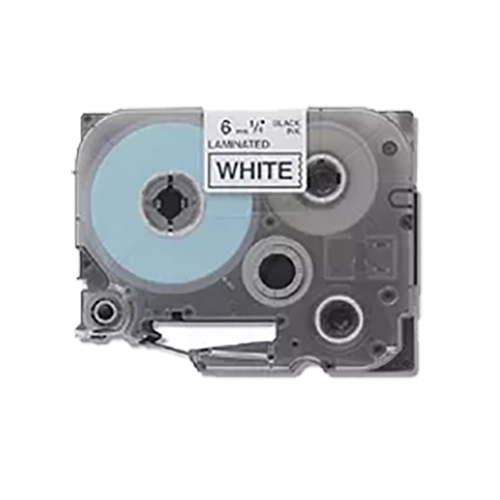



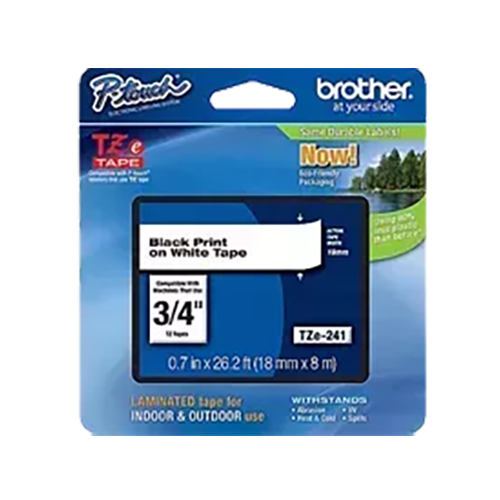
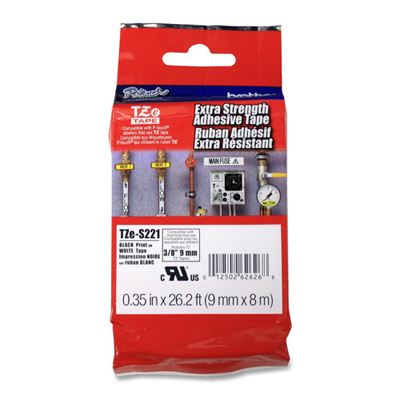
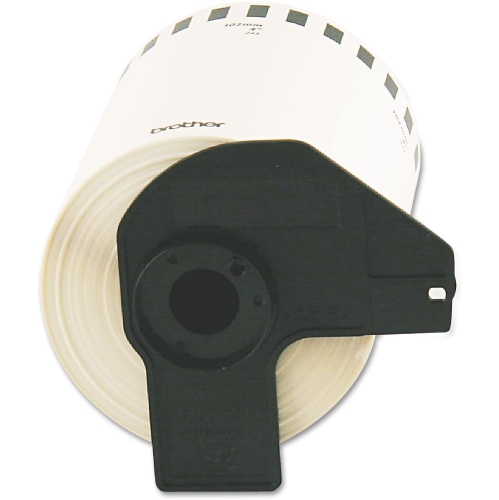
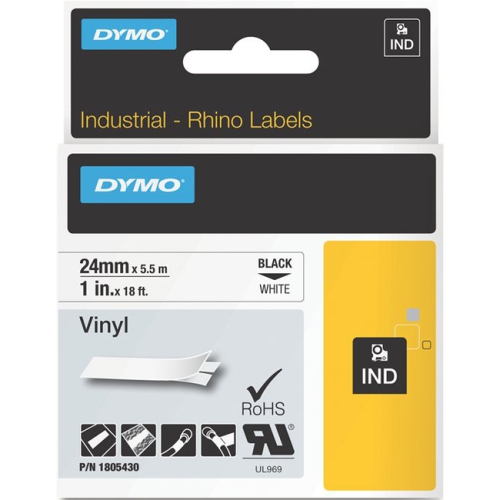
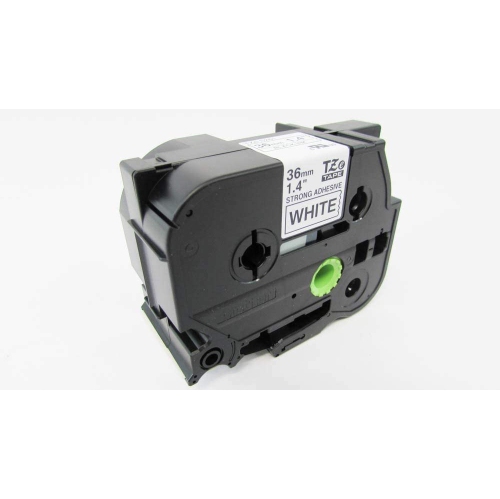
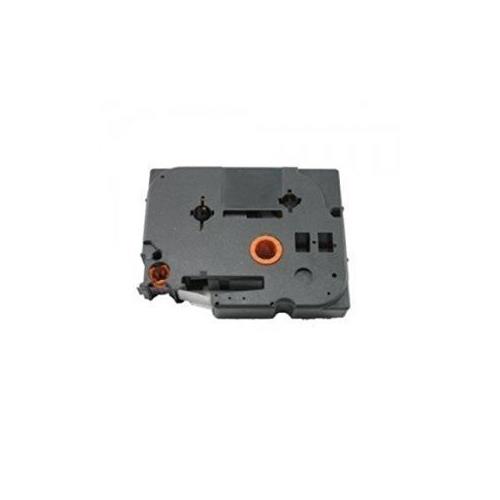
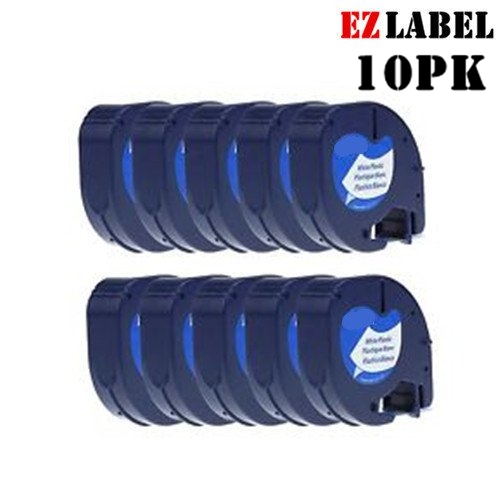
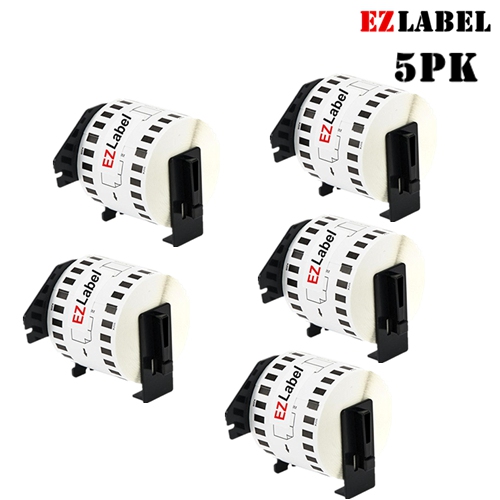
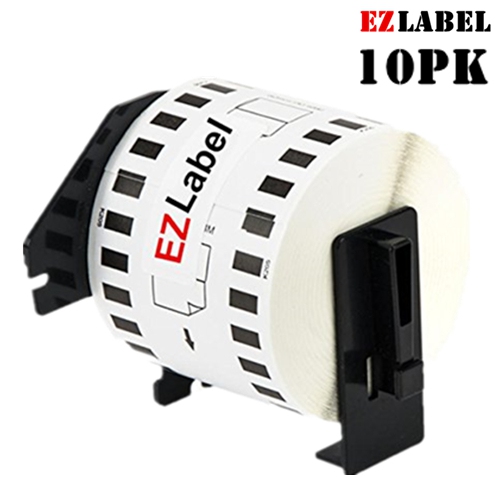
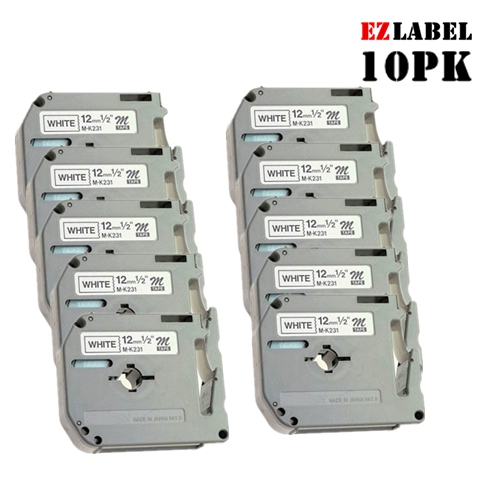
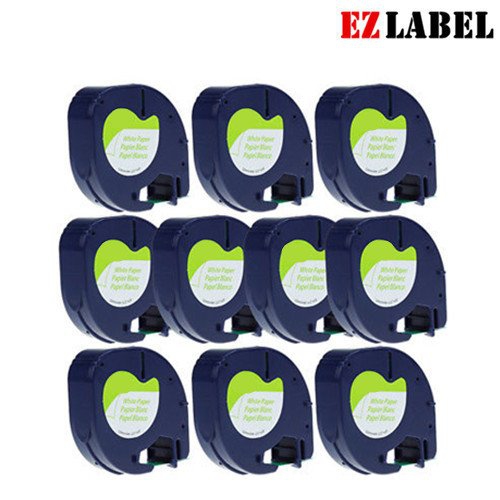
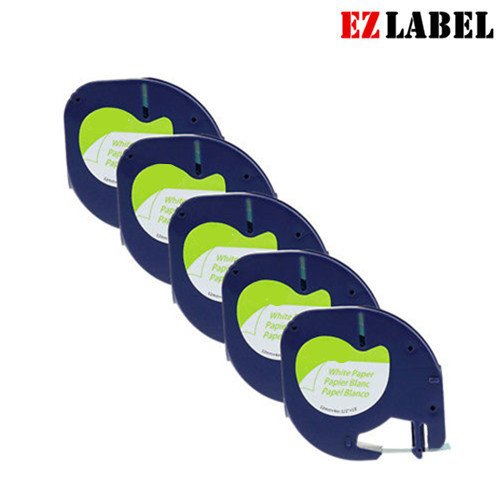
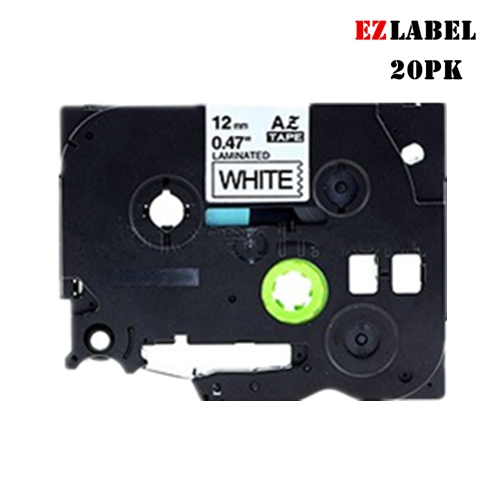
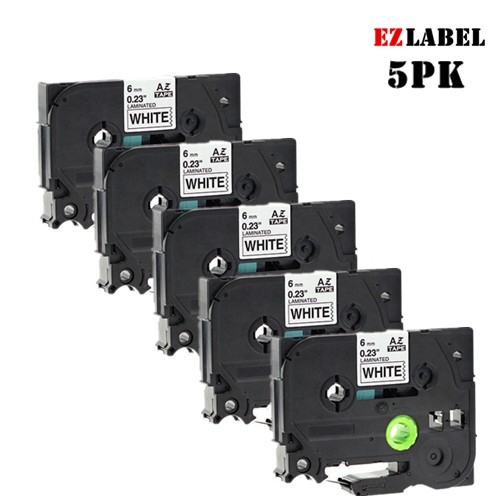
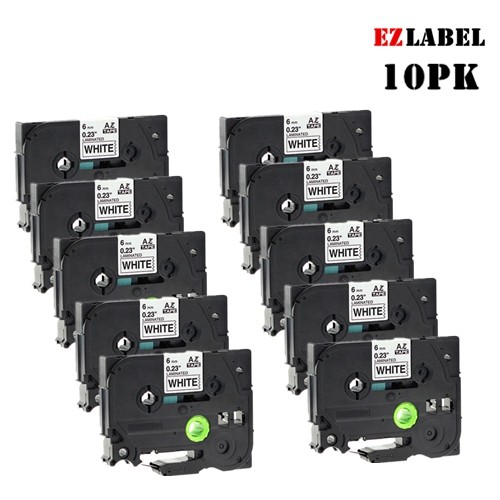
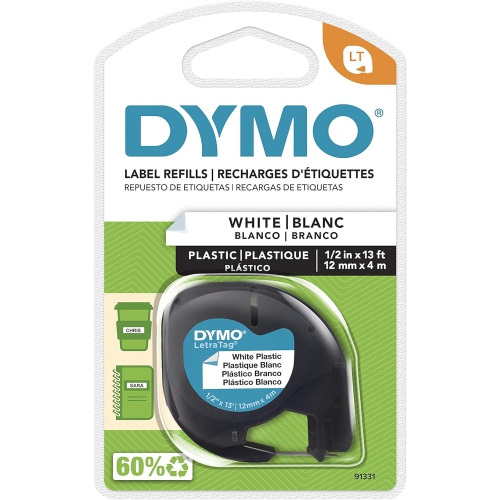
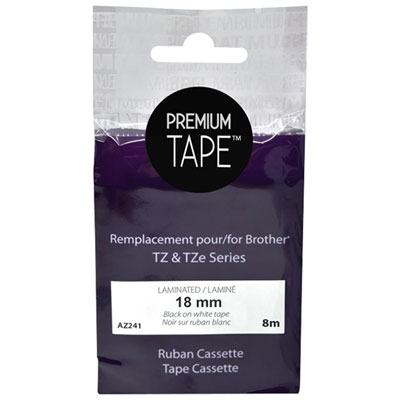
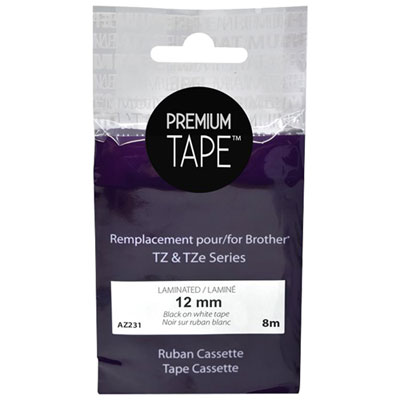
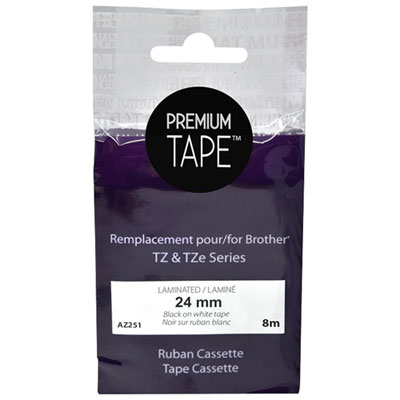
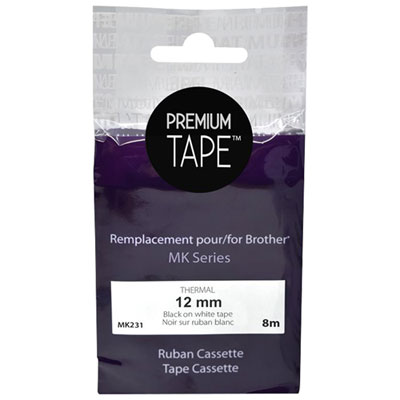
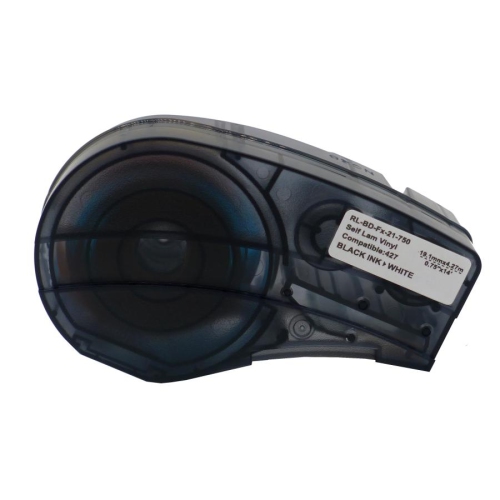
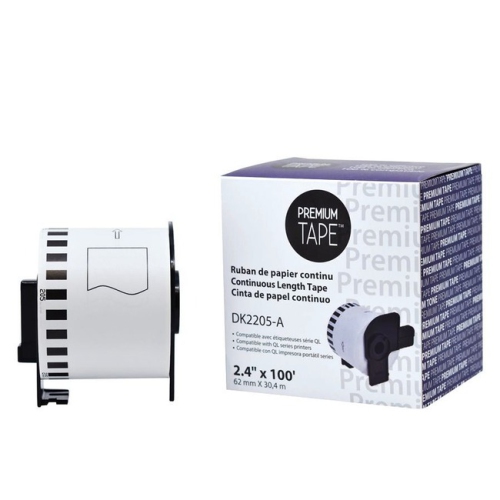
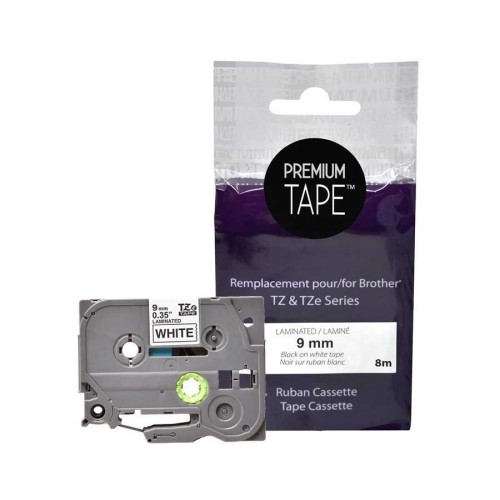

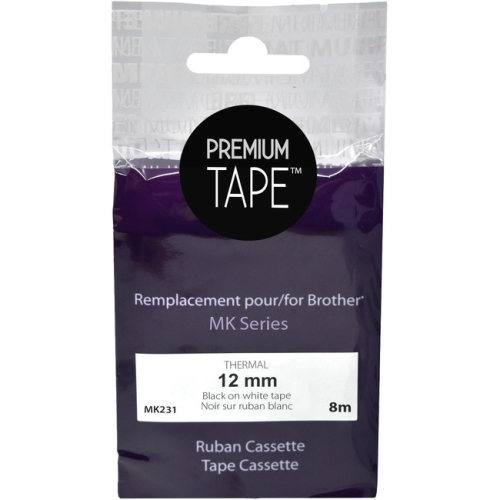



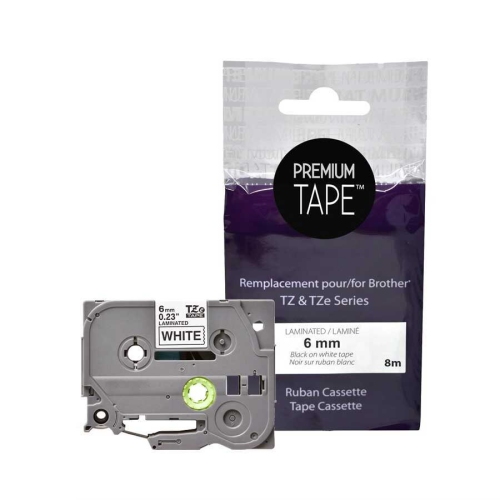
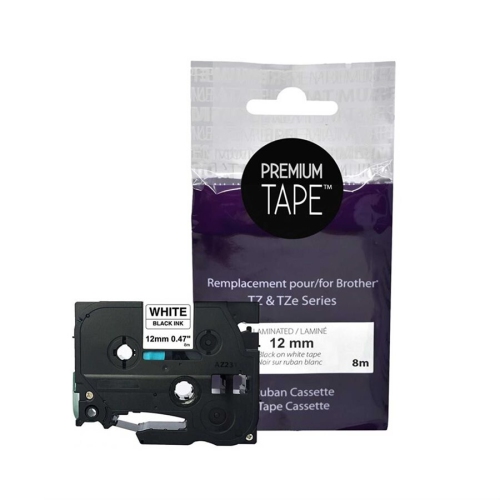
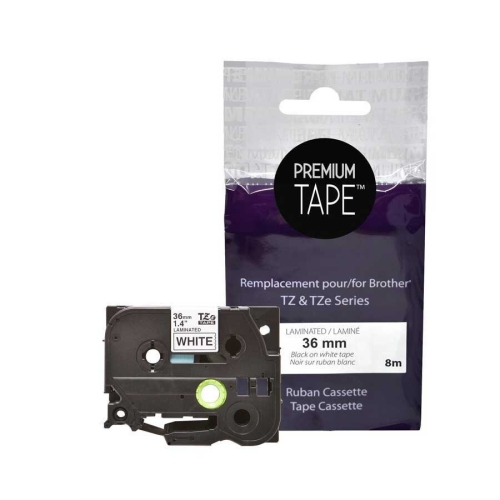
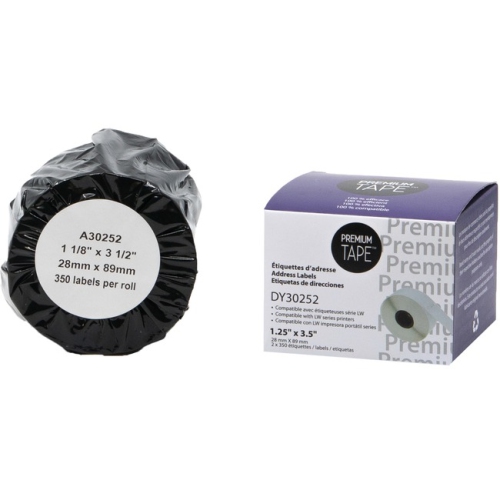
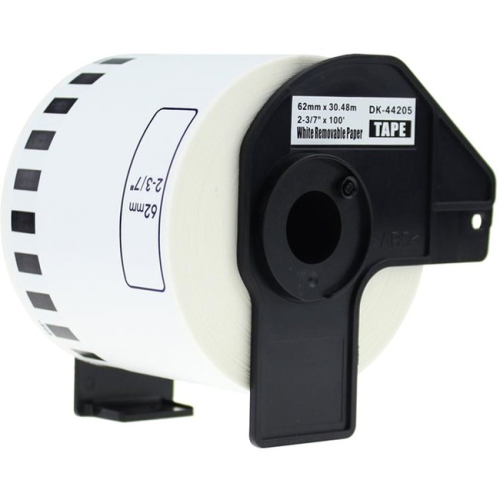
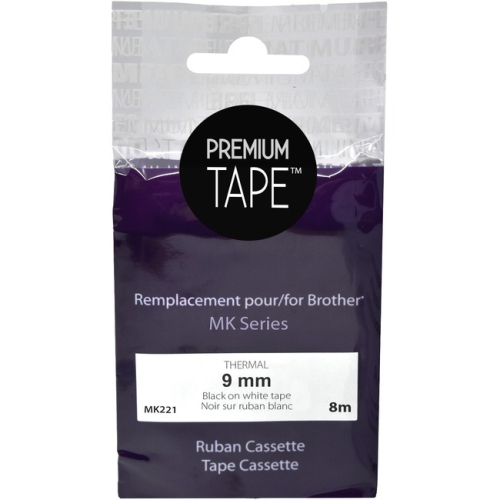
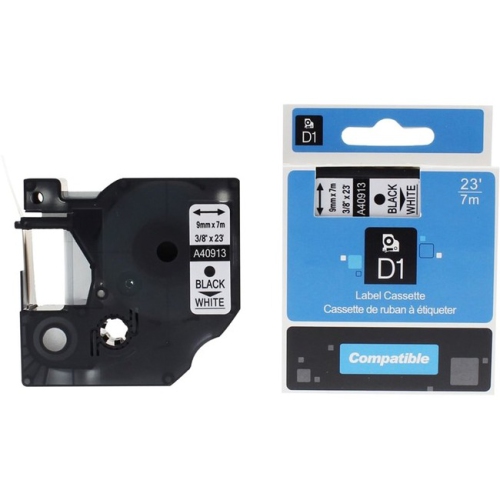
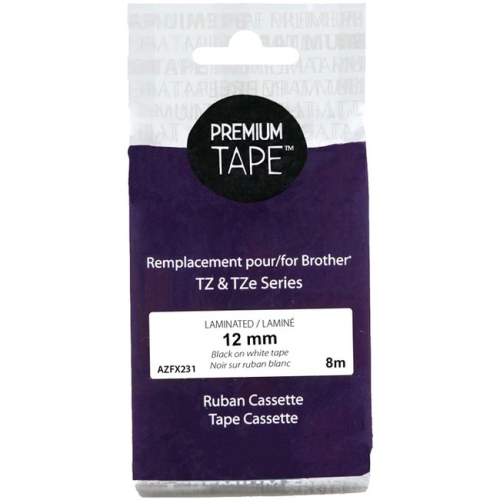
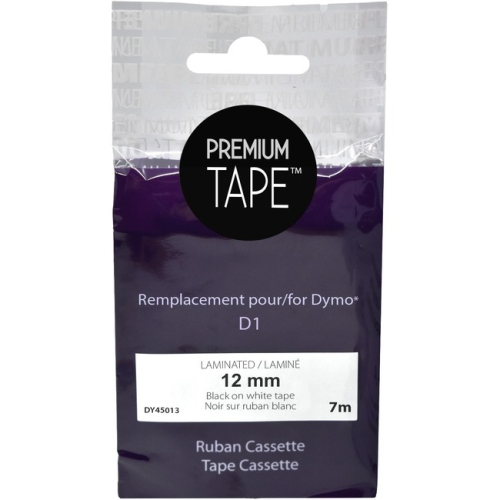


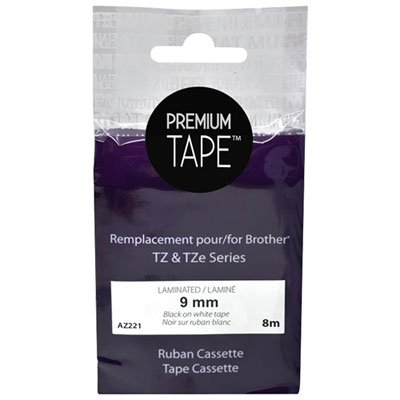
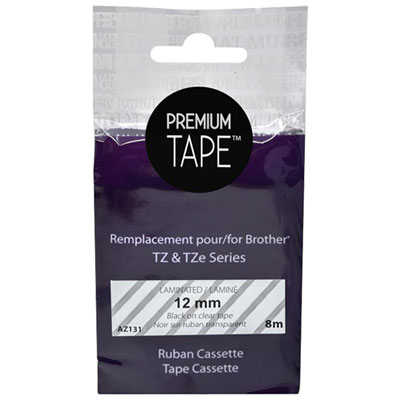
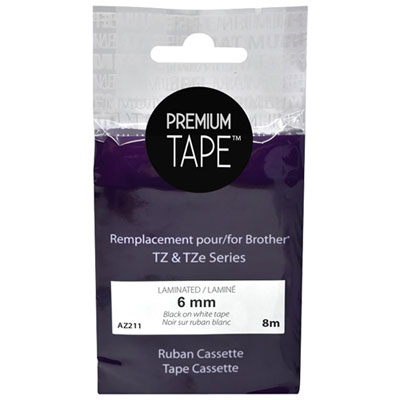
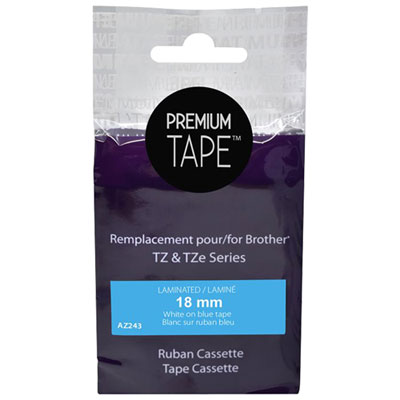
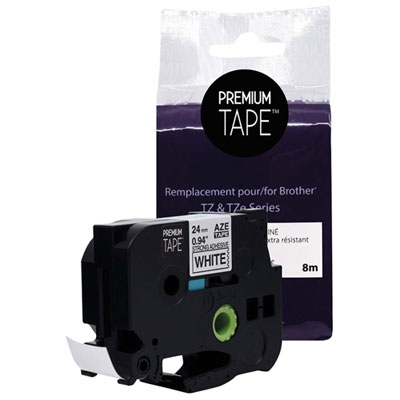
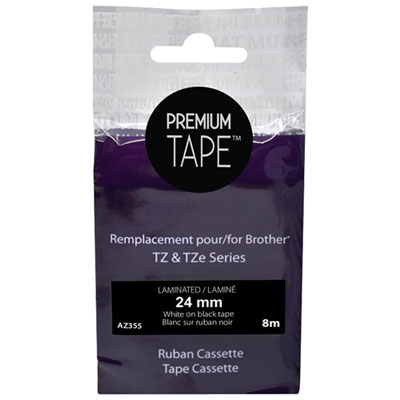

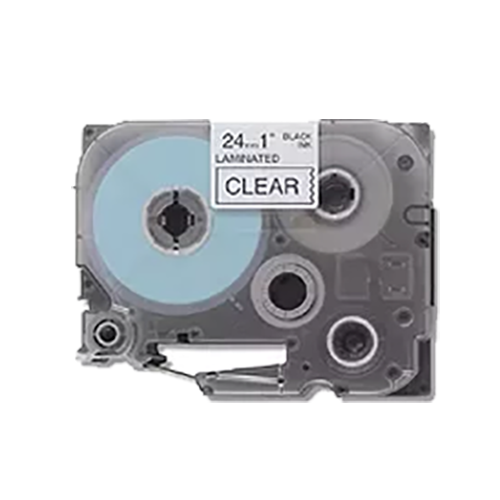
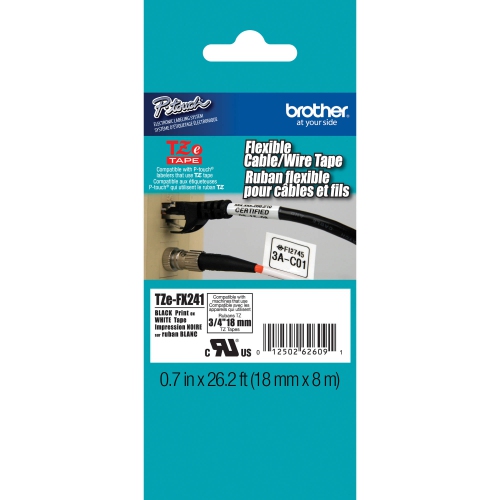
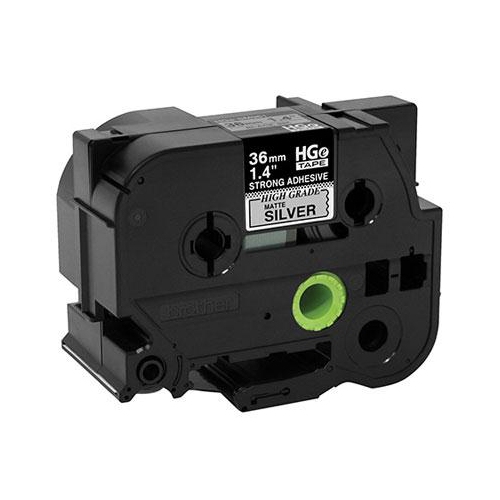
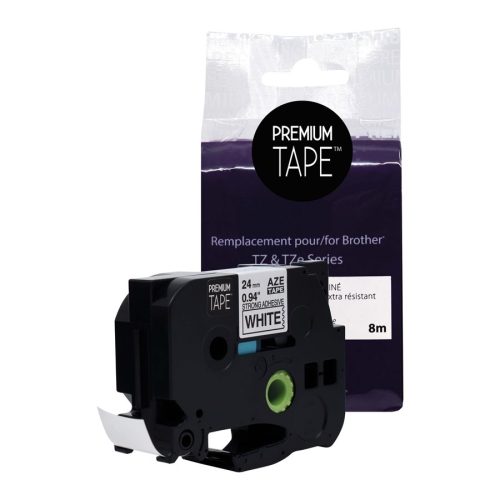
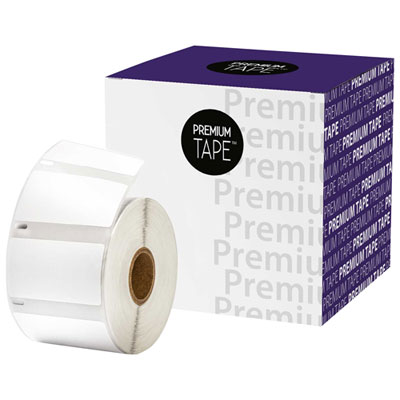
High-contrast labels that stand out on patterned surfaces
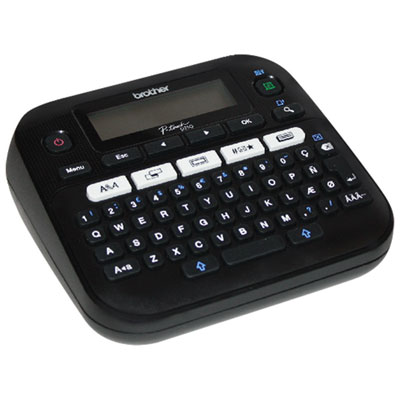
Black-on-white label tape produces dark lettering on a white background, creating clear, high-contrast labels for drawers, files, storage containers, equipment and everyday supplies. The simple colour combination is easy to read and fits neatly into a home office, classroom, workshop or shared workspace without competing with existing décor or signage. Unlike clear tape, an opaque white label provides its own background, helping text stand out against coloured folders, dark shelving and patterned containers. This type of tape is intended for compatible Electronic Label Makers, which print text onto an adhesive-backed strip that can be cut to suit the job. Compatibility depends on the label maker’s supported tape family, cartridge design and width, not simply the colour of the lettering or the dimensions of the cassette. Two cartridges that look similar may fit different machines, and a printer that accepts a narrow tape may not accommodate a wider one. Common widths include 6 mm, 9 mm, 12 mm, 18 mm and 24 mm, although the sizes supported vary by machine. Narrow tape suits small drawer edges and slim folder tabs, while wider tape provides more room for larger lettering or multiple lines on a storage bin. The physical tape width is not always the same as the printable area: margins and printer limitations affect how much text fits comfortably. For a short name or a shelf number, a compact label can keep the result unobtrusive. Longer descriptions, bilingual wording or labels that need to be read from farther away benefit from more space and a straightforward font. Black-on-white label tape is especially useful when consistency matters, such as a row of matching supply drawers or a set of project files that several people use. Matching the tape format to the machine and the label size to the surface helps keep that consistency practical, rather than merely decorative.
The tape’s construction and adhesive determine how well a label suits its intended use. Depending on the format, label tape may have a paper face, a plastic film surface or a laminated construction that places a clear protective layer over the printed text. Paper-based labels can suit dry indoor tasks with limited handling, while plastic and laminated formats may offer greater resistance to moisture, rubbing and everyday wear. Those properties are not interchangeable across all tapes, and a laminated finish alone does not establish that a label is suitable for outdoor use, repeated washing or contact with cleaning chemicals. Stated performance specifications matter for labels on frequently handled equipment or containers that need regular cleaning. Standard adhesive is generally intended for clean, smooth surfaces such as glass, metal and many rigid plastics. Dust, grease, surface texture and certain plastic finishes can interfere with the bond, even when a label initially appears secure. Extra-strength adhesive can be useful for more demanding applications, but it is not a guarantee of adhesion to every rough or uneven surface. Removable adhesive serves a different purpose, allowing temporary identification where the surface and removal conditions are suitable; permanent adhesive is intended for longer-lasting placement and may leave residue when removed. Flexible identification tape can be better suited to wrapping around cables or other curved surfaces than a stiff general-purpose strip, provided it is designed for that application. For any format, a clean, dry application area and firm, even contact help the adhesive bond properly. Split backing, where provided, makes it easier to peel the liner away without repeatedly touching the adhesive. Once applied, care depends on the tape’s rating: gentle wiping may be appropriate, while abrasive scrubbing or strong solvents can damage the surface or loosen the edges. Labels intended for photographs, keepsakes or archival storage require additional attention to material suitability, since ordinary office tape should not be assumed to be acid-free or safe for direct contact with delicate originals.
At home, black-on-white label tape helps give everyday belongings a clear place to return to. A small label on a charging drawer can separate spare leads from adapters, while matching labels on pantry containers make similar-looking ingredients easier to distinguish. On food containers, the tape belongs on an appropriate exterior surface unless it is expressly rated for another use; a moisture-resistant label should not automatically be treated as dishwasher-safe. In a home office, clear folder names and labelled document trays make it easier to separate paperwork that needs attention from records being kept for reference. Shared households can use plain-language labels to make storage understandable to everyone, rather than relying on one person’s memory of where things belong. Teachers and childcare staff may use compatible tape to identify supply drawers, teaching materials and storage cubbies, while students can use it on suitable personal supplies. In workplaces, the same black lettering and white background can bring order to stationery cupboards, equipment shelves and filing systems without requiring a separate colour code. Cable identification is another practical use when the tape is designed for it: a readable label near a connection can distinguish a monitor lead from a printer lead without tracing each cable across a desk. Text length and placement make a noticeable difference in these situations. “Printer paper” communicates more immediately than a cramped list of every paper size, and a label placed on the visible face of a bin remains useful when the bins are stacked. Larger lettering can help people identify contents at a glance, although high contrast alone does not make very small text easy to read. For equipment identification, supported symbols, numbering or barcodes may add useful detail, with the printer’s capabilities and print quality determining what is practical. Tape length also affects how many labels a cartridge produces, along with the length of each label, the margins and any spacing between prints. Whether used for a few household containers or a carefully organized supply room, black-on-white label tape offers a restrained, legible format whose usefulness depends on the right combination of machine compatibility, material, adhesive and placement.
The tape’s construction and adhesive determine how well a label suits its intended use. Depending on the format, label tape may have a paper face, a plastic film surface or a laminated construction that places a clear protective layer over the printed text. Paper-based labels can suit dry indoor tasks with limited handling, while plastic and laminated formats may offer greater resistance to moisture, rubbing and everyday wear. Those properties are not interchangeable across all tapes, and a laminated finish alone does not establish that a label is suitable for outdoor use, repeated washing or contact with cleaning chemicals. Stated performance specifications matter for labels on frequently handled equipment or containers that need regular cleaning. Standard adhesive is generally intended for clean, smooth surfaces such as glass, metal and many rigid plastics. Dust, grease, surface texture and certain plastic finishes can interfere with the bond, even when a label initially appears secure. Extra-strength adhesive can be useful for more demanding applications, but it is not a guarantee of adhesion to every rough or uneven surface. Removable adhesive serves a different purpose, allowing temporary identification where the surface and removal conditions are suitable; permanent adhesive is intended for longer-lasting placement and may leave residue when removed. Flexible identification tape can be better suited to wrapping around cables or other curved surfaces than a stiff general-purpose strip, provided it is designed for that application. For any format, a clean, dry application area and firm, even contact help the adhesive bond properly. Split backing, where provided, makes it easier to peel the liner away without repeatedly touching the adhesive. Once applied, care depends on the tape’s rating: gentle wiping may be appropriate, while abrasive scrubbing or strong solvents can damage the surface or loosen the edges. Labels intended for photographs, keepsakes or archival storage require additional attention to material suitability, since ordinary office tape should not be assumed to be acid-free or safe for direct contact with delicate originals.
At home, black-on-white label tape helps give everyday belongings a clear place to return to. A small label on a charging drawer can separate spare leads from adapters, while matching labels on pantry containers make similar-looking ingredients easier to distinguish. On food containers, the tape belongs on an appropriate exterior surface unless it is expressly rated for another use; a moisture-resistant label should not automatically be treated as dishwasher-safe. In a home office, clear folder names and labelled document trays make it easier to separate paperwork that needs attention from records being kept for reference. Shared households can use plain-language labels to make storage understandable to everyone, rather than relying on one person’s memory of where things belong. Teachers and childcare staff may use compatible tape to identify supply drawers, teaching materials and storage cubbies, while students can use it on suitable personal supplies. In workplaces, the same black lettering and white background can bring order to stationery cupboards, equipment shelves and filing systems without requiring a separate colour code. Cable identification is another practical use when the tape is designed for it: a readable label near a connection can distinguish a monitor lead from a printer lead without tracing each cable across a desk. Text length and placement make a noticeable difference in these situations. “Printer paper” communicates more immediately than a cramped list of every paper size, and a label placed on the visible face of a bin remains useful when the bins are stacked. Larger lettering can help people identify contents at a glance, although high contrast alone does not make very small text easy to read. For equipment identification, supported symbols, numbering or barcodes may add useful detail, with the printer’s capabilities and print quality determining what is practical. Tape length also affects how many labels a cartridge produces, along with the length of each label, the margins and any spacing between prints. Whether used for a few household containers or a carefully organized supply room, black-on-white label tape offers a restrained, legible format whose usefulness depends on the right combination of machine compatibility, material, adhesive and placement.
Top selling and popular products
-
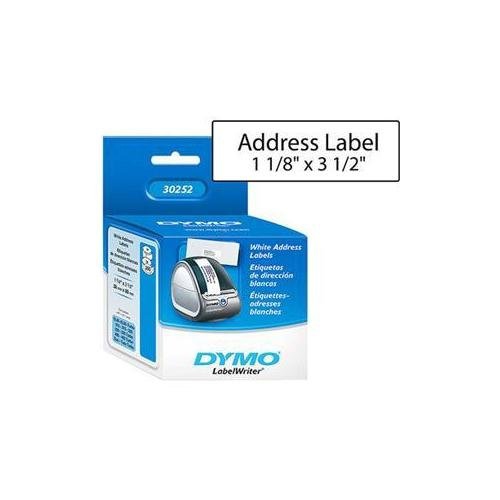 Your price for this item is $26.68
 -
 Your price for this item is $70.99
 -
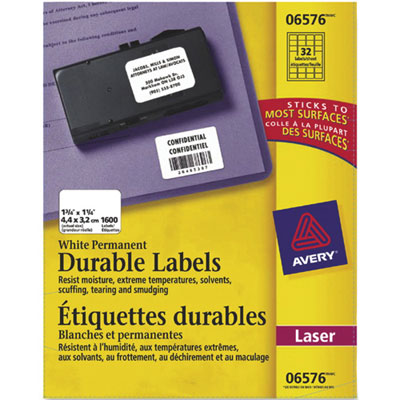 Your price for this item is $70.99
 -
 Your price for this item is $64.99
 -
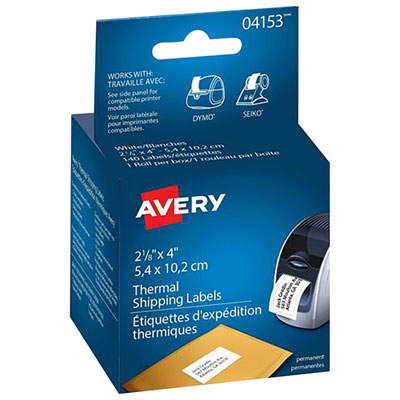 Your price for this item is $30.99
 -
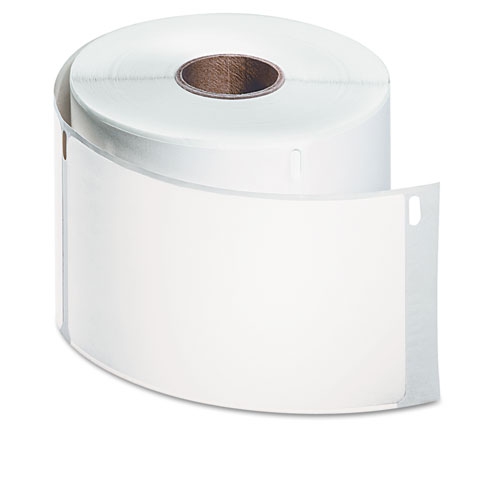 Your price for this item is $26.99
 -
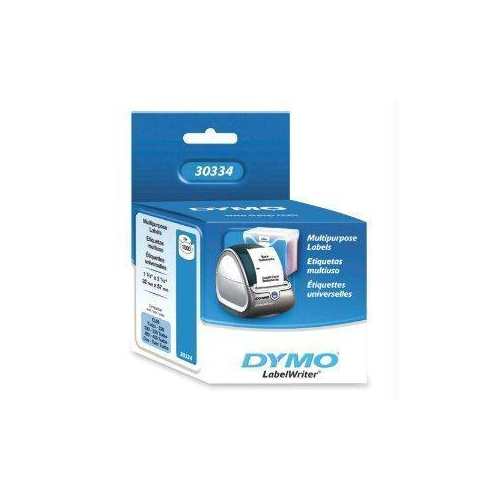 Your price for this item is $76.68
 -
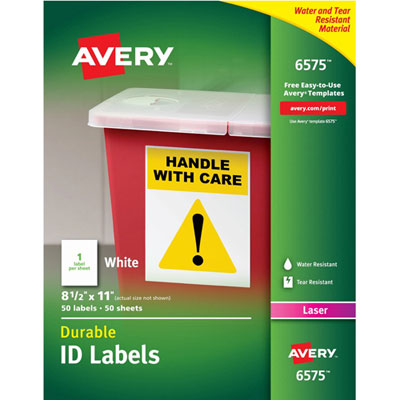 Your price for this item is $70.99
Discover more categories related to Black on White Label Tape
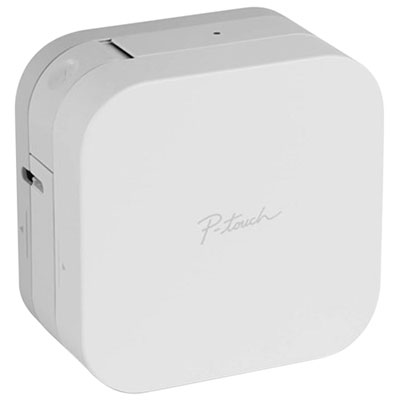
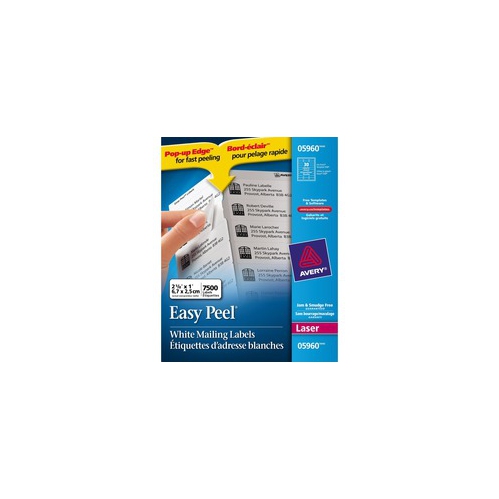
Top Collections:
Pokemon Centers, Kindle Devices, Best Budget Office Chairs, Apple iPhones 16, Best Laptops for Writers, iPhone 15 Apple, Canon G7X Cameras, Refurbished Apple Laptops, Alarm Clock, Motorola Razr Phones
Some products may be subject to Environmental Handling Fees
(EHF) depending on your province.
Learn more about EHFs.