Brochure Papers
Looking to create eye-catching brochures for your business or personal projects? Look no further than our selection of brochure papers. Whether you're promoting a new product, advertising an event, or showcasing your services, brochure paper will help you make a lasting impression. The right paper can make all the difference in your project, and our selection of brochure papers offers a variety of options to choose from.
Sort
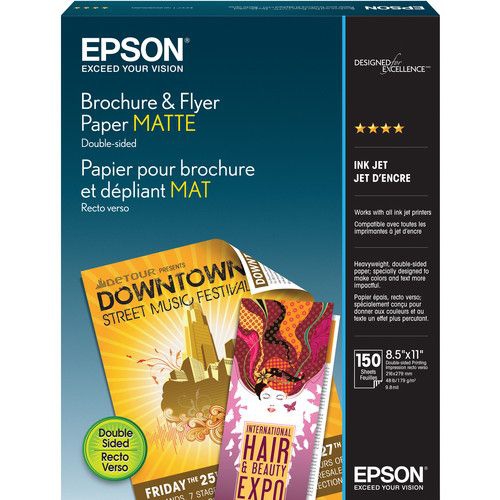
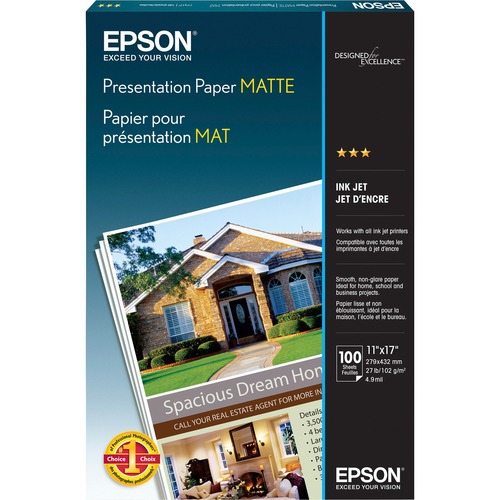
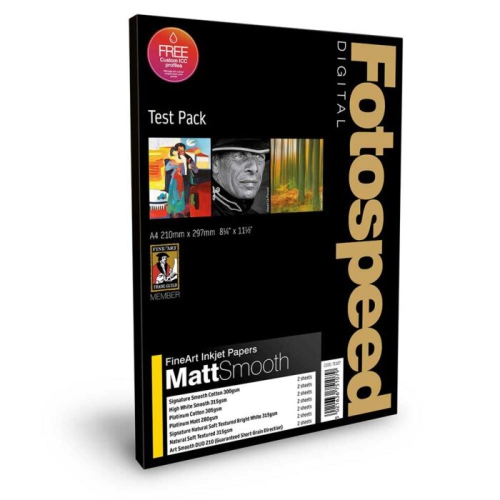
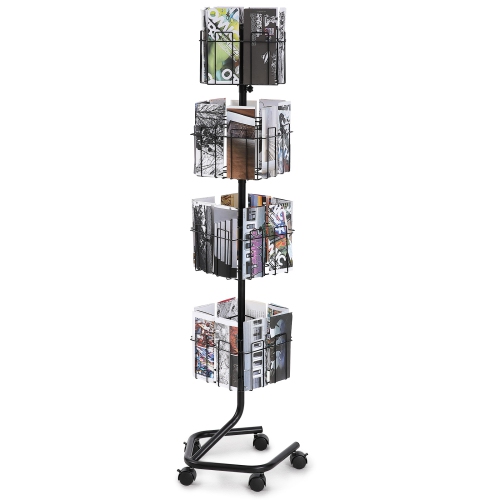
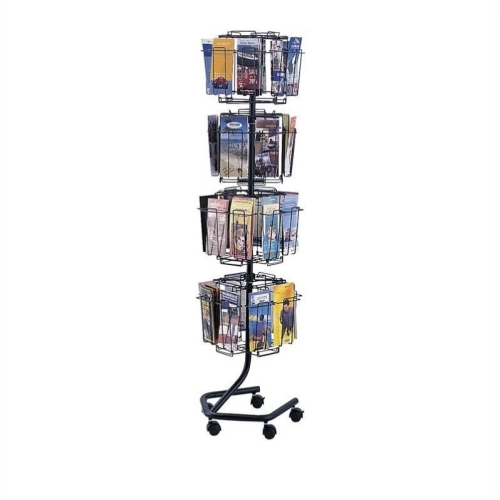
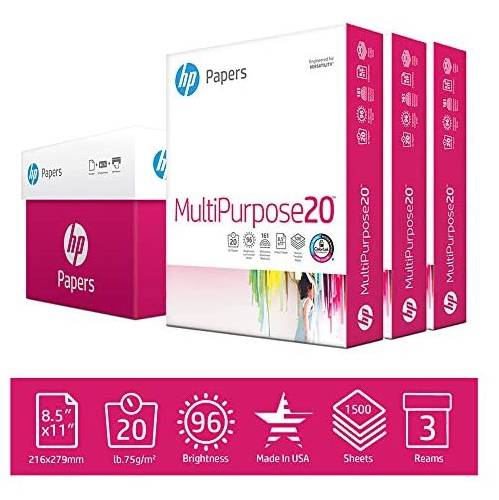
The right paper gives printed materials a polished finish
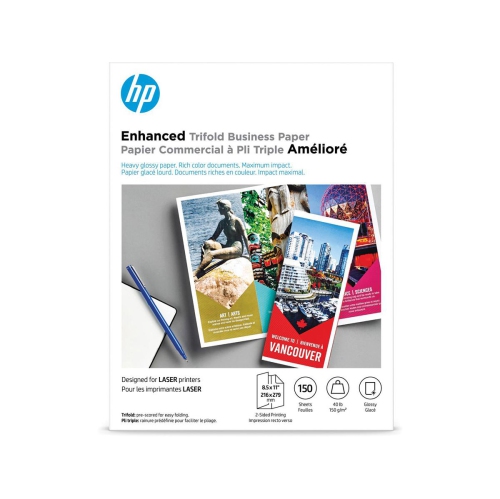
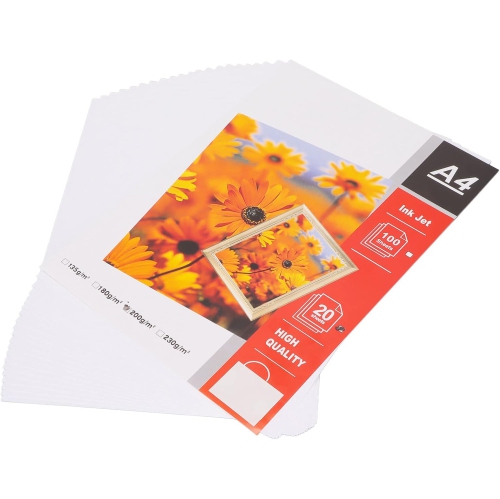
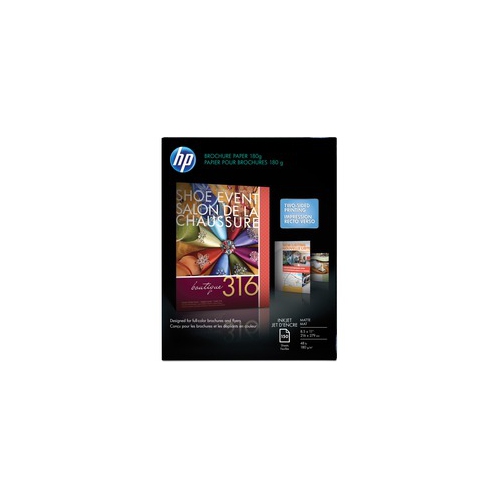
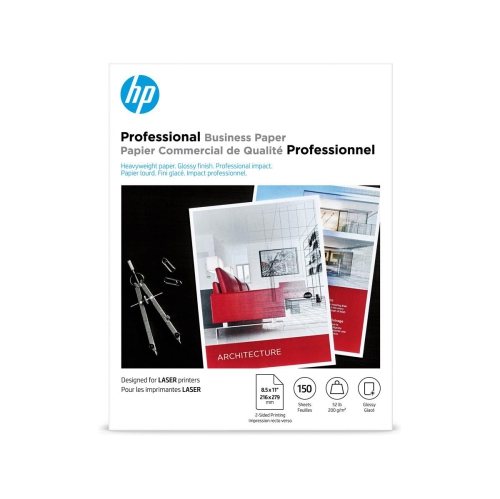
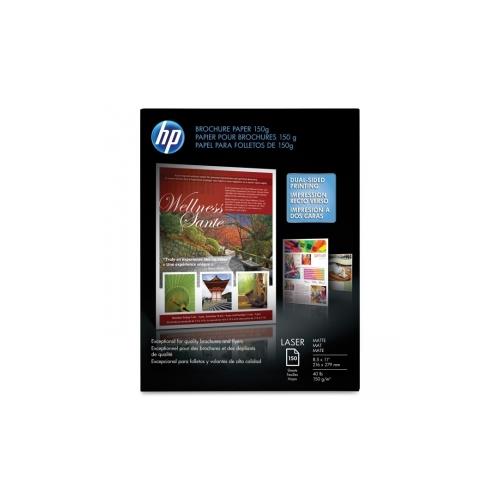
Brochure papers are heavyweight, coated sheets designed for producing polished, double-sided printed materials such as flyers, menus, pamphlets, event programmes, product information sheets and handouts. Compared with everyday copy paper, brochure stock typically has a smoother surface, greater thickness and a more substantial feel that helps printed pieces look professional and hold their shape. It is a practical choice for a home office, small business, classroom, community group or creative workspace where a standard printer can be used to produce attractive promotional materials without sending every project to a print shop. When choosing brochure papers, start by considering the finished purpose of the piece, the type of printer you use and the amount of colour, photography and text in the layout. Common letter-size sheets measure 8.5 x 11 inch and are convenient for folding into tri-fold brochures, printing menus or preparing full-page flyers. Larger or smaller formats may be useful for specialised projects, but standard letter size is an easy starting point because it is supported by many inkjet and laser printers and can be trimmed or folded with minimal preparation. Pack size also matters: a smaller pack may suit occasional household projects, while a larger pack can be helpful for recurring business promotions, school presentations or community events. Before loading the paper, check your printer’s recommended media weight and paper settings, since heavyweight sheets may require a manual feed slot or a slower print mode for the best results.
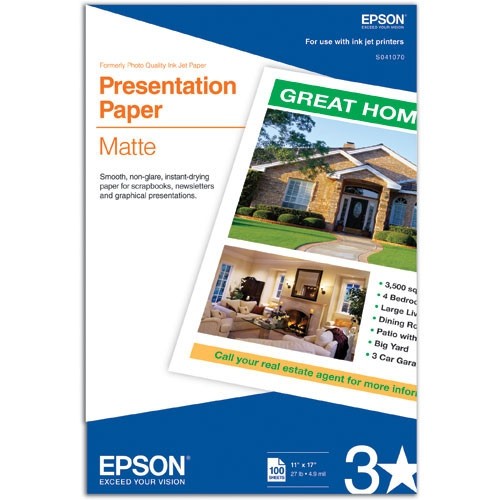
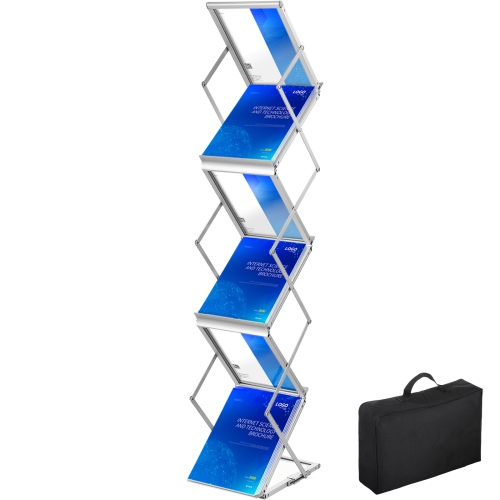
The finish has a noticeable effect on both appearance and readability. Glossy brochure paper has a reflective, polished surface that can make colours look vivid and photographs appear bright, detailed and saturated. It works particularly well for image-heavy flyers, restaurant menus, travel promotions, portfolio pages and displays where visual impact is important. Light catches the smooth coating as the finished sheet moves across a counter or sits in a brochure holder, creating the crisp, lively appearance often associated with professionally printed marketing materials. Matte brochure paper has a softer, non-reflective surface that is easier to read under overhead lighting and more comfortable for layouts with paragraphs, instructions, pricing details or contact information. It can also be a better choice when recipients may need to write notes on the page, although the exact writing experience depends on the coating and the pen being used. Some papers feature a coated surface on both sides, which is especially useful for double-sided brochures where photos, colour blocks and text appear throughout the design. Heavier weights, often identified in grams per square metre (gsm), provide a sturdier feel and can reduce the flimsy impression associated with ordinary printer paper. A paper around 170 to 180 gsm is often suitable for durable flyers and brochures, while the ideal weight depends on your printer, folding method and desired presentation. For additional paper choices for forms, letters, presentations and everyday printing, browse Office Papers.
Good results also depend on preparing the file and printer before producing a complete batch. Set the document to the correct paper size, confirm whether the design should print in portrait or landscape orientation and allow for margins so that text, logos and contact details do not sit too close to an edge or fold. If printing on both sides, use the printer’s duplex setting when available, then check the page-flip option so the reverse side is oriented correctly. A single test sheet can reveal colour differences, alignment problems, unwanted borders or an overly dark image before the rest of the pack is used. Select a paper type such as matte, glossy or heavy stock in the print dialogue, and let freshly printed sheets dry flat if the ink feels damp. This is especially helpful for full-colour pages with large photographs or solid backgrounds. Store unused brochure papers in their original package or a closed drawer away from moisture, heat and direct light, and handle coated sheets with clean, dry hands to reduce fingerprints and smudges. These papers can be useful for many people: a small retailer can create sale flyers, a caterer can print menus, a real estate professional can prepare property handouts, a teacher can assemble classroom information sheets and a family can make invitations or programmes for a gathering. They also make a thoughtful addition to a home office or creative workspace, giving someone the materials to turn a digital design into a clean, tangible piece that can be shared at a reception desk, tucked into a parcel or handed to a neighbour during the cooler months.
The finish has a noticeable effect on both appearance and readability. Glossy brochure paper has a reflective, polished surface that can make colours look vivid and photographs appear bright, detailed and saturated. It works particularly well for image-heavy flyers, restaurant menus, travel promotions, portfolio pages and displays where visual impact is important. Light catches the smooth coating as the finished sheet moves across a counter or sits in a brochure holder, creating the crisp, lively appearance often associated with professionally printed marketing materials. Matte brochure paper has a softer, non-reflective surface that is easier to read under overhead lighting and more comfortable for layouts with paragraphs, instructions, pricing details or contact information. It can also be a better choice when recipients may need to write notes on the page, although the exact writing experience depends on the coating and the pen being used. Some papers feature a coated surface on both sides, which is especially useful for double-sided brochures where photos, colour blocks and text appear throughout the design. Heavier weights, often identified in grams per square metre (gsm), provide a sturdier feel and can reduce the flimsy impression associated with ordinary printer paper. A paper around 170 to 180 gsm is often suitable for durable flyers and brochures, while the ideal weight depends on your printer, folding method and desired presentation. For additional paper choices for forms, letters, presentations and everyday printing, browse Office Papers.
Good results also depend on preparing the file and printer before producing a complete batch. Set the document to the correct paper size, confirm whether the design should print in portrait or landscape orientation and allow for margins so that text, logos and contact details do not sit too close to an edge or fold. If printing on both sides, use the printer’s duplex setting when available, then check the page-flip option so the reverse side is oriented correctly. A single test sheet can reveal colour differences, alignment problems, unwanted borders or an overly dark image before the rest of the pack is used. Select a paper type such as matte, glossy or heavy stock in the print dialogue, and let freshly printed sheets dry flat if the ink feels damp. This is especially helpful for full-colour pages with large photographs or solid backgrounds. Store unused brochure papers in their original package or a closed drawer away from moisture, heat and direct light, and handle coated sheets with clean, dry hands to reduce fingerprints and smudges. These papers can be useful for many people: a small retailer can create sale flyers, a caterer can print menus, a real estate professional can prepare property handouts, a teacher can assemble classroom information sheets and a family can make invitations or programmes for a gathering. They also make a thoughtful addition to a home office or creative workspace, giving someone the materials to turn a digital design into a clean, tangible piece that can be shared at a reception desk, tucked into a parcel or handed to a neighbour during the cooler months.
Top selling and popular products
-
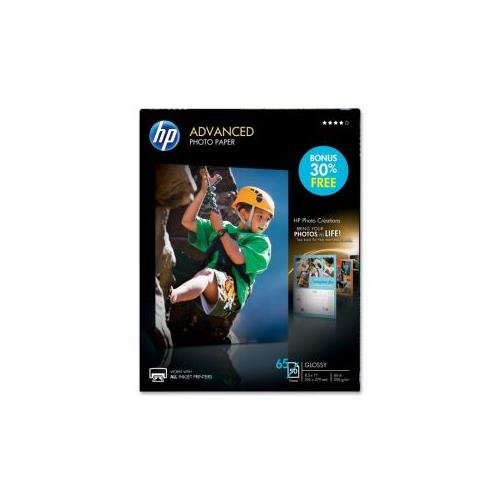 Your price for this item is $47.68
 -
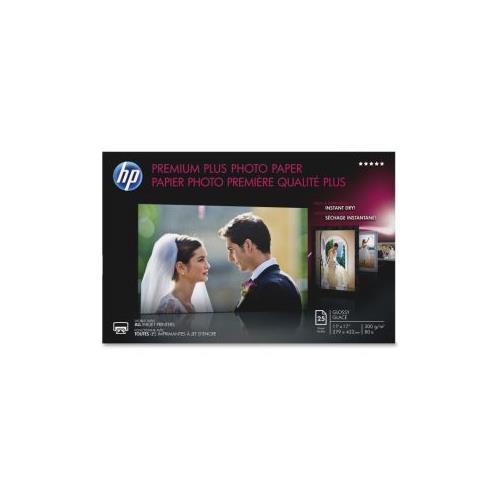 Your price for this item is $80.68
 -
 Your price for this item is $45.99
 -
 Your price for this item is $45.79
 -
 Your price for this item is $37.99
 -
 Your price for this item is $358.99
 -
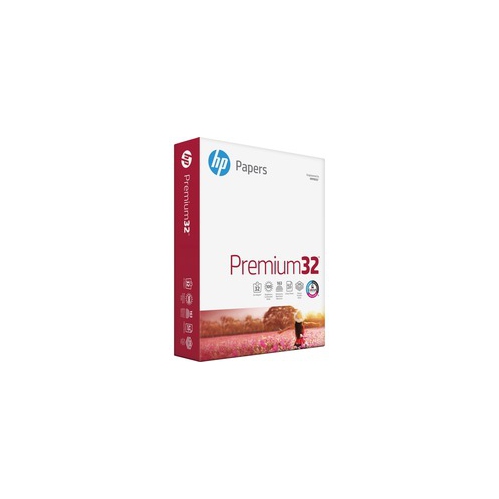 Your price for this item is $31.99
 -
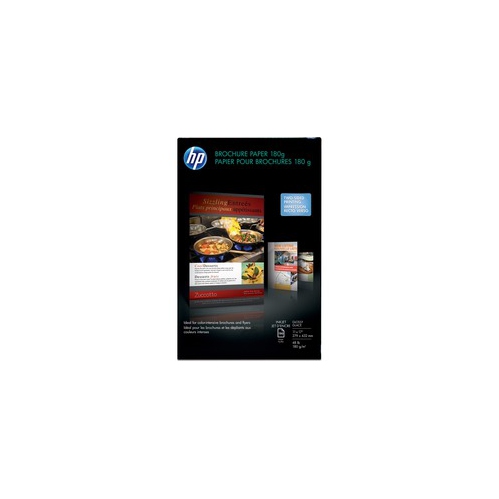 Your price for this item is $103.99
Discover more categories related to Brochure Papers

Top Collections:
Pokemon Centers, Kindle Devices, Best Budget Office Chairs, Apple iPhones 16, Best Laptops for Writers, iPhone 15 Apple, Canon G7X Cameras, Refurbished Apple Laptops, Alarm Clock, Motorola Razr Phones
Some products may be subject to Environmental Handling Fees
(EHF) depending on your province.
Learn more about EHFs.