Business Card Stock
Looking to make a lasting impression with your business cards? Look no further than our wide selection of business card stock. Whether you're a seasoned professional or just starting, the right choice of card stock can elevate your brand and leave a lasting impact on potential clients and customers. They're also a great way to introduce yourself and your business. These cards can be used to promote services, highlight achievements, and make a statement.
Sort
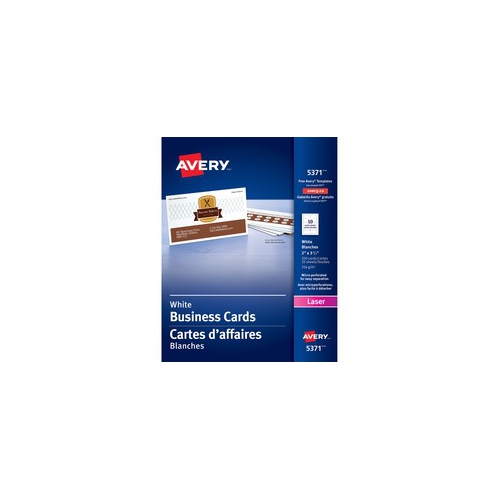
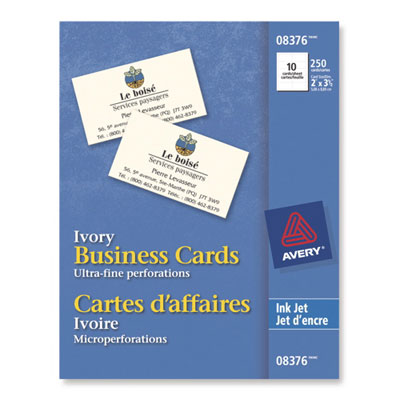
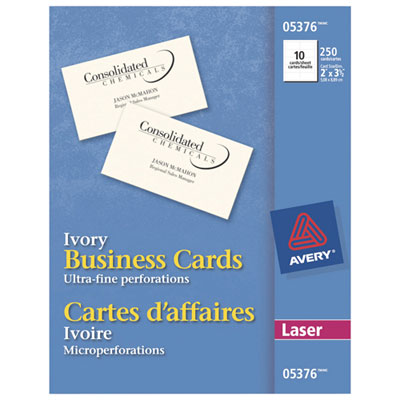
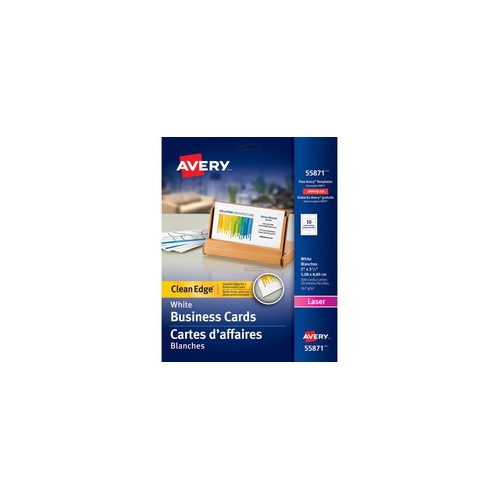
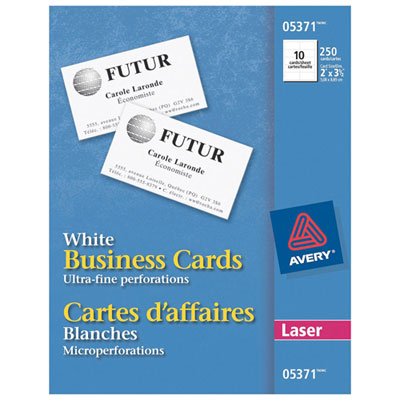
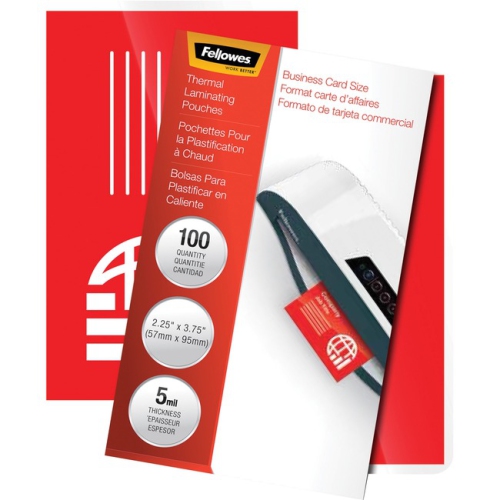
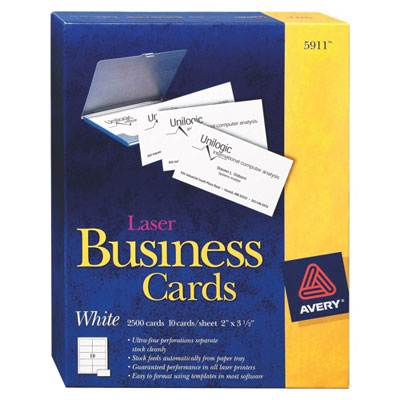



Card weights and finishes shape every first impression
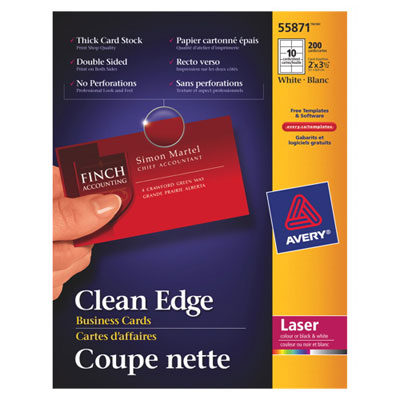
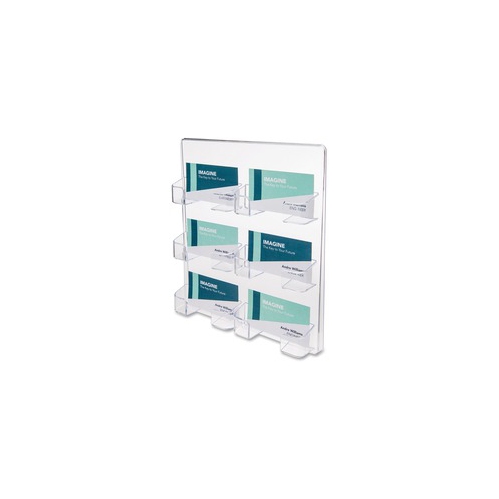
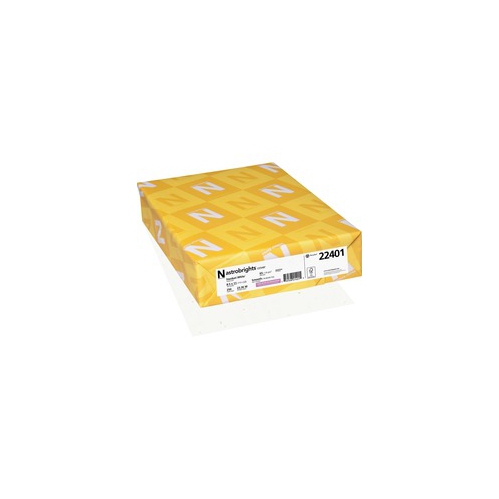
Business card stock provides the foundation for a card that feels polished before anyone reads the details. While ordinary printer paper may be suitable for notes or temporary handouts, it is usually too thin for a professional card that needs to survive a wallet, desk drawer, conference bag, or jacket pocket. Cardstock is commonly described by points (pt), cover weight (lb), or GSM, so comparing labels carefully can help you choose the right material. Standard business cards are often made from 14 pt to 16 pt stock, or approximately 270 to 350 GSM, offering a practical balance of strength, print quality, and everyday portability. A 10 pt to 12 pt option is thinner and more flexible, which can be useful for larger quantities, promotional inserts, appointment reminders, or cards that will be handed out briefly, although lighter stock may bend more easily. At the other end of the range, 16 pt, 17 pt, and heavier card stock creates a rigid, substantial feel that can make a memorable first impression. The ideal choice depends on how the cards will be used, how they will be printed, and whether they need to fit comfortably in standard wallets and card holders. For more options suited to networking, client appointments, local services, and everyday professional exchanges, browse Business Cards. When evaluating a package, check the sheet size, number of cards per sheet, compatibility with your printer, and whether the stock is intended for inkjet printing, laser printing, or both. Printer manufacturers may specify maximum paper weights, and feeding a very thick sheet through equipment that is not designed for it can lead to jams, uneven toner, or curled edges. A straight-through or manual feed path may handle heavier stock more reliably than a standard tray. It is also worth confirming whether the card layout matches the perforations or template used by your design software, particularly when printing multiple cards on one sheet. Consistent dimensions and clean cutting help the finished cards look deliberate rather than homemade, while a small test run can reveal colour, alignment, and ink-drying issues before the full package is used.
The surface finish affects both the appearance and the practical experience of handling a business card. Matte and satin finishes have a smooth, low-reflection surface that keeps names, phone numbers, and small type easy to read under office lighting, at a reception desk, or during an outdoor meeting. They are often a comfortable choice for consultants, tradespeople, freelancers, instructors, and service professionals who want a restrained, contemporary look. Glossy stock has a brighter, more reflective coating that can make saturated colours, logos, illustrations, and photographs appear especially vivid. It can be well suited to creative portfolios, photography services, design work, salons, food businesses, and other applications where visual impact matters, although glare may make it harder to write on or read at certain angles. Uncoated stock has a natural paper texture and is generally the easiest surface for handwriting. That makes it useful for appointment cards, repair follow-ups, personal notes, booking details, or a quick handwritten reminder added during a conversation. Textured finishes, such as linen-inspired patterns or softly tactile surfaces, can add visual interest without requiring elaborate graphics, but intricate textures may affect very small text and fine lines. Consider the design as a whole: dark backgrounds can show fingerprints and scuffs more readily, pale backgrounds may make handwriting and fine print easier to see, and a generous margin helps prevent important information from appearing too close to the edge. A simple layout with a clear name, role, business name, telephone number, email address, website, or location is often more useful than an overcrowded card. If one side contains a logo or image, leaving the reverse side open can create a convenient space for notes, service details, booking instructions, or a short list of offerings. For cards intended for regular writing, test the exact pen or marker you expect to use, since some coated surfaces resist ink or require extra drying time.
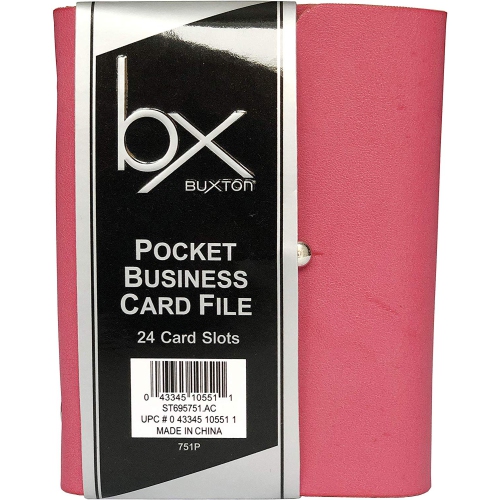
Business card stock is useful for far more than traditional office networking. Small-business owners can keep a supply at a front counter, in a vehicle, or beside a home office printer so they are ready for a supplier visit, community gathering, client consultation, or referral. Sales representatives and real estate professionals may use cards to make follow-up information easy to carry, while contractors, tutors, photographers, stylists, instructors, and repair specialists can include them with invoices, completed work, deliveries, or appointment reminders. Students and job seekers may use professionally printed cards to share contact details at career events, portfolio reviews, placements, or informal introductions. Event planners and community organizers can use card stock for speaker contact cards, vendor information, table signs, or compact instructions that guests can take with them. It can also be a thoughtful practical gift for someone starting a side business, opening a studio, offering services independently, or preparing for a new role that involves meeting clients. Choosing the stock is easier when you picture the moment of exchange: a lightweight card can be handed out by the handful, a sturdy matte card can feel comfortable in a wallet, and a heavier specialty finish can signal a premium service. Storage matters as well. Keep unused sheets flat, dry, and protected from dust, and allow freshly printed cards enough time to dry before stacking them tightly. Store finished cards in a rigid case or shallow box so corners stay crisp during travel. Before committing to a large print job, inspect a sample under the lighting where the cards will usually be shared, read the smallest text at arm’s length, and check both sides for smearing or misalignment. With the right weight, finish, size, and printer compatibility, business card stock turns basic contact information into a durable, convenient introduction that can stay useful through changing workplaces, cooler months, busy event seasons, and everyday customer conversations.
The surface finish affects both the appearance and the practical experience of handling a business card. Matte and satin finishes have a smooth, low-reflection surface that keeps names, phone numbers, and small type easy to read under office lighting, at a reception desk, or during an outdoor meeting. They are often a comfortable choice for consultants, tradespeople, freelancers, instructors, and service professionals who want a restrained, contemporary look. Glossy stock has a brighter, more reflective coating that can make saturated colours, logos, illustrations, and photographs appear especially vivid. It can be well suited to creative portfolios, photography services, design work, salons, food businesses, and other applications where visual impact matters, although glare may make it harder to write on or read at certain angles. Uncoated stock has a natural paper texture and is generally the easiest surface for handwriting. That makes it useful for appointment cards, repair follow-ups, personal notes, booking details, or a quick handwritten reminder added during a conversation. Textured finishes, such as linen-inspired patterns or softly tactile surfaces, can add visual interest without requiring elaborate graphics, but intricate textures may affect very small text and fine lines. Consider the design as a whole: dark backgrounds can show fingerprints and scuffs more readily, pale backgrounds may make handwriting and fine print easier to see, and a generous margin helps prevent important information from appearing too close to the edge. A simple layout with a clear name, role, business name, telephone number, email address, website, or location is often more useful than an overcrowded card. If one side contains a logo or image, leaving the reverse side open can create a convenient space for notes, service details, booking instructions, or a short list of offerings. For cards intended for regular writing, test the exact pen or marker you expect to use, since some coated surfaces resist ink or require extra drying time.
Business card stock is useful for far more than traditional office networking. Small-business owners can keep a supply at a front counter, in a vehicle, or beside a home office printer so they are ready for a supplier visit, community gathering, client consultation, or referral. Sales representatives and real estate professionals may use cards to make follow-up information easy to carry, while contractors, tutors, photographers, stylists, instructors, and repair specialists can include them with invoices, completed work, deliveries, or appointment reminders. Students and job seekers may use professionally printed cards to share contact details at career events, portfolio reviews, placements, or informal introductions. Event planners and community organizers can use card stock for speaker contact cards, vendor information, table signs, or compact instructions that guests can take with them. It can also be a thoughtful practical gift for someone starting a side business, opening a studio, offering services independently, or preparing for a new role that involves meeting clients. Choosing the stock is easier when you picture the moment of exchange: a lightweight card can be handed out by the handful, a sturdy matte card can feel comfortable in a wallet, and a heavier specialty finish can signal a premium service. Storage matters as well. Keep unused sheets flat, dry, and protected from dust, and allow freshly printed cards enough time to dry before stacking them tightly. Store finished cards in a rigid case or shallow box so corners stay crisp during travel. Before committing to a large print job, inspect a sample under the lighting where the cards will usually be shared, read the smallest text at arm’s length, and check both sides for smearing or misalignment. With the right weight, finish, size, and printer compatibility, business card stock turns basic contact information into a durable, convenient introduction that can stay useful through changing workplaces, cooler months, busy event seasons, and everyday customer conversations.
Top selling and popular products
-
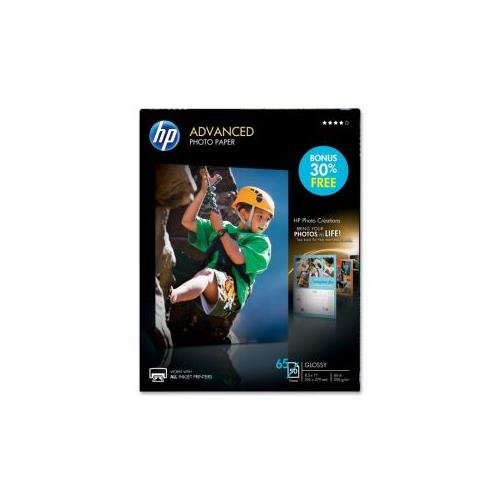 Your price for this item is $57.68
 -
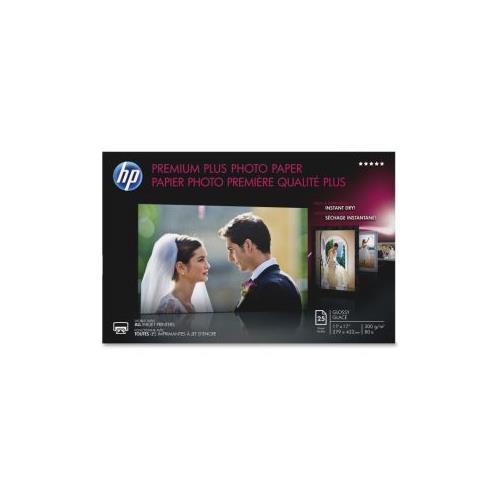 Your price for this item is $90.68
 -
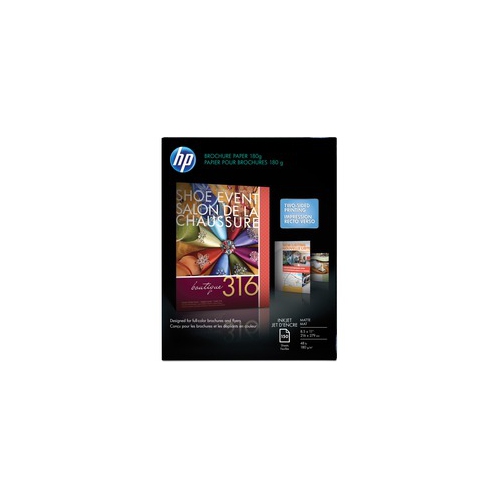 Your price for this item is $45.99
 -
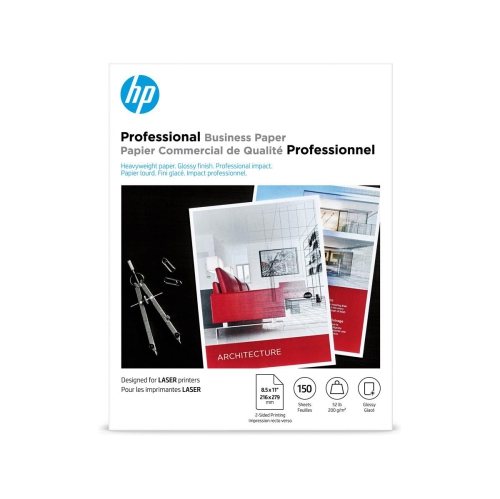 Your price for this item is $45.79
 -
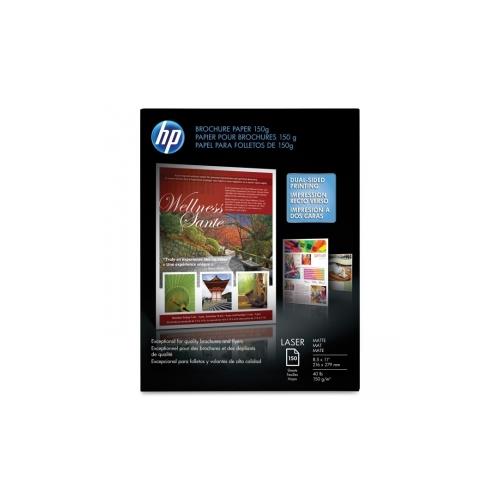 Your price for this item is $37.99
 -
 Your price for this item is $358.99
 -
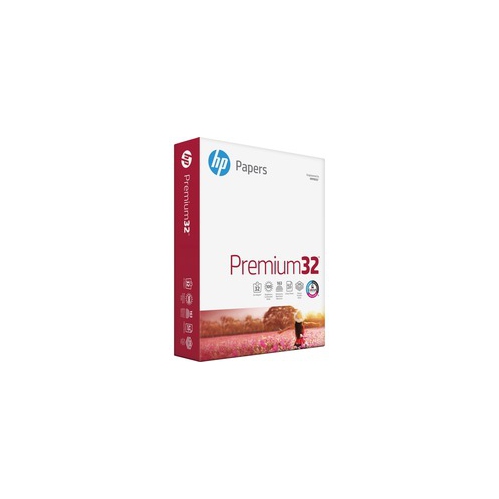 Your price for this item is $31.99
 -
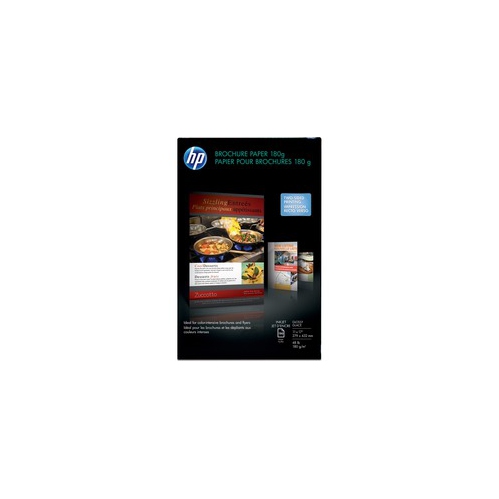 Your price for this item is $103.99
Discover more categories related to Business Card Stock
Top Collections:
Pokemon Centers, Kindle Devices, Best Budget Office Chairs, Apple iPhones 16, Canon G7X Cameras, iPhone 15 Apple, Alarm Clock, Refurbished Apple Laptops, Flip Phones, Best Laptops for Writers
Some products may be subject to Environmental Handling Fees
(EHF) depending on your province.
Learn more about EHFs.