Carts On Wheels
Upgrade your mobility with our collection of carts on wheels. Whether you need a convenient solution for transporting groceries, moving heavy items around the house, or organizing supplies in your office or garage, we have a diverse range of wheeled carts to suit your needs. From sturdy utility carts to sleek rolling storage carts, these versatile solutions combine practicality with durability to make your daily tasks easier and more efficient. Explore our selection and find the perfect cart on wheels to simplify your life today.
Sort

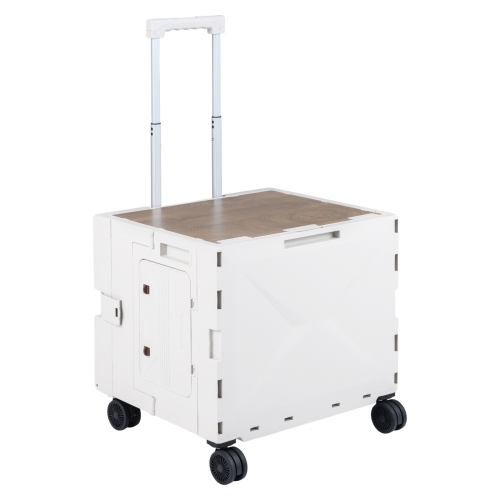

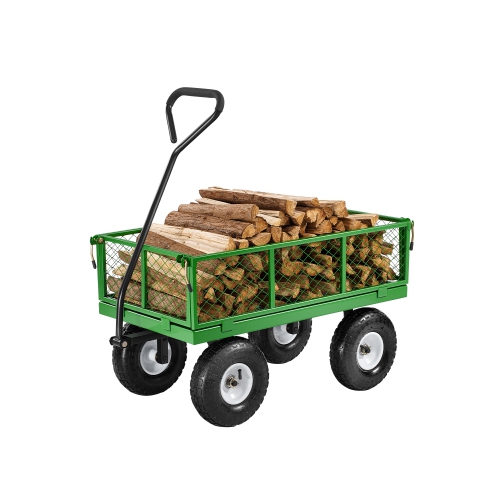
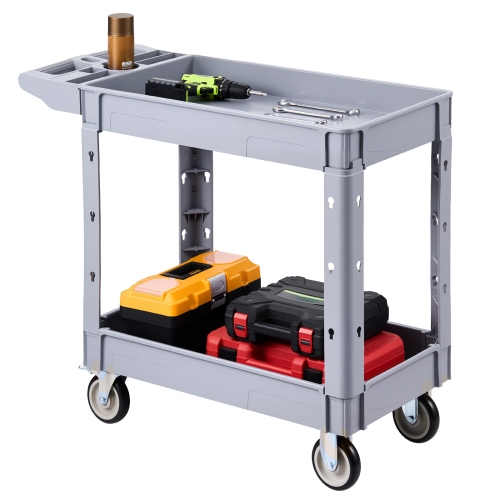
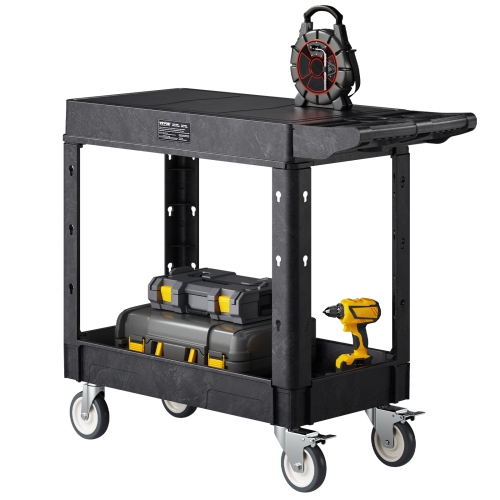
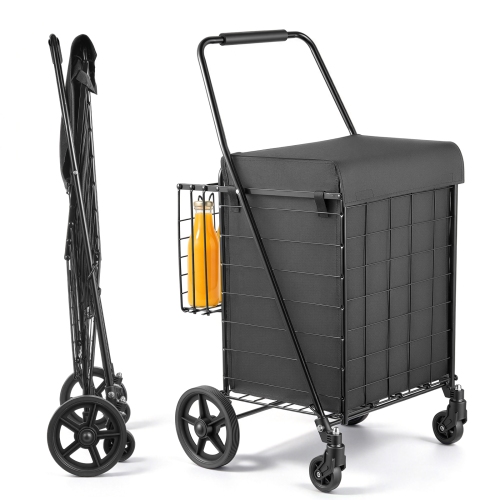
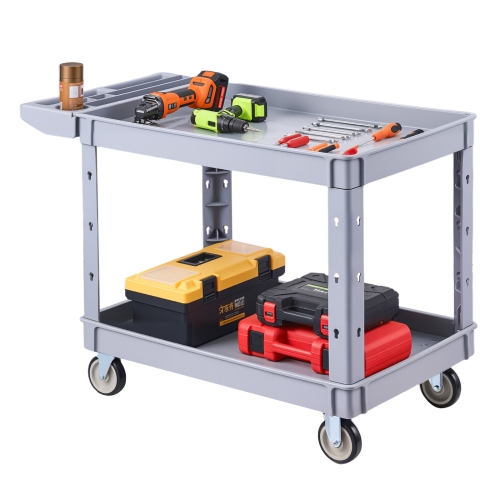
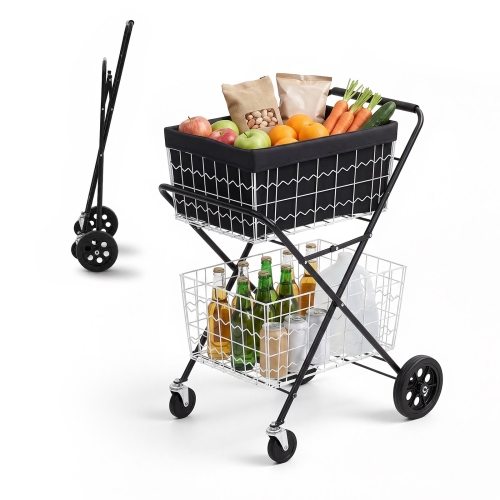
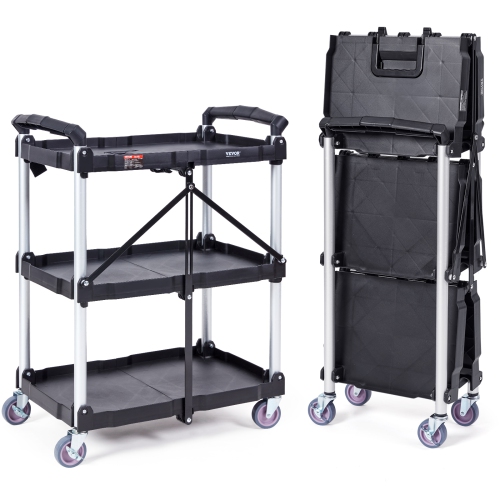
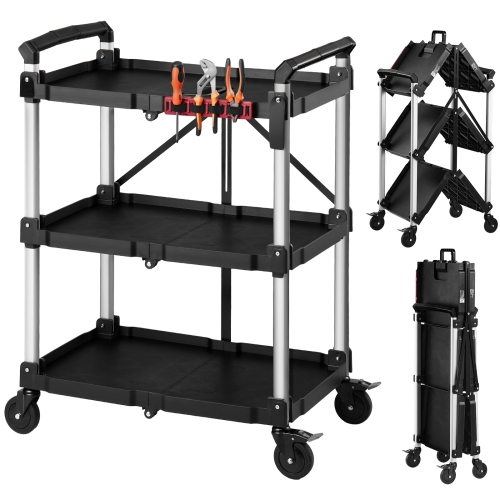
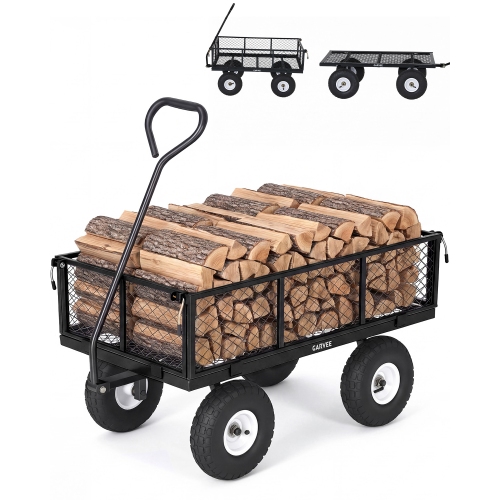
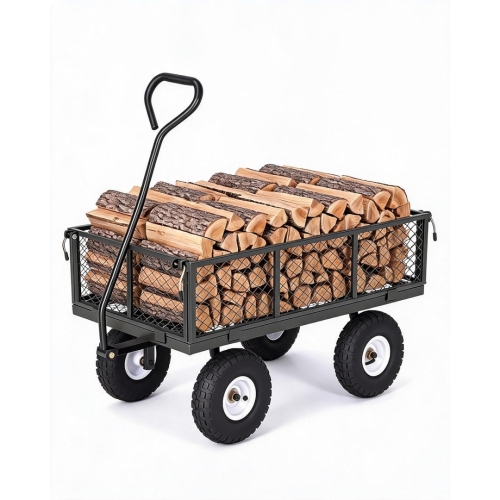
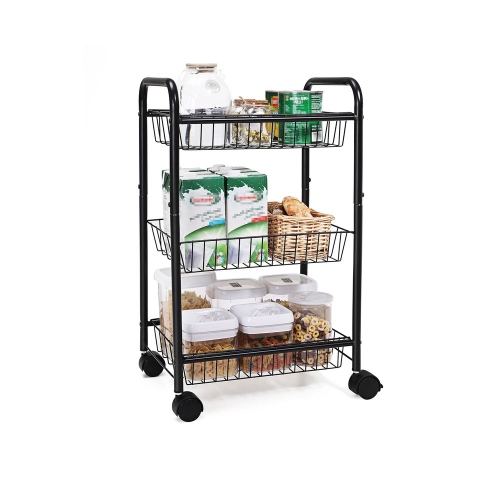
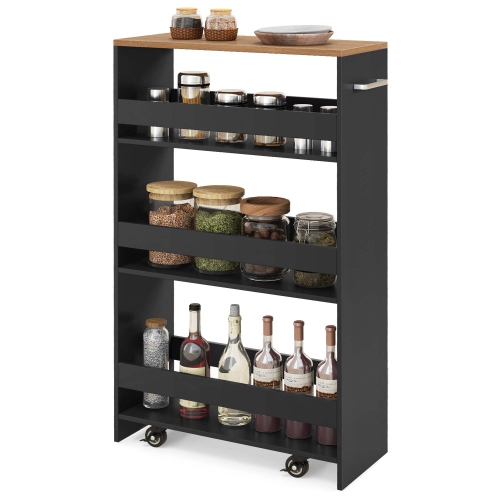
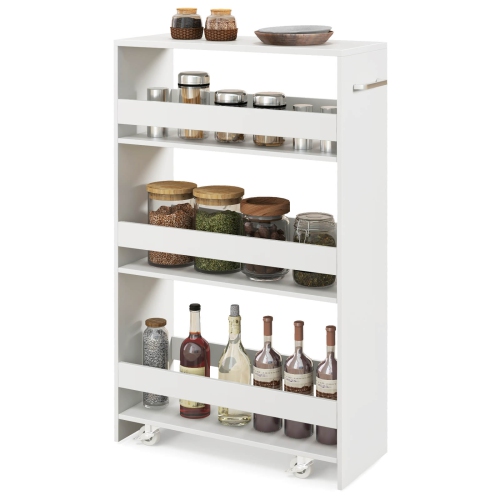
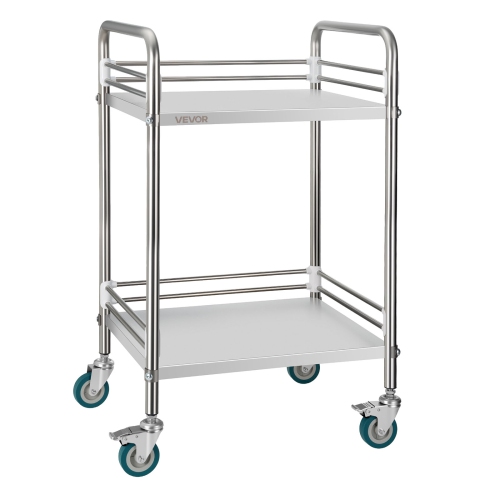
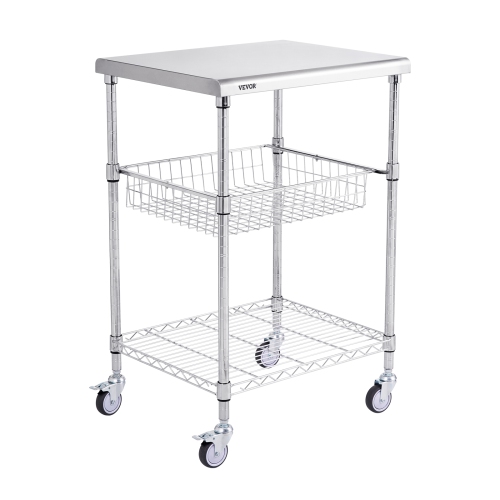
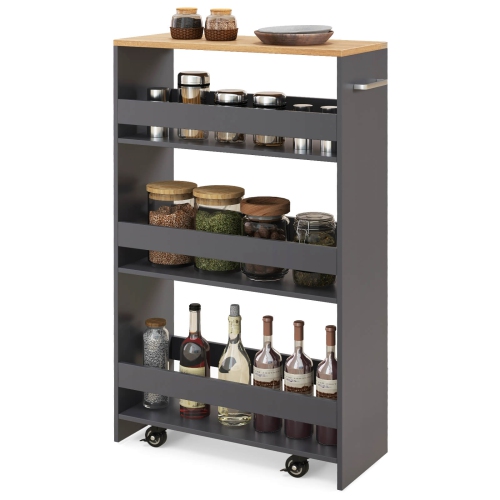
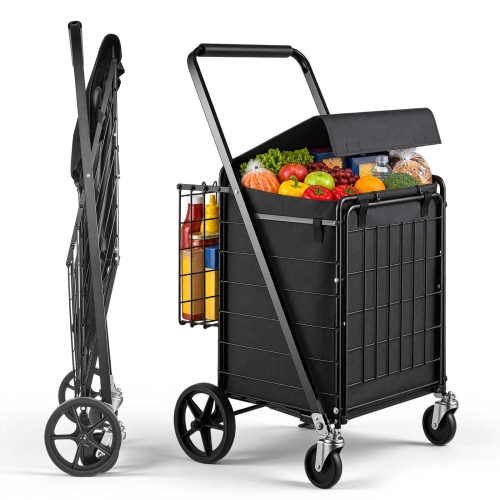
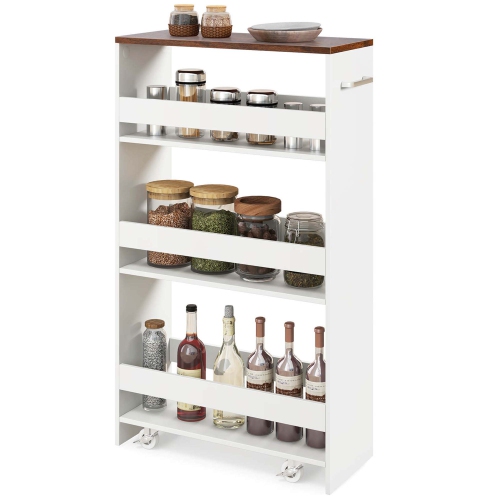
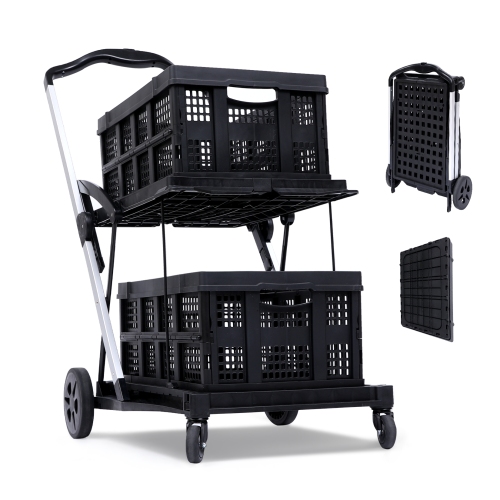

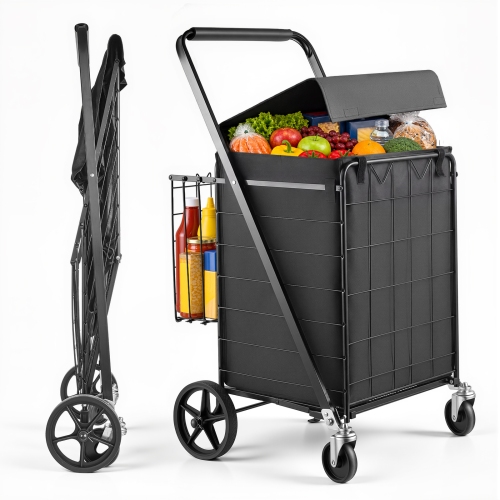
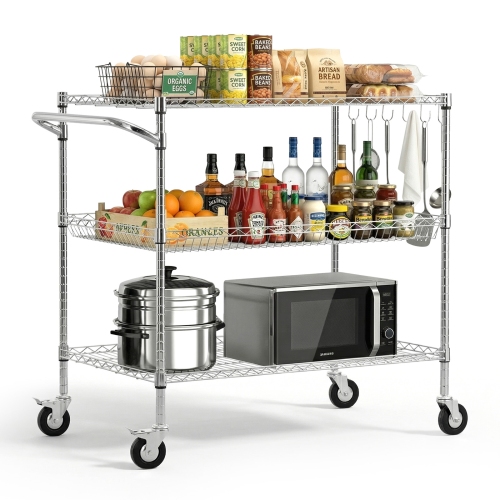
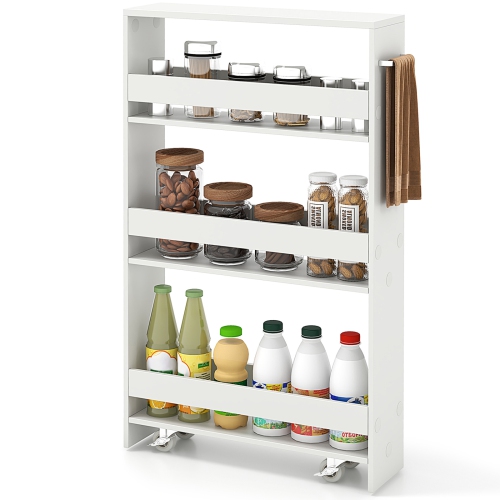
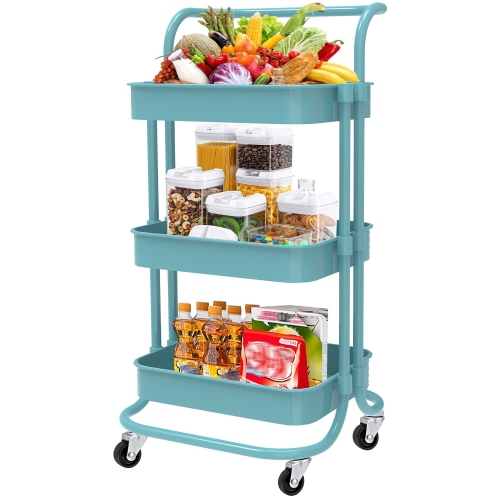
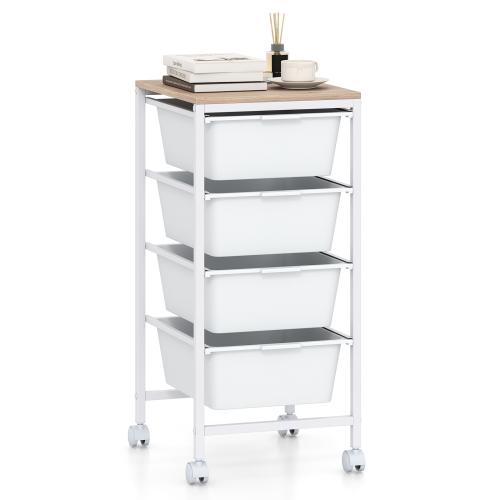
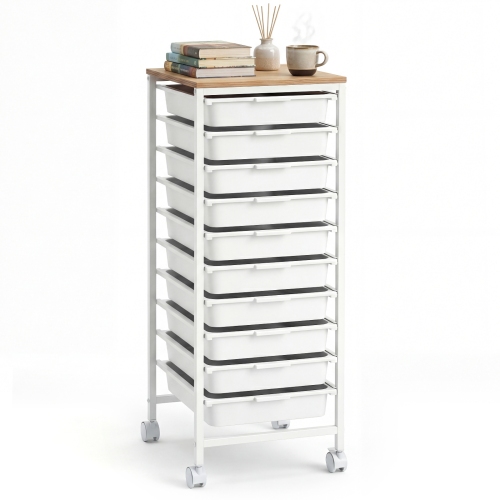
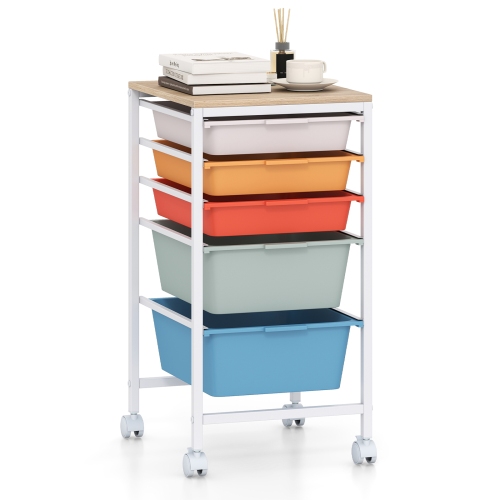
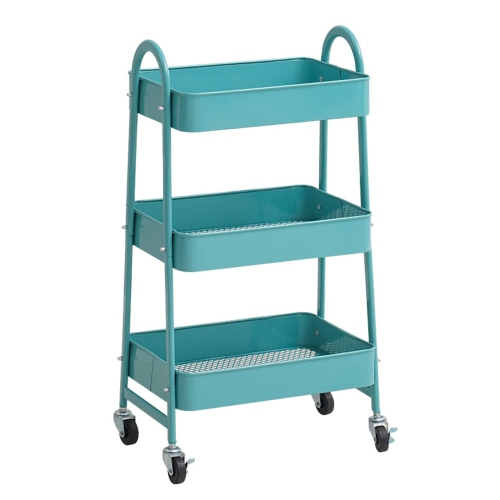
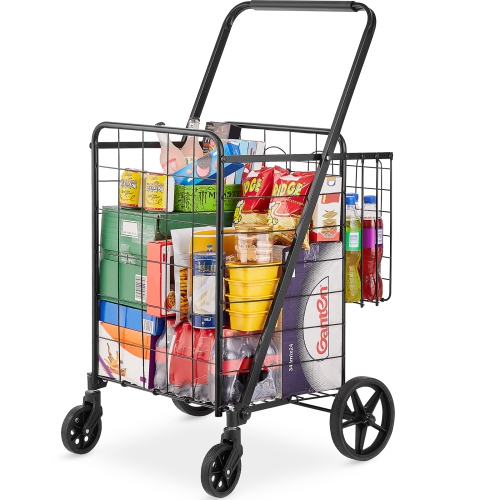
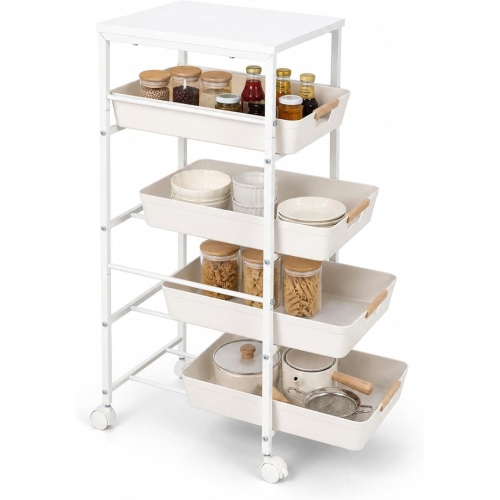
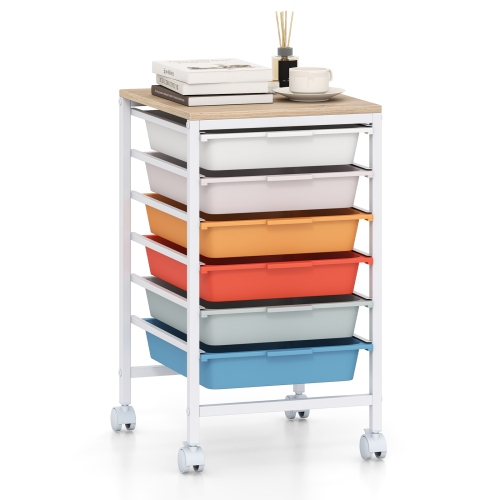
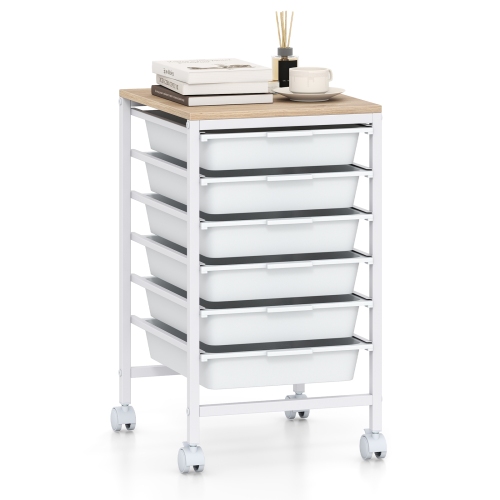
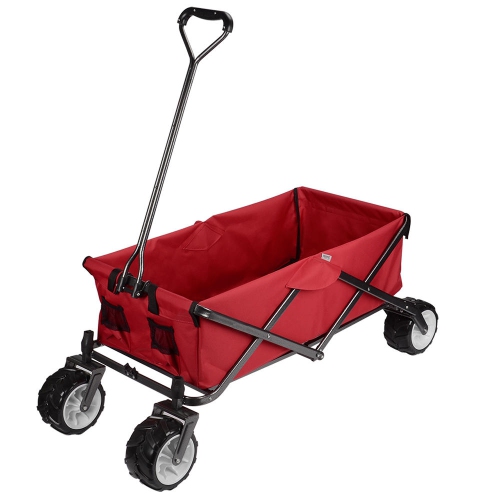
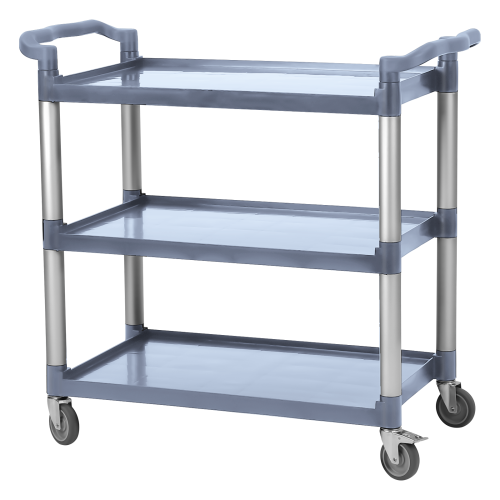
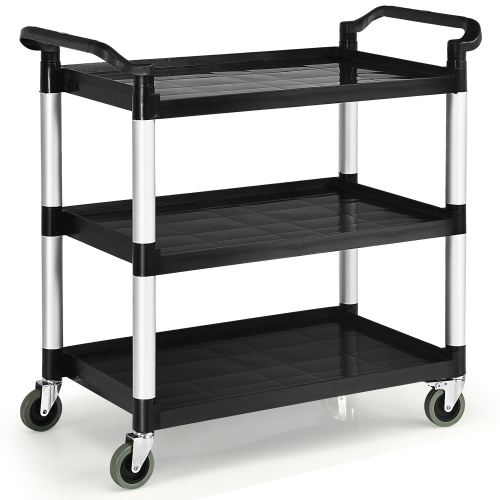
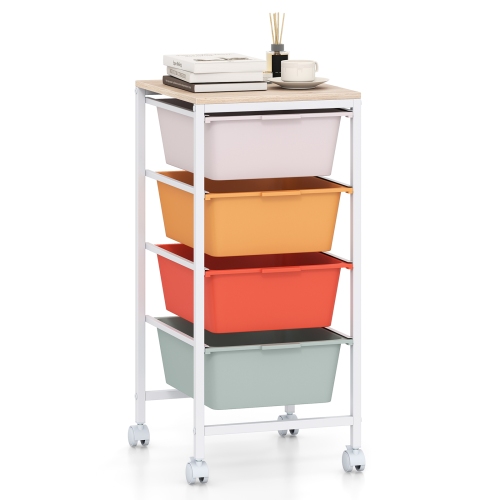
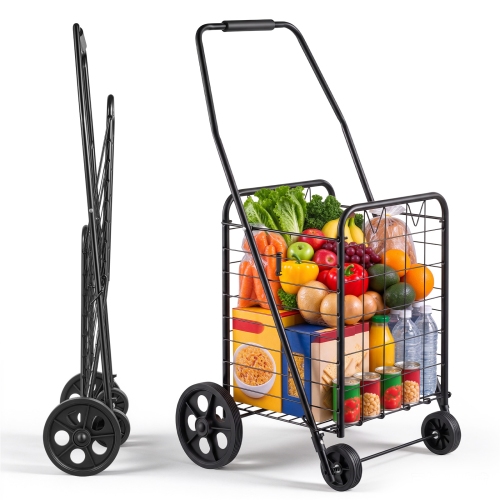
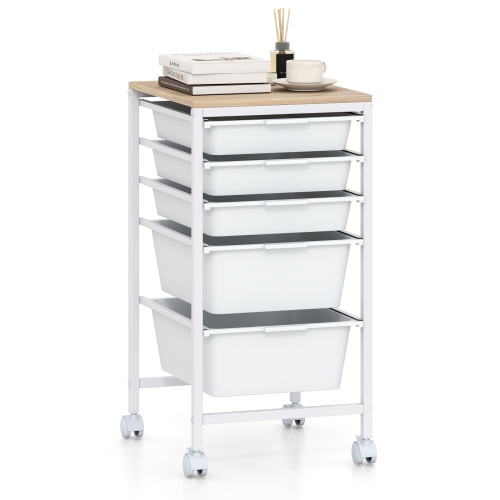
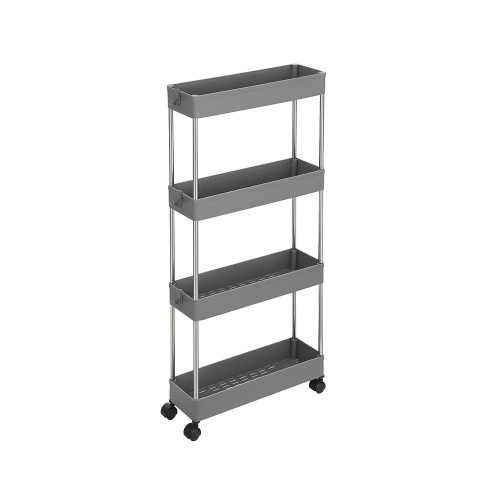
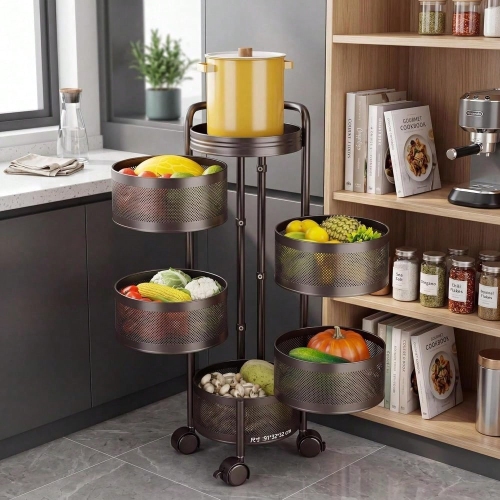
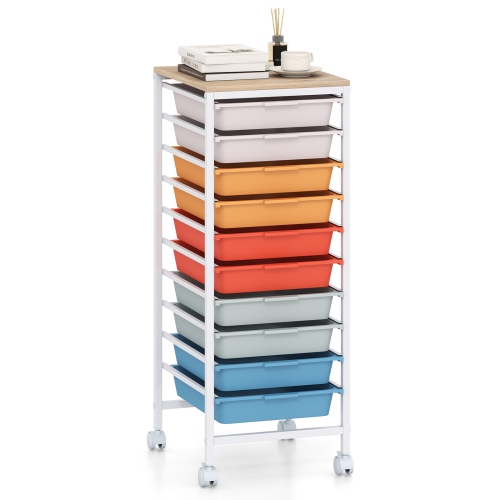
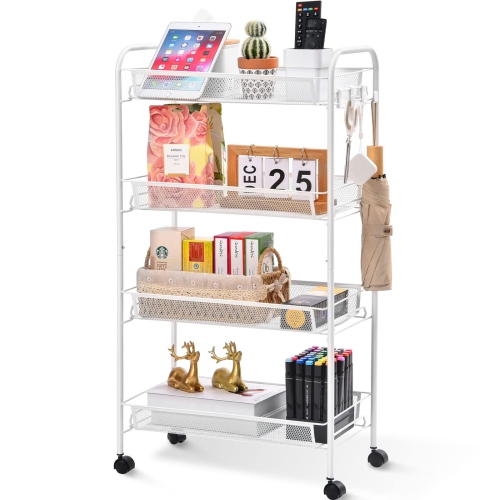

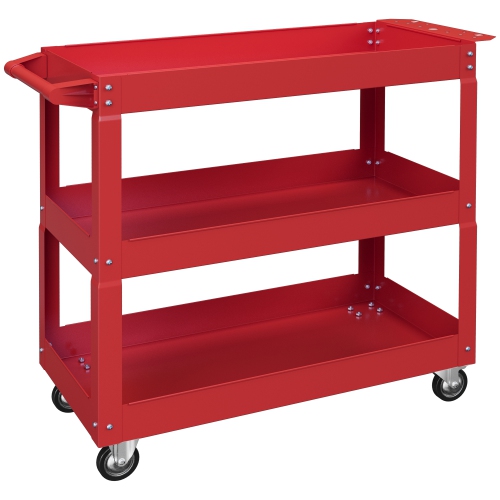
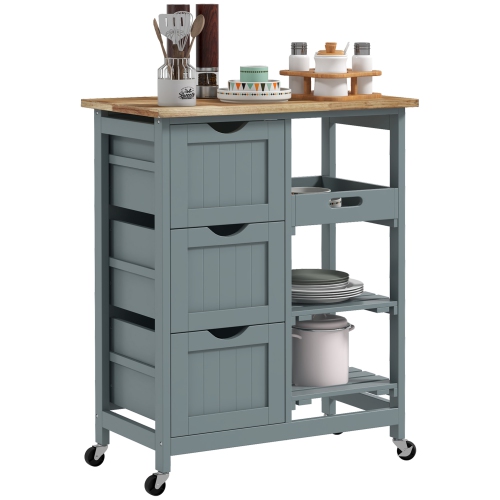
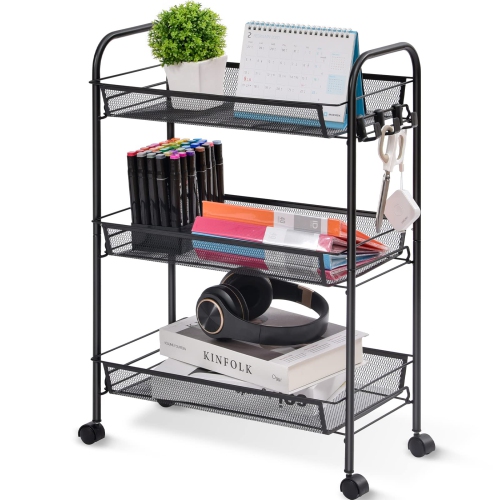
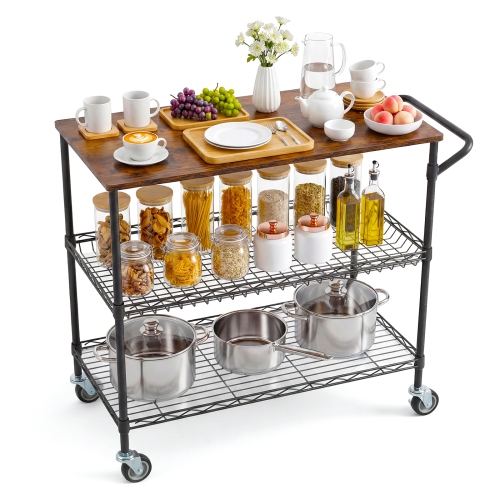
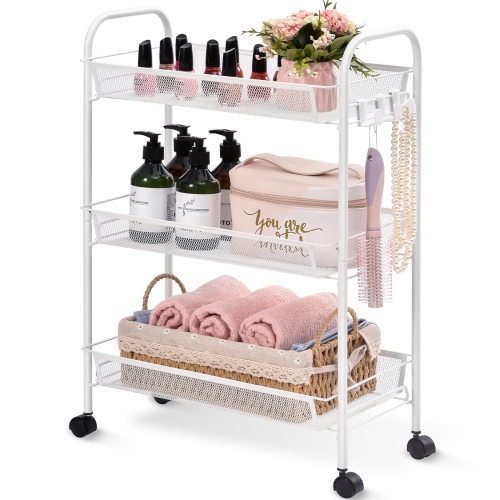

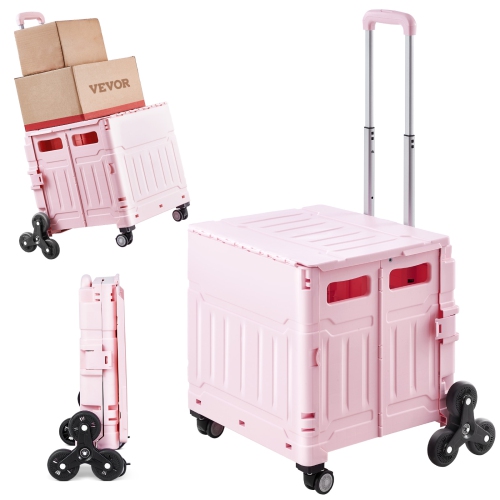
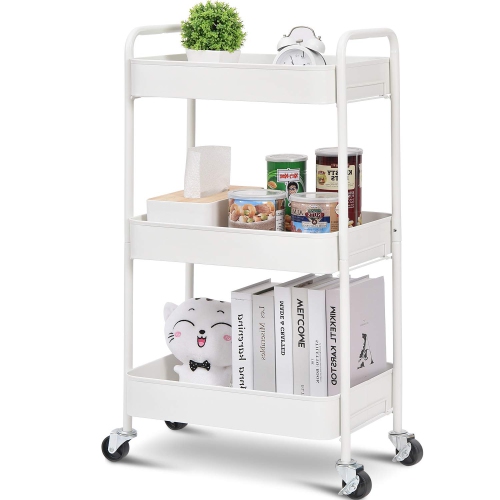
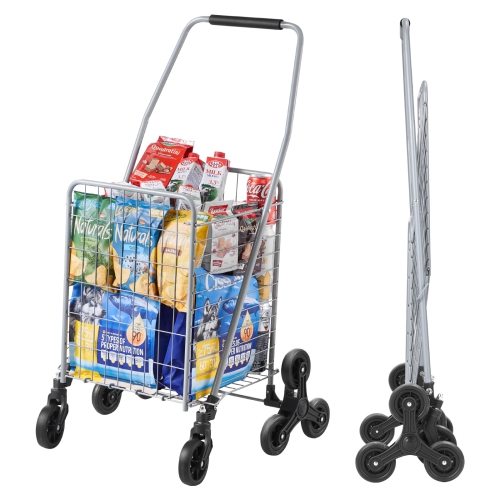
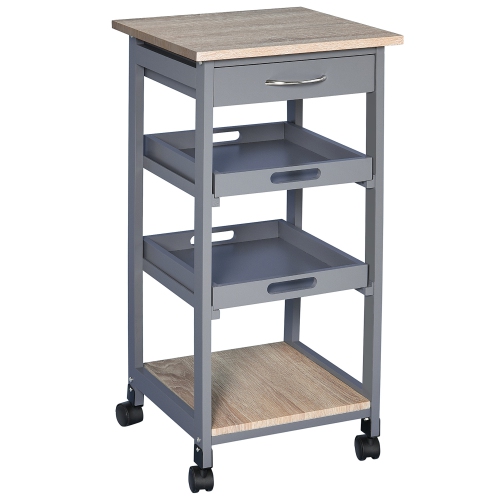
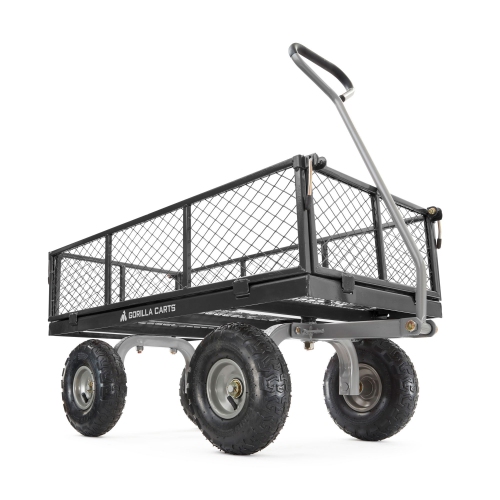
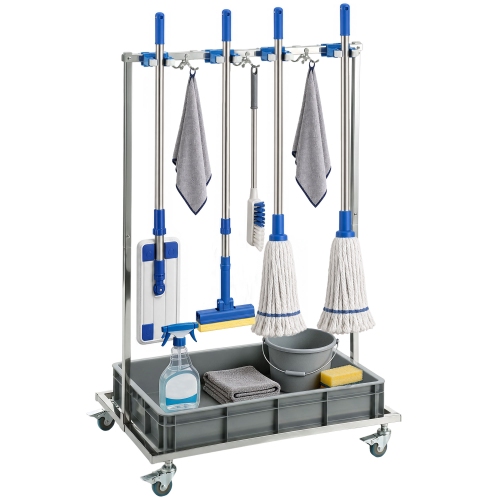
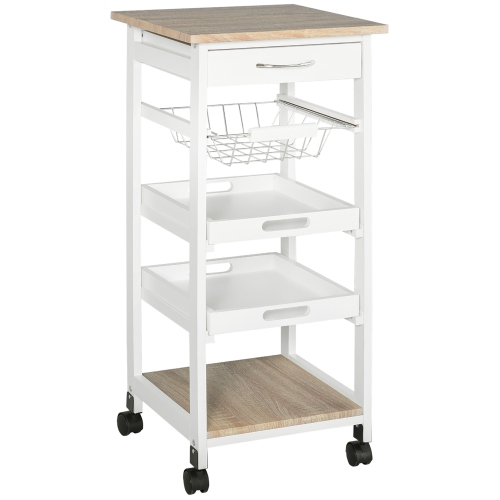
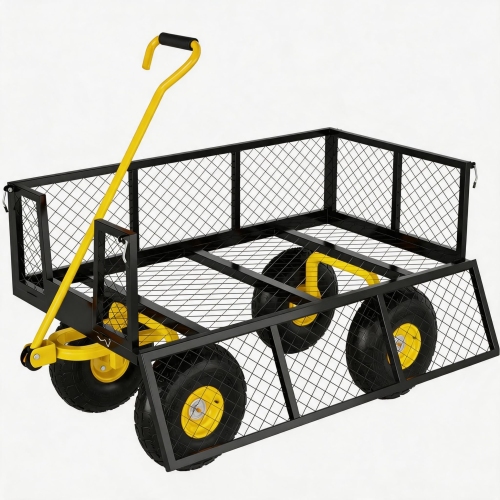
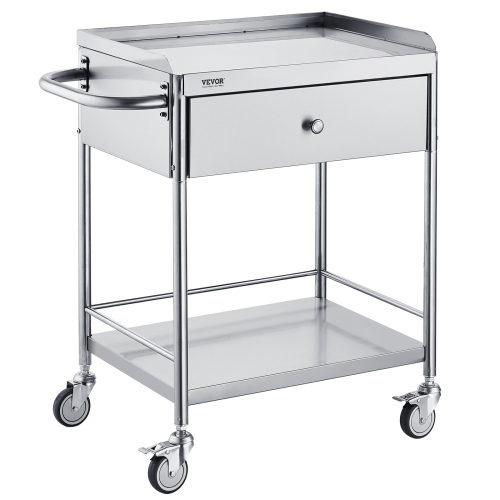
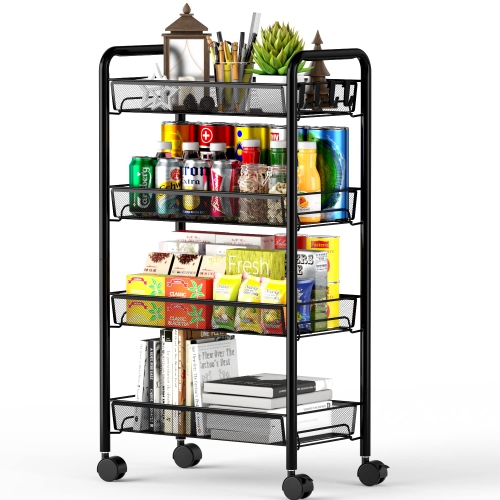
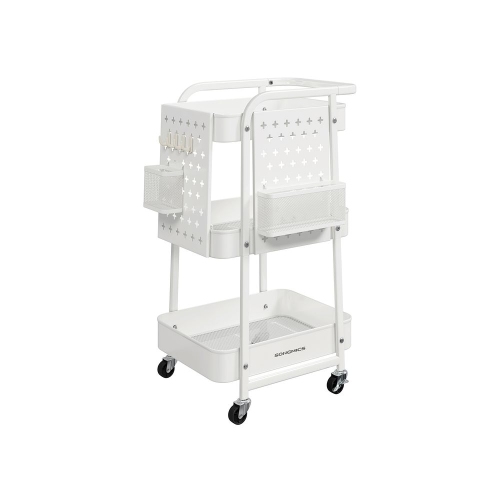
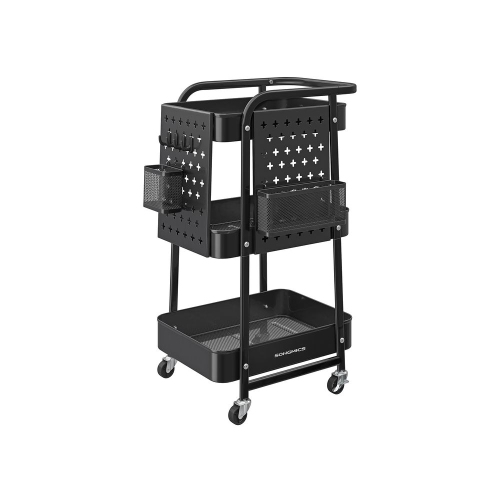
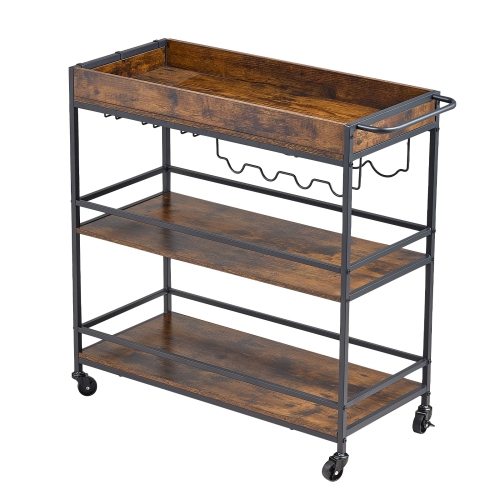


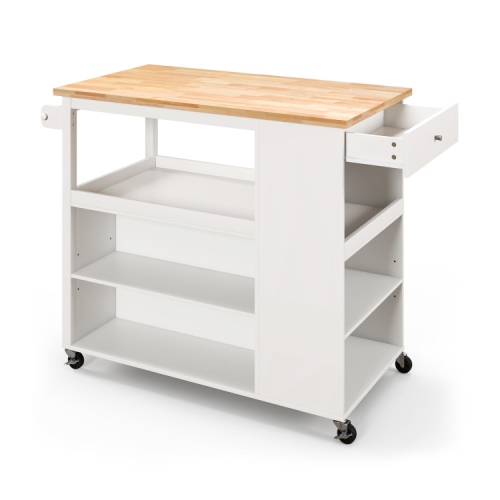
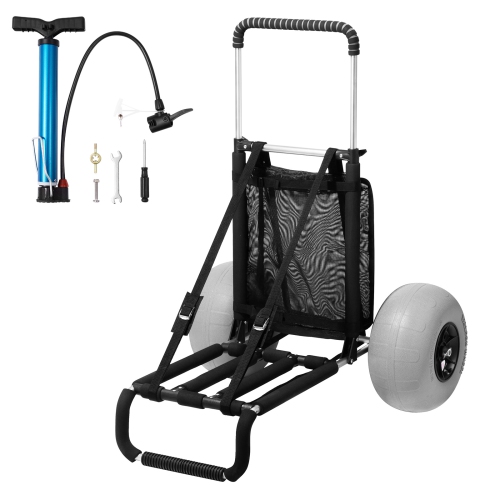
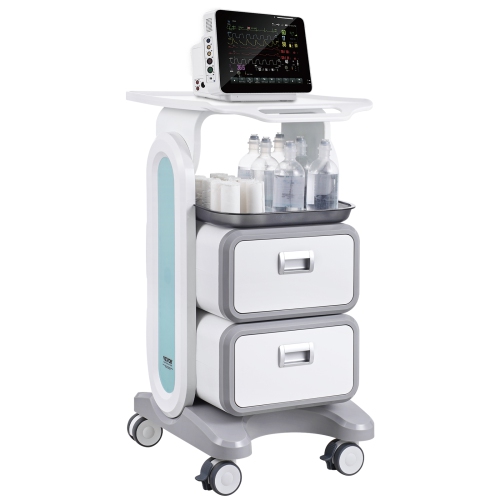
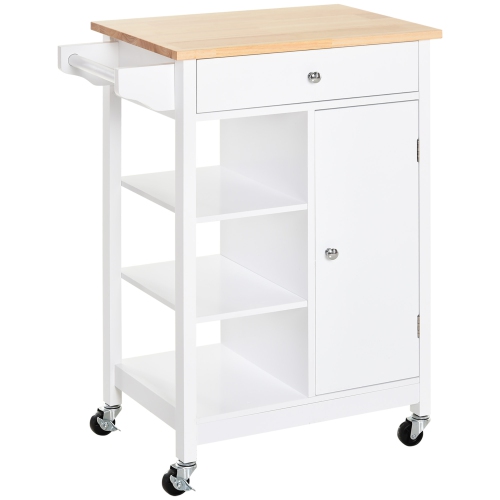
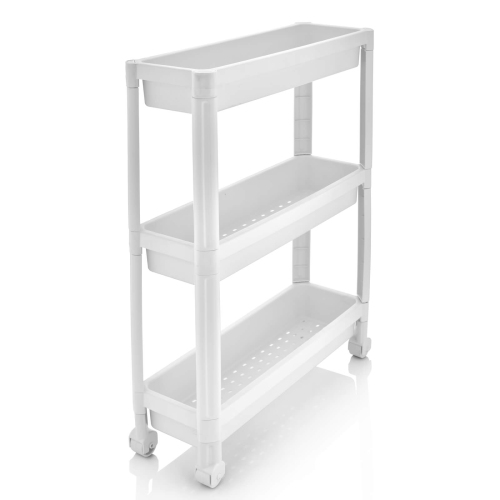
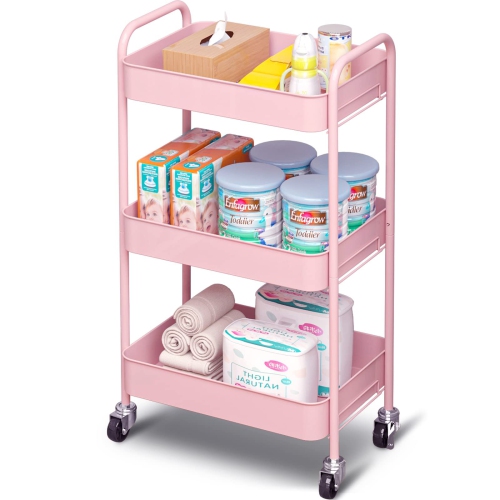
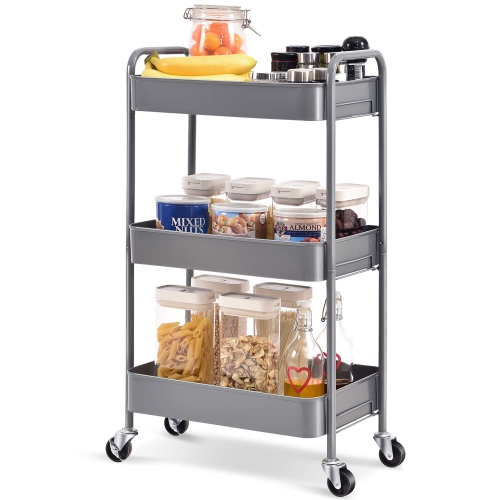
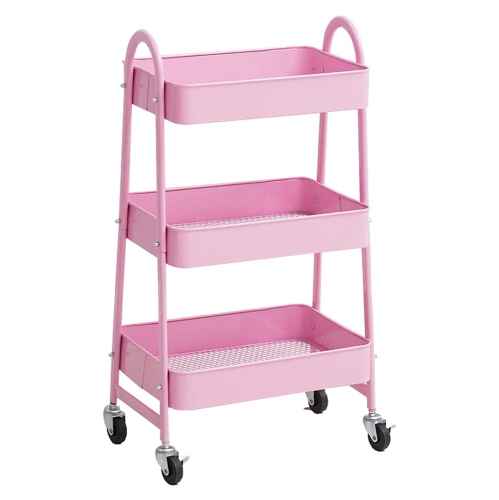
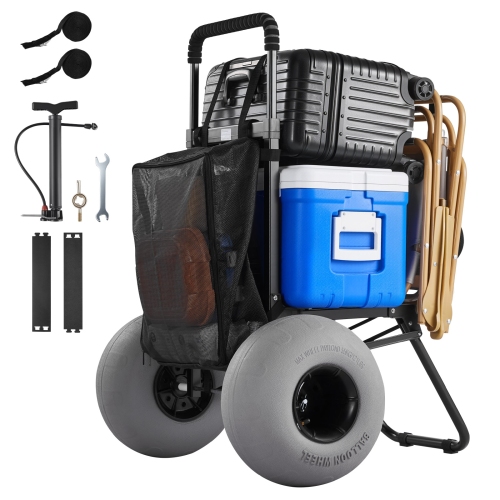
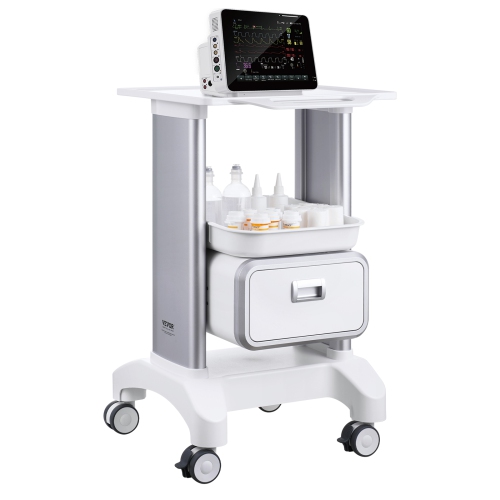
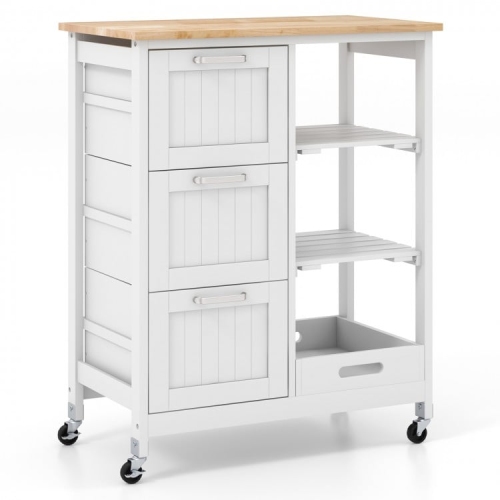
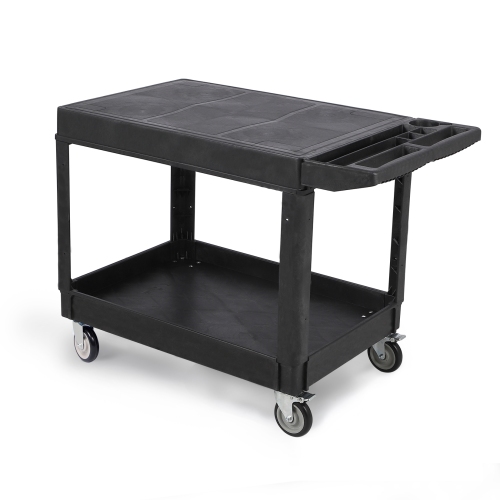
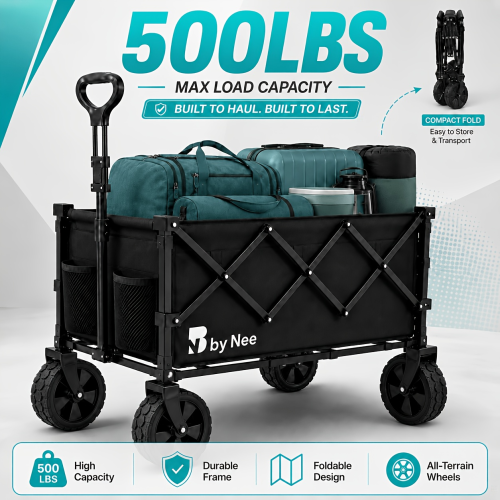
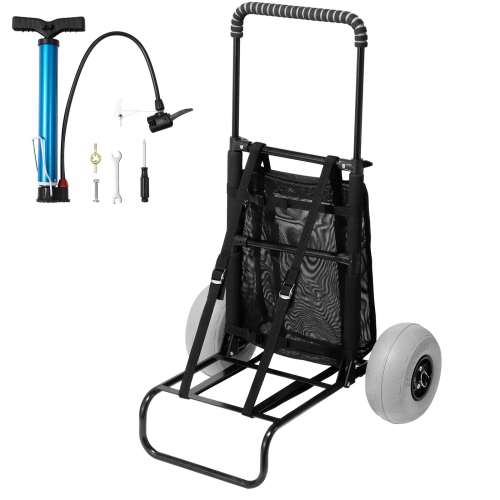
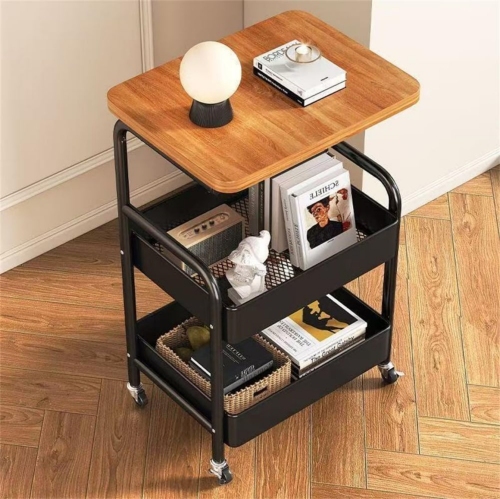
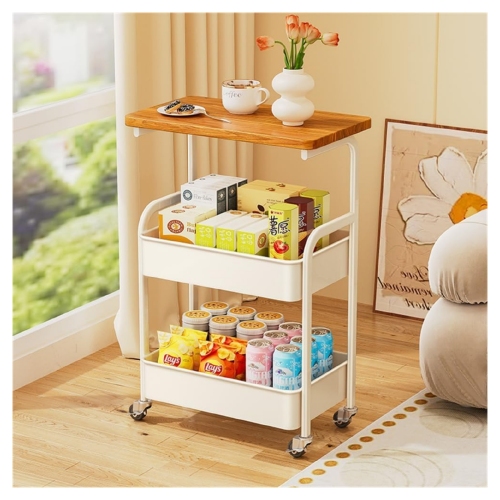
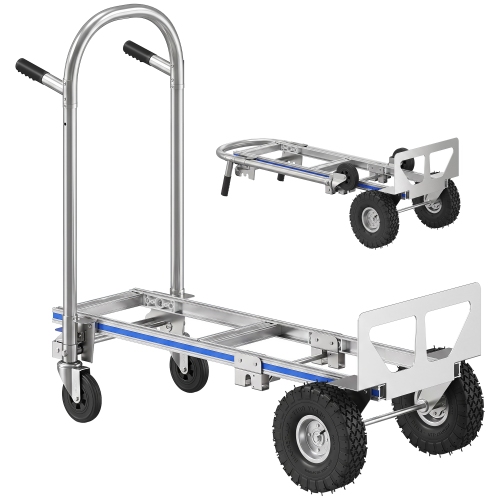
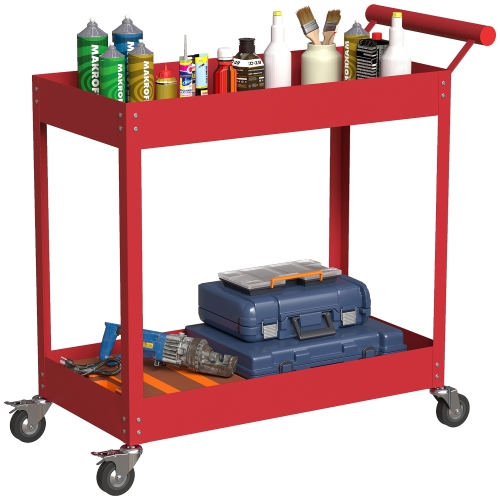
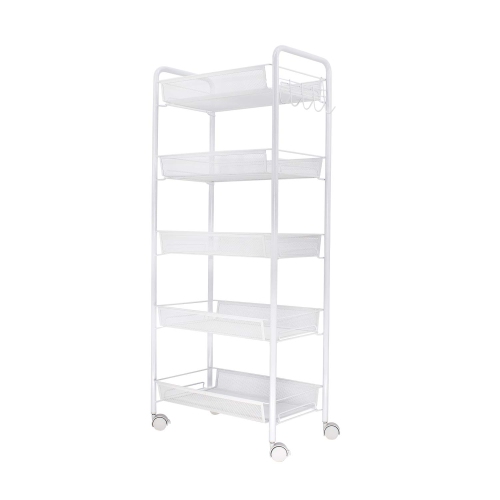
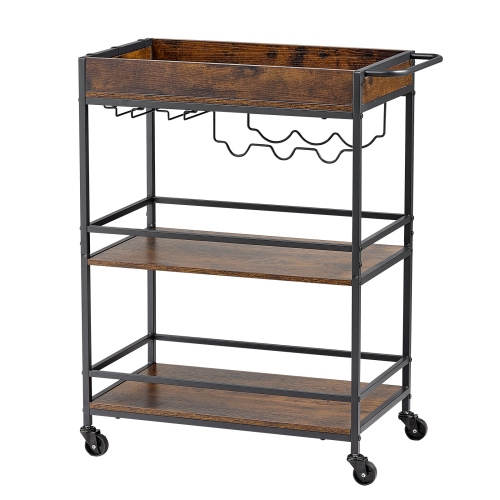


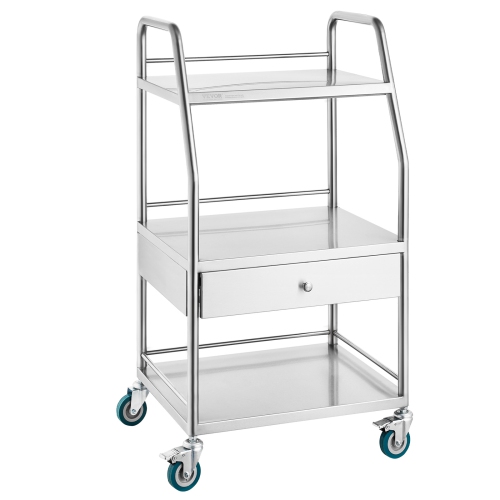

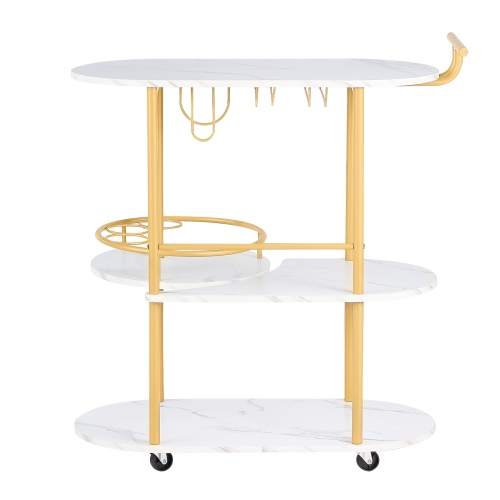
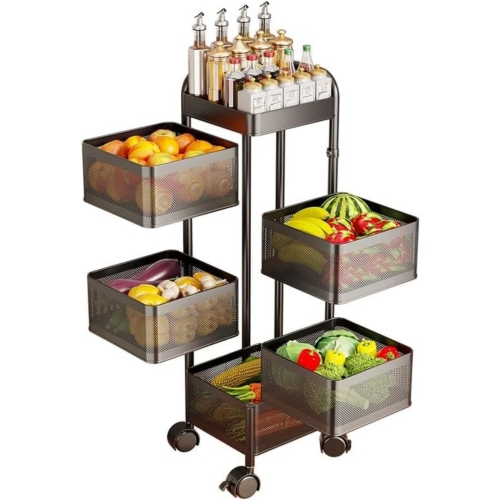
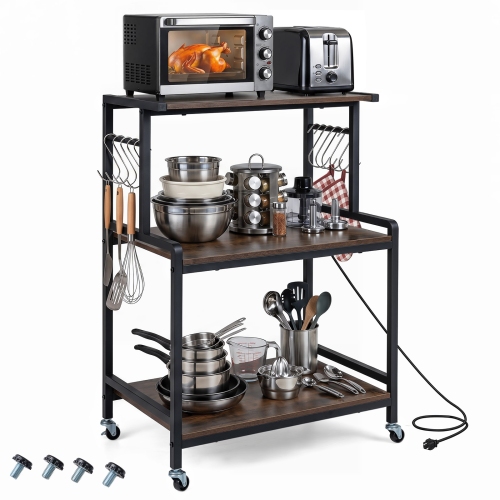

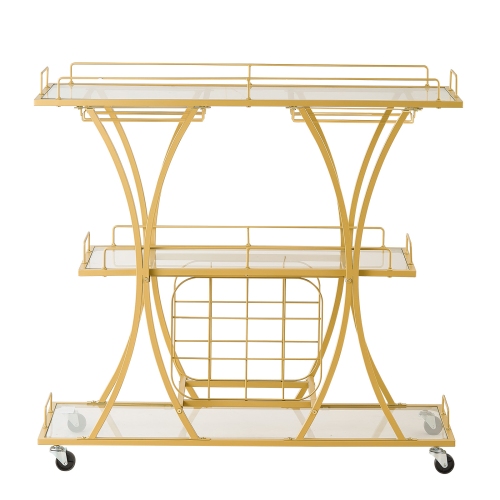
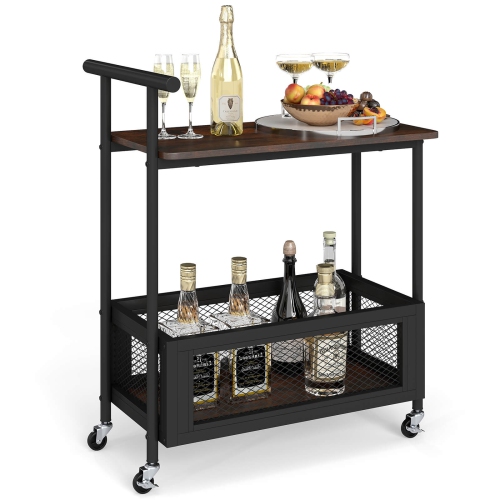
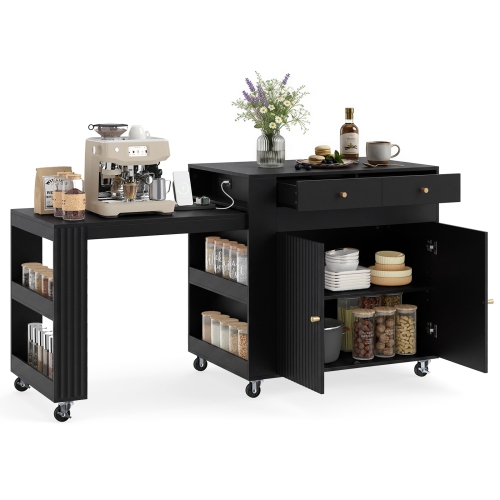
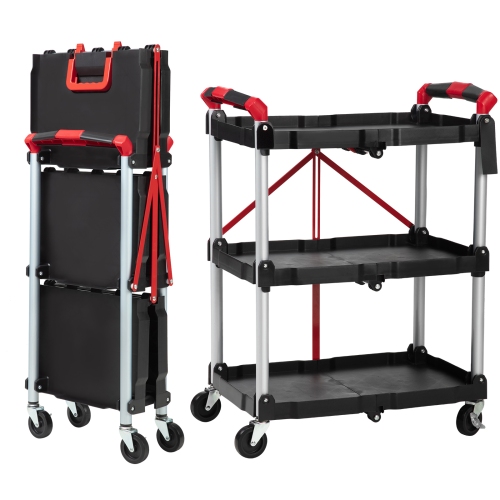
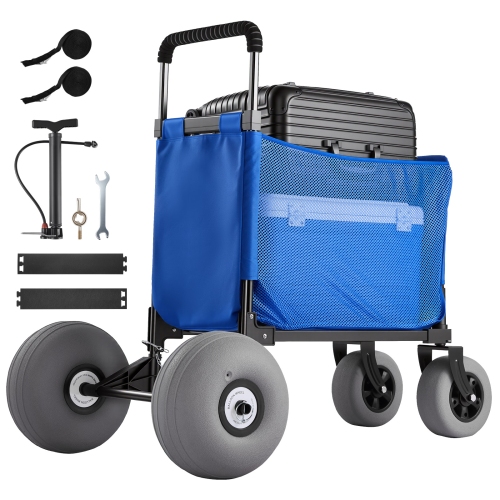
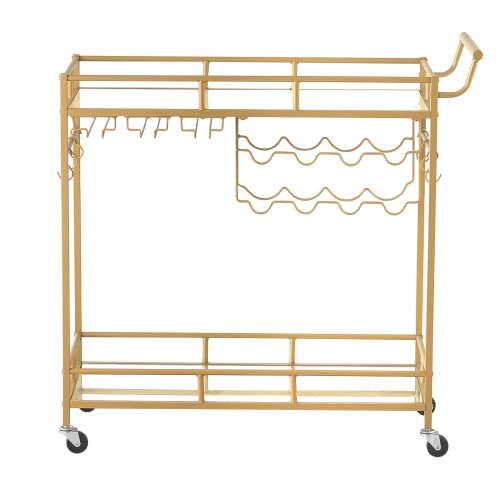
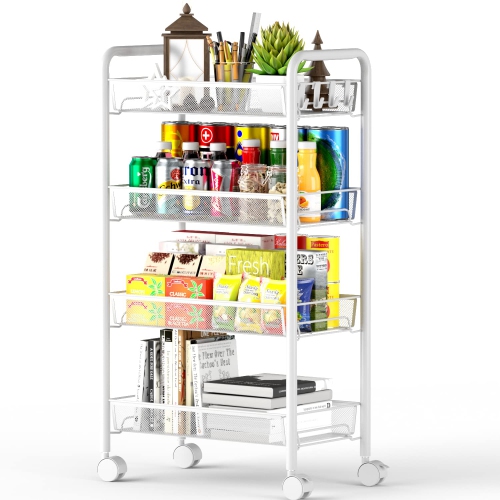
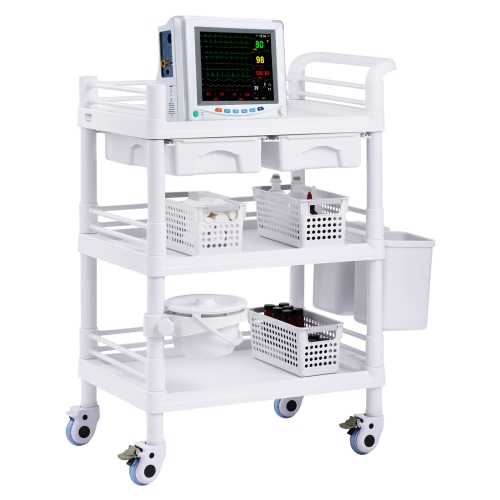
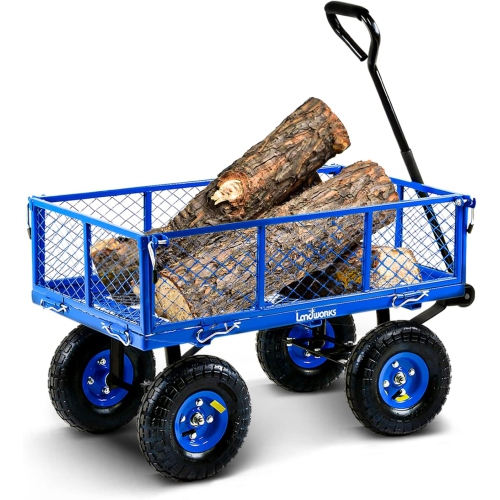
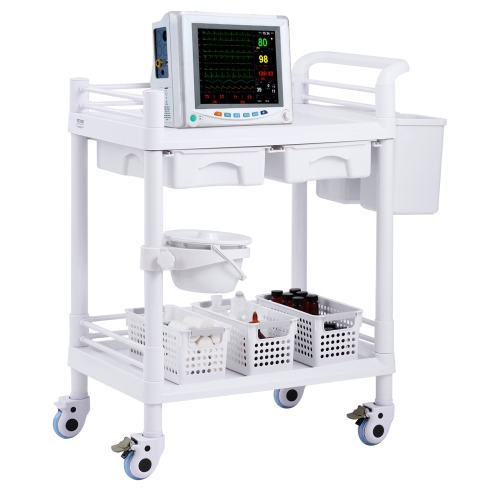
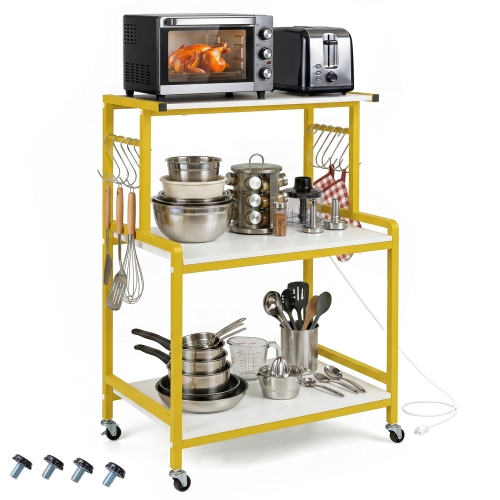
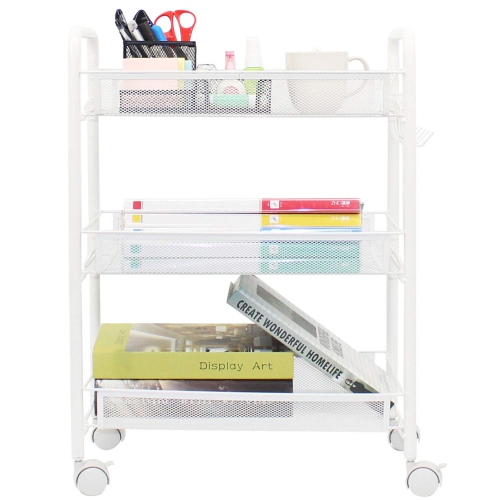
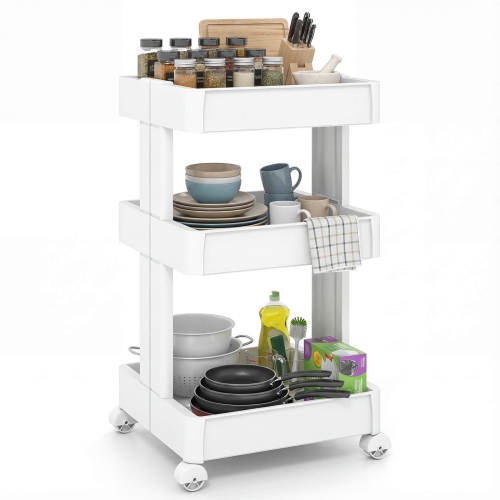

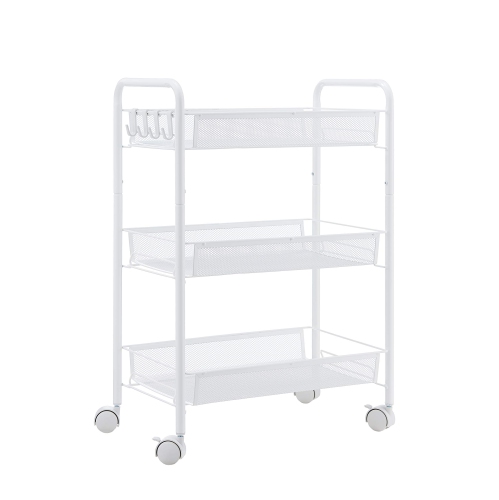
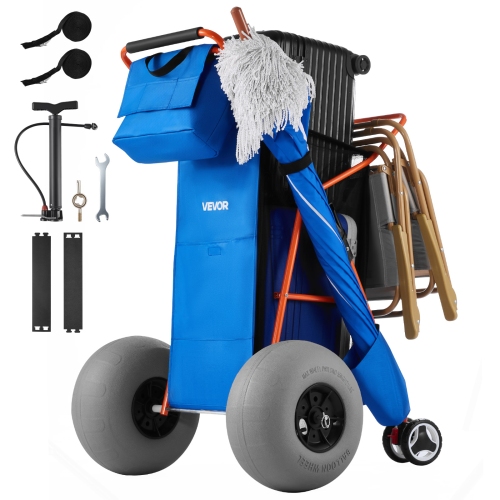
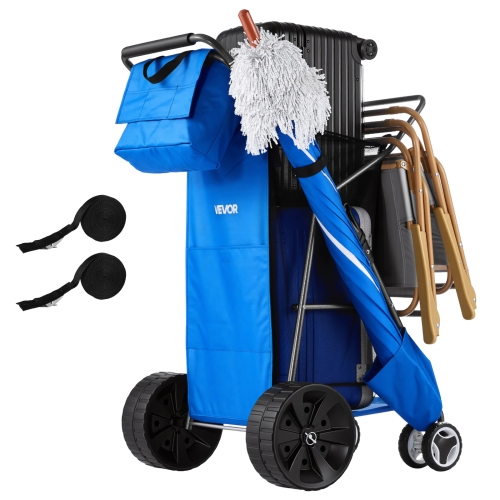
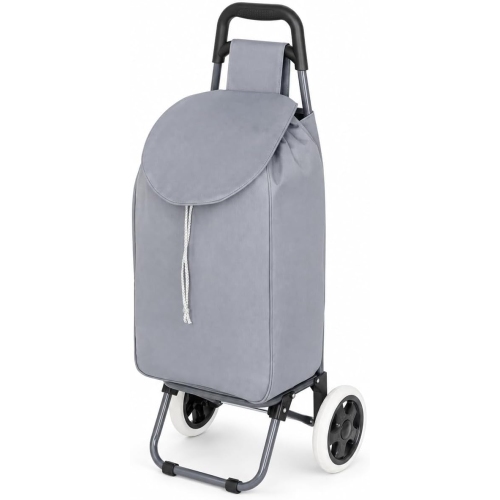
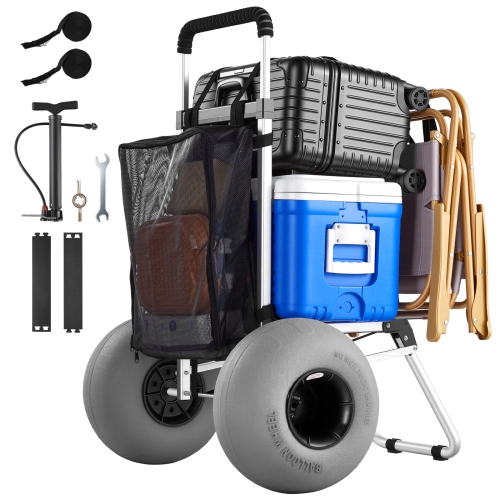
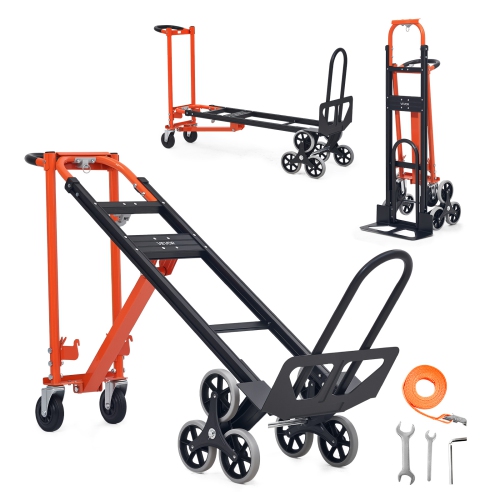
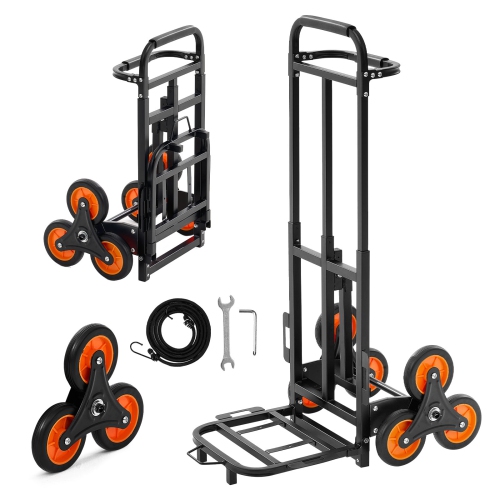
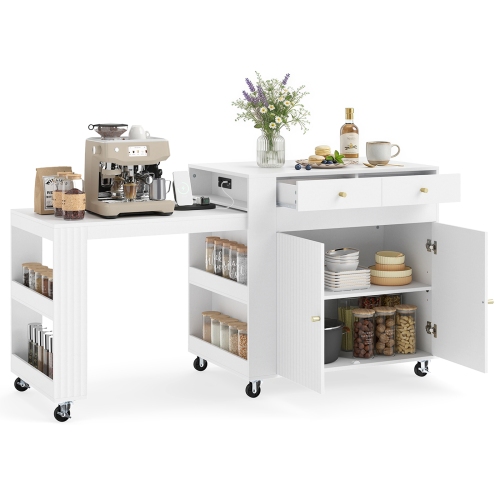
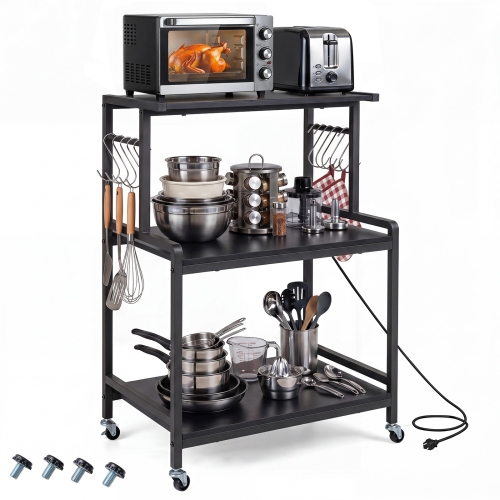
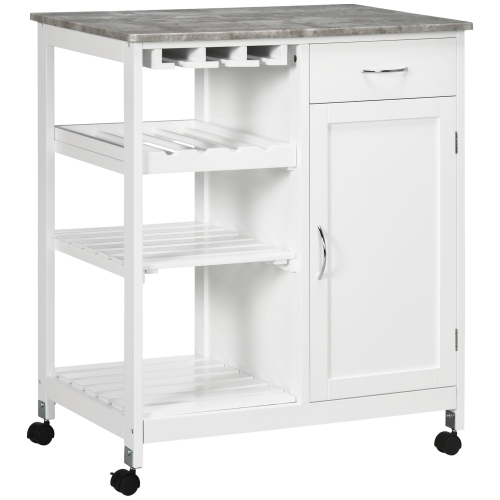
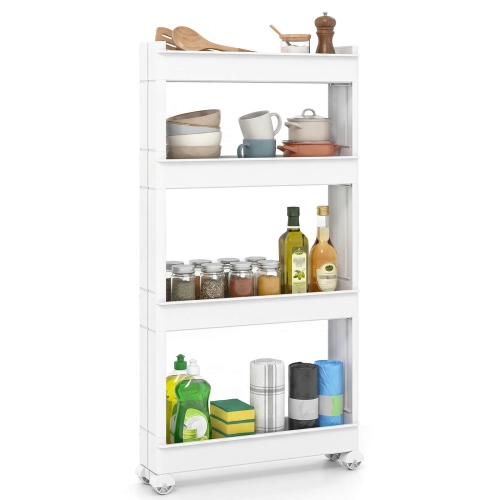
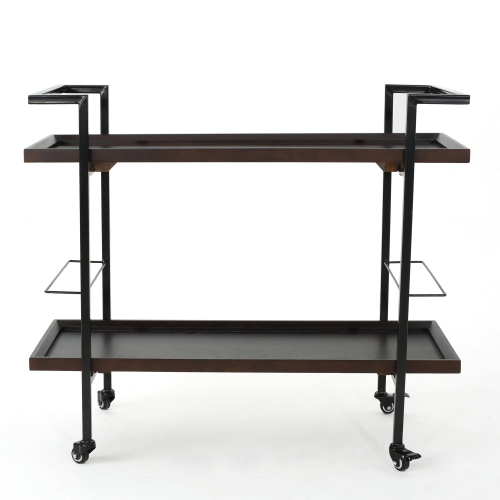
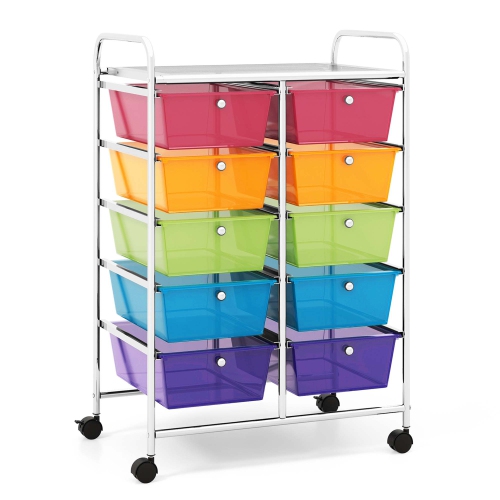
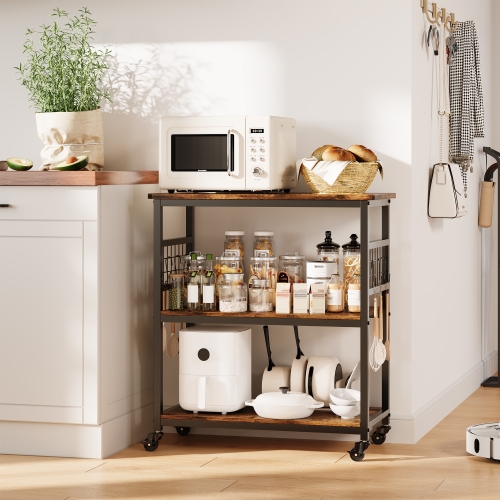
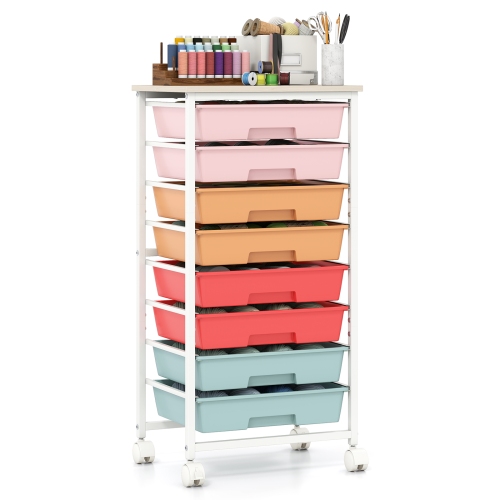
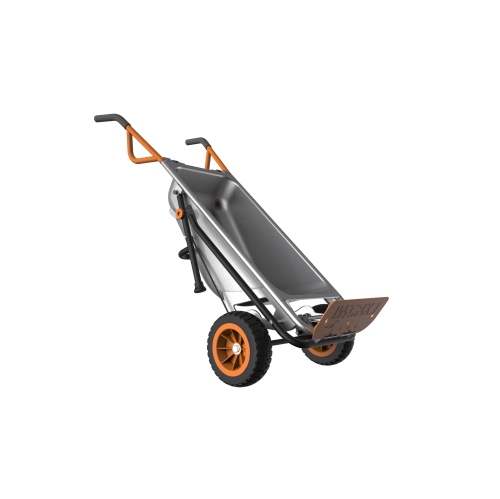
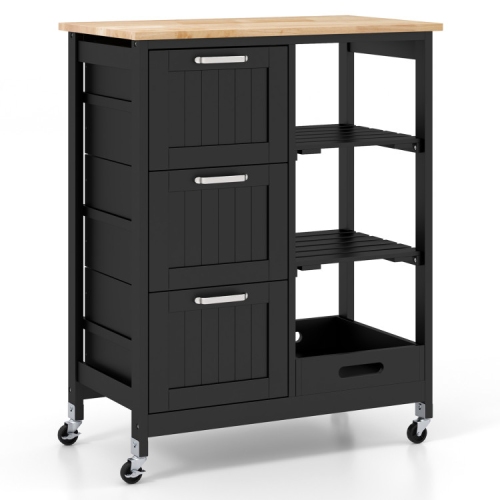
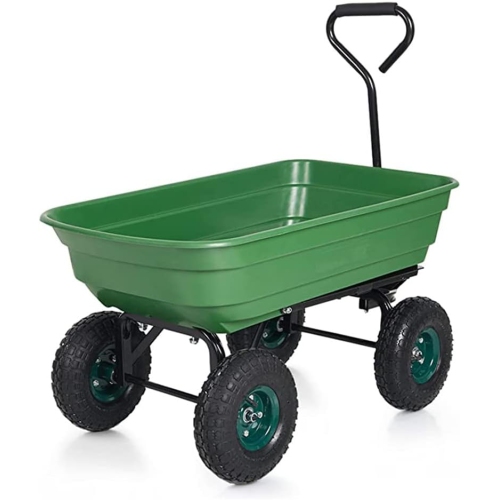
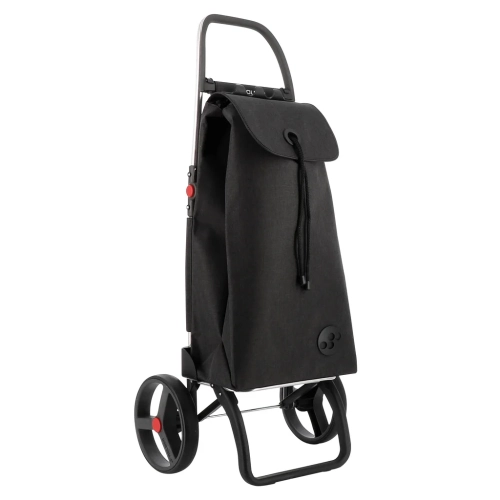
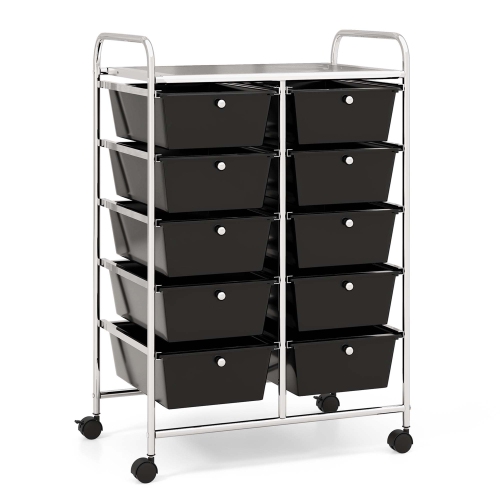
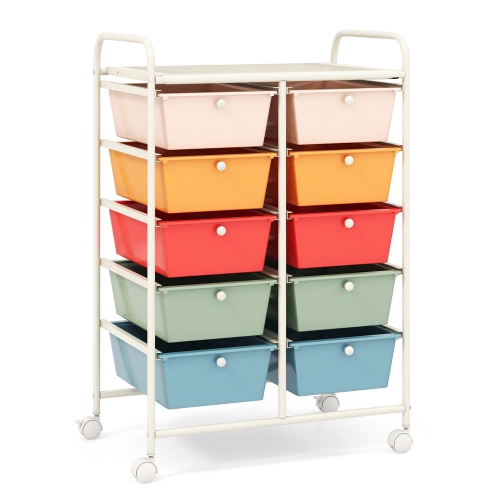
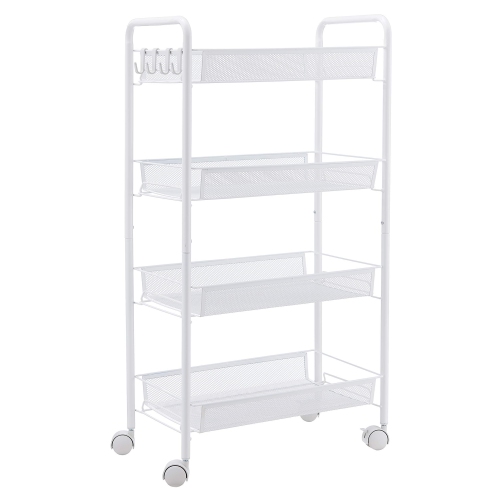
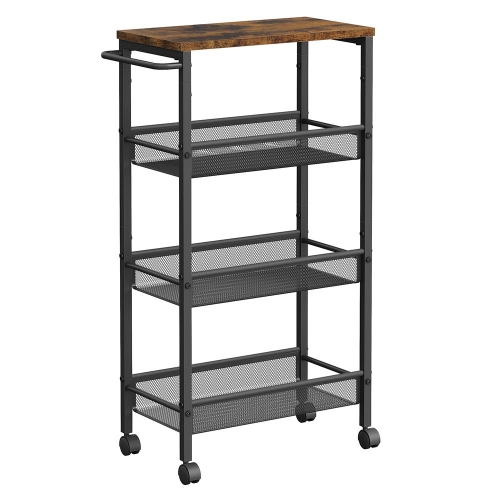


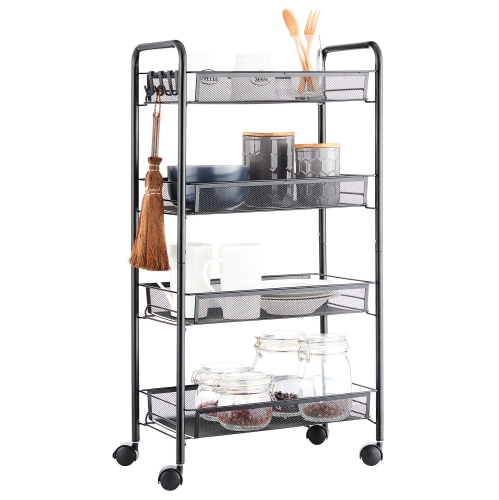
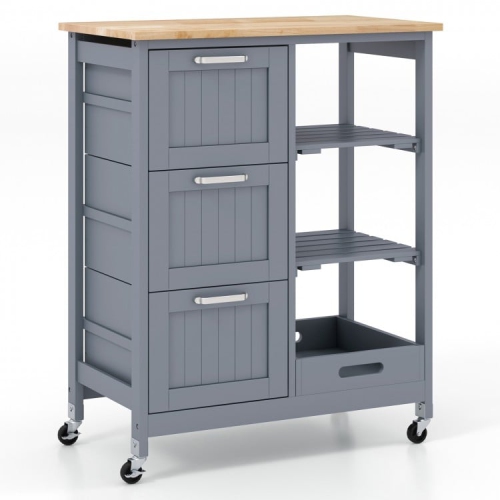
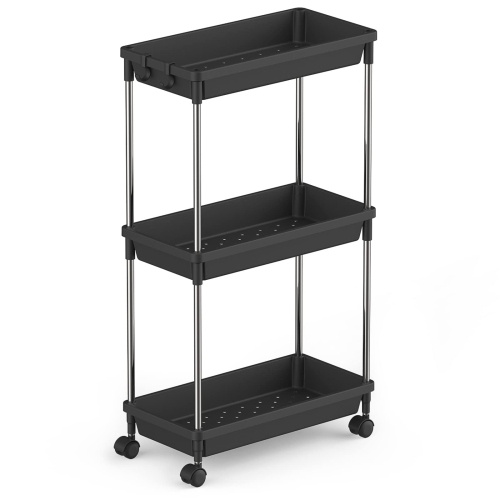
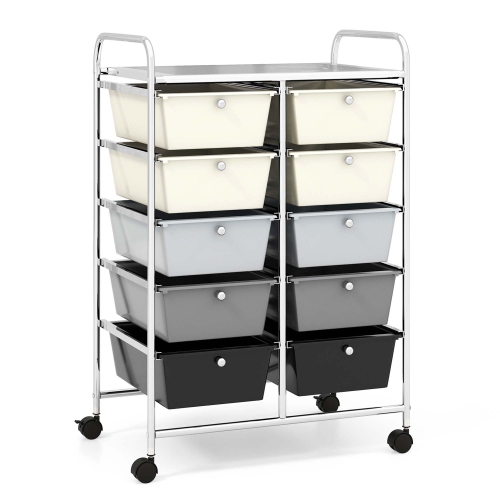
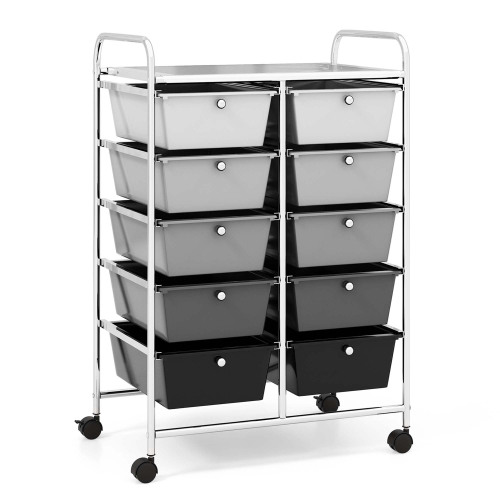

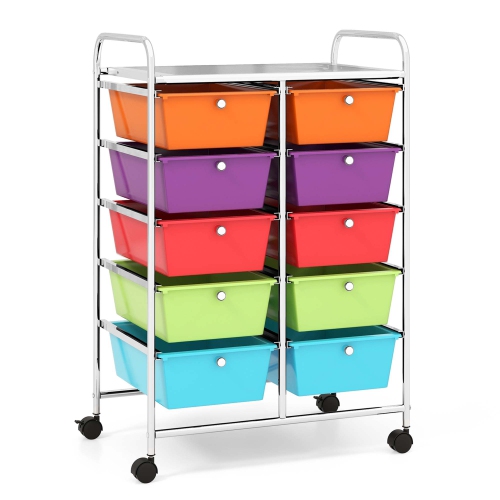
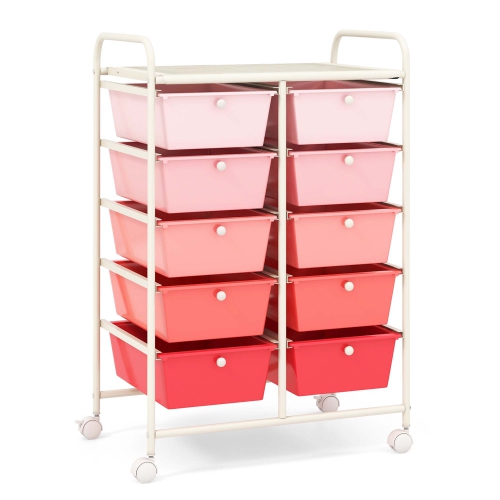
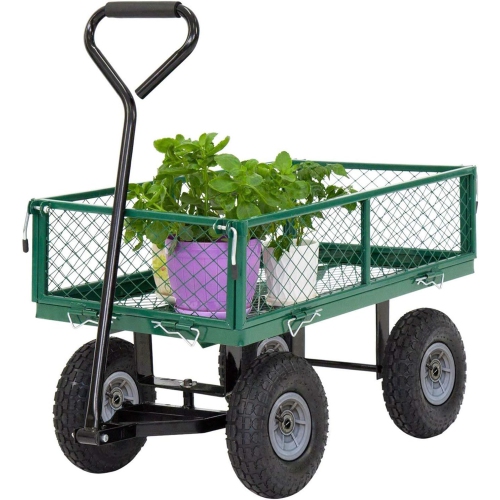
Storage that moves with the task at hand
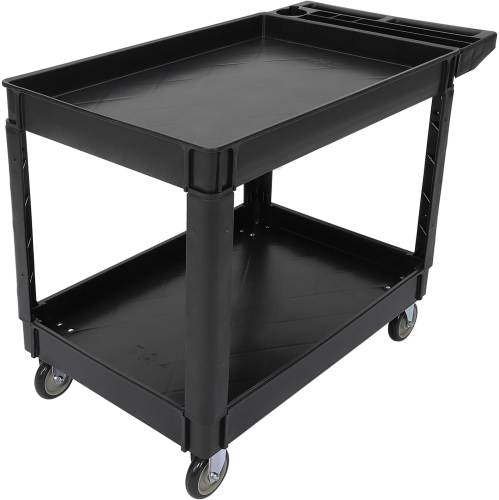
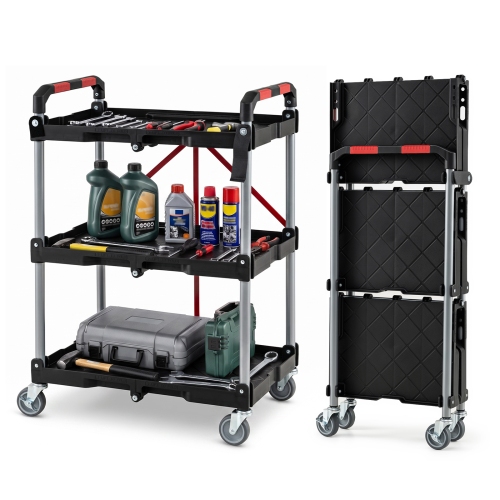
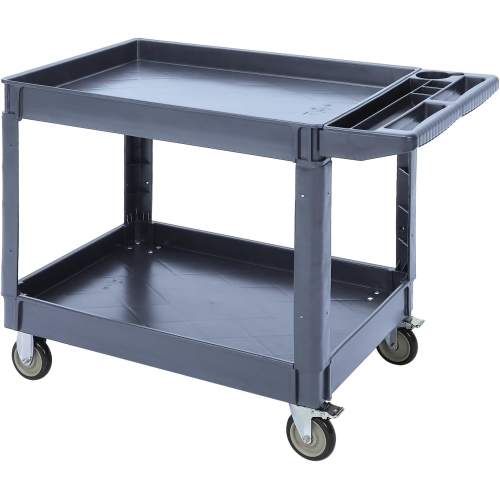
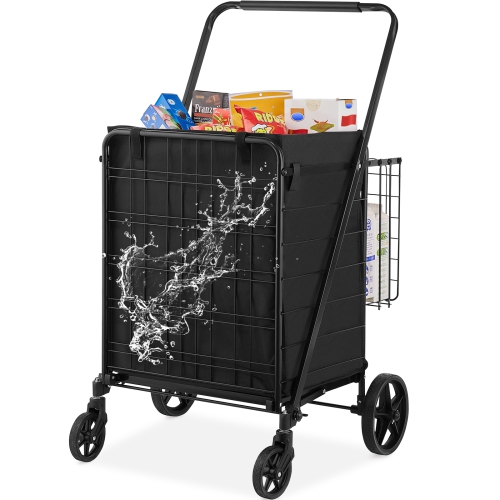
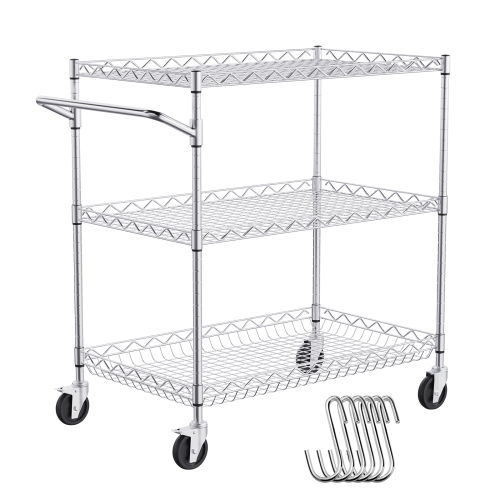
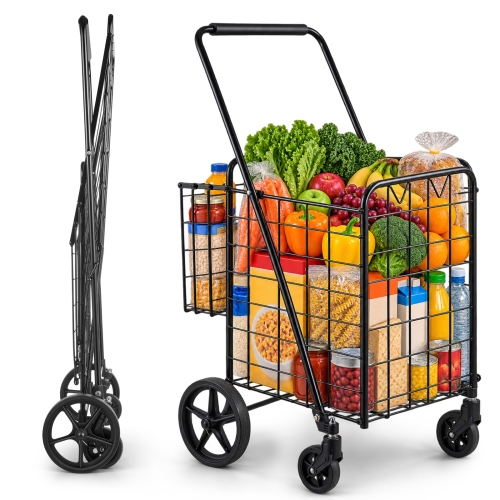
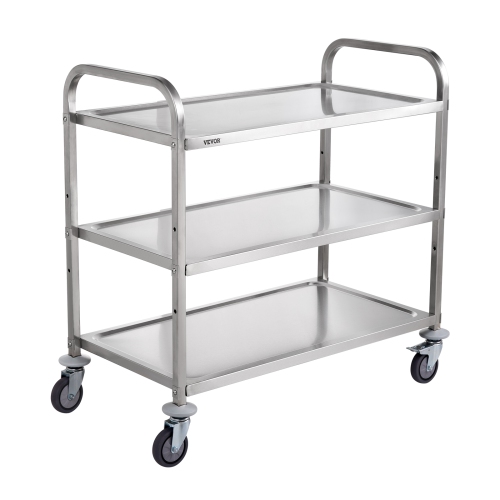
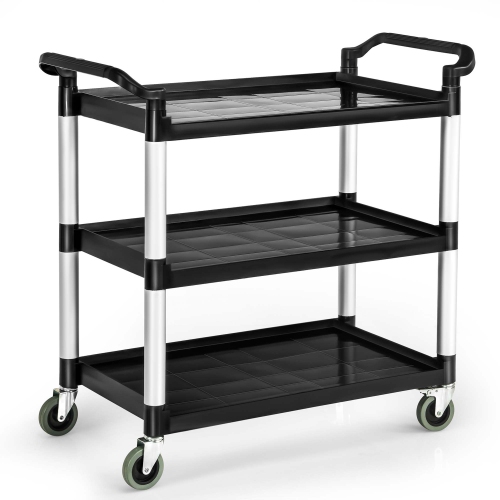
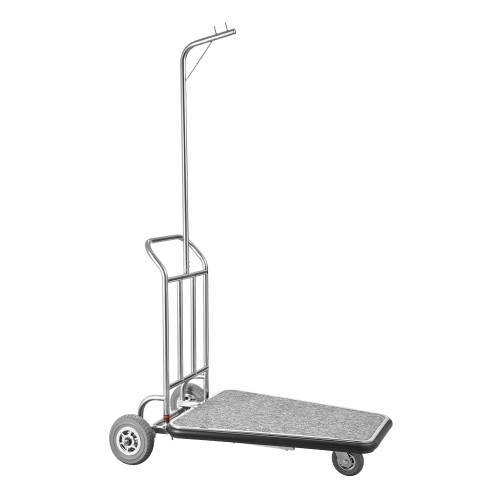
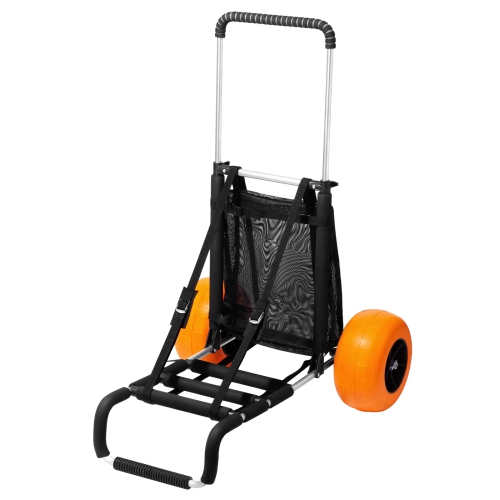
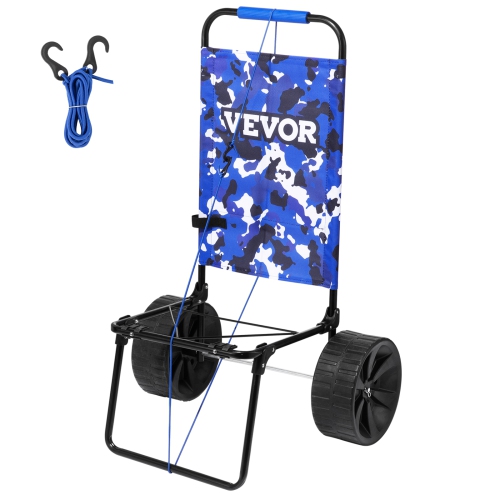
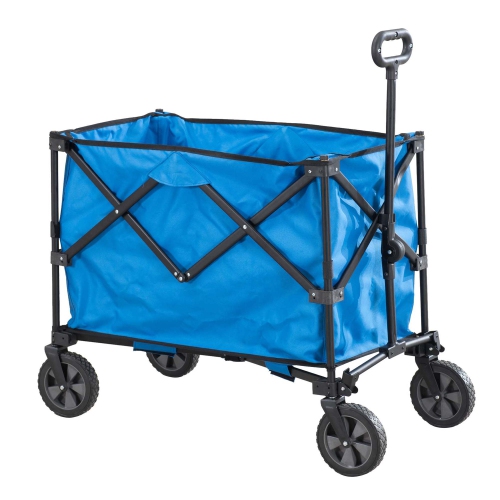
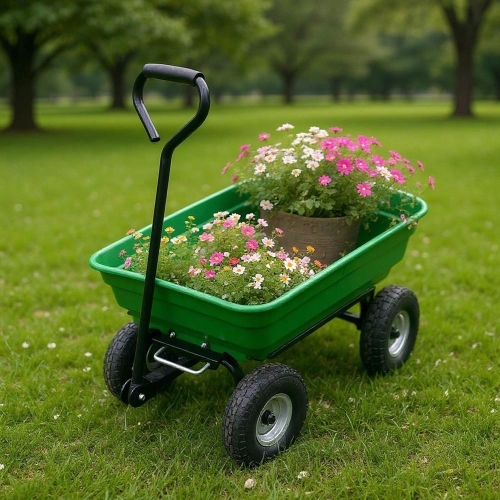
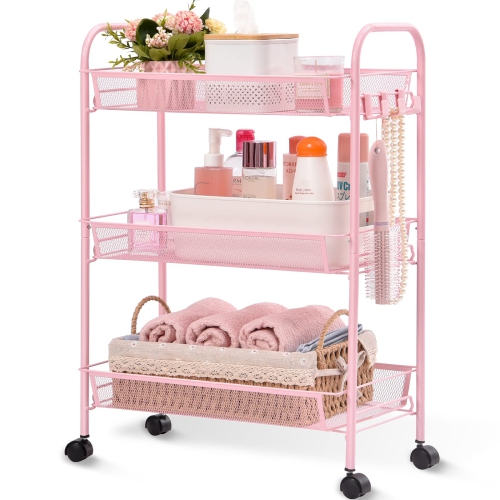
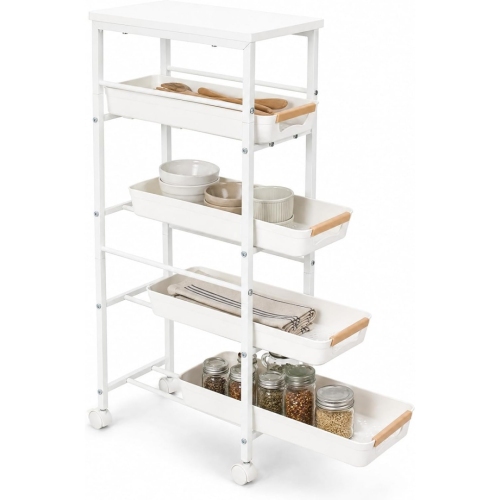
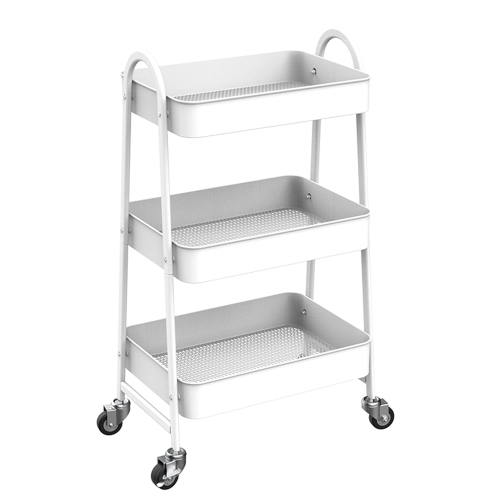
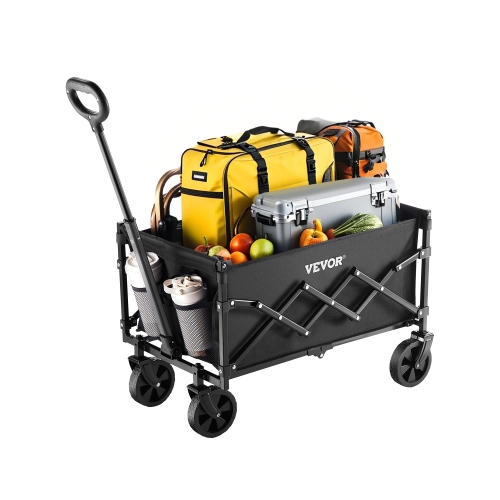
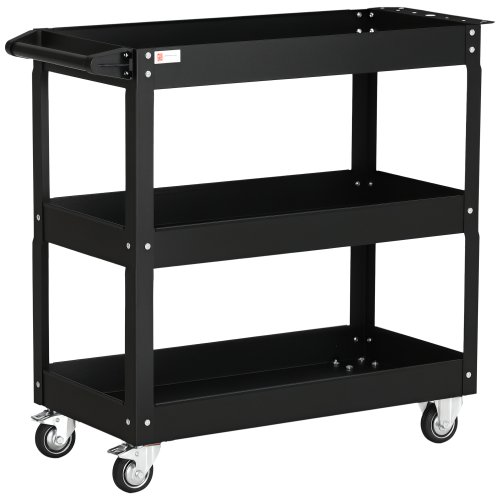
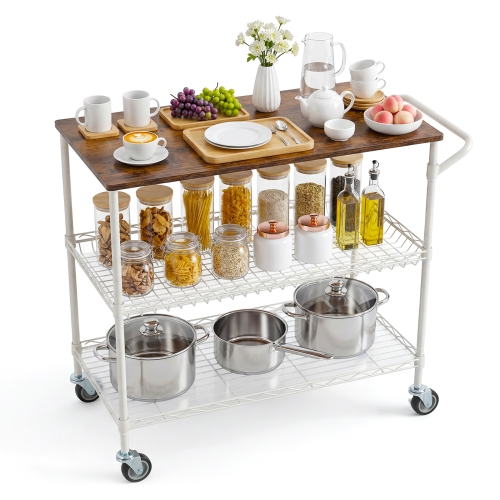
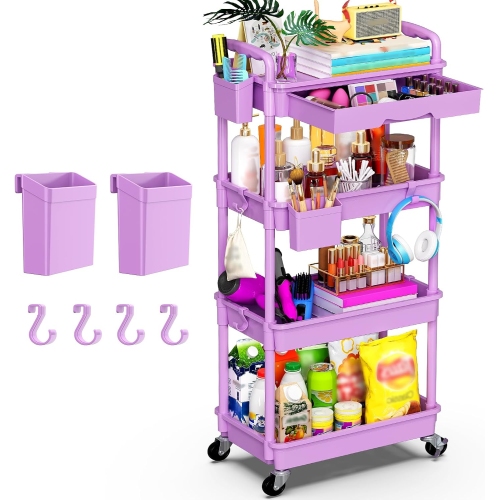
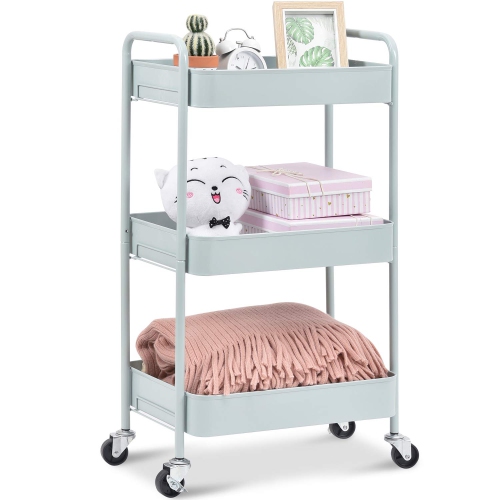
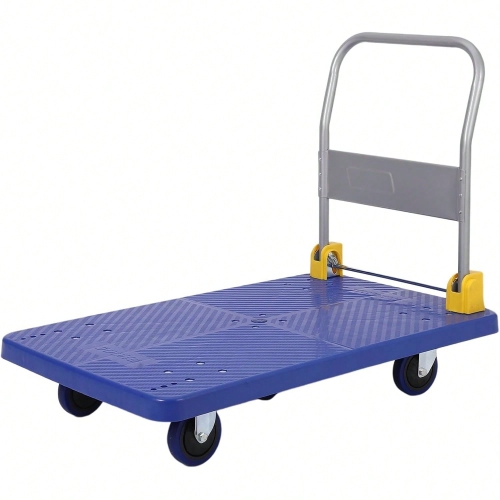
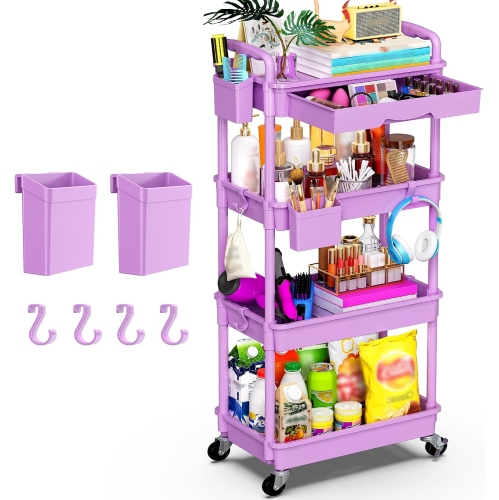
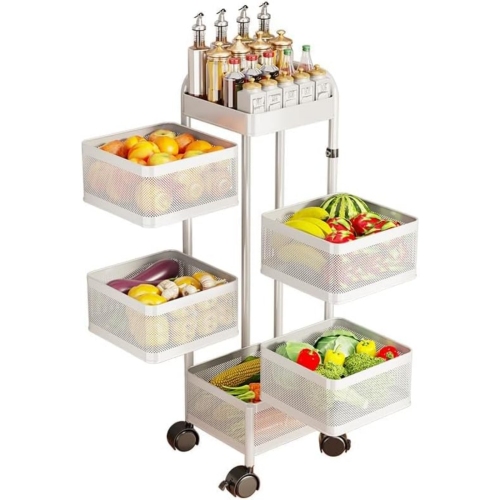
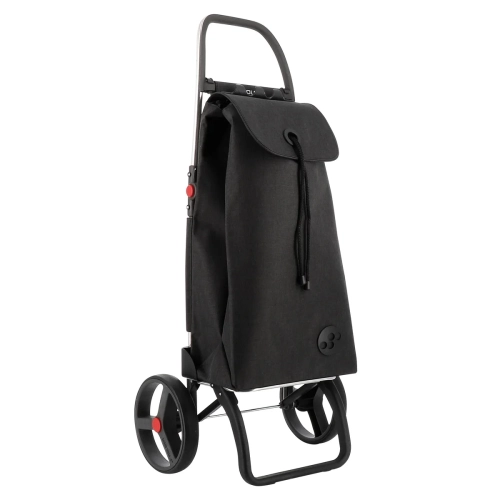
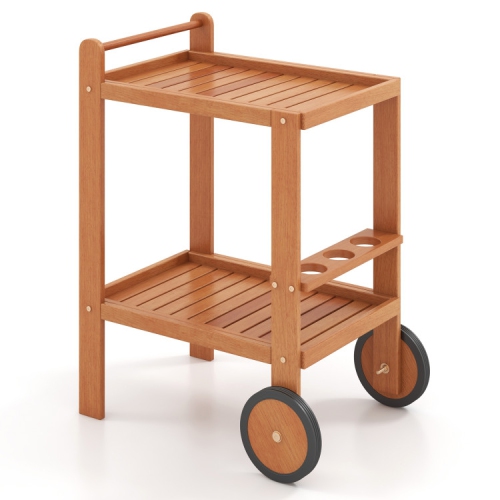
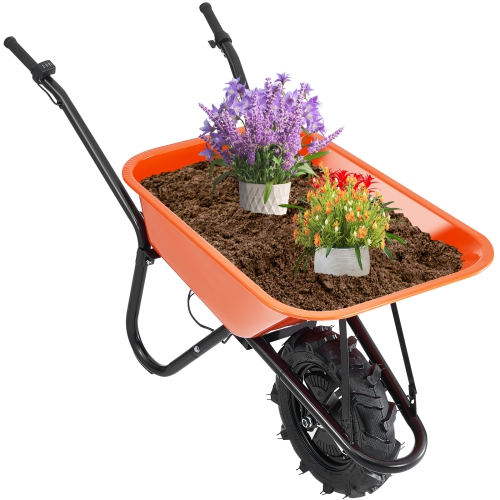
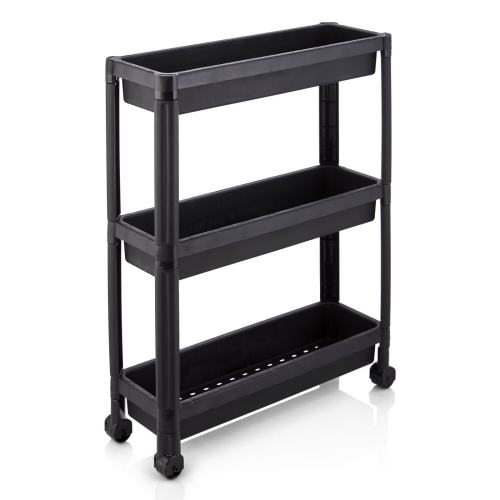
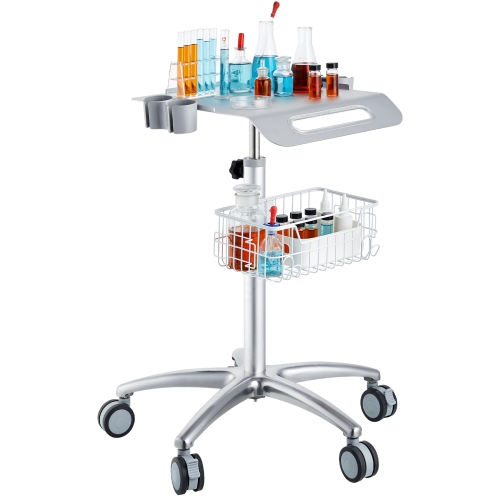
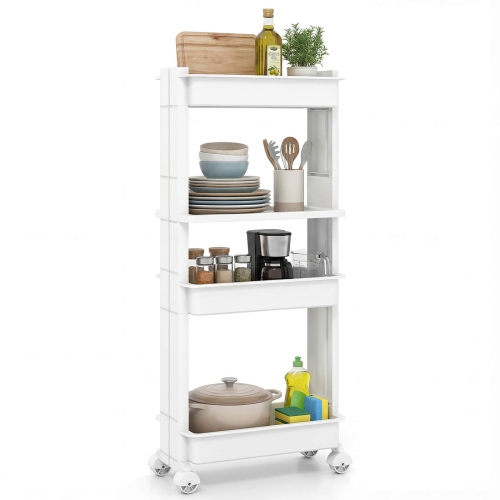
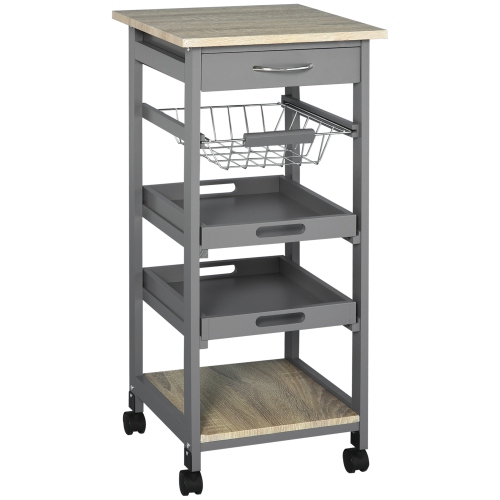
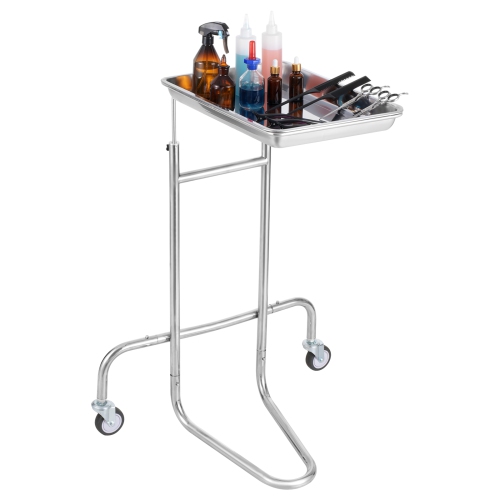
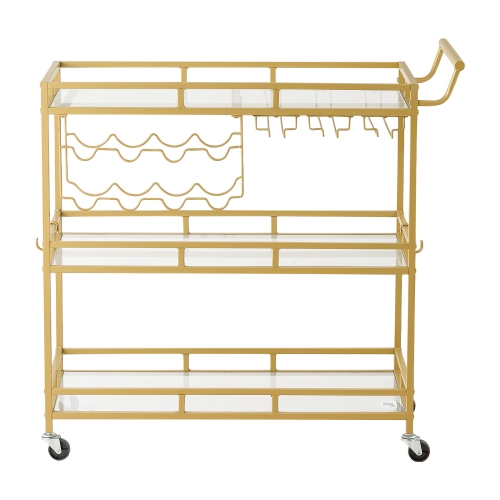
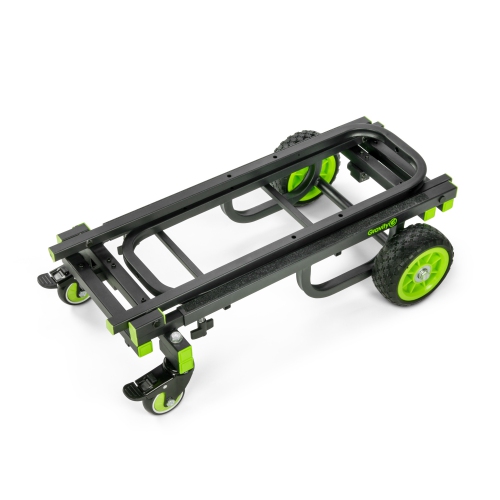
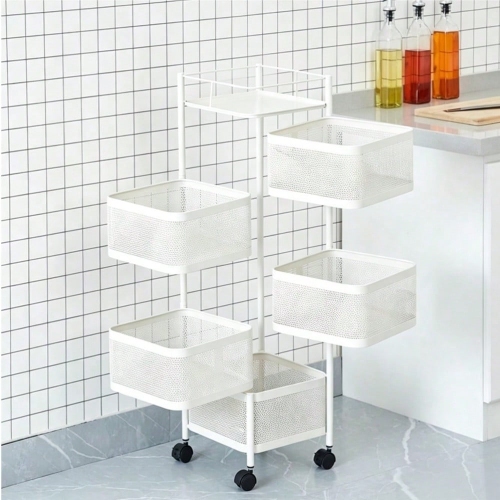
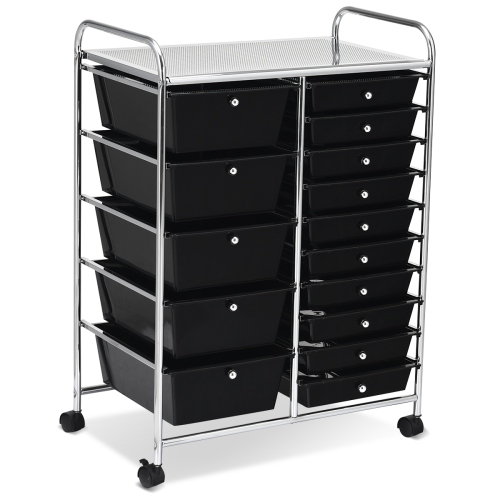
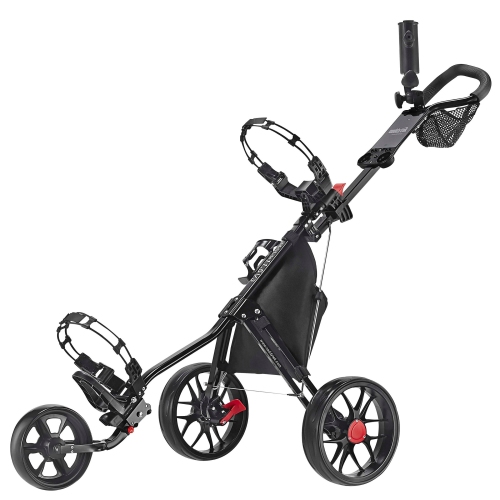
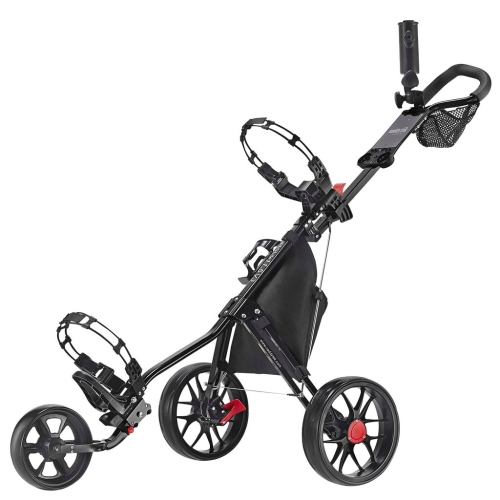
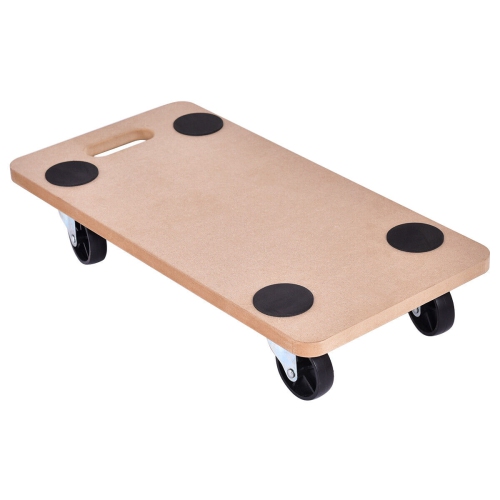
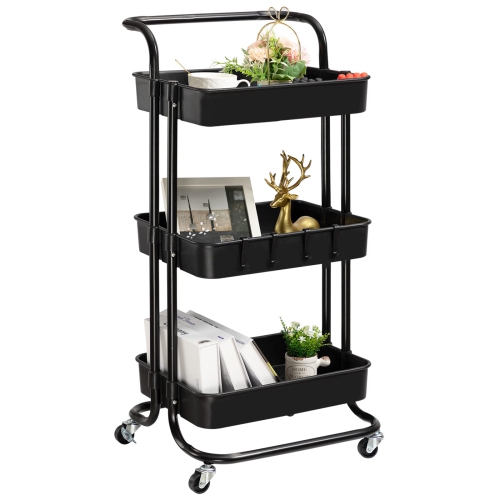
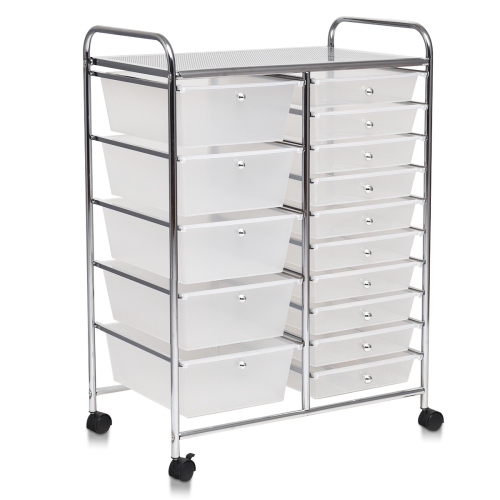
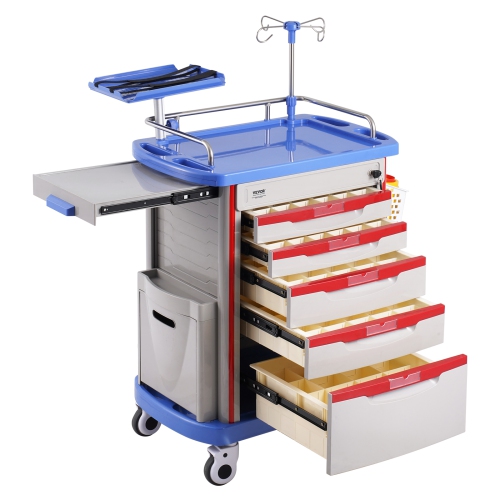
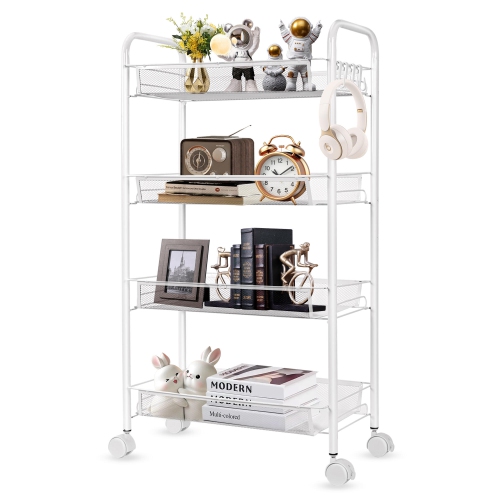
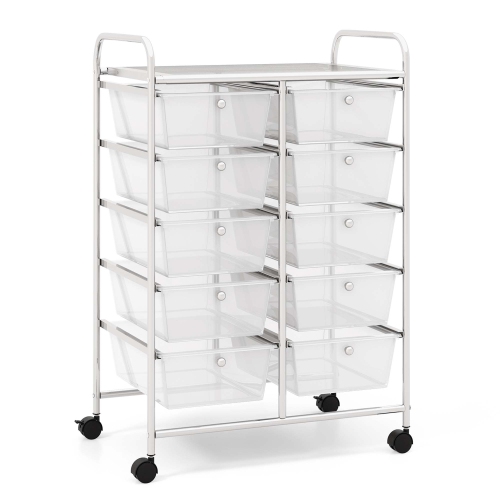
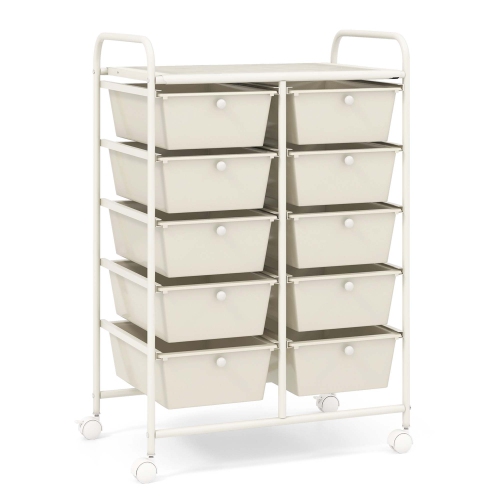
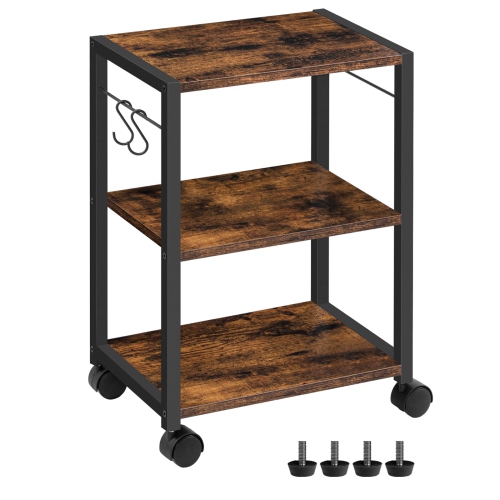
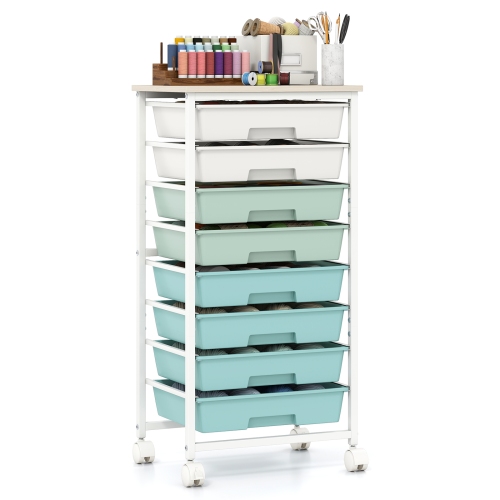
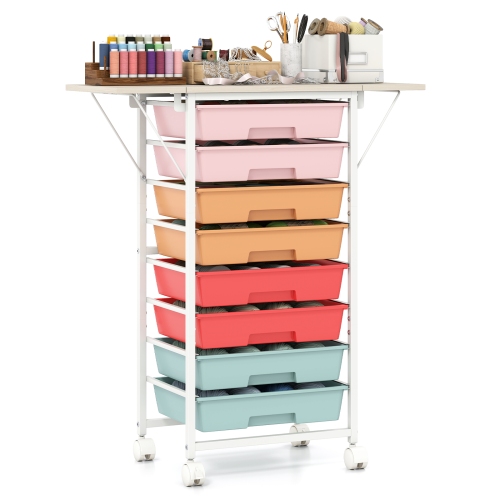
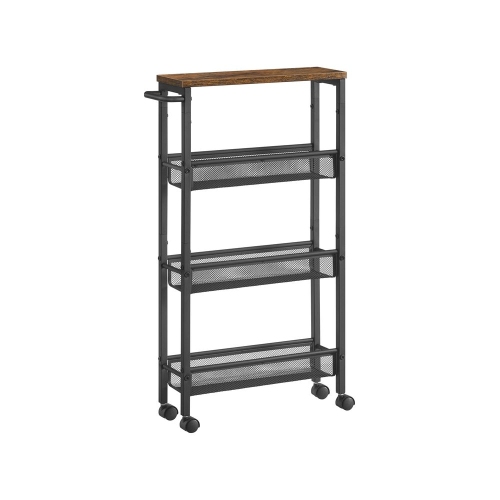
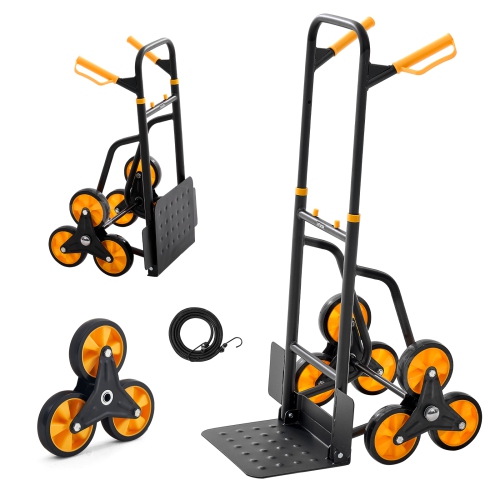
Carts on wheels combine storage or carrying space with a rolling base, making it easier to move supplies, equipment, groceries, or laundry between locations. The category includes compact utility trolleys, kitchen and serving carts, laundry carts, workshop carts, folding shopping carts, and platform-style designs for larger loads. Each serves a different purpose, even when the basic construction looks similar. A narrow utility cart can keep toiletries beside a bathroom vanity or hold stationery next to a desk, while a wider kitchen cart can provide space for mixing bowls, small appliances, and serving dishes. Open shelves keep frequently used belongings visible and accessible; baskets help contain loose supplies, and drawers separate smaller accessories that might otherwise slide around. In a craft room, a rolling cart can bring brushes, paper, and tools directly to the worktable, then tuck beside a cabinet when the surface needs clearing. A laundry cart with a removable bag or basket can simplify moving clothing between a bedroom and laundry area, particularly where everything is on one level. Workshop designs put more emphasis on supporting tools and keeping them organized, while shopping carts often prioritize a manageable frame, a comfortable handle, and a bag or basket that holds its shape. Platform carts provide an open deck for boxes and other bulky loads rather than dividing storage into shelves. Intended use matters more than appearance alone: a cart suited to holding folded towels may not be built to carry a heavy appliance, and a serving cart is not automatically suitable as a food-preparation surface. Shelf spacing, basket depth, and access from one or both sides also affect daily convenience. Tall bottles need clear vertical space, stacks of paper benefit from a flat shelf, and frequently handled equipment is easier to reach when it does not have to be lifted over a high rim. The most useful layout gives the contents a secure place without making routine access awkward.
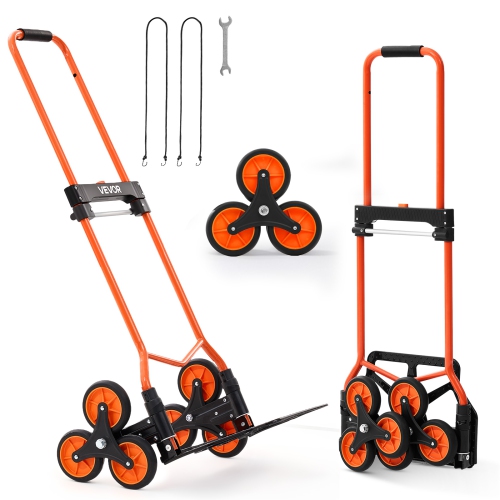
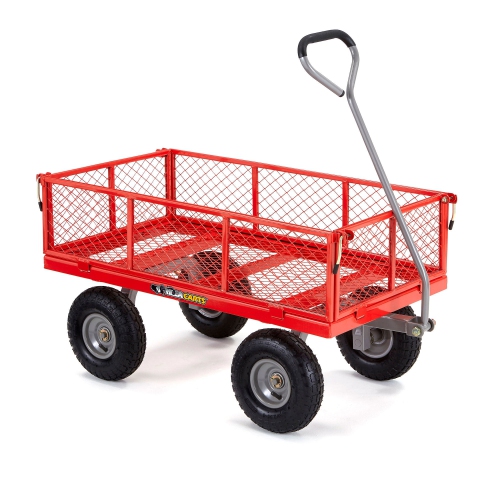
The way a cart moves is just as important as what it holds. Swivel casters help a cart turn around furniture and through tighter layouts, while fixed wheels provide directional tracking along straighter routes. Some designs combine both, allowing the cart to steer without feeling equally free-moving at every corner. With 4 Wheel Carts, wheel placement, base dimensions, and the stated load rating matter alongside the number of wheels. A broad base can provide a useful stance, but a tall cart with heavy contents stacked high still requires careful loading. Keeping heavier belongings on lower shelves helps reduce top-heaviness, and distributing weight across the storage area avoids concentrating the load at one edge. Manufacturer limits apply to the overall cart and may also apply separately to individual shelves, baskets, or drawers. Wheel diameter and tread material influence movement over floor joints, doorway thresholds, and different surfaces. Smaller casters can work well on smooth, level flooring but may catch more readily at a raised transition; larger wheels may handle minor irregularities more comfortably when the cart is designed for that use. Softer treads may reduce rolling noise, though suitability for a particular floor depends on the wheel material, cleanliness, and load. Brakes help hold a cart in position while loading or reaching for supplies, but they do not make a sloped surface suitable for parking. Fit also extends beyond the cart’s listed shelf dimensions. Handles, side hooks, caster movement, and projecting baskets can all increase the space needed. A cart that fits beside a refrigerator still needs enough clearance to pull out, turn, and travel through nearby doorways. Folding designs have a different set of practical details, including their folded depth, latch operation, and the space required to open the frame fully. Stairs remain a separate consideration: ordinary rolling carts are intended for suitable surfaces, not for being pulled up steps under load.
Materials and construction shape how a rolling cart feels in use and how well it stands up to regular handling. Steel frames can provide a firm structure for tools or household supplies, although capacity depends on the complete design, including joints, shelves, and casters. A painted or powder-coated finish benefits from gentle cleaning and attention to scratches that expose the metal beneath. Stainless steel is often associated with kitchen and utility settings because its smooth surface can be wiped clean, but it still needs care appropriate to its finish. Plastic shelves and baskets are generally easy to wipe down and may keep a cart lighter to handle, while their resistance to heat, staining, and heavy loads varies by construction. Wood and engineered-wood surfaces can give a kitchen or living area a furniture-like appearance; spills should be removed promptly, and care should follow the surface finish rather than assumptions about the material underneath. Mesh shelves allow small debris to fall through, whereas solid shelves contain it, so the better choice depends on what the cart carries and where it will be used. Raised edges can help keep loose belongings in place during movement, but they are not a substitute for securing an unstable load. For regular upkeep, crumbs, threads, and hair should be cleared from around the wheels, and accessible fasteners should be checked as directed by the manufacturer. A developing wobble, sticking caster, or loose handle deserves attention before the cart is loaded again. Removable liners and bags can make cleaning simpler when their care instructions suit the intended use. These practical differences matter to students organizing a small room, families managing shared supplies, hobbyists moving materials between work areas, and anyone who prefers to bring storage closer to the task. As a gift for someone setting up a home office, craft space, or workshop, a cart is most useful when its dimensions and storage layout match a known need rather than adding another piece to work around.
Top selling and popular products
-
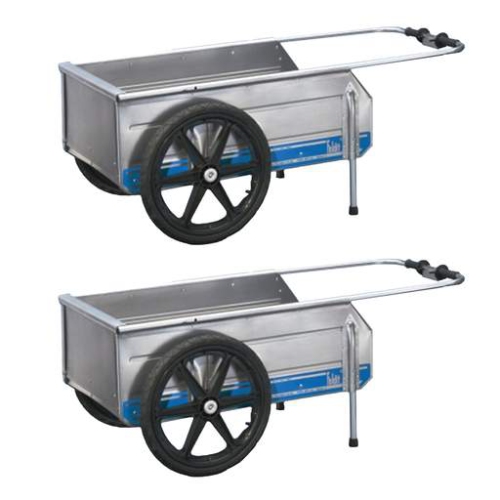 Your price for this item is $1576.99
-
 Your price for this item is $258.99
-
 Your price for this item is $764.99
-
 Your price for this item is $247.35
-
 Your price for this item is $247.35
-
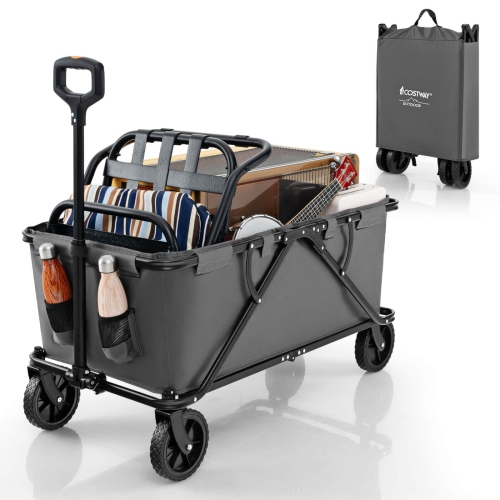 Your price for this item is $177.99
-
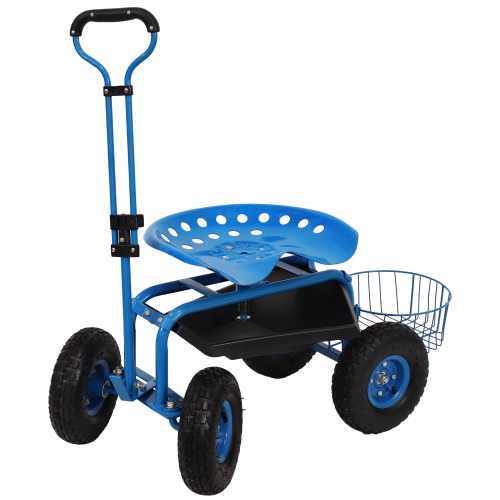 Your price for this item is $261.95
-
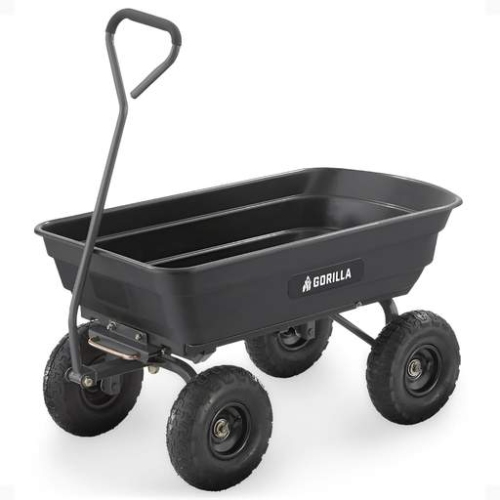 Your price for this item is $308.99
Discover more categories related to Carts On Wheels
Top Collections:
Best Black Friday Deals This Year, Best Black Friday Deals On Electronics, Kindle Devices, Dyson Airwrap, Best Cameras for Sports Photography, Best Budget Office Chairs, Canon G7X Cameras, PS5 Pro Consoles, Best Black Friday Deals On Apple Products, XBOX One S Consoles
Some products may be subject to Environmental Handling Fees
(EHF) depending on your province.
Learn more about EHFs.