Charging Cabinets
Charging cabinets are the perfect solution for keeping your devices organized and powered up, whether at home, in the office, or in a classroom setting. Designed to accommodate multiple devices simultaneously, these cabinets offer a streamlined way to manage charging needs efficiently. With various sizes and configurations available, they cater to diverse requirements, ensuring that everything from tablets to laptops stays charged and ready for use. Their sleek designs not only save space but also enhance security by offering lockable options to keep your valuable electronics safe. Explore the convenience and peace of mind that come with using charging cabinets to maintain a clutter-free and fully charged environment.
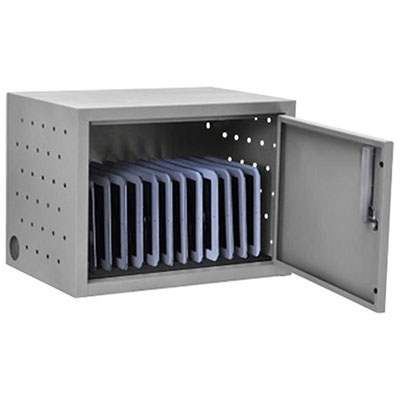
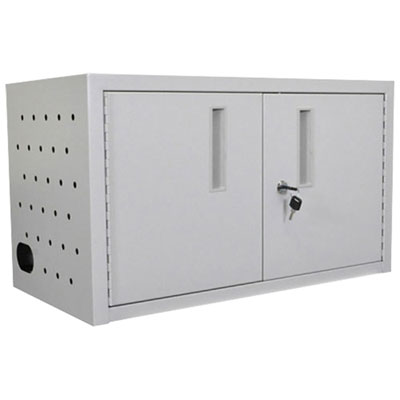
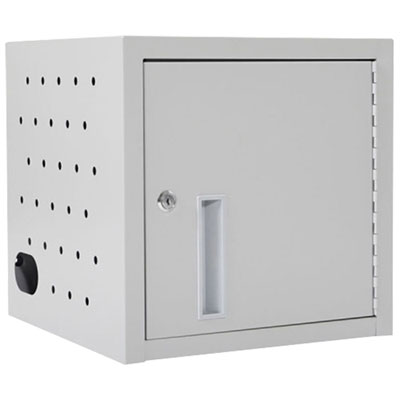

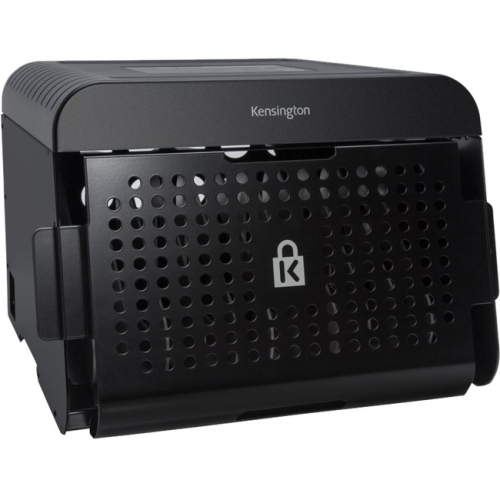
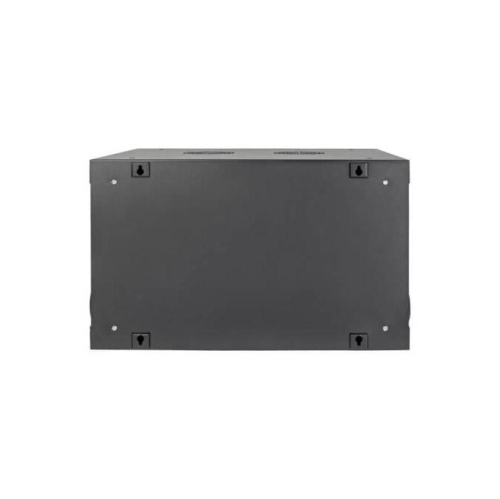
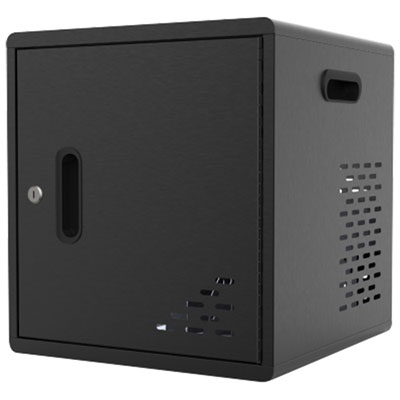
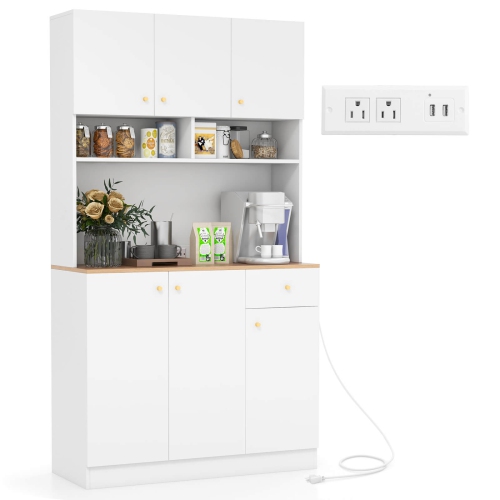
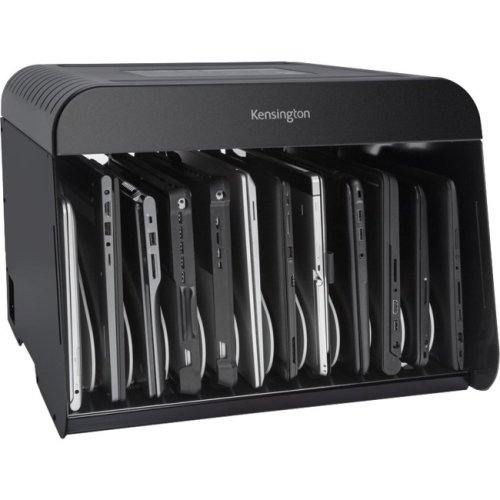
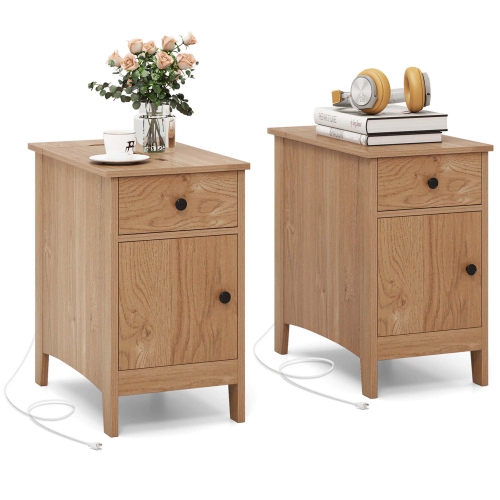

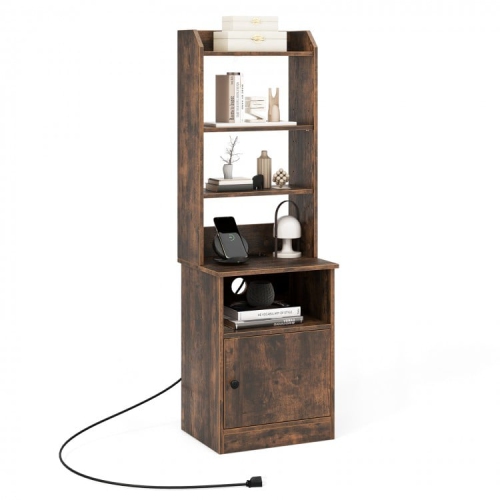
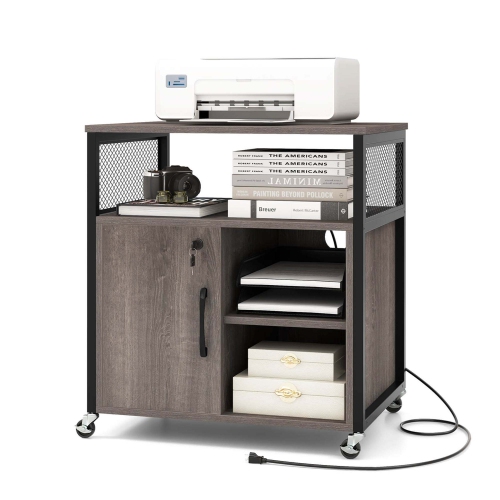
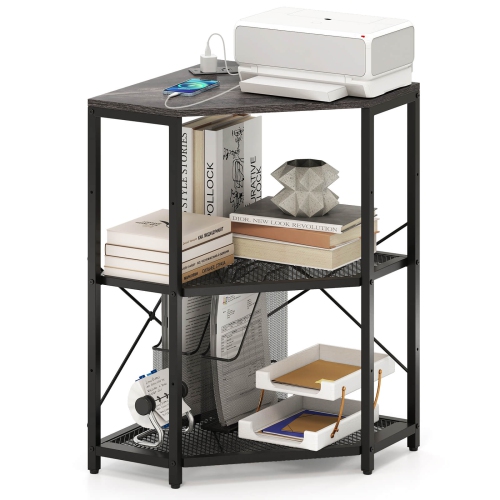
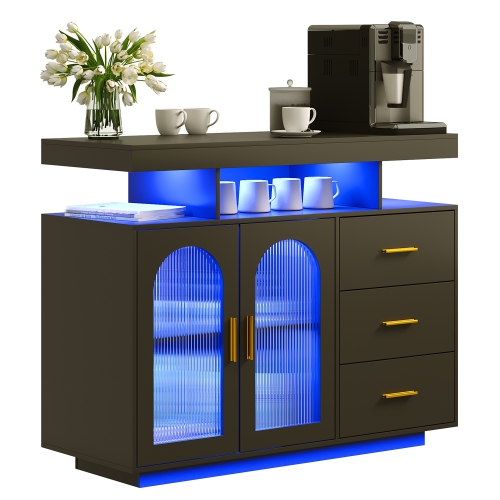
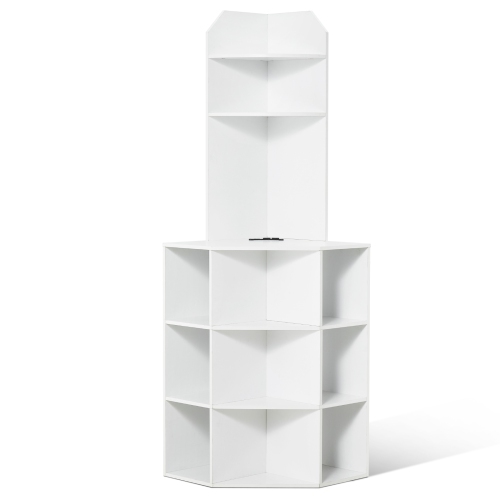
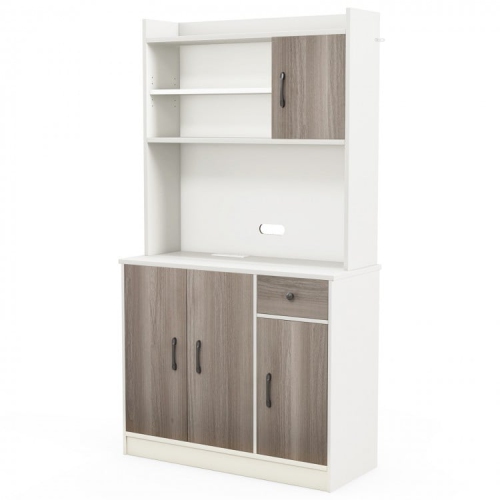
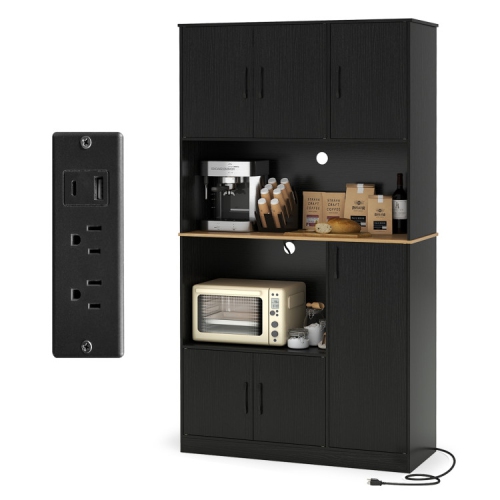
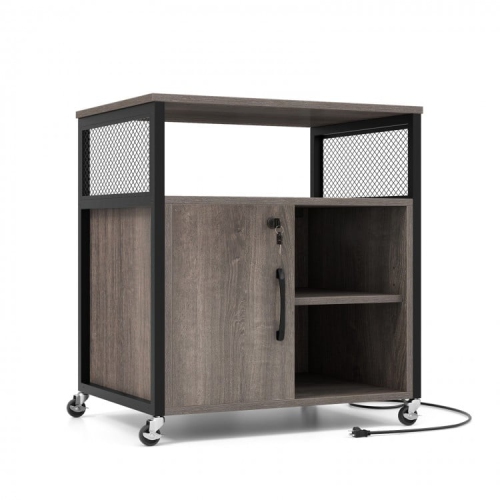
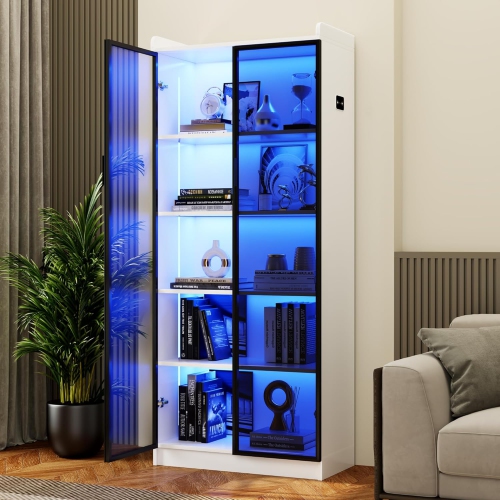
Secure, organized charging for devices at work and home
Choosing the right charging cabinet begins with identifying exactly what it will store and how often those devices will be used. Capacity is more than the number of charging bays listed on a product page; each compartment must be wide, tall, and deep enough for the device itself, its charging connector, and any protective case or attached accessory. A slim tablet without a case may fit comfortably in a narrow slot, while a ruggedized tablet, Chromebook, or laptop in a protective shell may need considerably more room. Measure the largest devices and compare those dimensions with the interior compartments before buying, especially when a cabinet will serve a mixed collection. Consider how many devices need to be charged in one cycle, leaving enough room for easy insertion and removal rather than forcing equipment into tight spaces. Cable management is equally important. Built-in routing channels, labelled shelves, dedicated adapter compartments, and neatly positioned outlets can prevent cables from twisting around one another and make it easier to identify a damaged or missing lead. For shared spaces, security should be a central consideration. Keyed locks, latch systems, and robust doors can help limit access to stored equipment and provide a clear place to keep devices when they are not in use. A mobile cart with locking casters can be practical in schools, training rooms, libraries, and offices that regularly change layouts, while a stationary floor cabinet may be a better fit for a warehouse station or permanent charging area. Desktop cabinets work well where floor space is limited, and wall-mounted designs can keep equipment off counters when the wall structure and installation location are suitable. Ventilation also matters whenever multiple devices charge together. Perforated panels, ventilation openings, or built-in cooling features can encourage airflow and help manage heat produced during simultaneous charging. Check the cabinet’s power requirements, outlet configuration, cord length, and charging compatibility so the unit works with the devices already in use. Some people may value synchronized charging for a fleet of tablets or computers, while others may simply need orderly power access for a smaller group of phones, scanners, or handheld tools. In a classroom, staff may appreciate numbered compartments that make distribution and collection almost automatic. In a warehouse, a clearly marked cabinet can give every scanner or radio a predictable home between shifts. In a home office, a smaller cabinet can turn the corner of a room into a tidy charging station without taking over the desk. The best choice combines suitable capacity, dependable construction, accessible controls, safe airflow, and a layout that fits the daily routine of the people using it.
Top selling and popular products
-
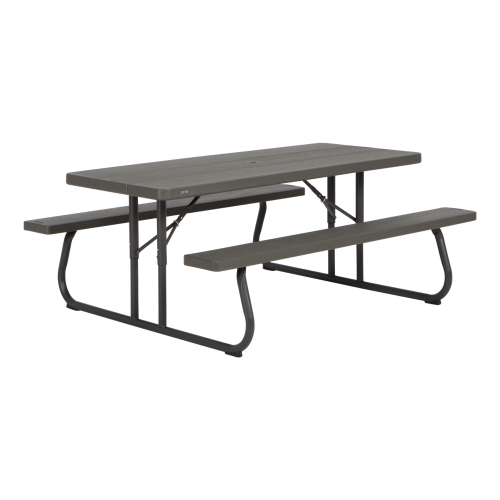 Your price for this item is $439.99
 -
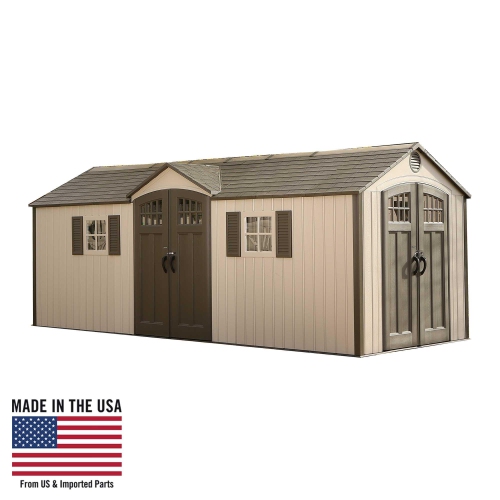 Your price for this item is $5559
 -
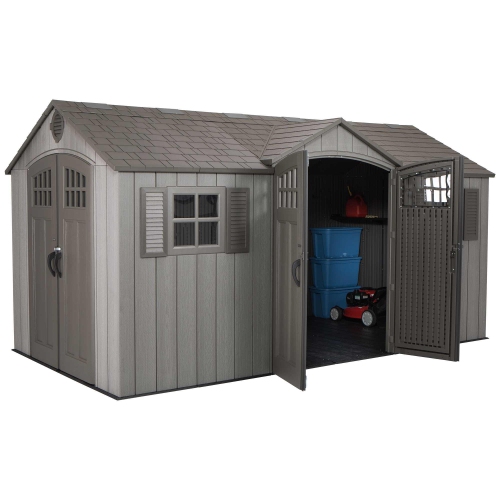 Your price for this item is $4168
 -
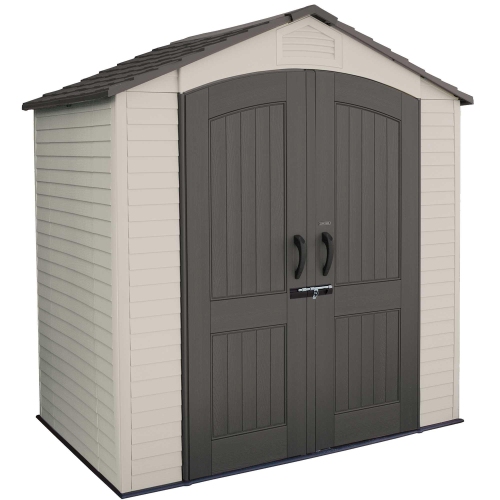 Your price for this item is $1649
 -
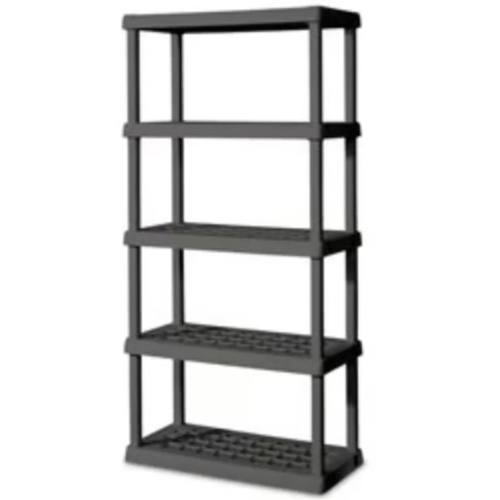 Your price for this item is $920.99
 -
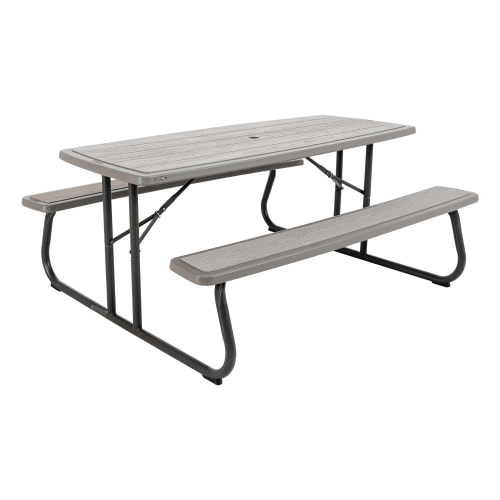 Your price for this item is $419.99
 -
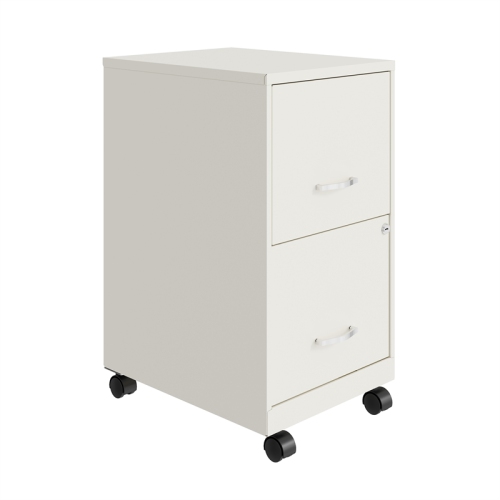 Your price for this item is $395.93
 -
 Your price for this item is $5499