Classroom Boards
Enhance your classroom with this diverse selection of classroom boards designed to inspire creativity and foster learning. Whether you're looking for a classic chalkboard for traditional note-taking or a modern whiteboard for interactive lessons, we have the perfect solution for your educational space. From bulletin boards to display student work to cork boards for organizing important information, our range of classroom boards offers versatility and functionality to meet all your teaching needs.
Sort



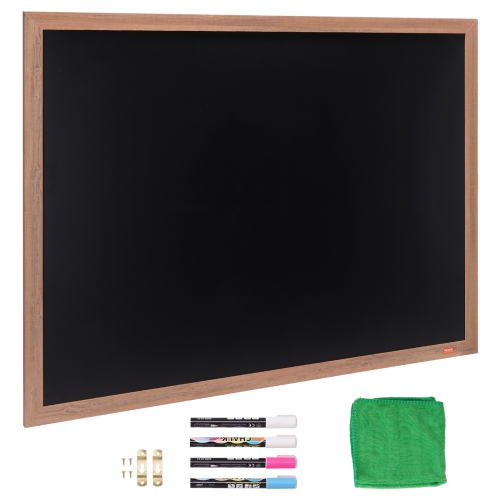
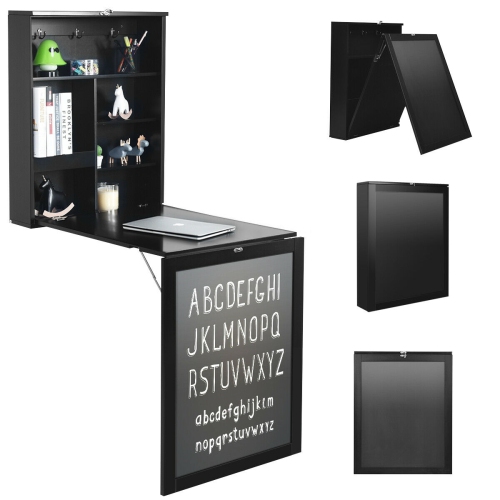
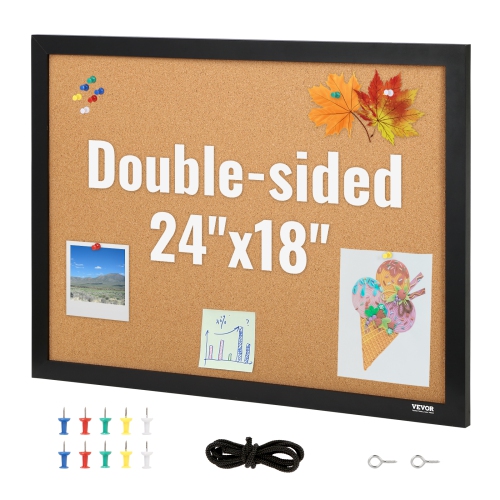
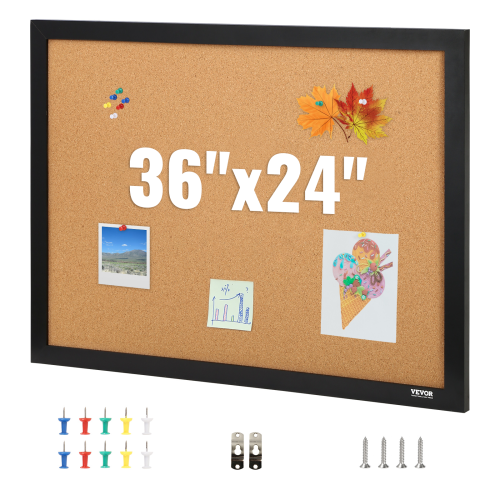


How board surfaces shape everyday teaching routines
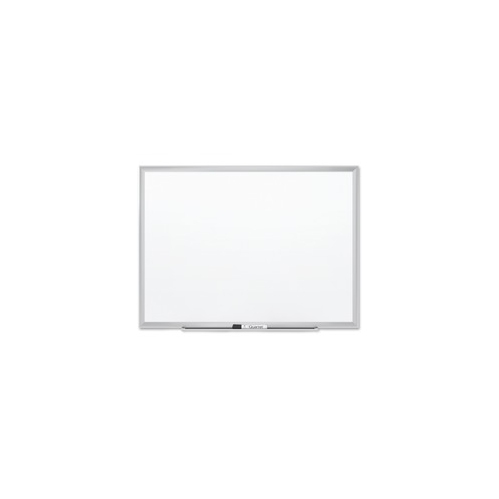
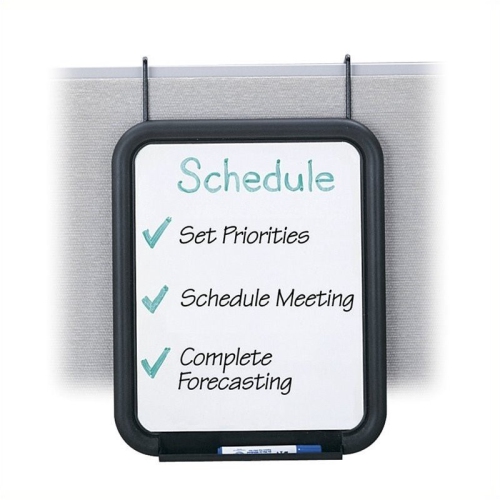
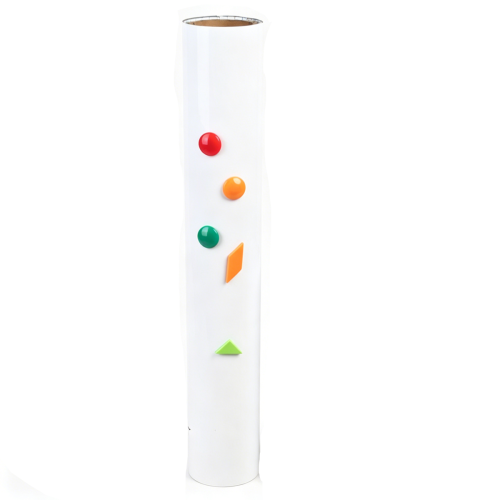
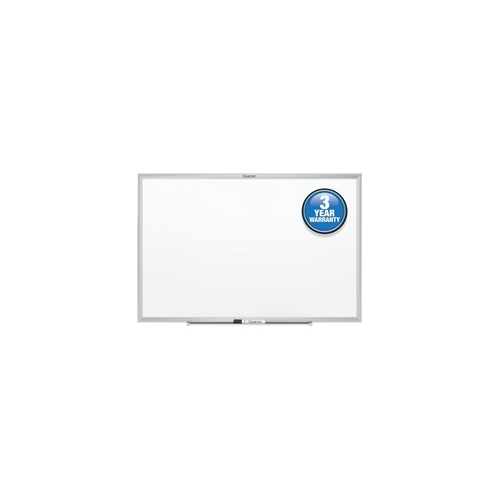
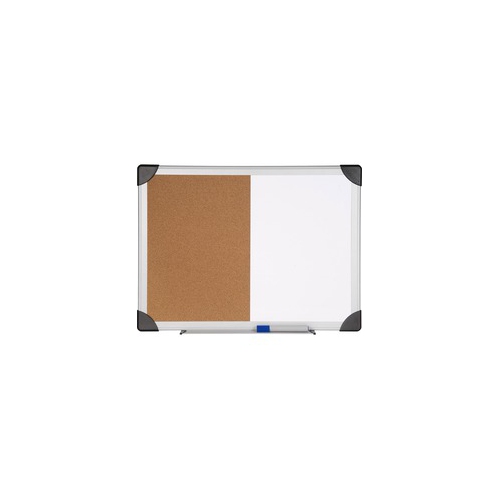
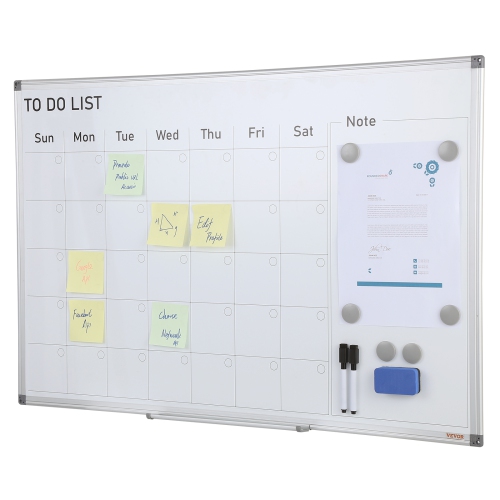
Classroom boards give lessons, reminders, and student work a shared place in the room, whether that means a wall of handwritten equations or a small board passed between learners during a group activity. Their purpose extends beyond presenting information: a clearly arranged board can help students follow the day’s schedule, revisit unfamiliar vocabulary, or see how a problem develops one step at a time. Different board surfaces support different routines. Dry-erase boards suit writing that changes throughout the day, while chalkboards offer a familiar surface for diagrams, lettering, and repeated practice. Bulletin boards hold printed notices, artwork, and reference sheets that need to remain visible between lessons. Combination boards bring writing and pin-up space together, which can be useful in a tutoring room or shared learning area where wall space is limited. For lessons built around frequent writing and erasing, classroom whiteboards provide space for everything from sentence building to working through fractions. Magnetic writing surfaces can also hold compatible letters, number pieces, and lightweight teaching aids, though not every dry-erase surface accepts magnets. A teacher might keep a visual timetable beside the day’s learning goals, while a language tutor could arrange word cards into sentences without rewriting each word. Individual student boards make it possible for an entire group to show an answer at once, giving the instructor a quick view of who needs another example. In a home learning space, a compact board can keep spelling practice or a weekly assignment list separate from the family noticeboard. These uses make classroom boards relevant to teachers, early childhood educators, tutors, childcare providers, and families supporting learning at home. The most useful format depends on what needs to stay on display, what needs to change quickly, and whether the board serves one learner, a small table group, or a full classroom. That distinction matters more than simply choosing the largest surface that will fit.
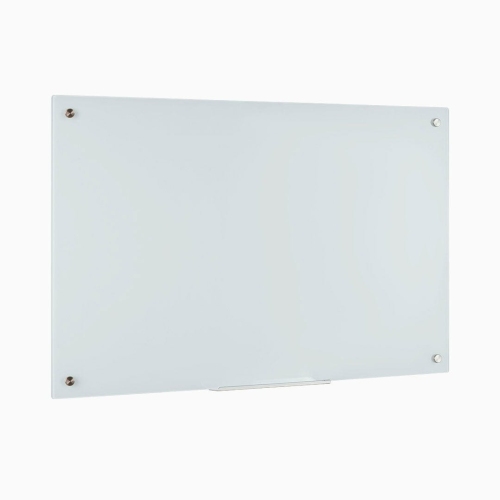
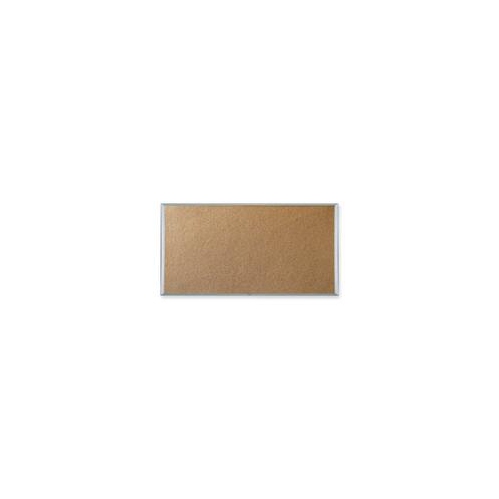
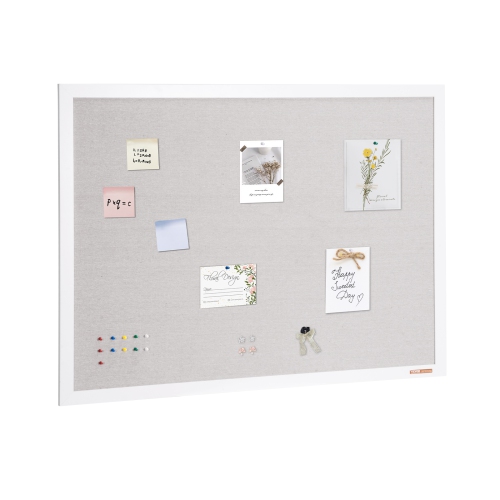
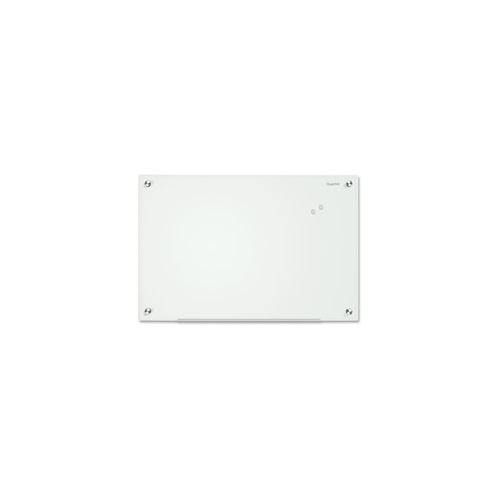
Surface construction has a direct effect on how a classroom board handles daily use. Melamine dry-erase surfaces are generally lightweight and suited to lighter writing routines, but they can show staining or ghosting with repeated use, particularly when marker residue remains for long periods. Painted steel surfaces often provide magnetic functionality, while porcelain-enamel steel is typically more resistant to scratches and staining. Glass writing boards have a smooth, non-porous surface, although their weight, mounting requirements, and marker visibility deserve attention; magnetic versions may require stronger compatible magnets than those used on a conventional steel board. Chalkboard surfaces also vary, and their suitability depends partly on whether the classroom can accommodate chalk dust around books, fabrics, and nearby electronics. For pin-up displays, cork offers a textured surface that grips pushpins, while fabric-covered boards provide a softer-looking backdrop for notices and student work. Pin retention, backing thickness, and edge construction all affect how well a bulletin board stands up to frequent changes. Frame materials influence both appearance and handling: aluminium can provide a slim, practical border, while wood can blend with shelving and other classroom furniture. Rounded corners and neatly finished edges are especially useful where children move close to the board. Size and placement matter just as much as material. A broad wall-mounted board may leave room for an example, a diagram, and independent practice instructions without constant erasing, but students still need to read the writing from their seats. A smaller board positioned at a child’s working height can encourage participation without requiring a stretch across a large surface. Measurements should account for the frame, any marker tray, nearby cupboards, and the clearance needed around doors. Reflections from windows or overhead lights can make some surfaces harder to read, so the viewing angle matters as well as the board’s dimensions. Dark, clearly visible writing and enough blank space between sections help keep information legible without crowding the surface.
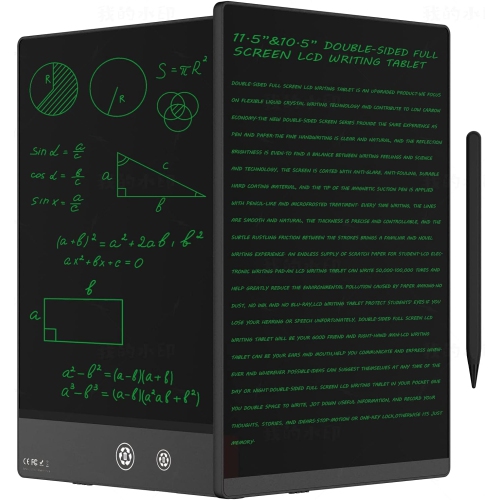
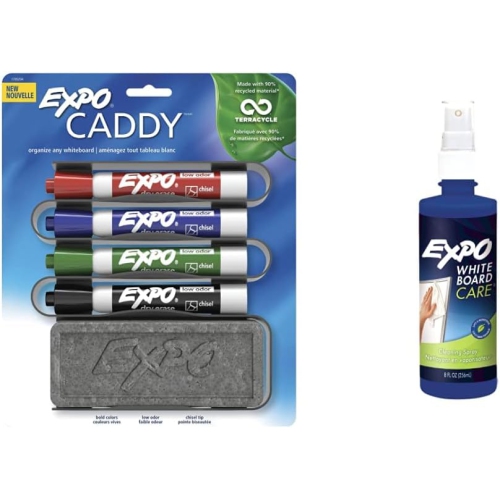
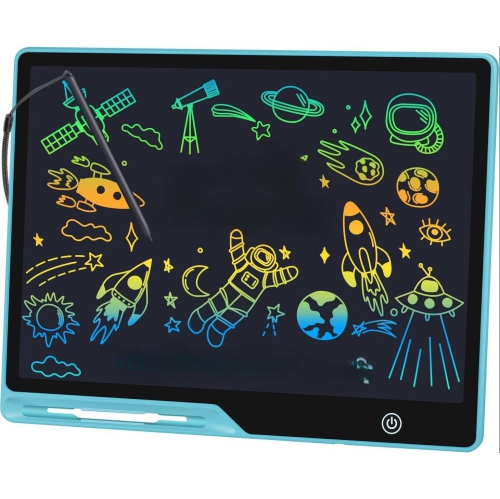
The way a classroom board is supported determines how easily it fits into everyday teaching. Wall-mounted boards keep floor space clear and establish a consistent focal point, provided the wall and mounting hardware can safely support the board’s weight. Larger or heavier boards may need professional installation, especially where the wall construction calls for particular anchors or supports. Freestanding and mobile boards allow the teaching area to move between a reading corner, a group table, and the front of the room. A stable base, suitable castors, and wheel locks are important for this use, along with enough clearance to move through doorways without catching furniture. Double-sided designs offer separate spaces for prepared material and live classwork, although rotating mechanisms need room to turn and should be secured as directed before writing begins. Desktop and handheld boards suit shorter exercises, paired activities, and learners who benefit from having the writing surface close by. Across these formats, practical details such as an accessible tray, a firm writing surface, and manageable weight can make repeated use easier. Care requirements vary by material, so cleaning products and methods should match the manufacturer’s directions. Dry-erase surfaces need compatible markers and regular wiping with a clean eraser or soft cloth; abrasive pads and unsuitable cleaners can damage finishes. Chalkboards benefit from an appropriate chalkboard eraser and cleaning routine, while bulletin boards need occasional checks for loose pins, torn coverings, or worn areas that no longer hold displays securely. In spaces used by young children, pushpins, small magnets, and cleaning supplies belong out of reach, with displays attached using methods appropriate to the age group. Shared boards also work better when their layout has a clear purpose: a permanent reference section can sit beside an open working area, leaving useful information visible while the lesson progresses. A well-matched classroom board supports those ordinary teaching moments, from a child proudly displaying a first written sentence to a group comparing several ways to solve the same problem. Its value lies in being readable, dependable, and ready for the next explanation.
Surface construction has a direct effect on how a classroom board handles daily use. Melamine dry-erase surfaces are generally lightweight and suited to lighter writing routines, but they can show staining or ghosting with repeated use, particularly when marker residue remains for long periods. Painted steel surfaces often provide magnetic functionality, while porcelain-enamel steel is typically more resistant to scratches and staining. Glass writing boards have a smooth, non-porous surface, although their weight, mounting requirements, and marker visibility deserve attention; magnetic versions may require stronger compatible magnets than those used on a conventional steel board. Chalkboard surfaces also vary, and their suitability depends partly on whether the classroom can accommodate chalk dust around books, fabrics, and nearby electronics. For pin-up displays, cork offers a textured surface that grips pushpins, while fabric-covered boards provide a softer-looking backdrop for notices and student work. Pin retention, backing thickness, and edge construction all affect how well a bulletin board stands up to frequent changes. Frame materials influence both appearance and handling: aluminium can provide a slim, practical border, while wood can blend with shelving and other classroom furniture. Rounded corners and neatly finished edges are especially useful where children move close to the board. Size and placement matter just as much as material. A broad wall-mounted board may leave room for an example, a diagram, and independent practice instructions without constant erasing, but students still need to read the writing from their seats. A smaller board positioned at a child’s working height can encourage participation without requiring a stretch across a large surface. Measurements should account for the frame, any marker tray, nearby cupboards, and the clearance needed around doors. Reflections from windows or overhead lights can make some surfaces harder to read, so the viewing angle matters as well as the board’s dimensions. Dark, clearly visible writing and enough blank space between sections help keep information legible without crowding the surface.
The way a classroom board is supported determines how easily it fits into everyday teaching. Wall-mounted boards keep floor space clear and establish a consistent focal point, provided the wall and mounting hardware can safely support the board’s weight. Larger or heavier boards may need professional installation, especially where the wall construction calls for particular anchors or supports. Freestanding and mobile boards allow the teaching area to move between a reading corner, a group table, and the front of the room. A stable base, suitable castors, and wheel locks are important for this use, along with enough clearance to move through doorways without catching furniture. Double-sided designs offer separate spaces for prepared material and live classwork, although rotating mechanisms need room to turn and should be secured as directed before writing begins. Desktop and handheld boards suit shorter exercises, paired activities, and learners who benefit from having the writing surface close by. Across these formats, practical details such as an accessible tray, a firm writing surface, and manageable weight can make repeated use easier. Care requirements vary by material, so cleaning products and methods should match the manufacturer’s directions. Dry-erase surfaces need compatible markers and regular wiping with a clean eraser or soft cloth; abrasive pads and unsuitable cleaners can damage finishes. Chalkboards benefit from an appropriate chalkboard eraser and cleaning routine, while bulletin boards need occasional checks for loose pins, torn coverings, or worn areas that no longer hold displays securely. In spaces used by young children, pushpins, small magnets, and cleaning supplies belong out of reach, with displays attached using methods appropriate to the age group. Shared boards also work better when their layout has a clear purpose: a permanent reference section can sit beside an open working area, leaving useful information visible while the lesson progresses. A well-matched classroom board supports those ordinary teaching moments, from a child proudly displaying a first written sentence to a group comparing several ways to solve the same problem. Its value lies in being readable, dependable, and ready for the next explanation.
Top selling and popular products
-
 Your price for this item is $175.99
 -
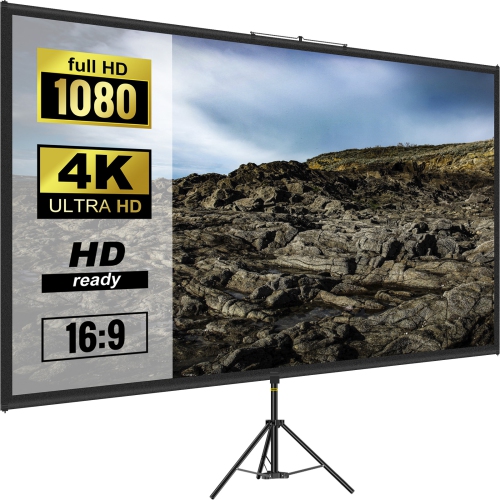 Your price for this item is $54.99
 -
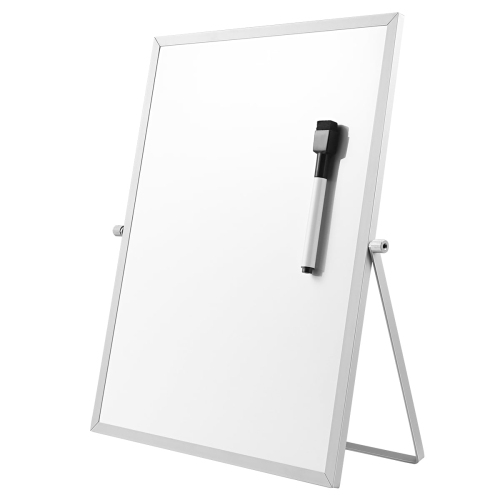 Your price for this item is $35.65
 -
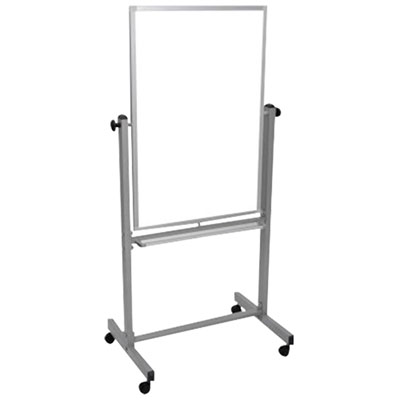 Your price for this item is $359.99
 -
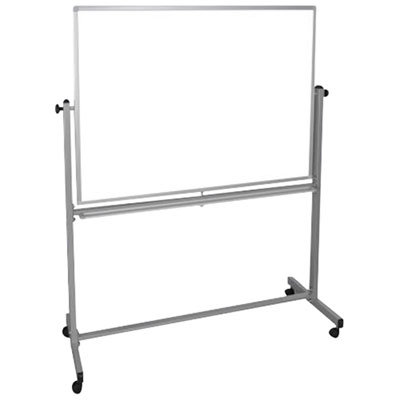 Your price for this item is $429.99
 -
 Your price for this item is $30.28
 -
 Your price for this item is $51.99
 -
 Your price for this item is $229.99
Discover more categories related to Classroom Boards
Top Collections:
Pokemon Centers, Kindle Devices, Best Budget Office Chairs, Apple iPhones 16, Best Laptops for Writers, iPhone 15 Apple, Canon G7X Cameras, Refurbished Apple Laptops, Alarm Clock, Motorola Razr Phones
Some products may be subject to Environmental Handling Fees
(EHF) depending on your province.
Learn more about EHFs.