Display Boards
Looking to showcase your creativity, ideas, or important information in a visually captivating way? Look no further than our selection of display boards. These versatile tools are perfect for classrooms, offices, conferences, and even at home. Whether you need a bulletin board to display announcements and reminders, a whiteboard to jot down ideas during brainstorming sessions, or a cork board to pin up important documents and photos, we have the perfect display board to meet your needs. With various sizes and styles available, you'll be able to find the ideal display board that combines functionality with aesthetic appeal.
Sort












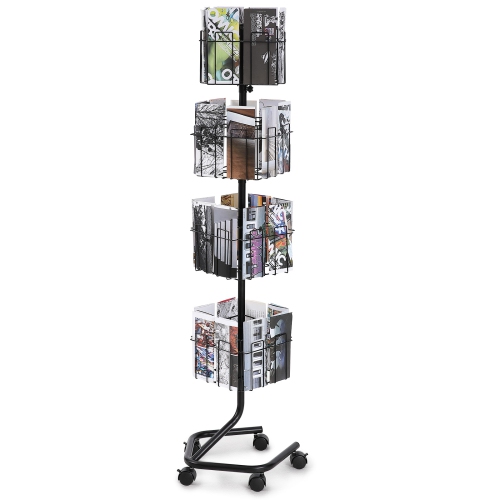
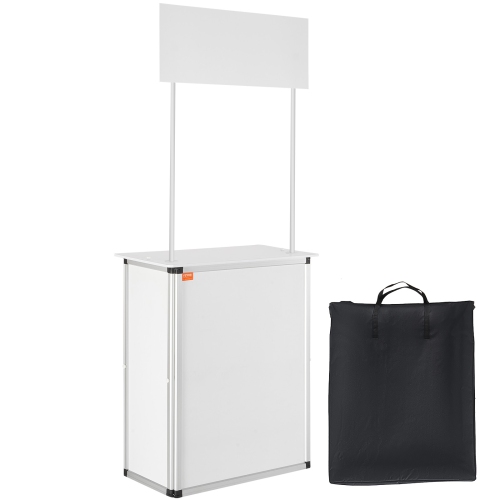
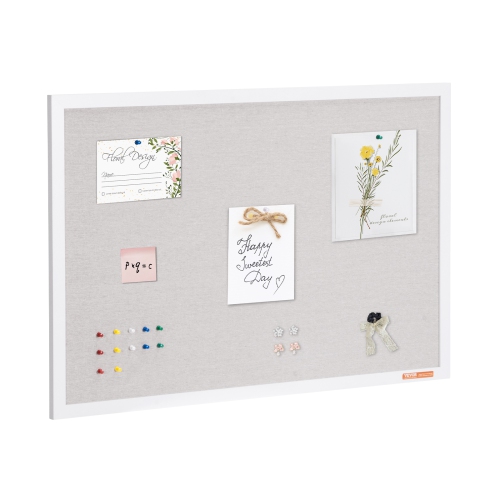







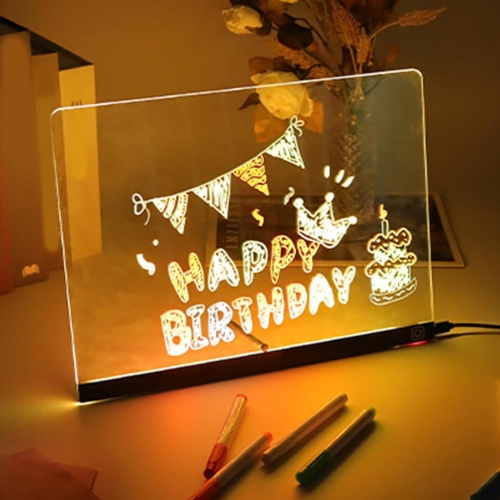
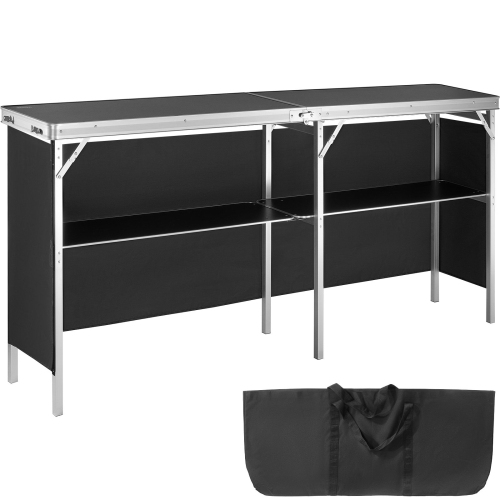
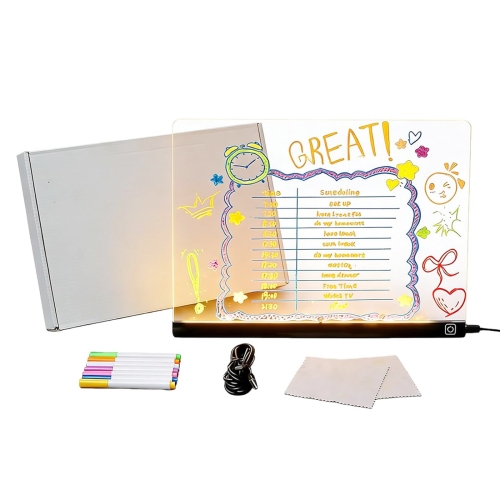
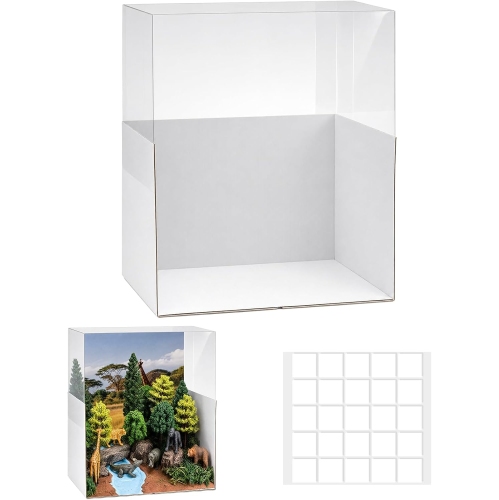



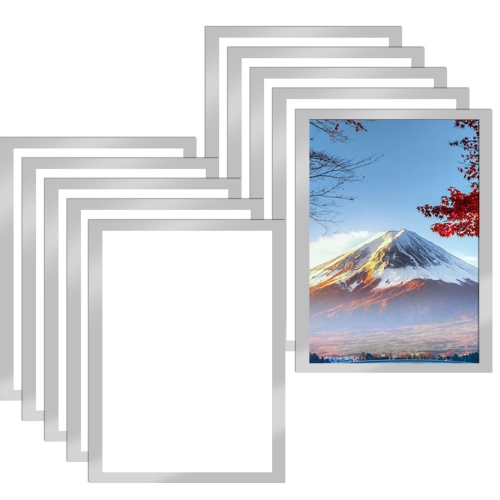
How layout and materials shape a clearer presentation
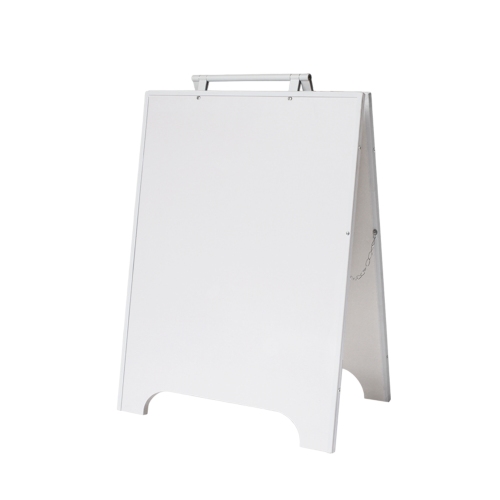
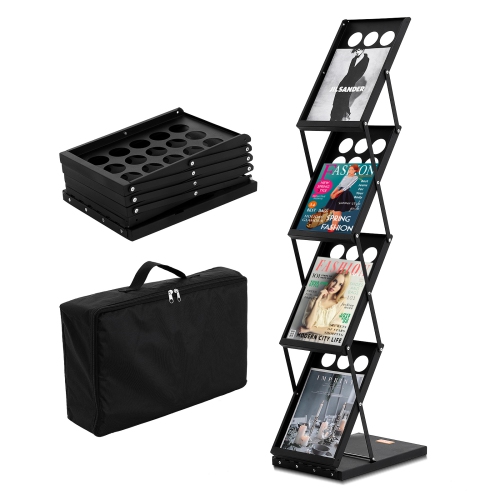
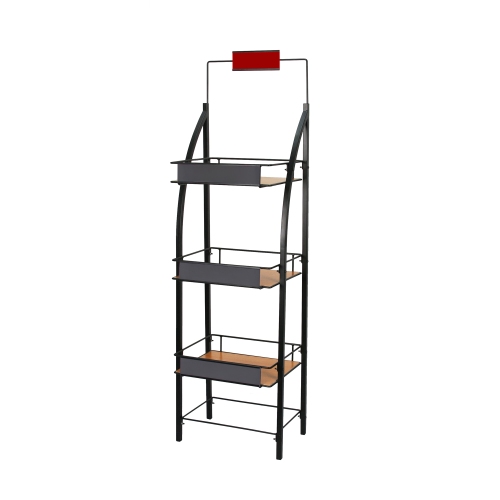
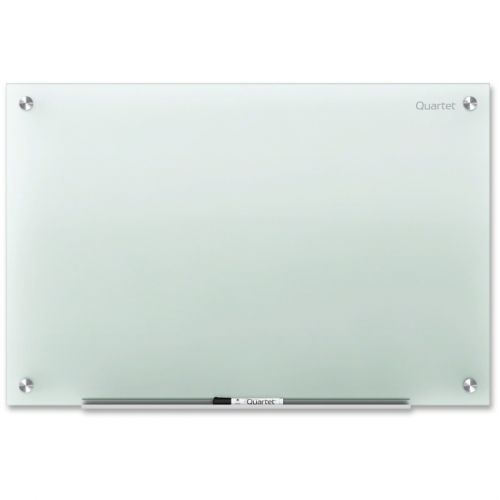
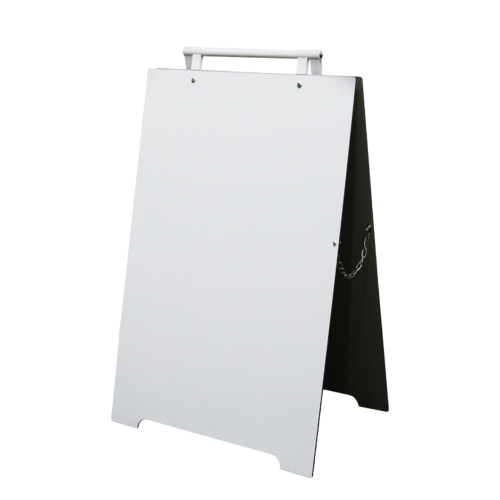
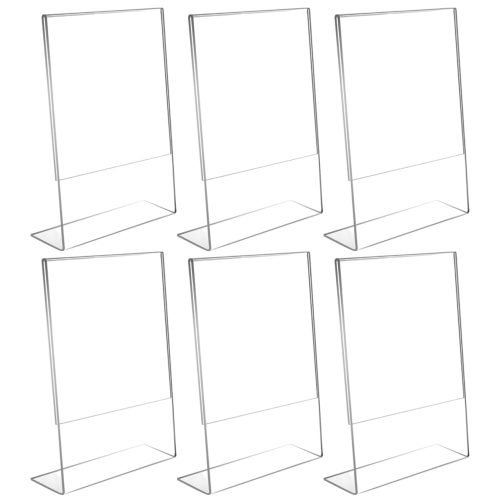
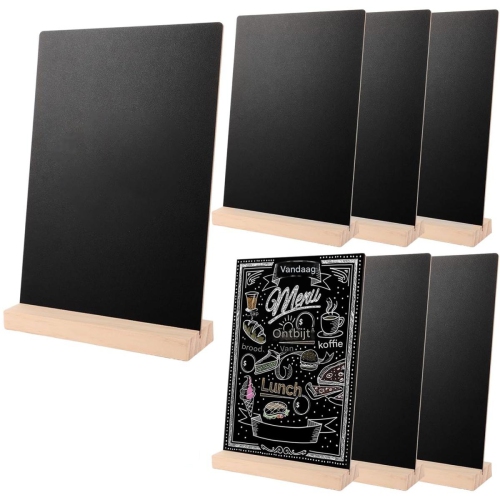
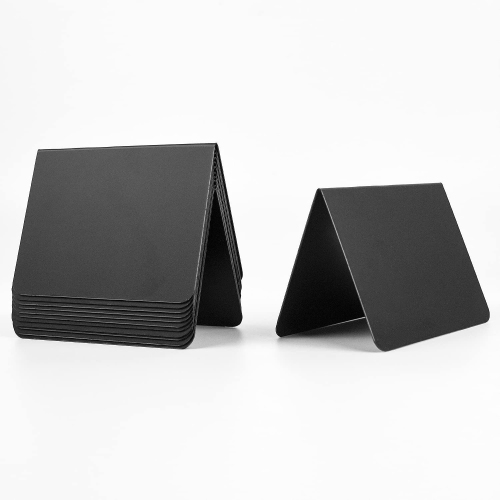
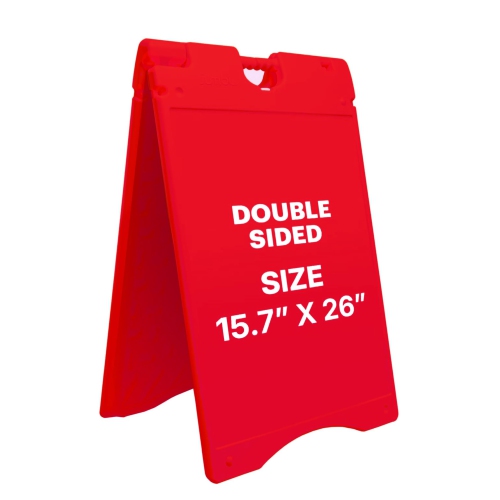
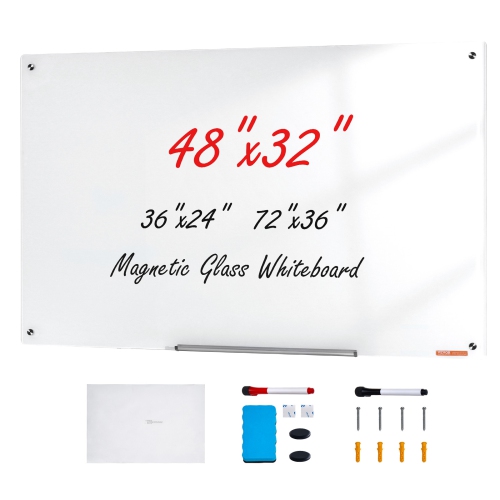
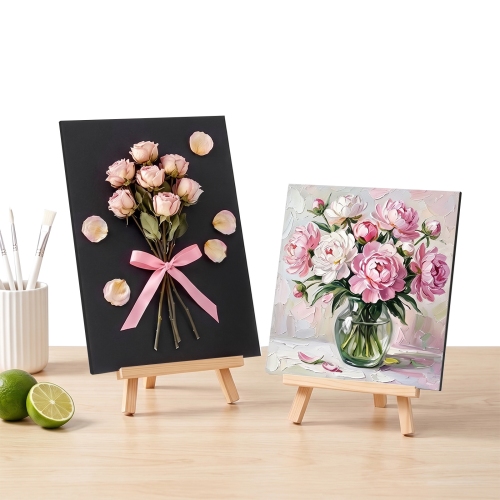
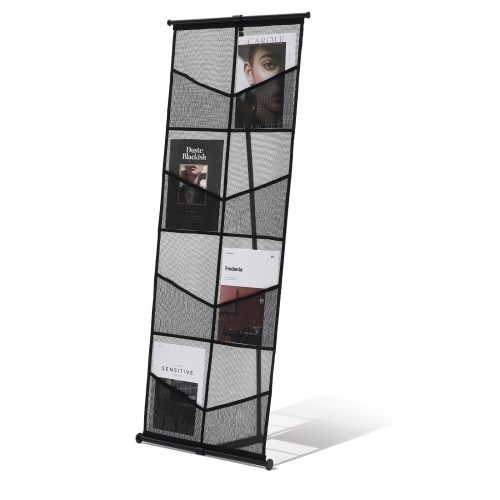
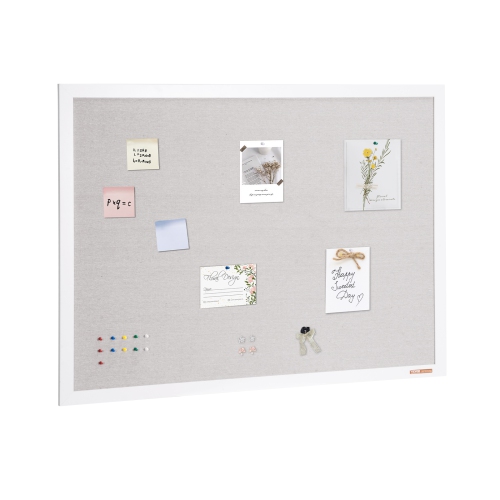
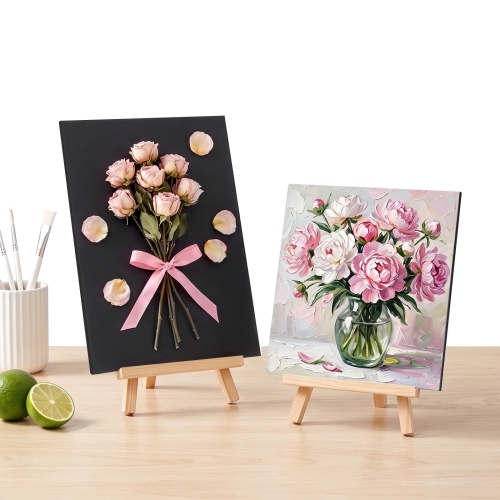
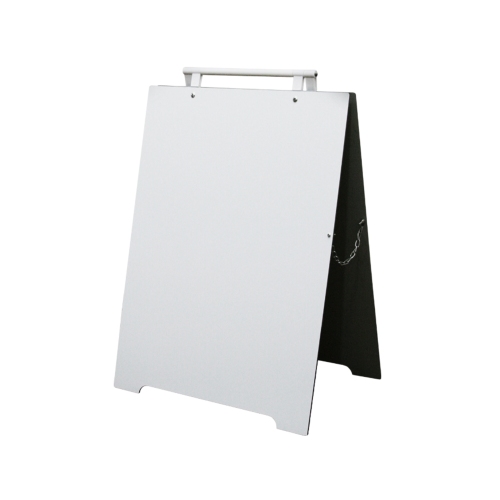
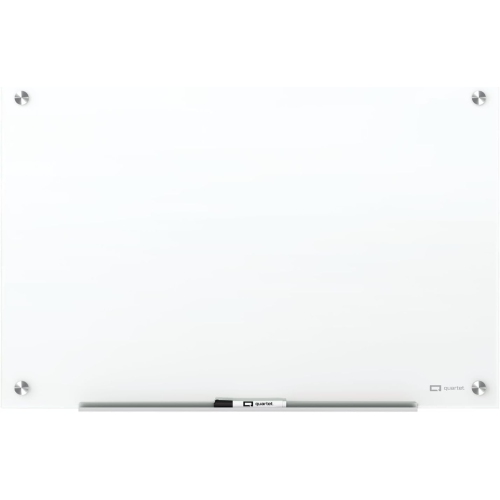
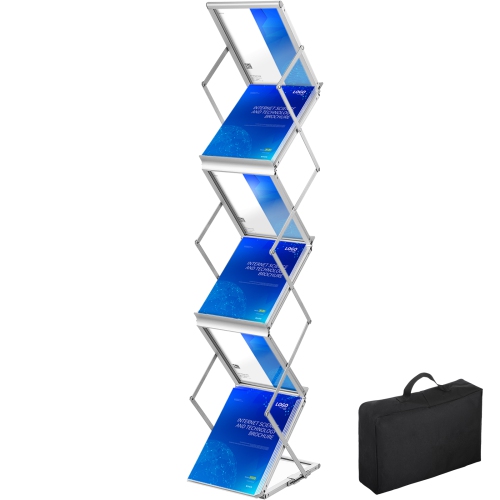
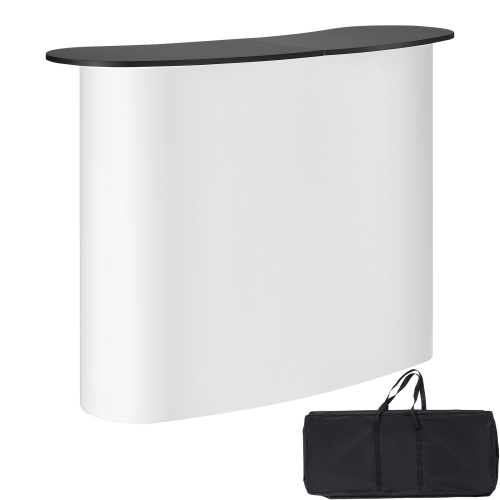
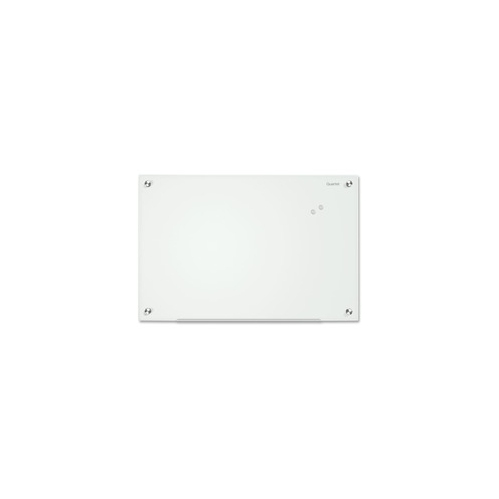
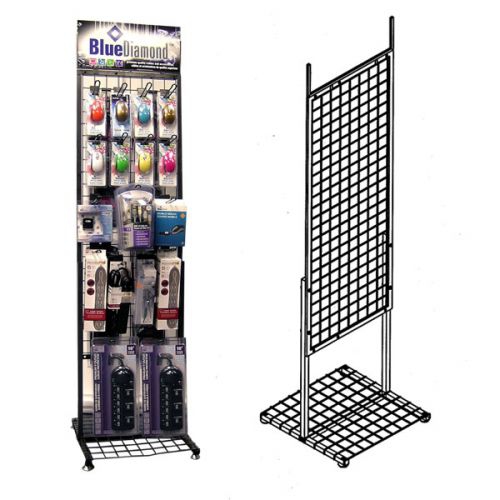
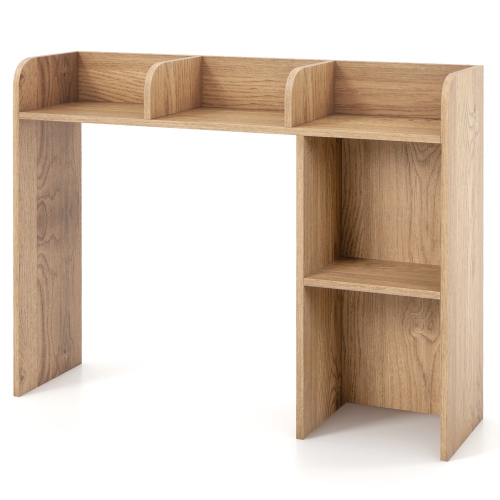
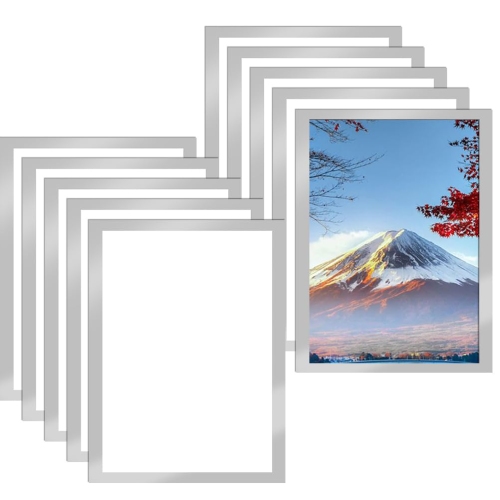
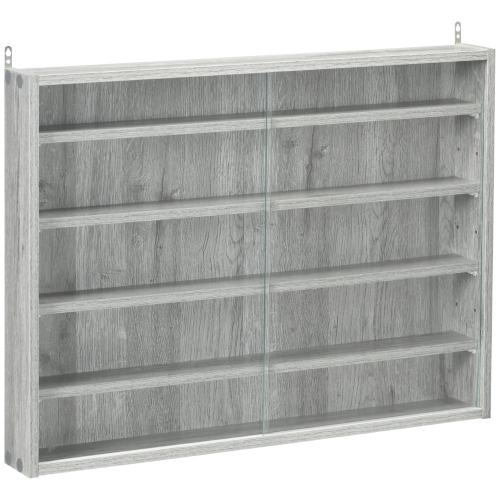
Display boards are rigid or framed surfaces used to present information, images, notices, and project work in a clear, visible format. They may stand on a tabletop, fold into a portable presentation area, or mount on a wall for ongoing use. Common applications include school projects, science fairs, business presentations, community announcements, and trade show displays. The right format depends on how the information will be viewed and how often it needs to change. A folding display board can give a student a defined space for a project title, research, photographs, and results, while a wall-mounted noticeboard can keep schedules and shared updates together in an office or community centre. For a presentation viewed from several steps away, usable surface area matters as much as the board’s overall dimensions. Large headings, clearly separated sections, and uncluttered spacing help viewers understand the subject without leaning in to read every detail. A tri-fold layout naturally creates a centre panel for the main message and side panels for supporting information, although the width of each section affects how larger charts and photographs will fit. Flat boards offer an uninterrupted background for posters, artwork, or a single large visual. Surface colour also influences the finished display: a neutral background can make photographs and printed text easier to distinguish, while a brighter colour can help separate a project from nearby presentations. Contrast is especially useful for small labels and captions. Display boards are not necessarily writing boards, so a surface intended for pinned or attached materials should not be assumed to accept dry-erase markers. Some formats are designed for temporary projects that remain assembled, while others support frequent updates. That distinction matters in everyday use, whether the board holds one carefully arranged presentation or a changing collection of meeting notes, activity schedules, and announcements. A well-proportioned display gives each piece of information enough room to be useful without making the overall arrangement difficult to follow.
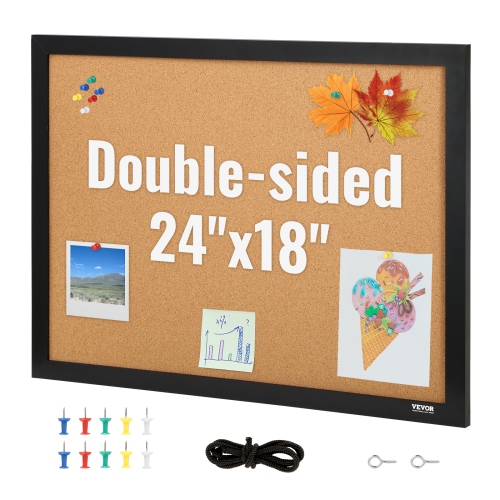
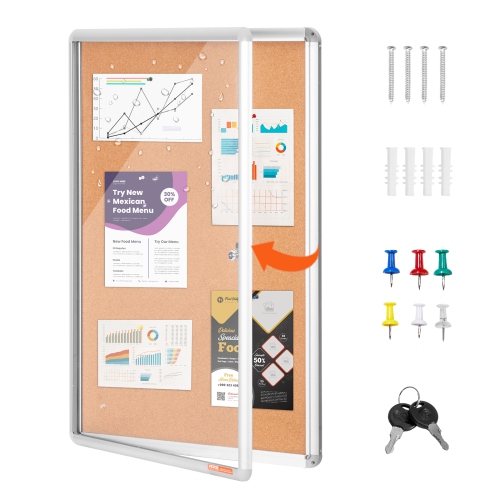
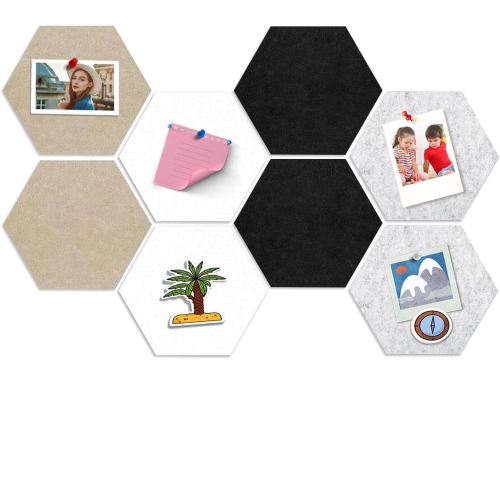
Materials affect a display board’s weight, rigidity, appearance, and suitability for repeated handling. Corrugated cardboard is generally lightweight and easy to fold, making it practical for projects that travel between home, school, and an event venue. Its layered construction provides structure, but exposed edges and fold lines can show wear after repeated use. Foam board offers a smooth, relatively rigid backing for printed graphics and mounted photographs, though corners can dent and thin panels may bend if carried without support. Cork surfaces accept pushpins and suit notices that need to be removed or rearranged regularly. Fabric-covered boards can provide a consistent background for changing displays, but suitable attachment methods depend on the fabric and the backing beneath it. A fabric surface should not be assumed to accept hook-and-loop fasteners unless it is designed for them. Framed boards may offer added edge protection, with the frame also affecting overall weight and the amount of space needed for mounting. Fit involves more than checking whether a board is large enough for a poster. A tabletop display needs a stable footprint that leaves room for any accompanying materials, while a wall-mounted board needs appropriate clearance and fixings suited to both its weight and the wall construction. For folding designs, the closed dimensions matter when carrying the board through doorways or storing it in a cupboard. Care is similarly material-specific. Paper-faced boards are best kept dry, and printed pieces should be allowed to dry fully before being attached. Cork and fabric surfaces generally benefit from gentle dust removal rather than heavy wet cleaning, subject to the manufacturer’s care directions. Adhesives can leave residue, tear a paper facing, or mark a fabric covering, so compatibility matters when planning updates. Keeping boards supported during transport and protecting their corners can help preserve a neat appearance. Pins, clips, and removable fasteners should also be chosen for the surface rather than treated as interchangeable.
Different settings place different demands on a display board. Students often need a portable surface that can hold a complete project and stand securely during a presentation. Teachers may need space for learning prompts, examples of student work, or classroom routines that change throughout a program. Related Classroom Boards can support shared learning spaces where writing, notices, and visual references serve different purposes. In an office, a display might bring together team schedules, project milestones, and reference documents, with frequently used information placed where it is easy to reach. Community groups may use boards for event details, volunteer information, or photographs that tell the story of a shared activity. At a staffed presentation table, a board works best when visitors can understand the main point before speaking with the presenter. A short title, one strong central image, and a few clearly labelled sections can be more useful than filling every available space with text. Smaller details still have a role, especially when people can approach the display and read at their own pace. Printed captions can explain what a photograph shows, while simple charts can make comparisons easier to grasp. For displays that change regularly, consistent heading sizes and reusable section labels help new information sit comfortably alongside existing material. Position also affects usability: a board placed behind a table may need larger lettering than one mounted beside a doorway, and a glossy photograph may become harder to read if it catches direct overhead light. Freestanding formats need a level supporting surface and enough space for their panels or supports to remain properly positioned. In shared spaces, loose pins and protruding attachments deserve particular care, especially where young children can reach them. The most useful display boards balance presentation space, manageable handling, and a surface suited to the intended attachments. That combination makes it easier to organize information clearly, refresh it when needed, and keep the display looking orderly through everyday use.
Top selling and popular products
-
 Your price for this item is $168.99
-
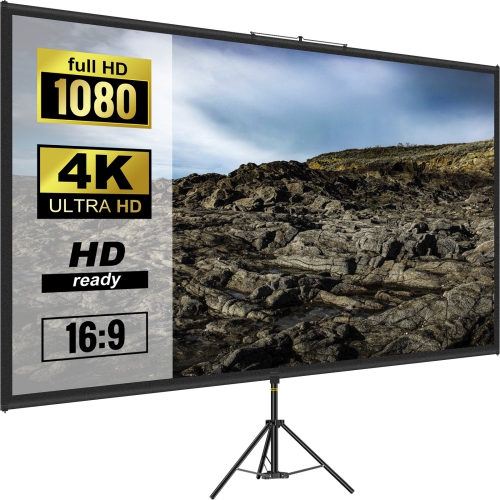 Your price for this item is $52.99
-
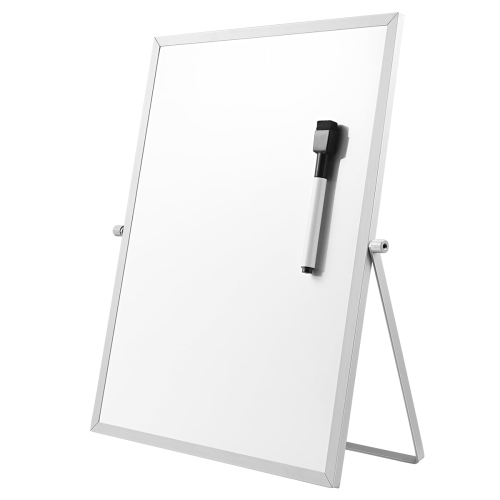 Your price for this item is $35.88
-
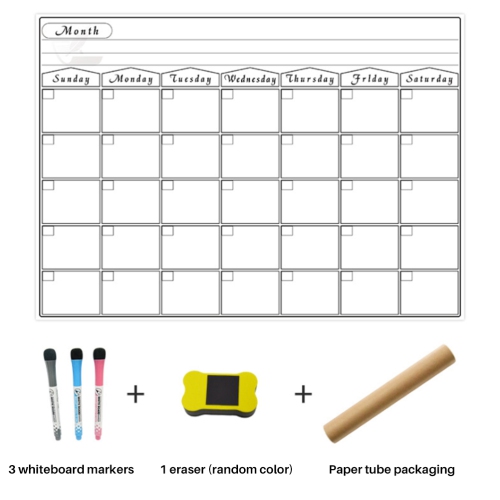 Your price for this item is $27.38
-
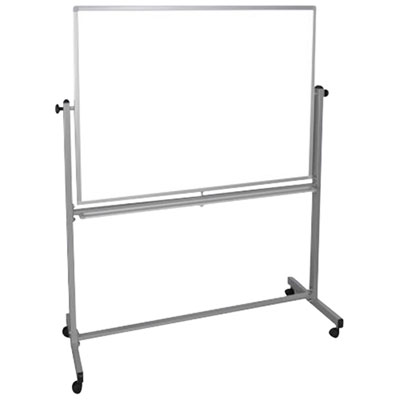 Your price for this item is $429.99
-
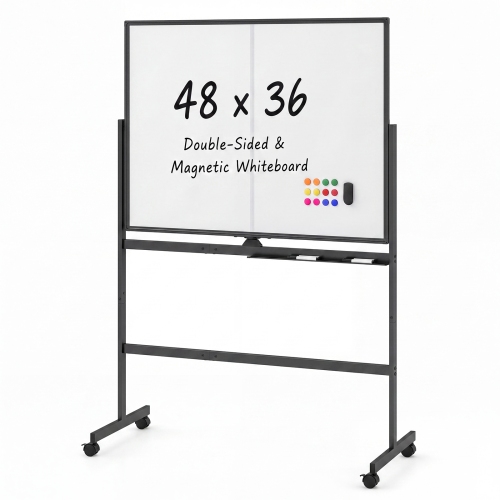 Your price for this item is $119.99
-
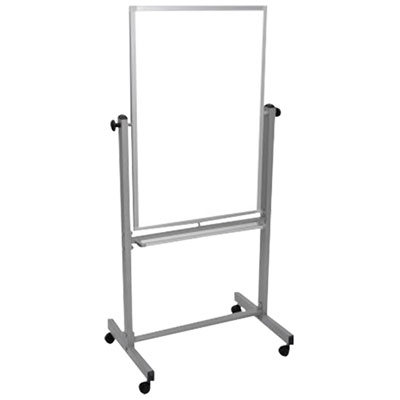 Your price for this item is $359.99
-
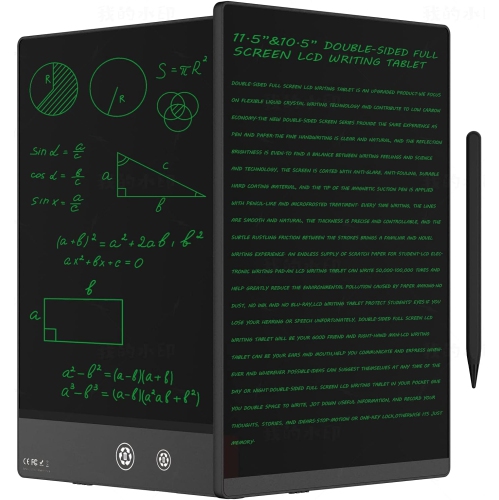 Your price for this item is $30.28
Discover more categories related to Display Boards
Top Collections:
Best Black Friday Deals This Year, Best Black Friday Deals On Electronics, Kindle Devices, Dyson Airwrap, Best Cameras for Sports Photography, Best Budget Office Chairs, Canon G7X Cameras, PS5 Pro Consoles, Best Black Friday Deals On Apple Products, XBOX One S Consoles
Some products may be subject to Environmental Handling Fees
(EHF) depending on your province.
Learn more about EHFs.