Colored Tapes
Colored tapes are versatile tools that add a splash of vibrancy and functionality to any project. Whether you're looking to organize, decorate, or simply add a bit of color to your everyday tasks, colored tapes offer a wide range of possibilities. Perfect for crafting, labeling, or even home repairs, these tapes come in an array of hues to suit every need. Discover how colored tapes can bring creativity and order to your life with their endless applications.
Sort
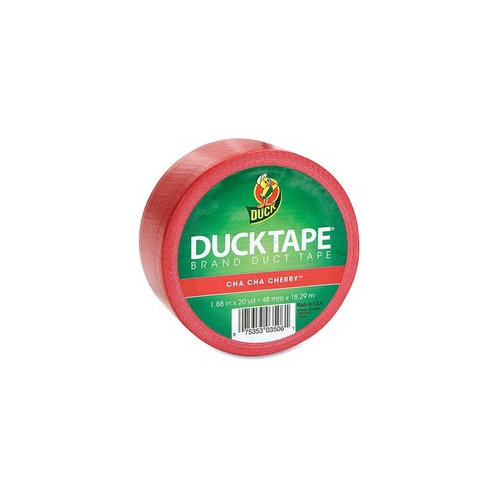
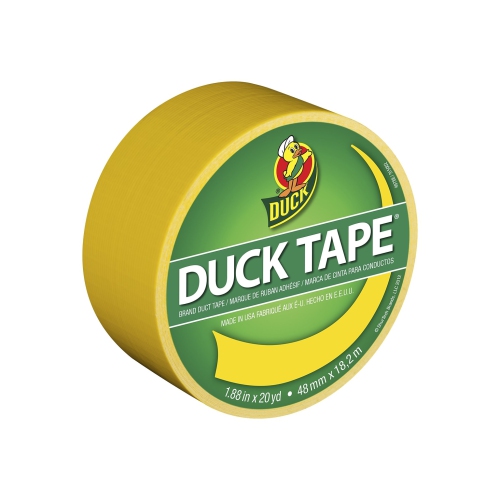

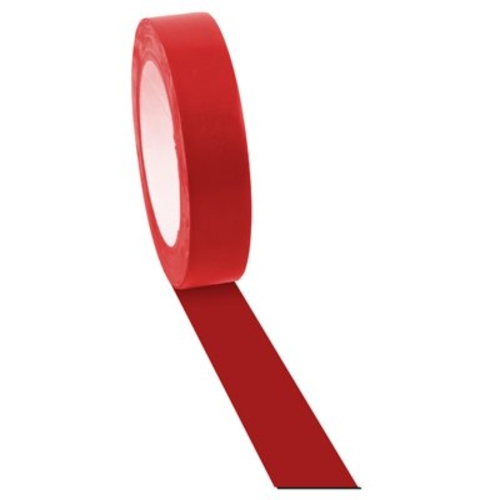
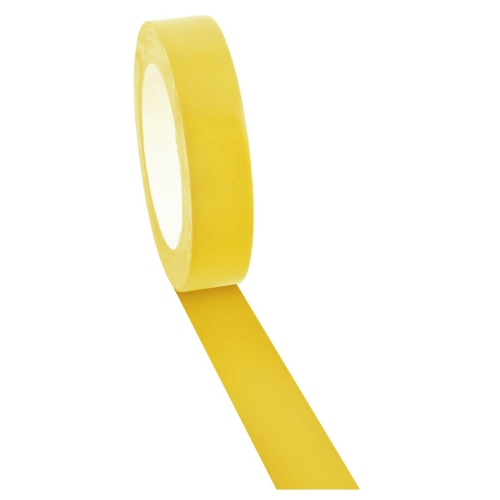
Why tape colour is only part of the choice
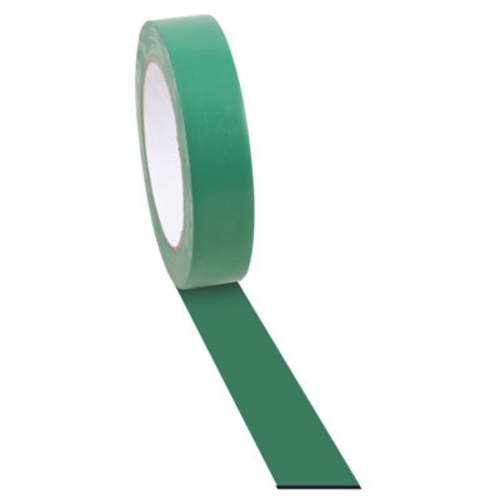
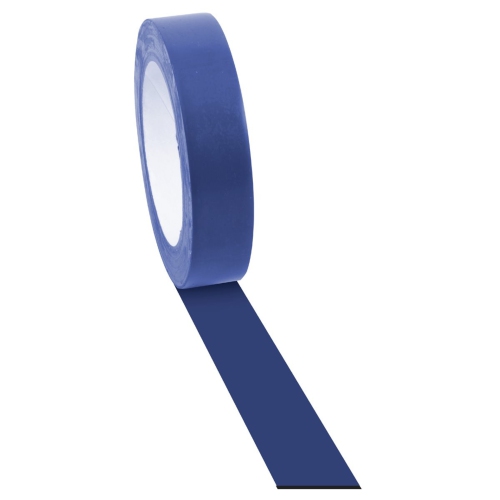
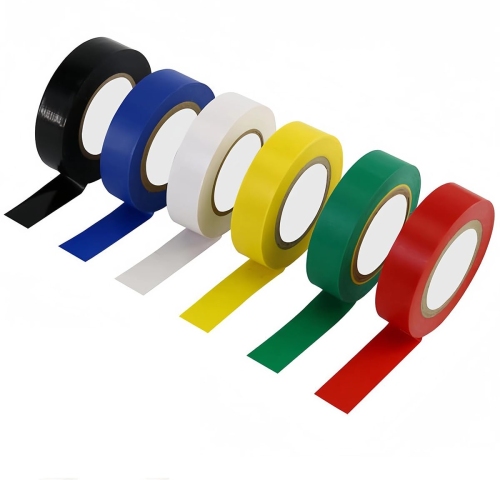
Coloured tapes combine the everyday usefulness of an adhesive strip with an easy way to identify, separate, highlight, or personalize. The main types include coloured masking tape for temporary labels and craft projects, duct tape for tougher fastening and patching tasks, vinyl electrical tape for appropriately rated electrical applications, and decorative paper tape for stationery and creative work. Although these materials may share a colour, their backings and adhesives serve different purposes. Paper masking tape is often easy to tear by hand and can provide a writable surface for names, dates, or short notes. Cloth-reinforced duct tape generally has a thicker construction that suits holding, bundling, and certain temporary repairs, provided the surface and application are suitable. Electrical tape is commonly made with a flexible vinyl backing that can conform around approved wire connections; its insulation properties depend on the tape’s stated ratings and correct application, not its colour. Thin decorative paper tapes add borders, patterns, and translucent layers to notebooks, cards, and scrapbook pages without the bulk of heavier materials. At home, a strip of blue tape on a storage bin might identify art supplies, while yellow marks a box of spare cables. In a classroom, different colours can distinguish activity stations or groups of shared supplies. Around a workspace, matching strips on a cable and its associated device can make a crowded desk easier to navigate, as long as labels do not cover vents, connectors, or safety information. Colour also helps make ordinary tasks more personal: a plain folder can gain a contrasting spine, and a handwritten label can stand out against a dark container. The most useful choice depends on whether the tape needs to act as a temporary marker, a decorative detail, a durable fastening material, or a specialized insulating layer.
Materials and adhesive strength affect how coloured tape handles, how well it stays attached, and what happens when it is removed. A lightly textured paper backing is often comfortable to write on, whereas a smooth plastic surface may need a compatible permanent marker to prevent smudging. Some paper tapes allow the surface beneath to show through, creating a softer layered effect; more opaque tapes can make a bold label or cover an old marking more effectively. Flexible vinyl can follow curves, while thicker cloth-reinforced tape offers more substance for suitable repair and bundling tasks. Stronger adhesion is not automatically better. A long-lasting bond may be useful on a storage container but unwelcome on a painted wall, book cover, or finished piece of furniture. Removable masking tapes have their own surface limitations and removal periods, so a removable label should not be assumed safe for every finish. A small test on an inconspicuous area can reveal lifting paint, staining, adhesive transfer, or a change in sheen before a larger strip is applied. Clean, dry surfaces generally give adhesive a better chance to make contact; dust, grease, loose fibres, and textured finishes can interfere with the bond. Water resistance also varies by construction, and a coated backing does not make every taped joint waterproof. For everyday care, rolls keep better when their edges are protected from dust and lint and they are stored according to the manufacturer’s directions. Loose rolls mixed into a tool drawer can collect debris along the adhesive edge, making the next strip less tidy. Removal matters, too: pulling tape back slowly at a low angle, where the surface and manufacturer’s instructions permit, can help reduce stress on the finish. These details are especially relevant when tape moves between practical jobs, such as marking reusable containers, and creative ones, such as adding a narrow coloured border to a presentation board.
Width, length, finish, and colour range shape how comfortably a tape fits into a project. A narrow strip can mark a notebook tab or outline a small shape, while a wider strip offers more room for readable lettering and broader coverage. Roll length matters for repeated labelling or large craft layouts, but thickness can be just as noticeable when several layers overlap or a taped section needs to fold. Matte finishes tend to create a softer look, while glossy surfaces catch light and can make a bold colour feel more prominent. Colour coding works best when the shades are easy to tell apart in the space where they will be used. Pairing each colour with a written word, number, or simple symbol makes the system clearer for anyone who has difficulty distinguishing certain shades. A family organizing a move, for example, might use a different colour for each room while also writing the destination on every label. A student could give each subject a coloured tab and keep the subject name visible, making the system useful even when only a small edge of the notebook is showing. For paperwork where a visible coloured strip would distract from the page, Invisible Tapes offer a more discreet option for everyday paper tasks. Coloured tape, by contrast, earns its place when visibility is part of the purpose. Crafters can use it to frame a photograph, add stripes to a handmade card, or create a temporary layout before committing to a design. Teachers, students, home organizers, and people maintaining shared work areas may all find value in having clearly differentiated colours close at hand. For children’s projects, age-appropriate materials and supervision with scissors help keep the activity suited to the user. Across these uses, tape performs best when its backing, adhesive, dimensions, and intended application match the job, whether the result is a neatly labelled shelf or a bright accent on a handmade project.
Top selling and popular products
-
 Your price for this item is $34.99
-
 Your price for this item is $46.99
-
 Your price for this item is $59.99
-
 Your price for this item is $9.97
-
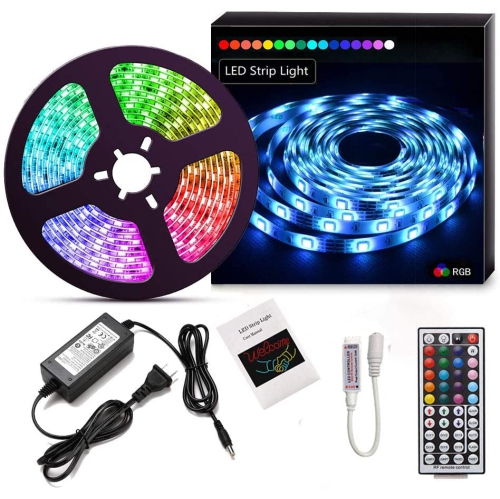 Your price for this item is $16.99
-
 Your price for this item is $12.99
-
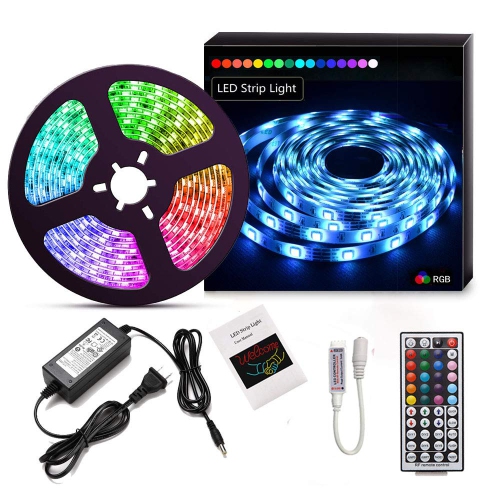 Your price for this item is $26.96
-
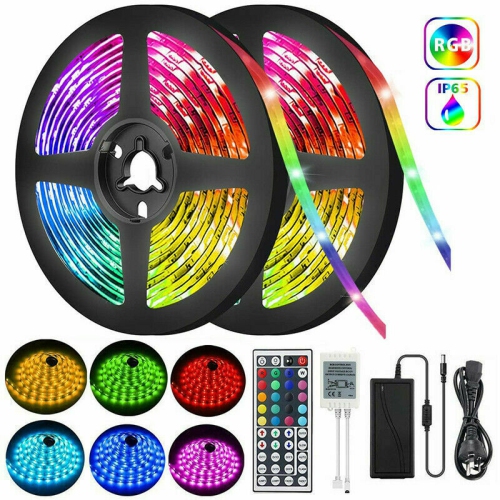 Your price for this item is $38.96
Discover more categories related to Colored Tapes
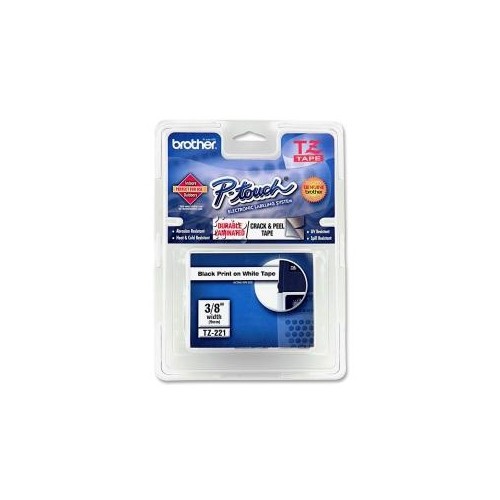

Top Collections:
Best Black Friday Deals This Year, Best Black Friday Deals On Electronics, Kindle Devices, Pokemon Centers, Best Black Friday Deals On Apple Products, Best Cameras for Sports Photography, Dyson Airwrap, Pokémon 30th Celebration Cards, Apple iPhone 17 Pro, Canon G7X Cameras
Some products may be subject to Environmental Handling Fees
(EHF) depending on your province.
Learn more about EHFs.