Coloring Pencils
Whether you're an aspiring artist, a seasoned sketcher, or simply looking to add a pop of color to your everyday life, our collection of coloring pencils is sure to ignite your creativity. With a wide range of vibrant hues and smooth, blendable leads, these coloring pencils are the perfect tool for bringing your imagination to life. From intricate coloring books to personalized greeting cards, these versatile pencils offer endless possibilities for artistic expression. Explore our selection of coloring pencils and unleash your inner artist today.
Sort
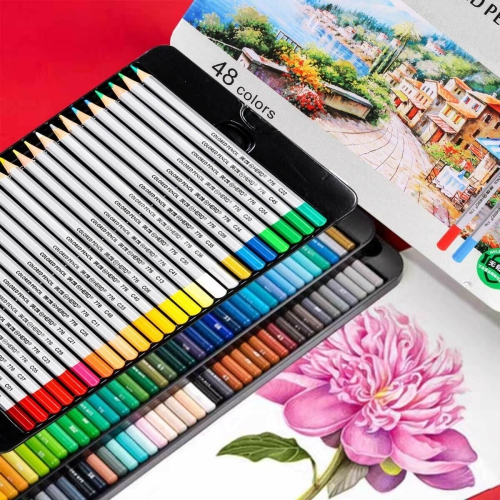
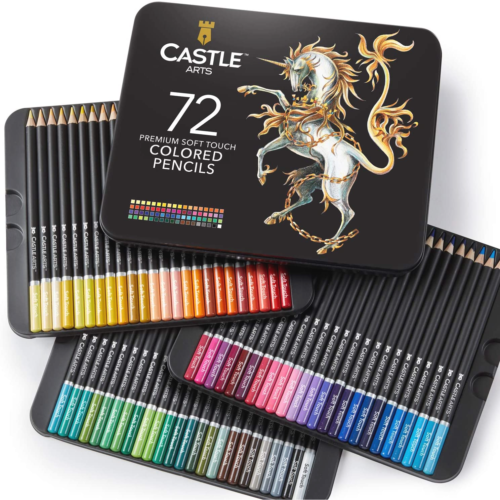

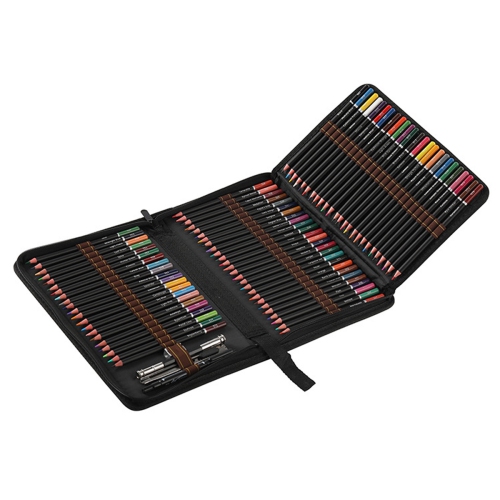


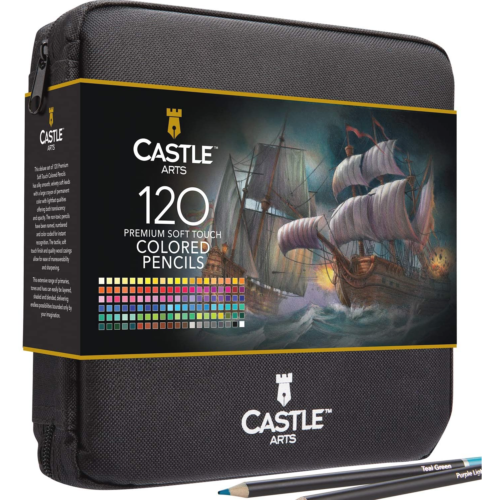


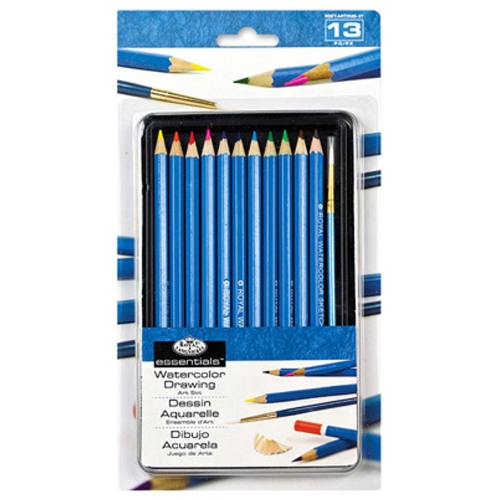

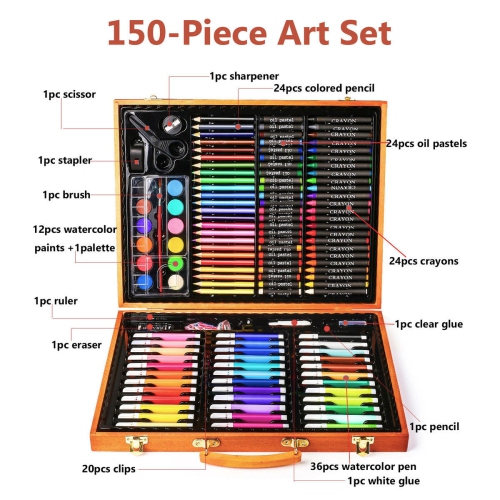


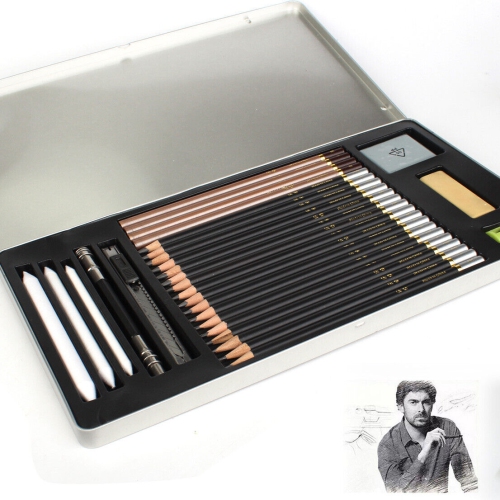
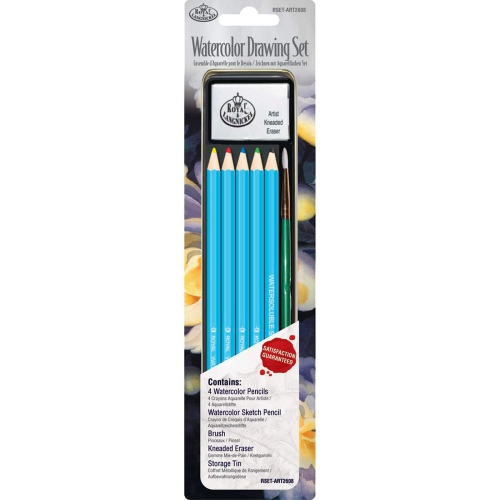


From gentle shading to richly layered artwork
Colouring pencils are a versatile choice for adding colour, detail, and personal expression to everything from children’s activity sheets to carefully rendered artwork. Unlike markers, which can leave a strong, immediate mark, pencils offer gradual control: a light touch creates a soft wash of colour, while repeated layers build richer, more saturated areas. They are easy to sharpen, simple to carry, and suitable for quiet creative time at home, in the classroom, or while travelling. A smaller set can be a practical starting point for younger children, students, or anyone exploring colouring for the first time, while larger sets provide a broader range of shades for portraits, landscapes, mandalas, lettering, and illustration. When choosing a set, consider who will use it, how often it will be used, and the type of paper involved. Sets intended for schoolwork and casual colouring typically offer dependable everyday performance at an accessible price, while artist-grade options may provide smoother cores, more nuanced pigments, and better results when several layers are built over one another. For a gift, colouring pencils pair naturally with a colouring book, sketchbook, pencil sharpener, or storage case, making them a thoughtful choice for children, teens, creative adults, and experienced artists alike. They can also be a useful addition to a desk, craft room, classroom supply cupboard, or travel bag during the cooler months, when drawing and colouring offer an inviting way to spend a quiet afternoon indoors.
The pencil core has a noticeable effect on the way colour behaves on the page. Wax-based pencils are familiar to many students and hobbyists because they glide easily, blend readily, and work well for broad areas of colour. They can create gentle transitions with light pressure or stronger coverage when applied in several passes. Oil-based pencils often have a firmer feel and can be useful for fine lines, controlled shading, and detailed work that benefits from a harder point. Water-soluble colouring pencils offer another approach: they can be used dry like standard pencils, then softened with a damp brush to create a painted effect. This makes them appealing for artists who enjoy experimenting with washes, gradients, and mixed-media techniques without carrying a full paint set. Pay attention to the number of pencils in a set, but remember that a larger count is not the only measure of usefulness. A well-chosen assortment of essential colours can cover many projects, while an expanded collection may include subtle skin tones, muted neutrals, botanical greens, blues, violets, and multiple shades for blending. A durable core is helpful for repeated sharpening, particularly when working on small details, and a smooth outer barrel can make longer colouring sessions more comfortable. It is also worth checking whether the pencils are pre-sharpened, whether replacement sharpeners or storage trays are included, and whether the set is labelled for children, students, hobbyists, or professional use. Paper matters just as much: smooth paper suits precise outlines and layered shading, whereas textured paper gives the pencil more tooth to grip and can produce a lively, grainy finish. Test a few strokes on a spare page before beginning a finished piece, since the same pencil may look noticeably different on bright white, cream, toned, or heavily textured paper.
Technique can transform a simple set of colouring pencils into a surprisingly expressive tool. Start with light pressure and build colour slowly, allowing the texture of the paper to remain visible until the desired coverage develops. Layering two or more related shades can create depth without making the image appear flat; for example, a pale base followed by a darker edge can suggest rounded fruit, folded fabric, or a shaded leaf. Hatching and cross-hatching add texture, while small circular strokes can help create an even finish over large areas. Keeping the pencil sharp is especially useful for eyelashes, lettering, architectural lines, fur, and other fine details, while a slightly blunter point can cover larger shapes more efficiently. Colourless blending pencils, tissue, or a clean paper stump may help soften transitions, although many artists prefer to blend simply by adding several transparent layers. With water-soluble pencils, use only a small amount of water and a fine brush at first; too much moisture can buckle lightweight paper or cause colours to spread beyond an outline. A separate scrap sheet beneath the working page can protect the surface and reduce pressure marks. Children may appreciate bright, easy-to-use sets for school projects and rainy-day activities, while older students and adults may prefer a wider palette for illustration, journalling, lettering, or stress-relieving colouring sessions. Those looking for a collection suited to more detailed, mature colouring projects can browse Colored Pencils for Adults. Whether they are given as a birthday present, added to a back-to-school supply list, or kept on hand for creative evenings, colouring pencils are compact, approachable, and capable of growing with the person using them. A small pencil case, a reliable sharpener, and a selection of suitable paper can help keep the set organised and ready whenever inspiration strikes.
Top selling and popular products
-
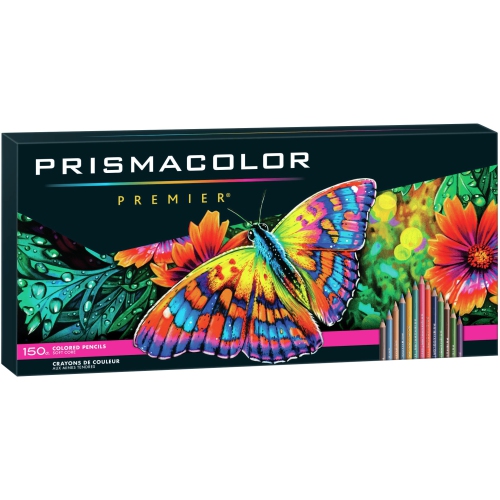 Your price for this item is $179.99
-
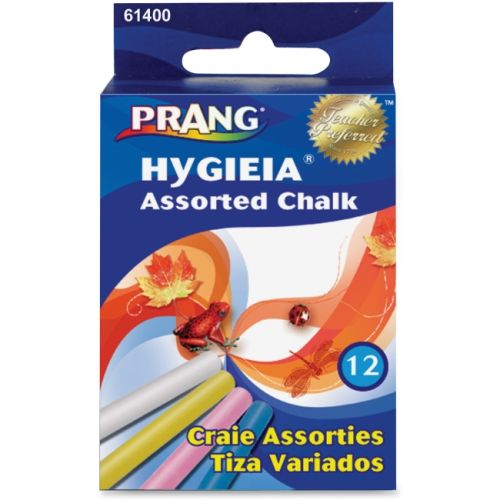 Your price for this item is $2.99
-
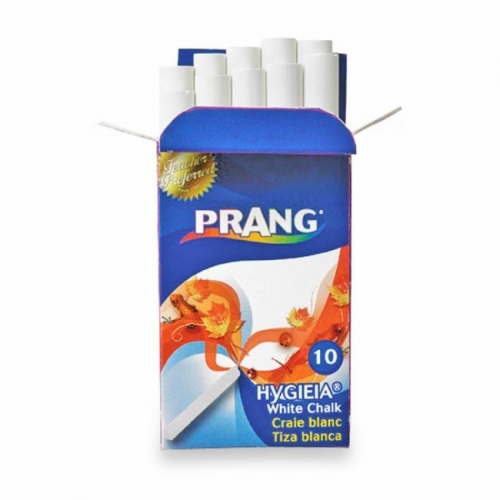 Your price for this item is $1.99
-
 Your price for this item is $10.49
-
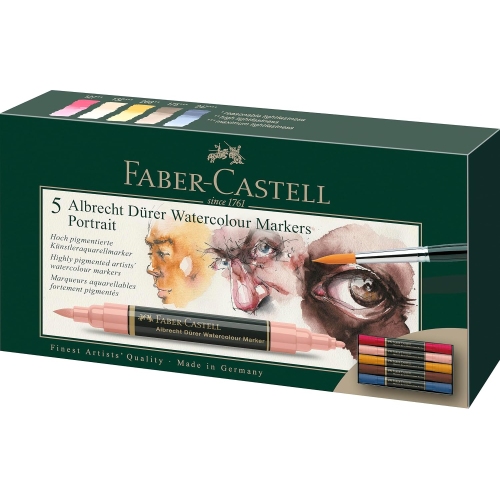 Your price for this item is $29.99
-
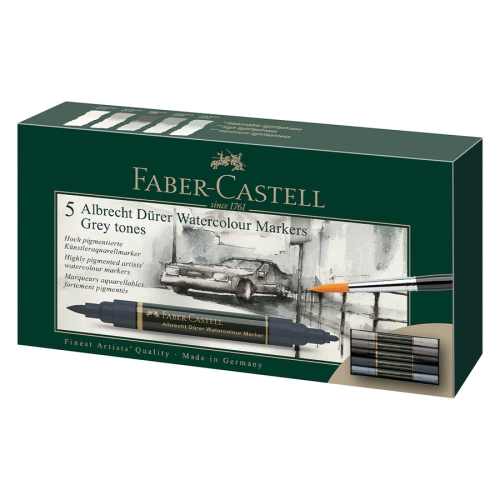 Your price for this item is $22.99
-
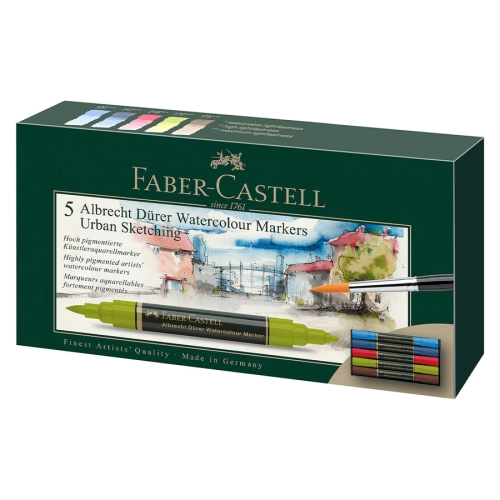 Your price for this item is $26.99
-
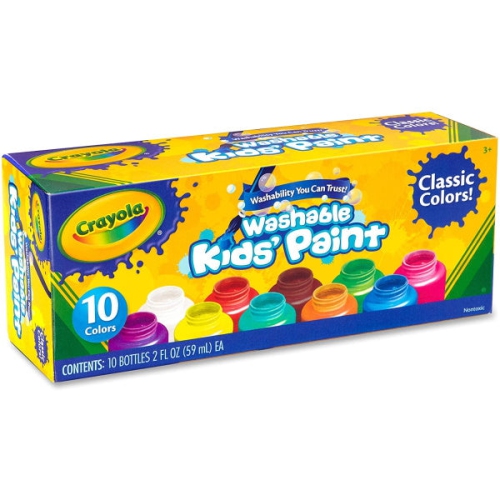 Your price for this item is $37.94
Discover more categories related to Coloring Pencils

Top Collections:
Pokemon Centers, Kindle Devices, Best Cameras for Sports Photography, Pokémon 30th Celebration Cards, Apple iPhones 16, Canon G7X Cameras, iPhone 15 Apple, Flip Phones, Samsung Galaxy Phones, Alarm Clock
Some products may be subject to Environmental Handling Fees
(EHF) depending on your province.
Learn more about EHFs.