Compatible Inkjet Cartridges
Upgrade your printing experience with our wide selection of compatible inkjet cartridges. Whether you're a student, a small business owner, or a creative enthusiast, cartridges are designed to meet all of your printing needs. They provide superior print quality and vibrant colors while ensuring your printer runs smoothly. These cartridges are designed to be compatible with all major printer models, so you can be sure that they will work with your printer. Here are some great options available.
Sort


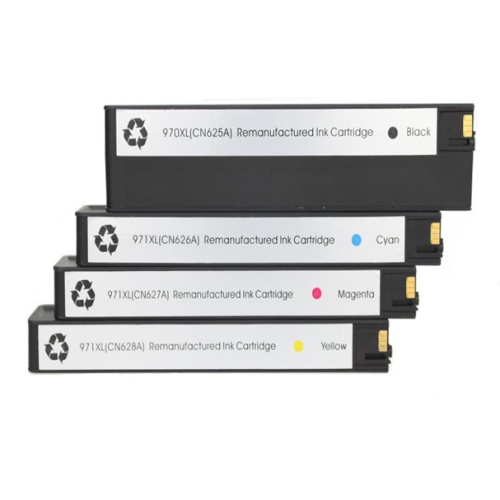


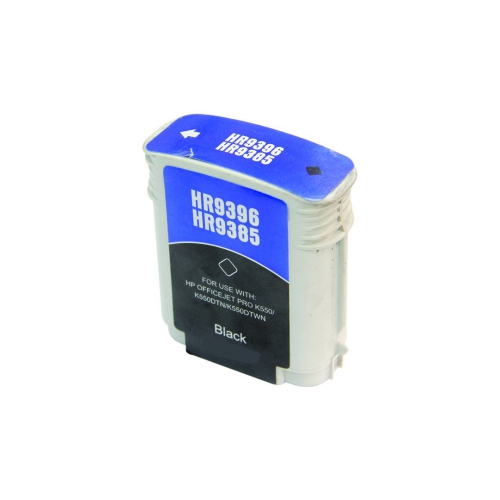

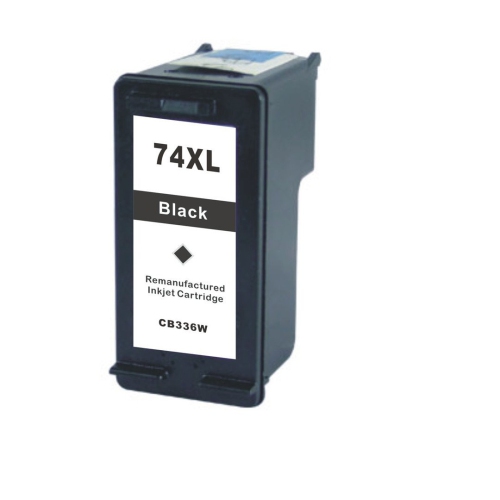
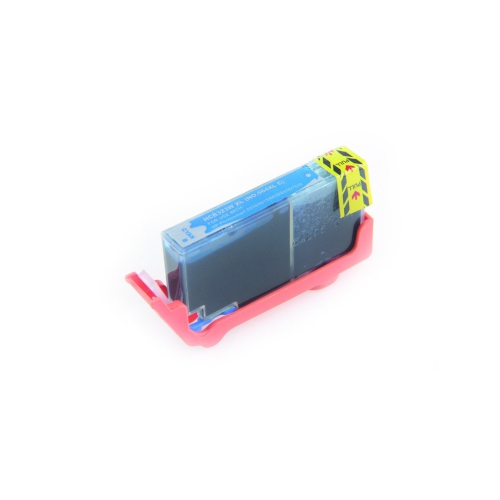

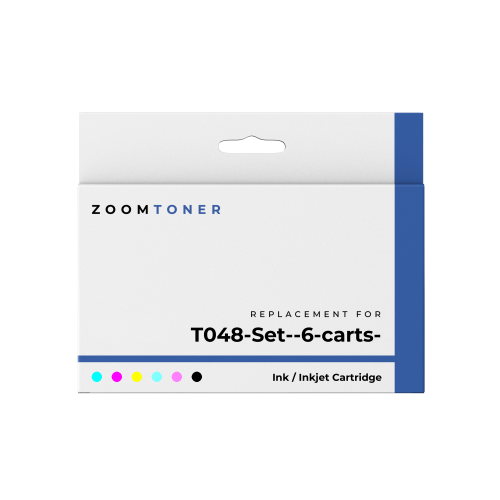
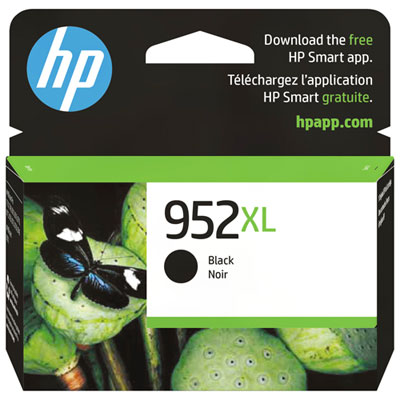


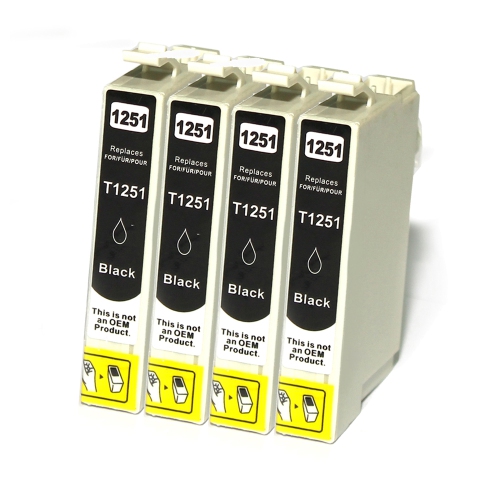
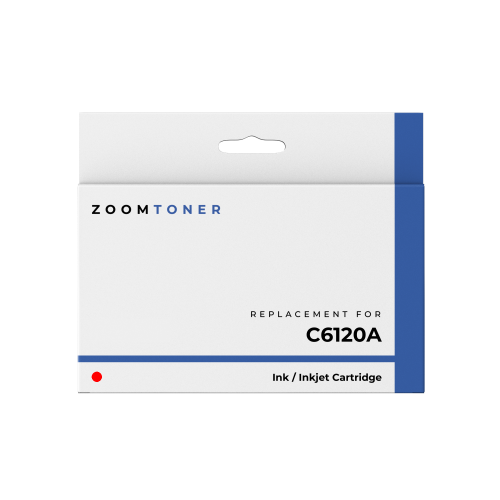





















































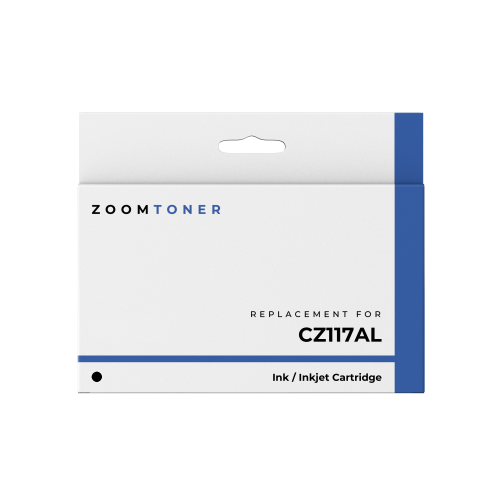


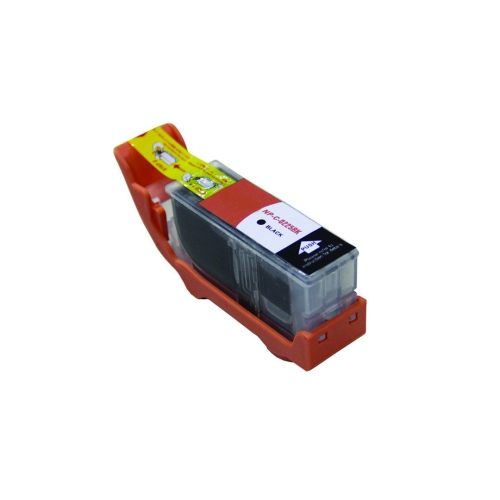


Why cartridge compatibility goes beyond physical fit
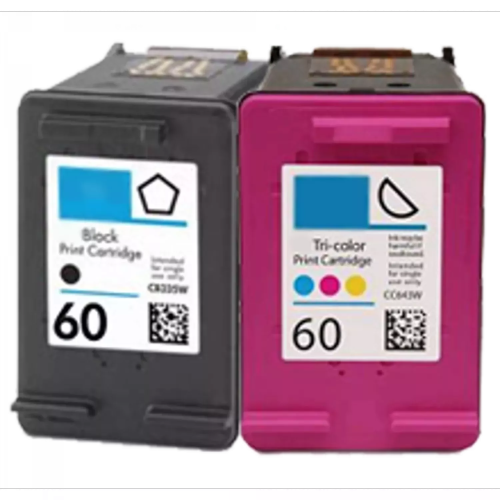
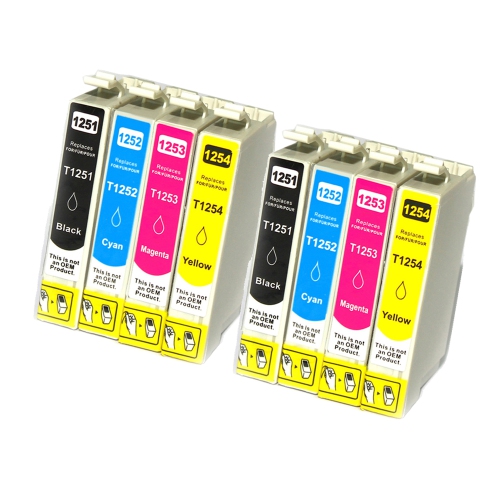
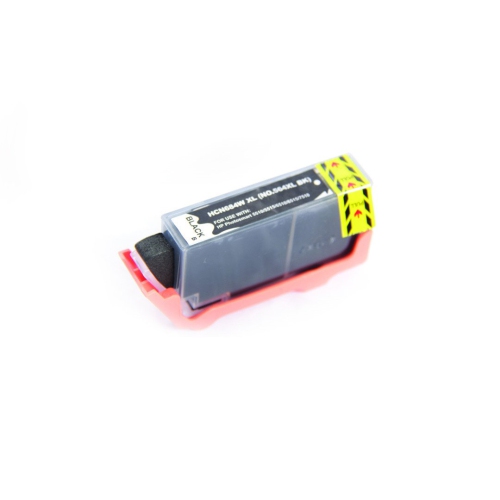
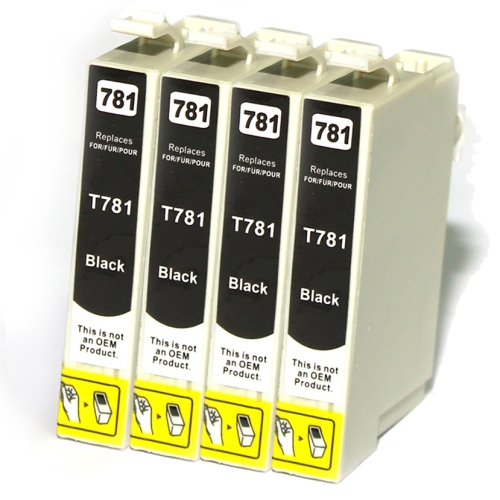
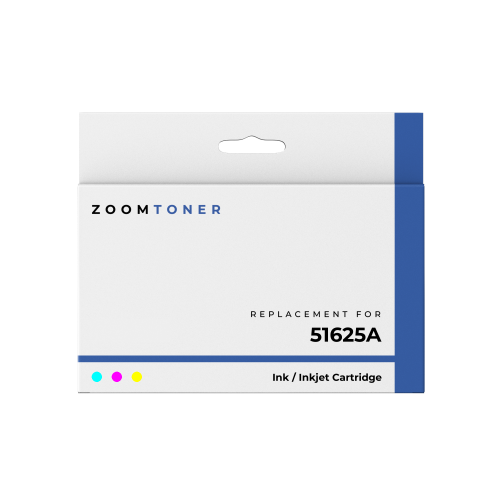
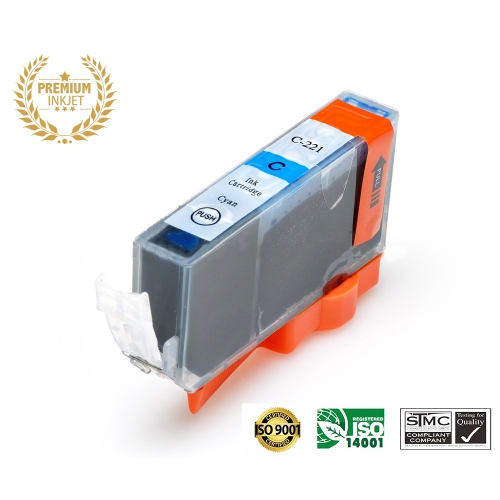
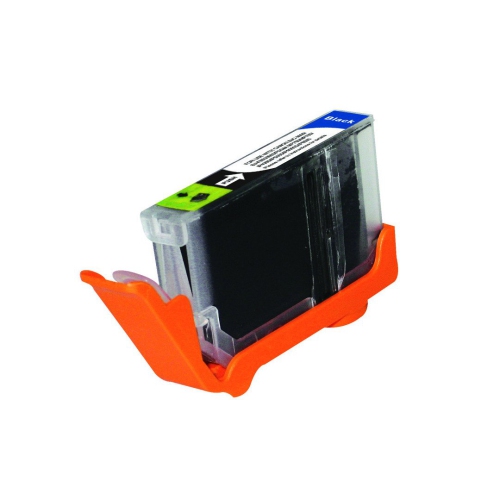
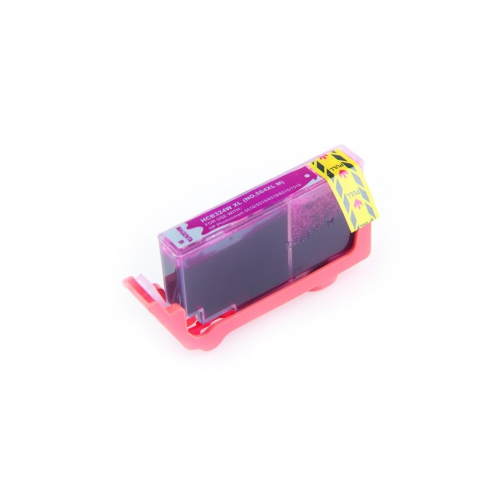
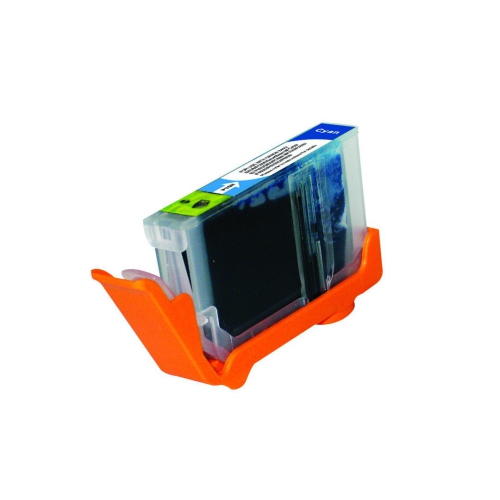
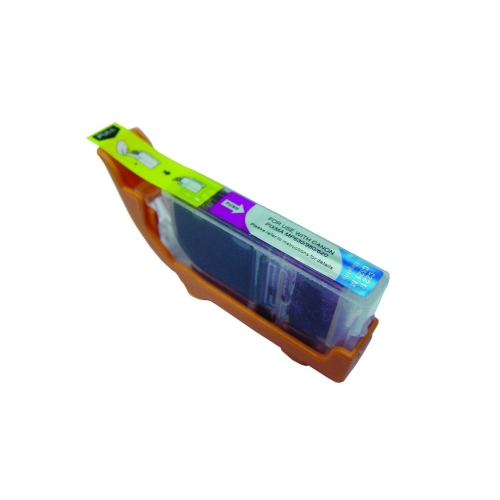
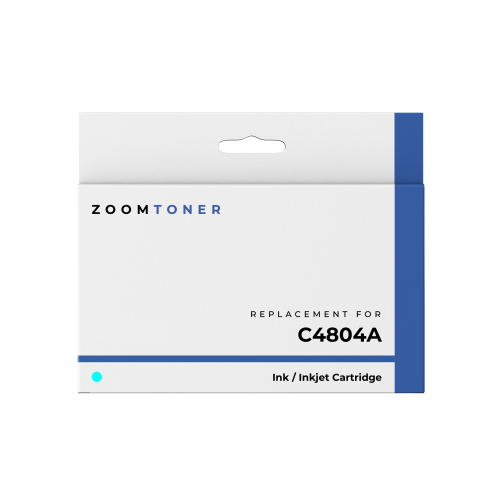
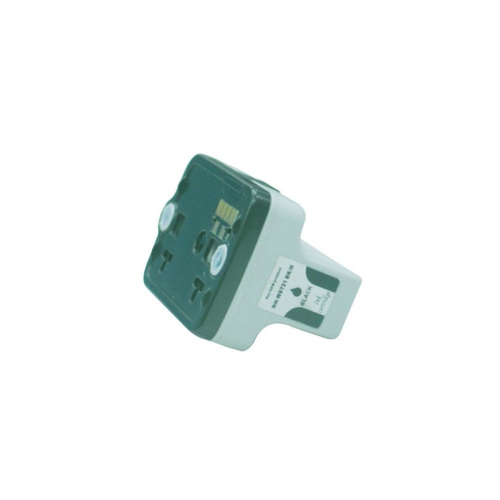
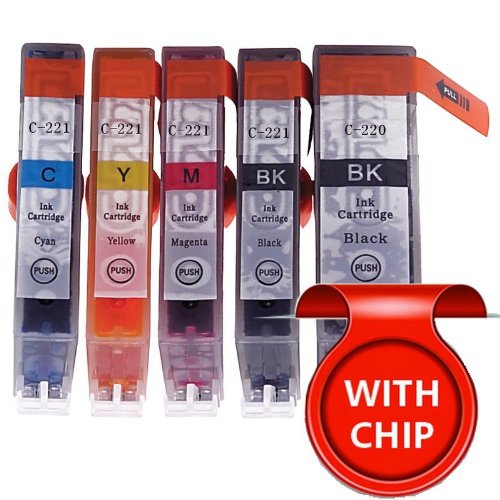
Compatible inkjet cartridges are replacement ink cartridges made by a third-party manufacturer rather than the company that made the printer. They are designed for specified printer models, with a housing, ink supply system and, where required, electronic chip that allow them to work with those printers. Compatibility is specific: a cartridge intended for one printer family is not necessarily suitable for another, even when the cartridges look alike. The term compatible generally describes newly manufactured third-party cartridges, while remanufactured cartridges use original cartridge housings that have been inspected, cleaned, refilled and prepared for reuse. These descriptions identify how the cartridges are made; neither description alone establishes their print quality or suitability for a particular machine. For households printing school assignments, small businesses producing invoices, or home offices handling forms and correspondence, the most important starting point is an exact match between the cartridge’s stated compatibility and the printer’s full model number. A model suffix or regional designation can matter, and a matching colour or similar-looking cartridge number is not enough to confirm fit. Inkjet cartridges also differ from toner cartridges: they supply liquid ink to an inkjet printing system, whereas toner is a powder used in laser printing. Depending on the printer’s design, a replacement cartridge may include its own printhead or act as an ink tank feeding a printhead built into the machine. These arrangements are not interchangeable. Electronic compatibility matters alongside physical fit, since some printers use cartridge chips to identify the installed ink supply and report ink levels. Printer software and firmware requirements can affect whether a third-party cartridge is recognized, so compatibility information should cover more than the shape of the housing. Within a suitable printer, compatible inkjet cartridges support familiar tasks such as producing readable black text, adding colour to presentation charts, and printing illustrations for classroom activities. The intended workload helps determine which cartridge format and ink characteristics make sense.
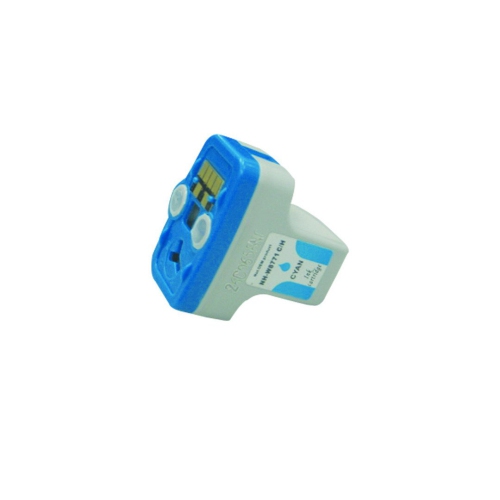
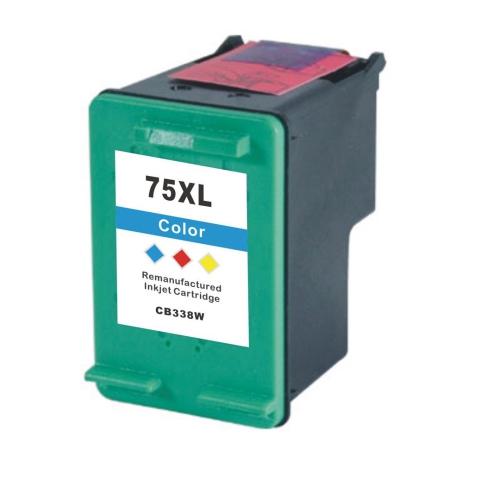
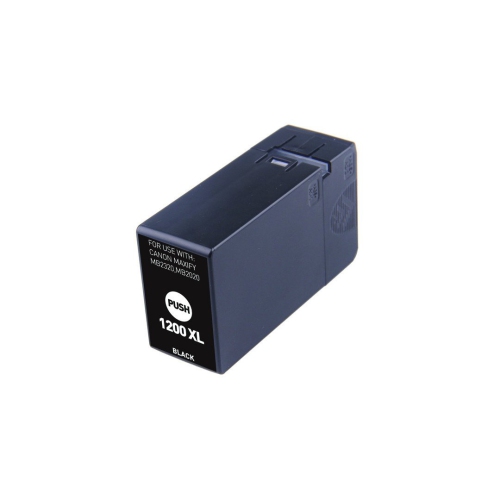
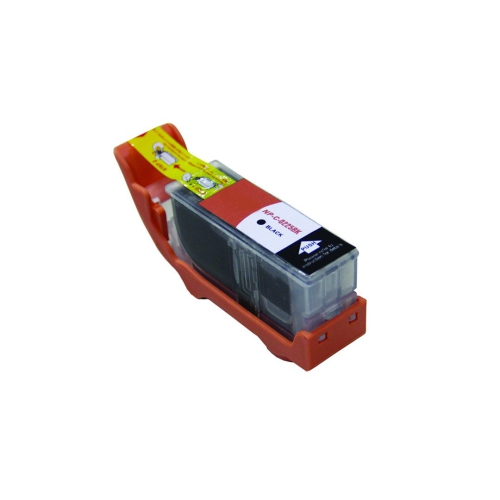
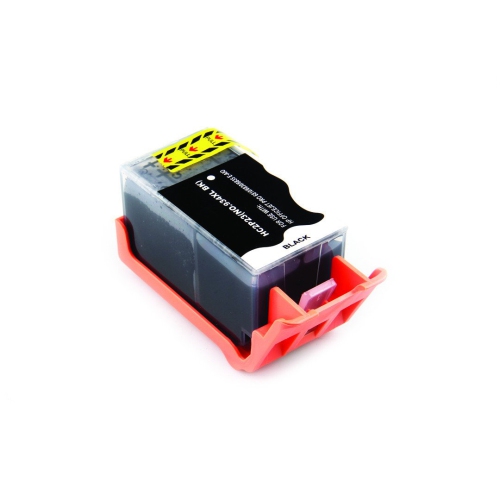
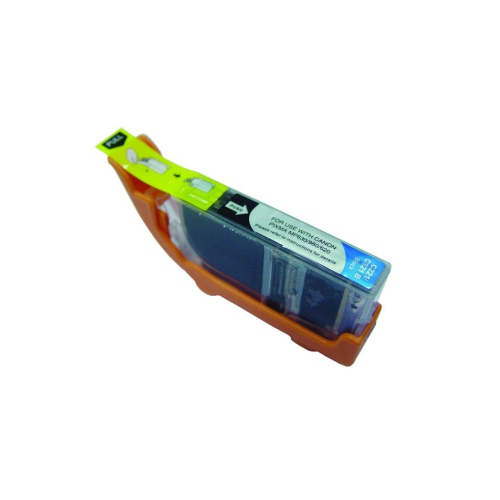
The ink inside a cartridge has as much influence on the finished page as the cartridge’s fit. Dye-based inks use colourants dissolved in liquid and are often associated with smooth colour transitions, while pigment-based inks contain fine suspended particles and are commonly used for sharply defined text. Some printers combine pigment black with dye-based colours, while others use different arrangements. The appropriate formulation is the one specified for the printing system; ink types should not be treated as interchangeable simply because their colours match. Paper also shapes the result. A spreadsheet on ordinary office paper calls for readable characters and clear lines, while a photograph on coated inkjet paper depends on how the paper, ink and printer settings work together. Claims about resistance to smudging, moisture or fading should relate to the particular ink and paper combination rather than to compatible cartridges as a whole. Cartridge construction typically includes a moulded plastic housing, a sealed ink reservoir, and an outlet that connects to the printer’s ink delivery system. Some designs also contain absorbent material, vents, electrical contacts or a printhead. Secure seals and accurately formed connection points help the cartridge deliver ink without leaking or disrupting the flow. Cartridge formats vary, too. Separate colour tanks allow an individual colour to be replaced when it runs out, while a combined colour cartridge holds several colours in one unit. A black cartridge paired with a combined colour cartridge serves a different printing system from a set of individual black, cyan, magenta and yellow tanks. Standard-capacity and high-yield versions may be offered for the same supported printer family, but the stated compatibility still needs to match. Page-yield figures are estimates based on defined test conditions, not a promise of an identical number of finished pages in every household or office. Dense photographs, large colour blocks and frequent cleaning cycles consume ink differently from lightly printed text documents. Pack size is most useful when it reflects actual printing habits, especially where black text is used much more often than colour.
Care and handling help preserve the condition of compatible inkjet cartridges before and after installation. Unopened cartridges are best kept in their protective packaging according to the supplier’s storage directions, away from direct sunlight and sources of heat. Sealed packaging protects the ink outlet and other sensitive parts until the cartridge is needed. Protective tape, clips and transport seals vary by design, so the cartridge’s own installation directions determine what must be removed and what must remain in place. Touching electrical contacts or the printhead’s nozzle surface can transfer oils or damage delicate components, and forcing a cartridge into a slot can harm both the housing and the printer. A correctly matched cartridge should seat in its designated position using the printer’s intended mechanism. After installation, a printer may need an alignment or other setup step before producing an even page. Missing lines, unexpected colour casts or blank sections can have several causes, including installation issues, blocked nozzles or an ink supply problem; repeated cleaning is not a substitute for identifying the cause and can use substantial ink. Occasional printing and the maintenance routine described in the printer manual can help keep the ink delivery system working as intended. For infrequent printing, a larger ink capacity is not automatically the most practical choice, particularly if a cartridge may remain installed for a long time between jobs. A busy household producing homework sheets and permission forms has different needs from a photographer making occasional colour prints or an office preparing lengthy reports. Broader browsing through Replacement Ink Cartridges for Printers can help place compatible options alongside other replacement cartridge types, with the printer’s requirements remaining the deciding factor. Clear compatibility details, an appropriate ink formulation, a useful capacity and straightforward handling information are more meaningful than a general claim that a cartridge fits many printers. Together, these details help connect the replacement ink supply to the pages it will actually produce, whether that means crisp meeting notes, colourful learning materials or photographs for an album.
Top selling and popular products
-
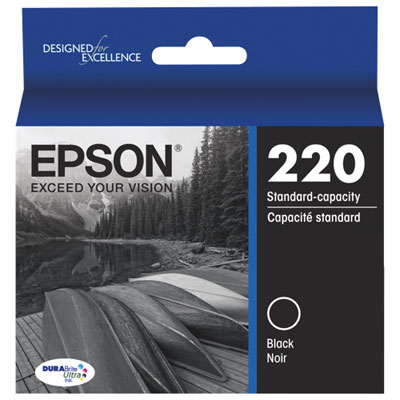 Your price for this item is $22.99
-
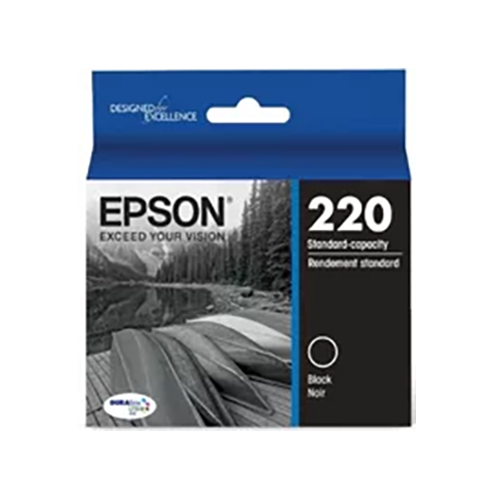 Your price for this item is $39.95
-
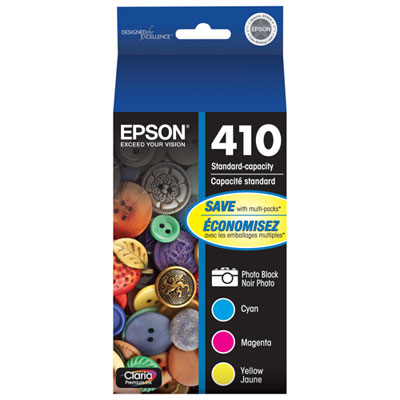 Your price for this item is $109.99
-
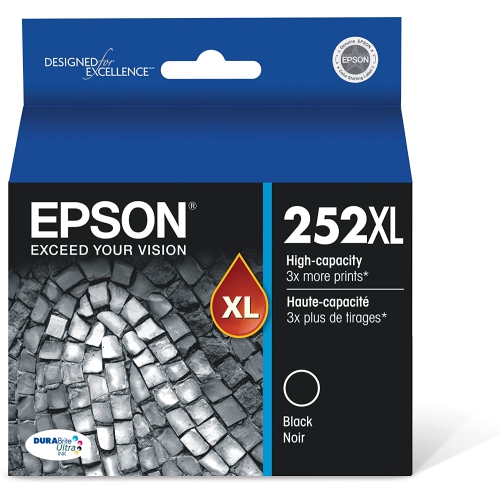 Your price for this item is $101.54
-
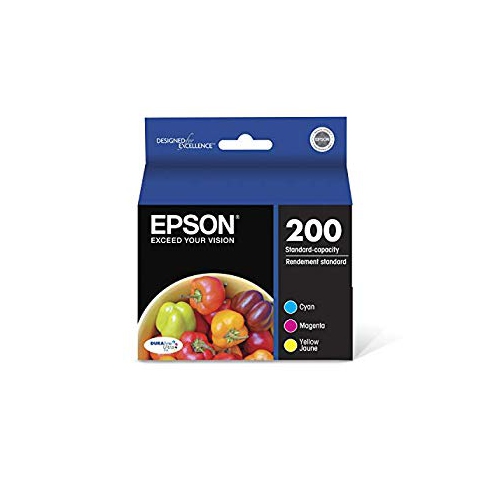 Your price for this item is $34.99
-
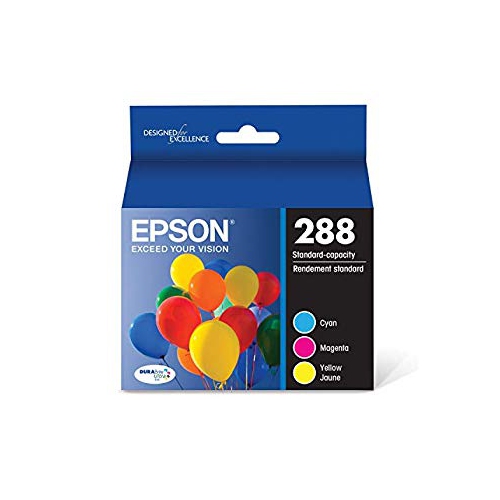 Your price for this item is $62.68
-
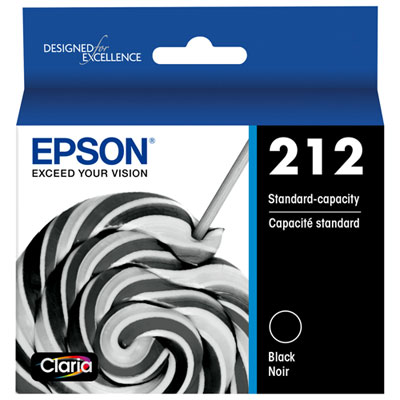 Your price for this item is $34.99
-
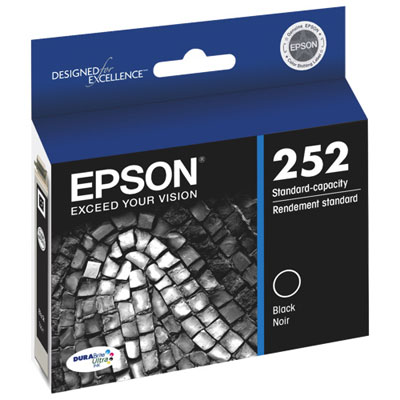 Your price for this item is $30.99
Discover more categories related to Compatible Inkjet Cartridges
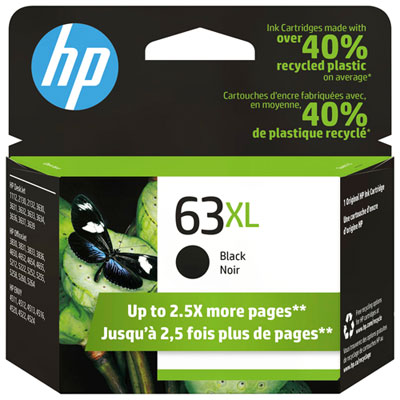
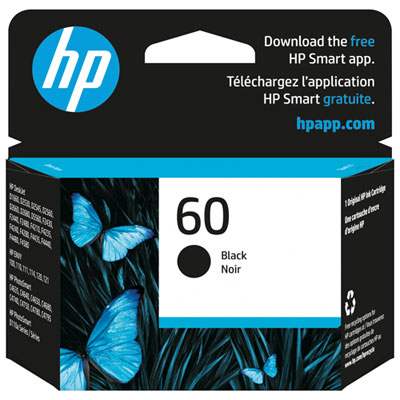


Top Collections:
Pokemon Centers, Kindle Devices, Best Budget Office Chairs, Canon G7X Cameras, Apple iPhones 16, Samsung Galaxy Phones, Refurbished Apple Laptops, Laptops for Students, iPhone 15 Apple, Budget Smartphones
Some products may be subject to Environmental Handling Fees
(EHF) depending on your province.
Learn more about EHFs.