CR123A Lithium Batteries for Cameras
CR123A Lithium Batteries for Cameras are a reliable choice for powering a wide range of camera equipment and photography accessories. Designed to deliver consistent energy, these batteries help ensure your devices are ready whenever you need them—whether you're capturing everyday moments or important events. Browse a selection of CR123A Lithium Batteries for Cameras to keep your gear performing at its best during every shoot.
Sort






Why camera battery compatibility goes beyond size
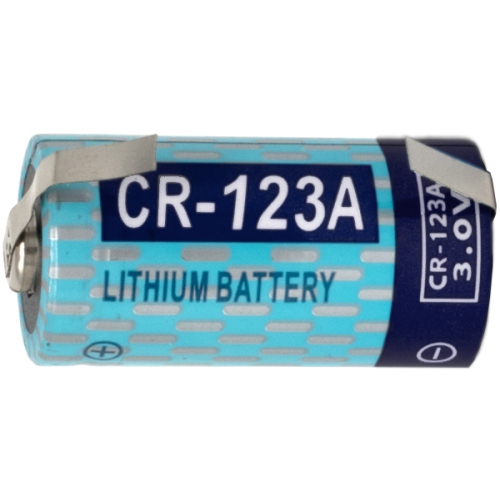
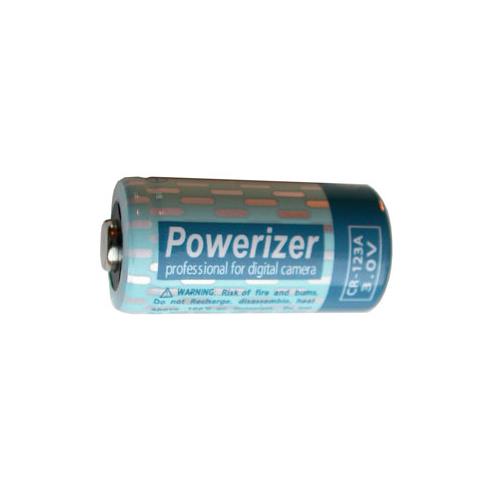
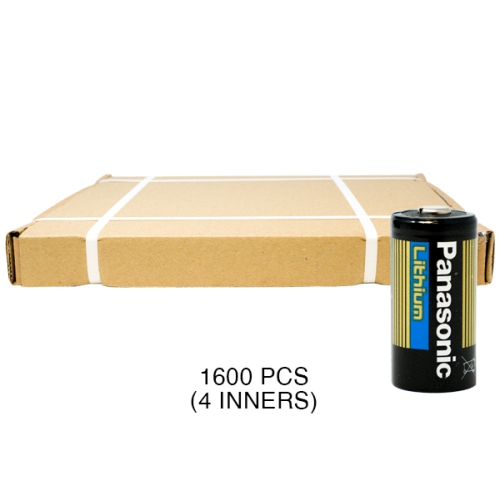
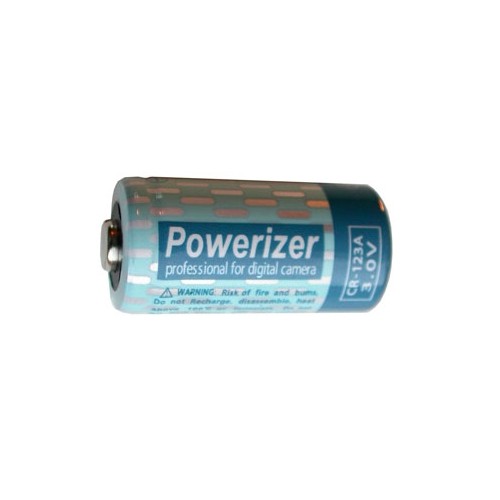
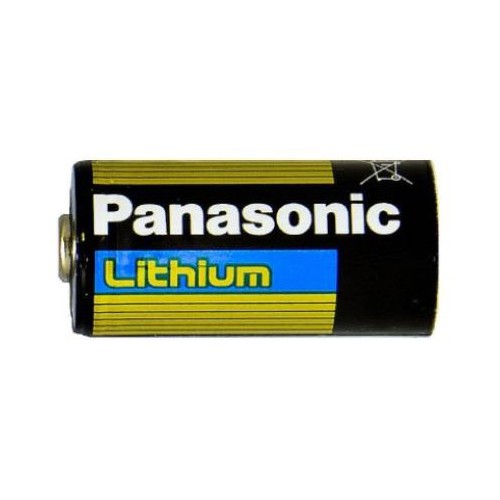
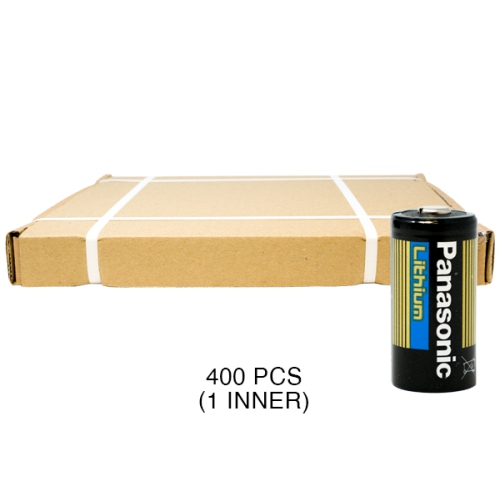
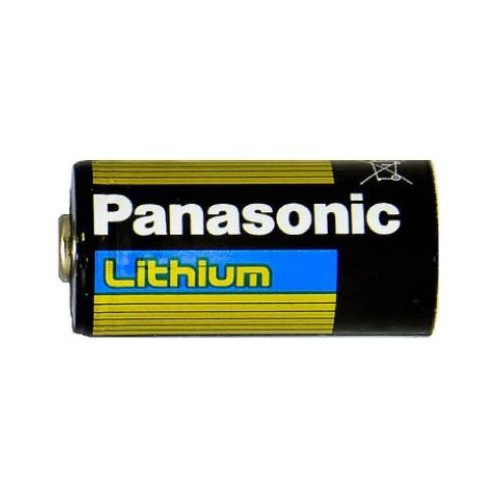
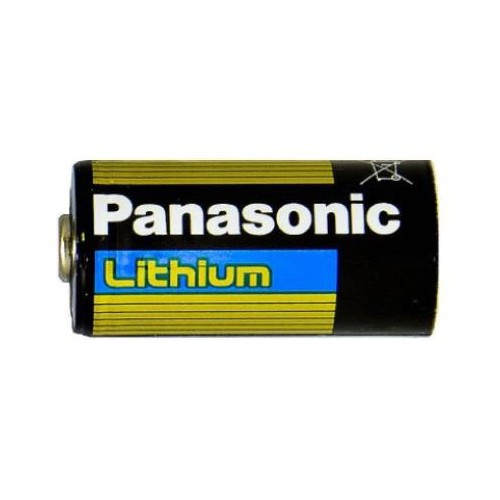
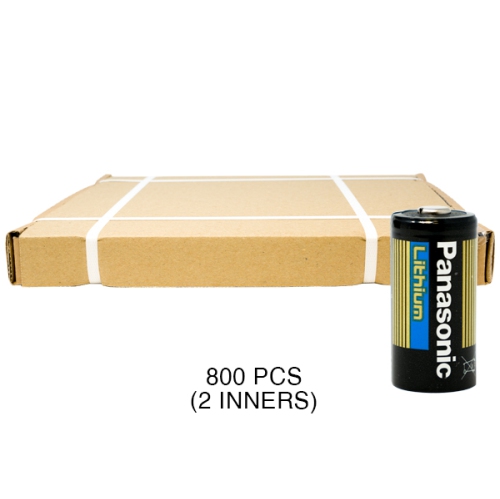
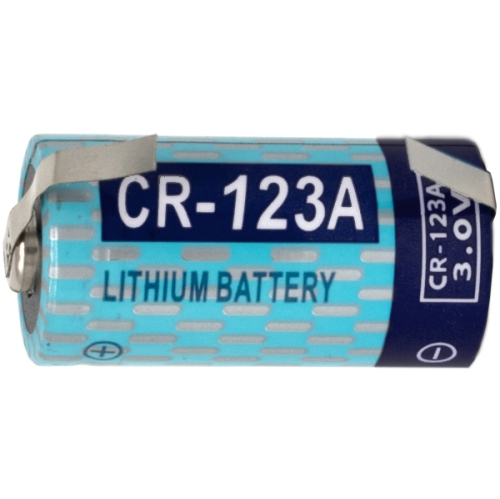
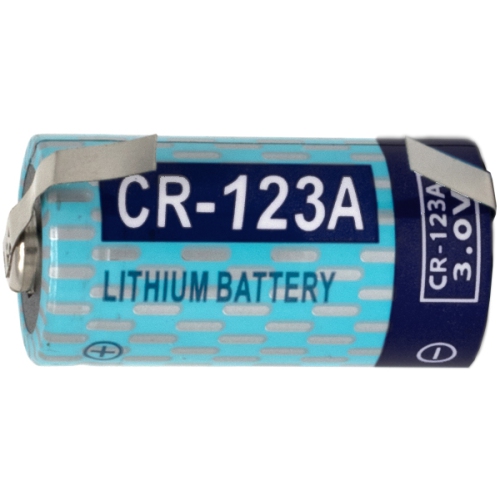
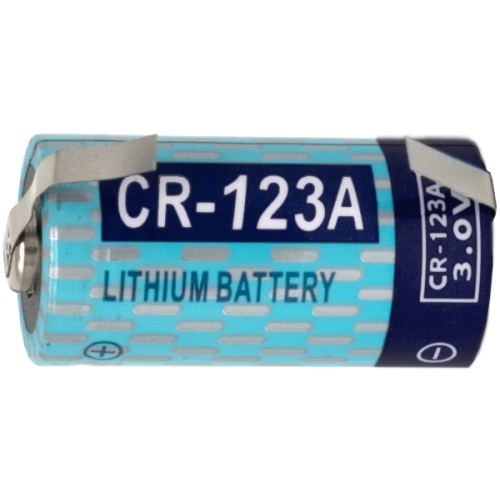
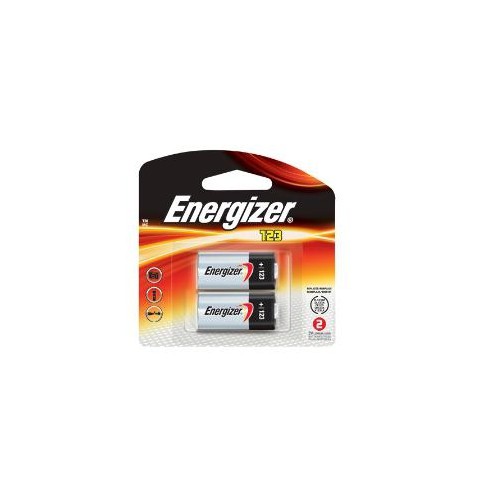
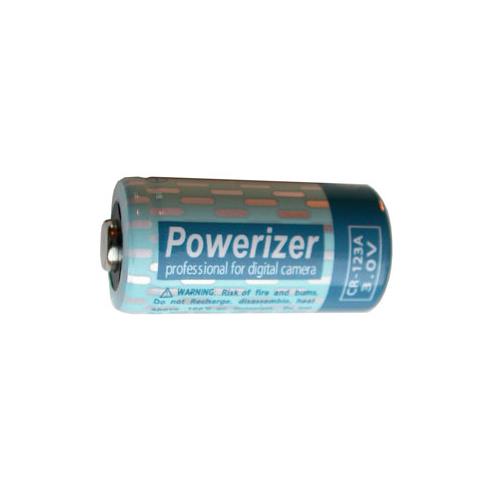
CR123A lithium batteries for cameras supply compact, dependable power to compatible photographic equipment, including certain film cameras, digital cameras, and camera accessories. These cylindrical cells typically use lithium manganese dioxide chemistry and deliver a nominal voltage of 3V. Measuring approximately 17 mm in diameter and 34.5 mm in length, they fit battery compartments designed specifically for the CR123A format rather than those made for AA or AAA batteries. Their small size makes them well suited to cameras that need substantial power without a bulky battery compartment, from a pocket-sized film camera carried on a city walk to compatible equipment used for a carefully arranged portrait. Photography places varying demands on a battery: a camera may sit idle between shots, then draw power for autofocus, film advance, metering, or a built-in flash. CR123A lithium cells are suited to these intermittent demands, although actual performance depends on the camera, the battery’s specifications, and how the equipment is used. Frequent flash photography and powered film transport can shorten operating life compared with occasional use without flash. Fresh, suitable batteries can also help maintain consistent flash charging performance, but no battery format guarantees a particular interval between shots across all cameras. For someone returning to a film camera that has been tucked away in a drawer, confirming the required battery type is an important part of getting it ready to use again. The marking inside the battery door or the camera manual is a more reliable reference than the appearance of an old cell alone. Some cameras require one CR123A battery, while others use two or more, so both the format and the required quantity matter. A correctly matched set supports the camera’s intended operation and avoids the frustration of preparing a roll of film, framing a photograph, and discovering that the power source does not fit.
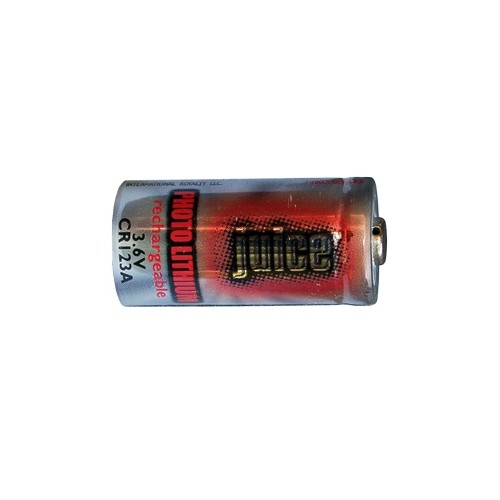
Compatibility involves more than choosing a small cylindrical lithium battery. CR123, CR17345, DL123A, and EL123A are common designations associated with the 3V CR123A format, but the camera’s requirements and the replacement battery’s stated specifications should still agree. Similar-looking rechargeable cells are not automatically interchangeable. Batteries labelled RCR123A or 16340 often have a different nominal voltage and a higher voltage when fully charged, which may exceed what a camera designed for disposable 3V cells can accept. Standard primary CR123A lithium batteries are single-use and must not be placed in a charger; a camera’s charging connection does not make an installed disposable battery rechargeable. The distinction is especially relevant when several devices share a camera bag and their batteries look nearly identical. Clear labelling helps keep the correct cells together, while a fitted battery case keeps loose spares separate from metal accessories. Shoppers comparing the broader format can explore CR123A Batteries, with the camera’s specified voltage and battery designation as the starting point for compatibility. Capacity, commonly expressed in milliamp-hours, offers another point of comparison, but it is not a direct promise of a certain number of photographs. Test conditions, current draw, flash use, and the camera’s power-management system all affect how much usable service a cell provides. A higher stated capacity alone does not establish that a battery will perform better in every camera. Fit also includes the positive and negative terminal orientation shown in the compartment. The battery door should close normally without pressure, makeshift spacers, or changes to the contacts. Where a camera takes multiple cells, replacing the complete set with fresh batteries of the same type and specifications helps avoid uneven performance. Mixing fresh and partially depleted batteries, or combining different chemistries, can lead to unreliable operation. These practical differences matter whether the camera is used regularly for a personal photography project or brought out occasionally to capture family gatherings.
Long storage life is another useful characteristic of primary CR123A lithium batteries, particularly for photographic equipment that spends time between outings. Some are rated for a shelf life of up to 10 years when stored as directed, though the stated storage life varies and is not the same as operating life inside a camera. The date printed on the packaging, along with the manufacturer’s storage instructions, provides a better reference than a general claim about lithium batteries. Keeping unused cells in their original packaging or an appropriate protective case helps prevent accidental contact between terminals and conductive objects such as keys, coins, or metal lens accessories. Their metal casing is made for normal handling, not crushing, puncturing, or forced installation. A damaged wrapper, distorted casing, leakage, or corrosion is a reason not to use a cell. Batteries should also be kept away from children and pets, and loose spares should never be carried unprotected in a pocket. For a camera that will remain unused for an extended period, removing the batteries according to the camera manufacturer’s directions can help protect the compartment from damage if a cell leaks. Clean, dry contacts and an intact battery door support a secure electrical connection; visible corrosion calls for appropriate servicing rather than simply inserting a fresh set. In everyday photography, a protected spare set can make a meaningful difference when a low-battery indicator appears halfway through a portrait session or before the final frames on a roll. Pack size is therefore a practical consideration tied to how many cells the camera takes and how often it is used, rather than a reason to keep more batteries than needed. For a film photography enthusiast, compatible CR123A batteries can also be a thoughtful addition to a camera-related gift, provided the recipient’s equipment has been checked first. Their value lies in a precise match between the power source and the camera: the correct chemistry, voltage, dimensions, and number of cells, ready for the next photograph.
Top selling and popular products
-
 Your price for this item is $72.97
-
 Your price for this item is $24.99
-
 Your price for this item is $26.74
-
 Your price for this item is $22.97
-
 Your price for this item is $11.99
-
 Your price for this item is $6.99
-
 Your price for this item is $4.89
-
 Your price for this item is $13.99
Discover more categories related to CR123A Lithium Batteries for Cameras

Top Collections:
Pokemon Centers, Best Cameras for Sports Photography, Kindle Devices, Samsung Galaxy Phones, Canon G7X Cameras, Pokémon 30th Celebration Cards, Refurbished Apple Laptops, iPhone 15 Apple, Laptops for Students, Budget Smartphones
Some products may be subject to Environmental Handling Fees
(EHF) depending on your province.
Learn more about EHFs.