CR2 Batteries
Power up your devices with reliable and long-lasting CR2 batteries. Designed to provide a steady stream of energy, these batteries are perfect for cameras, flashlights, and other high-drain devices. Whether you're capturing special moments or illuminating the dark, CR2 batteries ensure your equipment stays powered up when you need it most. Stock up on these essential power sources to keep your electronics running smoothly.
Sort
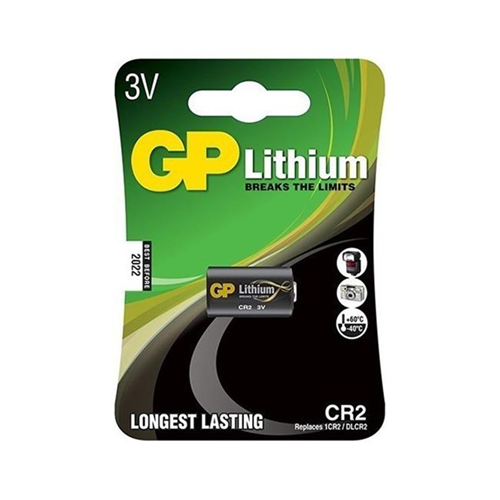
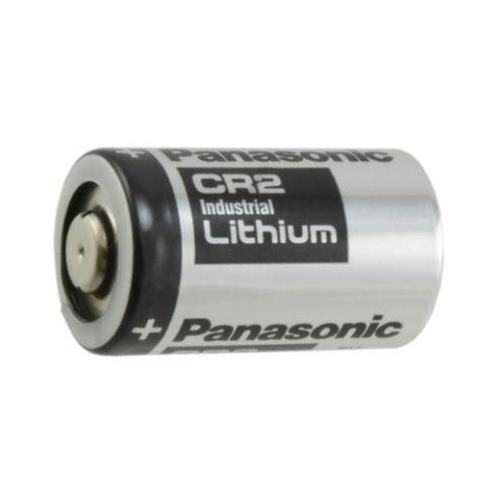

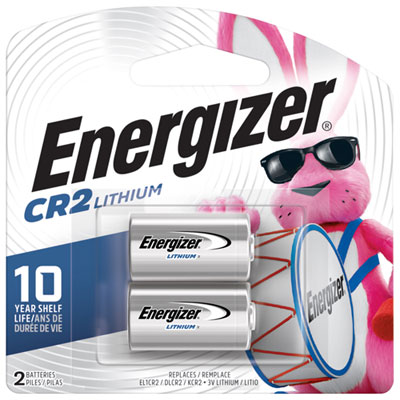

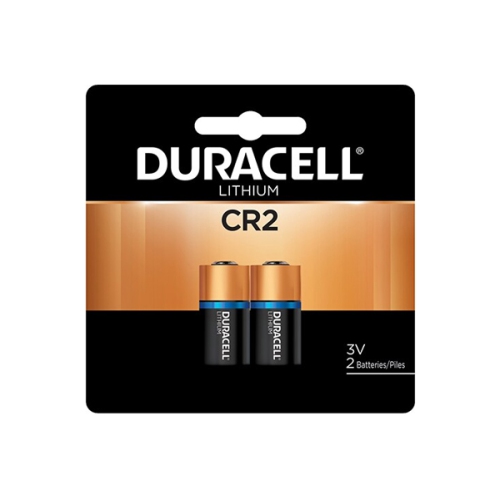



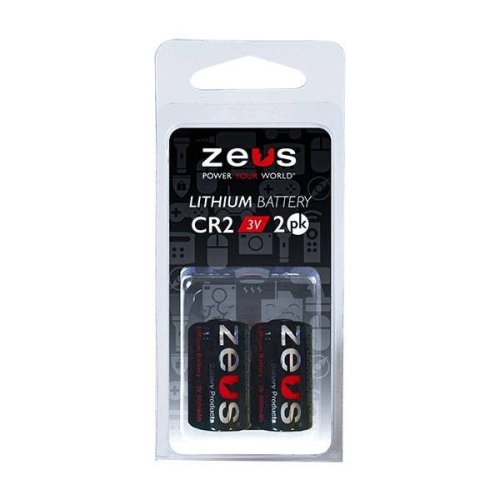
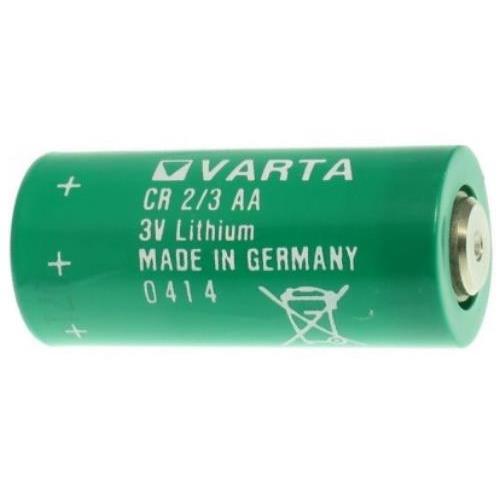

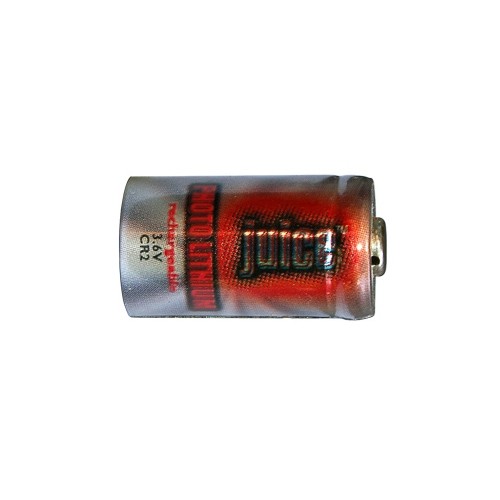
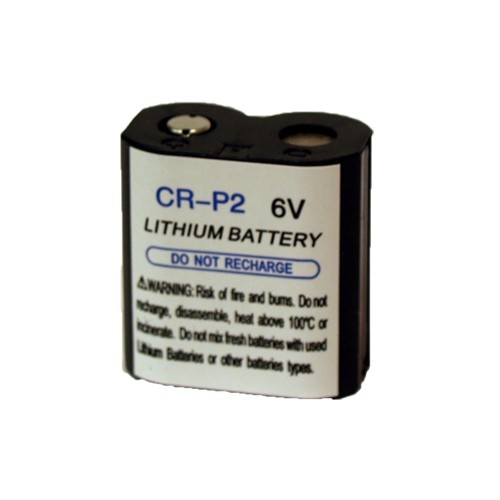

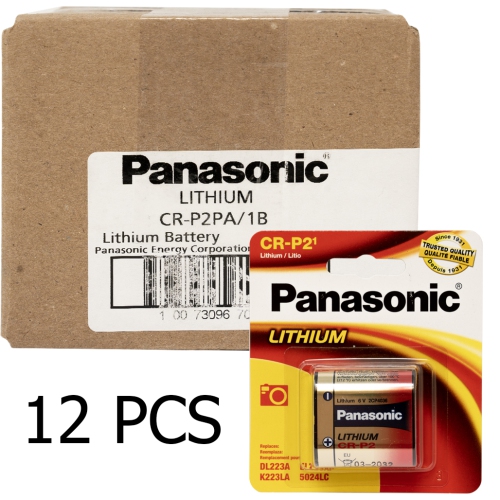
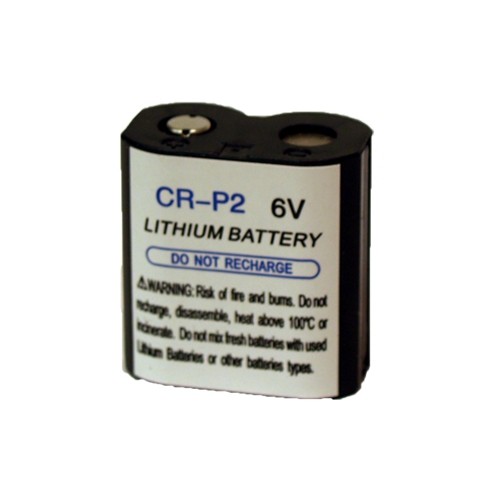
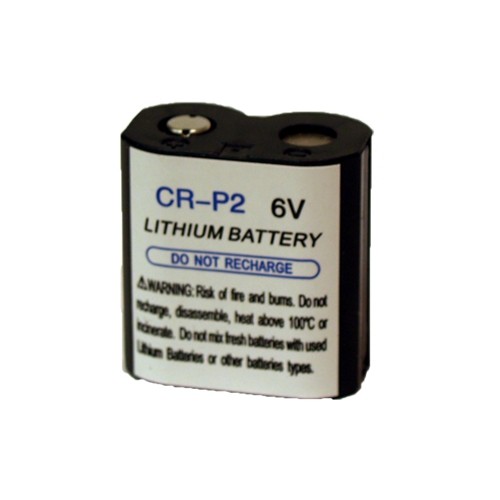
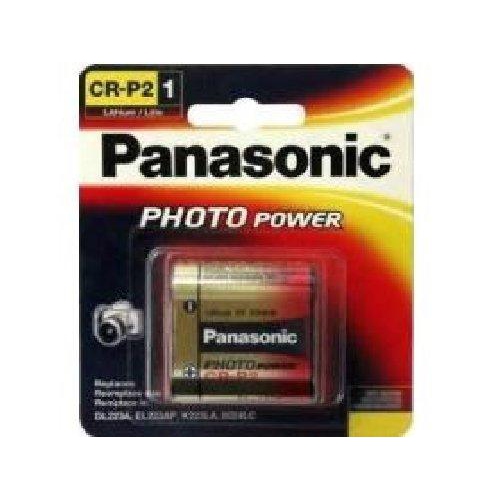
Why compact lithium cells suit specialty electronics
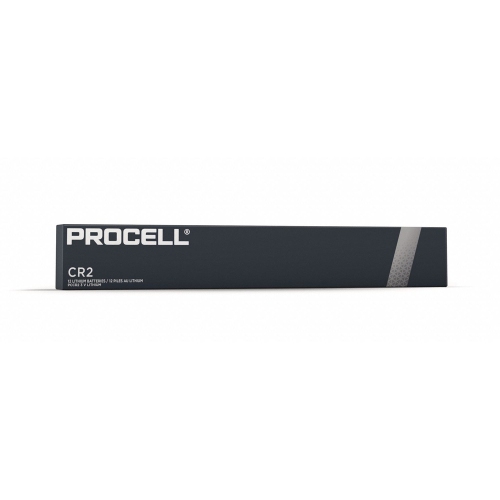
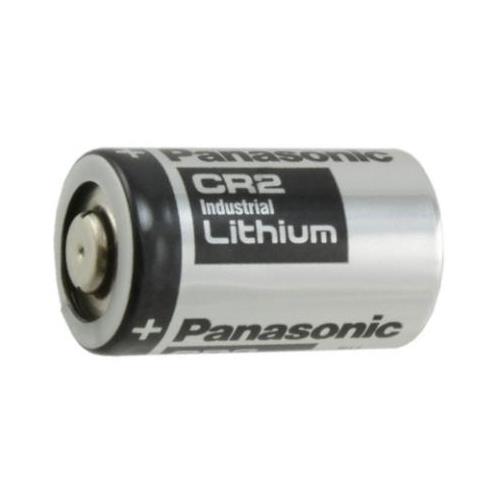
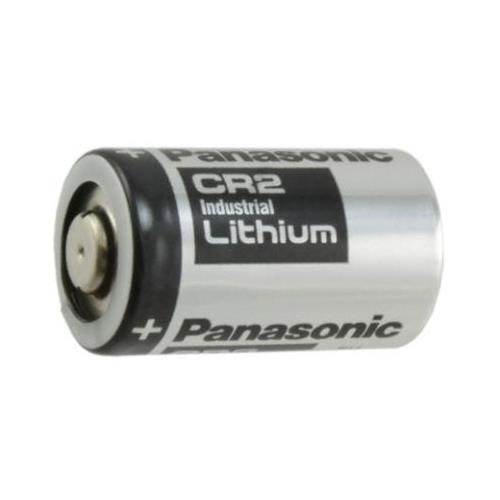
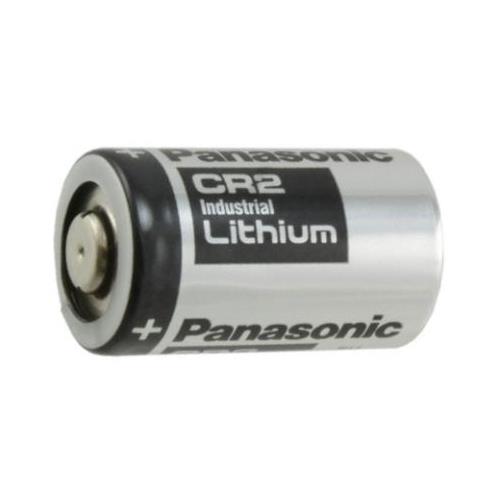
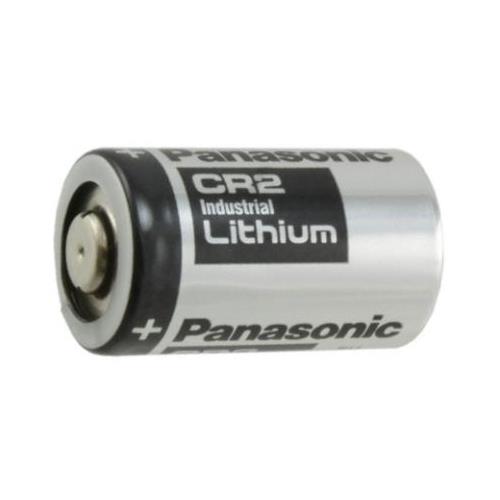
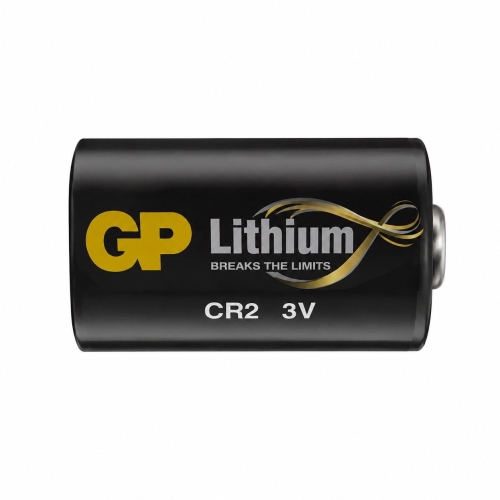
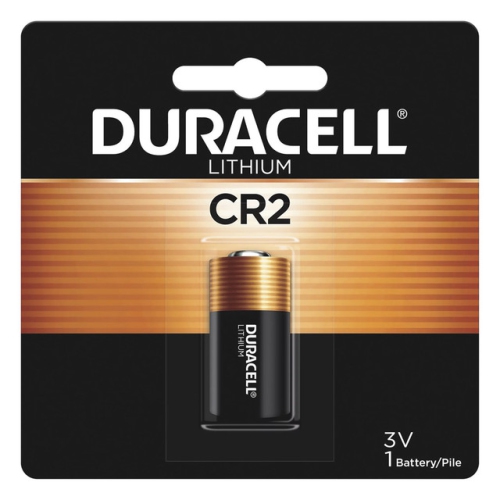
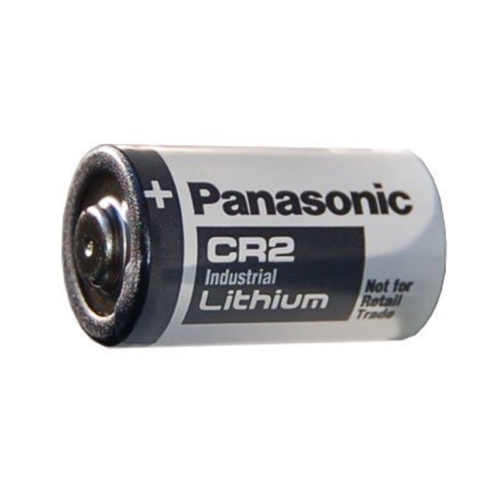
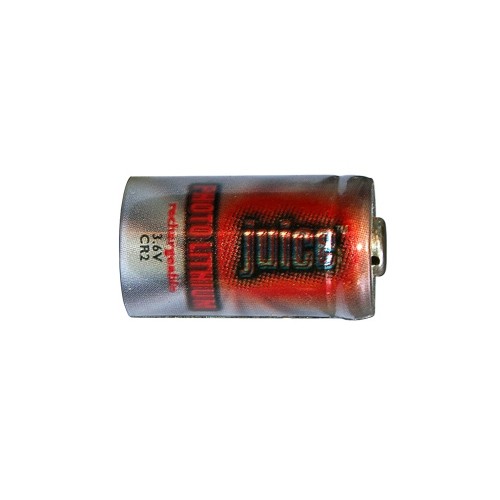
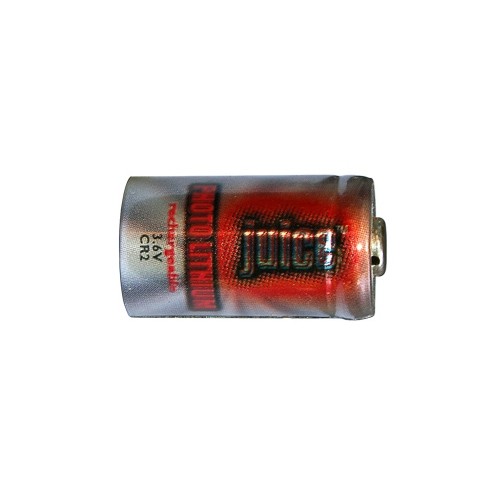
CR2 batteries are compact 3-volt lithium batteries made for specialty electronics that need dependable power in a small cylindrical format. Measuring approximately 15.6 mm in diameter and 27.0 mm in height, a CR2 battery can fit into devices where a standard AA or AAA battery would not. These batteries typically use lithium manganese dioxide chemistry, often written as Li/MnO₂, and are generally designed as single-use batteries rather than rechargeable cells. Their combination of compact size, low weight, stable voltage and strong performance in high-drain devices makes them a practical choice for photography equipment, golf rangefinders, wireless motion detectors, home security sensors, compact flashlights and other electronics with a CR2 battery compartment. Common equivalent designations may include 1CR2, DLCR2, EL1CR2, KCR2 and CR15H270, although naming can vary by manufacturer and device. Checking the equipment manual or the markings inside the battery compartment remains the best way to confirm compatibility before purchasing, since batteries that look similar may have different dimensions, voltages or terminal arrangements. The CR2 batteries on this page are suited to shoppers replacing depleted cells, preparing a spare kit for equipment used away from home or keeping essential devices ready during the cooler months. Their long shelf life, which can reach up to 10 years when stored properly according to the package instructions, also makes them convenient for drawers, camera bags, tool cases and emergency supplies. Store unused batteries in a cool, dry place in their original packaging, away from loose metal objects such as keys, coins and fasteners that could contact the terminals. Avoid exposing them to excessive heat, moisture or direct sunlight, and keep them out of reach of children and pets. Before installation, compare the positive and negative symbols on the device with the markings on the battery, and replace all batteries in a multi-cell device at the same time when the manufacturer recommends doing so.
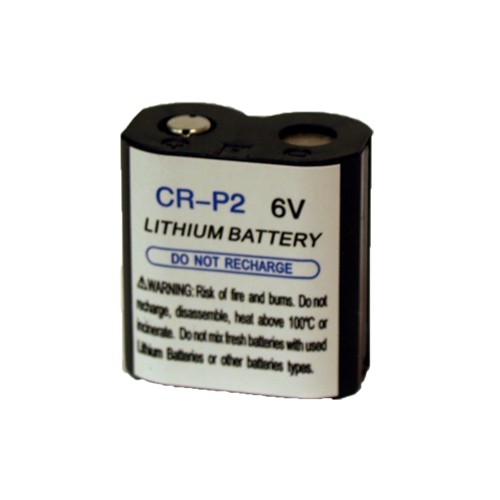
The right CR2 battery can make a noticeable difference when a small device needs reliable power at an important moment. A photographer may keep a spare in a camera pouch so a compact camera or external flash is ready for a family gathering, an indoor celebration or a walk outdoors when the light changes quickly. A golfer may place an extra cell in a rangefinder case before heading out, particularly when a long round takes them far from a convenient shop. At home, CR2 batteries are commonly used in wireless motion detectors, entry sensors and alarm components, where a fresh battery helps connected equipment remain ready to monitor activity. They can also power high-intensity tactical flashlights used in a vehicle, workshop, camping kit or household drawer. Because CR2 batteries are small and lightweight, a multipack is easy to divide between several devices or share with a family member who uses photography, outdoor or security equipment. They may also be a thoughtful practical gift for someone who enjoys golf, photography, hiking or hands-on home projects, especially when paired with an understanding of the recipient’s equipment. When comparing options, consider the number of devices you need to power, how frequently each device is used and whether you prefer to keep a replacement close at hand. A two-pack may suit an individual device or a backup, while a larger pack can be more convenient for homes with several sensors or for people who regularly use battery-powered equipment. It is also worth checking the package for the stated expiry or best-before information, confirming that the cells are individually protected and selecting batteries from a retailer with clear product specifications. CR2 batteries are not interchangeable with CR123A batteries, despite some similarities in appearance and use, so matching the exact battery code matters. If a device calls for a different format, such as the related CRP2 Batteries, choose the specified type rather than relying on a visual comparison.
When installing CR2 batteries, turn the device off whenever possible and remove the old cell carefully. Look for signs of leakage, swelling or damage, and do not use a battery that appears compromised. A battery that has been stored for a long time may still have useful charge, but it should be checked before being placed in equipment needed for travel, outdoor activities or home protection. If a device displays a low-battery warning, becomes slow to respond or produces a dimmer light, replacing the cell promptly can help restore normal operation; some electronics may also retain settings better when the battery is changed according to the instructions. Do not attempt to recharge a single-use CR2 lithium battery, combine a new battery with an old one or mix different chemistries in the same device. Keep replacement cells in their packaging until they are needed, and follow local requirements for handling and recycling used batteries rather than placing them loose in a drawer or household bin. During the transition from warmer days to cooler weather, a quick check of camera bags, rangefinders, flashlights, motion sensors and alarm accessories can reveal which devices need fresh power before they are used less frequently or stored for a season. The product selection on this page gives shoppers a convenient place to compare CR2 battery pack sizes and specifications for everyday replacements, backup supplies and specialty electronics. By matching the battery code, voltage and device requirements, you can choose a compact power source that fits correctly and helps your equipment perform as intended when you need it.
The right CR2 battery can make a noticeable difference when a small device needs reliable power at an important moment. A photographer may keep a spare in a camera pouch so a compact camera or external flash is ready for a family gathering, an indoor celebration or a walk outdoors when the light changes quickly. A golfer may place an extra cell in a rangefinder case before heading out, particularly when a long round takes them far from a convenient shop. At home, CR2 batteries are commonly used in wireless motion detectors, entry sensors and alarm components, where a fresh battery helps connected equipment remain ready to monitor activity. They can also power high-intensity tactical flashlights used in a vehicle, workshop, camping kit or household drawer. Because CR2 batteries are small and lightweight, a multipack is easy to divide between several devices or share with a family member who uses photography, outdoor or security equipment. They may also be a thoughtful practical gift for someone who enjoys golf, photography, hiking or hands-on home projects, especially when paired with an understanding of the recipient’s equipment. When comparing options, consider the number of devices you need to power, how frequently each device is used and whether you prefer to keep a replacement close at hand. A two-pack may suit an individual device or a backup, while a larger pack can be more convenient for homes with several sensors or for people who regularly use battery-powered equipment. It is also worth checking the package for the stated expiry or best-before information, confirming that the cells are individually protected and selecting batteries from a retailer with clear product specifications. CR2 batteries are not interchangeable with CR123A batteries, despite some similarities in appearance and use, so matching the exact battery code matters. If a device calls for a different format, such as the related CRP2 Batteries, choose the specified type rather than relying on a visual comparison.
When installing CR2 batteries, turn the device off whenever possible and remove the old cell carefully. Look for signs of leakage, swelling or damage, and do not use a battery that appears compromised. A battery that has been stored for a long time may still have useful charge, but it should be checked before being placed in equipment needed for travel, outdoor activities or home protection. If a device displays a low-battery warning, becomes slow to respond or produces a dimmer light, replacing the cell promptly can help restore normal operation; some electronics may also retain settings better when the battery is changed according to the instructions. Do not attempt to recharge a single-use CR2 lithium battery, combine a new battery with an old one or mix different chemistries in the same device. Keep replacement cells in their packaging until they are needed, and follow local requirements for handling and recycling used batteries rather than placing them loose in a drawer or household bin. During the transition from warmer days to cooler weather, a quick check of camera bags, rangefinders, flashlights, motion sensors and alarm accessories can reveal which devices need fresh power before they are used less frequently or stored for a season. The product selection on this page gives shoppers a convenient place to compare CR2 battery pack sizes and specifications for everyday replacements, backup supplies and specialty electronics. By matching the battery code, voltage and device requirements, you can choose a compact power source that fits correctly and helps your equipment perform as intended when you need it.
Top selling and popular products
-
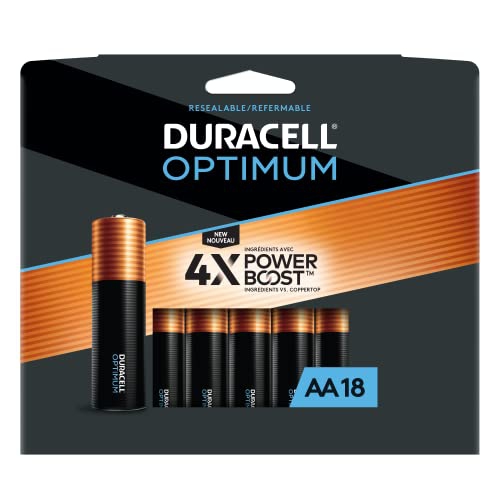 Your price for this item is $72.97
 -
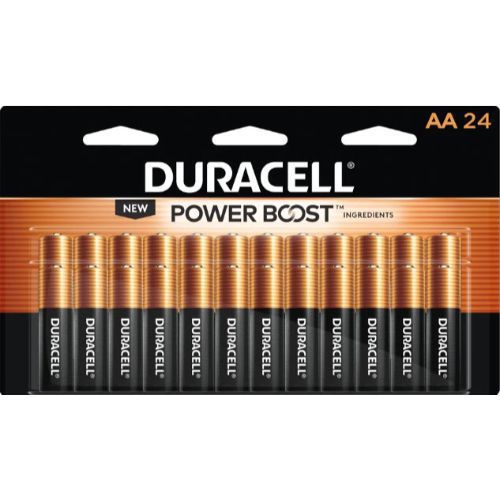 Your price for this item is $24.99
 -
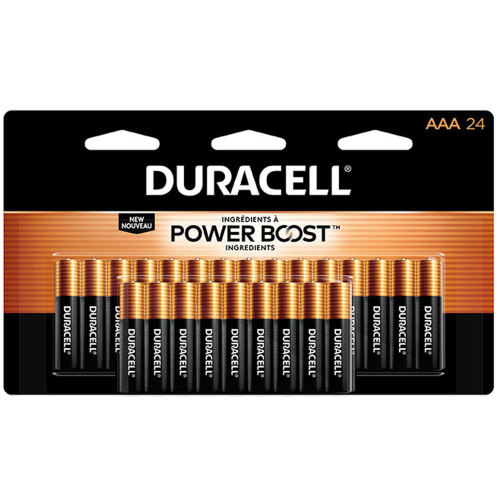 Your price for this item is $26.74
 -
 Your price for this item is $22.97
 -
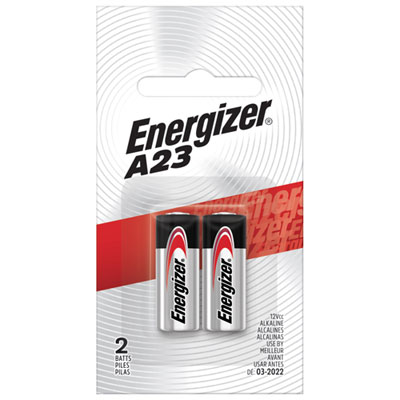 Your price for this item is $11.99
 -
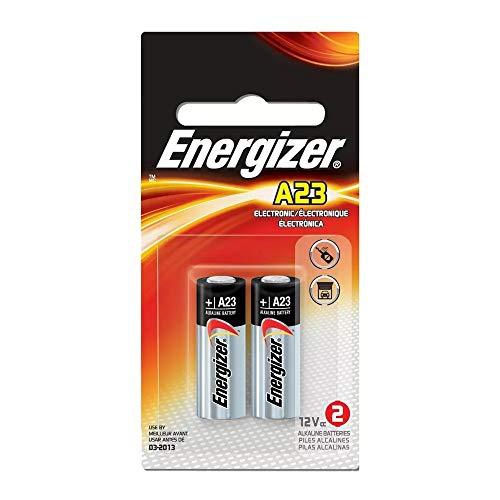 Your price for this item is $6.99
 -
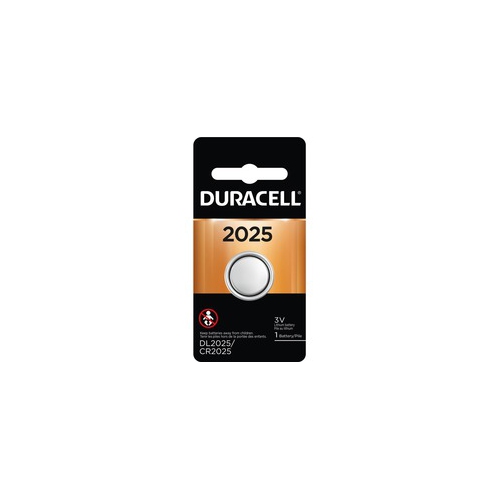 Your price for this item is $4.89
 -
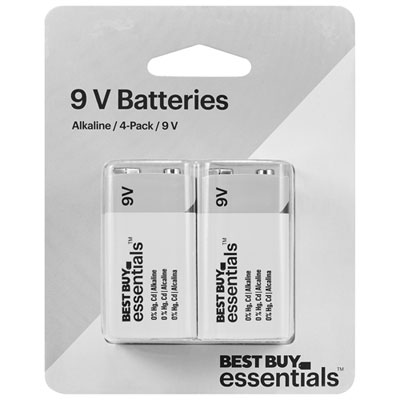 Your price for this item is $13.99
Discover more categories related to CR2 Batteries
Top Collections:
Pokemon Centers, Best Cameras for Sports Photography, Kindle Devices, Samsung Galaxy Phones, Canon G7X Cameras, Pokémon 30th Celebration Cards, Refurbished Apple Laptops, iPhone 15 Apple, Laptops for Students, Budget Smartphones
Some products may be subject to Environmental Handling Fees
(EHF) depending on your province.
Learn more about EHFs.