Cute Planners
Brighten up your daily routine and stay organized in style with cute planners designed to inspire productivity and creativity. Whether you’re managing a busy schedule, tracking important dates, or jotting down your goals, these adorable planners add a touch of fun to every task. Discover the perfect blend of functionality and charm with cute planners that make planning something to look forward to.
Sort
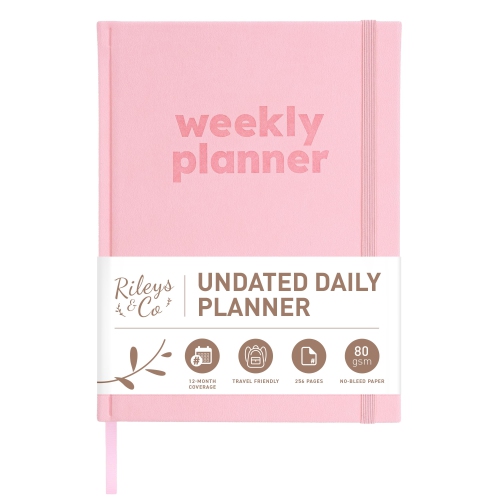
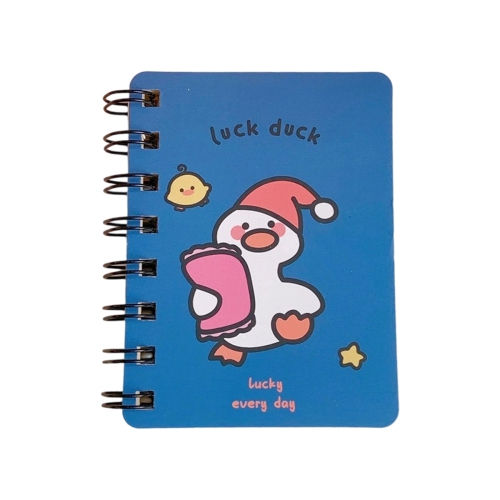
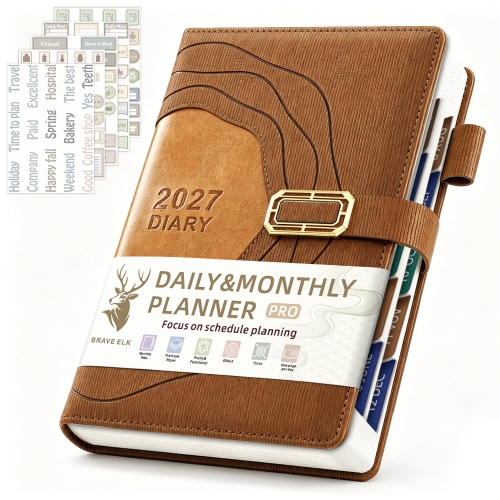
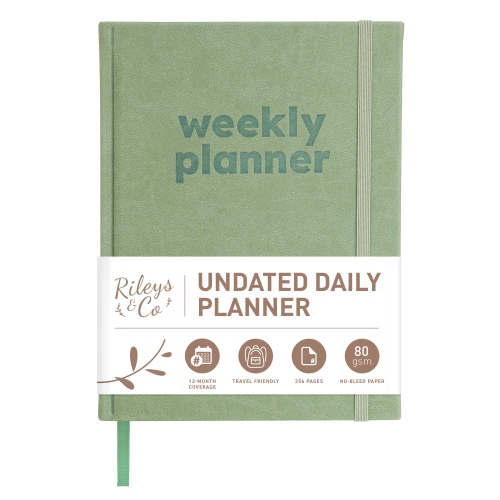
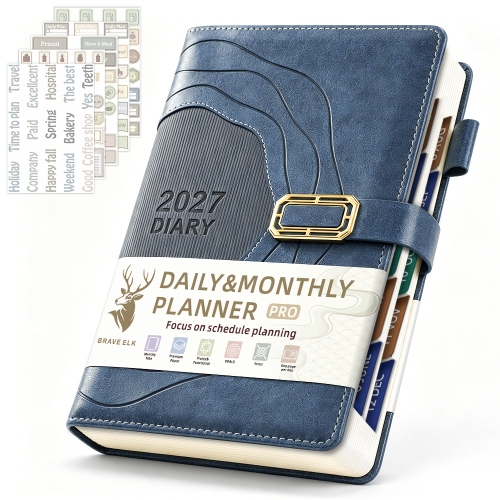
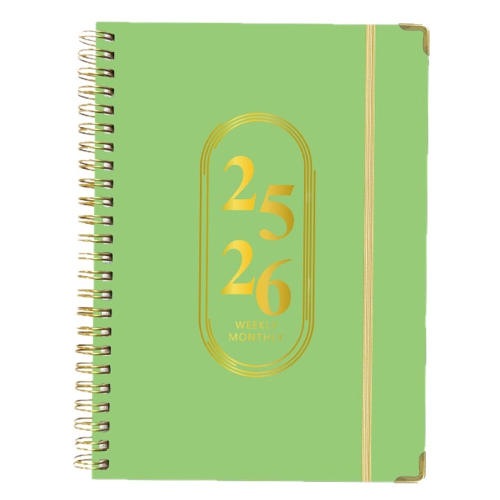
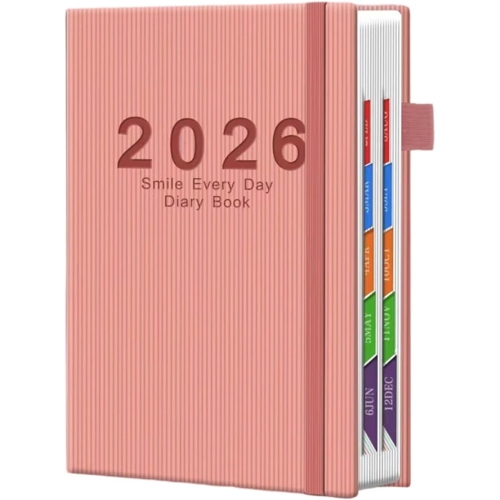
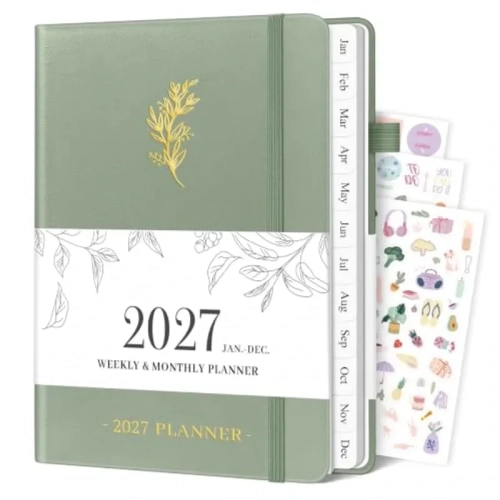
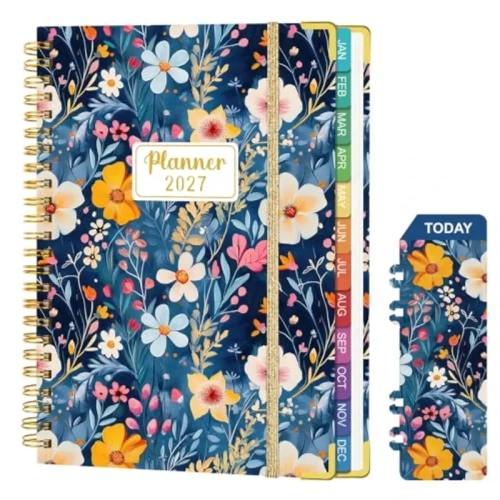
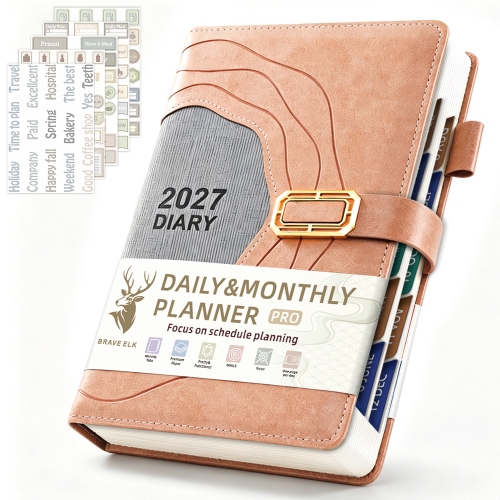
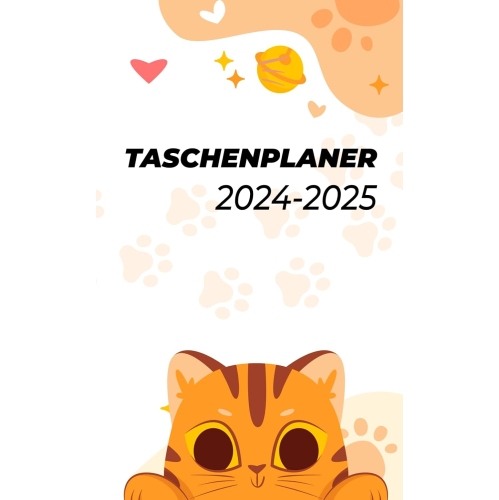
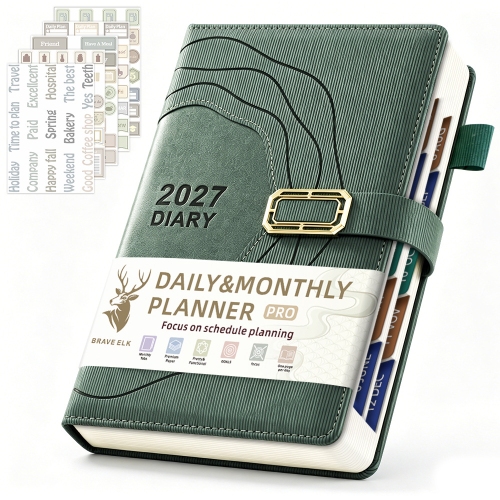
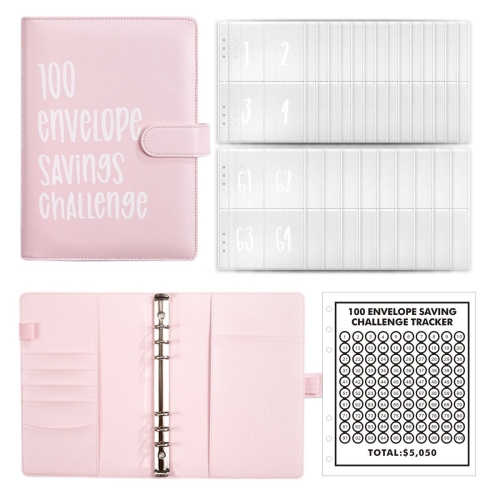
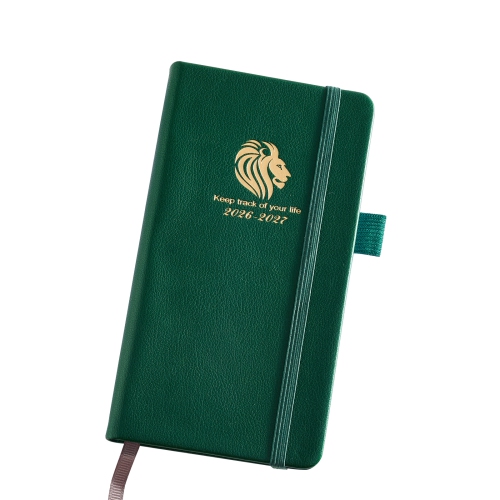
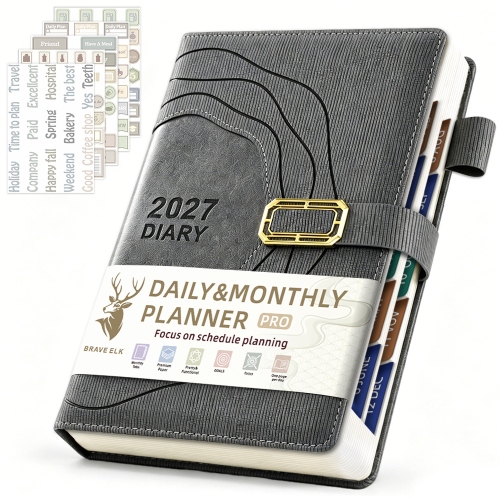
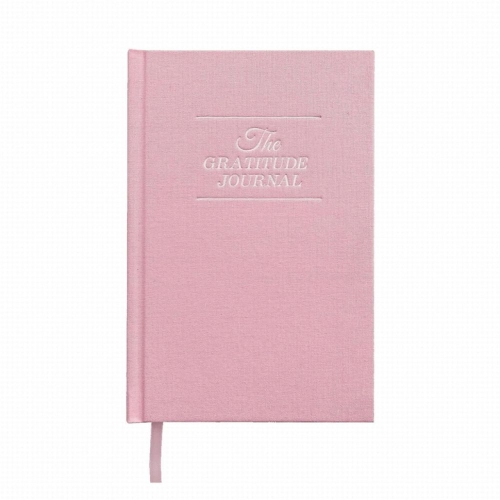
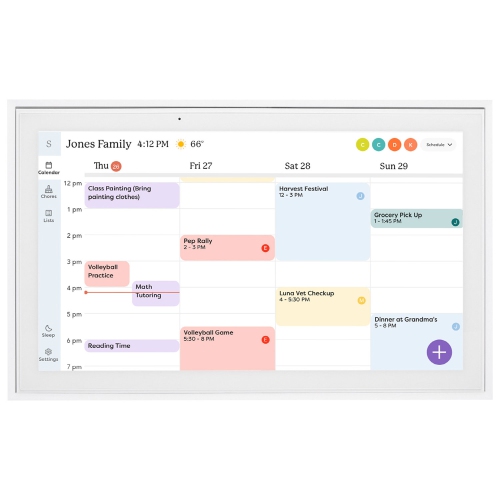
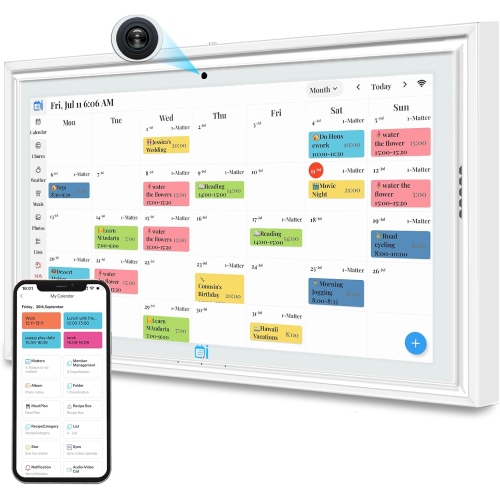
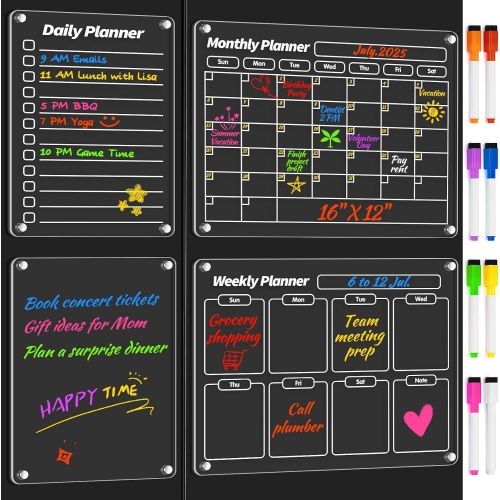
Playful designs with room for real-life plans
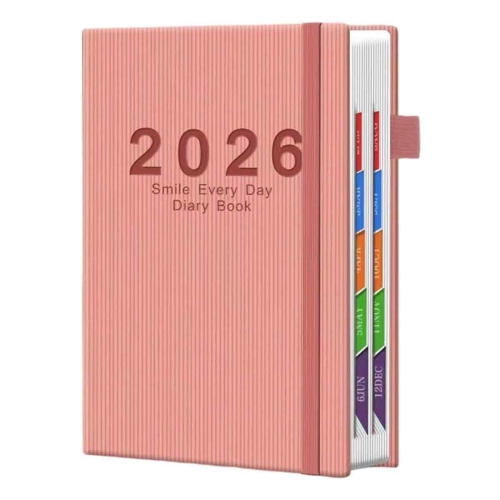
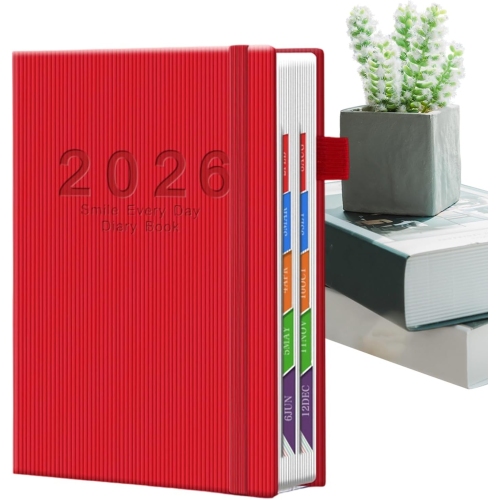
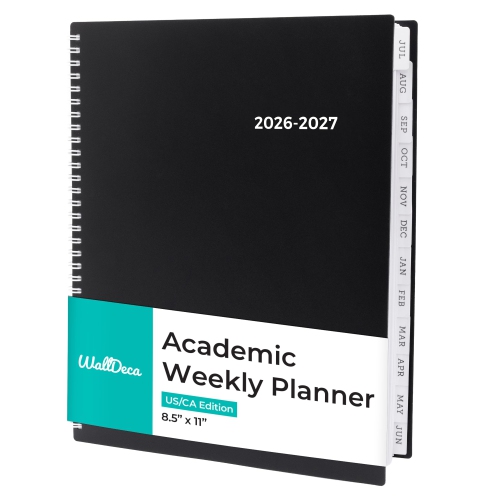
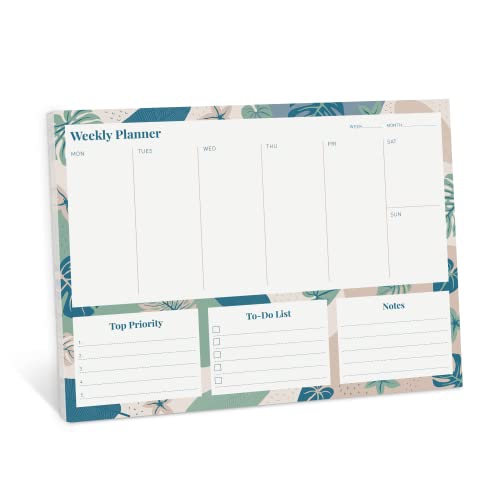
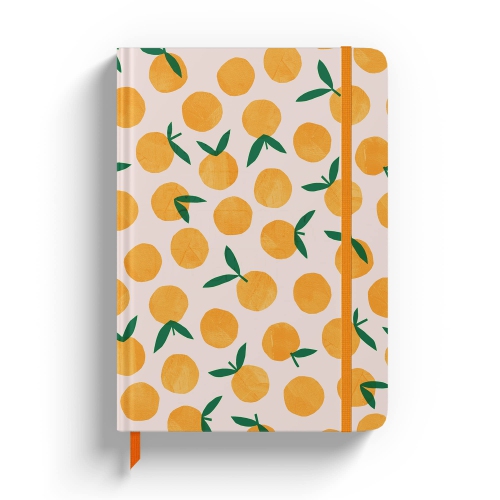
Cute planners combine everyday scheduling with playful design, bringing colour, character, and a personal touch to appointments, assignments, and to-do lists. Their appeal goes beyond a cheerful cover: a useful planner also has readable dates, comfortable writing space, and a layout that makes the next task easy to find. Pastel palettes, floral illustrations, animal motifs, character-inspired artwork, and simple graphic patterns offer different ways to make a planning routine feel more personal. Inside, monthly calendars provide a broad view of deadlines and commitments, while weekly spreads bring individual days into focus. A daily layout leaves more room for a detailed schedule, separate task lists, and notes from meetings or classes. For someone balancing a few appointments with household reminders, a clean weekly spread may be easier to maintain than a page for every day. Someone managing coursework, shifts, and several projects might appreciate additional sections for priorities and follow-up tasks. The balance between artwork and usable space matters, too. Small illustrations along the margins can add charm without crowding a busy Tuesday, while lightly printed backgrounds help handwriting remain clear. Dated planners make it straightforward to place future appointments, whereas undated formats allow breaks between entries without leaving a run of unused dated pages. The starting day of the week is another practical detail: a Monday-first layout groups the weekend together, while a Sunday-first layout may feel more familiar to some users. Clear monthly and weekly pages, supported by enough note-taking space, provide a simple foundation for daily organization. Extra trackers and prompts can be useful when they suit an established routine, but a pleasing design does not need a complicated system behind it. A few priorities, a visible deadline, and a place to capture tomorrow’s reminder can be enough to turn an attractive planner into something that gets used regularly. The most useful format is one that stays easy to read after real appointments, crossed-out plans, and handwritten additions fill the page.
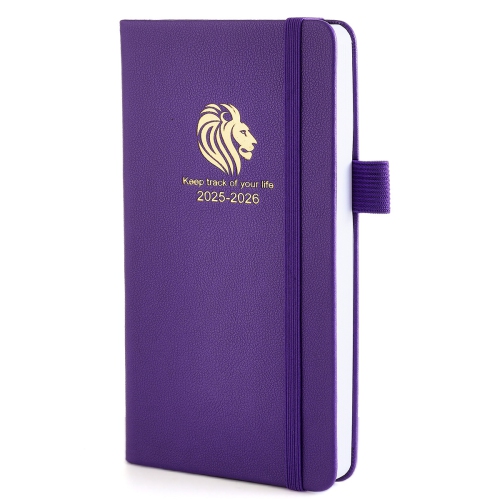
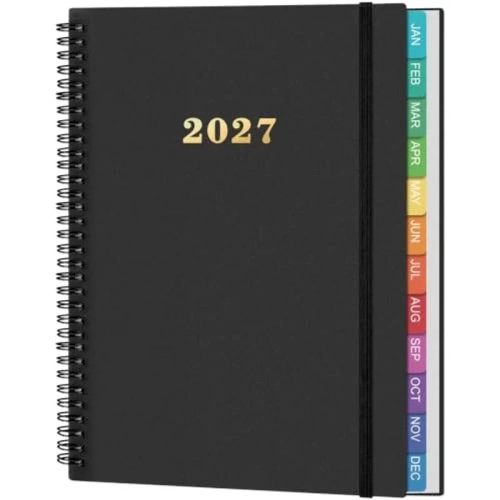
The materials and construction of a planner influence how comfortably it fits into everyday life. A compact format slips more easily into a handbag or backpack, while a larger page offers room for fuller notes and wider calendar boxes. Looking at the closed dimensions alongside the interior layout gives a better sense of fit than judging by the cover alone. A planner used mainly at a desk can comfortably take up more space; one carried between classes or appointments benefits from a manageable size and weight. Hardcover designs provide a firm writing surface and help protect pages in transit, while flexible covers can feel lighter and less bulky. Laminated finishes may tolerate light surface marks better than uncoated paper covers, and fabric or textured covers bring a softer feel that may need more careful handling. Binding makes a noticeable difference during use. Spiral and wire-bound formats can often fold back on themselves, which is helpful on a small desk, while stitched or glued bindings offer a more book-like profile. How flat a particular planner opens depends on its construction. Ring and disc formats can allow pages to be moved or replaced, although refill size and hole spacing need to match the binding. Paper quality also deserves attention, especially for anyone who enjoys colour-coded notes. Paper weight, surface finish, ink type, and writing pressure all affect whether marks show through or bleed onto the next page. Testing a pen in a discreet area before filling a spread is a practical precaution; thicker paper alone does not guarantee compatibility with every marker. Page tabs, ribbon markers, pockets, and elastic closures can make a planner easier to navigate and carry, but substantial layers of stickers or loose papers may strain the binding. Keeping the planner away from spills, avoiding an overfilled cover, and following any material-specific care directions can help preserve both its appearance and its usefulness.
Cute planners can suit students, working adults, creative hobbyists, and anyone who prefers to see plans on paper. For a student, a weekly spread can hold assignment deadlines beside reading tasks and club meetings, with a separate notes area for questions to bring to class. At work, the same structure can separate scheduled calls from tasks that need a block of focused time. At home, a monthly calendar can bring appointments and shared commitments into one visible place, while a short weekly list keeps errands from becoming scattered across scraps of paper. Personal projects fit naturally into a planner as well: a craft project might have a space for measurements and supply notes, while a reading list can sit alongside reminders to return borrowed books. The design can support these habits without dictating them. Soft colours and small illustrations may appeal to someone who wants a calm-looking workspace, while bold patterns or expressive artwork can make a familiar planning routine more enjoyable. Stickers, tabs, and a few pen colours can highlight important entries, provided there is still enough blank space to write clearly. Matching every detail is optional; consistency in how appointments and tasks are marked is often more useful than a perfectly styled page. A planner can also make a thoughtful birthday, graduation, or new-job gift when its layout reflects the recipient’s habits. Someone who already writes detailed lists may appreciate generous daily pages, while an occasional planner user may prefer an undated weekly format with fewer prompts. Cover artwork, portability, and writing space are more dependable starting points than assuming that extra features will suit everyone. For a coordinated desk setup, Cute Organizers can complement a planner with a dedicated place for pens, tabs, and loose notes. Keeping those supplies close at hand makes it easier to jot down an appointment, update a task, or review the next day without first clearing a workspace.
Top selling and popular products
-
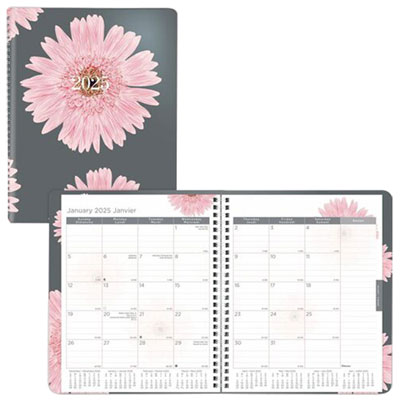 Your price for this item is $29.99
-
 Your price for this item is $23.38
-
 Your price for this item is $25.26
-
 Your price for this item is $153.55
-
 Your price for this item is $289.99
-
 Your price for this item is $19.99
-
 Your price for this item is $27.38
-
 Your price for this item is $30.79
Discover more categories related to Cute Planners

Top Collections:
Best Black Friday Deals This Year, Best Black Friday Deals On Electronics, Kindle Devices, Best Black Friday Deals On Apple Products, Best Budget Office Chairs, Best Cameras for Sports Photography, Dyson Airwrap, Canon G7X Cameras, Best Laptops for Writers, Samsung Galaxy Phones
Some products may be subject to Environmental Handling Fees
(EHF) depending on your province.
Learn more about EHFs.