Desk Organizers for Productivity
Desk Organizers for Productivity are essential tools for creating a tidy and efficient workspace. Whether you’re setting up a home office or updating your workstation, the right organizer can help keep everything in its place, making it easier to focus on important tasks. Explore a wide selection designed to streamline your daily routine and support a clutter-free environment, so you can stay on track and maximize your productivity.
Sort

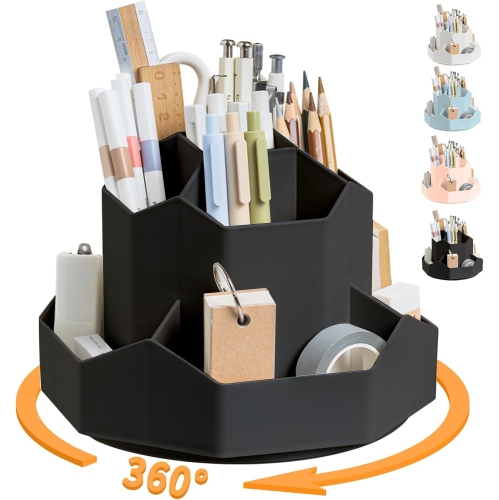
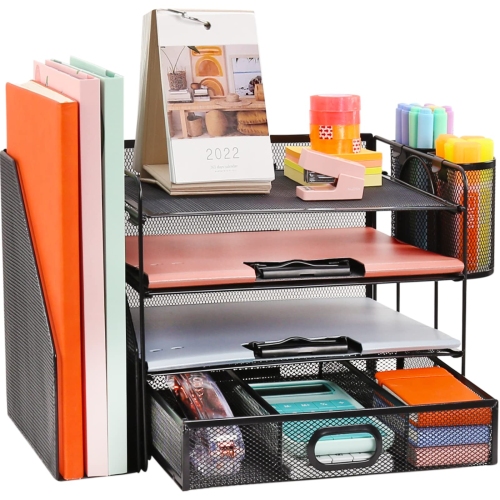
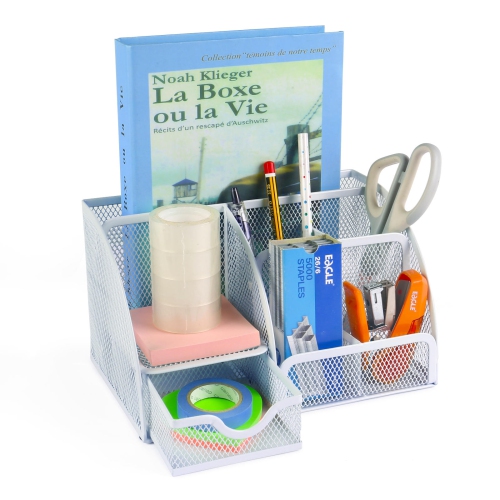
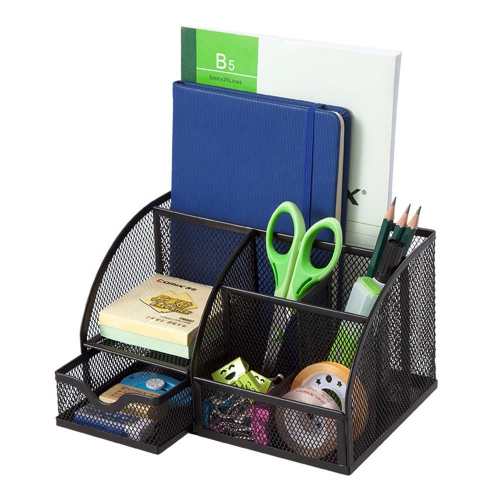
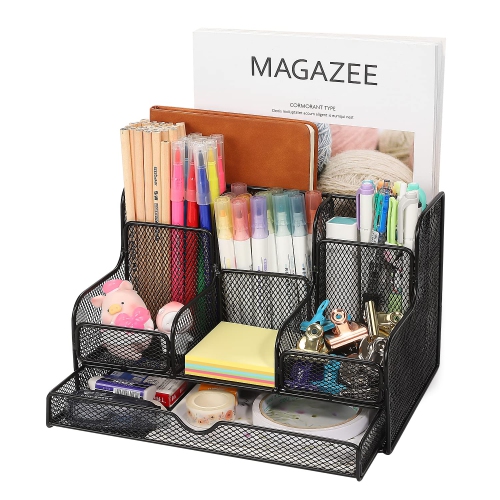
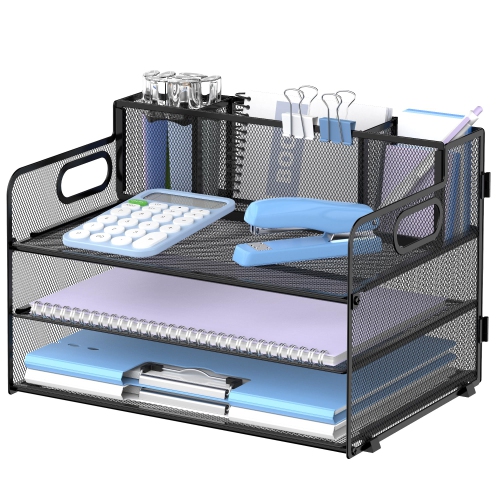
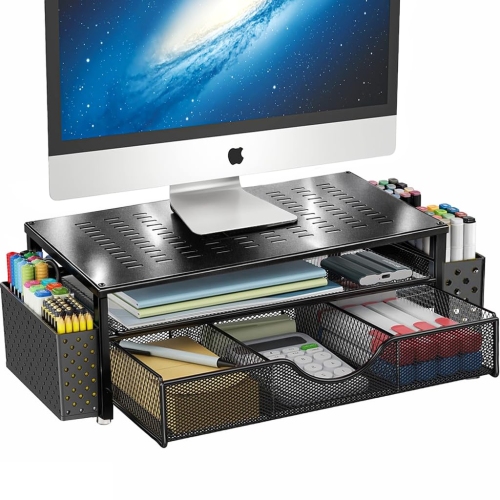
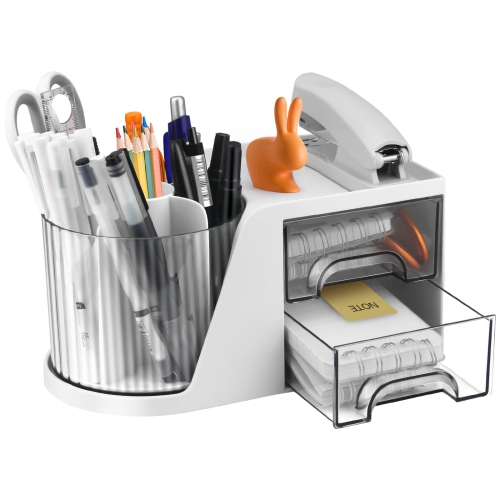
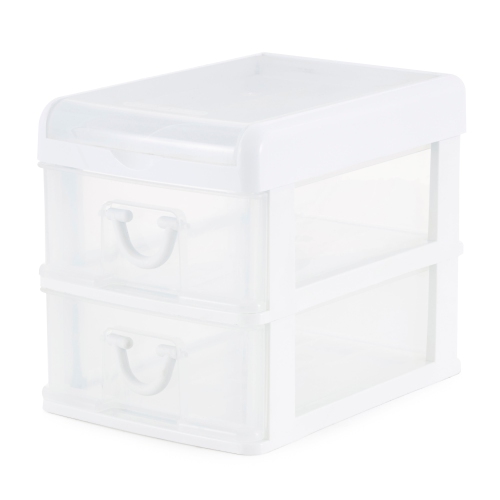


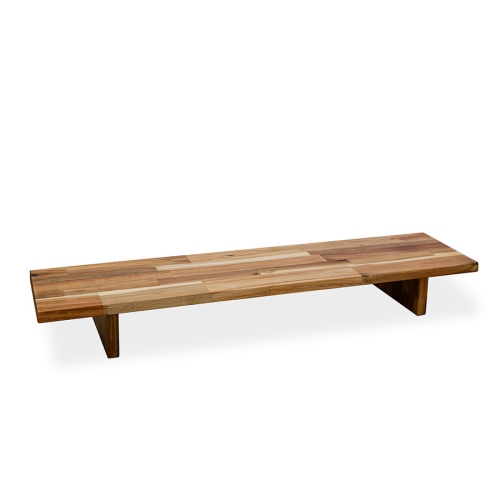
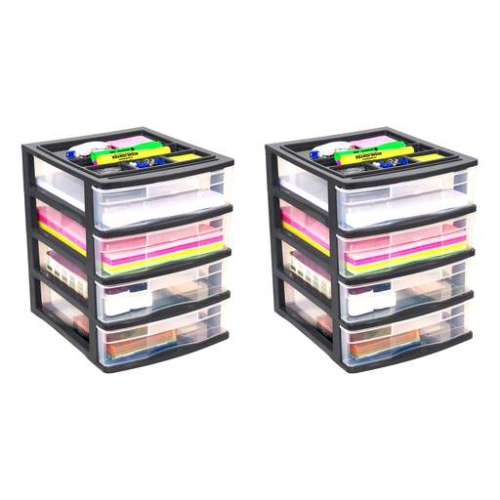


Less searching starts with storage that fits your routine
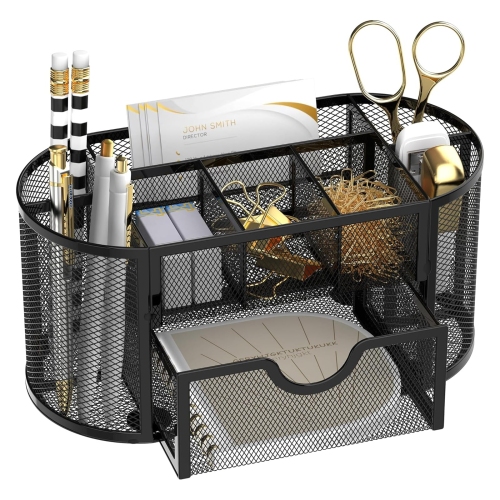
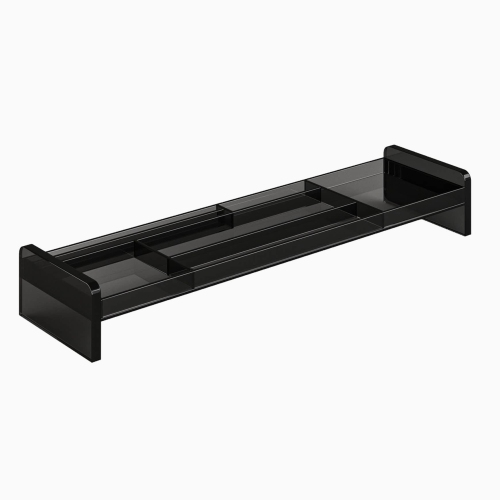
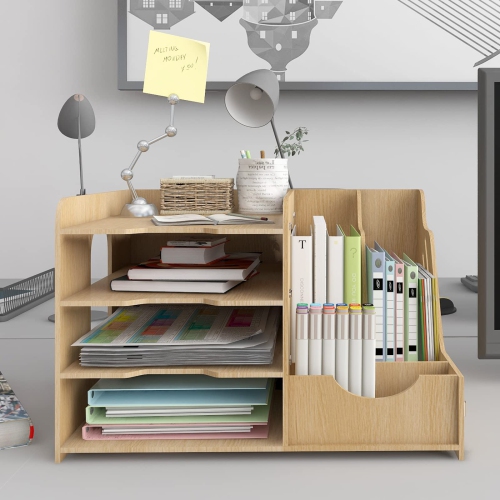
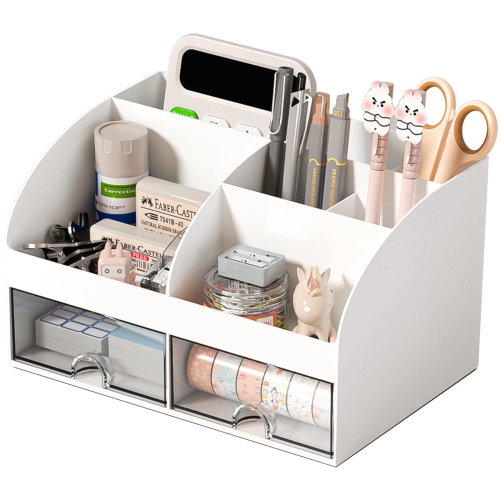
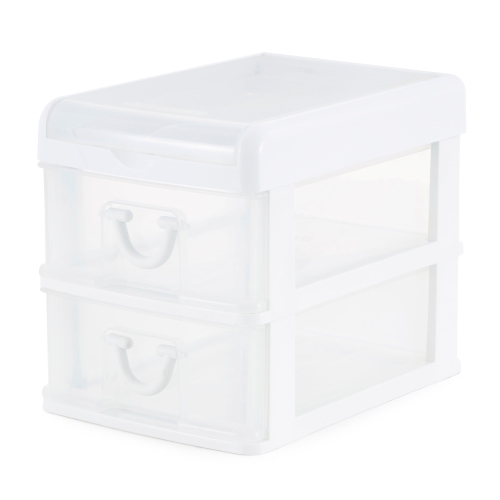
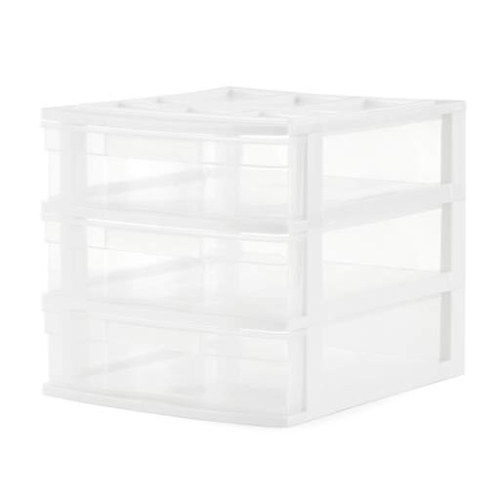
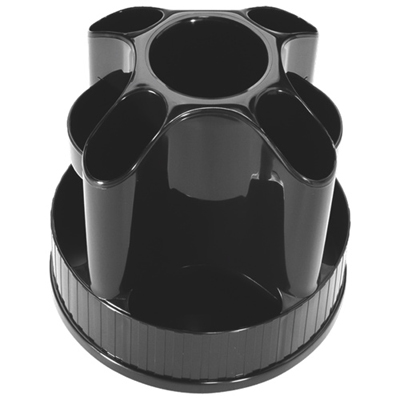
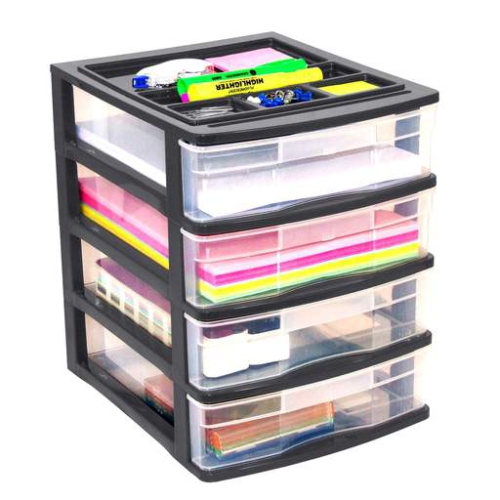
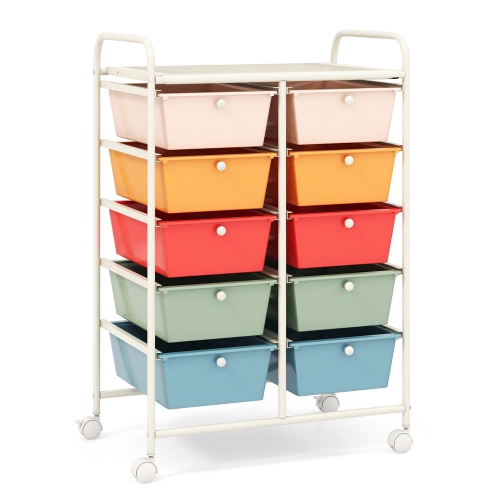
Desk organizers for productivity give everyday supplies a consistent home, helping keep the work surface clear and frequently used tools within easy reach. A pen that is always beside the notebook, a designated spot for incoming paperwork, and a small compartment for loose clips can make the transition between tasks feel less interrupted. Different organizer layouts suit different kinds of work. Open compartments keep writing tools and sticky notes visible, while shallow drawers contain small accessories that might otherwise disappear beneath papers. Vertical file sorters separate folders without spreading them across the desk, and stackable trays create distinct spaces for documents awaiting attention and work that is ready to file. For someone who moves between handwritten notes, printed forms, and computer tasks, a combination of these formats can be more useful than a single large container. The arrangement matters as much as the number of compartments: a few well-sized sections often serve daily routines better than many narrow spaces that cannot hold the supplies being used. A rotating organizer can bring smaller tools within reach without requiring access from every side, while a low-profile tray leaves more open space around a keyboard or writing pad. Open mesh makes contents easy to identify, whereas solid-sided storage creates a quieter appearance by concealing loose supplies. Neither approach is inherently better; the right balance depends on whether visible reminders support the task or become a distraction. Paper-heavy work benefits from clear separation between document categories, while a mostly digital desk may need little more than storage for charging leads, a notebook, and writing tools. Keeping the most-used supplies close and occasional-use materials farther back helps preserve a comfortable working area. The practical benefit is not simply a tidier desk, but fewer moments spent moving piles aside or searching for the tool needed to finish a task.
Materials, proportions, and construction influence how a desk organizer feels in daily use and how well it holds up over time. Metal mesh offers visibility and can suit busy workspaces where supplies are handled frequently; smooth edges and a stable frame are important around hands, cables, and desktop finishes. Solid metal designs can feel substantial, although their weight and any contact points deserve attention on delicate surfaces. Wood brings warmth and texture, with finishes that vary in their resistance to marks and moisture. Clear plastic or acrylic keeps contents visible without the patterned appearance of mesh, while opaque plastic can conceal a mixture of colours and shapes. Fabric-lined compartments and felt surfaces may soften contact with small accessories, but they can also collect dust or ink marks. Care depends on the material and the manufacturer’s directions: many hard surfaces need only gentle wiping, while porous finishes and fabric sections may require a different approach. Spills are best addressed promptly, and abrasive cleaners can damage coatings or leave clear surfaces looking cloudy. Fit involves more than the organizer’s outside measurements. A document tray needs enough internal space for the paper format being used, whether that is letter, legal, or A4, and a file slot must accommodate the thickness of filled folders rather than empty ones alone. Deep pen compartments should still allow shorter tools to be retrieved comfortably. Drawer-based storage needs clearance to open without hitting a keyboard, chair arm, or nearby equipment, and taller units should not obstruct a monitor or interfere with shelving above the desk. On compact surfaces, a narrow footprint can be useful, but stability remains important when compartments are unevenly loaded. Non-slip feet or protective pads, where included, can help limit movement and contact marks. Stackable designs benefit from secure alignment, and removable sections offer flexibility when routines change. Durable organization comes from matching the structure to its intended load rather than filling every available space.
A useful desk setup also reflects the person using it. Students may need room for course notes, highlighters, and stationery without losing the open area required for reading and writing. Someone working from home might prefer enclosed storage that lets a shared room return to a calmer appearance after the workday. In a shared office, clearly separated compartments can make communal supplies easier to return, while individual organizers keep personal working materials distinct. Creative work often calls for a different balance, with taller sections for drawing tools and accessible trays for small components. Even within the same household, one person may work best with everything visible while another prefers an uncluttered surface and drawers that conceal the details. Colour, texture, and shape can help an organizer blend with existing furniture, but visual consistency is most useful when it supports a layout that feels natural to use. A matching set is not essential; compatible heights, practical compartment sizes, and enough free surface space matter more than uniformity alone. Storage for small technology accessories deserves similar attention, particularly where charging leads, adapters, and portable devices share space with paperwork. An organizer can keep disconnected accessories together, but it should not pinch cables, block ventilation, or make connected equipment awkward to reach. Complementary Desk Accessories for Organization can help bring those surrounding details into a cohesive setup. Desk organizers can also make thoughtful gifts for someone beginning a new role, setting up a study area, or furnishing a home office, especially when the size and style suit an existing workspace. Modular pieces offer room to adapt without committing to a large fixed arrangement. Over time, the most effective organizer is one that remains easy to use: supplies have obvious places, finished paperwork does not crowd active work, and a brief tidy-up restores the surface without a complete rearrangement.
Top selling and popular products
-
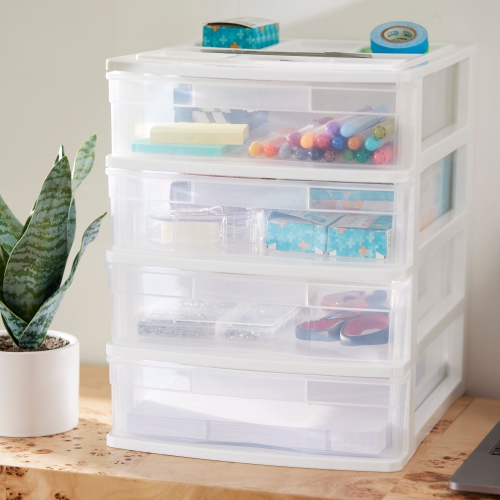 Your price for this item is $143.99
-
 Your price for this item is $56.99
-
 Your price for this item is $61.99
-
 Your price for this item is $309.99
-
 Your price for this item is $259.99
-
 Your price for this item is $19.99
-
 Your price for this item is $745
-
 Your price for this item is $47.99
Discover more categories related to Desk Organizers for Productivity

Top Collections:
Pokemon Centers, Best Cameras for Sports Photography, Kindle Devices, Samsung Galaxy Phones, Canon G7X Cameras, Pokémon 30th Celebration Cards, Refurbished Apple Laptops, iPhone 15 Apple, Laptops for Students, Budget Smartphones
Some products may be subject to Environmental Handling Fees
(EHF) depending on your province.
Learn more about EHFs.