Document Envelopes
Organize and protect your important paperwork with our wide selection of document envelopes. Whether you're storing legal documents, business contracts, or personal files, these versatile envelopes provide a secure and convenient solution. Designed to keep your papers safe from damage, dust, and moisture, our document envelopes come in various sizes and styles to suit your specific needs. With durable construction and easy-to-use closures, these envelopes are perfect for home offices, businesses, and students alike. Find the perfect document envelope to keep your paperwork in order and easily accessible.
Sort

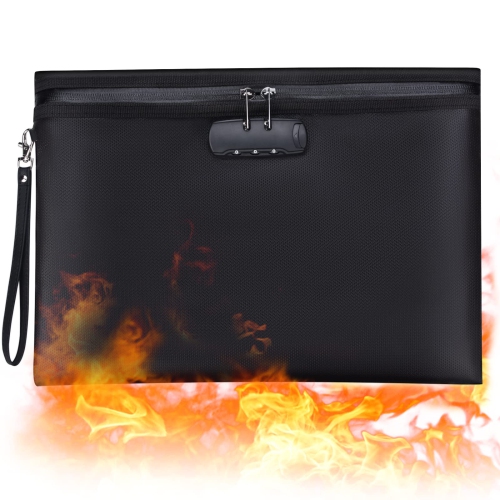
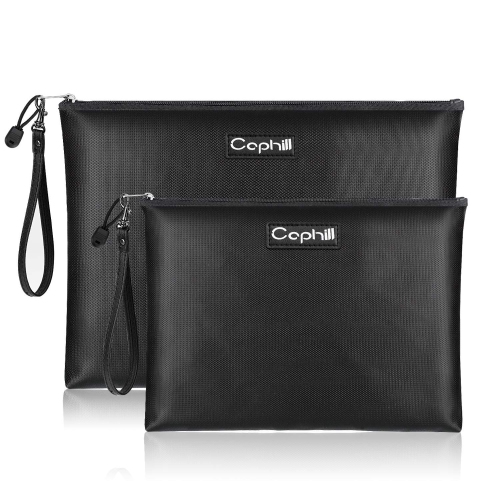
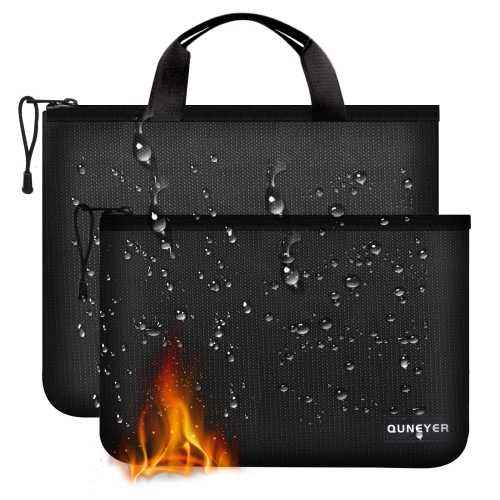
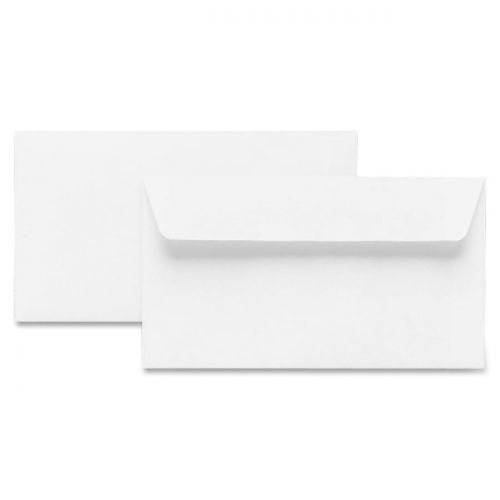
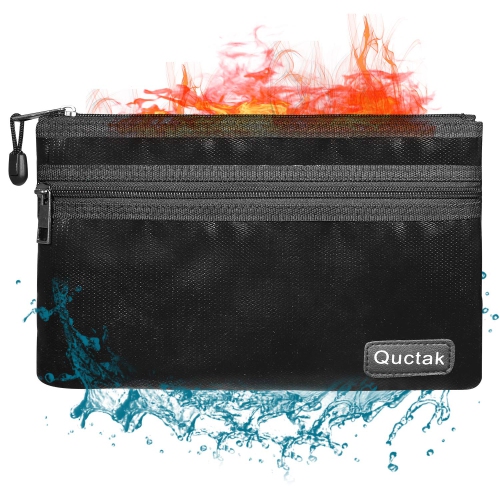
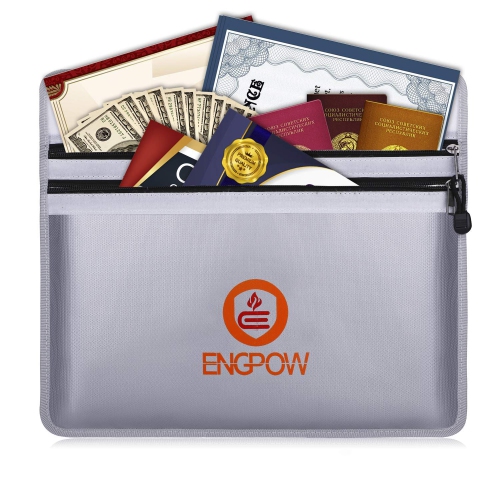

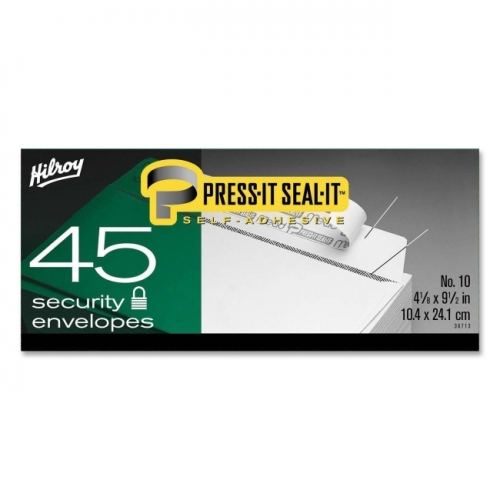
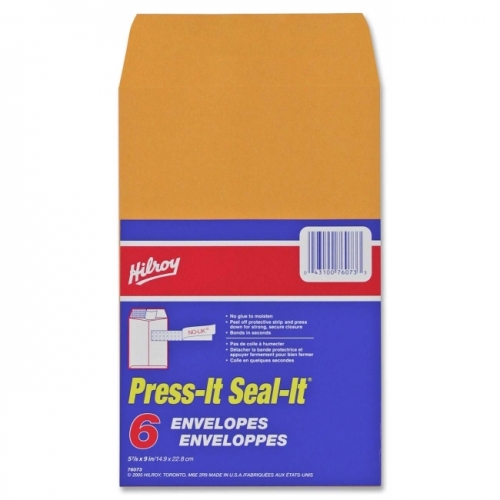
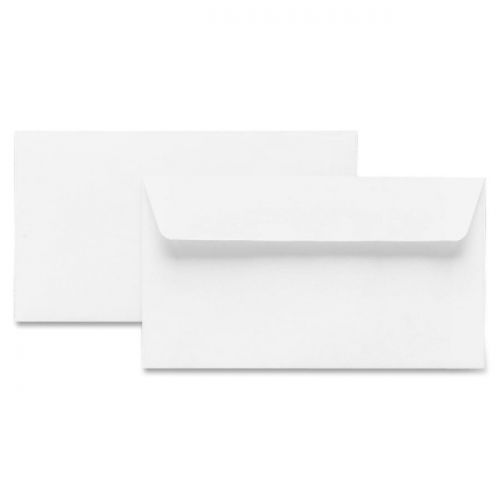
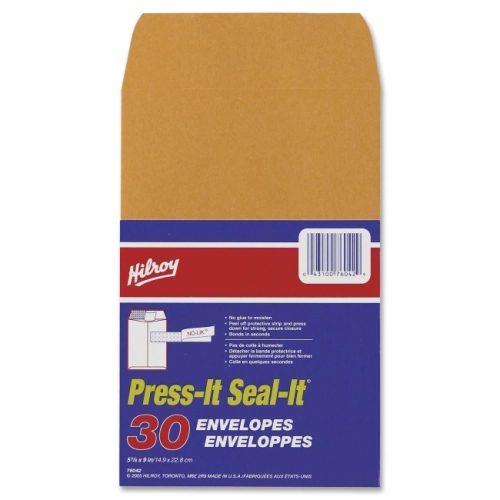
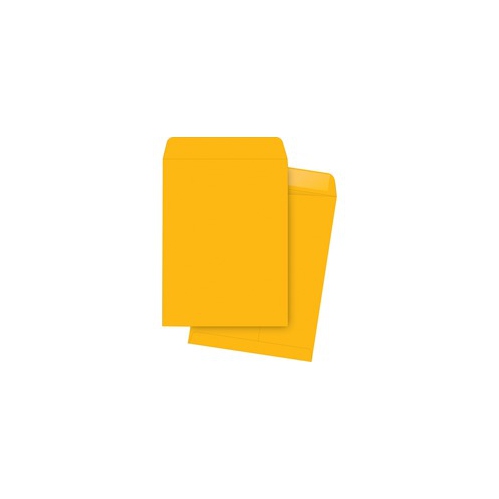
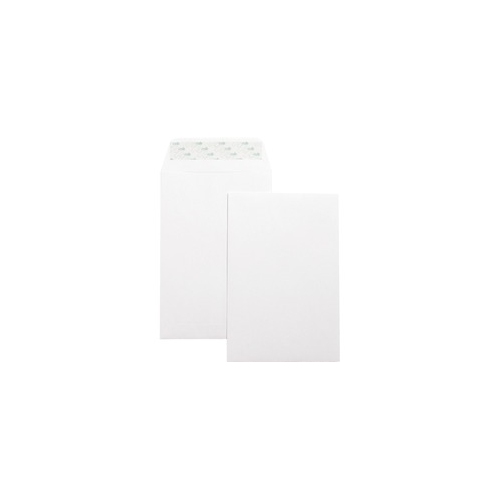
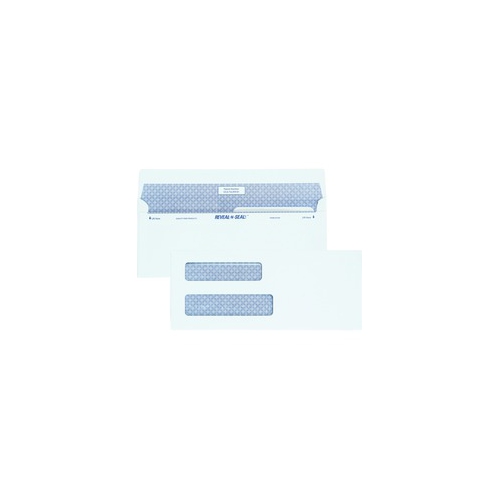
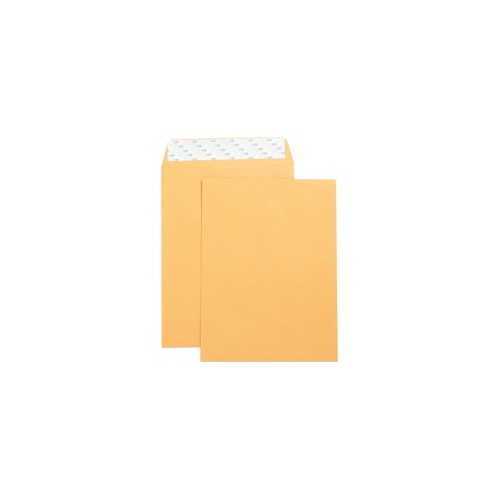
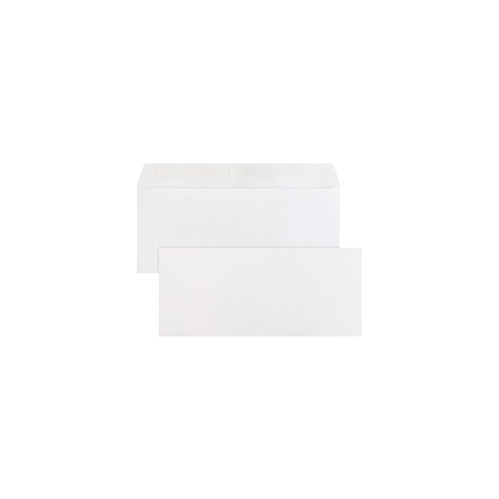
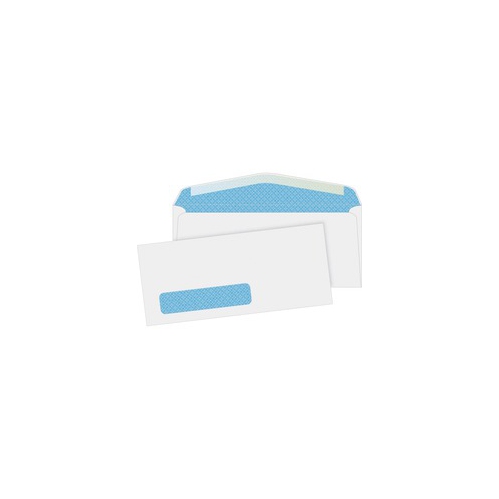

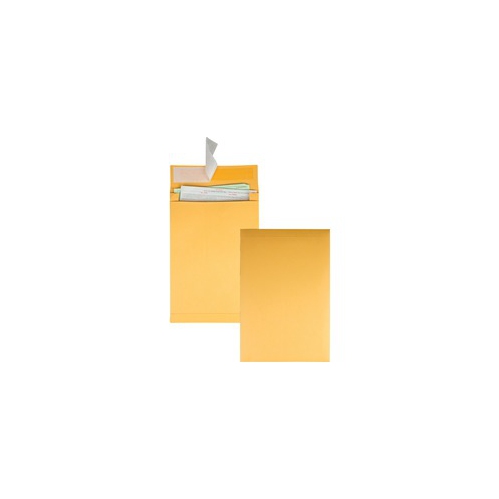
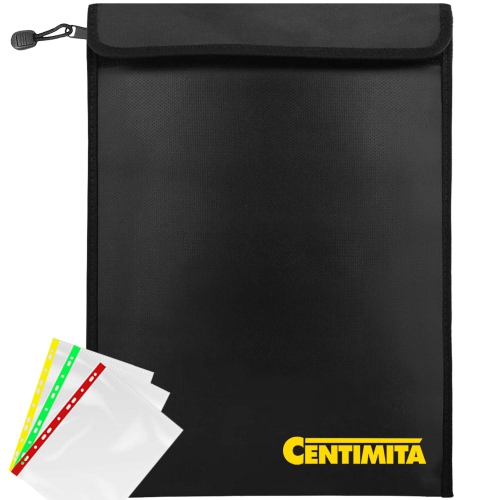
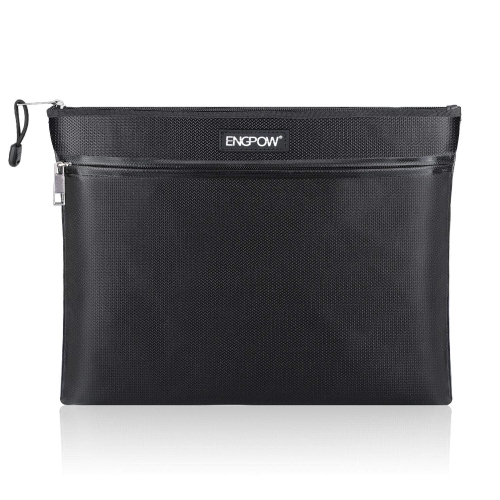
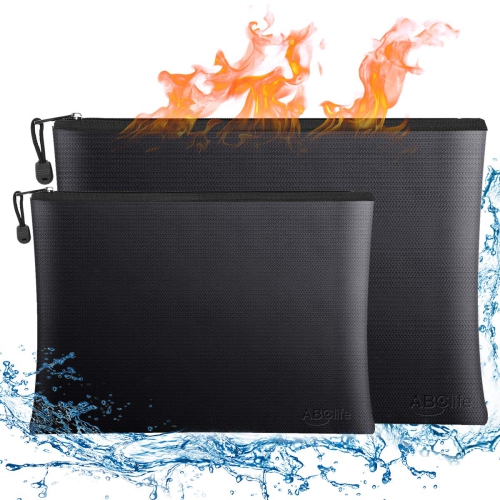
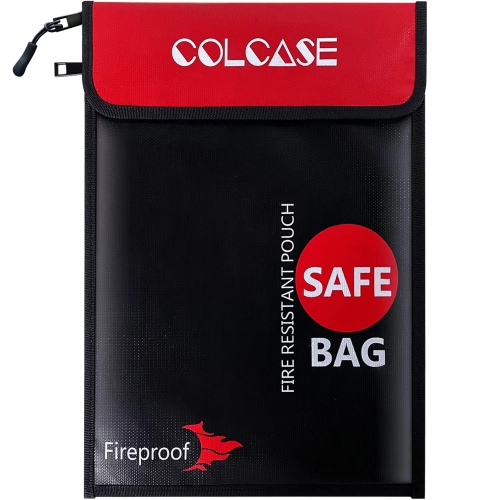
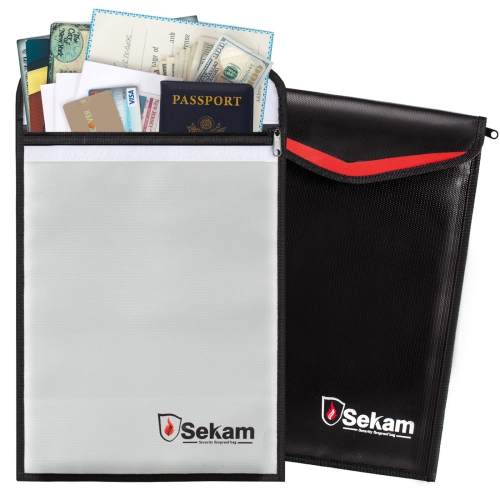
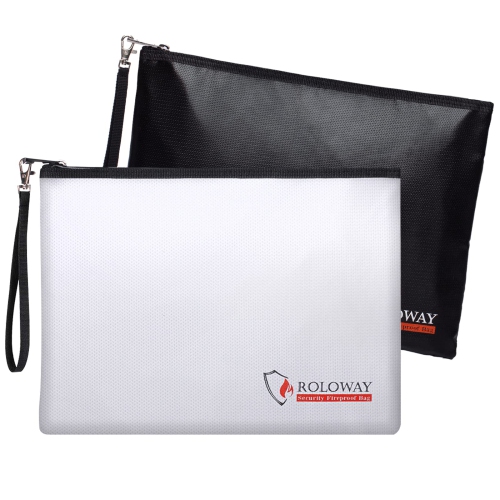
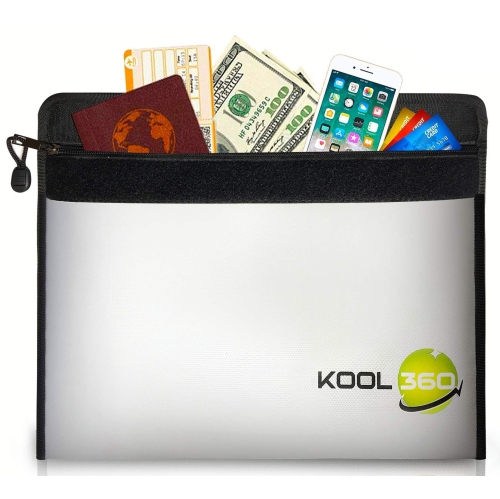
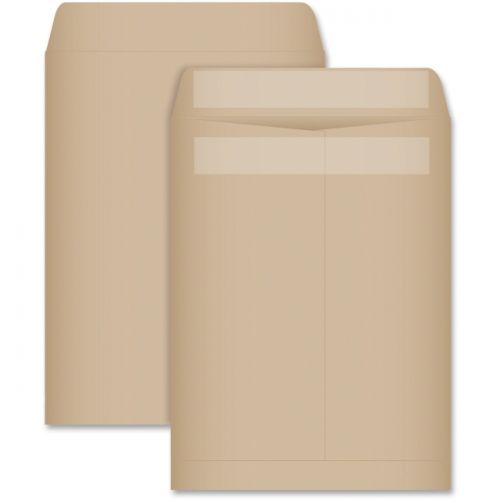

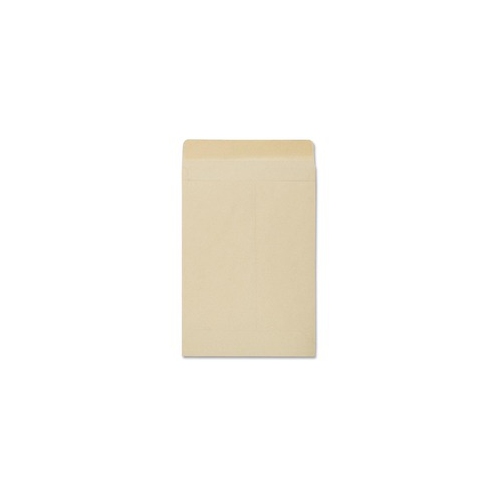
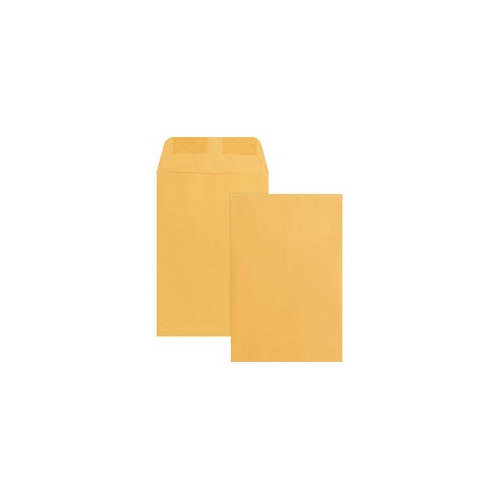
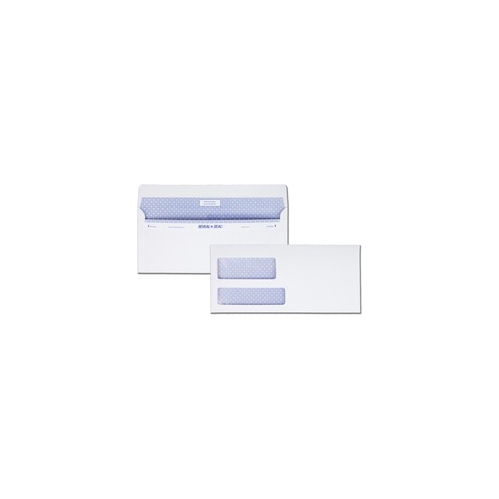
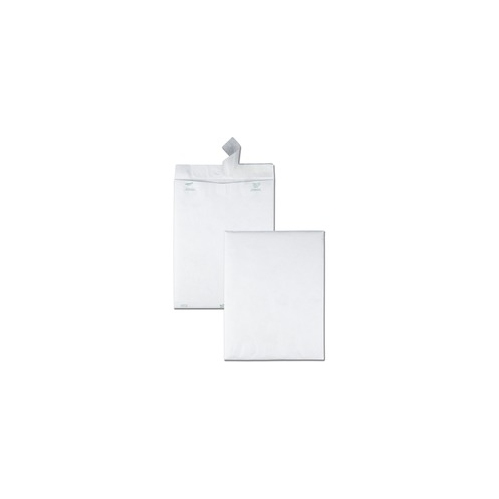
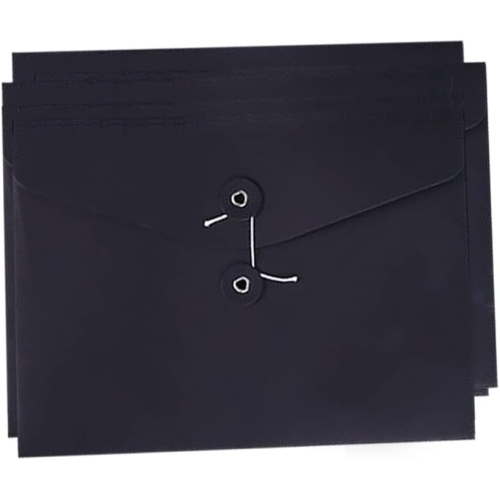
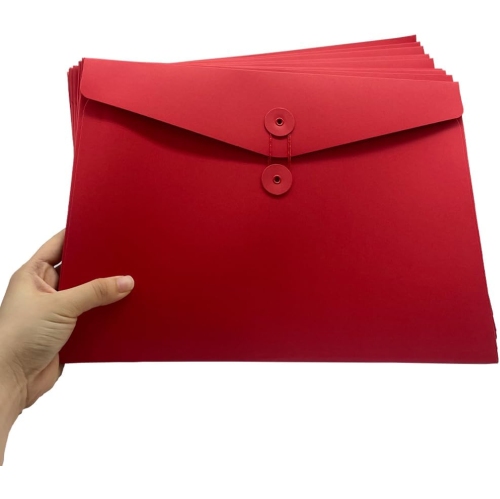
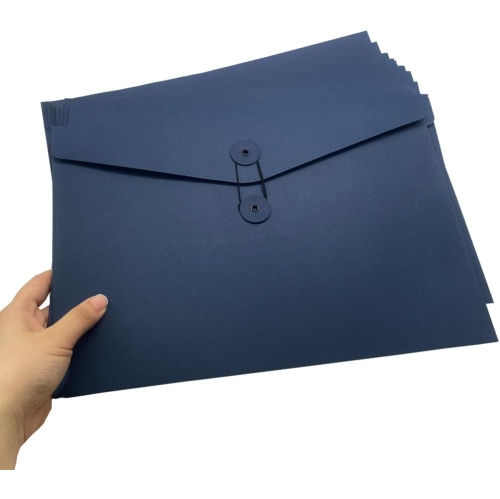
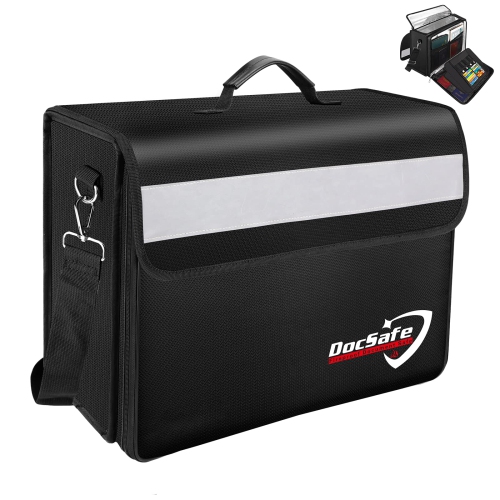
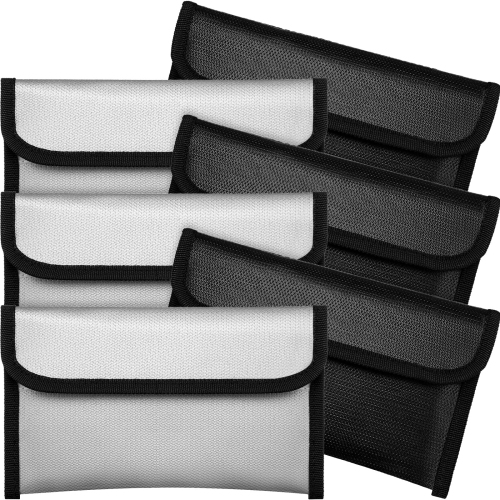
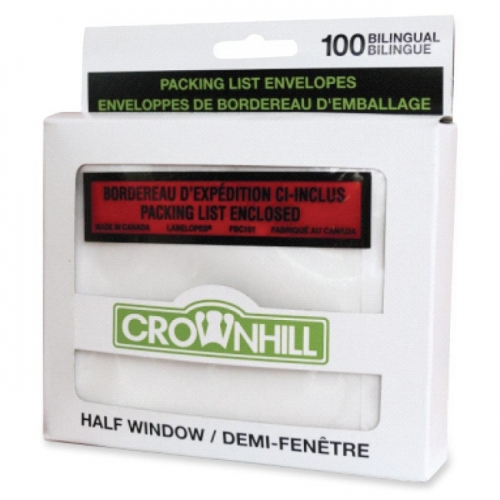
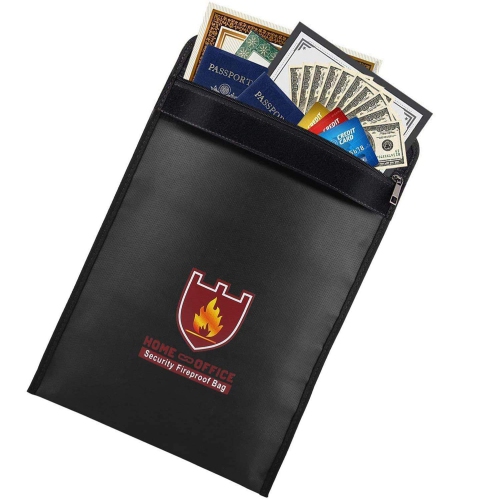
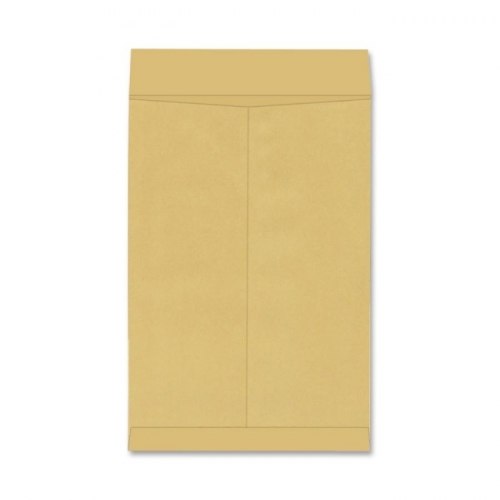
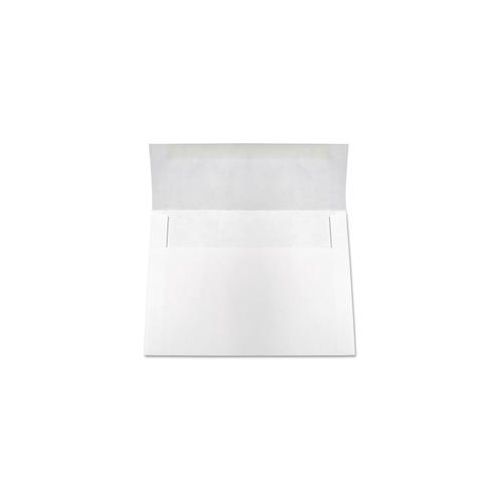
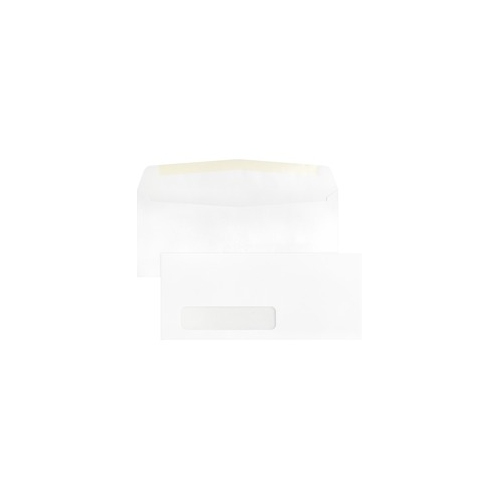
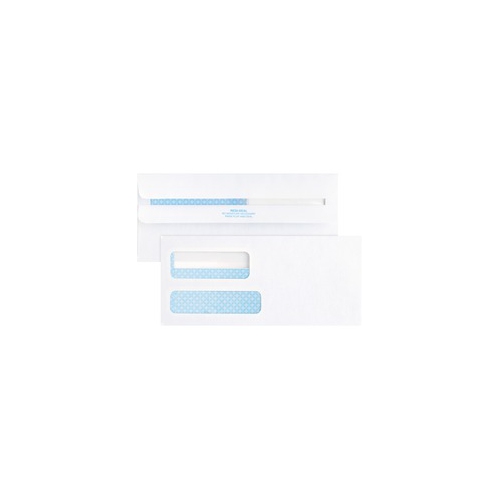
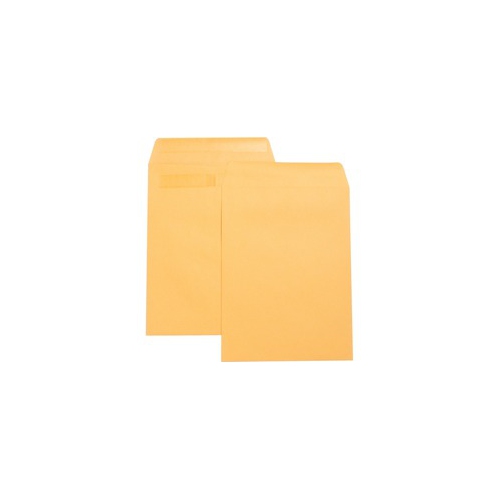

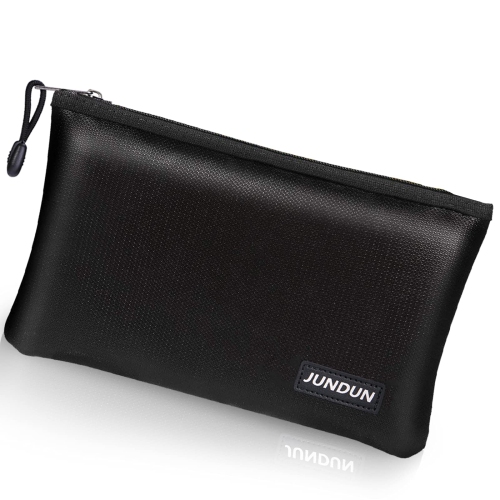
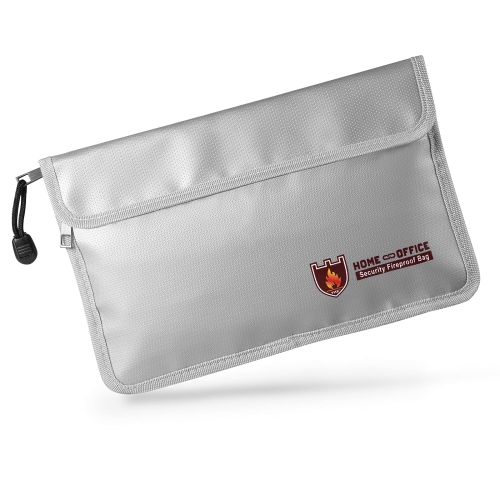
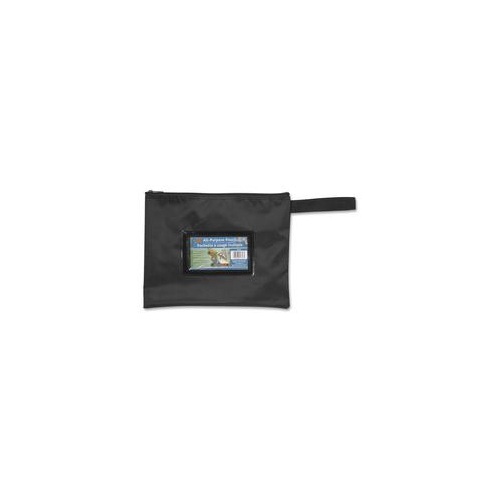
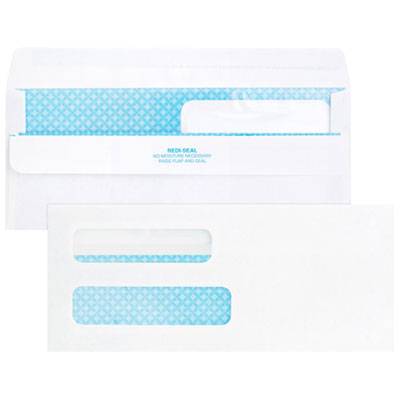
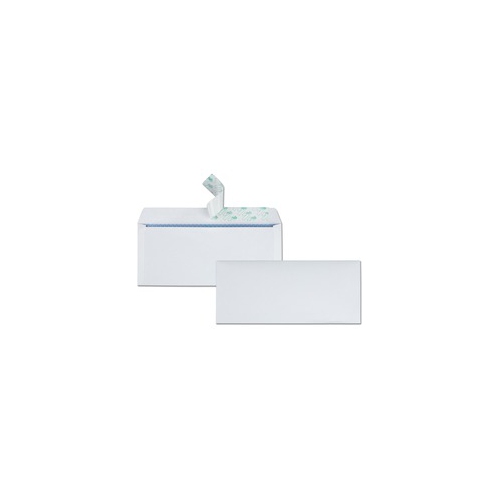
From folded letters to flat legal papers, protection matters
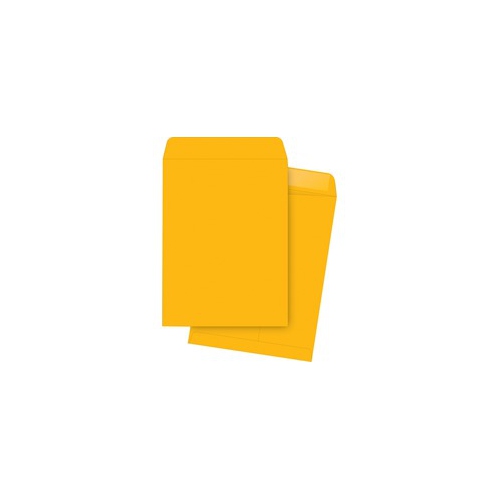
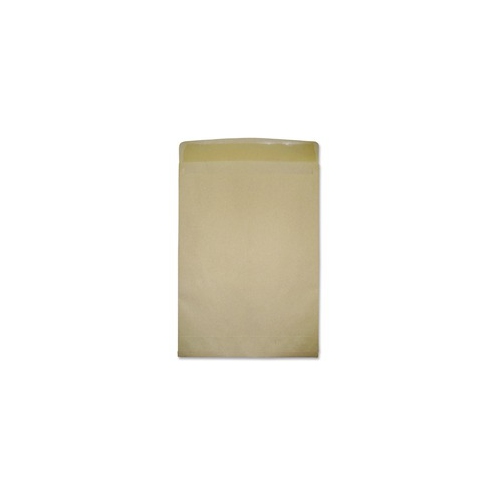
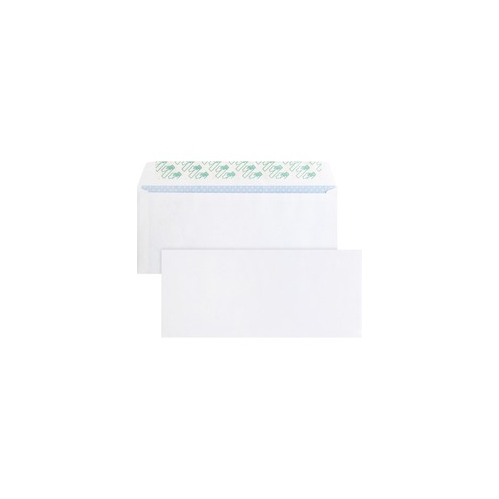
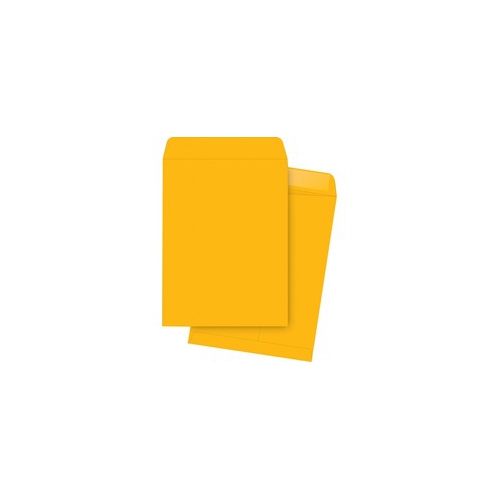
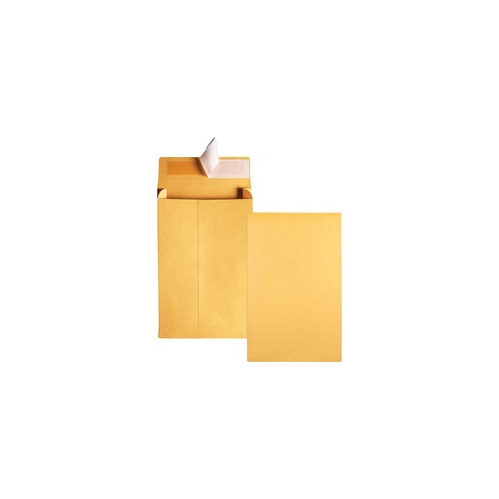
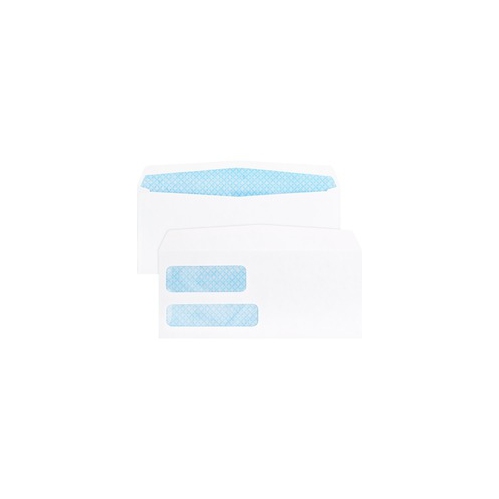
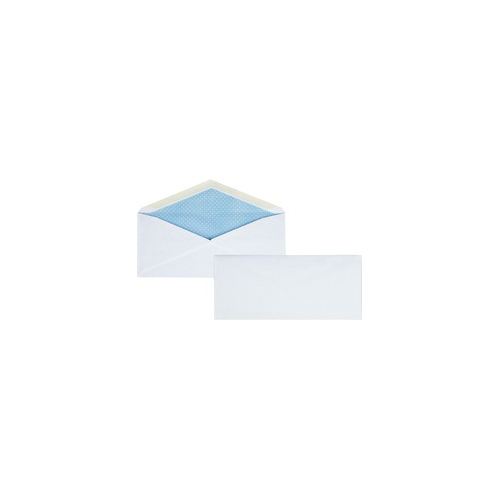
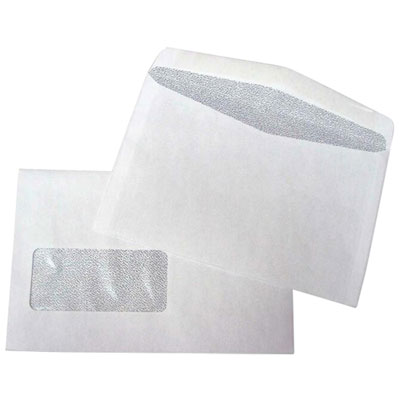
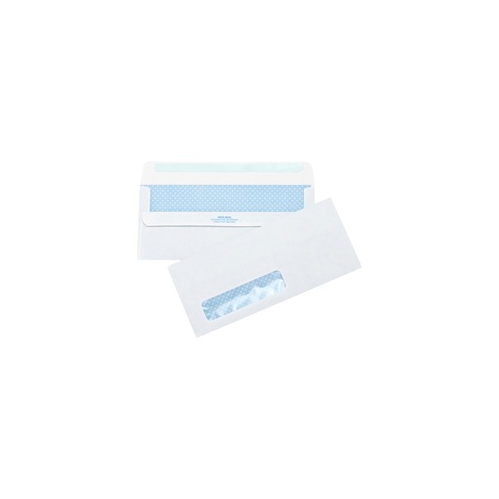
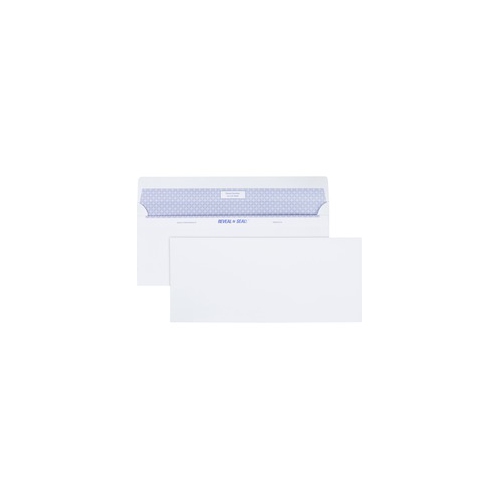
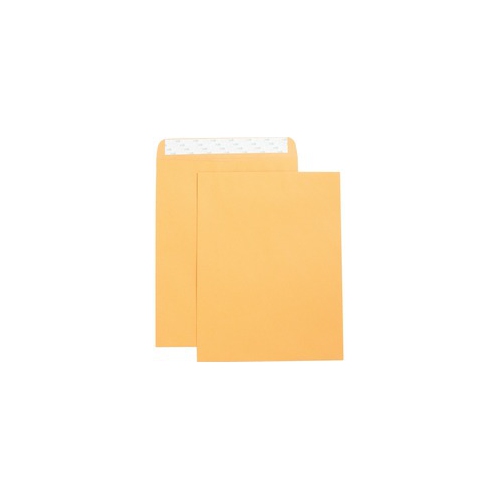
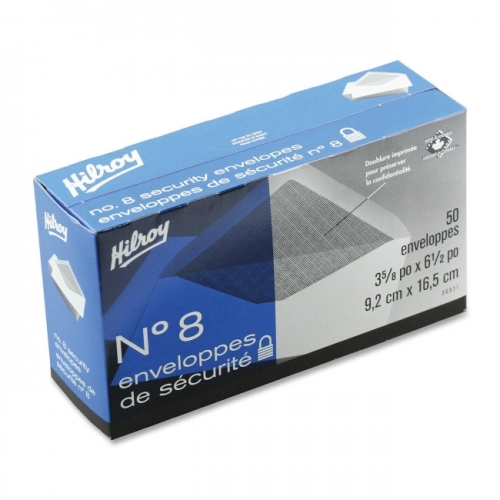
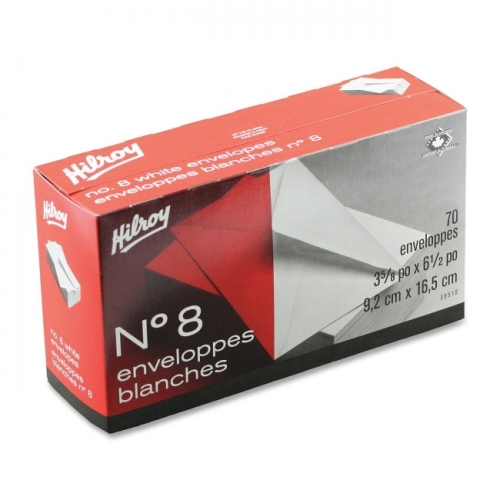
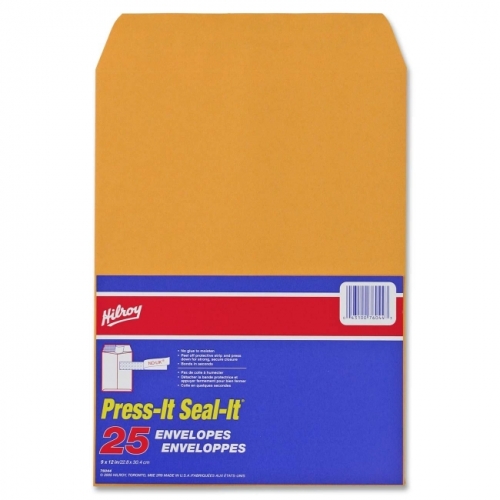
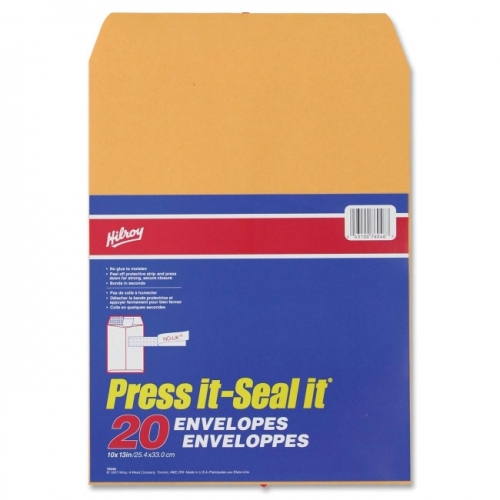
Document envelopes provide a practical way to mail, store, and organize paperwork while helping documents arrive neat, legible, and protected. The right choice depends first on how the papers will be used. Standard #10 mailing envelopes measure approximately 4-1/8 x 9-1/2 inches and are designed for letter-size pages folded into thirds, making them useful for invoices, cheques, statements, correspondence, forms, and other everyday paperwork. For pages that should remain flat, catalog or kraft envelopes in sizes such as 9 x 12 inches can accommodate letter-size documents without folding, along with brochures, photographs, certificates, small booklets, and multi-page packages. Legal envelopes, commonly sized around 9-1/2 x 15 inches, are made to hold 8-1/2 x 14-inch legal documents flat, which is helpful for contracts, real estate papers, court forms, architectural drawings, and other longer pages. Before selecting a pack, measure the largest document you plan to enclose and allow a little extra room for thickness. A snug fit can bend corners or make sealing awkward, while an oversized envelope may allow papers to shift during handling. It is also worth considering whether the envelope needs a window for a printed address, a gummed flap for traditional sealing, a self-seal closure for quick preparation, or a clasp, button, adhesive strip, or other reusable closure for documents that will be accessed more than once.
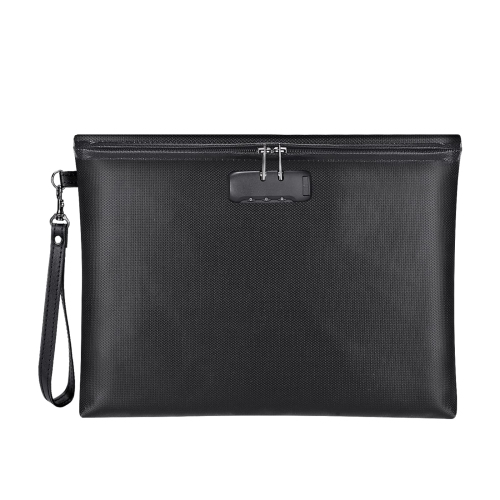
Material and construction make a noticeable difference in everyday use. Paper mailing envelopes are a natural fit for routine correspondence and outgoing paperwork, with options ranging from lightweight formats for a few sheets to heavier kraft styles for thicker or more valuable contents. A reinforced flap, strong seams, and a firm surface can help an envelope hold its shape as it moves through a bag, drawer, courier pouch, or postal system. For items that need to stay visible and easy to sort, clear or frosted plastic envelopes can be useful at a desk, in a filing cabinet, or inside a briefcase. Poly envelopes with snap buttons, hook-and-loop fasteners, or zippers are especially convenient for receipts, instruction sheets, travel documents, school forms, project notes, and other papers that may be handled repeatedly. Consider the writing surface as well: a smooth exterior is easier to address neatly, while a translucent finish can help identify contents without opening the envelope. For mailing, check the envelope’s dimensions and closure style against postal requirements, and leave enough clear space for the recipient’s address, return address, postage, and any required handling marks. If documents contain sensitive information, an opaque material and secure closure can provide more privacy than a transparent format. Sorting envelopes by size or purpose can also save time; for example, smaller mailing envelopes can be kept near a printer, larger flat envelopes stored with forms, and reusable document holders assigned to active projects or household records. Pairing organized paperwork with the right Document Software can make it easier to prepare, print, label, and manage files before they are sent or stored.
Document envelopes are useful well beyond a traditional office. Students can use them to carry assignments, presentation materials, art prints, permission forms, and reference notes without stuffing everything into a backpack. Families may keep medical paperwork, insurance records, receipts, warranties, school documents, or travel confirmations together in clearly labelled envelopes. In a home office, separate envelopes can help keep tax documents, bills, correspondence, and project records from becoming a loose pile on a desk. Small businesses, clubs, and community groups can use them for invoices, registration forms, meeting materials, donation records, and handouts, while professionals who travel between appointments may appreciate a durable reusable format that keeps paperwork together in a briefcase or tote. They can also be a thoughtful practical gift for someone setting up a study area, starting a new job, moving into a home office, or preparing for a new school term, particularly when paired with labels, folders, or other desk organization supplies. As the weather warms and schedules become busier, flat envelopes can protect certificates, travel paperwork, and event materials in transit; during the cooler months, they can help keep household records and indoor projects orderly. Look for packs that match your typical volume so you have enough for recurring tasks without taking up unnecessary drawer space, and choose a consistent size system if you plan to label and file envelopes together. With the correct dimensions, material, closure, and level of protection, document envelopes make simple paperwork easier to prepare, carry, mail, and find when it matters.
Material and construction make a noticeable difference in everyday use. Paper mailing envelopes are a natural fit for routine correspondence and outgoing paperwork, with options ranging from lightweight formats for a few sheets to heavier kraft styles for thicker or more valuable contents. A reinforced flap, strong seams, and a firm surface can help an envelope hold its shape as it moves through a bag, drawer, courier pouch, or postal system. For items that need to stay visible and easy to sort, clear or frosted plastic envelopes can be useful at a desk, in a filing cabinet, or inside a briefcase. Poly envelopes with snap buttons, hook-and-loop fasteners, or zippers are especially convenient for receipts, instruction sheets, travel documents, school forms, project notes, and other papers that may be handled repeatedly. Consider the writing surface as well: a smooth exterior is easier to address neatly, while a translucent finish can help identify contents without opening the envelope. For mailing, check the envelope’s dimensions and closure style against postal requirements, and leave enough clear space for the recipient’s address, return address, postage, and any required handling marks. If documents contain sensitive information, an opaque material and secure closure can provide more privacy than a transparent format. Sorting envelopes by size or purpose can also save time; for example, smaller mailing envelopes can be kept near a printer, larger flat envelopes stored with forms, and reusable document holders assigned to active projects or household records. Pairing organized paperwork with the right Document Software can make it easier to prepare, print, label, and manage files before they are sent or stored.
Document envelopes are useful well beyond a traditional office. Students can use them to carry assignments, presentation materials, art prints, permission forms, and reference notes without stuffing everything into a backpack. Families may keep medical paperwork, insurance records, receipts, warranties, school documents, or travel confirmations together in clearly labelled envelopes. In a home office, separate envelopes can help keep tax documents, bills, correspondence, and project records from becoming a loose pile on a desk. Small businesses, clubs, and community groups can use them for invoices, registration forms, meeting materials, donation records, and handouts, while professionals who travel between appointments may appreciate a durable reusable format that keeps paperwork together in a briefcase or tote. They can also be a thoughtful practical gift for someone setting up a study area, starting a new job, moving into a home office, or preparing for a new school term, particularly when paired with labels, folders, or other desk organization supplies. As the weather warms and schedules become busier, flat envelopes can protect certificates, travel paperwork, and event materials in transit; during the cooler months, they can help keep household records and indoor projects orderly. Look for packs that match your typical volume so you have enough for recurring tasks without taking up unnecessary drawer space, and choose a consistent size system if you plan to label and file envelopes together. With the correct dimensions, material, closure, and level of protection, document envelopes make simple paperwork easier to prepare, carry, mail, and find when it matters.
Top selling and popular products
-
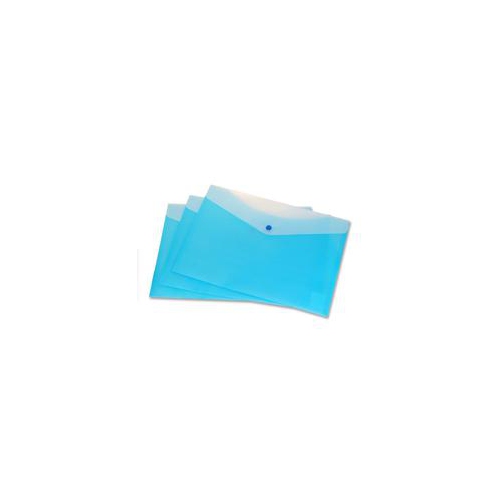 Your price for this item is $4.99
 -
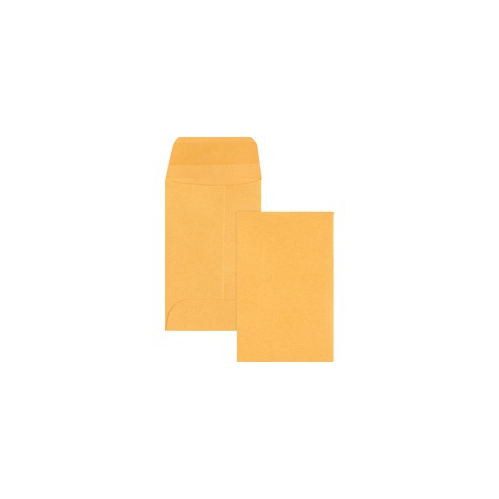 Your price for this item is $23.99
 -
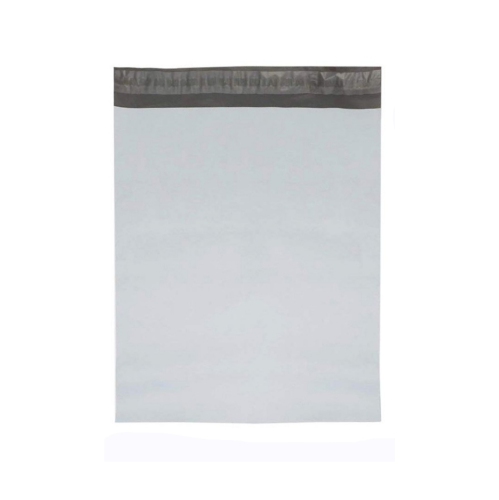 Your price for this item is $22.99
 -
 Your price for this item is $3.99
 -
 Your price for this item is $3.99
 -
 Your price for this item is $14.99
 -
 Your price for this item is $6.99
 -
 Your price for this item is $6.99
Discover more categories related to Document Envelopes

Top Collections:
Pokemon Centers, Kindle Devices, Best Budget Office Chairs, Apple iPhones 16, Best Laptops for Writers, iPhone 15 Apple, Canon G7X Cameras, Refurbished Apple Laptops, Alarm Clock, Motorola Razr Phones
Some products may be subject to Environmental Handling Fees
(EHF) depending on your province.
Learn more about EHFs.