Drawing Gel Pens
Whether you're an aspiring artist, a doodler, or simply someone who loves to add a pop of color to their everyday life, our collection of drawing gel pens is sure to ignite your creative spark. With a wide range of vibrant hues and smooth gel ink, these pens are perfect for sketching, coloring, writing, or adding intricate details to your artwork. Explore our selection of high-quality gel pens that offer precision, comfort, and endless possibilities for expressing your unique style and imagination.
Sort
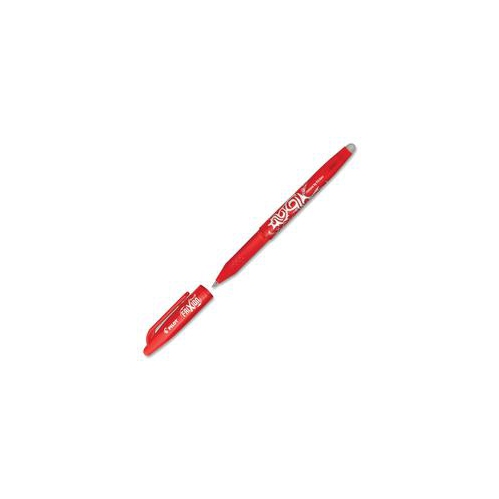
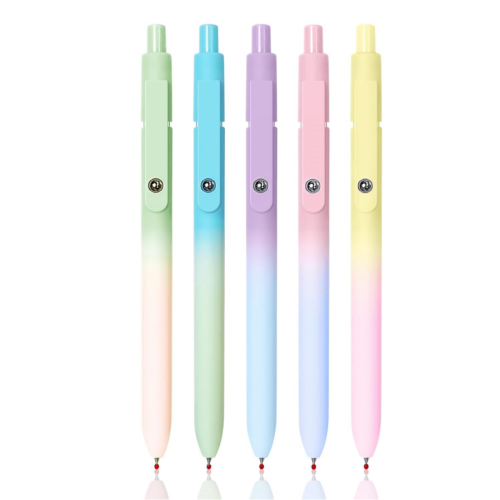
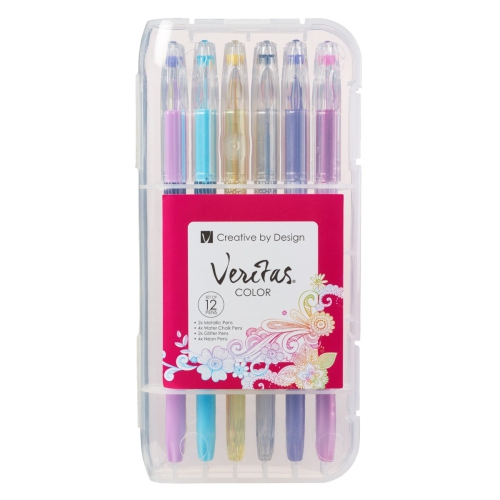
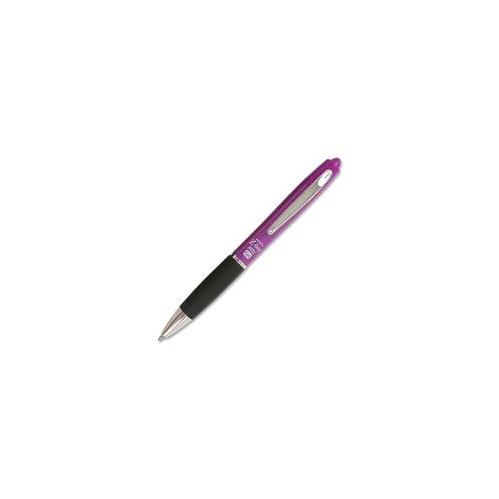
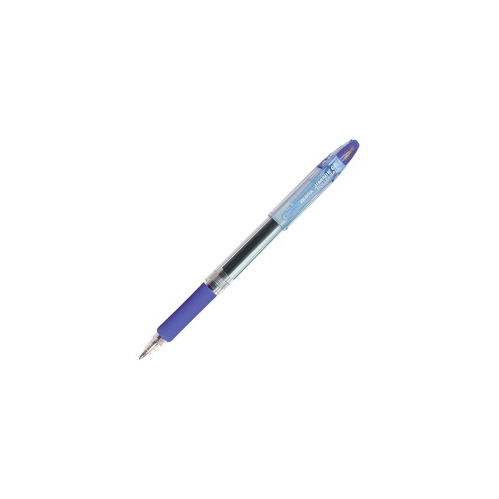

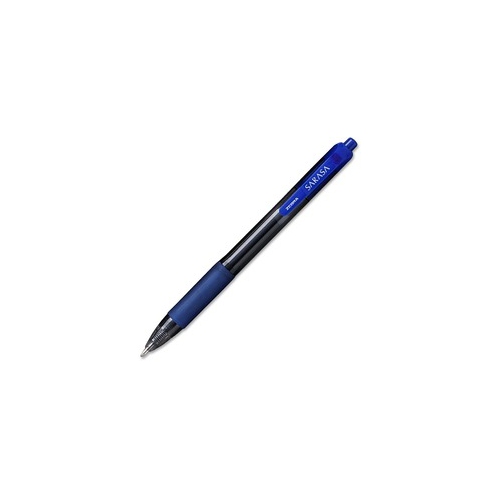
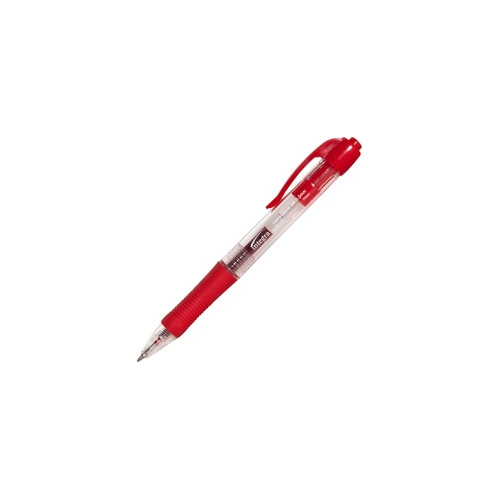
Bright highlights and smooth layers bring drawings to life
Drawing gel pens are a versatile choice for sketching, doodling, lettering, colouring, and mixed-media artwork. Their smooth rollerball tips lay down creamy ink with strong colour payoff, making them especially appealing when you want lines that look bright and polished rather than faint or scratchy. Depending on the formula, gel ink may be translucent, metallic, glittered, pastel, neon, or highly opaque, so a collection can add far more variety than standard black drawing tools. White gel pens are particularly useful for placing crisp highlights over darker colours, such as the glint in an eye, a shine on glass, reflected light on water, or fine strands in a shaded hairstyle. Coloured gel pens can be used for outlines, pattern work, decorative borders, mandalas, comic-style details, and small illustrations that benefit from saturated accents. They are also a practical addition to a broader art collection for anyone who enjoys combining ink with coloured pencils, markers, watercolour, or graphite. People who prefer delicate line art may appreciate fine tips in the 0.3 mm to 0.5 mm range for cross-hatching, facial features, lettering, and tiny textures, while medium and bold tips around 0.7 mm to 1.0 mm are better suited to expressive outlines, filling small areas, and making colour stand out. A mixed set of tip sizes gives beginners room to experiment and lets experienced artists switch easily between intricate detail and confident, heavier strokes. For a wider look at related options, browse Drawing Pens.
The surface beneath the ink has a noticeable effect on the finished drawing. Smooth, heavyweight paper generally allows the rollerball to move evenly, which is helpful for clean contours and consistent lettering. Rough or heavily textured paper can catch the tip, interrupting the ink flow and making fine lines appear broken, while very thin paper may show ink on the reverse side, buckle with heavier coverage, or allow colours to ghost through onto the next sheet. Sketchbooks, mixed-media pads, smooth cardstock, and other paper designed for wet or pigmented media are worth considering when a project involves several layers. Before starting an important illustration, test each colour and tip on a spare corner or a separate sheet of the same paper. This quick step reveals how the ink looks once dry, whether a pale shade is visible enough, and how much time is needed between layers. A light touch is usually the best approach: pressing firmly can slow the ballpoint, interrupt the flow, or leave grooves in the paper. Instead, guide the pen steadily and let the tip do the work. When building up colour, allow each layer to dry before drawing over it. Many gel inks need roughly one to two minutes, although drying time varies with the paper, the amount applied, and the surrounding conditions. Waiting helps prevent smudging, lifting, and muddy edges, especially in broad filled areas or close cross-hatching. Store pens with their caps secured and follow the orientation recommended for the set, since keeping the tip protected helps reduce drying and supports more reliable starts. If a pen skips, gently scribble on scrap paper rather than pressing harder; this can help re-establish a smooth flow without damaging the drawing surface.
Drawing gel pens suit a wide range of users, from children discovering colour and pattern to adults who use art as a quiet evening activity, and from students decorating notes to illustrators adding finishing touches to a detailed piece. They can be a thoughtful gift for someone who keeps a sketchbook, enjoys adult colouring pages, practises hand lettering, or likes creating handmade cards and scrapbook layouts. They are easy to share at a kitchen table, in a classroom, or during a relaxed craft session, and a varied colour assortment can encourage experimentation without requiring a large collection of other supplies. Gel pens also work well in mixed-media compositions: an artist might begin with a soft graphite outline, add coloured pencil or marker underneath, and then use a darker or opaque gel pen to strengthen shadows and a white pen to bring back pinpoint highlights. Some water-based gel inks can be gently moved with a water brush or damp cotton swab, creating a soft wash or pulling colour into an uninked area, but this effect depends on the ink and paper, so testing first is important. Metallic and glitter finishes can add texture to stars, jewellery, lettering, clothing details, and decorative borders, while opaque pastel shades can create visible marks on darker paper. During the warmer part of the year or the cooler months, these compact supplies are convenient for a creative project at home, in a studio, or while travelling. Choosing a set with comfortable barrels, dependable caps, useful tip sizes, and colours that match the intended style makes it easier to move from a quick doodle to a carefully layered drawing with confidence.
The surface beneath the ink has a noticeable effect on the finished drawing. Smooth, heavyweight paper generally allows the rollerball to move evenly, which is helpful for clean contours and consistent lettering. Rough or heavily textured paper can catch the tip, interrupting the ink flow and making fine lines appear broken, while very thin paper may show ink on the reverse side, buckle with heavier coverage, or allow colours to ghost through onto the next sheet. Sketchbooks, mixed-media pads, smooth cardstock, and other paper designed for wet or pigmented media are worth considering when a project involves several layers. Before starting an important illustration, test each colour and tip on a spare corner or a separate sheet of the same paper. This quick step reveals how the ink looks once dry, whether a pale shade is visible enough, and how much time is needed between layers. A light touch is usually the best approach: pressing firmly can slow the ballpoint, interrupt the flow, or leave grooves in the paper. Instead, guide the pen steadily and let the tip do the work. When building up colour, allow each layer to dry before drawing over it. Many gel inks need roughly one to two minutes, although drying time varies with the paper, the amount applied, and the surrounding conditions. Waiting helps prevent smudging, lifting, and muddy edges, especially in broad filled areas or close cross-hatching. Store pens with their caps secured and follow the orientation recommended for the set, since keeping the tip protected helps reduce drying and supports more reliable starts. If a pen skips, gently scribble on scrap paper rather than pressing harder; this can help re-establish a smooth flow without damaging the drawing surface.
Drawing gel pens suit a wide range of users, from children discovering colour and pattern to adults who use art as a quiet evening activity, and from students decorating notes to illustrators adding finishing touches to a detailed piece. They can be a thoughtful gift for someone who keeps a sketchbook, enjoys adult colouring pages, practises hand lettering, or likes creating handmade cards and scrapbook layouts. They are easy to share at a kitchen table, in a classroom, or during a relaxed craft session, and a varied colour assortment can encourage experimentation without requiring a large collection of other supplies. Gel pens also work well in mixed-media compositions: an artist might begin with a soft graphite outline, add coloured pencil or marker underneath, and then use a darker or opaque gel pen to strengthen shadows and a white pen to bring back pinpoint highlights. Some water-based gel inks can be gently moved with a water brush or damp cotton swab, creating a soft wash or pulling colour into an uninked area, but this effect depends on the ink and paper, so testing first is important. Metallic and glitter finishes can add texture to stars, jewellery, lettering, clothing details, and decorative borders, while opaque pastel shades can create visible marks on darker paper. During the warmer part of the year or the cooler months, these compact supplies are convenient for a creative project at home, in a studio, or while travelling. Choosing a set with comfortable barrels, dependable caps, useful tip sizes, and colours that match the intended style makes it easier to move from a quick doodle to a carefully layered drawing with confidence.
Top selling and popular products
-
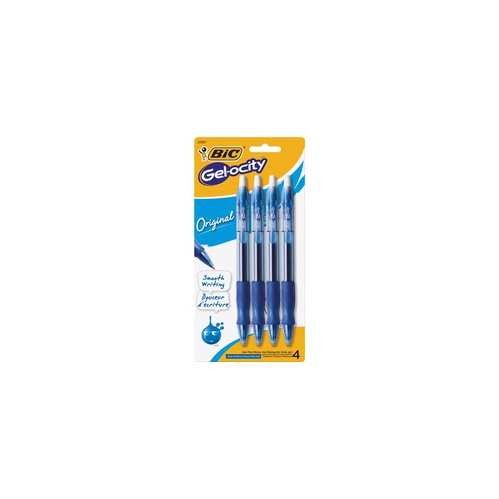 Your price for this item is $6.99
 -
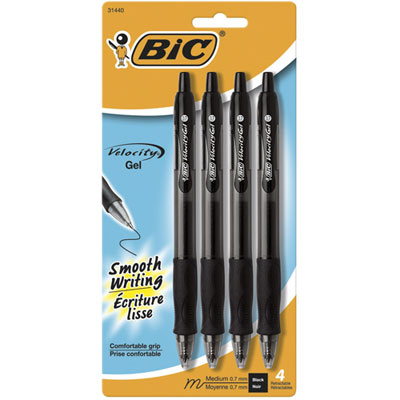 Your price for this item is $10.99
 -
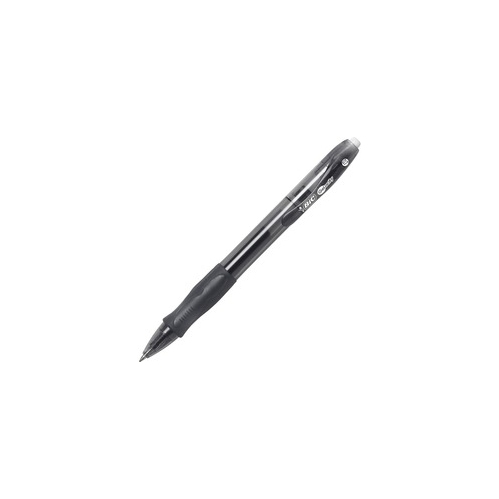 Your price for this item is $16.99
 -
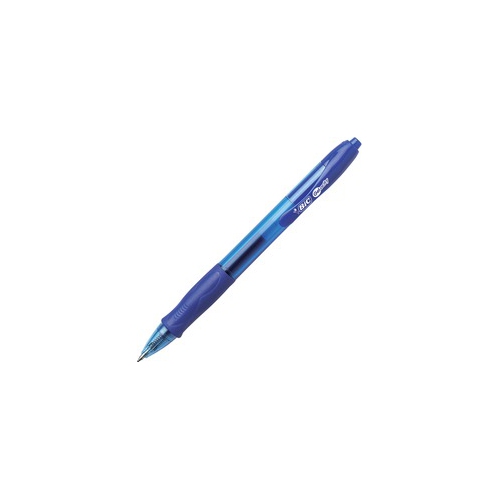 Your price for this item is $16.99
 -
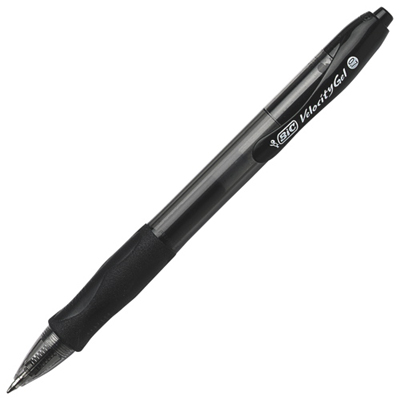 Your price for this item is $23.99
 -
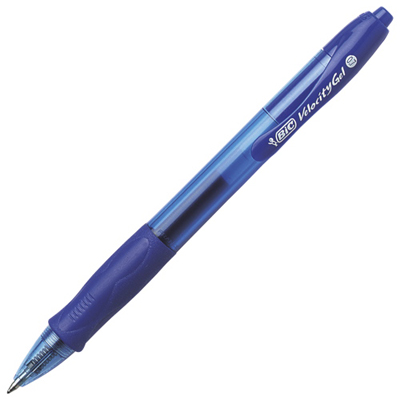 Your price for this item is $23.99
 -
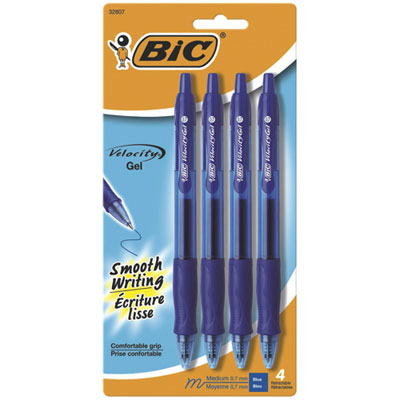 Your price for this item is $10.99
 -
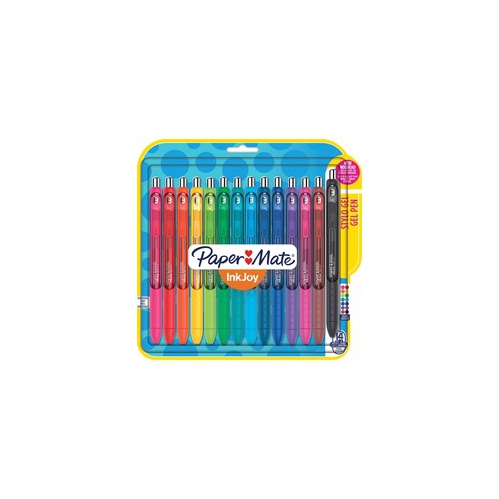 Your price for this item is $38.99
Discover more categories related to Drawing Gel Pens
Top Collections:
Best Laptops for Video Editing, Pokemon Centers, Samsung Z Fold, Kindle Devices, Best Cell Phones Under $300, Best Laptop Computers for Students, iPhone 15 Apple, Best Cell Phones Under $500, Alarm Clock, Canon G7X Cameras
Some products may be subject to Environmental Handling Fees
(EHF) depending on your province.
Learn more about EHFs.