DSLR AA Batteries
DSLR AA Batteries are essential for keeping your camera powered and ready to capture every moment. Whether you're on a professional shoot or enjoying a day of photography, having reliable batteries ensures you never miss a shot. Explore a wide selection of DSLR AA Batteries designed to deliver consistent performance and support your creative needs. Find the right fit for your camera and stay prepared for every photo opportunity.
Sort



Why AA batteries aren’t a fit for every DSLR
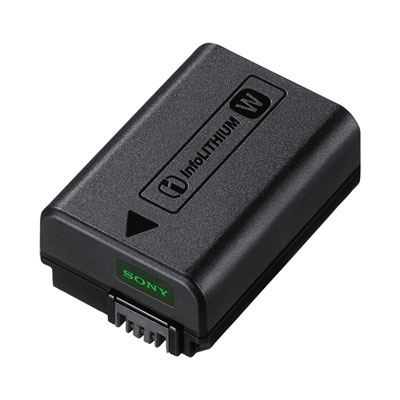
AA batteries for DSLR cameras are suitable for camera bodies or battery grips specifically designed to accept them. Most modern DSLRs use a dedicated rechargeable lithium-ion battery pack rather than loose AA cells. Some DSLR models accept AA batteries directly, while others can use them through a compatible battery grip fitted with the correct AA battery tray. These trays often hold four or six cells, although the required number and supported battery types vary by camera and grip. A flash that takes AA batteries does not mean the camera body accepts them too. This distinction matters when choosing spare power for a portrait session, a photography course or an afternoon spent capturing family photos. In a compatible setup, AA batteries may serve as the camera’s main power source or provide an alternative to its usual battery pack. The familiar cylindrical shape makes AA cells easy to recognize, but physical size alone does not establish compatibility. The camera’s supported battery chemistry, the grip’s electrical requirements and the tray’s contact arrangement all matter. A grip made for one camera body is not necessarily suitable for another, even when the bodies look similar. Likewise, a tray intended for AA cells is different from an insert that holds a dedicated camera battery. A grip can also change how the camera feels in hand, adding bulk beneath the body and, on some designs, providing controls for vertical shooting. For someone photographing a full-length portrait or framing a tall building, that arrangement may be useful, but it remains a feature of the grip rather than the batteries. AA battery options are therefore most relevant to photographers with a confirmed AA-compatible camera or grip, not as a universal replacement for DSLR battery packs. The camera and accessory manuals provide the reference for matching the format, cell count and supported chemistry.
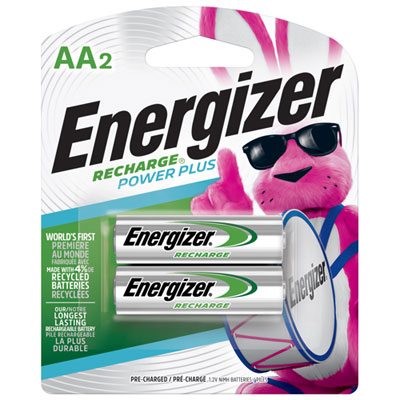
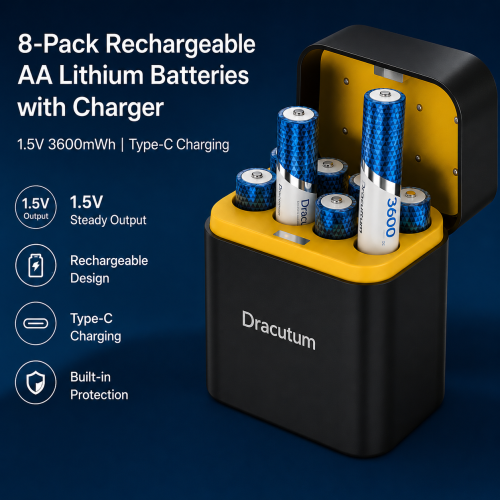
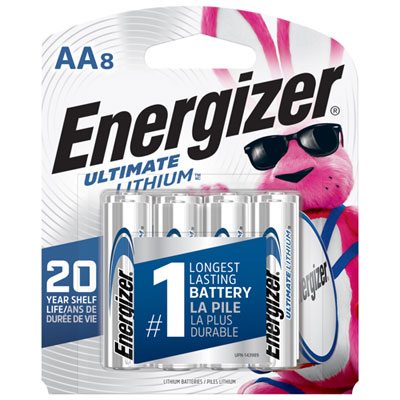
Battery chemistry influences how AA cells perform under the repeated power demands of photography. Alkaline AA batteries are non-rechargeable and may be an option where the equipment supports them, particularly for occasional use or a spare set kept in a camera bag. Rechargeable nickel-metal hydride batteries, commonly labelled NiMH, are often suited to repeated use in compatible camera equipment. Their ability to supply relatively high current can be useful when a camera is powering its display, autofocus and other functions throughout a shoot. Low-self-discharge NiMH cells are designed to retain more of their charge between uses than conventional NiMH cells, a practical consideration for a camera that comes out for family gatherings rather than daily assignments. Battery capacity is commonly expressed in milliamp-hours, or mAh, but that figure is not a guaranteed photo count. Comparisons are most meaningful between batteries of the same chemistry under similar test conditions. Actual runtime also depends on the camera, battery condition, screen use, image review and shooting habits. A photographer checking every frame on the rear display may have different power needs from someone working mainly through the optical viewfinder. Nominal voltage matters as well: NiMH AA cells are typically rated at 1.2 volts, while alkaline AA cells are typically rated at 1.5 volts. That difference does not by itself determine suitability, because compatible equipment is designed around particular battery characteristics. Non-rechargeable lithium AA batteries are another distinct type and are appropriate only where the camera or grip permits them. They are not interchangeable with higher-voltage lithium-ion cells that happen to resemble AA batteries in size. Rechargeable batteries also require a charger intended for their chemistry; ordinary alkaline and primary lithium cells are not designed for recharging. For regular photography, a compatible charger with individual charging channels can manage cells separately, while clear charge indicators help distinguish a ready set from one that still needs charging. Battery durability depends on cell quality, charging practices, storage and accumulated use, rather than capacity alone.
The practical details of keeping AA batteries together become especially noticeable during a busy shoot. A small battery case keeps a complete set organized and separates the terminals from keys, coins and other metal objects inside a camera bag. Clearly separated charged and used sets can prevent an interruption from turning into a search through loose cells while a subject waits. Batteries used together in a DSLR or grip are best treated as a matched set, with the same chemistry, capacity and similar age and charge condition. Mixing fresh and partly depleted cells can leave the weakest battery limiting the whole set, while mixing battery types can create performance and safety problems. Intact insulating sleeves, undamaged metal casings and clean terminals are important for dependable contact. Leaking, swollen or visibly damaged batteries are unsuitable for continued use, and a camera stored for an extended period is less exposed to battery leakage when its removable cells are taken out. Within a working photography kit, AA batteries may also power a compatible external flash, but the camera and flash still have separate requirements. A flash recycling after repeated bursts can use its batteries differently from a camera body, so spare sets for each device make organization easier. Students learning exposure, hobbyists practising portraits and experienced photographers maintaining a secondary kit may all have a use for AA batteries when their equipment supports them. As a gift, batteries or a charging setup are most useful when the recipient’s camera, grip and existing charger are already known; familiarity with the AA shape is not enough to establish a match. For shoppers whose camera requires a dedicated replacement pack instead, Sony DSLR Batteries is a related category, with compatibility still determined by the exact camera model. Whether the goal is a dependable spare set or repeat use across photography sessions, the strongest match brings together the correct format, supported chemistry, suitable charging equipment and straightforward storage.
Top selling and popular products
-
 Your price for this item is $11.99
-
 Your price for this item is $14.97
-
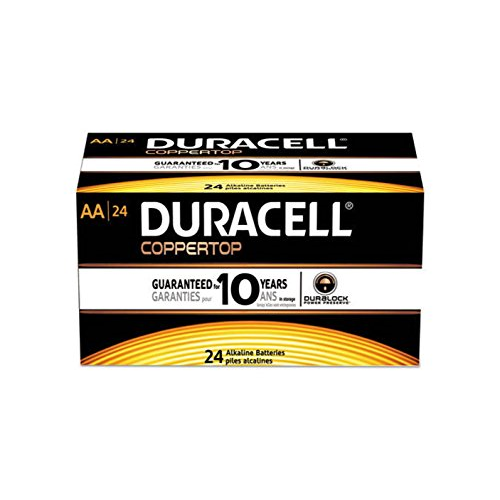 Your price for this item is $34.97
-
 Your price for this item is $22.97
-
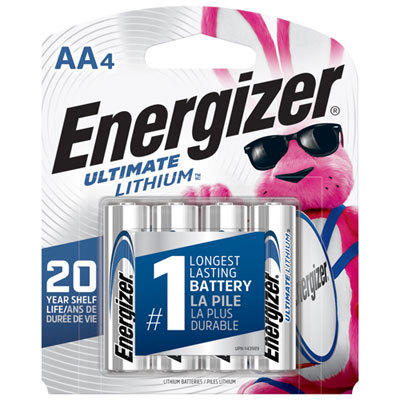 Your price for this item is $17.99
-
 Your price for this item is $26.55
-
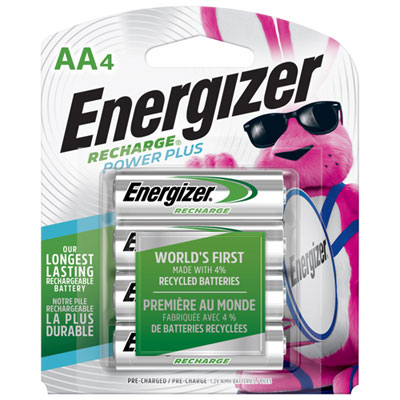 Your price for this item is $17.99
-
 Your price for this item is $10.99
Discover more categories related to DSLR AA Batteries
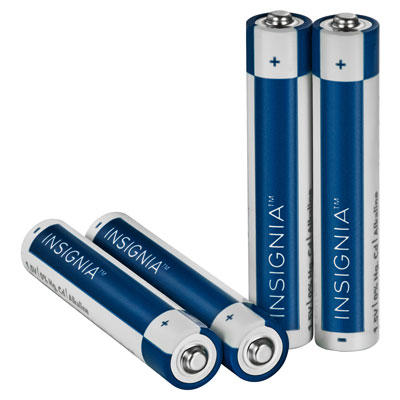
Top Collections:
Best Black Friday Deals This Year, Best Black Friday Deals On Electronics, Kindle Devices, Pokemon Centers, Best Black Friday Deals On Apple Products, Best Cameras for Sports Photography, Dyson Airwrap, Pokémon 30th Celebration Cards, Apple iPhone 17 Pro, Canon G7X Cameras
Some products may be subject to Environmental Handling Fees
(EHF) depending on your province.
Learn more about EHFs.