Embroidery Scissors
Embroidery scissors are an essential tool for any sewing enthusiast or professional crafter. With their sharp and precise blades, these specialized scissors make it easy to trim threads, snip delicate fabrics, and create intricate designs with ease. Whether you're working on a small embroidery project or tackling a larger sewing endeavor, having a reliable pair of embroidery scissors in your toolkit is a must. Explore our wide selection of embroidery scissors to find the perfect pair that suits your needs and elevates your crafting experience.
Sort
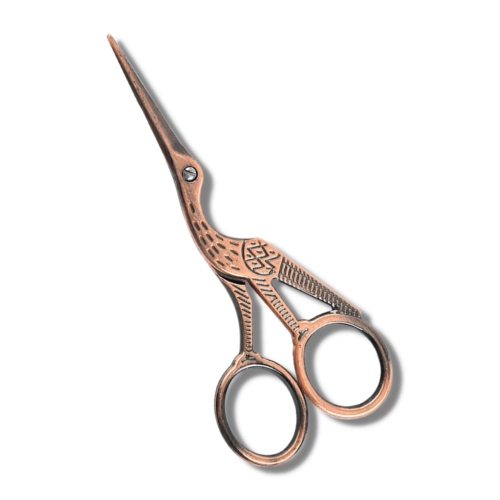
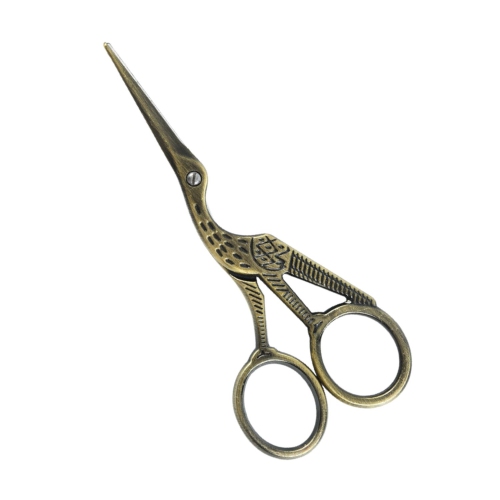
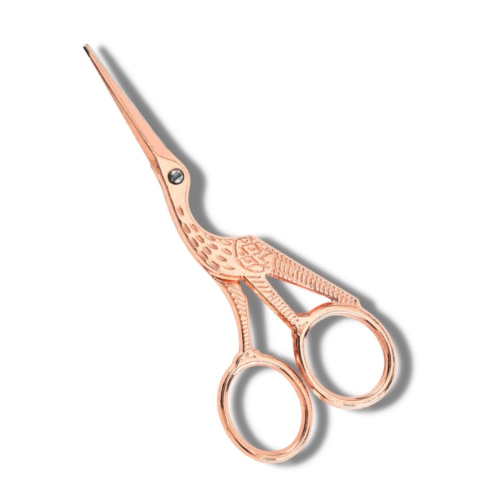
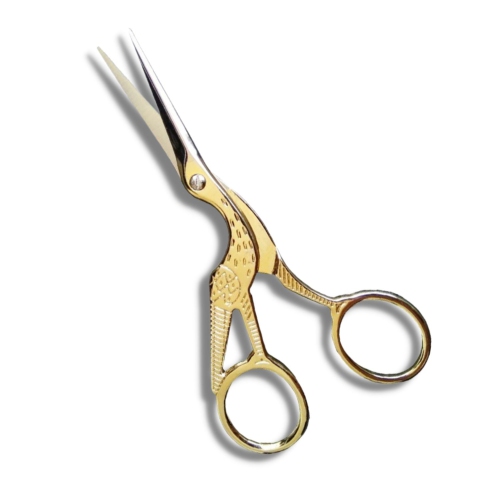
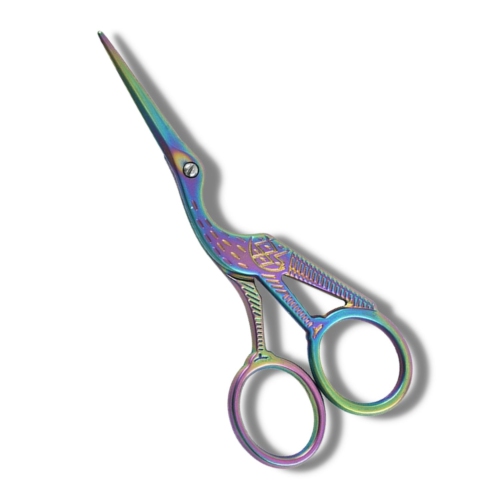
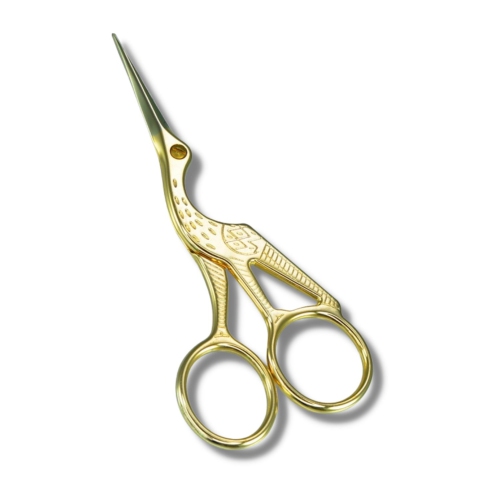
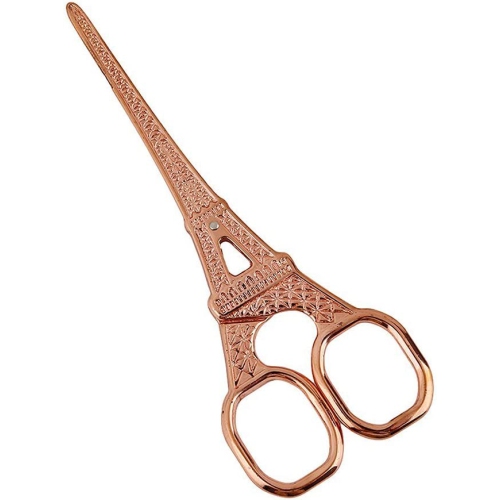
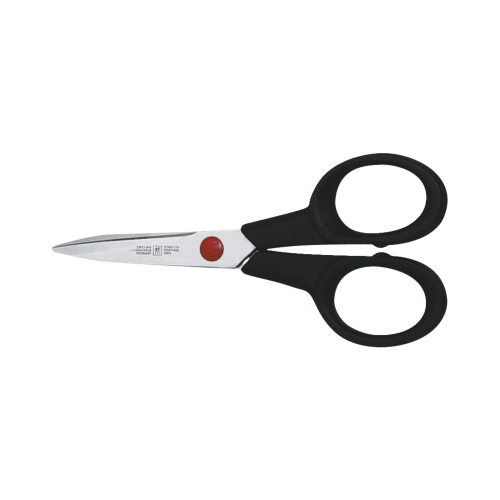
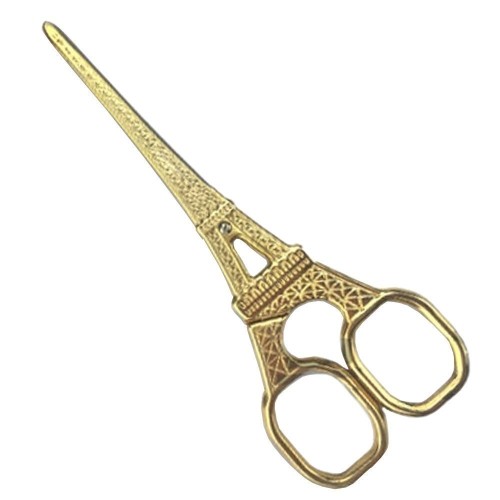
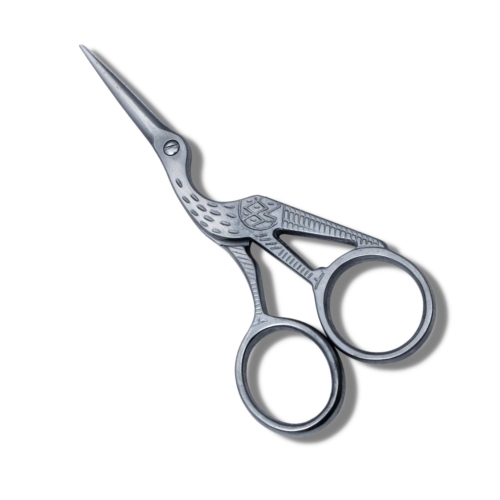
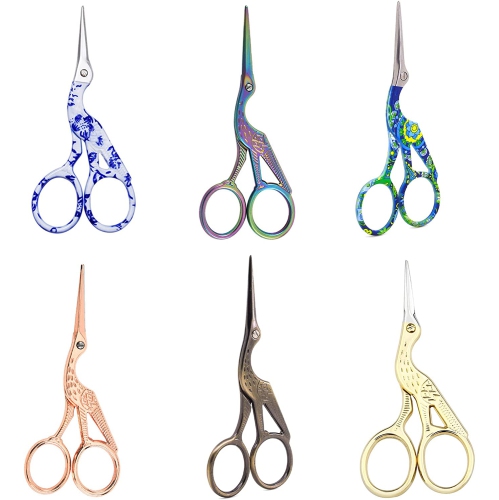
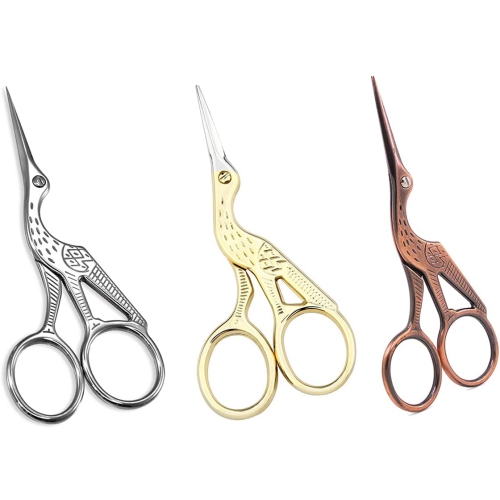
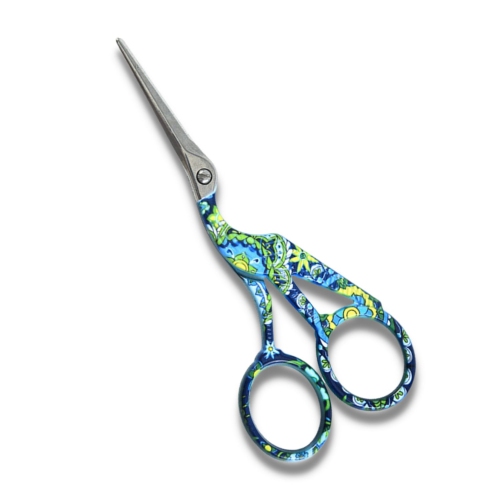
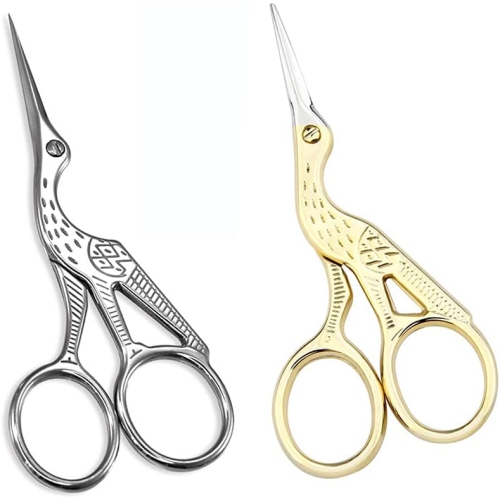
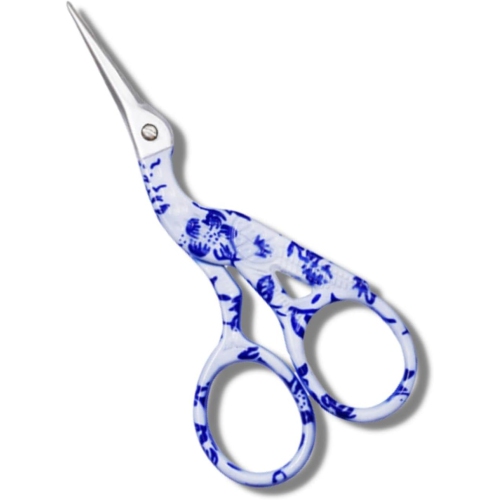
Precision cutting for detailed stitching and layered fabric
Embroidery scissors are compact, sharp cutting tools designed for the close, controlled work involved in needlecraft. Unlike general-purpose household scissors, they are typically small enough to manoeuvre between stitches and pointed enough to reach individual threads without disturbing the surrounding fabric. Most embroidery scissors measure approximately 3 to 5 inches in length, making them easy to hold near the fingertips while trimming thread tails, removing jump stitches, cleaning up French knots, or cutting floss from a skein. Their small scale is especially useful when working on cross-stitch, surface embroidery, crewelwork, needlepoint, sashiko, quilting, appliqué, and other detailed textile projects. A fine pair can make the finishing stage feel much more precise: instead of pulling at a loose thread or reaching for a larger pair of craft scissors, you can make one clean snip close to the work. Straight-blade embroidery scissors are the traditional choice for general thread clipping and are well suited to cross-stitch and surface embroidery. Their narrow, pointed tips can be guided into small spaces, which is helpful when several colours of floss meet in the same area or when a thread needs to be trimmed flush with the back of a hoop. Curved-blade embroidery scissors angle slightly upward and can help bring the cutting edge close to the fabric while keeping the hand and handle lifted away from the work. This shape is useful for trimming threads near a stitched surface, stabilizer, or hoop without placing the blade directly against the material. Appliqué or duckbill scissors have a wider, flat paddle-like blade on one side. The paddle rests against the base fabric and helps shield it while excess appliqué fabric is cut away, offering a helpful layer of control for layered designs. When comparing styles, consider the type of needlework you do most often, the thickness of the threads you use, and how closely you prefer to work to the fabric. A sharp point, smooth opening and closing action, comfortable grip, and blades that meet evenly at the tip are all signs of a useful precision tool.
The right embroidery scissors can make a noticeable difference in both comfort and accuracy over a long stitching session. Look for stainless steel blades if you want a durable cutting surface that is easy to wipe clean after use, and pay attention to the handle shape if your projects involve repeated trimming. Lightweight scissors are convenient for a portable sewing kit, while a slightly more substantial handle may feel steadier when you are making careful cuts around appliqué or layered fabric. Ergonomic or soft-grip handles can be comfortable for crafters who spend hours working on a sampler, a stitched garment, or a larger hoop project. Blade length and tip shape matter as well. Very fine pointed tips are helpful for separating and trimming single strands, while a gently curved edge can improve visibility when cutting close to a raised design. Keep the blades closed when the scissors are not in use, and store them in a pouch, case, or dedicated compartment so the tips do not catch on fabric or other tools. Wiping away loose fibres after use can help keep the pivot and blades moving smoothly. Embroidery scissors should be reserved for thread, floss, yarn ends, and light fabric tasks whenever possible; using them on paper, plastic packaging, wire, or other heavy materials can dull a precision edge. A protective cap can be particularly useful in a project bag that travels between home, a class, a community craft group, and a quiet corner during the cooler months. If your needlework involves several kinds of delicate cutting, you may also wish to explore Precision Scissors for additional options suited to detailed crafting and close trimming.
Embroidery scissors are practical additions to a personal sewing basket and thoughtful gifts for people who enjoy making things by hand. They suit beginners assembling their first cross-stitch kit, experienced embroiderers refreshing a well-used tool collection, quilters who need to trim appliqué layers, and anyone who enjoys decorating clothing, linens, ornaments, cards, or framed designs with thread. They can also be useful for mending, visible repairs, ribbon work, doll clothing, miniature sewing, and other projects where a full-size fabric shear feels too large. For a new stitcher, straight pointed blades are often a versatile starting point because they handle everyday thread trimming across many techniques. Someone who frequently works with layered appliqué may appreciate the added protection of a duckbill design, while a person who spends much of their time tidying the surface of dense embroidery may prefer the access provided by curved blades. A gift pairing can include a small storage case, thread snips, a needle minder, embroidery floss, or a hoop, although the scissors themselves are useful enough to stand alone as a considered present. The best choice is one that feels balanced in the hand and matches the user’s habits rather than simply selecting the most decorative handle or the sharpest-looking tip. Picture the final moments of a project: the last few stitches are secure, stray fibres are tucked away, and a precise snip leaves the surface neat without tugging the fabric. That quiet sense of finish is where quality embroidery scissors earn their place. Whether kept beside a favourite armchair, packed for a weekend craft session, or added to a compact sewing kit for travel, these tools bring control to small tasks and help turn intricate needlework into a cleaner, more enjoyable experience.
The right embroidery scissors can make a noticeable difference in both comfort and accuracy over a long stitching session. Look for stainless steel blades if you want a durable cutting surface that is easy to wipe clean after use, and pay attention to the handle shape if your projects involve repeated trimming. Lightweight scissors are convenient for a portable sewing kit, while a slightly more substantial handle may feel steadier when you are making careful cuts around appliqué or layered fabric. Ergonomic or soft-grip handles can be comfortable for crafters who spend hours working on a sampler, a stitched garment, or a larger hoop project. Blade length and tip shape matter as well. Very fine pointed tips are helpful for separating and trimming single strands, while a gently curved edge can improve visibility when cutting close to a raised design. Keep the blades closed when the scissors are not in use, and store them in a pouch, case, or dedicated compartment so the tips do not catch on fabric or other tools. Wiping away loose fibres after use can help keep the pivot and blades moving smoothly. Embroidery scissors should be reserved for thread, floss, yarn ends, and light fabric tasks whenever possible; using them on paper, plastic packaging, wire, or other heavy materials can dull a precision edge. A protective cap can be particularly useful in a project bag that travels between home, a class, a community craft group, and a quiet corner during the cooler months. If your needlework involves several kinds of delicate cutting, you may also wish to explore Precision Scissors for additional options suited to detailed crafting and close trimming.
Embroidery scissors are practical additions to a personal sewing basket and thoughtful gifts for people who enjoy making things by hand. They suit beginners assembling their first cross-stitch kit, experienced embroiderers refreshing a well-used tool collection, quilters who need to trim appliqué layers, and anyone who enjoys decorating clothing, linens, ornaments, cards, or framed designs with thread. They can also be useful for mending, visible repairs, ribbon work, doll clothing, miniature sewing, and other projects where a full-size fabric shear feels too large. For a new stitcher, straight pointed blades are often a versatile starting point because they handle everyday thread trimming across many techniques. Someone who frequently works with layered appliqué may appreciate the added protection of a duckbill design, while a person who spends much of their time tidying the surface of dense embroidery may prefer the access provided by curved blades. A gift pairing can include a small storage case, thread snips, a needle minder, embroidery floss, or a hoop, although the scissors themselves are useful enough to stand alone as a considered present. The best choice is one that feels balanced in the hand and matches the user’s habits rather than simply selecting the most decorative handle or the sharpest-looking tip. Picture the final moments of a project: the last few stitches are secure, stray fibres are tucked away, and a precise snip leaves the surface neat without tugging the fabric. That quiet sense of finish is where quality embroidery scissors earn their place. Whether kept beside a favourite armchair, packed for a weekend craft session, or added to a compact sewing kit for travel, these tools bring control to small tasks and help turn intricate needlework into a cleaner, more enjoyable experience.
Top selling and popular products
-
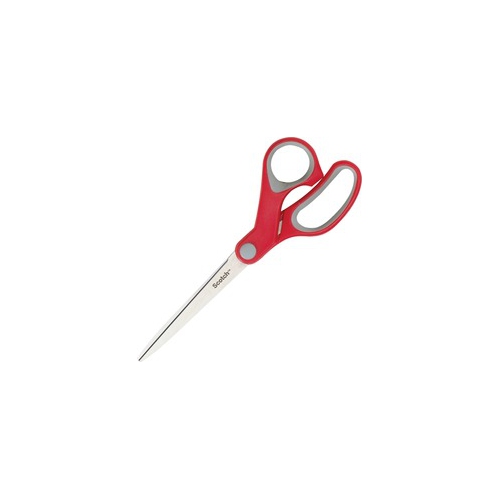 Your price for this item is $3.99
 -
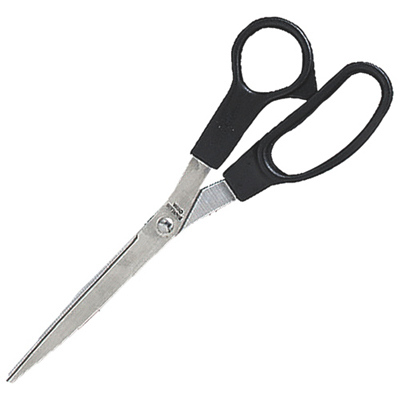 Your price for this item is $4.99
 -
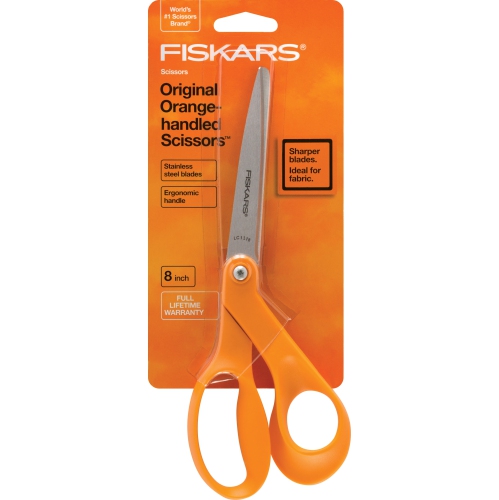 Your price for this item is $34.08
 -
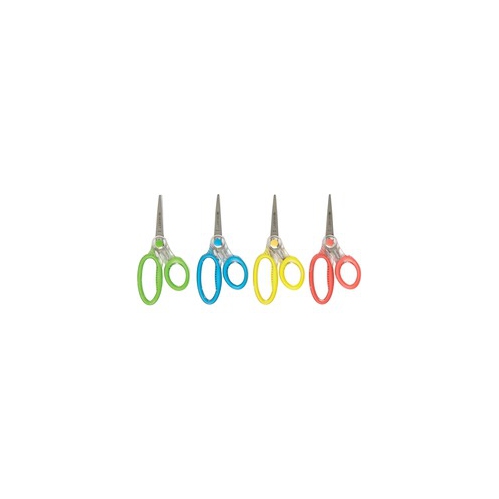 Your price for this item is $6.99
 -
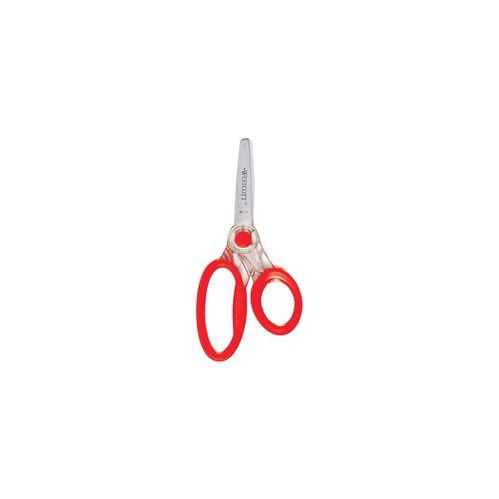 Your price for this item is $3.99
 -
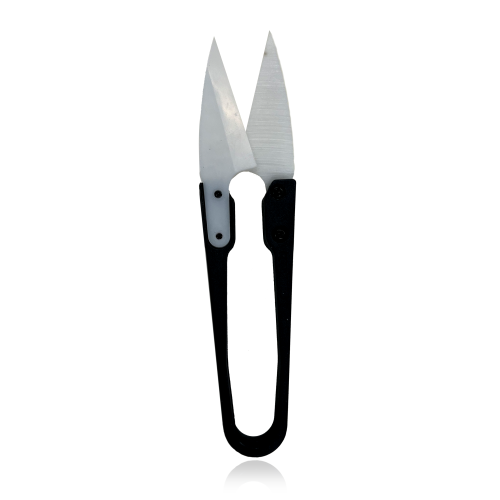 Your price for this item is $30.52
 -
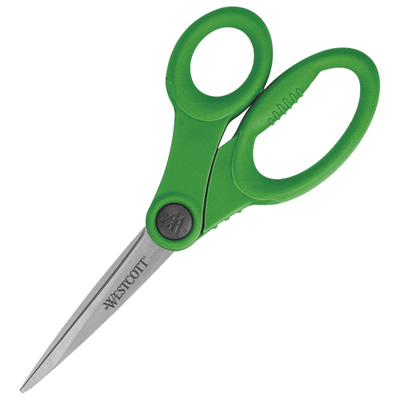 Your price for this item is $9.99
 -
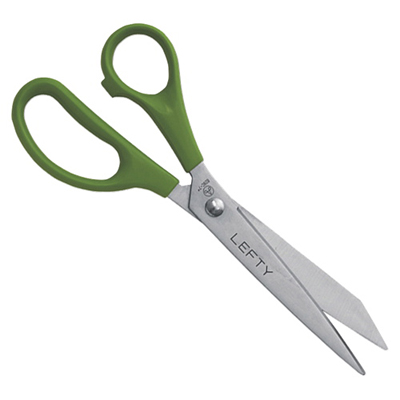 Your price for this item is $10.99
Discover more categories related to Embroidery Scissors
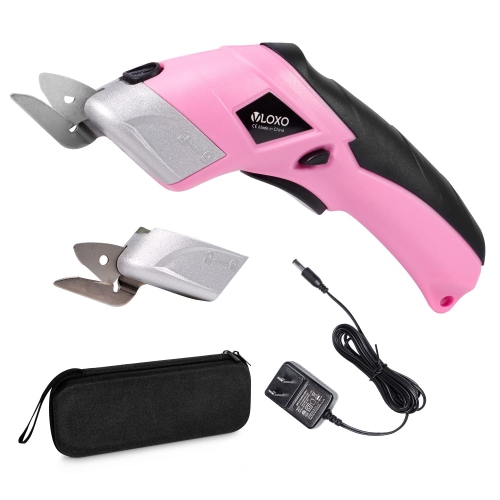
Top Collections:
Pokemon Centers, Kindle Devices, Best Budget Office Chairs, Apple iPhones 16, Best Laptops for Writers, iPhone 15 Apple, Canon G7X Cameras, Refurbished Apple Laptops, Alarm Clock, Motorola Razr Phones
Some products may be subject to Environmental Handling Fees
(EHF) depending on your province.
Learn more about EHFs.