Embroidery Tools
Embroidery enthusiasts, get ready to elevate your crafting game with our wide selection of top-quality embroidery tools. Whether you're a seasoned stitcher or just starting out, having the right tools at your disposal can make all the difference in creating intricate and beautiful designs. From essential needles and hoops to convenient storage solutions and handy accessories, we have everything you need to bring your embroidery projects to life. Explore our range of carefully curated tools designed to make your stitching experience more enjoyable and successful.
Sort

Practical essentials for precise, comfortable stitching
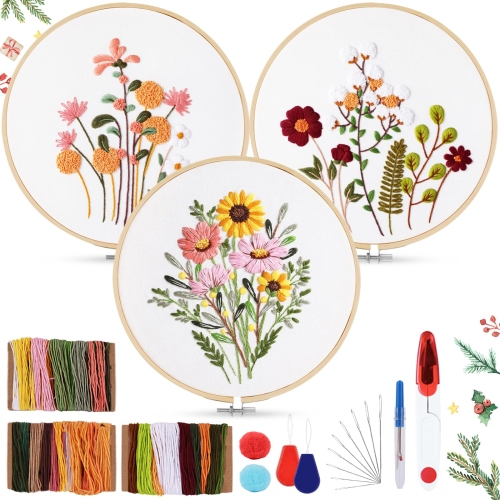
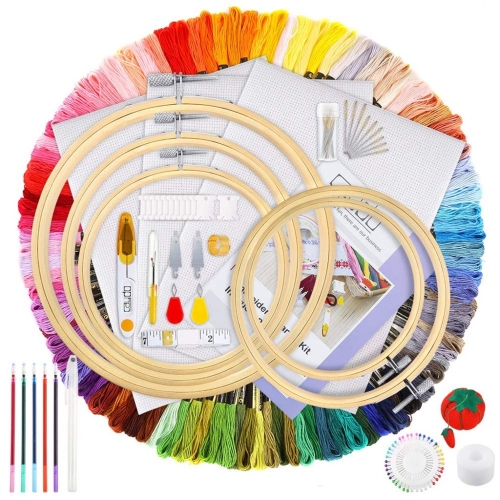
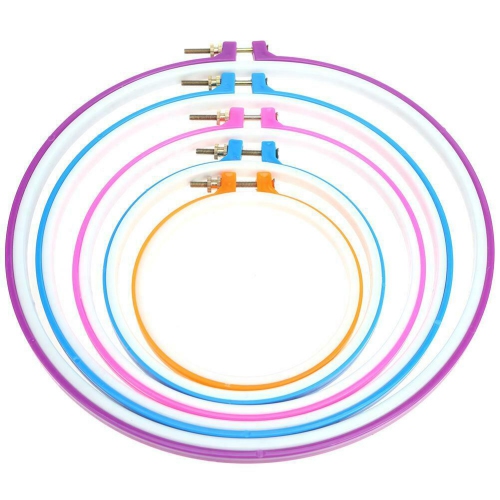
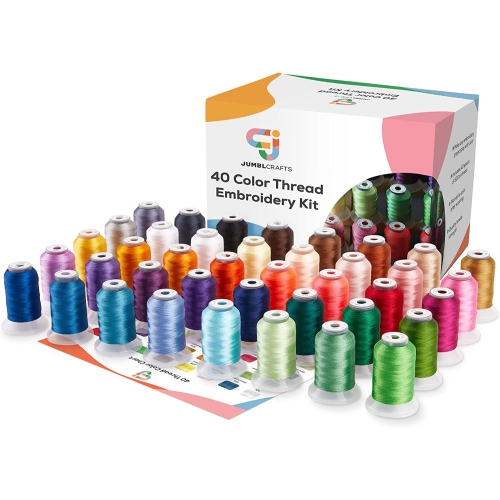
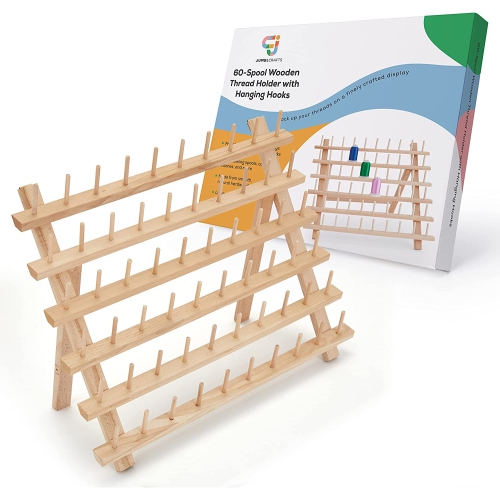
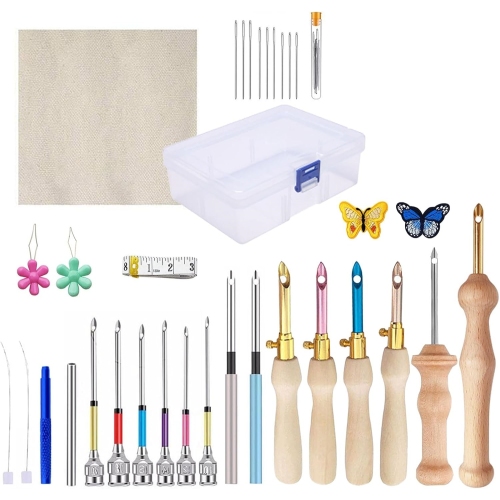
Embroidery tools bring together the practical essentials that make hand stitching more comfortable, controlled, and enjoyable. Whether you are beginning with a simple floral motif, adding initials to fabric, or developing a more detailed decorative piece, the right supplies can make a noticeable difference in the finished work. An embroidery hoop holds fabric firmly and helps maintain an even stitching surface, reducing slack fabric and unwanted puckering as the design takes shape. Hoops are available in different sizes and materials, so consider the scale of the pattern, the amount of fabric around the design, and how comfortably the hoop feels in your hand. Smaller hoops can be convenient for compact motifs and portable projects, while larger hoops may be useful for broader designs or fabric that needs to remain undisturbed. Embroidery needles are another essential, with sharp points and elongated eyes designed to accommodate embroidery thread. Choose a needle size that suits the fabric and thread being used: a very fine needle may be appropriate for lightweight fabric and delicate details, while a larger needle can be easier to handle with thicker materials or multiple strands. Stranded cotton floss offers flexibility because it can be separated into individual strands to create fine lines, fuller coverage, or different levels of colour intensity. Keeping several shades nearby makes it easier to blend tones, define outlines, and add small highlights that give a design dimension. A water-soluble pen or another suitable transfer tool can help move a pattern onto fabric before stitching, allowing you to trace outlines, lettering, or placement marks with greater accuracy. Look for a transfer method that is compatible with the fabric and follow its care instructions, especially when the finished piece will be washed or handled frequently.
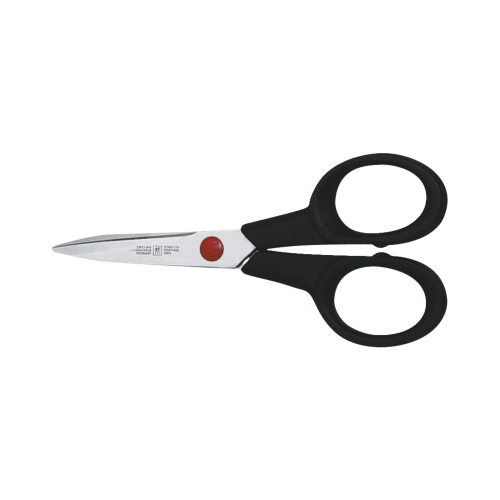
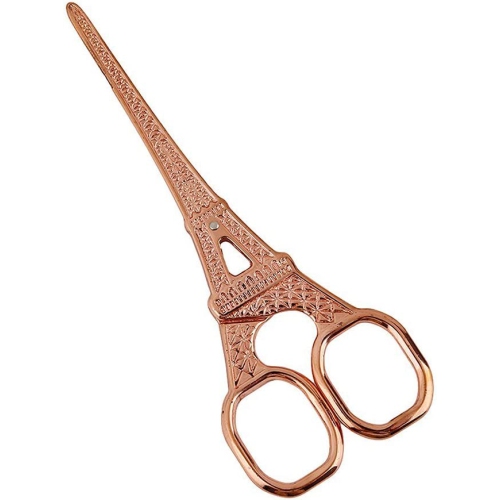
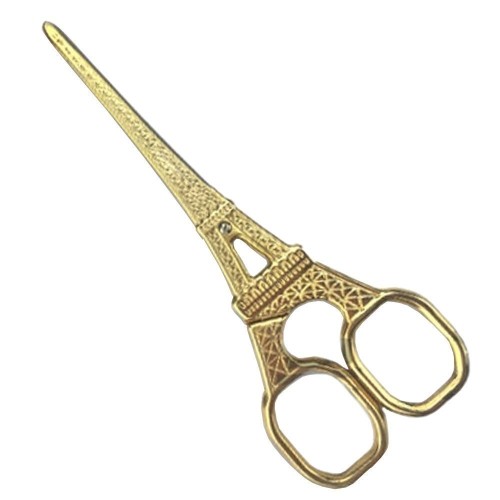
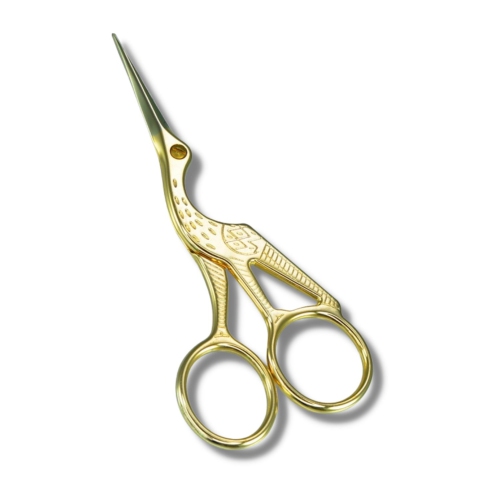
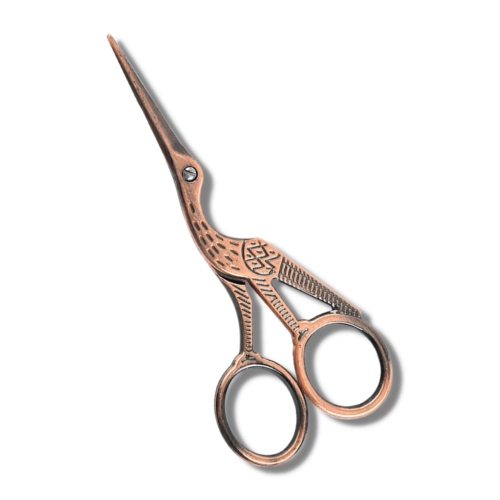
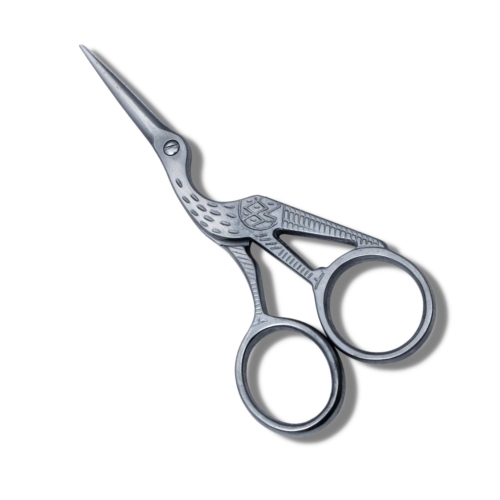
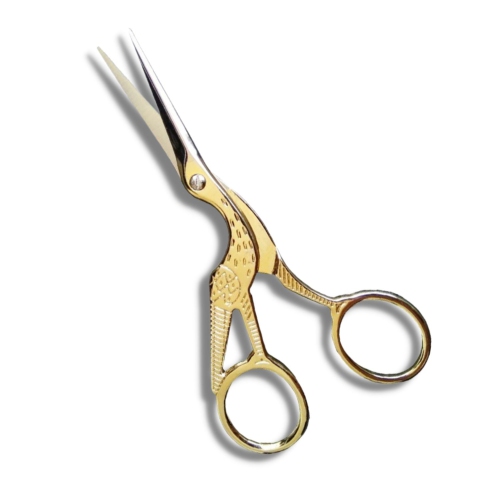
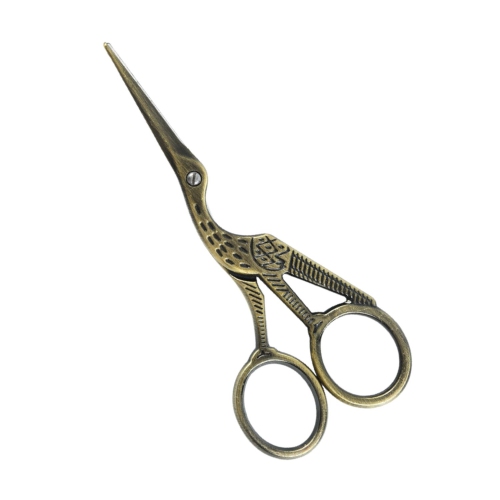
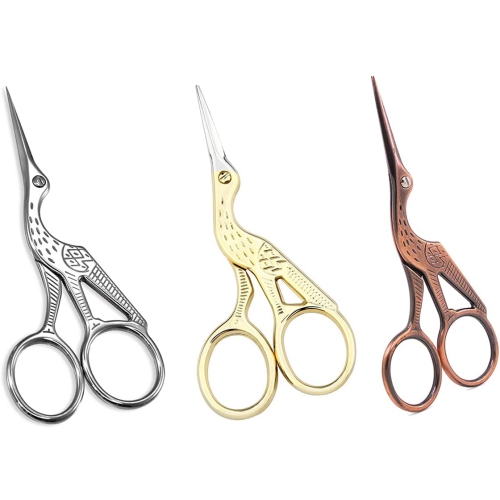
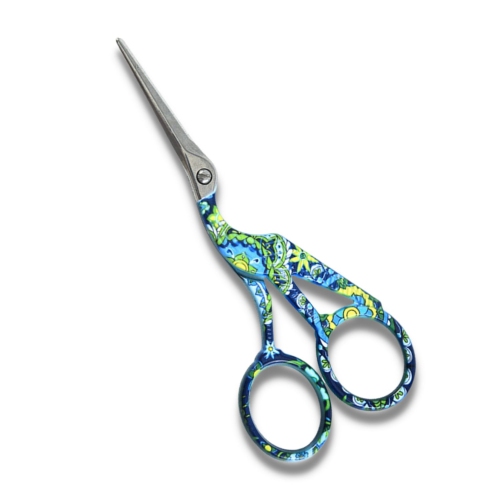
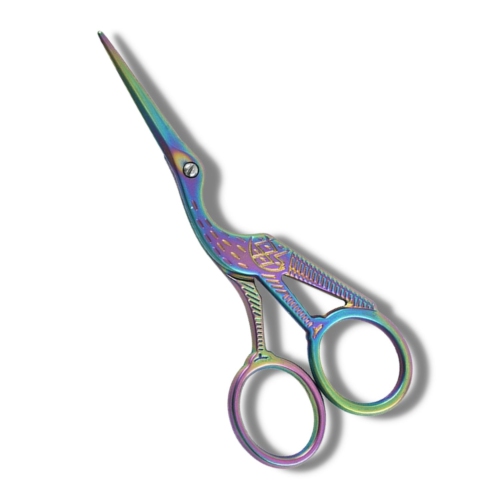
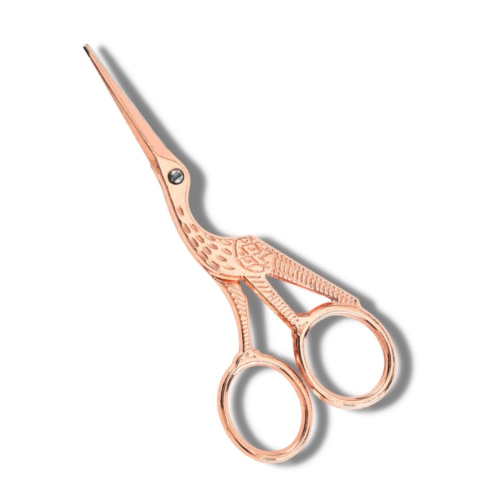
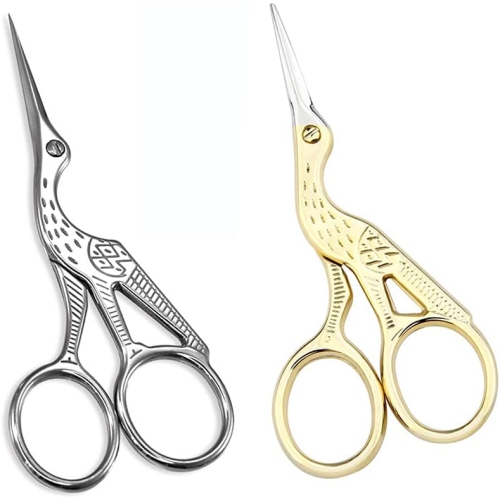
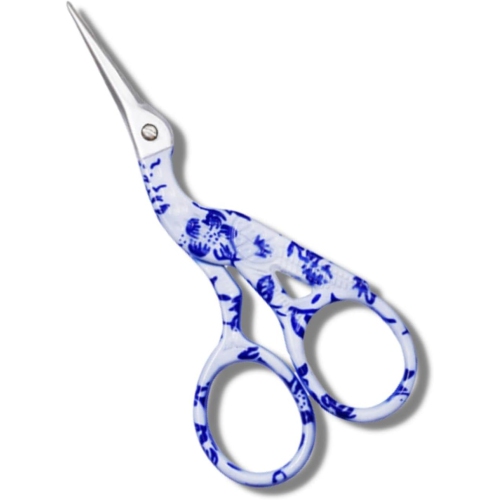
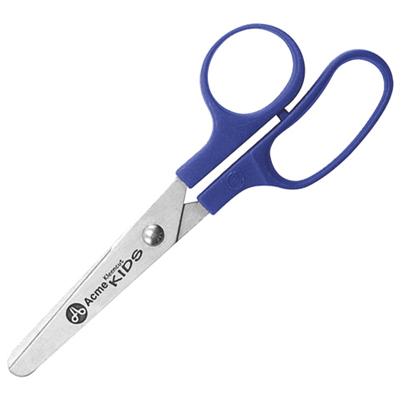
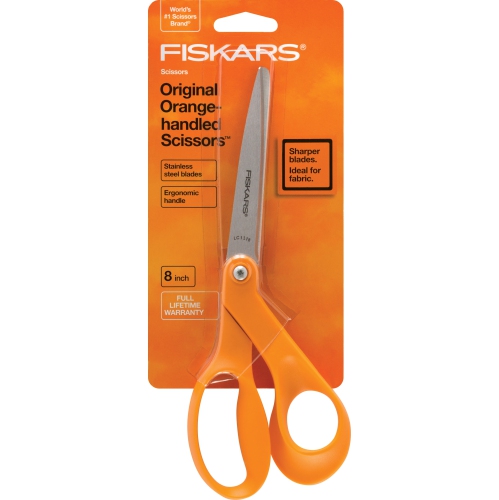
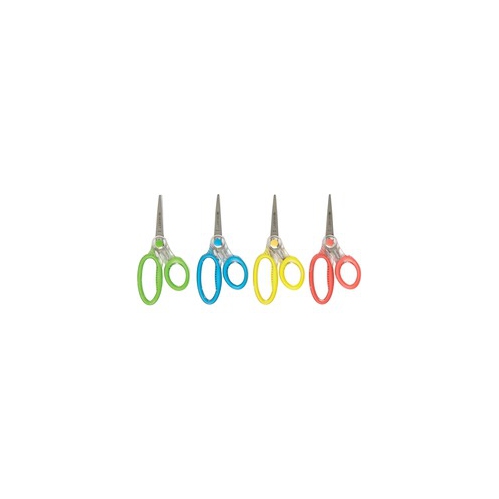
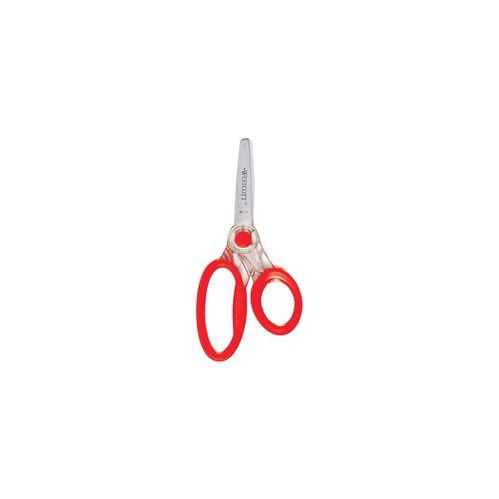
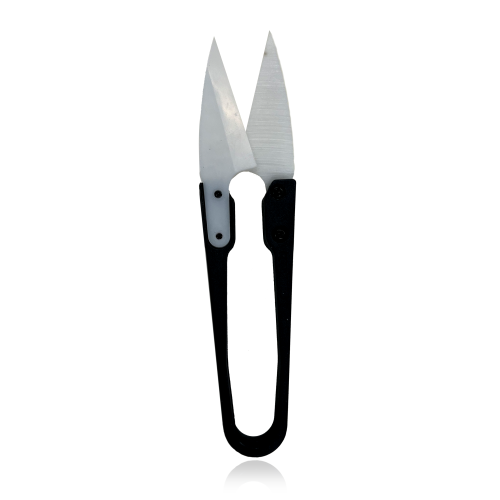
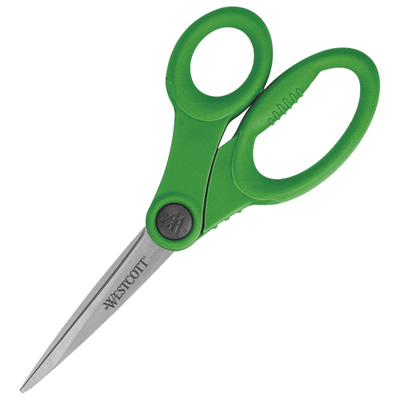
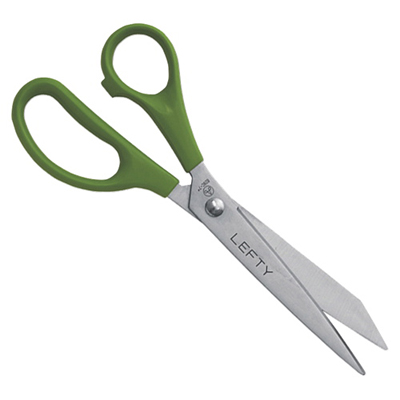
Precision cutting is just as important as accurate stitching. Compact embroidery scissors are designed for controlled trimming, making it easier to snip thread close to the fabric without catching surrounding stitches. Look for comfortable handles, sharp blades, and a pointed tip that allows careful access around tight corners and small details. A dedicated pair can be especially useful when working with several thread colours, as clean cuts help prevent fraying and make threading the needle less frustrating. Explore Embroidery Scissors when selecting a tool for close, precise thread trimming. A needle threader can also be helpful when working with small needle eyes, divided floss, or tired hands, while a needle minder provides a convenient place to hold a needle during a pause instead of leaving it loose on a table, chair, or project bag. For dense fabric, layered materials, or extended stitching sessions, a thimble or needle puller can protect fingertips and provide extra grip when pushing a needle through resistant areas. Storage deserves attention as well. A small organiser, case, or compartmented container can keep needles, thread, scissors, transfer tools, and spare hoops together, reducing the chance of tangled floss or misplaced supplies. When comparing embroidery tools, consider the project’s fabric, the level of detail, the frequency of use, and whether portability matters. Someone who stitches at a desk may prefer a fuller assortment arranged within easy reach, while a person who enjoys crafting during travel or in different rooms may value compact tools that can be packed neatly and safely.
Embroidery tools can suit a wide range of makers, from first-time stitchers learning basic lines and shapes to experienced crafters refining lettering, textured fills, and intricate patterns. They can also make thoughtful gifts for someone who enjoys sewing, journalling, textile decoration, or quiet hands-on hobbies during the cooler months. A beginner may appreciate a straightforward selection of hoop, needles, thread, scissors, and transfer supplies that removes the guesswork from setting up a project. More experienced embroiderers may value specialised additions that improve precision, comfort, or organisation, particularly when they already have a collection of fabric and thread but need reliable tools for the next design. Families and friends can use embroidery as a shared activity, with one person transferring a pattern, another sorting colours, and everyone taking turns adding stitches to a cloth project. It is also a practical way to personalise napkins, fabric accessories, wall pieces, keepsakes, and handmade gifts without requiring a large workspace. As the weather shifts between early fall and early winter, embroidery can be an inviting indoor activity that fits into a quiet evening, a weekend afternoon, or a portable craft session away from a busy screen. Before choosing supplies, check that the tools are suitable for the intended fabric and thread, that scissors are comfortable to hold, and that the needle size matches the number of strands being used. A well-matched set of embroidery tools supports cleaner lines, steadier tension, and a more relaxed creative process, whether the project is a first attempt or part of an established stitching routine.
Precision cutting is just as important as accurate stitching. Compact embroidery scissors are designed for controlled trimming, making it easier to snip thread close to the fabric without catching surrounding stitches. Look for comfortable handles, sharp blades, and a pointed tip that allows careful access around tight corners and small details. A dedicated pair can be especially useful when working with several thread colours, as clean cuts help prevent fraying and make threading the needle less frustrating. Explore Embroidery Scissors when selecting a tool for close, precise thread trimming. A needle threader can also be helpful when working with small needle eyes, divided floss, or tired hands, while a needle minder provides a convenient place to hold a needle during a pause instead of leaving it loose on a table, chair, or project bag. For dense fabric, layered materials, or extended stitching sessions, a thimble or needle puller can protect fingertips and provide extra grip when pushing a needle through resistant areas. Storage deserves attention as well. A small organiser, case, or compartmented container can keep needles, thread, scissors, transfer tools, and spare hoops together, reducing the chance of tangled floss or misplaced supplies. When comparing embroidery tools, consider the project’s fabric, the level of detail, the frequency of use, and whether portability matters. Someone who stitches at a desk may prefer a fuller assortment arranged within easy reach, while a person who enjoys crafting during travel or in different rooms may value compact tools that can be packed neatly and safely.
Embroidery tools can suit a wide range of makers, from first-time stitchers learning basic lines and shapes to experienced crafters refining lettering, textured fills, and intricate patterns. They can also make thoughtful gifts for someone who enjoys sewing, journalling, textile decoration, or quiet hands-on hobbies during the cooler months. A beginner may appreciate a straightforward selection of hoop, needles, thread, scissors, and transfer supplies that removes the guesswork from setting up a project. More experienced embroiderers may value specialised additions that improve precision, comfort, or organisation, particularly when they already have a collection of fabric and thread but need reliable tools for the next design. Families and friends can use embroidery as a shared activity, with one person transferring a pattern, another sorting colours, and everyone taking turns adding stitches to a cloth project. It is also a practical way to personalise napkins, fabric accessories, wall pieces, keepsakes, and handmade gifts without requiring a large workspace. As the weather shifts between early fall and early winter, embroidery can be an inviting indoor activity that fits into a quiet evening, a weekend afternoon, or a portable craft session away from a busy screen. Before choosing supplies, check that the tools are suitable for the intended fabric and thread, that scissors are comfortable to hold, and that the needle size matches the number of strands being used. A well-matched set of embroidery tools supports cleaner lines, steadier tension, and a more relaxed creative process, whether the project is a first attempt or part of an established stitching routine.
Top selling and popular products
-
 Your price for this item is $3.99
 -
 Your price for this item is $4.99
 -
 Your price for this item is $34.08
 -
 Your price for this item is $6.99
 -
 Your price for this item is $3.99
 -
 Your price for this item is $30.52
 -
 Your price for this item is $9.99
 -
 Your price for this item is $10.99
Discover more categories related to Embroidery Tools
Top Collections:
Pokemon Centers, Kindle Devices, Best Budget Office Chairs, Apple iPhones 16, Best Laptops for Writers, iPhone 15 Apple, Canon G7X Cameras, Refurbished Apple Laptops, Alarm Clock, Motorola Razr Phones
Some products may be subject to Environmental Handling Fees
(EHF) depending on your province.
Learn more about EHFs.