Employee Time Cards
Efficiently managing employee hours is crucial for any business, and time cards offer a reliable solution to streamline this process. Designed to help track attendance, breaks, and overtime, these essential tools ensure accuracy and accountability in workforce management. Whether you're a small business owner or part of a larger organization, utilizing time cards can simplify payroll calculations and enhance productivity. Explore a variety of options that cater to diverse business needs, making it easier than ever to maintain organized records and foster a transparent work environment.
Sort

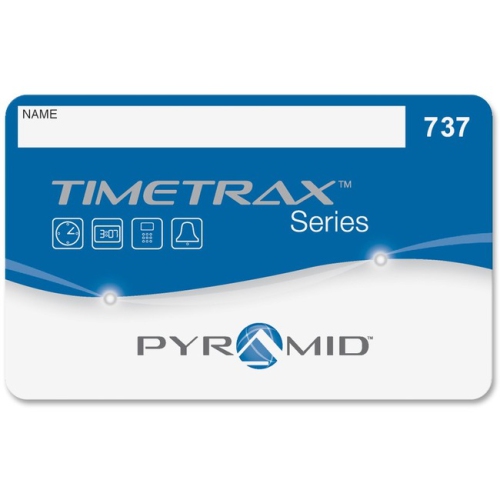
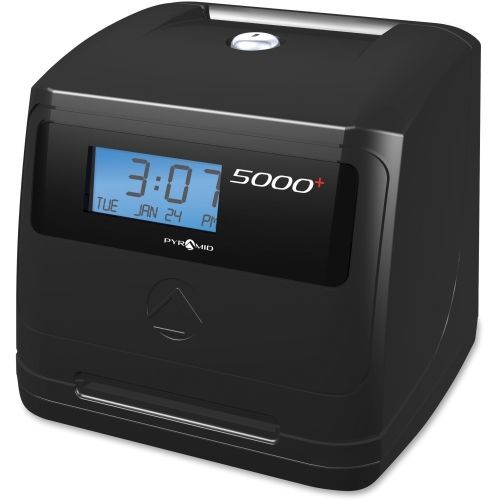
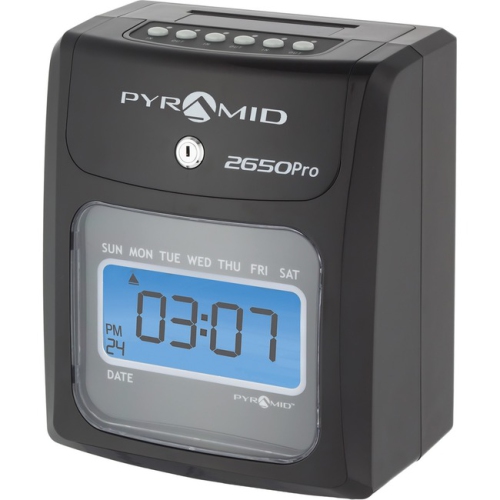
Accurate records support smoother payroll and attendance tracking
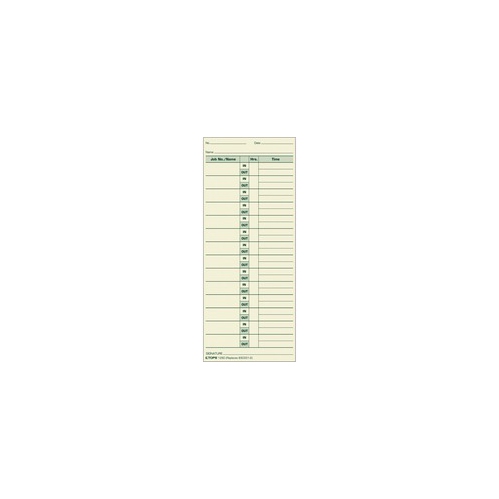
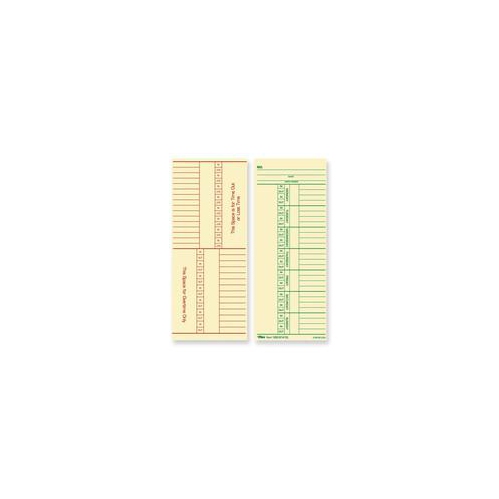
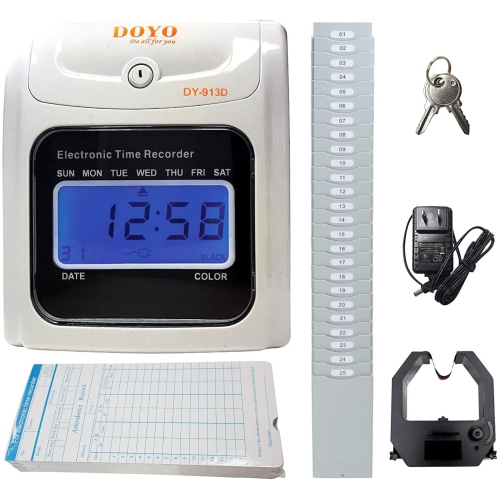
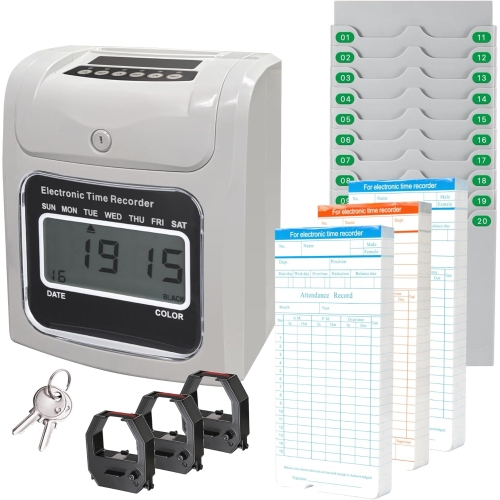
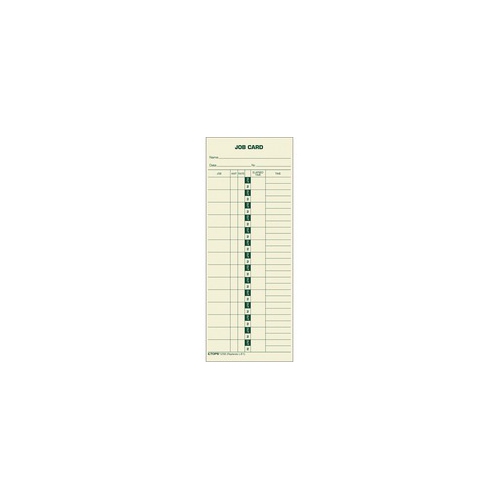
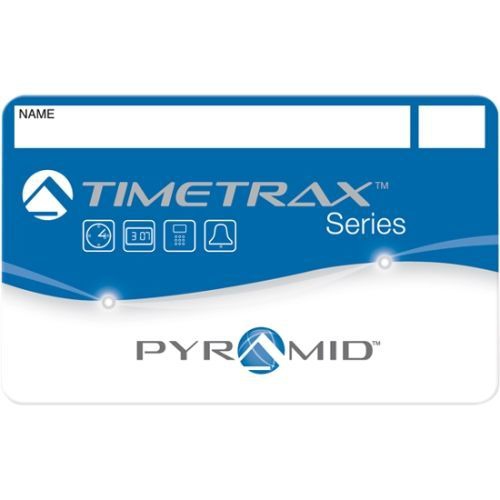
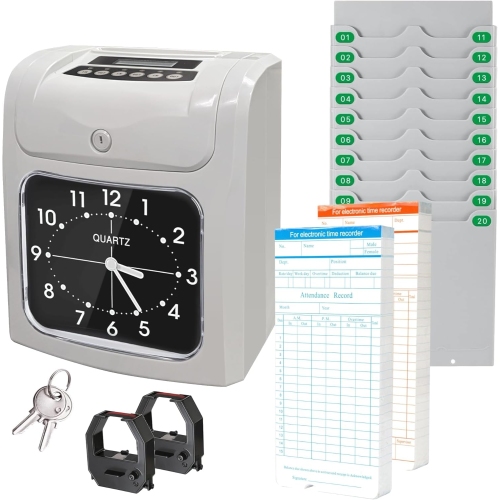
Employee time cards provide a straightforward way to record when employees begin work, finish for the day, take breaks, and return to their duties. In a busy workplace, a well-organized time card can act as a reliable written record that brings structure to the pay period, whether the business runs on a weekly, biweekly, or another payroll schedule. They are commonly used in retail stores, restaurants, warehouses, offices, workshops, farms, construction businesses, and other workplaces where accurate attendance records matter. Depending on the format, a card may include spaces for an employee’s name, department, job number, dates, clock-in and clock-out times, regular hours, overtime, and supervisor approval. Some are designed for traditional punch clocks, while others are intended for handwritten entries or manual calculations. When choosing employee time cards, start by checking that the layout matches the way your team records hours. A weekly card may suit a fast-moving operation with frequent payroll processing, while a biweekly format can reduce paperwork for businesses that pay every two weeks. It is also useful to consider whether employees need separate fields for meal breaks, split shifts, vacation days, sick days, or work completed at different locations. Clear headings and generous writing space can make a difference at the end of a long shift, when a cramped or confusing form is more likely to lead to missed information. For workplaces that use a mechanical or electronic punch clock, confirm that the cards are made for the appropriate system and that the dimensions, printing, and time columns are compatible. For manual use, look for sturdy paper and an easy-to-read design that can withstand being handled throughout the pay period. Keeping a small supply available helps managers replace damaged cards, add new employees, or prepare for seasonal hiring without interrupting the regular payroll routine.
Accurate timekeeping supports more than a tidy filing system. It helps payroll staff calculate the exact hours worked, identify overtime, review missed punches, and resolve discrepancies before wages are processed. A completed time card can also provide useful context when a shift runs longer than planned, an employee covers for a colleague, or work takes place outside normal hours. For supervisors, reviewing cards at the end of each shift or pay period can reveal patterns such as repeated late arrivals, unrecorded breaks, or unusually long days that deserve a conversation. For employees, a clear record offers confidence that their regular hours, overtime, and approved breaks have been captured correctly. Good habits make the system more effective: ask each employee to complete their own card, use a consistent time format, record start and finish times promptly, and mark corrections according to the workplace’s established process. Supervisors should review entries before sending them to payroll, initial approved changes, and keep completed cards in a secure, organized location. A basic calculator can help total daily and weekly hours, while converting minutes into decimal hours can make payroll calculations easier; for example, 30 minutes equals 0.5 hours. When a shift crosses midnight, the date should be recorded carefully so that the hours are assigned to the correct workday. Businesses moving towards digital timesheets may also use computers or other connected devices for clock-in records, scheduling, and payroll administration. Equipment for these tasks can be explored alongside Employee Computers, particularly when staff need a dedicated workstation for entering hours, reviewing schedules, or accessing timekeeping software. Whether records are written on paper or entered digitally, the goal remains the same: maintain a consistent, readable account of when work was performed.
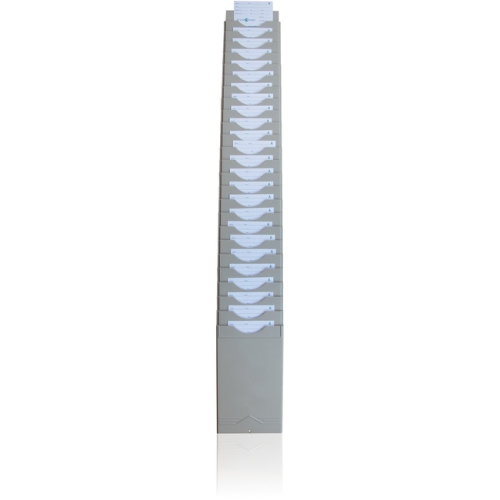
The right employee time cards depend on the size of the team, the type of work, and the level of detail required by the payroll process. A small business with a handful of regular staff may prefer a simple card with daily start and finish fields, while a larger operation may need room for departments, job codes, multiple shifts, overtime categories, and manager sign-off. Businesses with changing schedules should pay close attention to flexibility, especially if employees work evenings, weekends, split shifts, or on-call hours. High-volume workplaces may benefit from purchasing cards in larger quantities so that each employee can begin a new pay period with a clean record and replacement forms are readily available. A consistent format across the team makes it easier to compare entries and train new supervisors, while colour-coded filing or clearly labelled storage can help protect completed records from being misplaced. It is also wise to think about who will handle the cards each day. If employees leave them at a front desk, reception area, time clock station, or manager’s office, the cards should be easy to identify without exposing unnecessary personal information. During the cooler months, when staffing levels and schedules may shift around busy sales periods, inventory cycles, weather-related delays, or holiday operating hours, dependable time records can help teams keep payroll organized through changing routines. Employee time cards are practical supplies for employers, office administrators, payroll clerks, shift supervisors, and team leaders who need a visible record of attendance and hours worked. They are not typically purchased as gifts, but they can be a thoughtful addition to a new office, workshop, family-run business, or start-up’s first administrative supplies. By selecting a format that fits the pay period, works with existing timekeeping equipment, and gives employees enough room to record breaks and overtime, businesses can create a smoother process from the first punch of the day to the final payroll review.
Accurate timekeeping supports more than a tidy filing system. It helps payroll staff calculate the exact hours worked, identify overtime, review missed punches, and resolve discrepancies before wages are processed. A completed time card can also provide useful context when a shift runs longer than planned, an employee covers for a colleague, or work takes place outside normal hours. For supervisors, reviewing cards at the end of each shift or pay period can reveal patterns such as repeated late arrivals, unrecorded breaks, or unusually long days that deserve a conversation. For employees, a clear record offers confidence that their regular hours, overtime, and approved breaks have been captured correctly. Good habits make the system more effective: ask each employee to complete their own card, use a consistent time format, record start and finish times promptly, and mark corrections according to the workplace’s established process. Supervisors should review entries before sending them to payroll, initial approved changes, and keep completed cards in a secure, organized location. A basic calculator can help total daily and weekly hours, while converting minutes into decimal hours can make payroll calculations easier; for example, 30 minutes equals 0.5 hours. When a shift crosses midnight, the date should be recorded carefully so that the hours are assigned to the correct workday. Businesses moving towards digital timesheets may also use computers or other connected devices for clock-in records, scheduling, and payroll administration. Equipment for these tasks can be explored alongside Employee Computers, particularly when staff need a dedicated workstation for entering hours, reviewing schedules, or accessing timekeeping software. Whether records are written on paper or entered digitally, the goal remains the same: maintain a consistent, readable account of when work was performed.
The right employee time cards depend on the size of the team, the type of work, and the level of detail required by the payroll process. A small business with a handful of regular staff may prefer a simple card with daily start and finish fields, while a larger operation may need room for departments, job codes, multiple shifts, overtime categories, and manager sign-off. Businesses with changing schedules should pay close attention to flexibility, especially if employees work evenings, weekends, split shifts, or on-call hours. High-volume workplaces may benefit from purchasing cards in larger quantities so that each employee can begin a new pay period with a clean record and replacement forms are readily available. A consistent format across the team makes it easier to compare entries and train new supervisors, while colour-coded filing or clearly labelled storage can help protect completed records from being misplaced. It is also wise to think about who will handle the cards each day. If employees leave them at a front desk, reception area, time clock station, or manager’s office, the cards should be easy to identify without exposing unnecessary personal information. During the cooler months, when staffing levels and schedules may shift around busy sales periods, inventory cycles, weather-related delays, or holiday operating hours, dependable time records can help teams keep payroll organized through changing routines. Employee time cards are practical supplies for employers, office administrators, payroll clerks, shift supervisors, and team leaders who need a visible record of attendance and hours worked. They are not typically purchased as gifts, but they can be a thoughtful addition to a new office, workshop, family-run business, or start-up’s first administrative supplies. By selecting a format that fits the pay period, works with existing timekeeping equipment, and gives employees enough room to record breaks and overtime, businesses can create a smoother process from the first punch of the day to the final payroll review.
Top selling and popular products
-
 Your price for this item is $54.98
 -
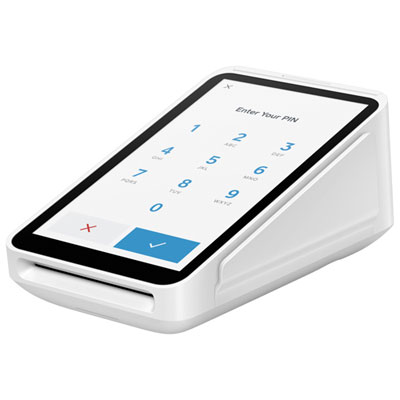 Your price for this item is $299.98
 -
 Your price for this item is $4.99
 -
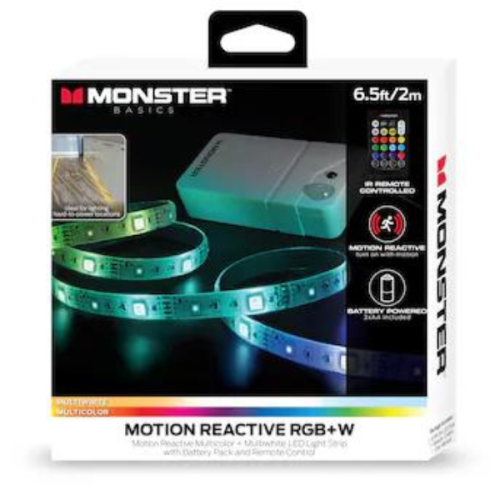 Your price for this item is $19.95
 -
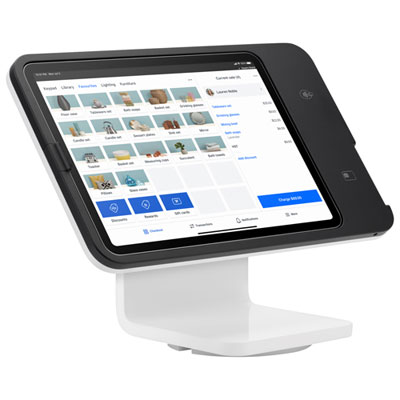 Your price for this item is $217.98
 -
 Your price for this item is $68.47
 -
 Your price for this item is $14.95
 -
 Your price for this item is $3.99
Discover more categories related to Employee Time Cards

Top Collections:
Pokemon Centers, Kindle Devices, Best Budget Office Chairs, Apple iPhones 16, Best Laptops for Writers, iPhone 15 Apple, Canon G7X Cameras, Refurbished Apple Laptops, Alarm Clock, Motorola Razr Phones
Some products may be subject to Environmental Handling Fees
(EHF) depending on your province.
Learn more about EHFs.