File Organizer Desktops
Stay organized and keep your workspace clutter-free with our selection of file organizers for your desktop. Whether you need to sort important documents, store paperwork, or simply want to tidy up your office, our range of desktop file organizers has got you covered. With various sizes, styles, and materials available, finding the perfect file organizer to suit your needs and complement your workspace is easy. Say goodbye to messy desks and hello to a more efficient and productive work environment with our desktop file organizers.
Sort
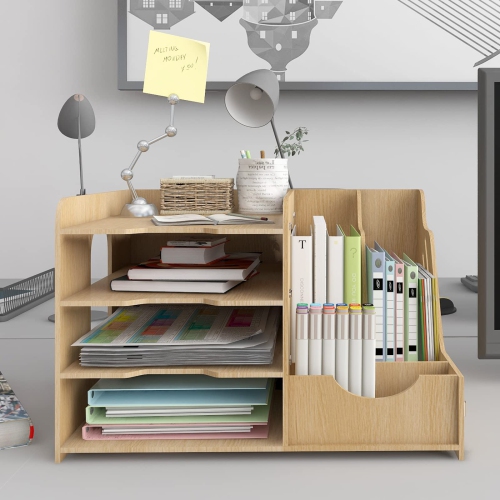


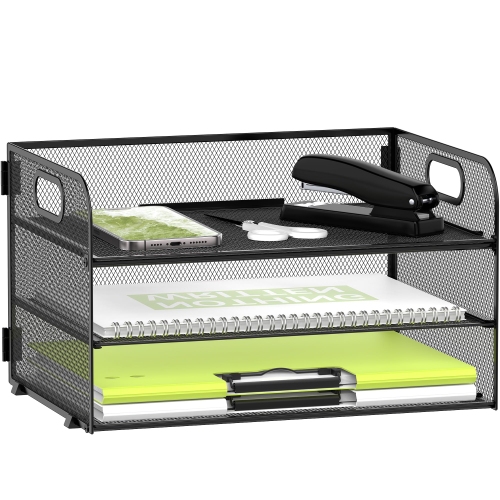
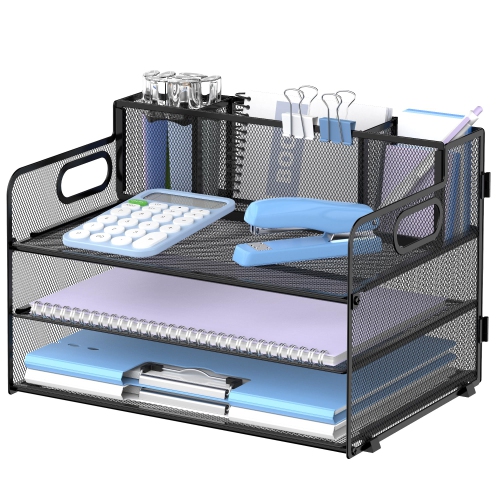

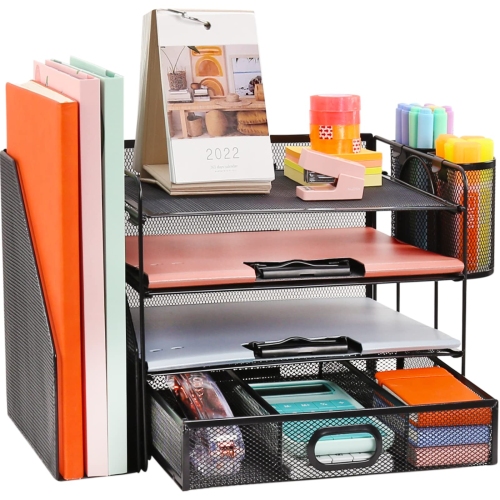
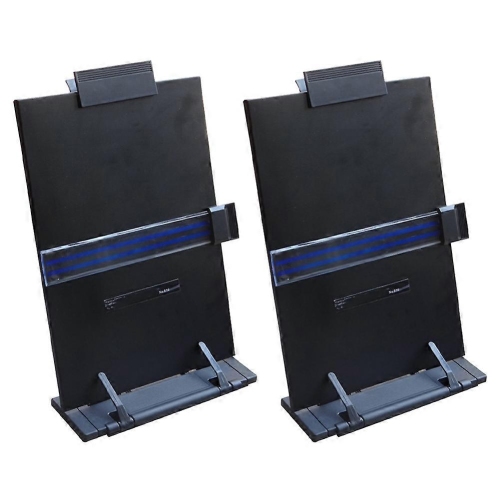
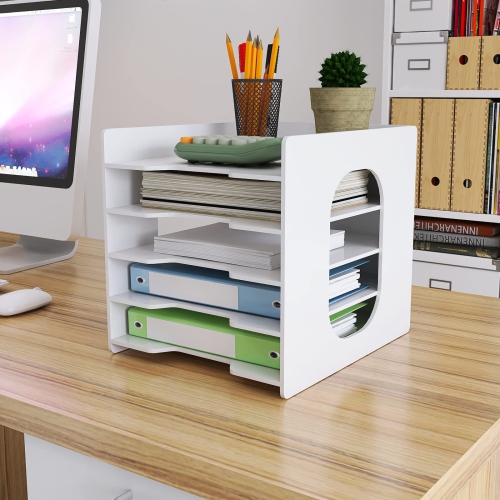
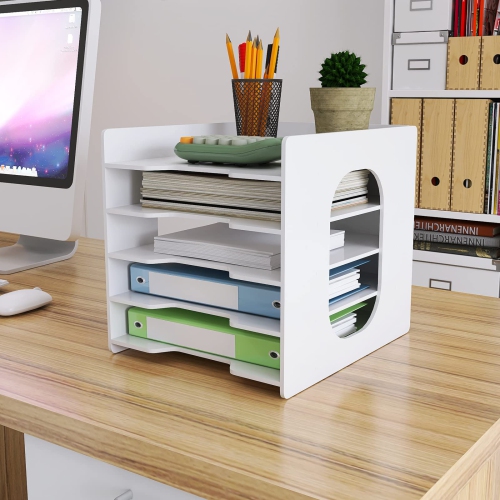
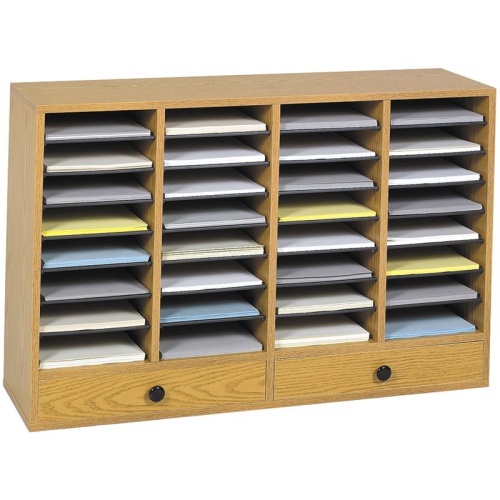




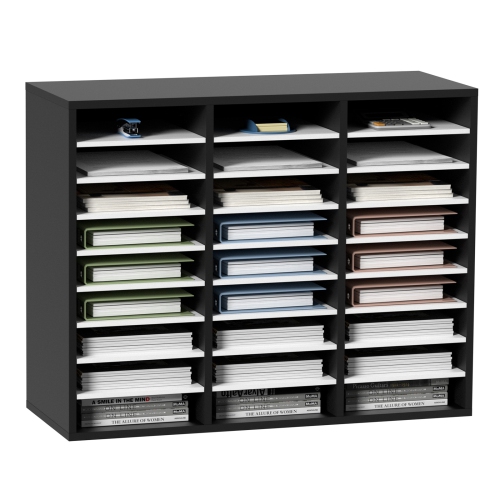
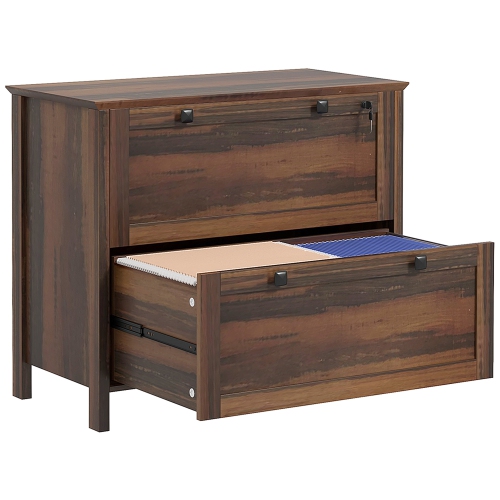
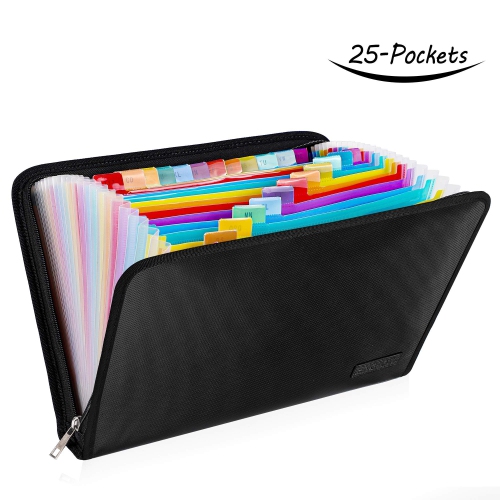
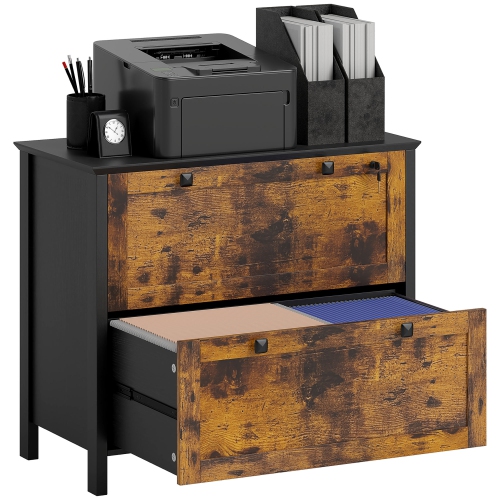

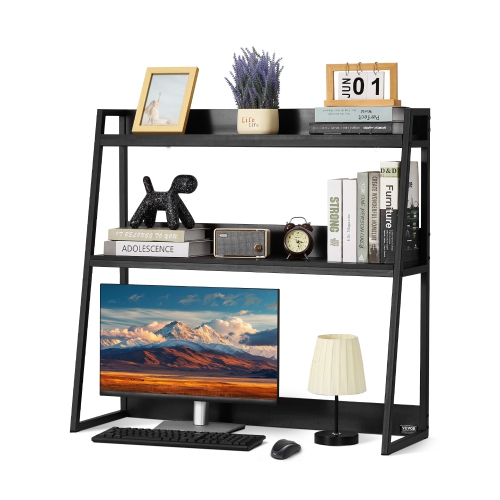
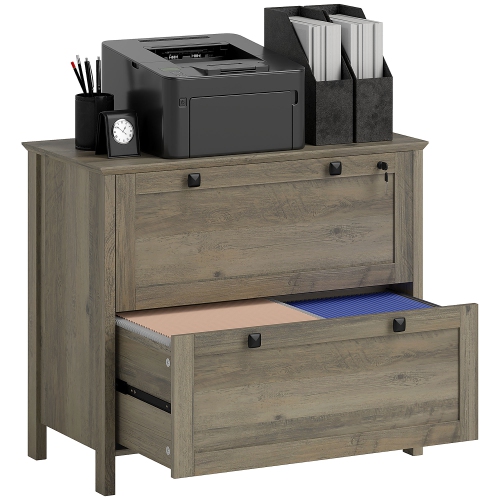
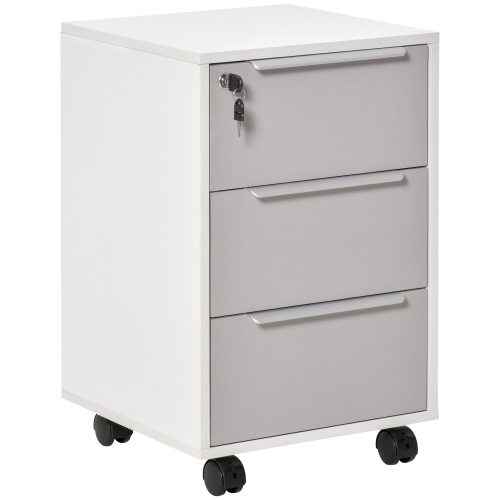

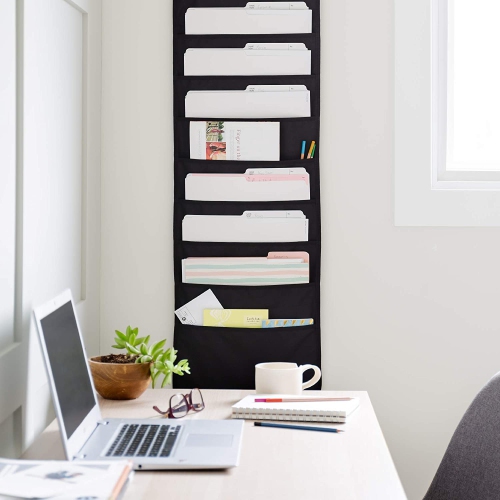
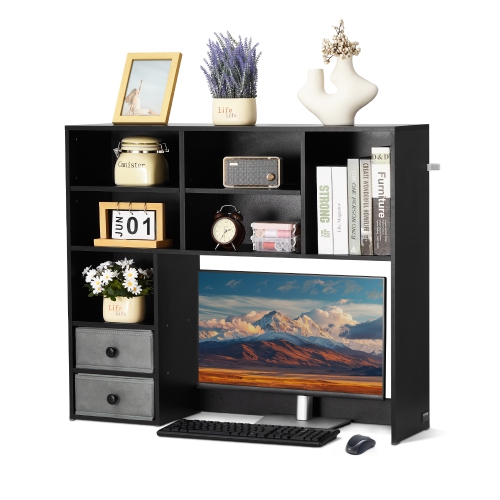

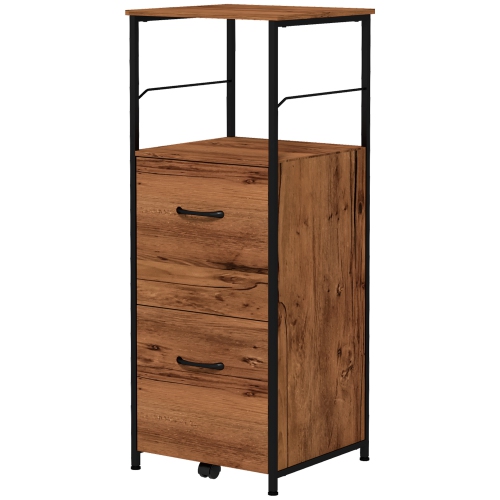

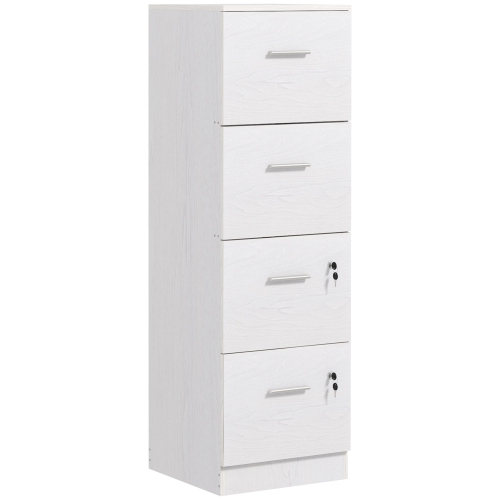
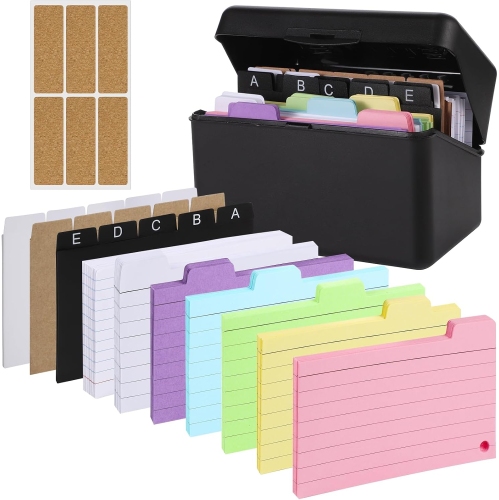
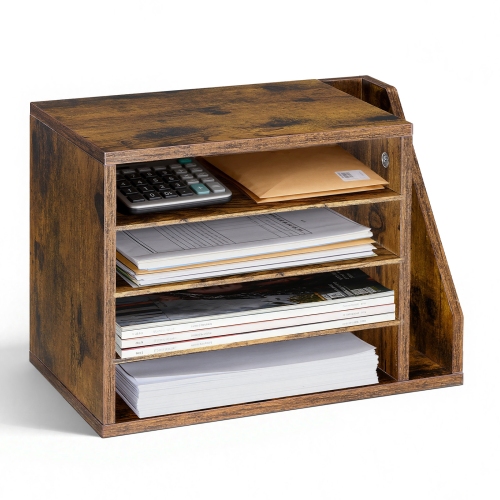
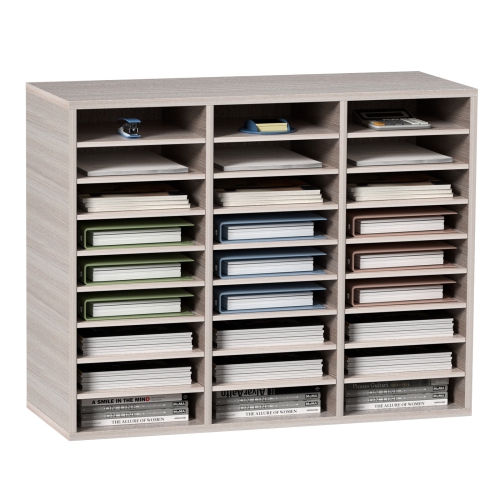
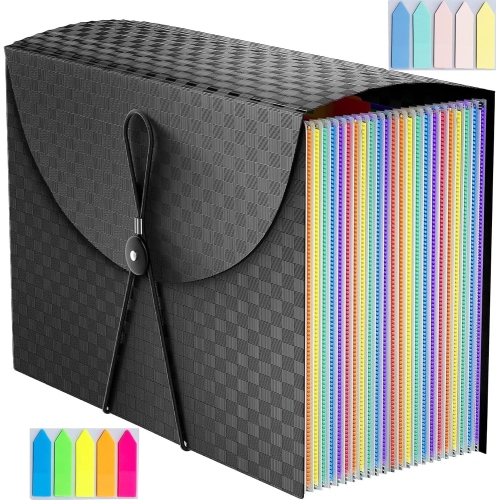
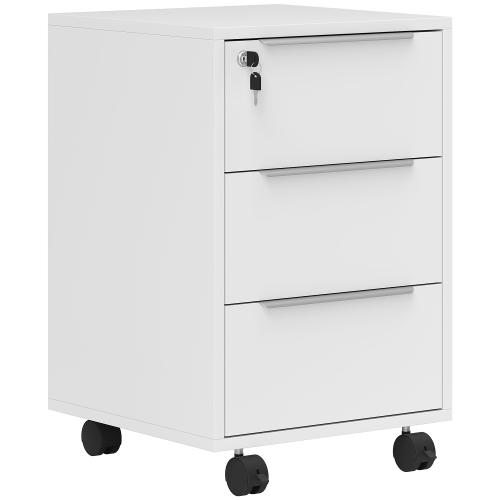
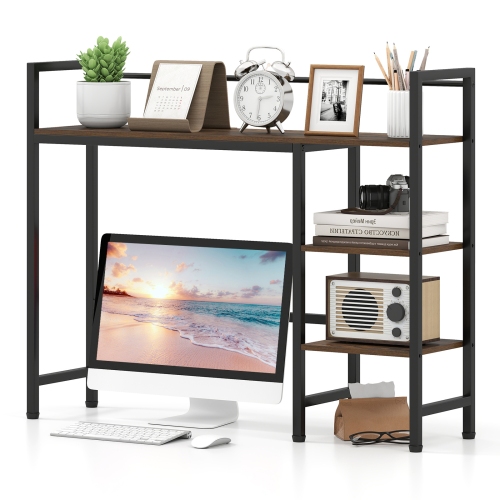
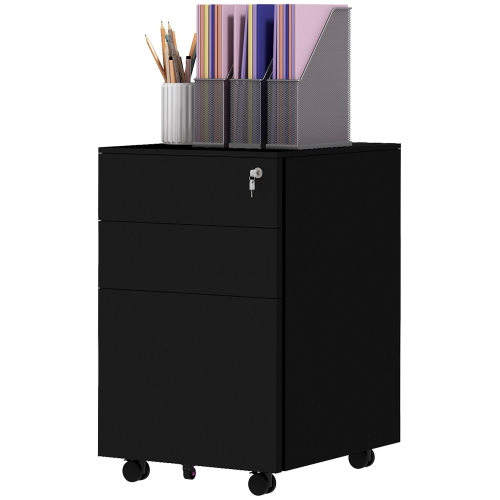
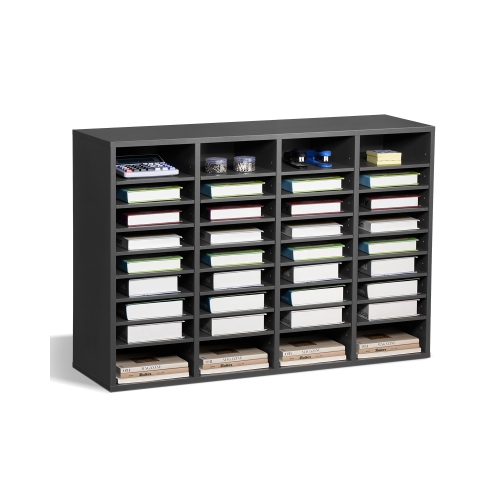
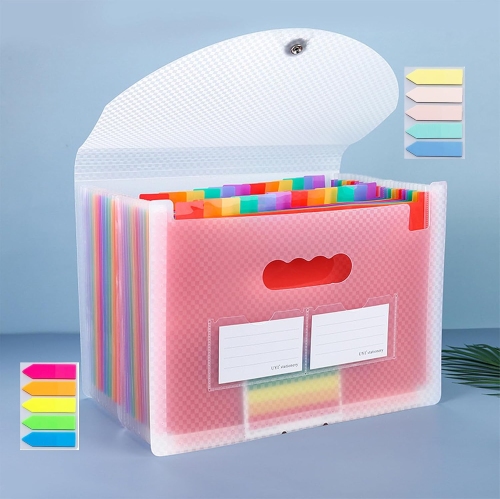
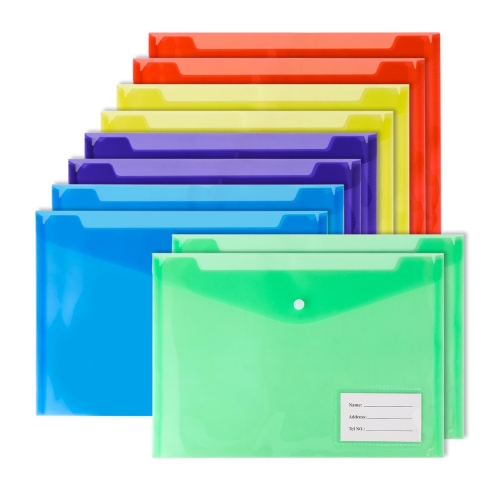
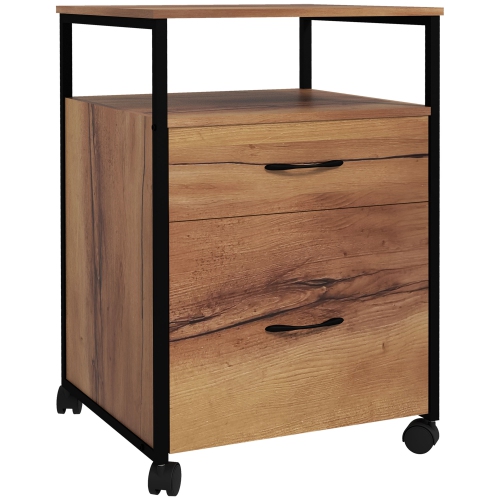

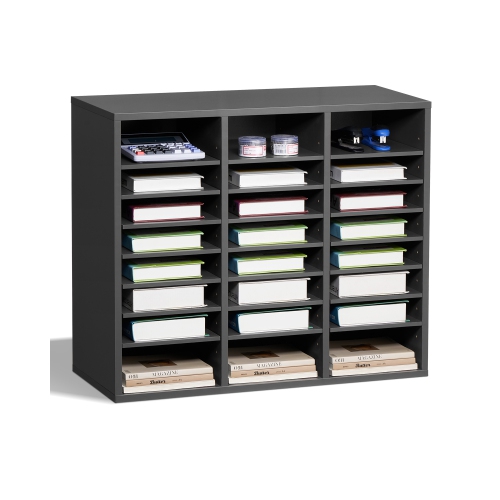
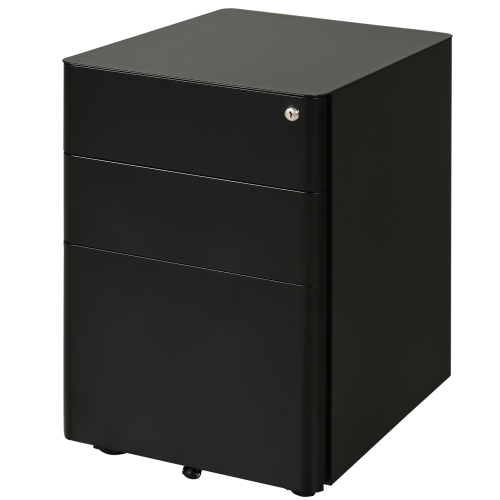
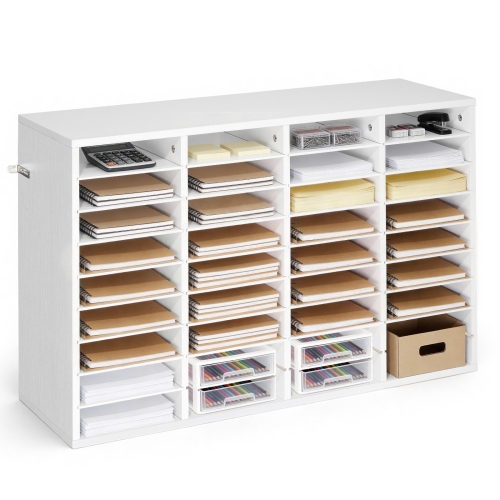
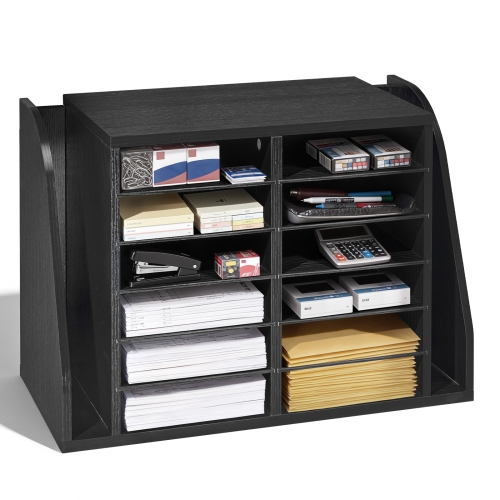
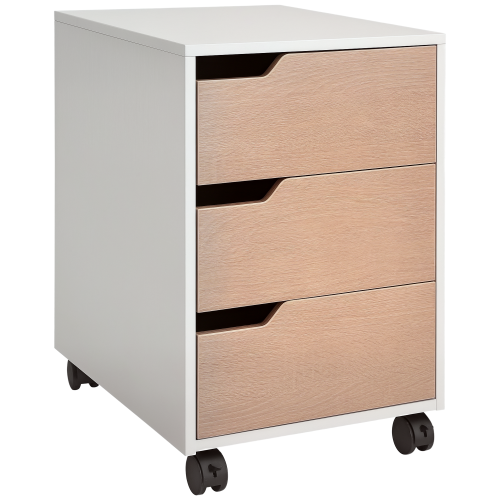
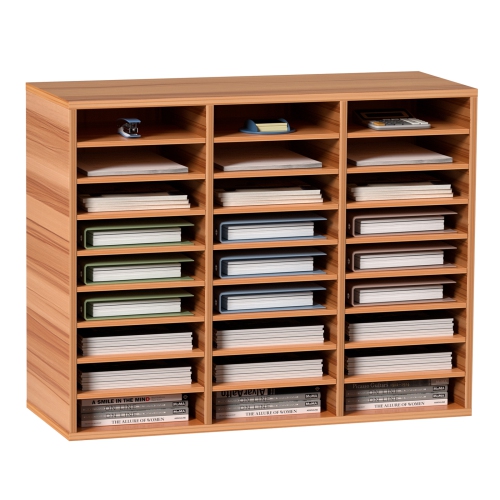
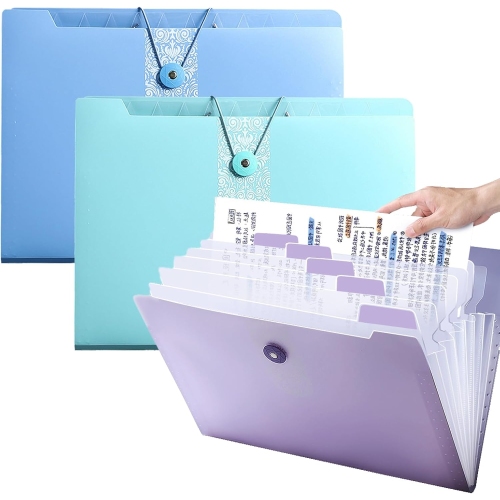
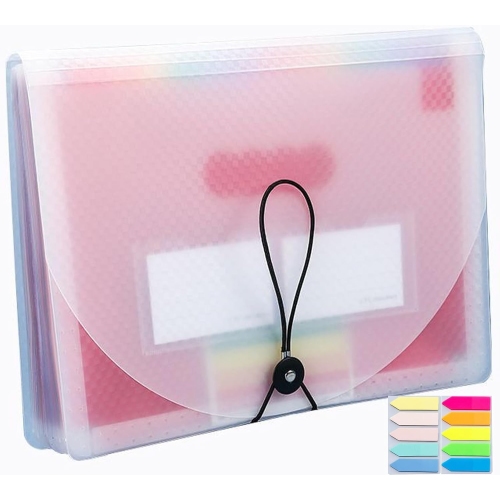


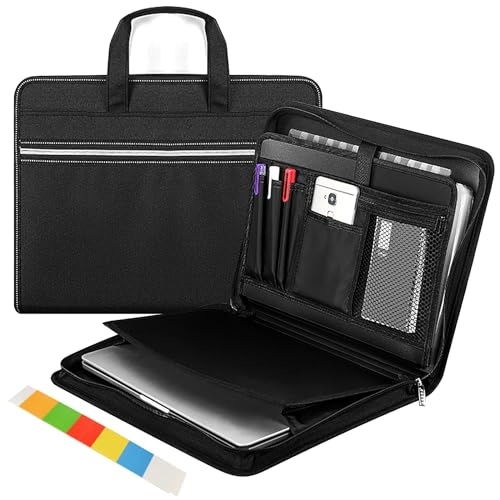
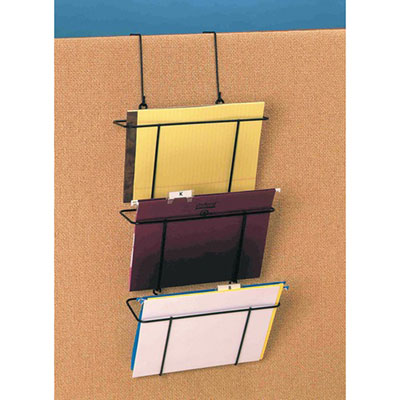
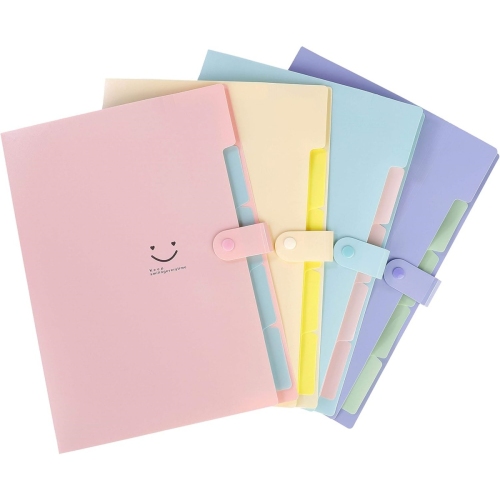
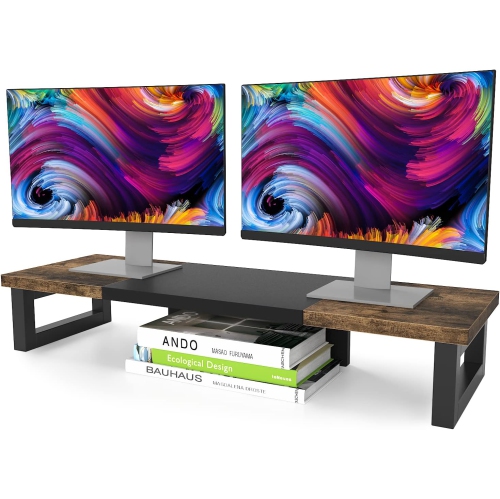
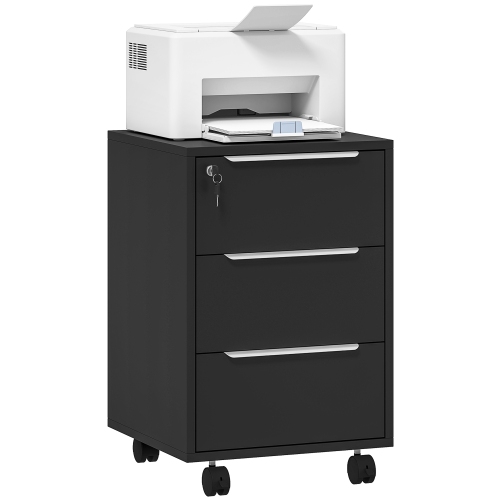
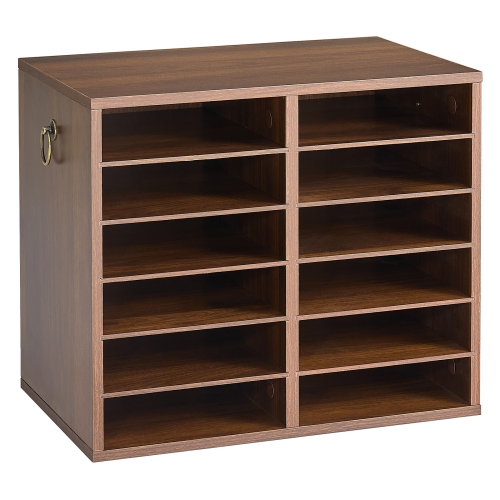

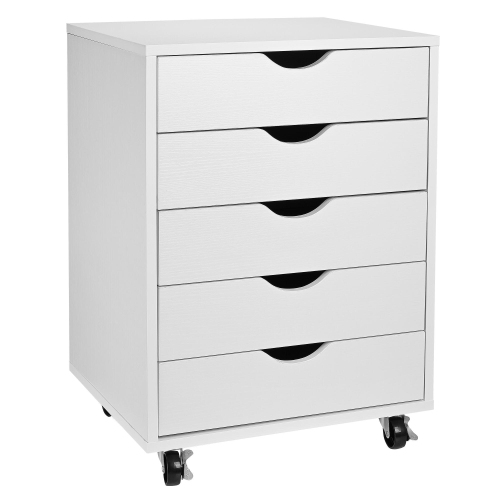
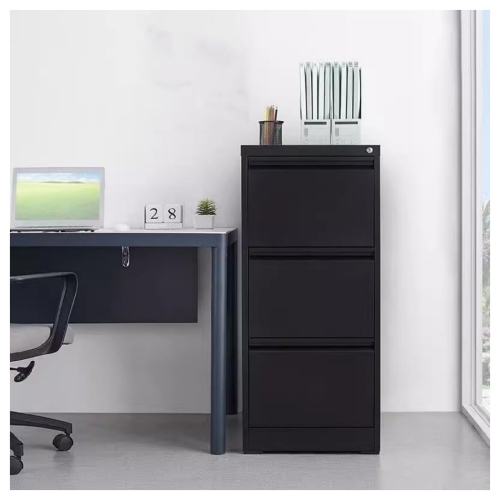
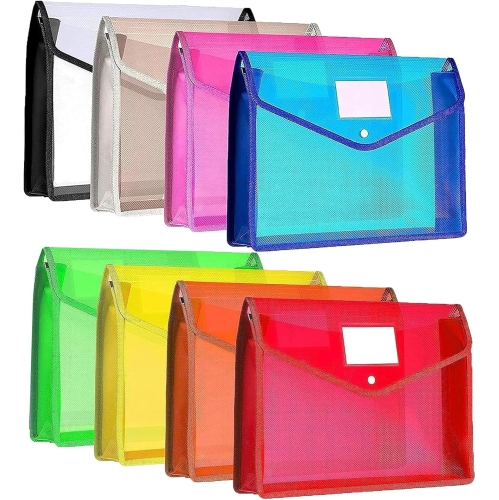
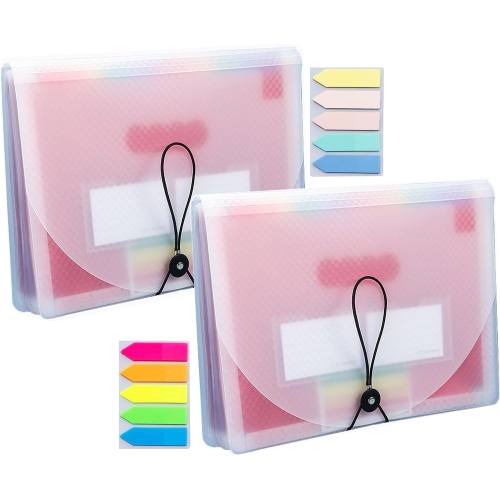
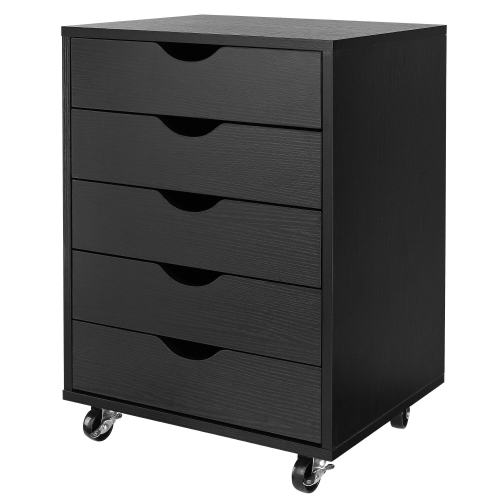
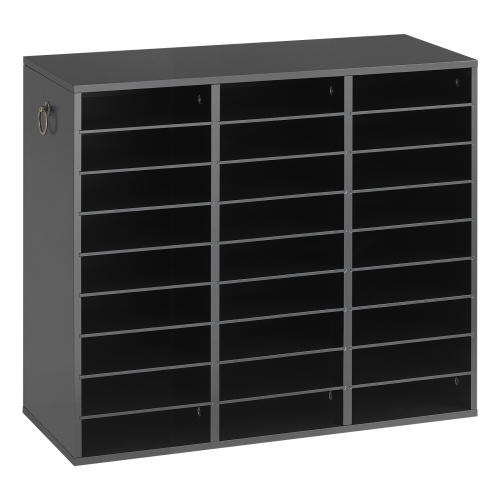
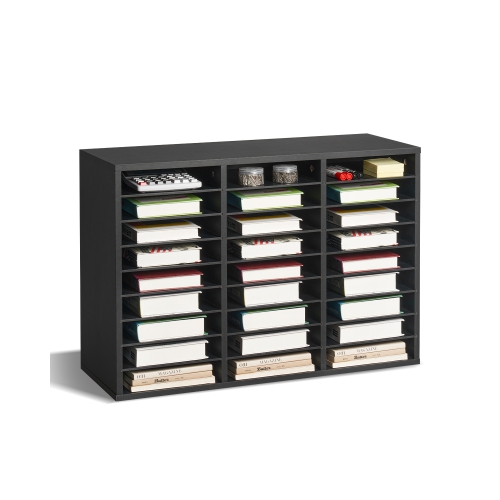
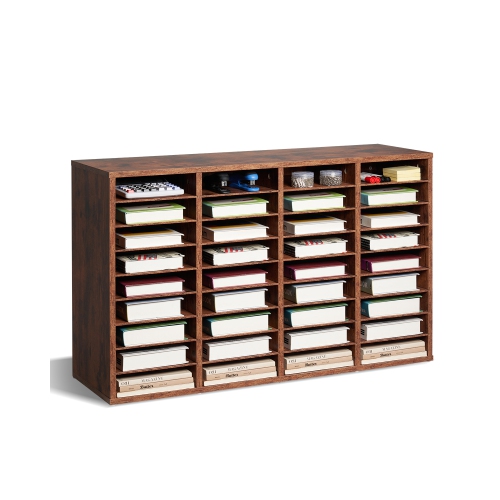
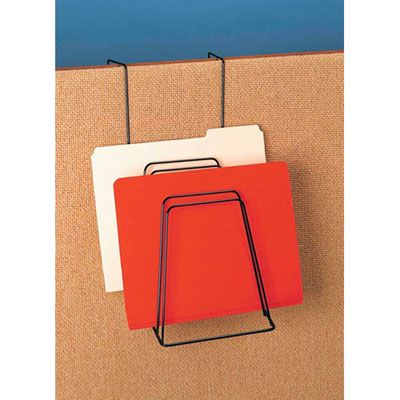
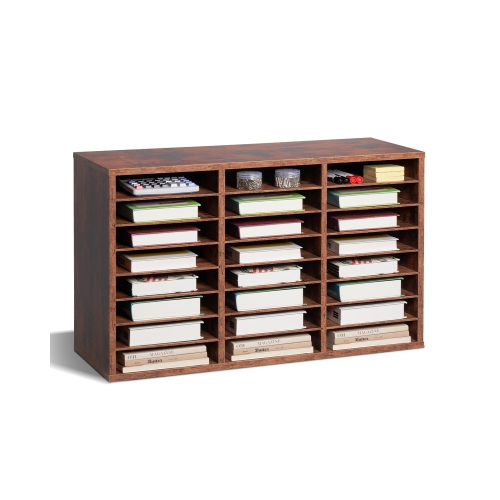
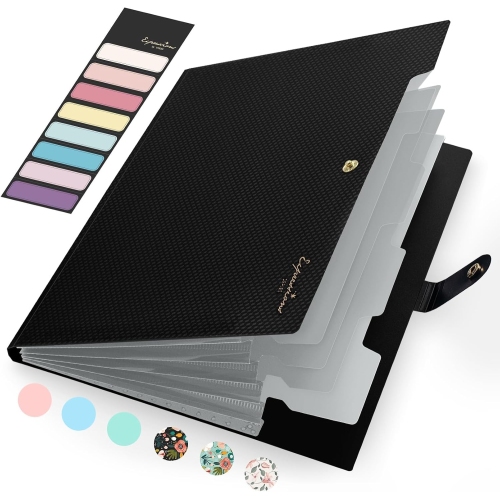

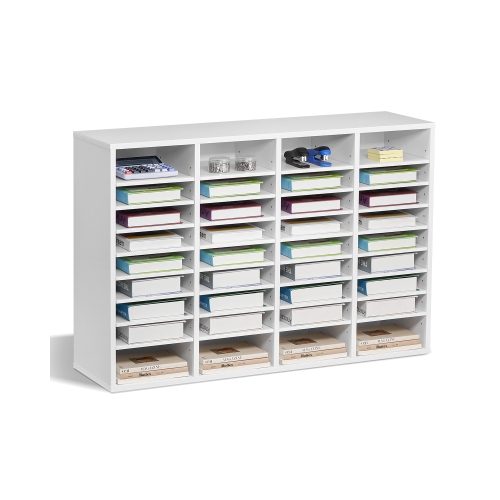

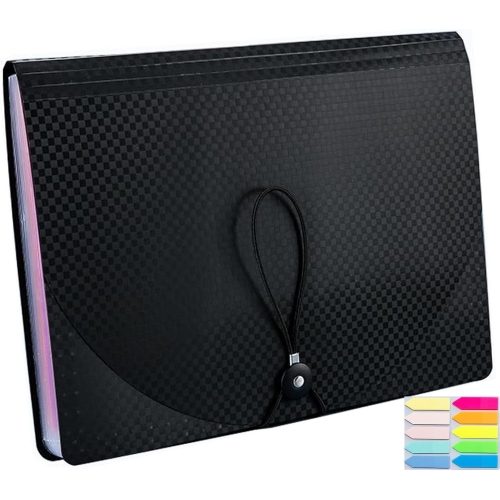
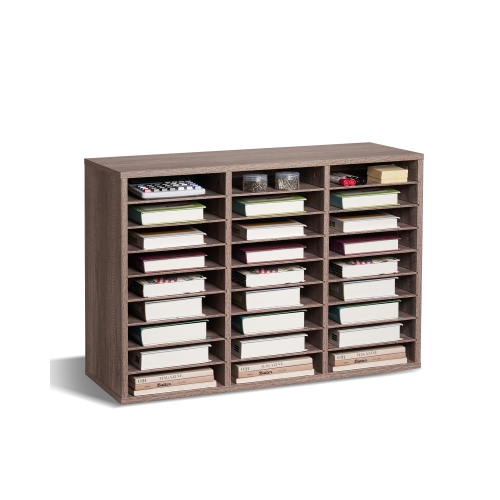
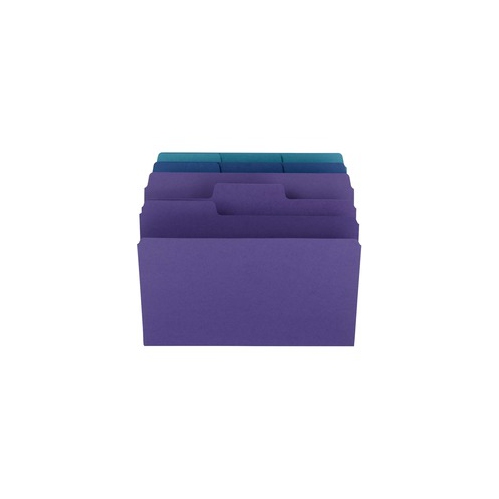
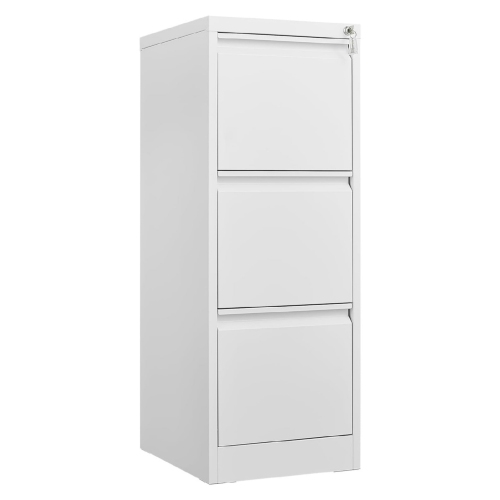

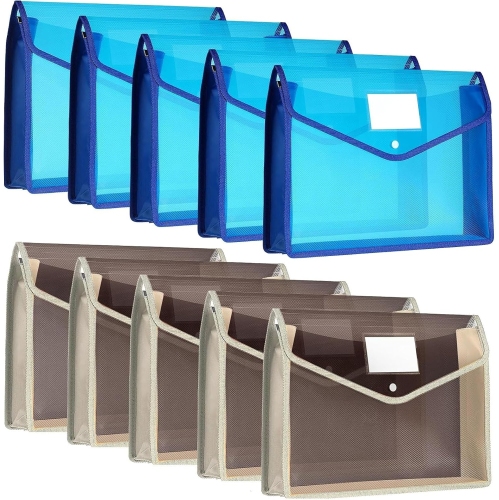
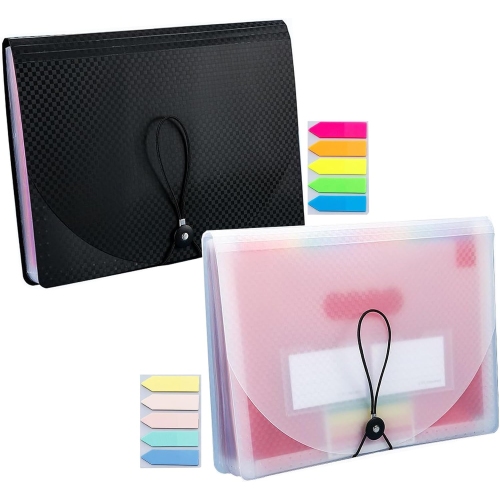
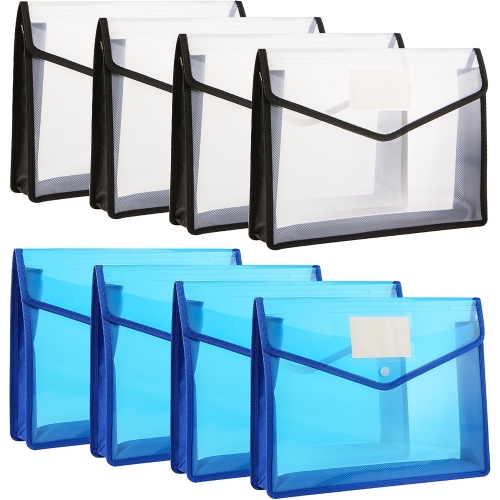
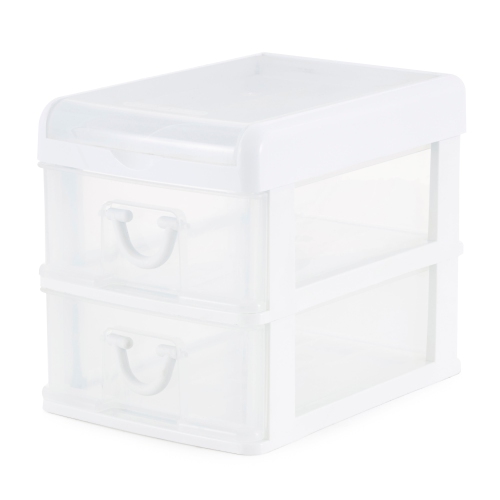

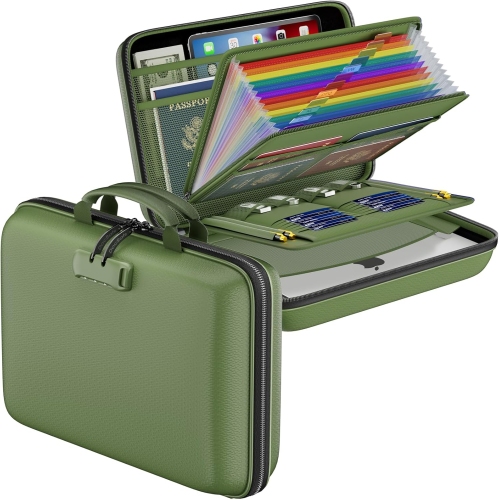
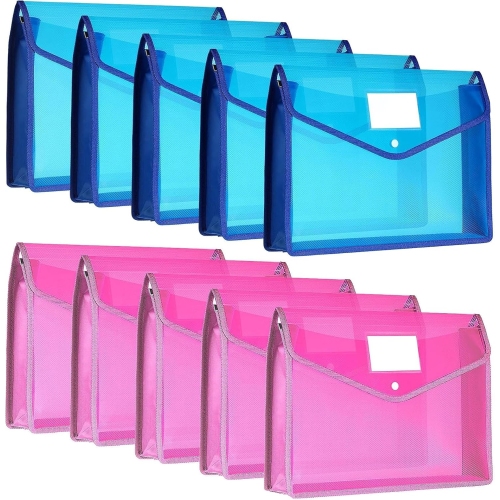
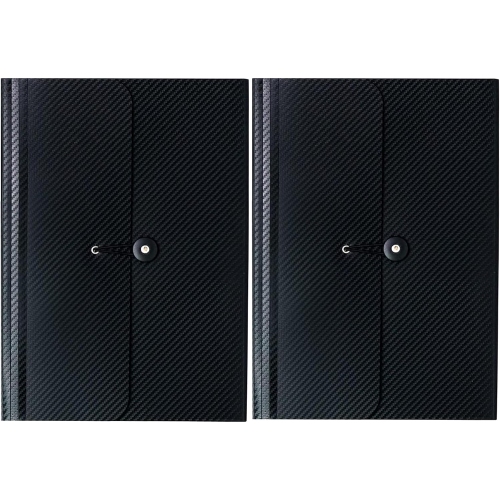
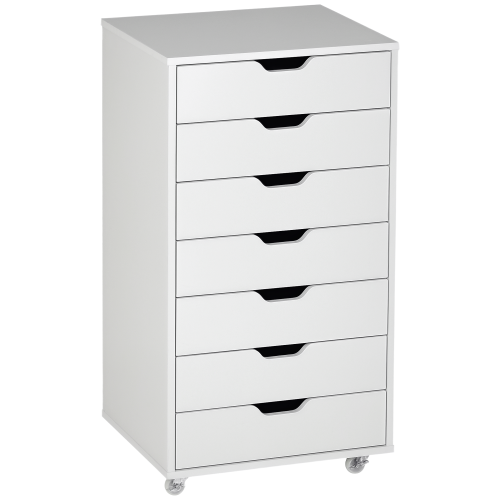
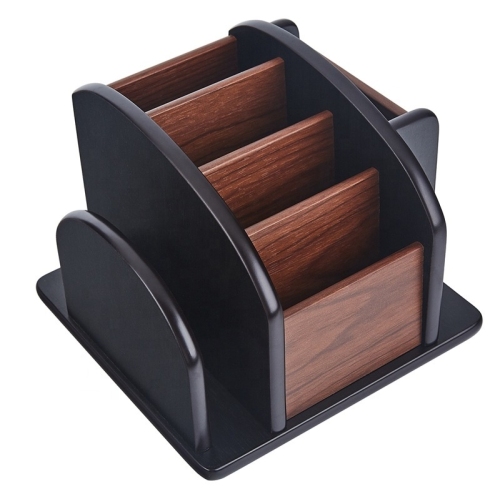
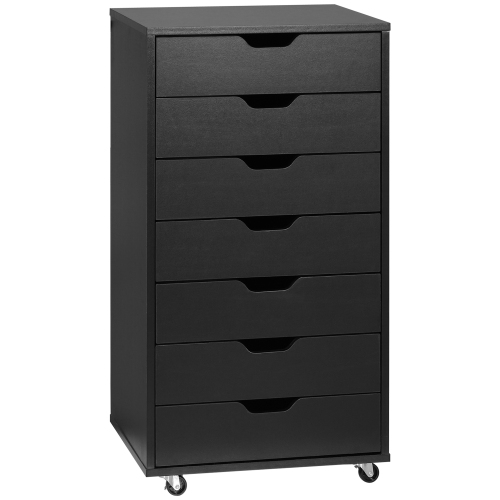
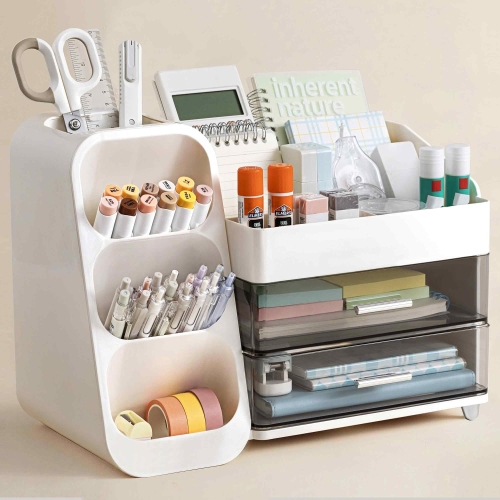
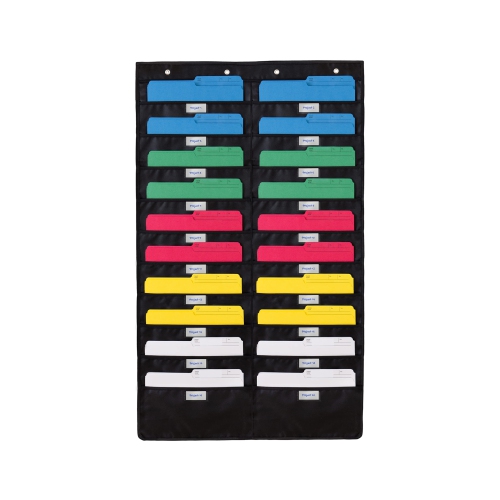
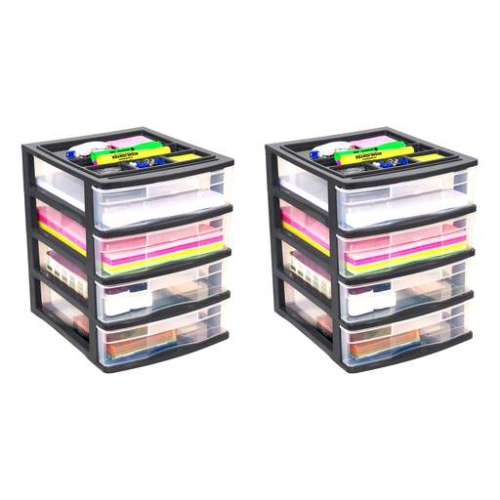
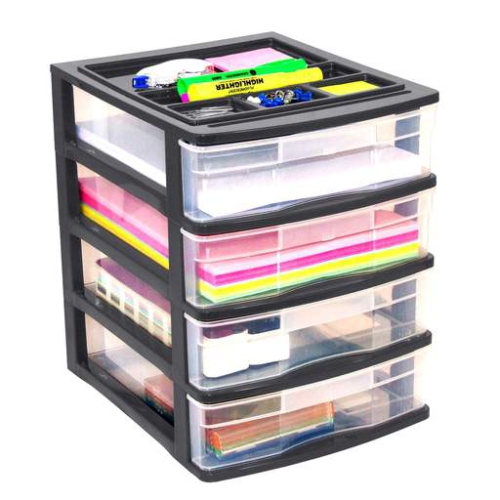

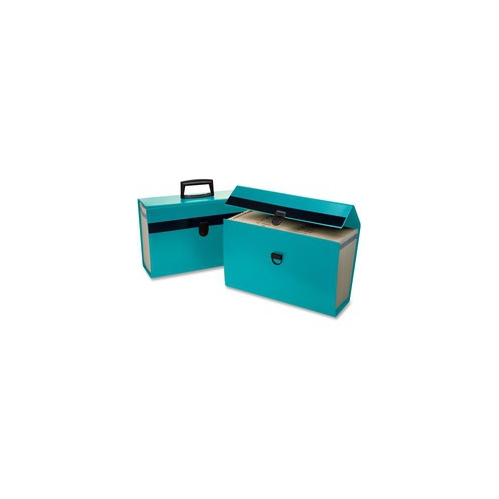
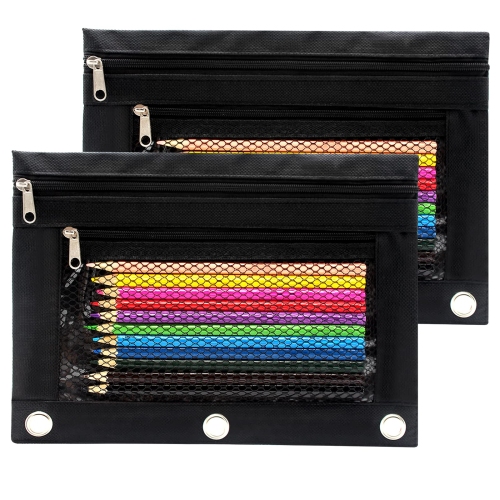
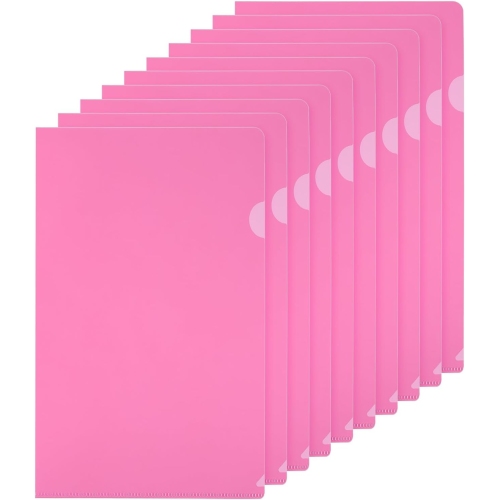

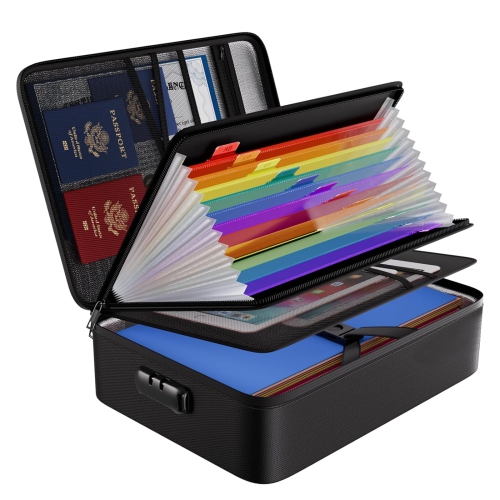


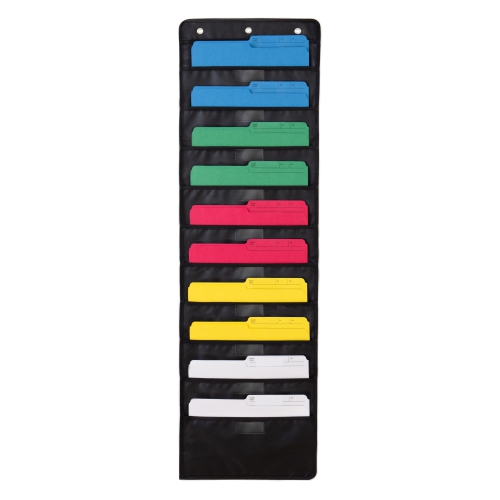
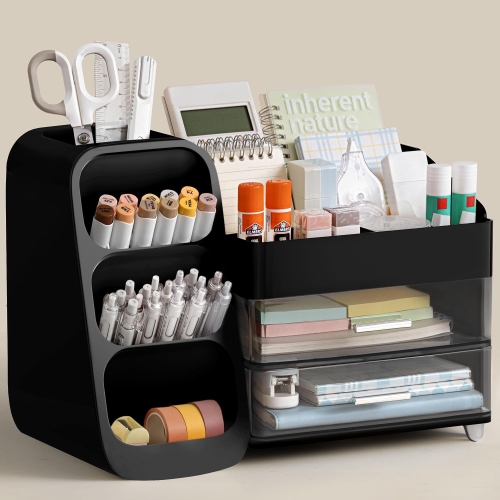
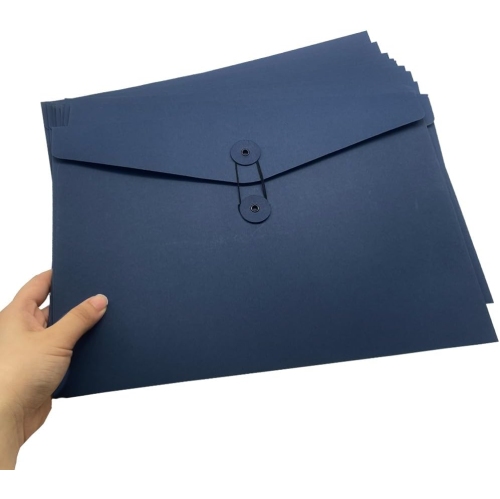
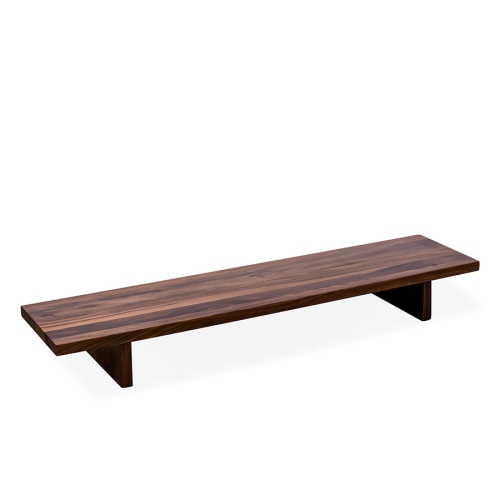
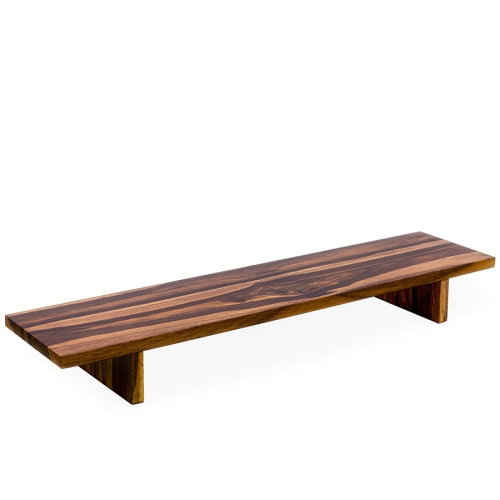
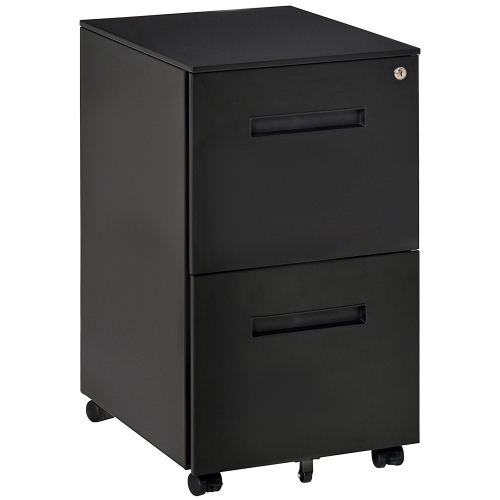
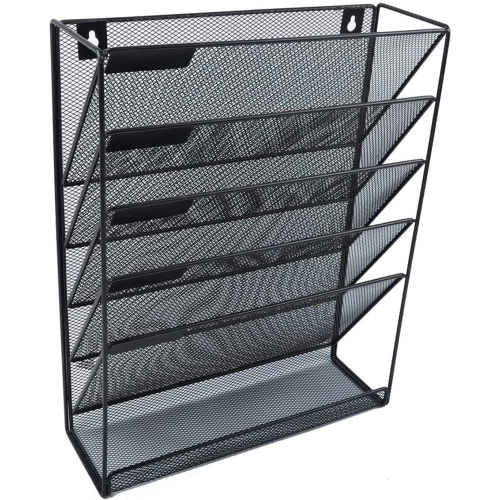


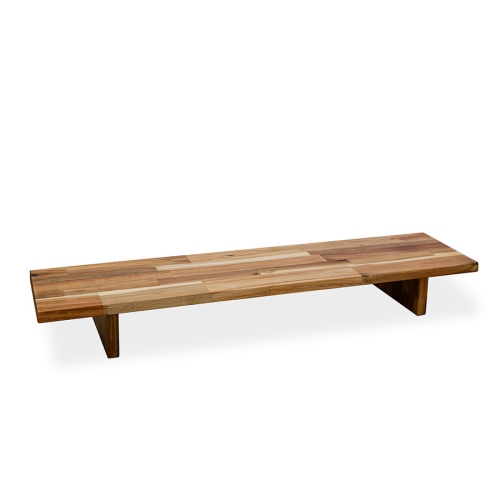
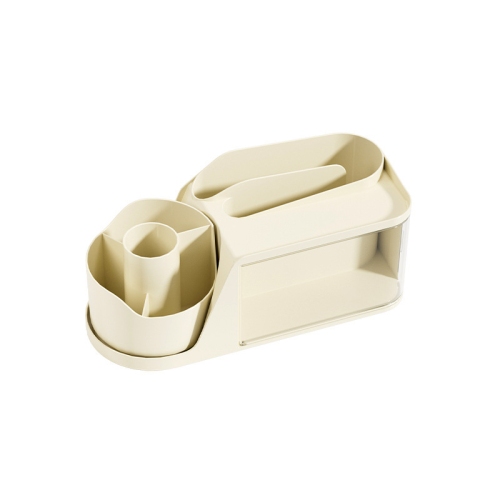


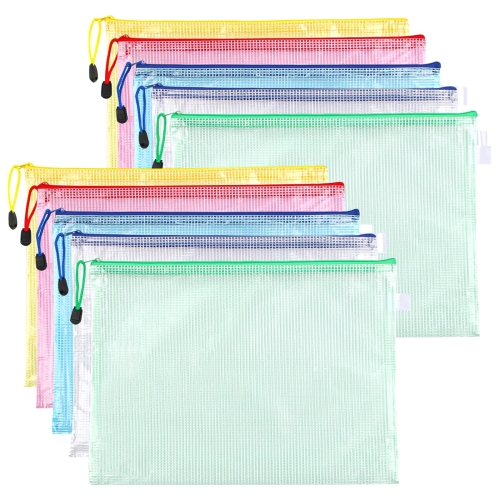
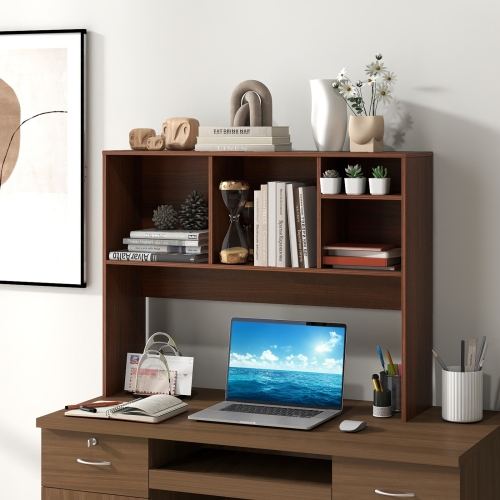
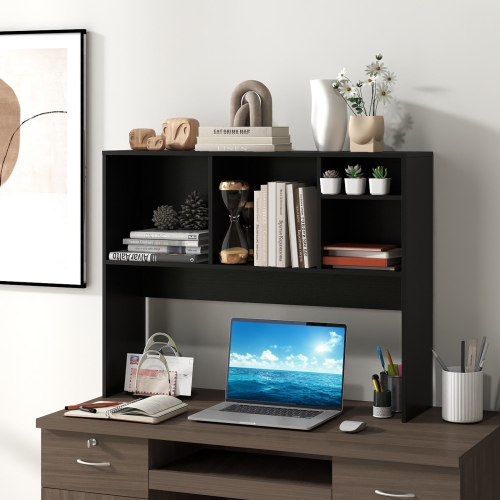
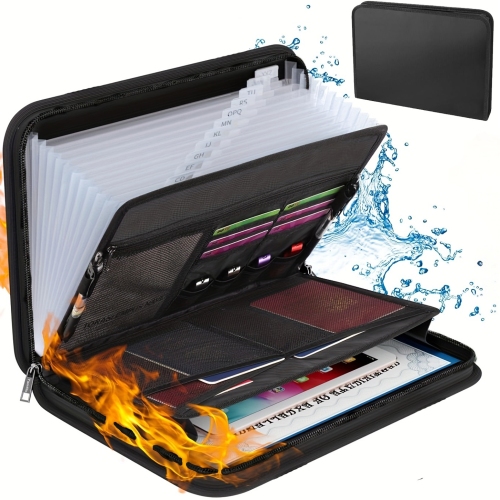
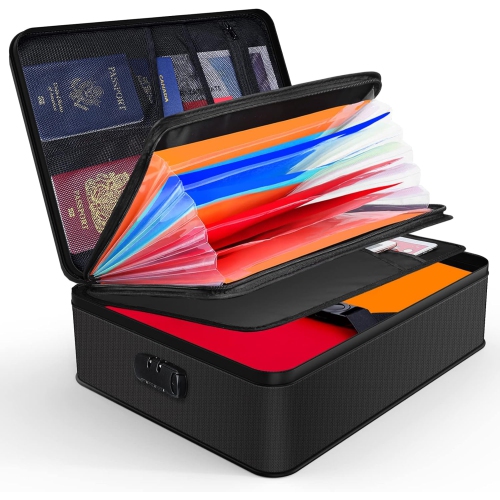
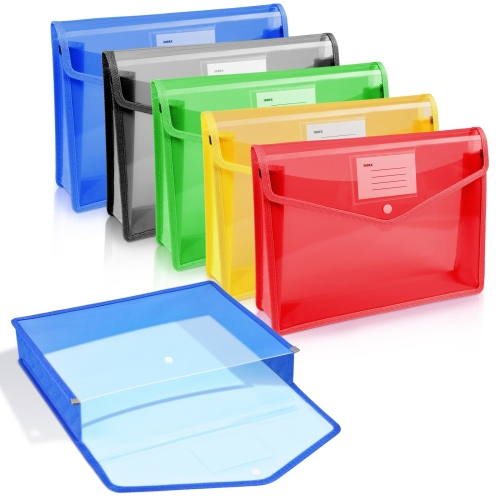
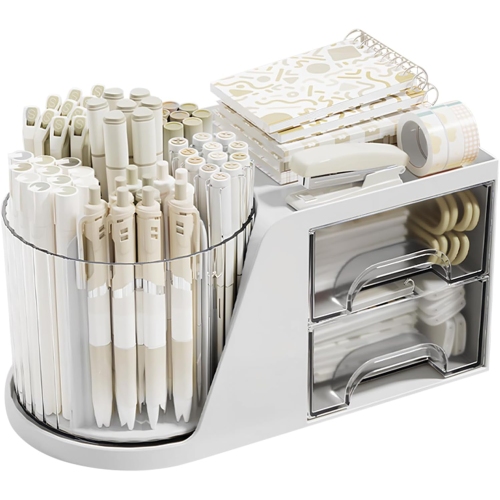

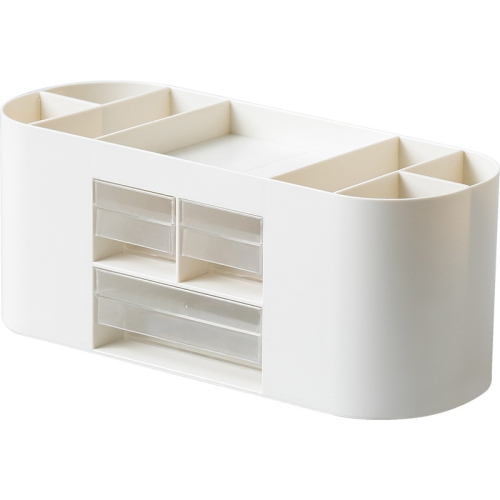
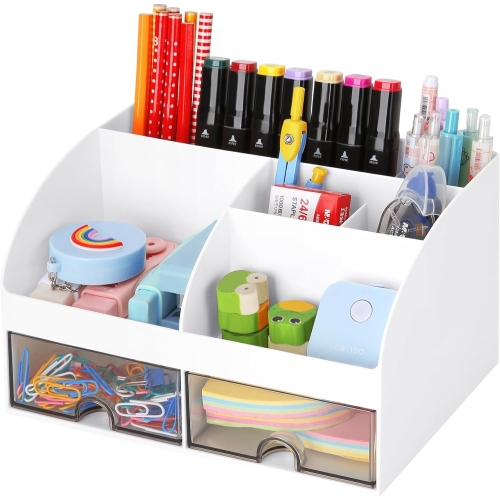
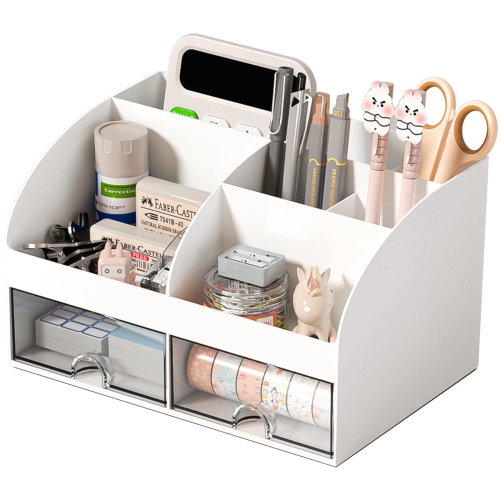
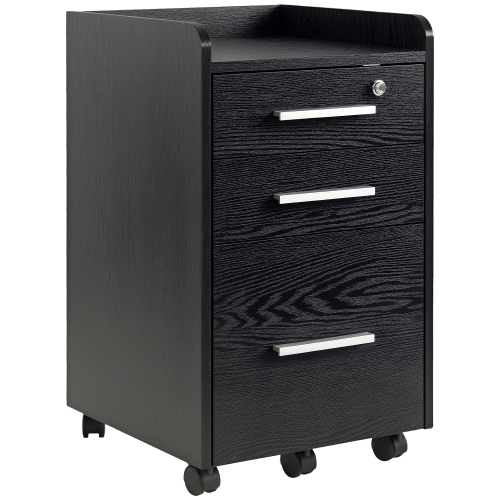

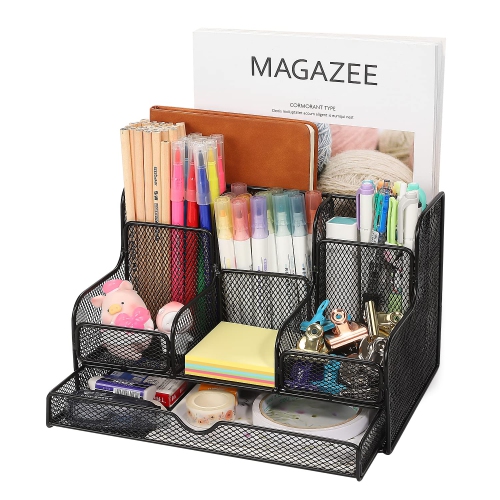
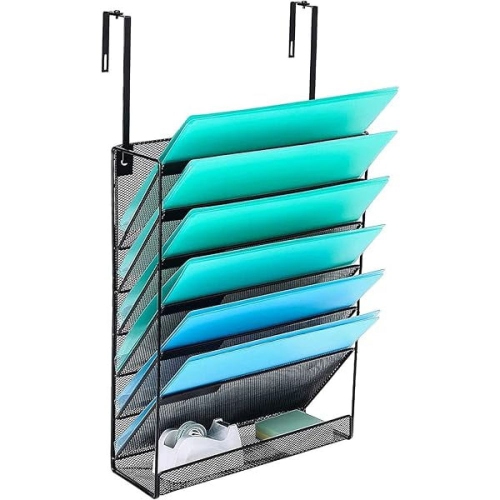
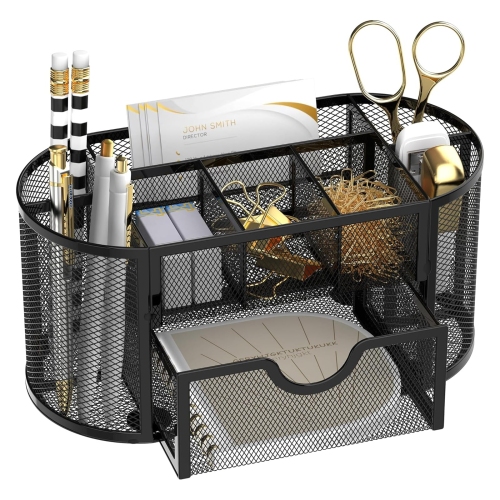
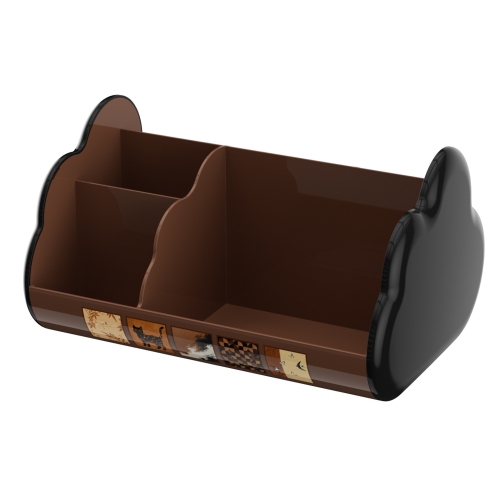
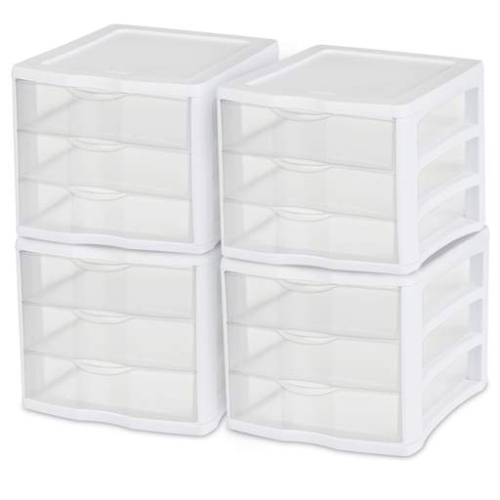
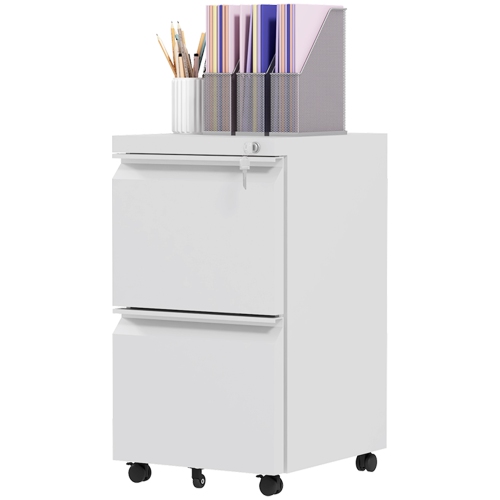
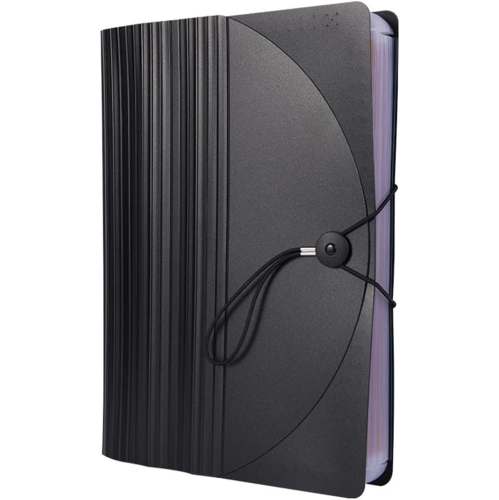

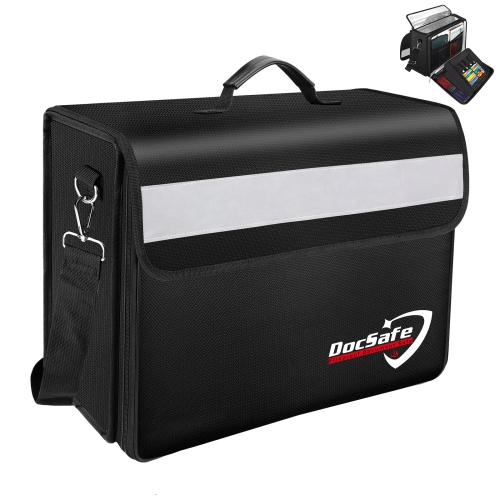

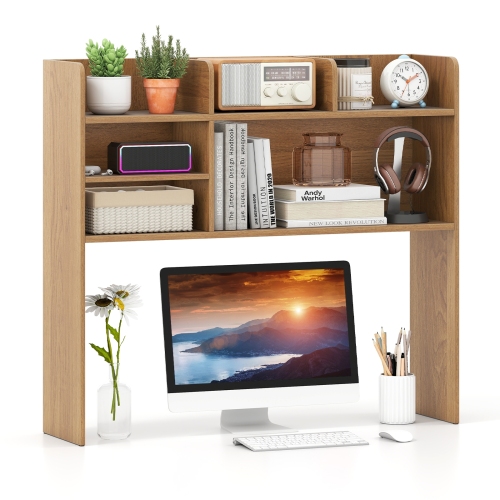

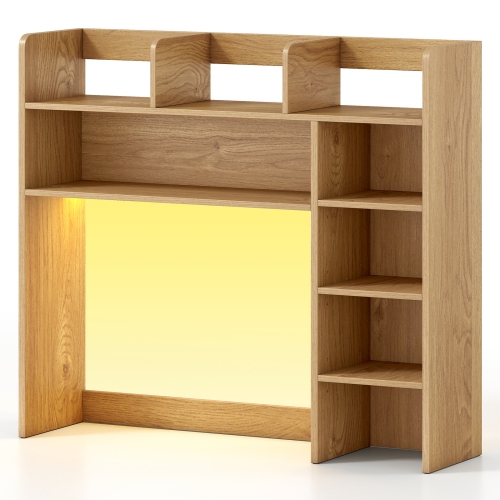
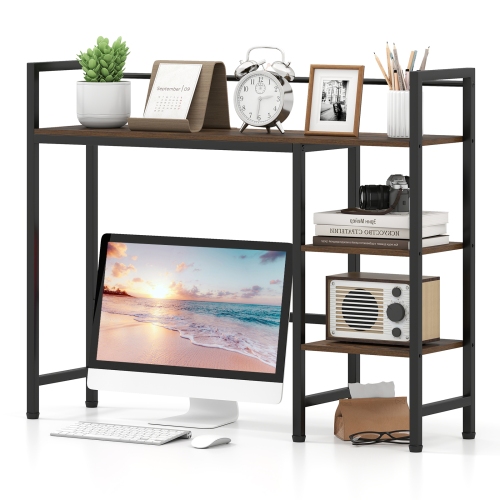
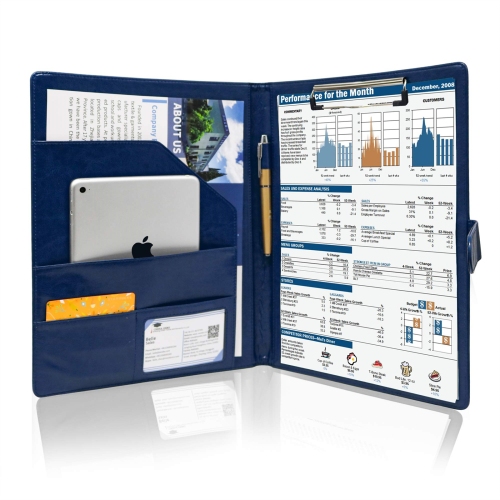
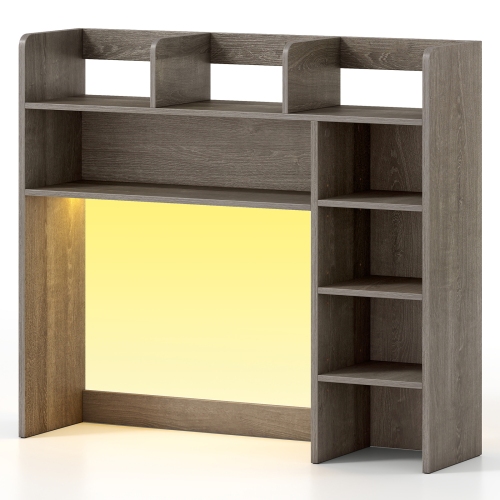
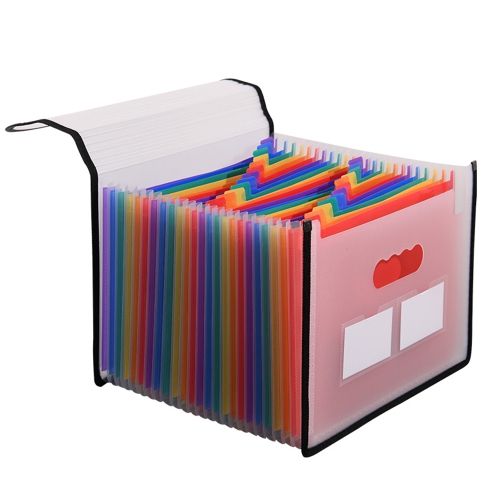

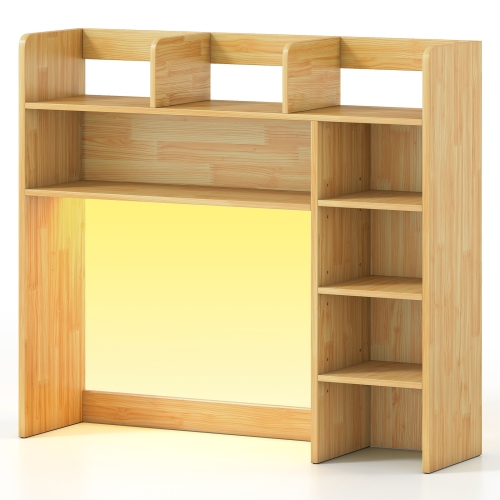
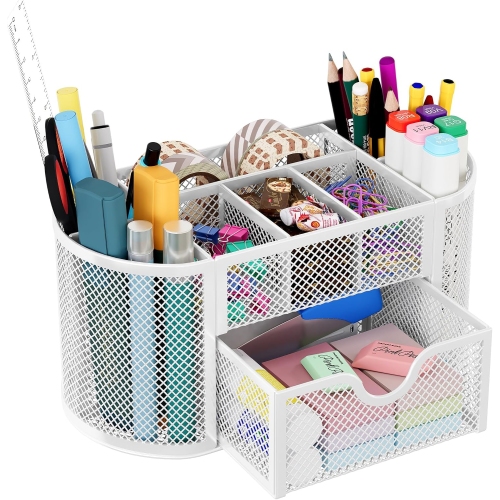
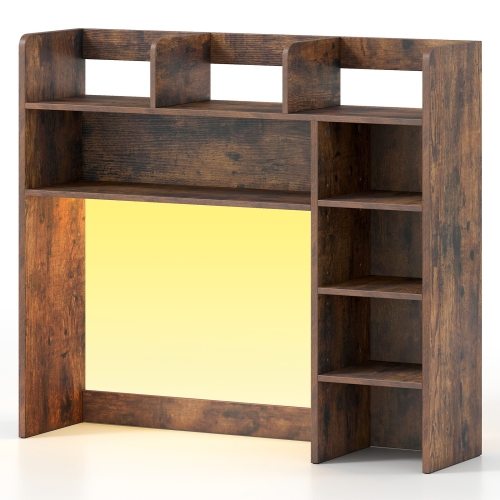
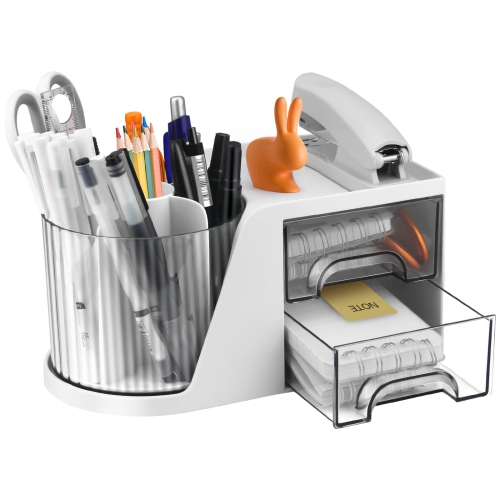
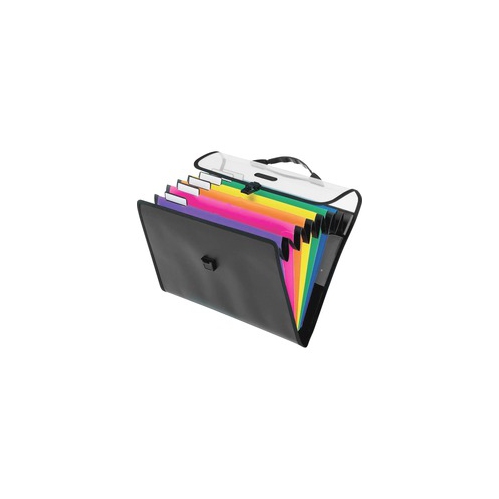

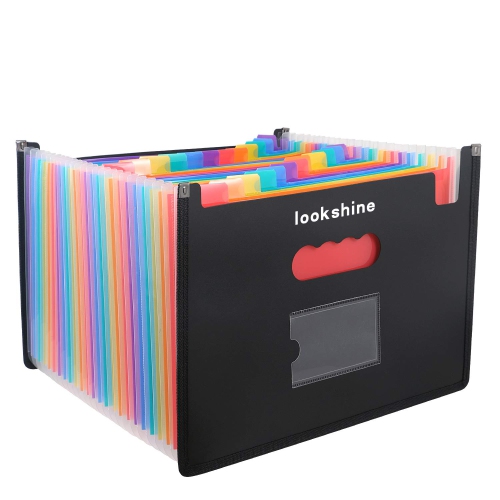
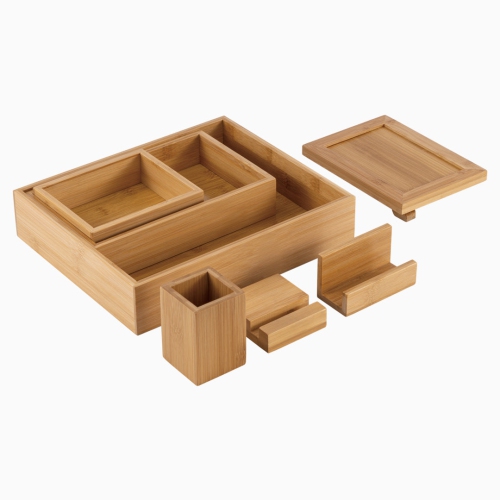


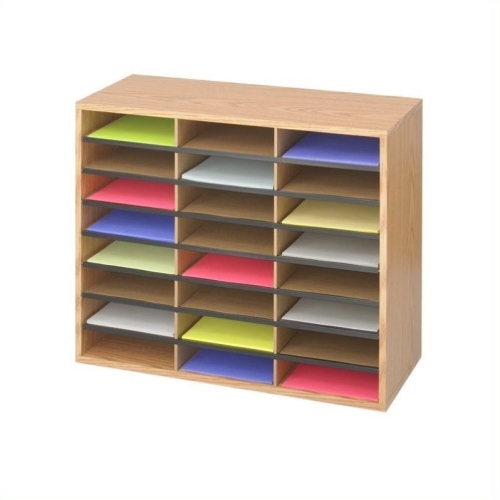
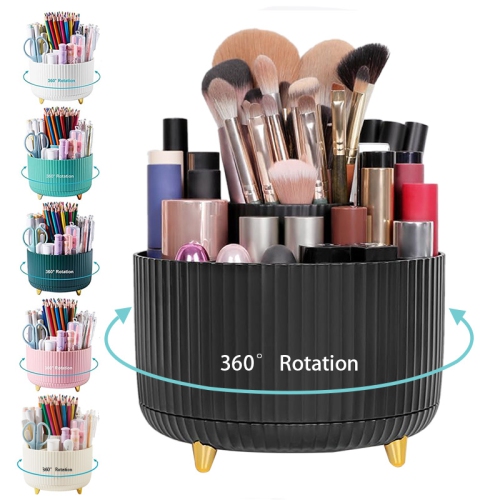

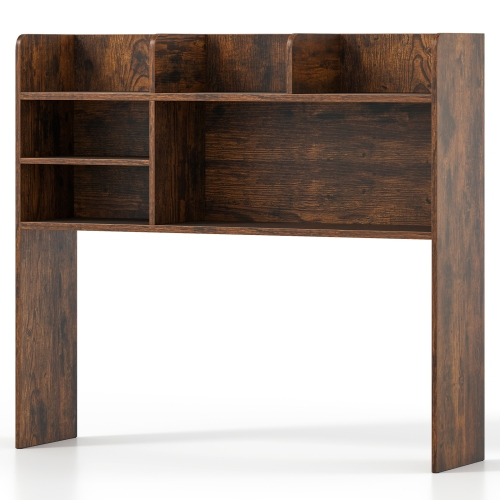
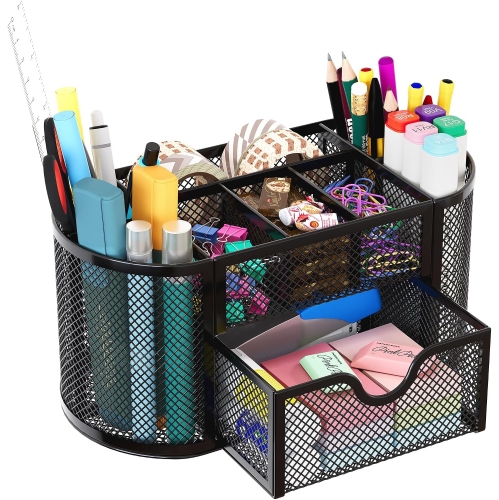

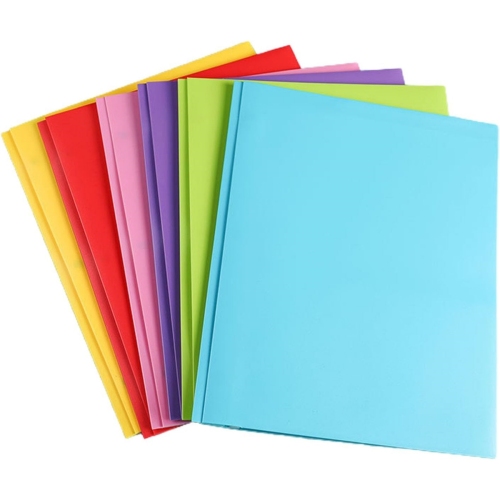


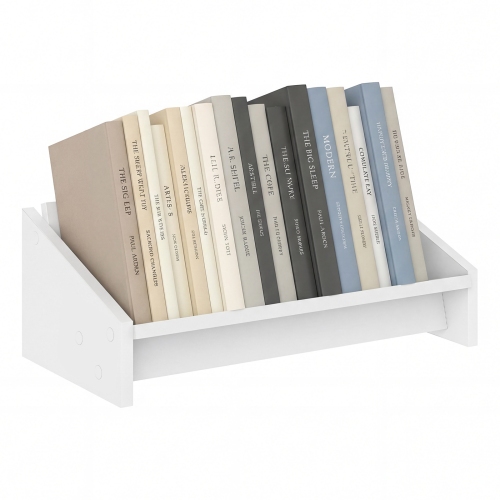
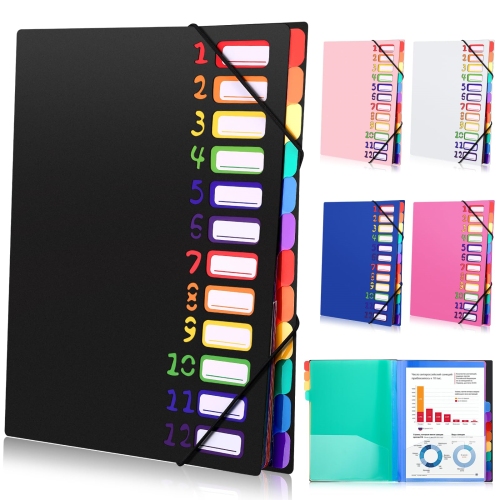

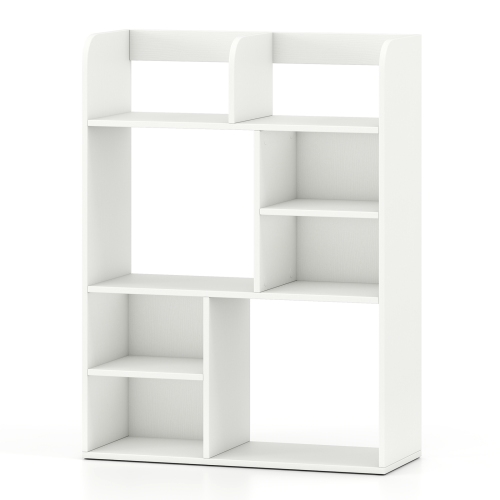
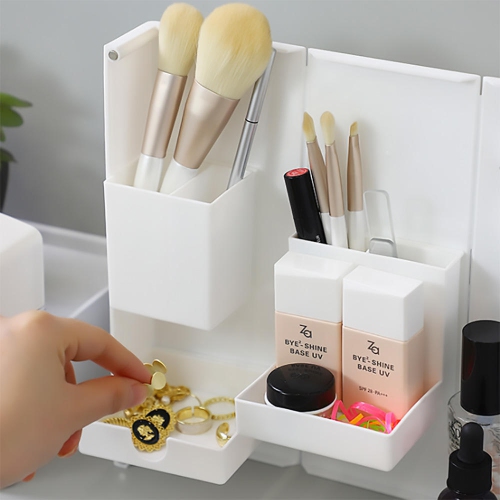
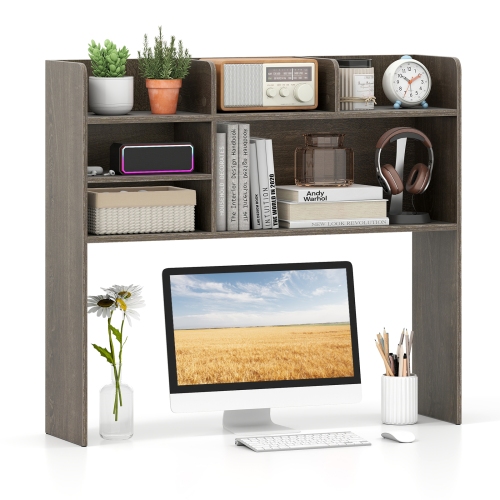
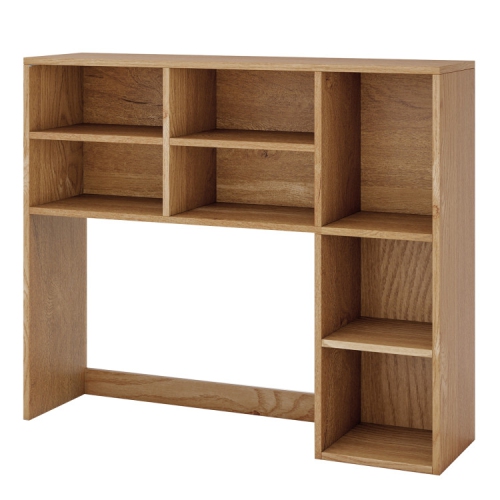
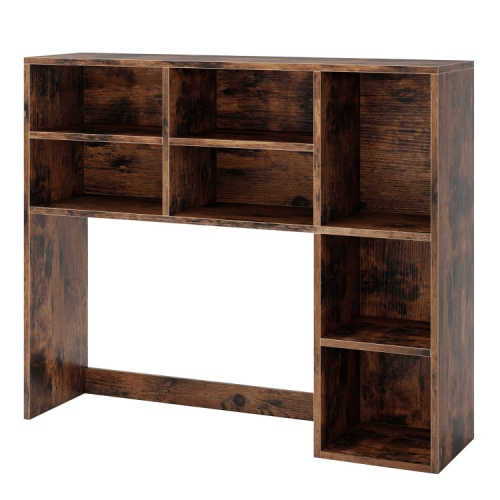
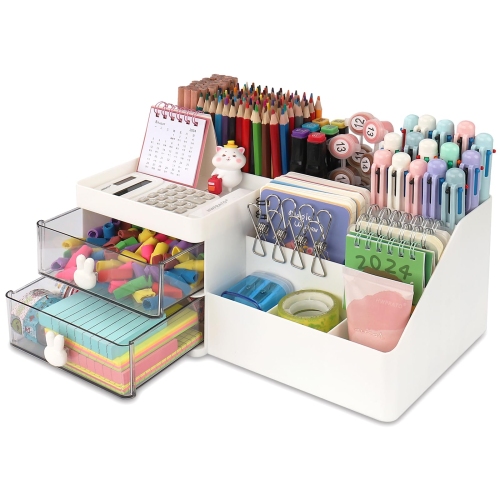

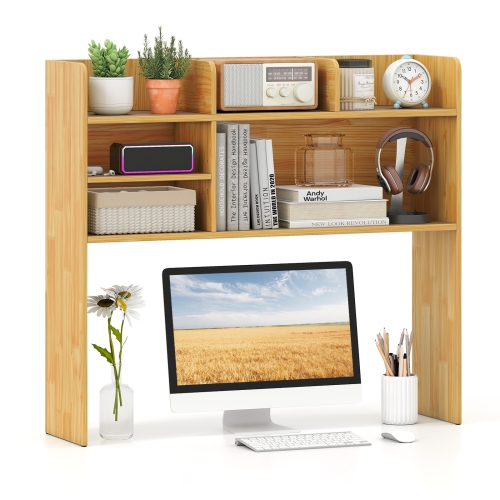

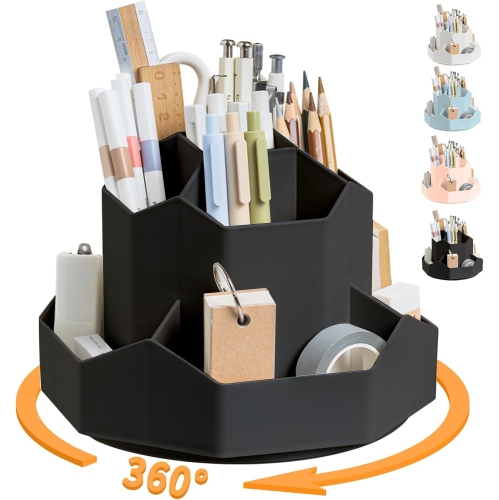

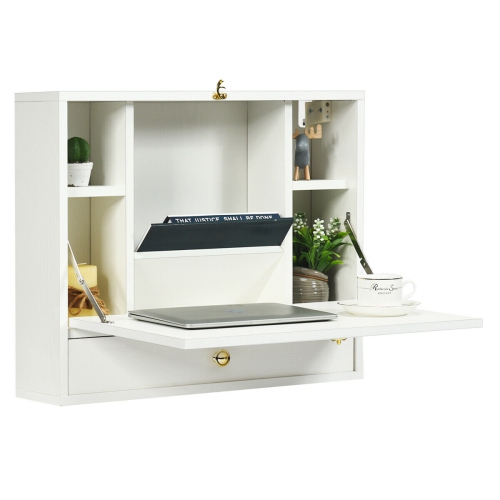
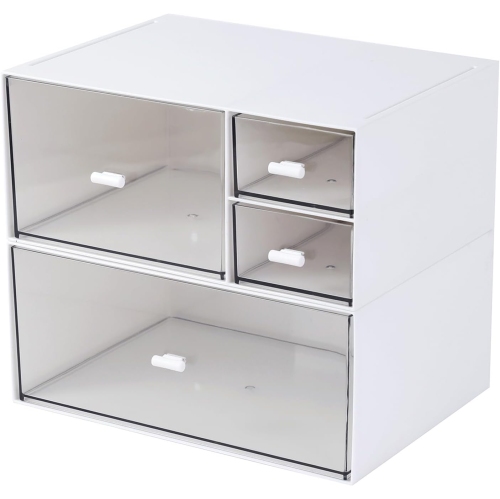
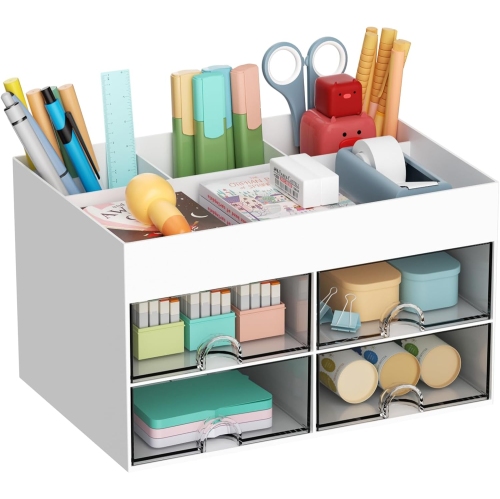
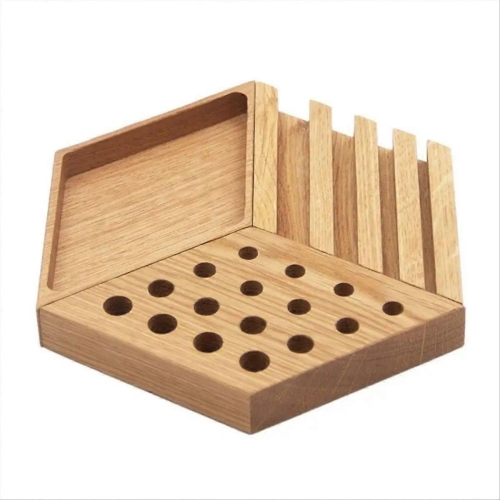
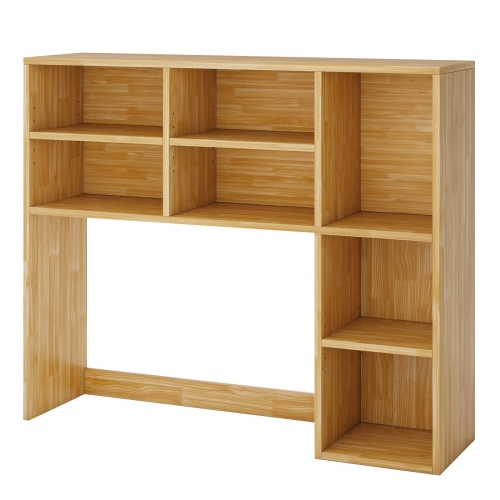
Everyday paperwork within reach without crowding your desk
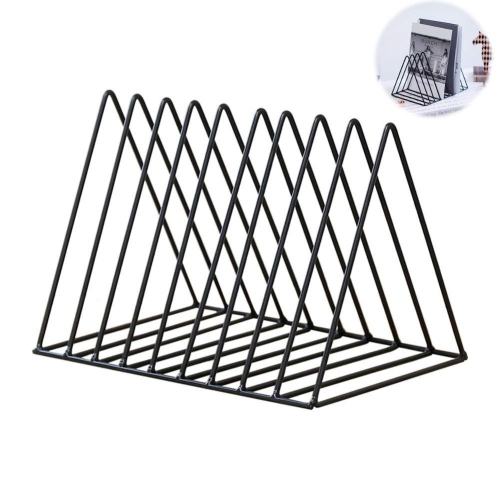
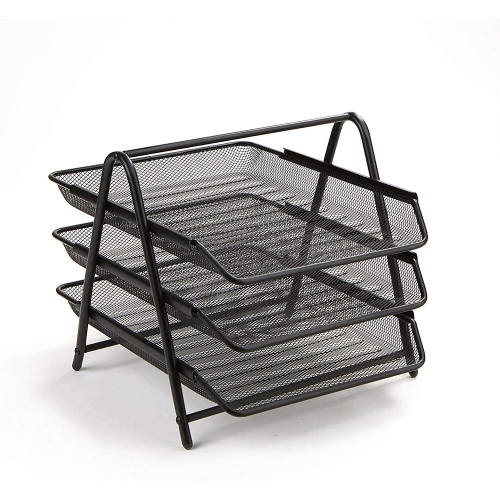
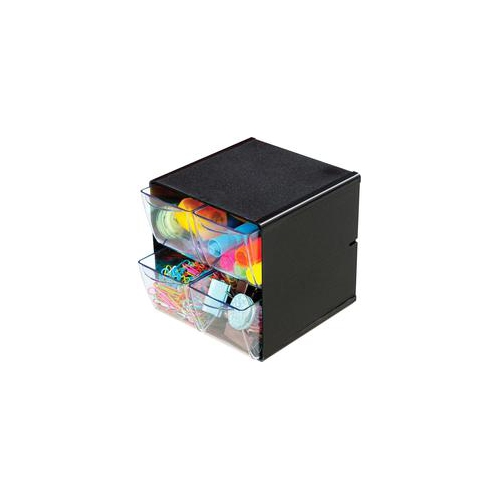
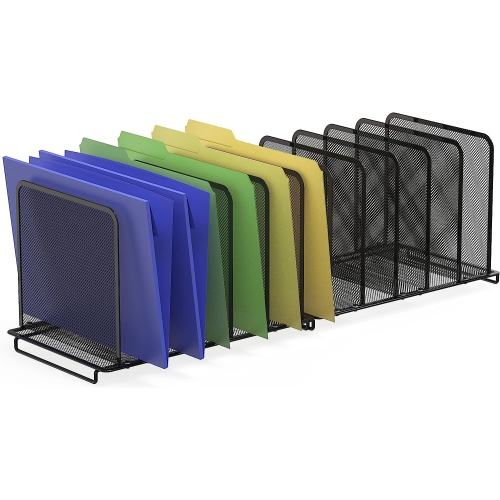
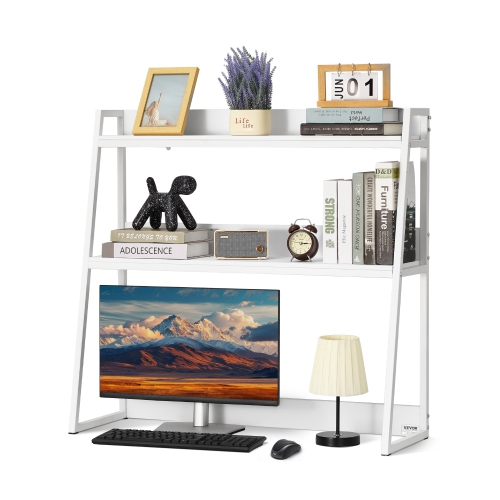
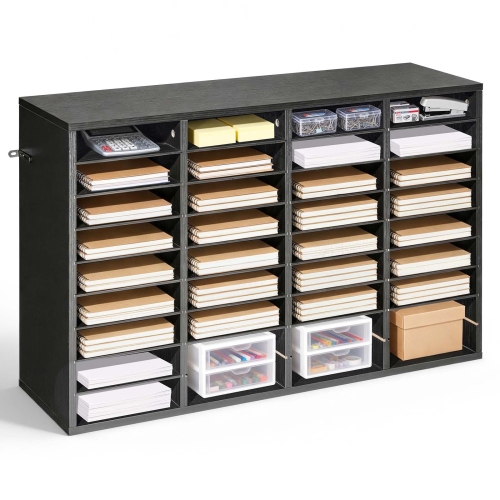
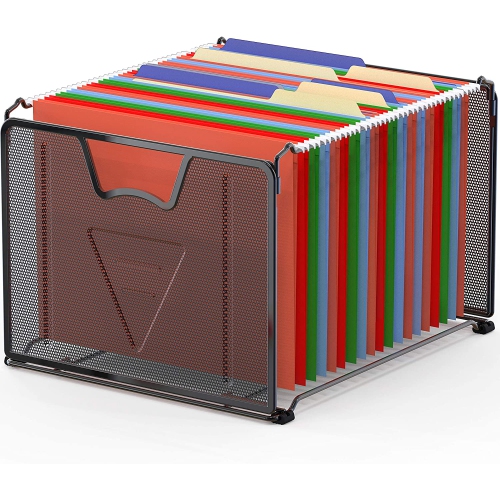
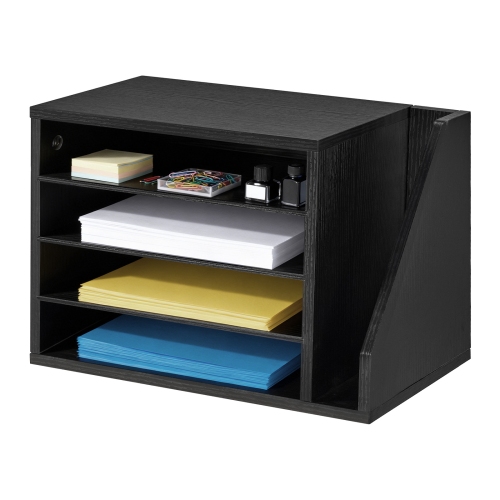
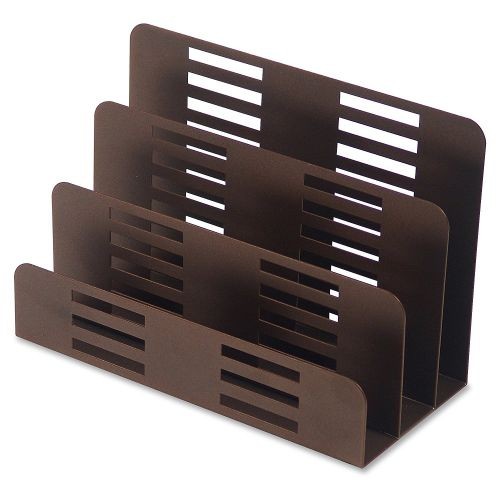
Desktop file organizers keep paperwork upright, separated, and within reach without turning a work surface into a storage cupboard. Designed for documents that need regular attention, they give incoming mail, project folders, forms, and notebooks a defined place beside a computer or writing area. The main formats include vertical sorters, horizontal letter trays, stepped file holders, and divided desktop units. Each suits a different way of working: vertical compartments make folder tabs easy to scan, while horizontal trays support loose sheets that might curl or slide when stored on edge. Stepped sections raise the back rows so shorter folders at the front do not hide everything behind them. For someone handling several projects, separate slots can keep client notes apart from reference material and paperwork awaiting a signature. At a family workstation, the same arrangement can separate school forms, household bills, and appointment letters without relying on a single growing pile. Desktop file organizers are most useful for active paperwork rather than long-term archives; keeping frequently used documents nearby leaves older files free to move into a drawer or cabinet. Open designs make it easier to spot the folder needed before a meeting, although visibility also means confidential information needs thoughtful placement. A solid-sided holder offers some visual screening, but it does not provide the protection of locked storage. The right layout depends as much on how papers arrive as on how many there are. A household that mostly handles envelopes may need narrow dividers, while a home office working with folders and booklets benefits from wider sections with enough support to keep contents upright. For workspaces built around everyday paperwork, Desktop File Organizers for Office Desks bring this type of document storage onto the work surface, where folders can stay close to the tasks they support. Their purpose is straightforward: less searching through mixed papers and more room to read, write, and work comfortably.
Size and construction determine whether a desktop file organizer fits naturally into a workspace or takes over the usable surface. Letter-size paper measures 8.5 by 11 inches, while legal-size paper measures 8.5 by 14 inches, so document compatibility deserves a closer look than the organizer’s overall width alone. Folders, tabs, and protective sleeves can extend beyond the edges of the sheets inside them. Internal compartment dimensions and the direction in which documents sit therefore matter, particularly when a holder is placed under a shelf or beside a monitor. A narrow upright sorter can suit a shallow desk, but enough clearance is still needed above it to lift folders out smoothly. Horizontal trays need room at the opening for a hand to grasp a stack without bending the corners. Wider compartments accommodate thicker folders and notebooks; closely spaced dividers suit slim files but can make packed sections awkward to use. Metal mesh has an open appearance that leaves contents partly visible and allows dust to be seen before it builds up. Solid metal offers a more enclosed look, with durability influenced by the thickness of the material, the finish, and the quality of the joints. Plastic designs are often lightweight and easy to move, while clear acrylic allows a view of papers through the sides. Wood and wood-composite organizers add a more furniture-like presence, though their surfaces and edges may need protection from moisture. No single material guarantees strength: a stable base, firmly attached dividers, smooth edges, and a construction suited to the intended load are all important. Non-slip feet can help limit movement on a smooth desktop and reduce contact between the base and the desk finish. Stackable trays make use of vertical space, but their stacking method and stated load limits should suit the amount of paper being stored. A tall arrangement needs a level surface and should not obstruct a screen, desk lamp, or frequently used shelf. Measuring the intended spot with the keyboard, mouse, and writing pad in place gives a more realistic sense of fit than measuring an empty desk.
Daily use and simple care have a large influence on how well a file organizer holds up. Paper is surprisingly heavy in quantity, and tightly packed compartments can strain dividers while making files harder to remove. Leaving enough space to slide a folder out with one hand helps prevent torn tabs, bent corners, and the familiar shuffle of pulling several documents out together. Where a design includes label holders, short labels based on a task or person can make shared storage easier to follow. An incoming section, a space for work in progress, and a place for completed paperwork can support a straightforward routine without needing a complicated filing system. A student might separate course handouts from assignment notes; a teacher might group forms by class; someone running a small business might keep supplier paperwork apart from documents requiring follow-up. In a shared home office, assigning a section to each person can prevent school notices from disappearing between work folders. Placement matters, too. Keeping the organizer within a comfortable reach avoids stretching across a keyboard, while leaving space between paperwork and drinks helps limit spills. For cleaning, follow the material’s care instructions and empty the compartments before wiping them down. A soft cloth can lift surface dust, and a soft brush can reach mesh openings and narrow corners. Where permitted, a lightly dampened cloth can remove marks, with the surface dried afterwards; soaking, abrasive pads, and harsh cleaning agents may damage finishes or cloud clear surfaces. Wood-composite edges deserve particular care around moisture, and feet or pads should be checked occasionally for trapped grit that could mark a desktop. File organizers can also make practical gifts for students setting up a study area, someone starting a home-based role, or a household creating a shared paperwork station. A useful gift matches the recipient’s desk dimensions and document habits rather than simply adding compartments. Whether the setting is a compact apartment desk or a dedicated office, thoughtful proportions and accessible storage help keep everyday papers orderly without crowding out the work itself.
Top selling and popular products
-
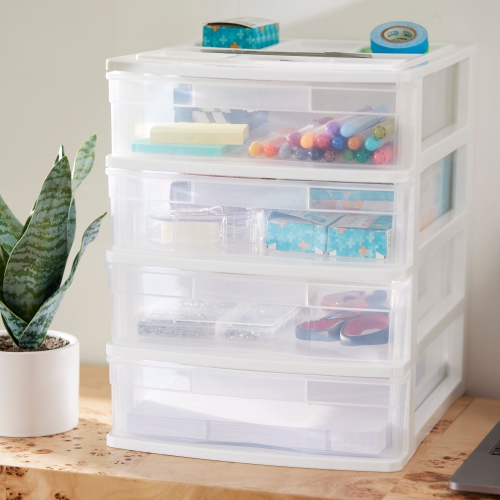 Your price for this item is $143.99
-
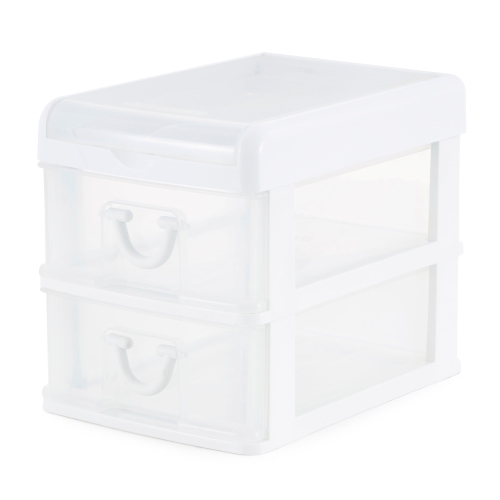 Your price for this item is $56.99
-
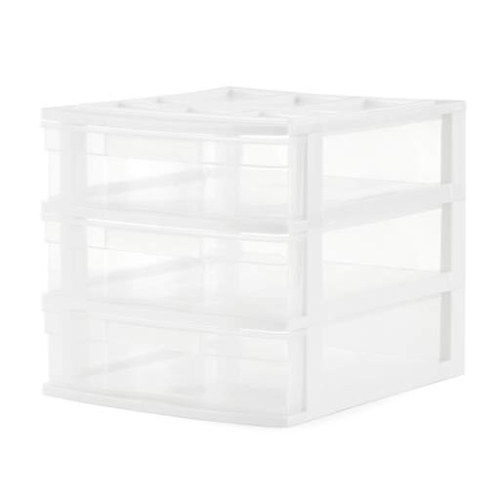 Your price for this item is $61.99
-
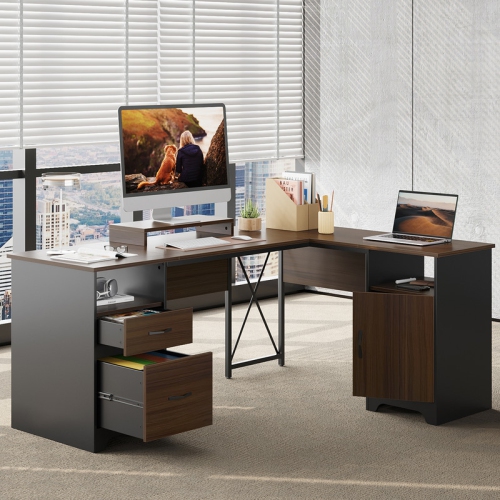 Your price for this item is $309.99
-
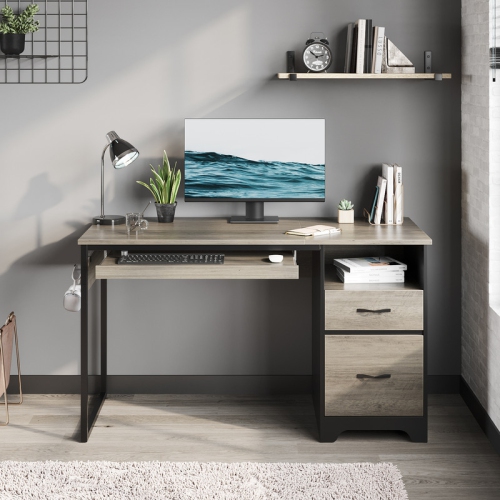 Your price for this item is $259.99
-
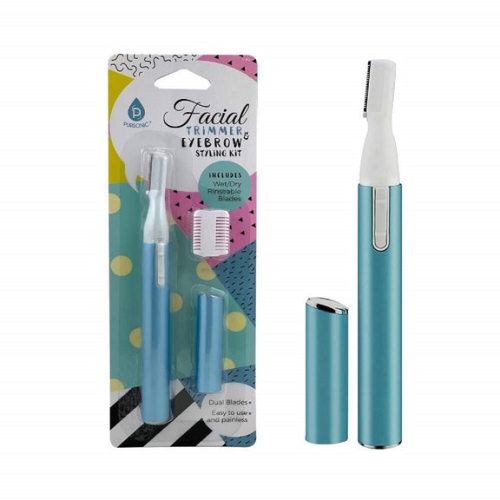 Your price for this item is $19.99
-
 Your price for this item is $745
-
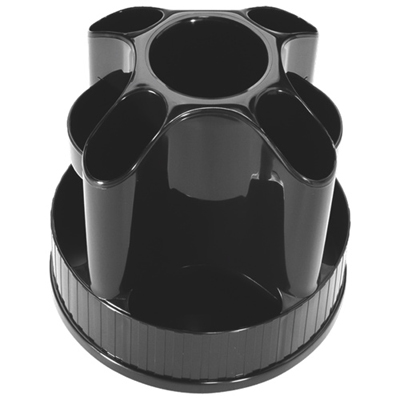 Your price for this item is $47.99
Discover more categories related to File Organizer Desktops

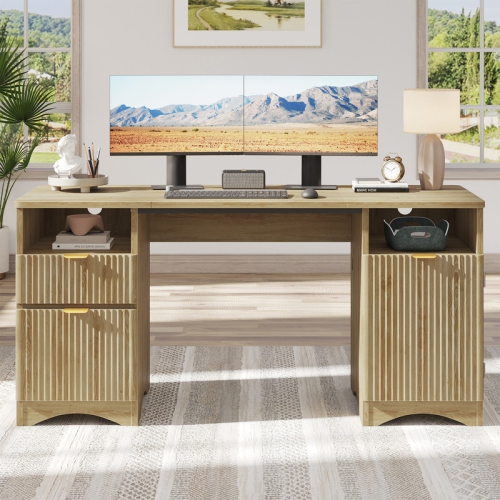
Top Collections:
Pokemon Centers, Best Cameras for Sports Photography, Kindle Devices, Samsung Galaxy Phones, Canon G7X Cameras, Pokémon 30th Celebration Cards, Refurbished Apple Laptops, iPhone 15 Apple, Laptops for Students, Budget Smartphones
Some products may be subject to Environmental Handling Fees
(EHF) depending on your province.
Learn more about EHFs.