Hand Held Cb Radios
Looking to stay connected while on the road? Handheld CB radios are a versatile and essential tool for any adventurer or trucker. Whether you're exploring remote areas, organizing a convoy, or simply wanting to communicate with fellow drivers, these compact devices offer reliable communication in a portable package. With their long-range capabilities and easy-to-use features, handheld CB radios ensure you never miss a beat while on your journey. Discover the wide selection of options available and find the perfect match for your needs at Best Buy.
Sort
What to know about portable communication beyond cellular service
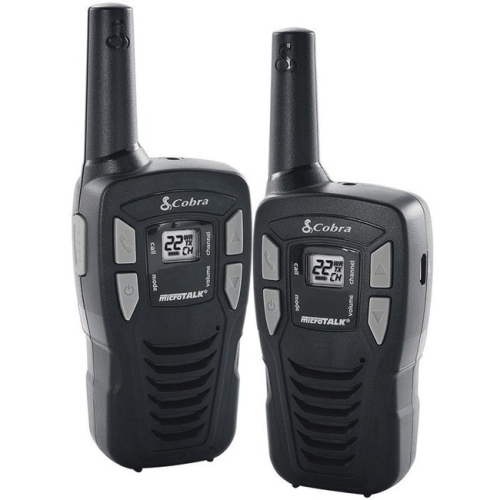
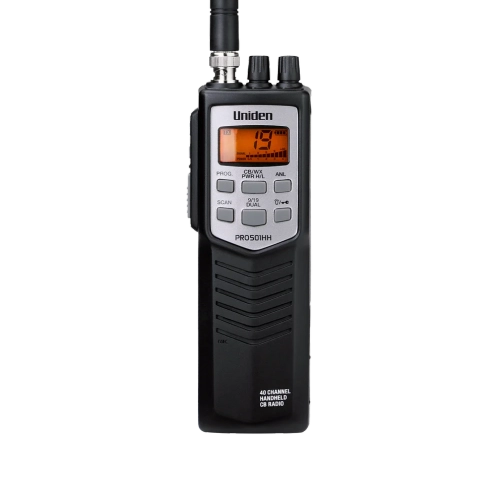
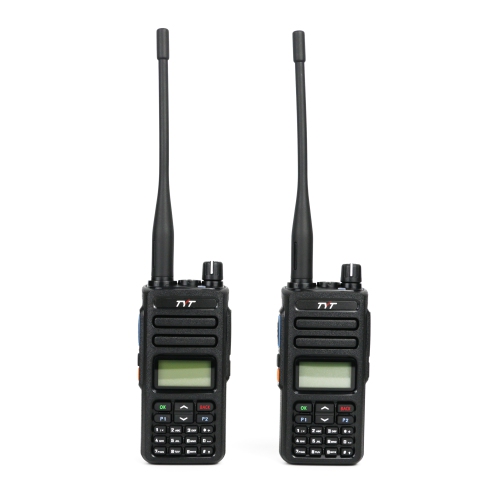
Handheld CB radios are portable two-way radios designed for short-range communication on the Citizens Band. They can be useful when travelling with more than one vehicle, exploring rural roads, working around a large property, or spending time in areas where mobile coverage is unreliable. Unlike a phone call, a CB conversation can be shared with everyone tuned to the same channel, making it practical for coordinating a group, reporting changing road conditions, or keeping in touch with a travelling companion. Most handheld CB radios provide access to the standard 40 CB channels and operate on AM, with some models also supporting FM where permitted and compatible with other radios. Standard CB operation in Canada does not generally require an individual radio licence, but users should still follow applicable Canadian regulations, including rules for approved equipment, operating channels, power limits, and interference. A portable radio may be especially useful for drivers who want communication that can move with them from a vehicle to a campsite, work area, or roadside stop. It can also be a thoughtful gift for someone who enjoys road trips, off-highway recreation, camping, storm watching, or maintaining older vehicles without relying entirely on cellular service. Before choosing a model, consider how it will be carried and powered. A compact radio with a belt clip may be convenient on foot, while a larger handheld with a substantial grip, backlit controls, and a clear speaker may be easier to use with gloves or in low light. Look for straightforward channel selection, a push-to-talk button that is easy to locate, a readable display, and controls that can be operated without taking your eyes off the road when the radio is mounted safely.
Battery design is another important consideration for handheld CB radios. Models that use standard AA batteries can be convenient on longer trips because spare batteries are easy to pack and replace, while radios with rechargeable battery packs can reduce the need to carry multiple sets. Check whether the radio can charge through a vehicle power adapter, USB connection, or dedicated charging cradle, and confirm whether it can continue operating while connected to power. Battery life varies according to transmit time, volume, signal conditions, and features such as scanning or weather monitoring, so a radio used for occasional check-ins may last much longer than one used for constant conversation. A built-in weather alert feature can add useful awareness when conditions change during a drive, camping trip, or outdoor workday, although it should supplement official Canadian weather information rather than replace it. Some handheld CB radios include channel scanning, dual-watch monitoring, signal-strength displays, noise reduction, and high- or low-power settings. Scanning can help locate active conversations, while dual-watch functions may let users monitor a working channel and a priority channel. Channel 9 has traditionally been associated with emergency communications and channel 19 is widely used by motorists for highway information, but local practices can vary, and neither channel should be treated as a guaranteed emergency service. A CB radio is a shared public communication tool, so clear, brief transmissions are generally more useful than lengthy conversations. Identify the person or vehicle you are calling, give your location in simple terms, and keep the channel available for others. Listening before transmitting is also good radio etiquette, particularly on busy routes and during severe weather.
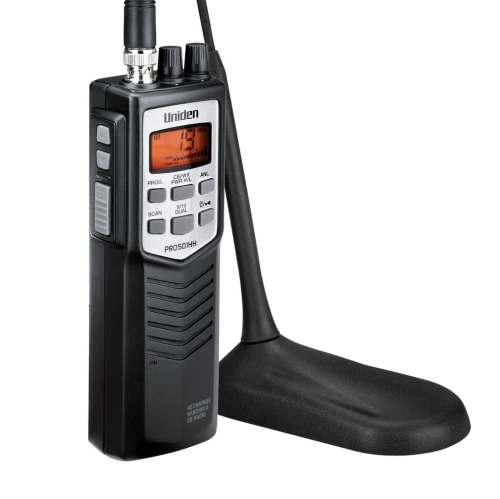
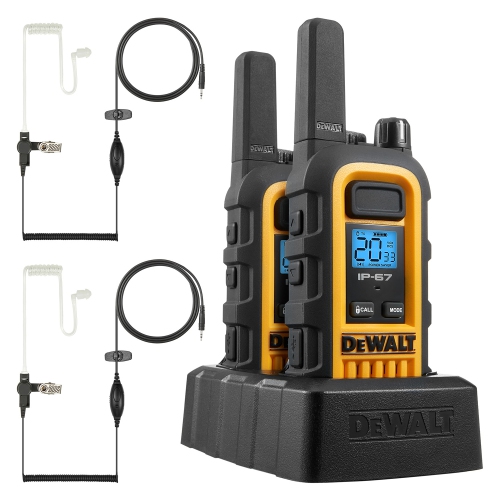
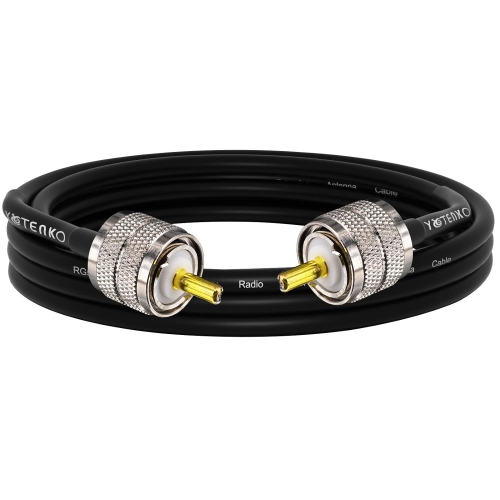
A handheld CB radio’s actual communication range depends heavily on the antenna, terrain, buildings, electrical interference, and whether the radio is being used inside a vehicle. The metal body of a car or truck can block and weaken radio signals, meaning a handheld used entirely inside the cabin may have a shorter practical range than expected. For better performance in a vehicle, look for compatibility with an external antenna and a vehicle power adapter. A magnetic-mount antenna can be installed on a suitable metal surface when the vehicle is stationary or being used as intended, while a fixed antenna may be preferable for a more permanent setup. An external antenna does not guarantee a particular distance, since hills, dense forest, urban structures, weather, and radio traffic all affect reception and transmission, but it can make a noticeable difference compared with using the built-in antenna inside a vehicle. Users who primarily drive highways may want a kit that includes the connections needed for vehicle use, while hikers, campers, and event volunteers may place greater value on light weight, battery flexibility, and a durable exterior. If a larger in-vehicle unit is better suited to a permanent installation, explore Big CB Radios for additional options. When comparing handheld CB radios, review the included accessories as carefully as the radio itself. A package may include a rechargeable battery, wall charger, vehicle adapter, external microphone connection, belt clip, antenna, or carrying case, while other setups may require accessories separately. Think about the people who will use the radios, the distance between vehicles or team members, the availability of cellular service, and the amount of time spent outdoors. During the warmer season and cooler months alike, a well-chosen handheld CB radio can provide a familiar, direct way to share information on the road, at a campsite, or around a busy work site.
Battery design is another important consideration for handheld CB radios. Models that use standard AA batteries can be convenient on longer trips because spare batteries are easy to pack and replace, while radios with rechargeable battery packs can reduce the need to carry multiple sets. Check whether the radio can charge through a vehicle power adapter, USB connection, or dedicated charging cradle, and confirm whether it can continue operating while connected to power. Battery life varies according to transmit time, volume, signal conditions, and features such as scanning or weather monitoring, so a radio used for occasional check-ins may last much longer than one used for constant conversation. A built-in weather alert feature can add useful awareness when conditions change during a drive, camping trip, or outdoor workday, although it should supplement official Canadian weather information rather than replace it. Some handheld CB radios include channel scanning, dual-watch monitoring, signal-strength displays, noise reduction, and high- or low-power settings. Scanning can help locate active conversations, while dual-watch functions may let users monitor a working channel and a priority channel. Channel 9 has traditionally been associated with emergency communications and channel 19 is widely used by motorists for highway information, but local practices can vary, and neither channel should be treated as a guaranteed emergency service. A CB radio is a shared public communication tool, so clear, brief transmissions are generally more useful than lengthy conversations. Identify the person or vehicle you are calling, give your location in simple terms, and keep the channel available for others. Listening before transmitting is also good radio etiquette, particularly on busy routes and during severe weather.
A handheld CB radio’s actual communication range depends heavily on the antenna, terrain, buildings, electrical interference, and whether the radio is being used inside a vehicle. The metal body of a car or truck can block and weaken radio signals, meaning a handheld used entirely inside the cabin may have a shorter practical range than expected. For better performance in a vehicle, look for compatibility with an external antenna and a vehicle power adapter. A magnetic-mount antenna can be installed on a suitable metal surface when the vehicle is stationary or being used as intended, while a fixed antenna may be preferable for a more permanent setup. An external antenna does not guarantee a particular distance, since hills, dense forest, urban structures, weather, and radio traffic all affect reception and transmission, but it can make a noticeable difference compared with using the built-in antenna inside a vehicle. Users who primarily drive highways may want a kit that includes the connections needed for vehicle use, while hikers, campers, and event volunteers may place greater value on light weight, battery flexibility, and a durable exterior. If a larger in-vehicle unit is better suited to a permanent installation, explore Big CB Radios for additional options. When comparing handheld CB radios, review the included accessories as carefully as the radio itself. A package may include a rechargeable battery, wall charger, vehicle adapter, external microphone connection, belt clip, antenna, or carrying case, while other setups may require accessories separately. Think about the people who will use the radios, the distance between vehicles or team members, the availability of cellular service, and the amount of time spent outdoors. During the warmer season and cooler months alike, a well-chosen handheld CB radio can provide a familiar, direct way to share information on the road, at a campsite, or around a busy work site.
Top selling and popular products
-
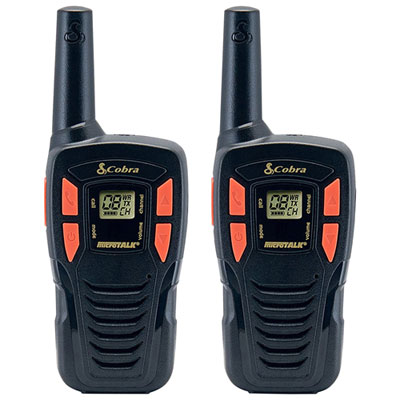 Your price for this item is $69.99
 -
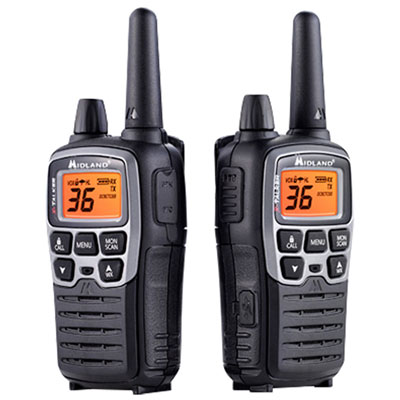 Your price for this item is $139.99
 -
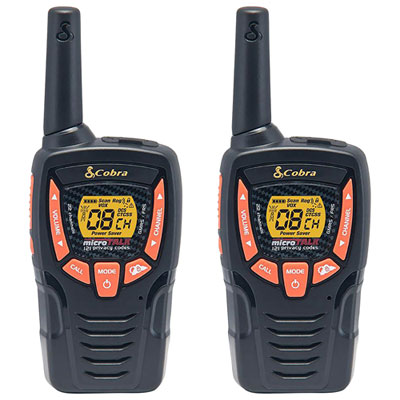 Your price for this item is $89.99
 -
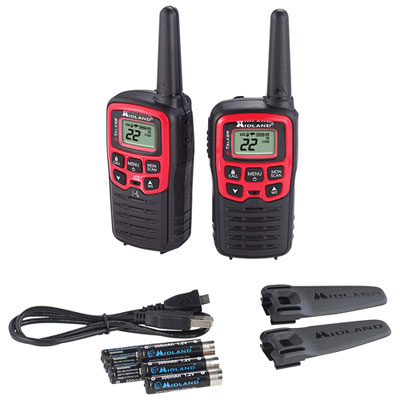 Your price for this item is $89.99
 -
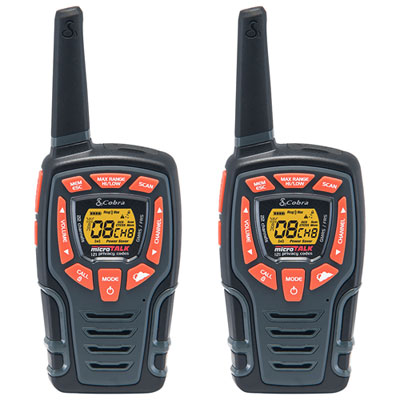 Your price for this item is $129.99
 -
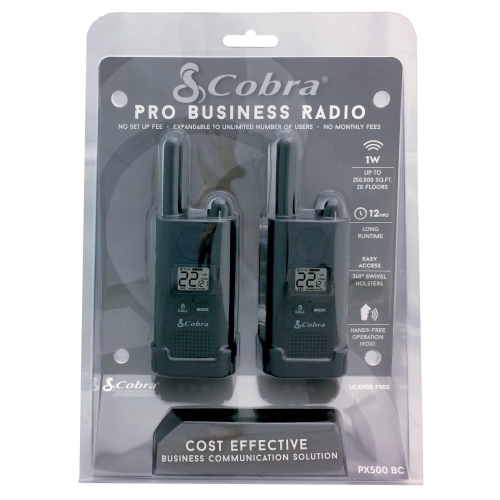 Your price for this item is $57.25
 -
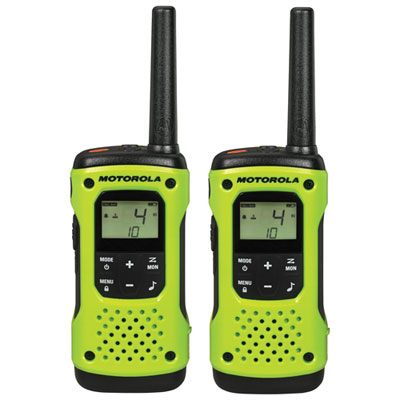 Your price for this item is $178.99
 -
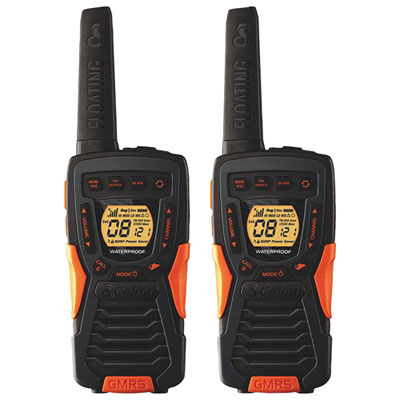 Your price for this item is $199.97
Discover more categories related to Hand Held Cb Radios
Top Collections:
Pokemon Centers, Kindle Devices, Best Cell Phones Under $500, Alarm Clock, Canon G7X Cameras, iPhone 15 Apple, Apple iPhones 16, Laptops for Students, iPhone 14 256GB, Budget Smartphones
Some products may be subject to Environmental Handling Fees
(EHF) depending on your province.
Learn more about EHFs.