Cb Radios
Looking to stay connected while on the road? Look no further than our collection of CB radios. Whether you're a truck driver, outdoor enthusiast, or simply want to communicate with friends and family during road trips, CB radios are a reliable and convenient way to keep in touch. With their long-range capabilities and easy-to-use features, these radios are perfect for staying informed and connected wherever your adventures take you. Explore our selection of CB radios today and find the perfect one to suit your needs.
Sort
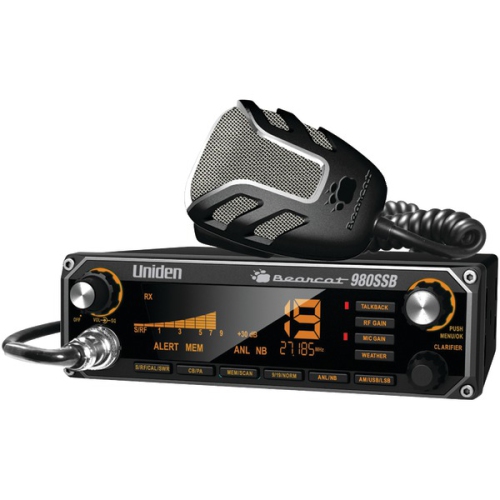
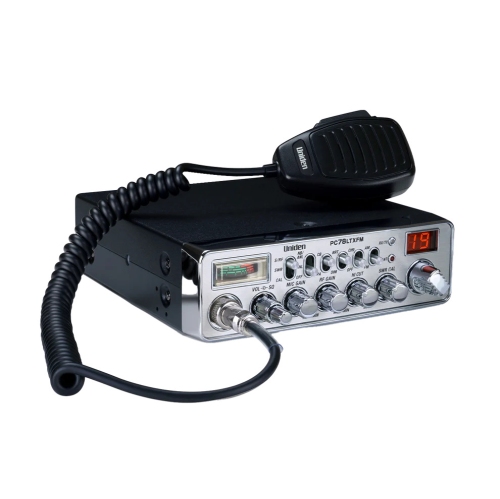
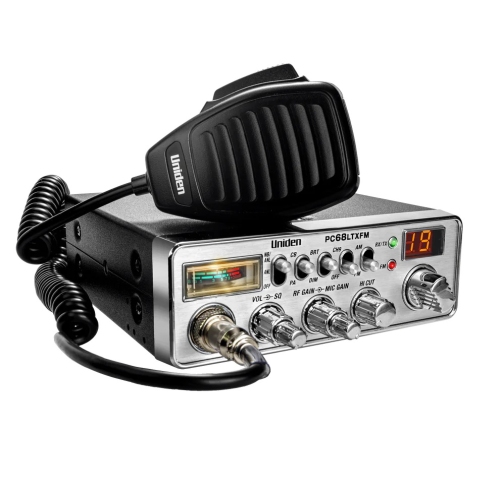
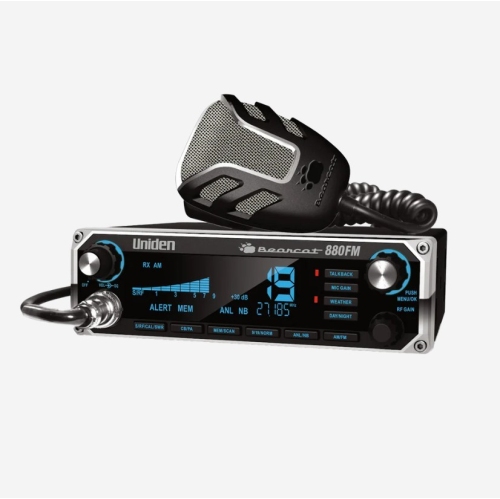
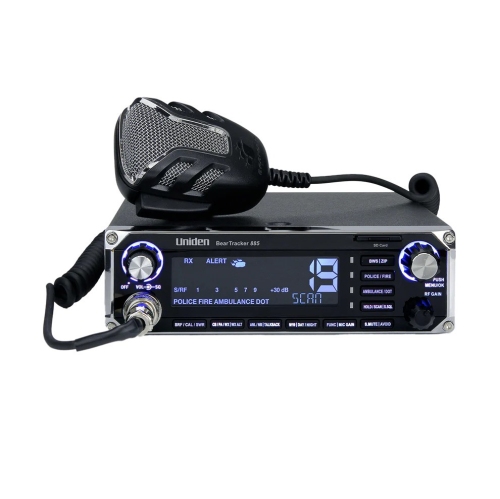
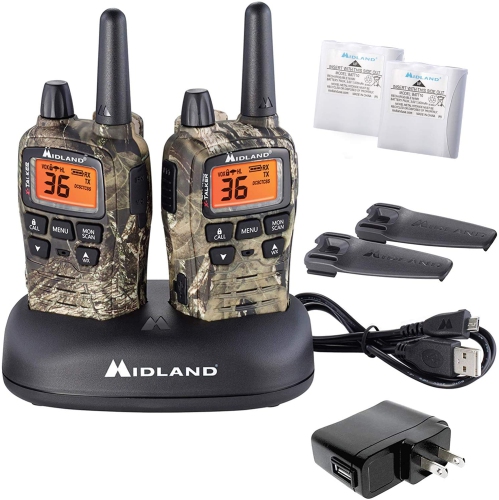
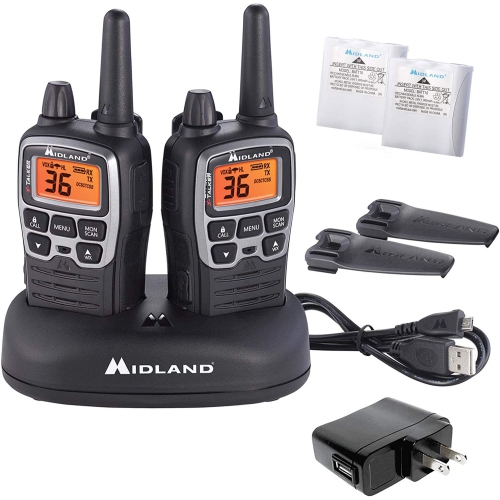
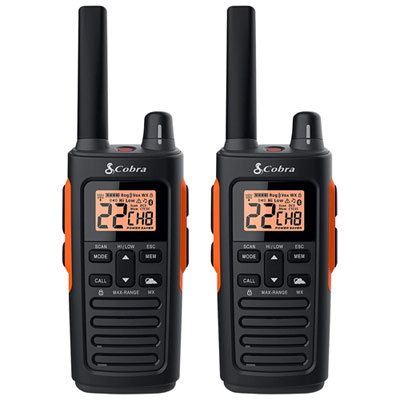
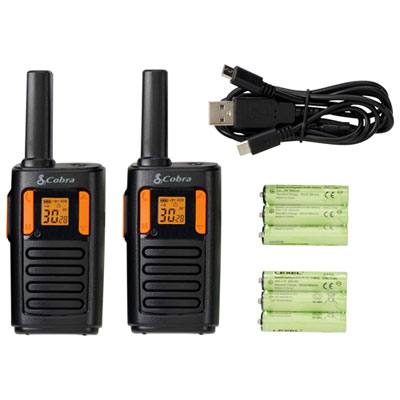
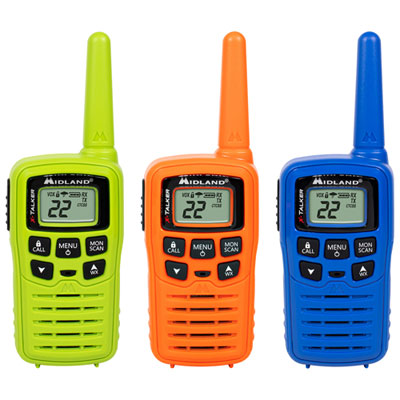
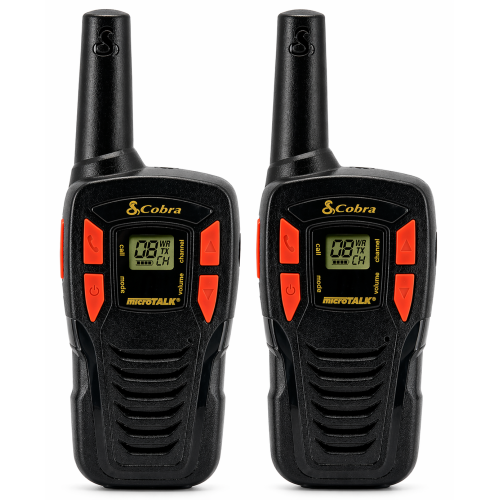
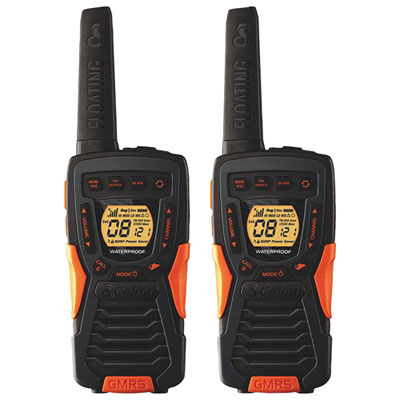
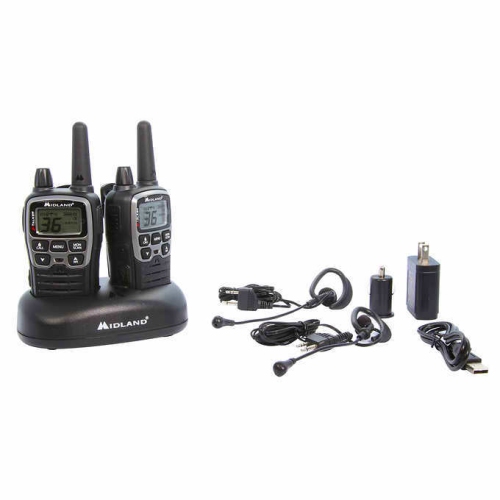
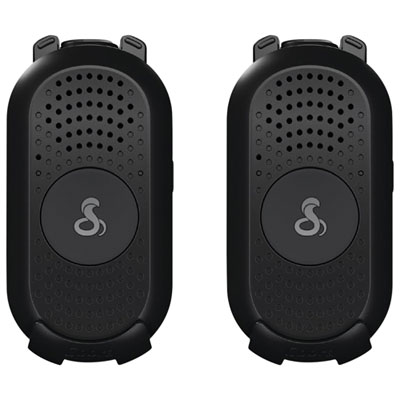
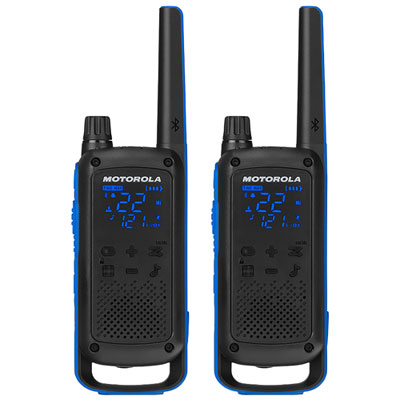
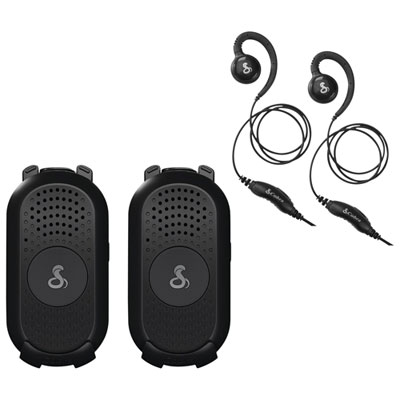
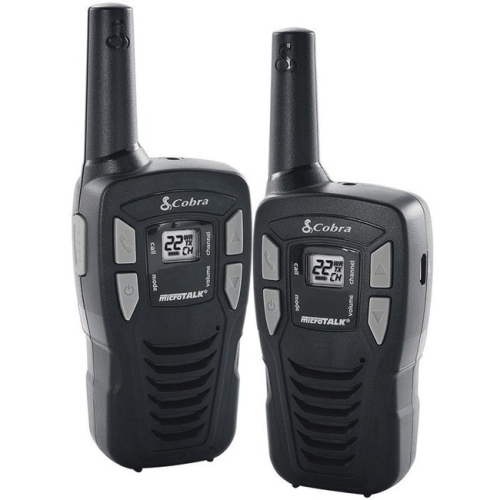
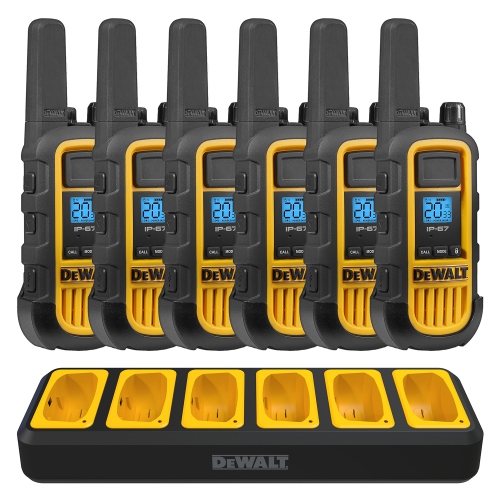
Direct communication when mobile networks fall out of reach
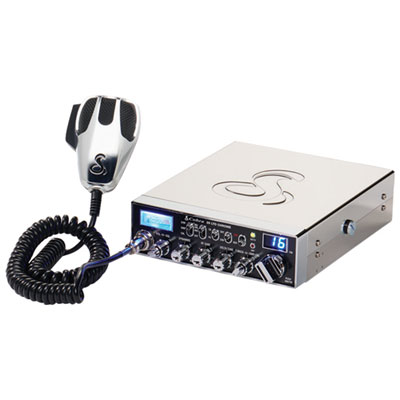
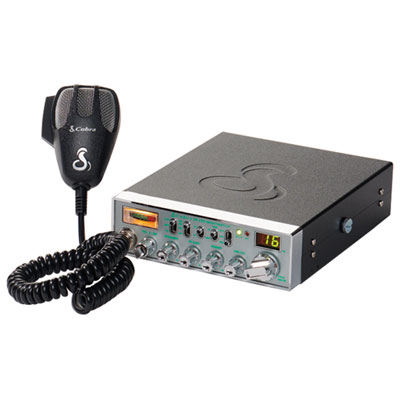
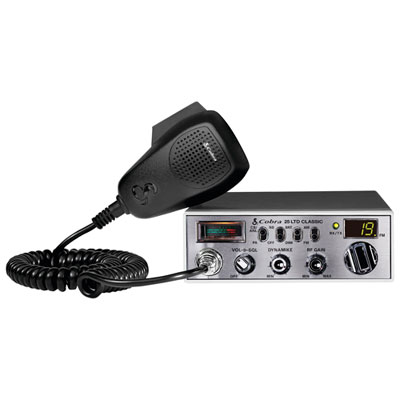
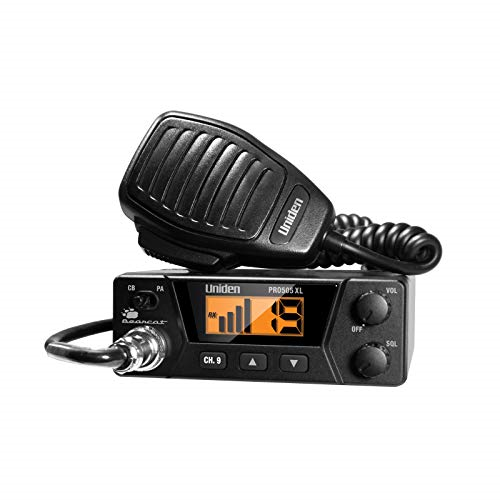
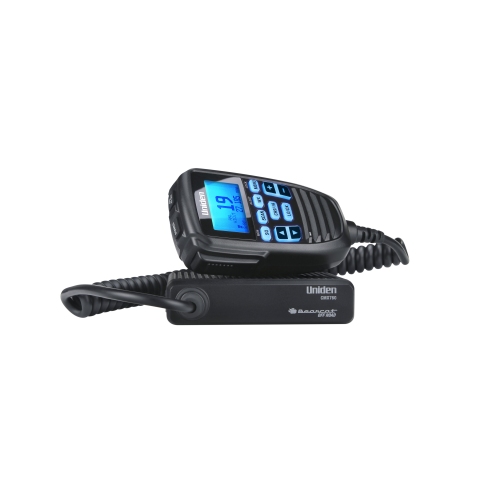
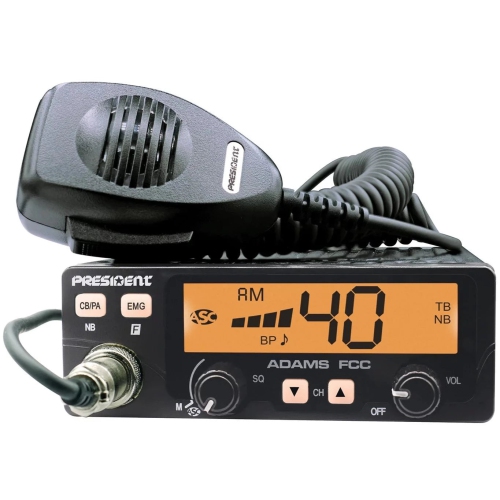
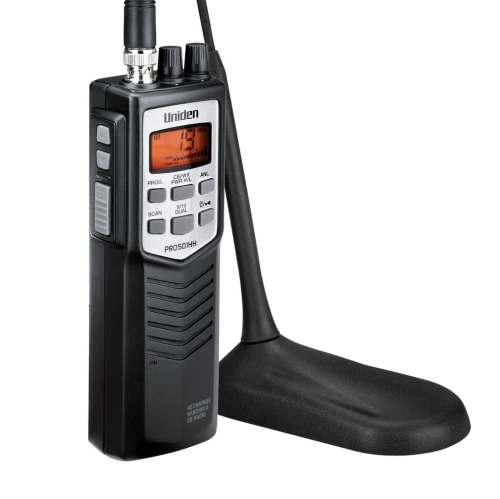
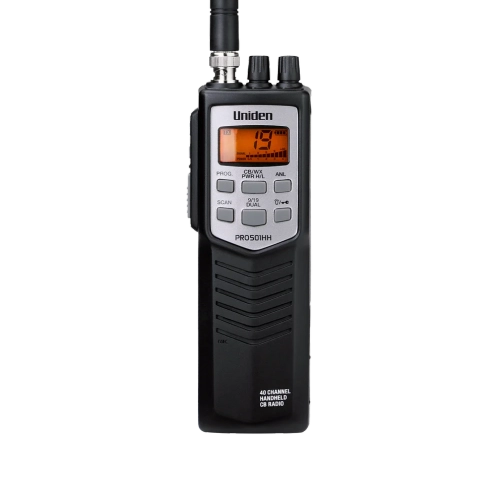
CB radios are Citizens Band two-way radios designed for short-distance communication over the 27 MHz radio band. In Canada, CB radio service uses 40 channels and does not require an individual operating licence, making it a practical choice for drivers, outdoor enthusiasts, and households that want a direct way to communicate without depending on mobile networks. A CB radio can transmit from vehicle to vehicle, from a base station to a nearby campsite, or between people travelling together on a remote road. Its range varies considerably, with typical communication extending from roughly 3 to 20 miles depending on terrain, buildings, weather conditions, antenna height, installation quality, and radio traffic. In a flat, open area, two well-installed systems may communicate over a useful distance, while hills, dense forest, urban structures, and heavy channel activity can reduce clarity and reach. CB radios generally operate with AM or FM modulation, depending on the model and local compatibility. AM is the traditional choice and is widely used by drivers, while FM can provide clearer audio with less background static in suitable conditions. Some radios also support Single Sideband, which can offer greater communication flexibility when paired with compatible equipment. Canadian CB operation is subject to power limits, including 4 watts for AM and FM and 12 watts peak envelope power for Single Sideband, so a well-matched antenna and careful installation are more important than simply seeking higher output. For travellers who have ever watched a line of vehicles disappear around a gravel bend or found themselves beyond dependable cellular coverage, a CB radio offers a reassuring way to share directions, road information, and basic updates with others nearby.
When choosing a CB radio, start with how and where it will be used. A compact mobile radio may suit a pickup truck, recreational vehicle, or everyday car, while a larger unit with a more prominent display and accessible controls can be helpful for long-haul driving or a permanent base-station setup. Controls should be easy to identify at a glance, especially when the radio is mounted below a dashboard or used after dark. Look for a clear channel display, a microphone with comfortable controls, a squelch adjustment to reduce unwanted background noise, and a signal or power meter that helps indicate radio activity. Noise-limiting features can be particularly useful in vehicles with engine, ignition, or accessory interference. Some users prefer radios with weather channels or alert functions for added awareness during changing conditions, though these features are separate from CB communication and do not replace official weather information. The antenna deserves as much attention as the radio itself. A CB system typically needs an antenna, a mounting location, and coaxial cable, and the best arrangement depends on the vehicle, available space, and intended use. A properly installed antenna with a strong ground plane can make a noticeable difference in performance. Before regular use, the antenna system should be checked and tuned with a standing wave ratio meter. Excessive SWR can reduce effective transmission and may damage the radio, while a correctly tuned system helps use the available signal more efficiently. Mounting the antenna high and clear of obstructions can improve coverage, but a lower or flexible setup may be preferable for garages, parking structures, wooded trails, or vehicles that frequently pass beneath low branches. People who want a different type of licence-free two-way communication for shorter-range group use may also want to compare CB radios with GMRS Radios, since radio services differ in frequency, equipment, range, and operating requirements.
CB radios are popular with truck drivers and transport operators who use them to exchange information about traffic, road conditions, construction, weigh stations, and nearby stops. Off-road drivers and overlanding groups often use them to coordinate vehicles along a trail, call for assistance when a route becomes difficult, or keep a convoy together when turns and obstacles separate drivers. Campers, hunters, rural property owners, and boat or recreational vehicle users may appreciate having communication available in areas where mobile service is inconsistent. They can also be useful as part of a household emergency communication plan during a local power outage or network interruption, provided everyone knows which channels to monitor and how to use the equipment. CB radio can be a thoughtful gift for someone restoring a classic vehicle, preparing a trail rig, spending weekends at a remote cabin, or joining organised convoy trips. It is worth including practical accessories in the planning stage, such as a suitable antenna mount, coaxial cable, microphone holder, external speaker, power connection, and SWR meter. Installation should follow the vehicle manufacturer’s guidance, with wiring secured away from pedals, steering components, heat, and sharp edges. Users should keep conversations brief, identify themselves clearly, listen before transmitting, and avoid blocking active channels with unnecessary chatter. During the warmer part of the year, a CB radio can make back-road travel and campsite coordination more convenient; during the cooler months, it can provide an additional communication option for winter driving, remote work sites, and roadside situations. With realistic expectations about range, a properly tuned antenna, and considerate channel habits, a CB radio can become a dependable part of a vehicle or base-station setup for staying connected when nearby travellers need a simple, direct line of communication.
When choosing a CB radio, start with how and where it will be used. A compact mobile radio may suit a pickup truck, recreational vehicle, or everyday car, while a larger unit with a more prominent display and accessible controls can be helpful for long-haul driving or a permanent base-station setup. Controls should be easy to identify at a glance, especially when the radio is mounted below a dashboard or used after dark. Look for a clear channel display, a microphone with comfortable controls, a squelch adjustment to reduce unwanted background noise, and a signal or power meter that helps indicate radio activity. Noise-limiting features can be particularly useful in vehicles with engine, ignition, or accessory interference. Some users prefer radios with weather channels or alert functions for added awareness during changing conditions, though these features are separate from CB communication and do not replace official weather information. The antenna deserves as much attention as the radio itself. A CB system typically needs an antenna, a mounting location, and coaxial cable, and the best arrangement depends on the vehicle, available space, and intended use. A properly installed antenna with a strong ground plane can make a noticeable difference in performance. Before regular use, the antenna system should be checked and tuned with a standing wave ratio meter. Excessive SWR can reduce effective transmission and may damage the radio, while a correctly tuned system helps use the available signal more efficiently. Mounting the antenna high and clear of obstructions can improve coverage, but a lower or flexible setup may be preferable for garages, parking structures, wooded trails, or vehicles that frequently pass beneath low branches. People who want a different type of licence-free two-way communication for shorter-range group use may also want to compare CB radios with GMRS Radios, since radio services differ in frequency, equipment, range, and operating requirements.
CB radios are popular with truck drivers and transport operators who use them to exchange information about traffic, road conditions, construction, weigh stations, and nearby stops. Off-road drivers and overlanding groups often use them to coordinate vehicles along a trail, call for assistance when a route becomes difficult, or keep a convoy together when turns and obstacles separate drivers. Campers, hunters, rural property owners, and boat or recreational vehicle users may appreciate having communication available in areas where mobile service is inconsistent. They can also be useful as part of a household emergency communication plan during a local power outage or network interruption, provided everyone knows which channels to monitor and how to use the equipment. CB radio can be a thoughtful gift for someone restoring a classic vehicle, preparing a trail rig, spending weekends at a remote cabin, or joining organised convoy trips. It is worth including practical accessories in the planning stage, such as a suitable antenna mount, coaxial cable, microphone holder, external speaker, power connection, and SWR meter. Installation should follow the vehicle manufacturer’s guidance, with wiring secured away from pedals, steering components, heat, and sharp edges. Users should keep conversations brief, identify themselves clearly, listen before transmitting, and avoid blocking active channels with unnecessary chatter. During the warmer part of the year, a CB radio can make back-road travel and campsite coordination more convenient; during the cooler months, it can provide an additional communication option for winter driving, remote work sites, and roadside situations. With realistic expectations about range, a properly tuned antenna, and considerate channel habits, a CB radio can become a dependable part of a vehicle or base-station setup for staying connected when nearby travellers need a simple, direct line of communication.
Top selling and popular products
-
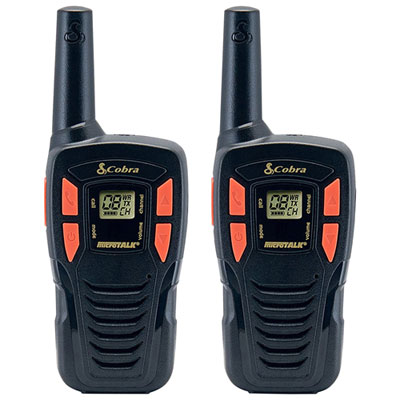 Your price for this item is $69.99
 -
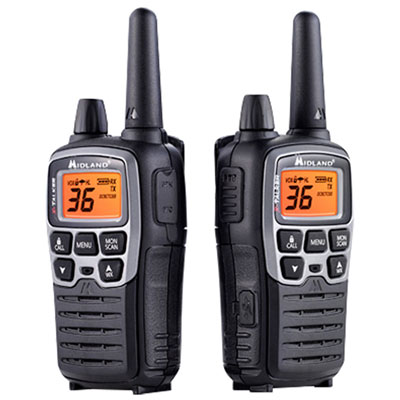 Your price for this item is $139.99
 -
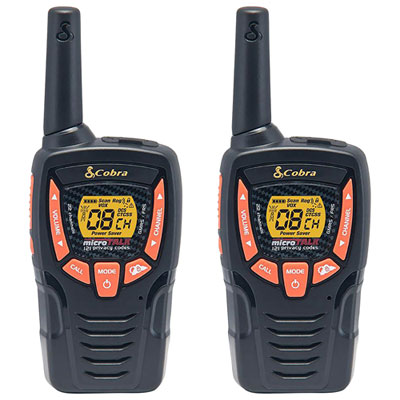 Your price for this item is $89.99
 -
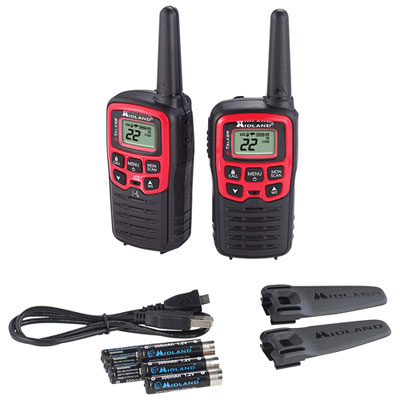 Your price for this item is $89.99
 -
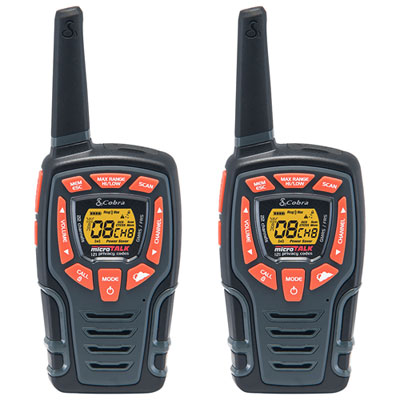 Your price for this item is $129.99
 -
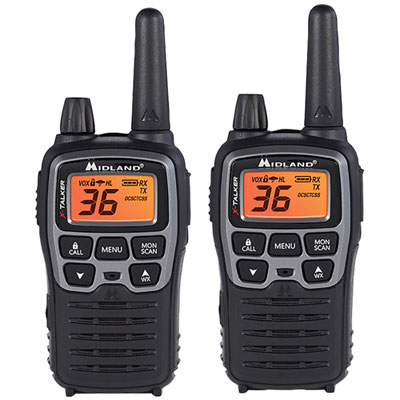 Your price for this item is $179.99
 -
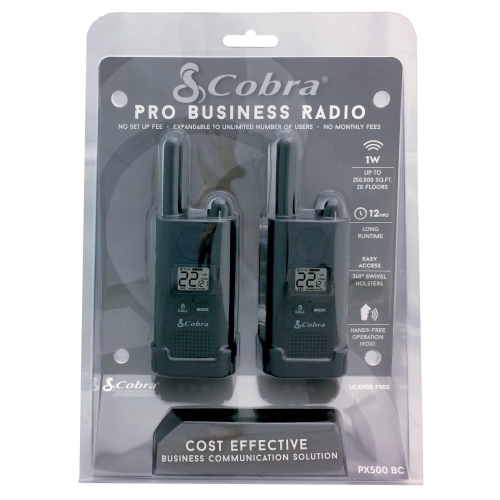 Your price for this item is $57.25
 -
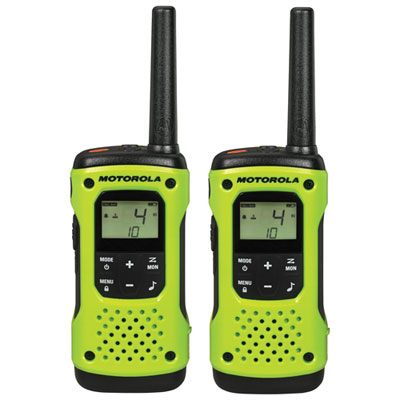 Your price for this item is $178.99
Discover more categories related to Cb Radios
Top Collections:
Pokemon Centers, Best Cameras for Sports Photography, Kindle Devices, Samsung Galaxy Phones, Canon G7X Cameras, Pokémon 30th Celebration Cards, Refurbished Apple Laptops, iPhone 15 Apple, Laptops for Students, Budget Smartphones
Some products may be subject to Environmental Handling Fees
(EHF) depending on your province.
Learn more about EHFs.