Heavy Duty Paper Shredders
Heavy duty paper shredders are essential for managing large volumes of documents quickly and efficiently in busy offices or home workspaces. Designed to meet the demands of frequent shredding, these machines offer reliable performance for disposing of sensitive paperwork and reducing clutter. Whether you’re upgrading your office equipment or setting up a new workspace, finding the right heavy duty paper shredder can help streamline your workflow and keep your information secure. Explore a range of options to find the perfect fit for your document management needs.
Sort






Why sheet capacity tells only part of the story
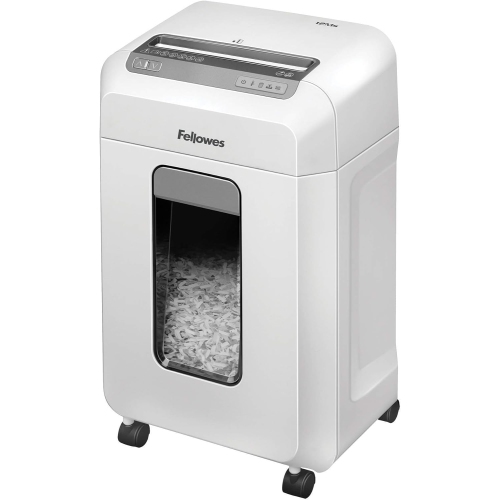
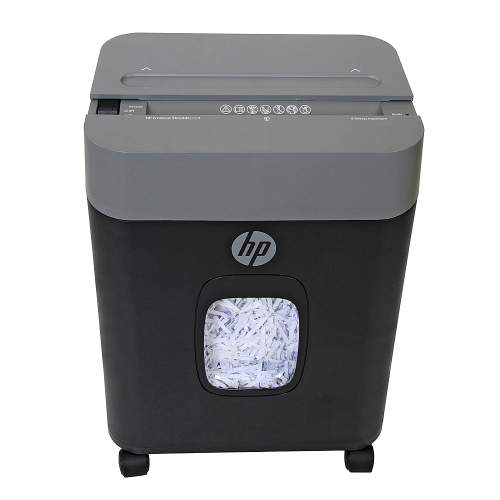
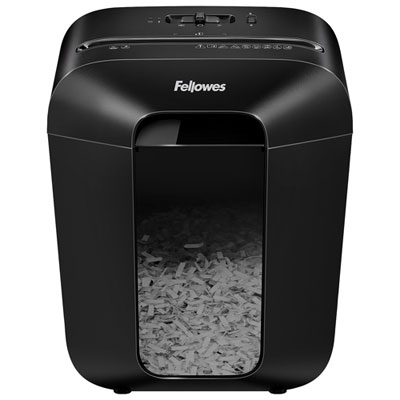
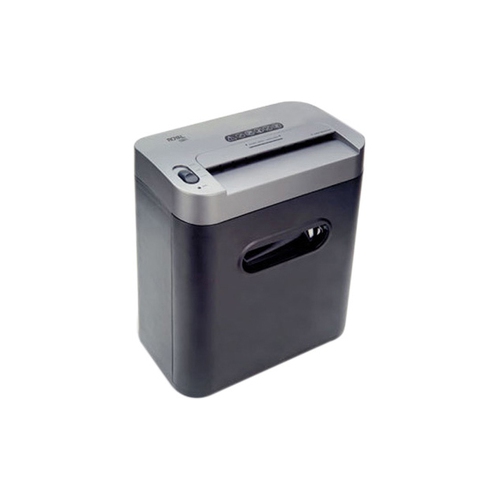
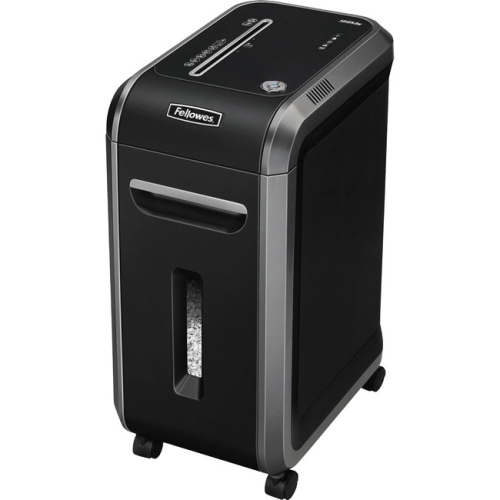
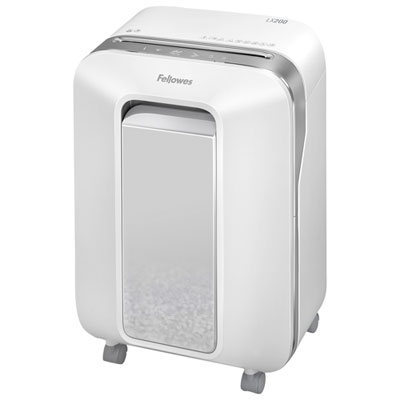
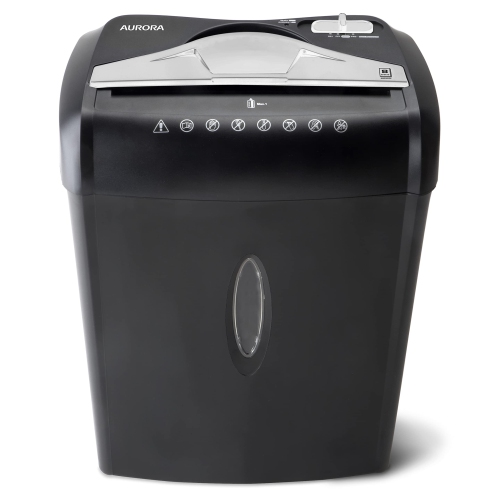
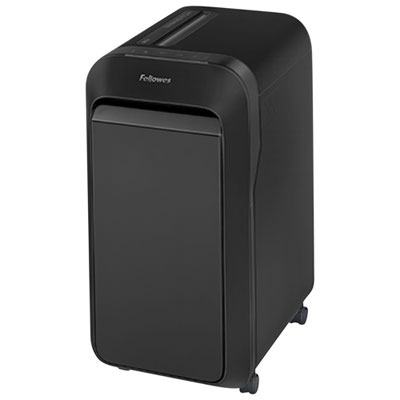
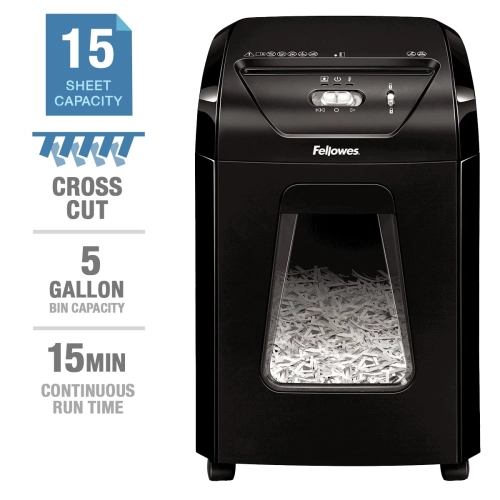
Heavy-duty paper shredders are intended for frequent document disposal in busy offices, shared workspaces, and home businesses that regularly handle confidential paperwork. Their suitability for demanding workloads depends on several features working together: sheet capacity, motor run time, cooling requirements, cutting system, and waste-bin size. A high sheet count alone does not establish that a shredder can operate continuously. Some machines handle substantial batches but need scheduled cooling breaks, while others are designed for longer uninterrupted sessions. That distinction matters when a reception team clears paperwork throughout the day or an accounting office processes a cupboard full of expired records. Sheet capacity describes how many sheets can pass through the cutting mechanism at once under the manufacturer’s stated test conditions. Thicker paper, folded pages, adhesive labels, and other materials may reduce the practical capacity or require separate handling. A stack of thin office paper and a bundle of heavyweight letterhead place different demands on the same machine. Manual-feed shredders suit workplaces where several people dispose of small batches as they work. Automatic-feed designs can accept a larger stack in a loading compartment, feeding sheets through the cutters gradually rather than shredding the entire stack in one pass. Their automatic-feed capacity and manual-feed capacity are separate specifications, and both help describe how the machine fits into a working day. Feed-opening width also deserves attention: standard letter-size paperwork is straightforward, but oversized documents may need a wider opening or preparation before shredding. For teams dealing with mixed paperwork, compatibility with staples, small paper clips, payment cards, or optical discs must be stated explicitly; these capabilities are not universal. A machine rated for paper and staples should not be assumed to handle every other office material. Heavy-duty shredders serve their purpose best when their rated workload matches the actual pattern of use, whether that means brief, frequent sessions beside a desk or longer batches at a central document-disposal station. A larger team may need greater throughput, while a smaller business may place more value on quiet operation and a manageable footprint.
The cutting method determines what the discarded material looks like and helps establish the level of protection it provides. Strip-cut shredders produce long ribbons, cross-cut shredders turn paper into smaller intersecting pieces, and micro-cut shredders generally produce finer particles. These descriptions are useful starting points, but the stated security level and particle dimensions provide a clearer basis for comparison than a cutting-style name alone. Where a DIN 66399 paper security rating is listed, the P designation identifies the paper-destruction level, with higher numbers indicating smaller permitted particles and more demanding destruction requirements. P-4 and P-5 are examples of ratings shoppers may encounter, but the appropriate level depends on the sensitivity of the documents and any applicable workplace requirements. Payroll records, client contact details, signed agreements, and medical information can call for different handling procedures, so a shredder’s specifications need to fit the organization’s document-retention and privacy practices. Shredding is the final step for paperwork that is ready for disposal, not a substitute for confirming what must be kept. In a shared office, a lockable automatic-feed compartment can help restrict access to documents awaiting destruction when that feature is included. The waste bin affects everyday handling, too. Capacity expressed in litres helps indicate how much shredded paper the container holds, although actual emptying frequency varies with particle size, paper thickness, and workload. A viewing window or bin-full indicator makes it easier to spot an approaching limit before loose shreds back up towards the cutters. Pull-out bins can be convenient for regular emptying, while larger removable containers may suit centralized use. Finer-cut paper often settles differently from long strips, so bin volume and cutting style are worth considering together. Noise also matters beyond the specification sheet: a shredder beside a workstation interrupts calls more readily than one in a dedicated copy area. A quieter model, suitable placement, and a bin that is easy to empty can make secure document disposal less disruptive and more likely to become part of the normal workflow.
Construction, placement, and maintenance shape how well a heavy-duty shredder stands up to repeated use. Cutting assemblies commonly use hardened steel, while housings may combine rigid plastic with metal components; durability depends on the complete design, not simply the appearance or weight of the outer casing. A stable base, well-fitting bin, sturdy controls, and accessible feed opening all contribute to comfortable daily handling. Floor-standing designs need enough clearance for their bin or cabinet door to open fully, and the space above an automatic-feed unit must accommodate its loading lid. Castors can help with repositioning, but a tall machine still needs a level surface and secure placement away from walkways. Power-cord reach and access to an appropriate outlet matter as much as the listed cabinet dimensions. For workplaces comparing equipment for regular shared use, Daily Use Commercial Shredders offers a related category to explore alongside workload, cutting style, and space requirements. Useful operating features can include automatic start and stop, overload warnings, reverse controls, and thermal protection. Jam-prevention systems may reduce feeding problems, but no feature removes the need to respect material restrictions and sheet limits. Feeding a compact, aligned batch is generally easier on the mechanism than pushing in crumpled paper or an uneven bundle. Maintenance requirements vary, with some cutting systems needing approved shredder oil or lubricating sheets at specified intervals and others using an automatic lubrication system. Only the method and supplies specified by the manufacturer should be used. Emptying the bin before it overfills and following the cleaning instructions help keep loose particles from accumulating around the cutting area. Power should be disconnected before permitted cleaning or jam-clearing work, and fingers, loose clothing, jewellery, and hair must stay clear of the feed opening. Safety sensors and interlocks are useful safeguards rather than permission to leave children or pets near an operating machine. With suitable capacity, accessible controls, and a maintenance routine that fits the workplace, heavy-duty paper shredders can support consistent document disposal without turning routine paperwork into a lengthy task.
Top selling and popular products
-
 Your price for this item is $49.99
-
 Your price for this item is $69.99
-
 Your price for this item is $392.39
-
 Your price for this item is $518.44
-
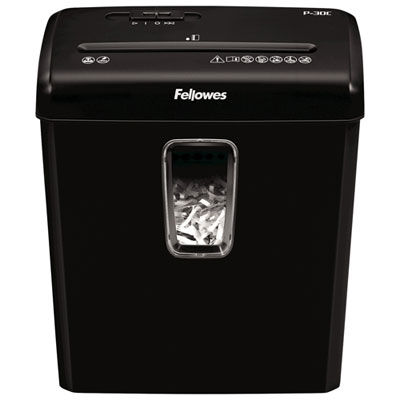 Your price for this item is $72.97
-
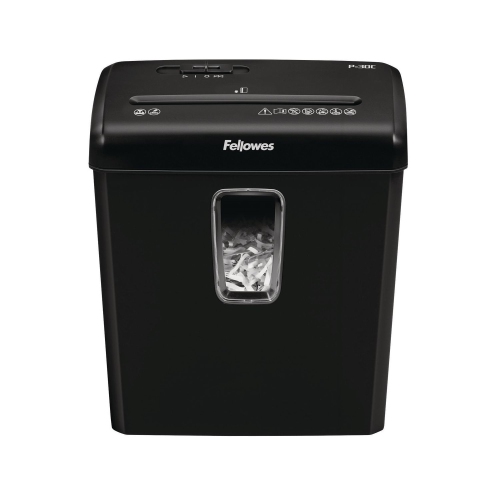 Your price for this item is $139.99
-
 Your price for this item is $189.99
-
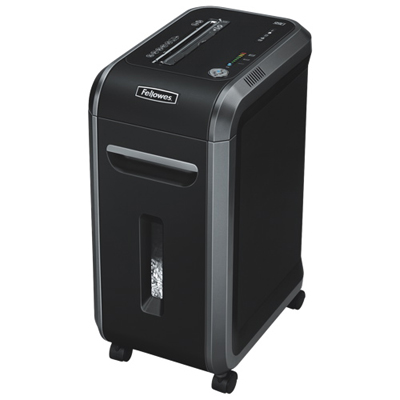 Your price for this item is $389.98
Discover more categories related to Heavy Duty Paper Shredders
Top Collections:
Pokemon Centers, Best Cameras for Sports Photography, Kindle Devices, Samsung Galaxy Phones, Canon G7X Cameras, Pokémon 30th Celebration Cards, Refurbished Apple Laptops, iPhone 15 Apple, Laptops for Students, Budget Smartphones
Some products may be subject to Environmental Handling Fees
(EHF) depending on your province.
Learn more about EHFs.