Heavy Duty Staplers
Looking for a reliable stapler that can handle your toughest tasks? Look no further than our collection of heavy-duty staplers. Whether you're working on a big project at the office, organizing paperwork at home, or tackling DIY projects, these robust staplers are built to withstand heavy usage and deliver consistent, secure results. From stapling thick stacks of paper to fastening materials like fabric or cardboard, our range of heavy-duty staplers is designed to make your job easier and more efficient. Explore our selection today and find the perfect stapler to meet your needs.
Sort
















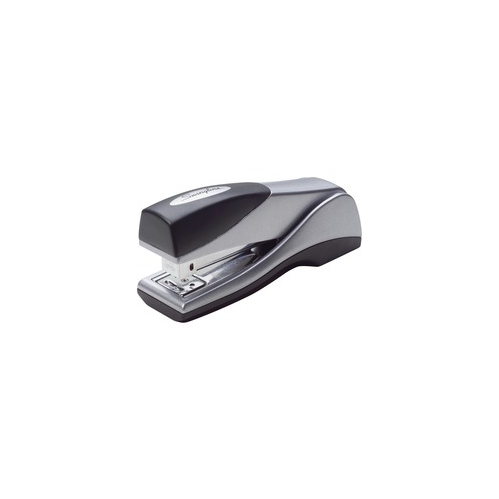

Thick documents need more than a strong staple
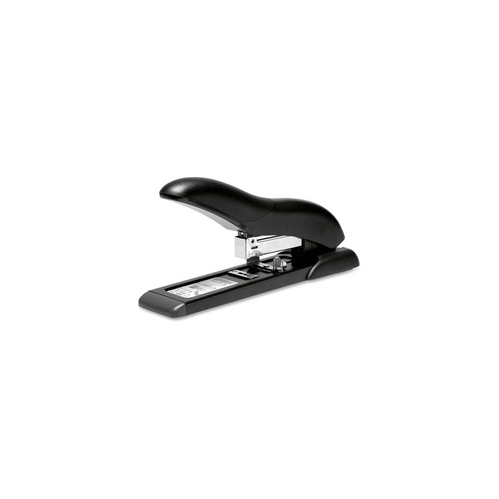
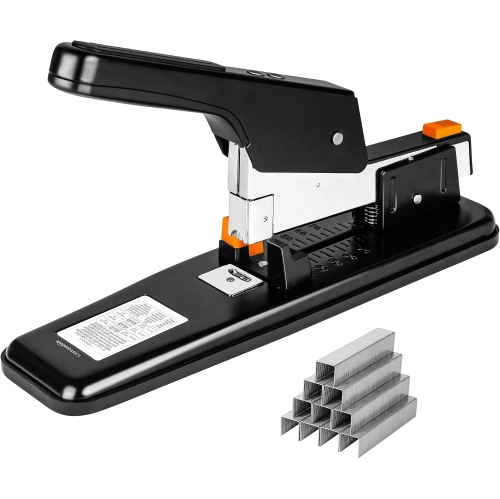
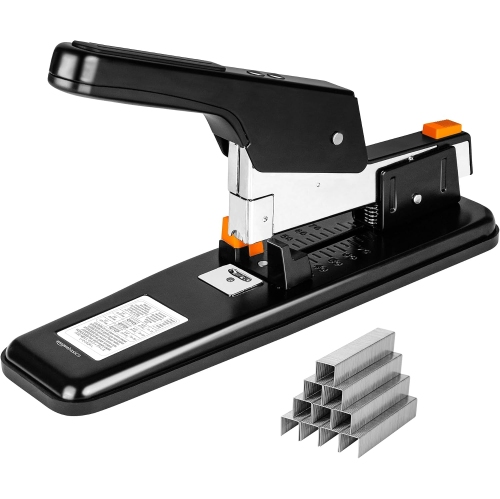
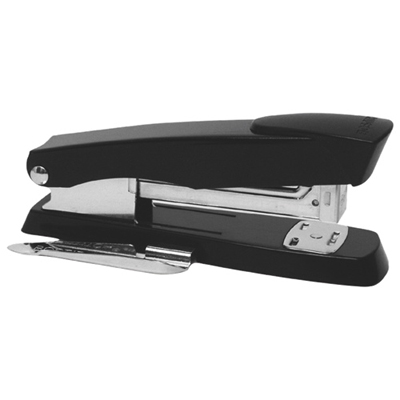
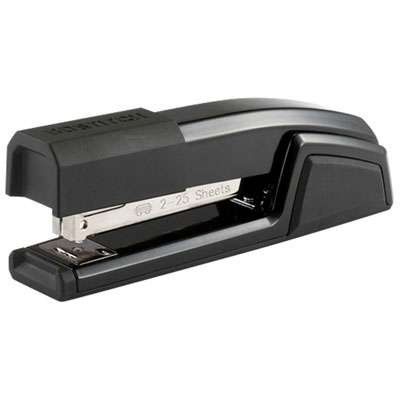
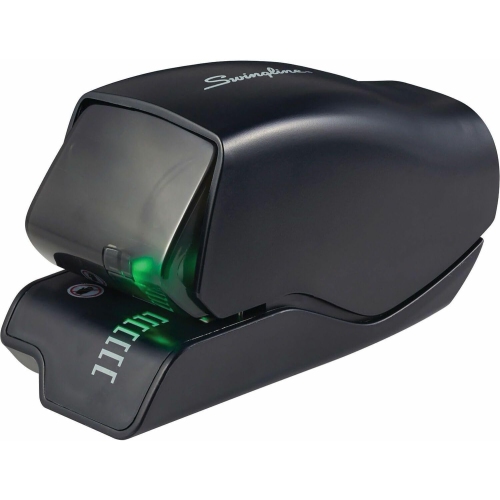
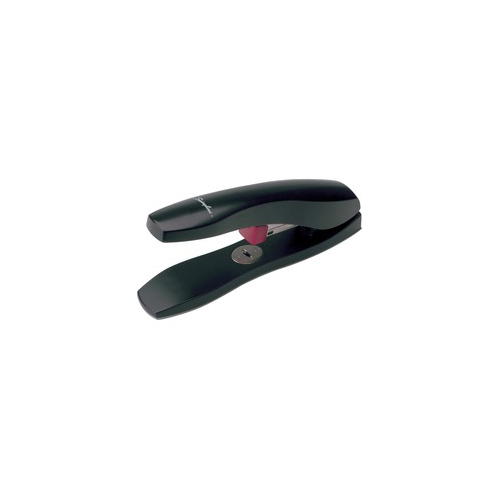
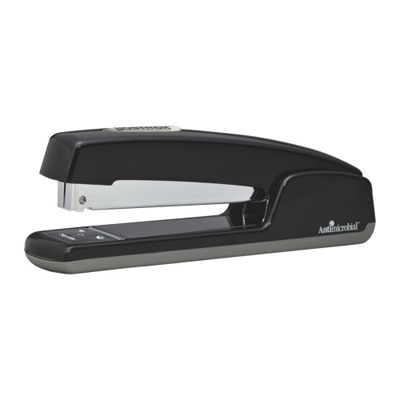
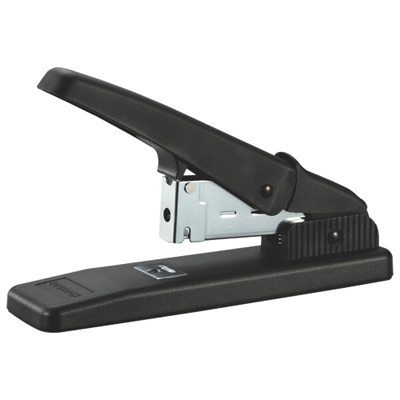
Heavy-duty staplers are high-capacity office tools designed to fasten thicker stacks of paper than standard desktop staplers. Depending on the model, they can handle around 50 sheets to more than 200 sheets in a single operation, making them useful for reports, training manuals, application packages, classroom handouts, and other substantial documents. Their purpose is straightforward: keep a large set of pages securely together without splitting it into several smaller bundles. A neatly stapled corner helps a report stay in order as it moves between desks, while a secure fastening along the edge can make a reference document easier to handle repeatedly. These staplers suit shared offices, school administration areas, print rooms, reception desks, and home workspaces where paperwork regularly grows beyond a few pages. Manual designs typically use a longer handle or a leverage mechanism to deliver the force needed to drive a staple through a thick stack. Reduced-effort designs can make repeated fastening more comfortable, although the pressure required still depends on the tool and the document. Electric models automate the stapling action and may be useful where the same task is repeated frequently, but their sheet capacity and operating requirements need to match the workload. Construction also matters. Metal frames and internal components can provide rigidity under pressure, while moulded outer housings and shaped handles offer practical contact surfaces. A broad base with non-slip feet helps keep the stapler steady on a desk or work counter. For someone preparing several sets of meeting materials, that stability can be as useful as a high maximum capacity: pages stay aligned, the tool remains in place, and each bundle can be fastened consistently. The best fit is not necessarily the largest stapler. It is one that comfortably handles the usual document thickness, suits the available workspace, and supports the way paperwork is assembled throughout the day.
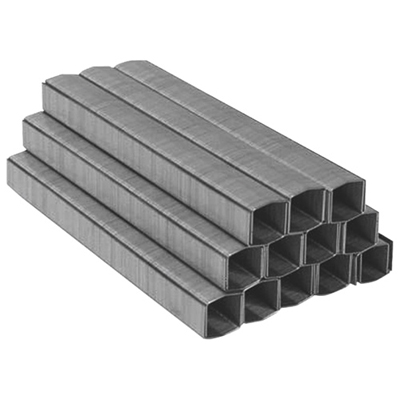
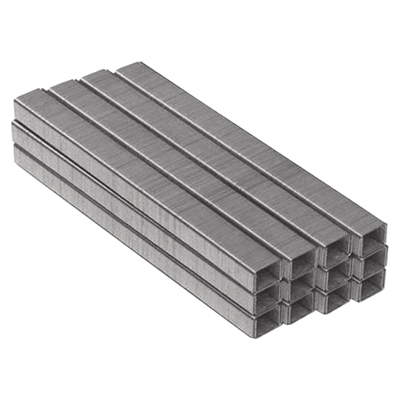
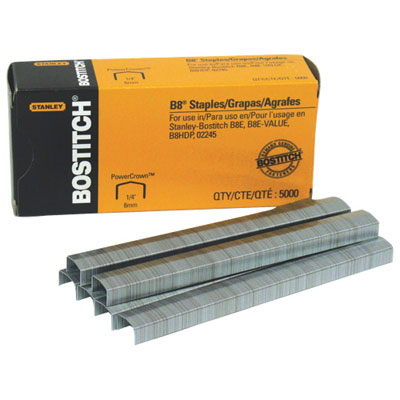
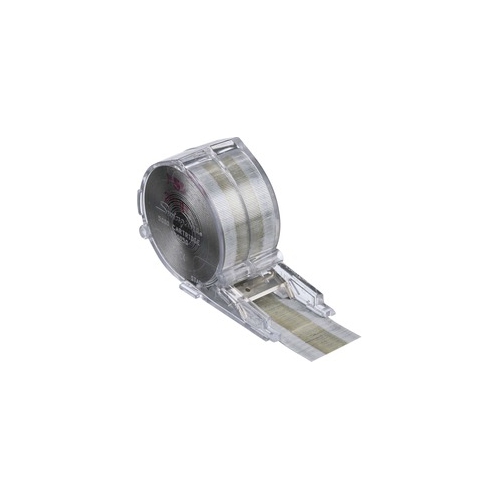
Sheet capacity is an important starting point, but it needs to be read alongside the paper weight used for the rating. A stack of lightweight copy paper is thinner than the same number of sheets printed on heavier paper, and a cardstock cover adds thickness without adding many pages. A stapler rated for a particular number of sheets may therefore handle fewer when a document includes heavier covers, dividers, or folded inserts. Staple compatibility is equally important. Heavy-duty staples are made in different sizes, with leg lengths intended for different stack thicknesses, and not every staple fits every heavy-duty stapler. The correct staple must fit the magazine and have enough length to pass through the pages and fold securely underneath. Staples that are too short may not close properly, while unnecessarily long legs can leave an untidy fastening on a thin stack. Manufacturer specifications identify the compatible staple type and the sheet range associated with each size. This is particularly useful in an office that alternates between short forms and thick policy documents, since changing staple sizes may be part of the workflow. An adjustable paper guide helps position the fastening at a consistent distance from the edge, while throat depth determines how far into the document the stapler can reach. A deeper reach can be helpful for fastening away from a corner, though centre-stapled booklets require a design specifically suited to that task. The underside of the fastening also affects how documents sit in a pile. A conventional clinch bends the staple legs inward; a flat-clinch design, where specified, presses them flatter to reduce bulk around the fastening point. Clear loading access, a visible staple supply, and accessible jam-clearing features can simplify routine use. No stapler is completely immune to jams, especially when staples are incompatible or the stack exceeds the rated capacity. For everyday paperwork that rarely approaches these thicker stacks, Office Staplers provide a related category to consider alongside higher-capacity designs.
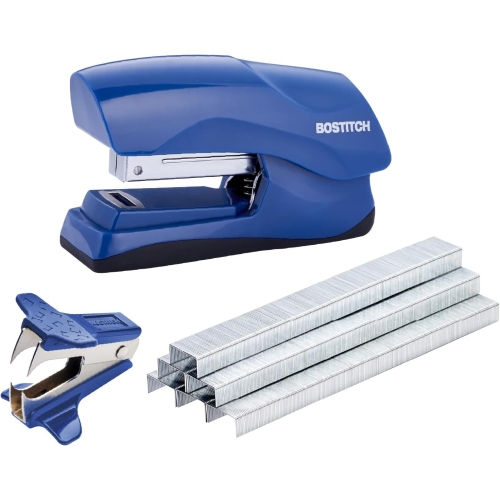
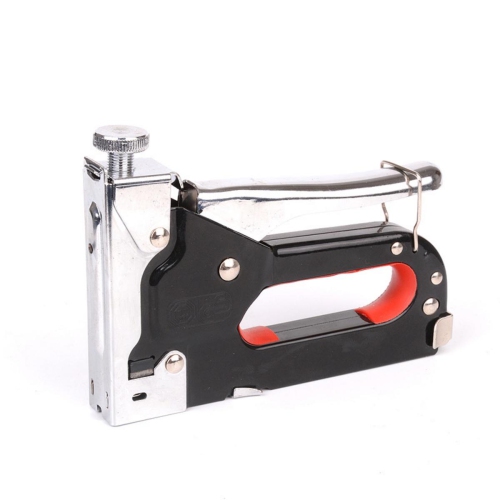
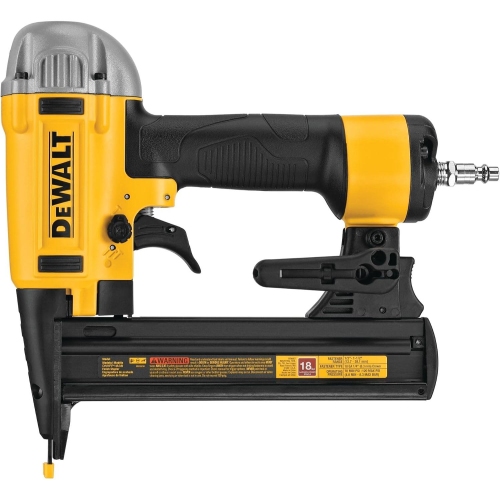
The way a heavy-duty stapler fits into a workspace can make a noticeable difference over repeated use. A large manual model needs room for its base, handle movement, and the paper being inserted, so a stable desk or counter is generally more suitable than a narrow shelf. In a shared print area, leaving enough clear space beside the stapler makes it easier to square up pages before fastening them. A paper guide is useful for repeat jobs, but it does not replace careful alignment: tapping the bottom and side edges of a stack against a flat surface helps prevent stray pages from sitting outside the staple’s path. Pressing through the full operating stroke, rather than stopping halfway, also helps the tool complete the fastening as intended. For electric designs, the insertion area, activation method, power source, and recommended frequency of use deserve attention, particularly when several people share the same station. Fingers should remain clear of the stapling point, and power should be disconnected before clearing a jam or servicing an electric unit as directed by its manufacturer. Routine care is usually simple. Keeping the magazine free of loose staples and paper fragments, wiping exterior surfaces with a soft cloth, and using the specified staples can help maintain reliable operation. Lubricants or cleaning liquids should only be used where the manufacturer recommends them. A suitable staple remover is useful for correcting a misplaced fastening without pulling hard on the pages, although thick documents may require a remover designed for heavier staples. Durability comes from both construction and sensible use: forcing an oversized stack through the tool can strain its components and damage the document. High-capacity office staplers are intended for paper fastening, not upholstery, building materials, or other tasks associated with staple guns. Within that intended use, a well-matched stapler becomes a dependable part of document preparation, whether it is securing a client’s information package, assembling course materials, or keeping a lengthy reference file ready for regular handling.
Top selling and popular products
-
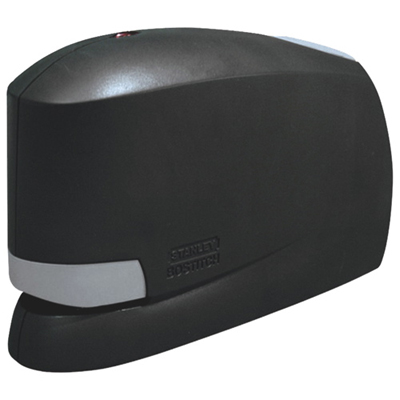 Your price for this item is $103.99
-
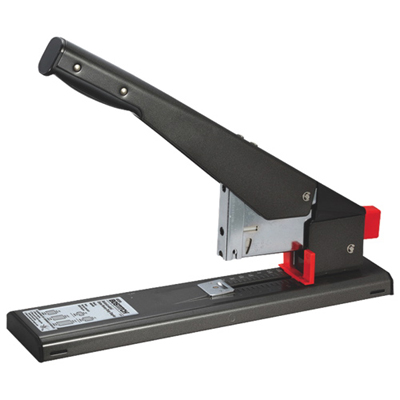 Your price for this item is $118.99
-
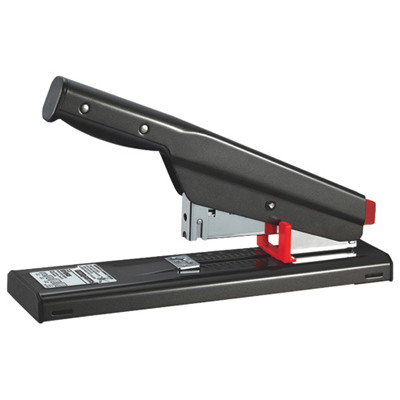 Your price for this item is $44.99
-
 Your price for this item is $19.99
-
 Your price for this item is $57.99
-
 Your price for this item is $6.99
-
 Your price for this item is $69.99
-
 Your price for this item is $23.99
Discover more categories related to Heavy Duty Staplers

Top Collections:
Best Black Friday Deals This Year, Best Black Friday Deals On Electronics, Kindle Devices, Dyson Airwrap, Best Cameras for Sports Photography, Best Budget Office Chairs, Canon G7X Cameras, PS5 Pro Consoles, Best Black Friday Deals On Apple Products, XBOX One S Consoles
Some products may be subject to Environmental Handling Fees
(EHF) depending on your province.
Learn more about EHFs.