High Yield Laser Printer Cartridges
High Yield Laser Printer Cartridges are designed to help you get more from your printing experience, whether you're managing a busy office or handling projects at home. These cartridges offer a practical solution for those who print frequently, helping to reduce the need for frequent replacements. With a variety of options available, it's easy to find the right fit for your laser printer and keep your workflow running smoothly. Explore our selection of High Yield Laser Printer Cartridges to enjoy reliable performance and consistent results with every print job.
Sort
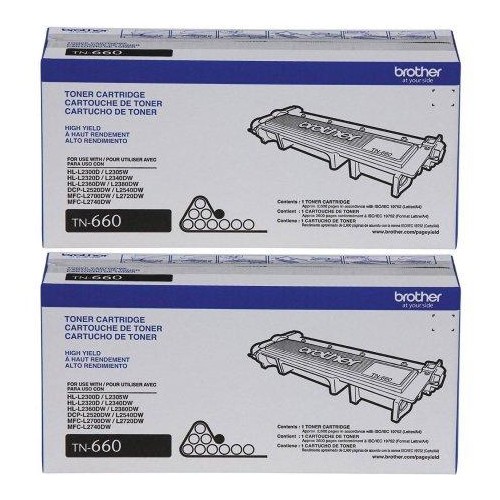

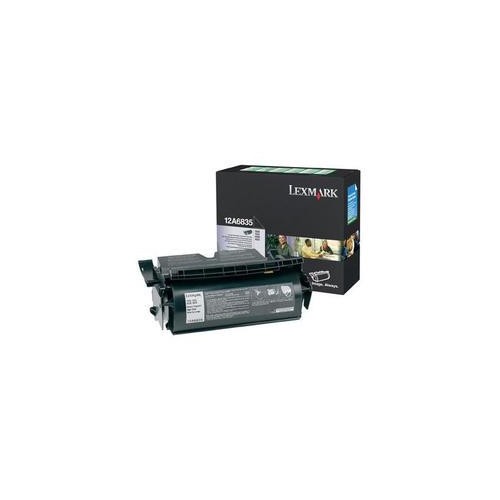


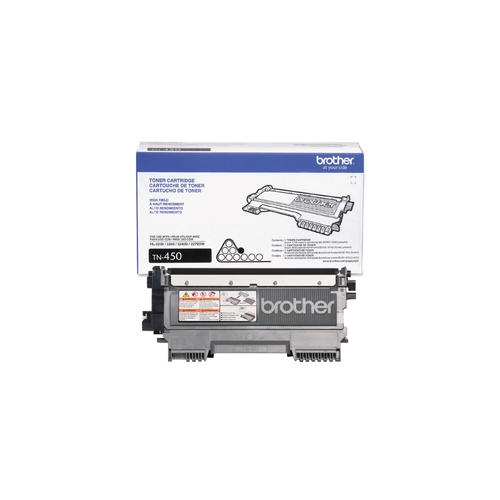
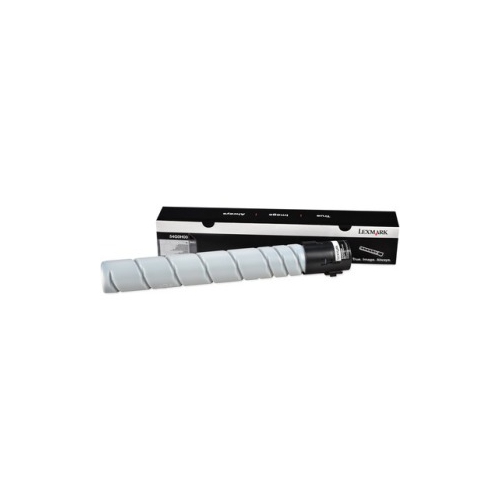
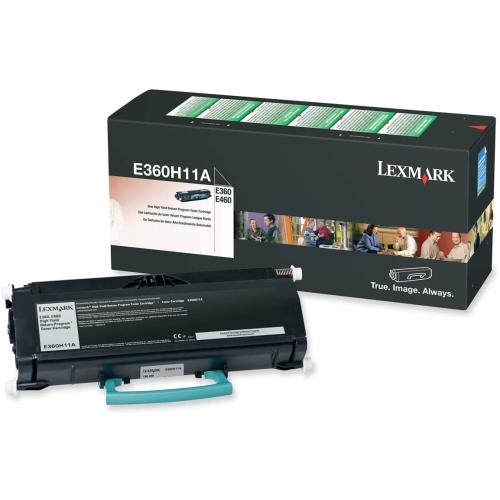

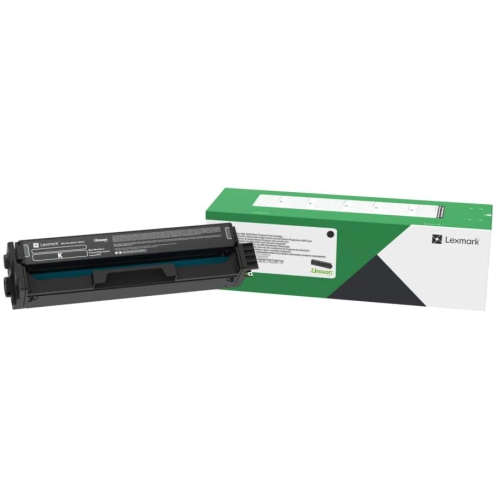
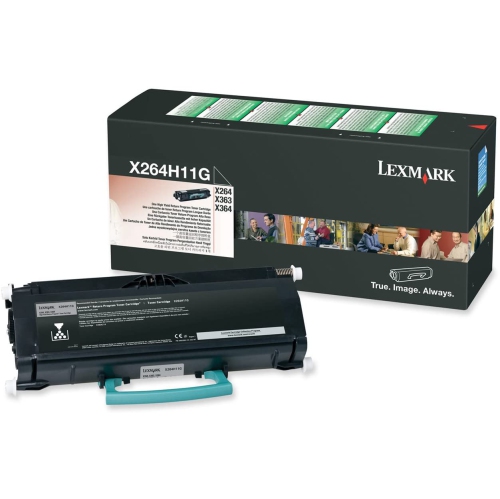
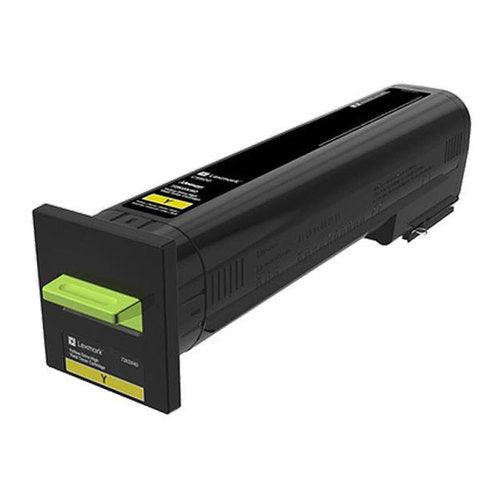

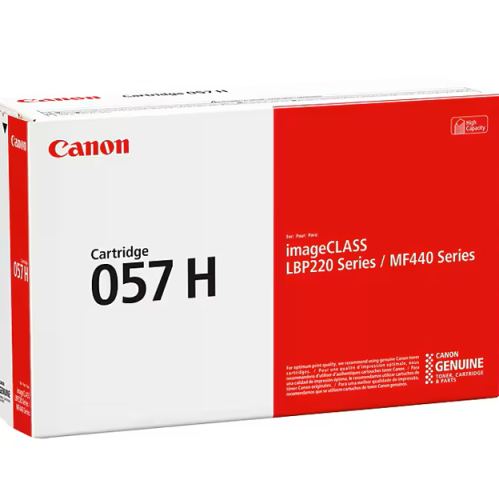
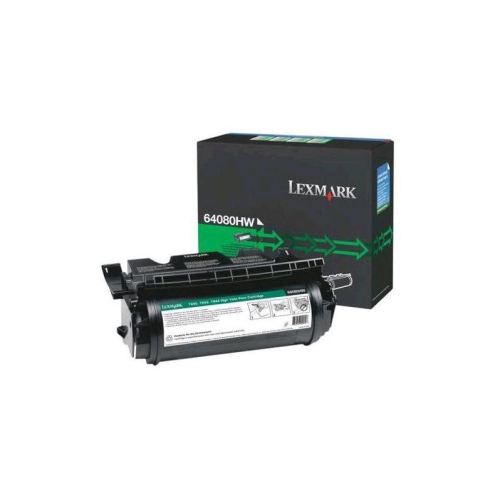
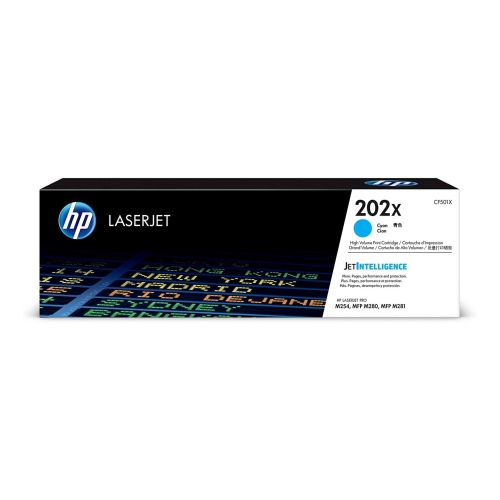
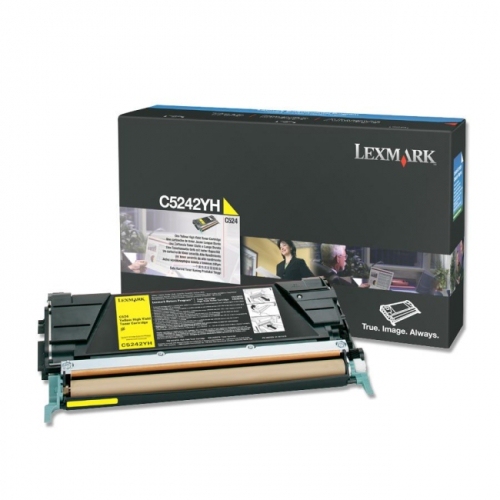


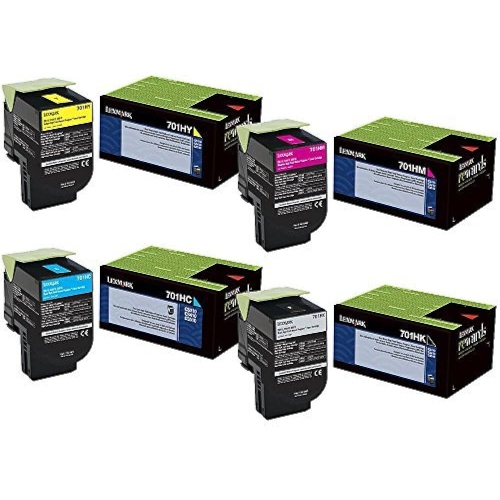
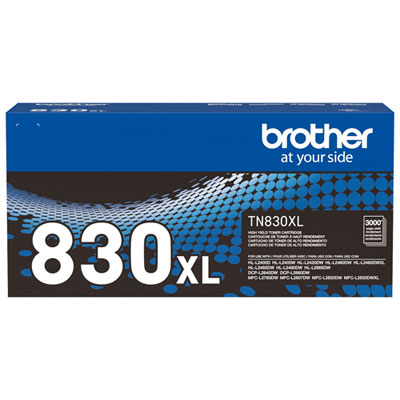
More pages between toner changes for busy print days
High-yield laser printer cartridges hold more usable toner than standard-capacity cartridges designed for the same compatible printer, allowing more pages to be printed before a replacement is needed. They suit steady document printing, from a home office producing contracts and invoices to a shared workplace handling reports, schedules, and training materials. Unlike inkjet cartridges, laser cartridges contain fine toner powder rather than liquid ink. During printing, toner forms the text and images that are transferred to paper and bonded to its surface by heat and pressure. The result is well suited to crisp lettering, clear tables, and documents that need to remain legible through regular handling. A higher-capacity cartridge is particularly useful when a long print run would otherwise be interrupted by a toner change, such as preparing meeting packets or several sets of classroom handouts. The main difference is capacity, not a promise of sharper output: print quality also depends on the printer, paper, settings, and condition of other printing components. Stated page yield provides a useful basis for comparing cartridge capacity, but it is an estimate based on standardized testing, not a guaranteed number of finished documents. A page containing a short letter uses less toner than one filled with shaded charts, photographs, or dense graphics. Colour coverage, print settings, and the mix of documents in a typical workload can therefore affect how long a cartridge lasts. For someone printing mostly text, a high-yield black toner cartridge can support many routine tasks between changes. For teams creating colour presentations or customer-facing materials, high-yield colour toner can help keep longer projects moving. The most useful capacity is one that matches both the printer’s supported cartridge options and the amount of printing it regularly handles, whether that means frequent short jobs or larger batches throughout the working day.
Compatibility is the essential fit consideration for high-yield laser printer cartridges. The printer’s exact model number and its supported cartridge references matter more than the general appearance of a cartridge or the name of a printer family. Two cartridges can look nearly identical while using different housings, contacts, or electronic components, and a cartridge that physically fits is not necessarily one the printer can recognize and use. High-yield versions may share the same external dimensions as their standard-capacity counterparts, so a larger toner supply does not always mean a larger cartridge body. Equally, not every laser printer accepts every capacity offered within a broader cartridge range. Matching the full printer model against the cartridge’s stated compatibility helps avoid confusion between closely related machines. Monochrome laser printers use black toner, while colour laser printers typically use separate black, cyan, magenta, and yellow supplies. Those colours may run low at different times depending on the documents being printed; a department producing pages with large blue graphics, for example, may use its colour supplies differently from one printing mostly black text. Package contents also deserve attention because a toner cartridge and an imaging drum are not always the same replacement part. Some designs combine toner and drum components in one assembly, while others keep them separate, with the drum replaced on its own maintenance schedule. A low-toner message does not automatically mean the drum needs replacing, and a drum warning may not be resolved by installing fresh toner. Original manufacturer cartridges and compatible alternatives can also differ in construction, electronic recognition, and stated testing. Clear compatibility details are more informative than broad claims of universal fit. Laser toner and inkjet ink are not interchangeable; households or workplaces using an inkjet machine instead can explore High Yield Printer Ink Cartridges for that different printing technology. Keeping this distinction clear is especially helpful where several printers share a workspace but use different types of supplies.
The value of a high-yield toner cartridge in daily use is often felt in fewer interruptions rather than in any visible change to the printed page. An administrator assembling orientation folders, a small business owner printing shipping documents, or a student preparing lengthy reading notes can finish more work between cartridge changes when the capacity suits the workload. For shared printers, fewer changes can also mean less time spent identifying the correct supply and getting a queue moving again. Careful handling helps protect the cartridge’s moulded housing and any exposed imaging components. Unopened cartridges are best kept in their protective packaging in a clean, dry location, away from direct sunlight and places where they could be knocked or crushed. Once a cartridge is ready to install, its printer-specific directions identify which seals, strips, or shipping pieces need to be removed. Some cartridges call for gentle movement to distribute toner before installation, while others have different preparation steps; following the supplied directions is preferable to assuming that every design works the same way. Contacts and exposed drum surfaces should not be touched, since fingerprints or damage can affect output. A cartridge should seat securely without being forced, and access covers need to close properly for the printer to operate as intended. Over time, streaks, faded areas, or repeating marks can come from several sources, including low toner, paper issues, or worn imaging components, so a fresh cartridge is not a universal fix for every print defect. Paper choice matters as well: labels, envelopes, and heavier sheets must be suitable for laser printing and supported by the printer, because the fusing process uses heat. For everyday documents, appropriate paper and sensible print settings help preserve clear text and consistent results. Draft settings may suit internal notes, while final reports may call for a higher-quality setting that uses toner differently. High-yield laser printer cartridges work best as part of a matched setup: the correct supply, a supported printer, suitable paper, and routine care that keeps recurring print jobs running smoothly.
Top selling and popular products
-
 Your price for this item is $256.65
-
 Your price for this item is $39.99
-
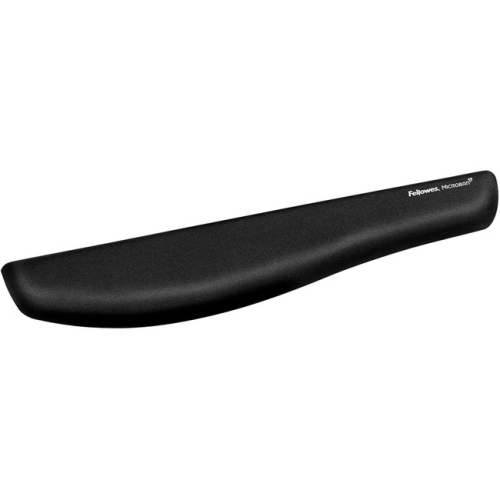 Your price for this item is $32.68
-
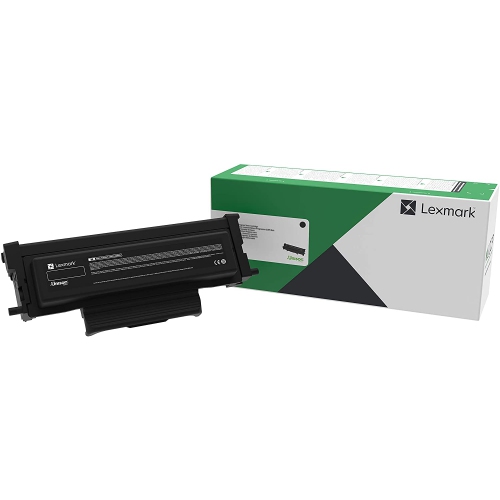 Your price for this item is $162.99
-
 Your price for this item is $127.65
-
 Your price for this item is $33.99
-
 Your price for this item is $297.45
-
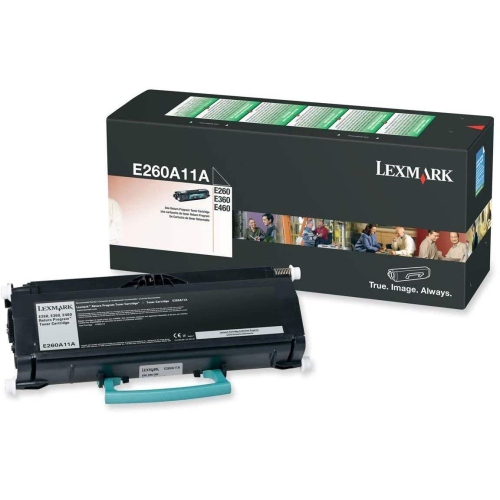 Your price for this item is $259.37
Discover more categories related to High Yield Laser Printer Cartridges
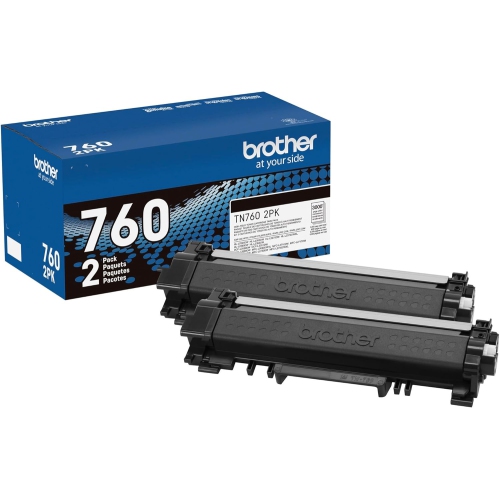

Top Collections:
Pokemon Centers, Kindle Devices, Best Budget Office Chairs, Canon G7X Cameras, Apple iPhones 16, Samsung Galaxy Phones, Refurbished Apple Laptops, Laptops for Students, iPhone 15 Apple, Budget Smartphones
Some products may be subject to Environmental Handling Fees
(EHF) depending on your province.
Learn more about EHFs.