Inkjet Cartridges
Looking to save money on your printing needs? Look no further than our selection of inkjet cartridges. Whether you're a small business owner, a student, or simply someone who prints a lot, buying ink cartridges can help you reduce costs and ensure that you never run out of ink at the most inconvenient times. With a wide range of options available, you'll find the perfect inkjet cartridges to fit your printer and printing needs. Say goodbye to the hassle of constantly purchasing individual cartridges and start saving with our high-quality inkjet cartridges.
Sort


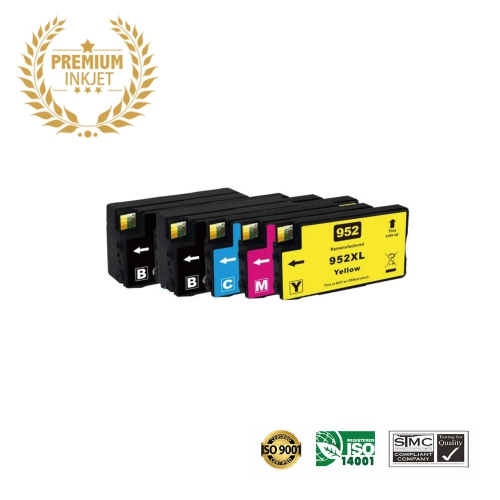


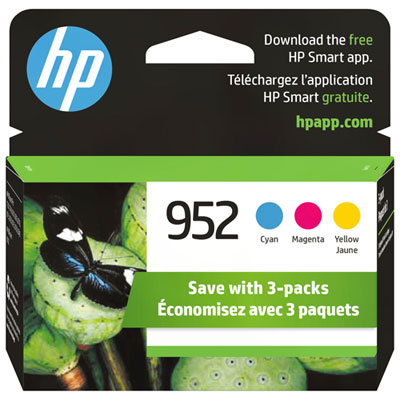
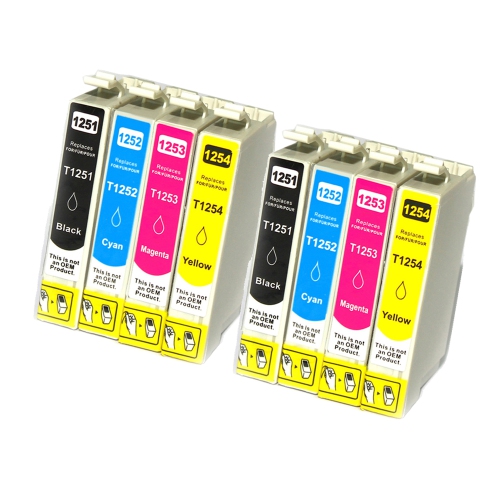


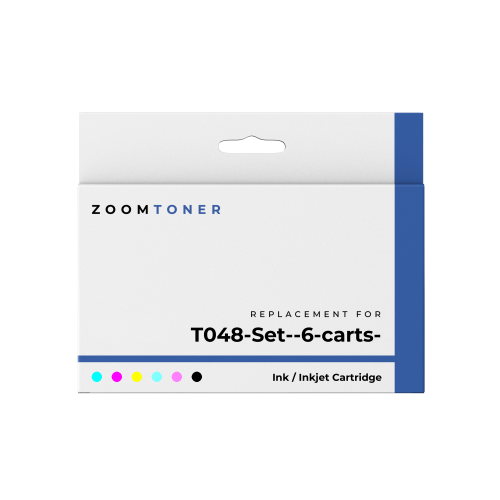






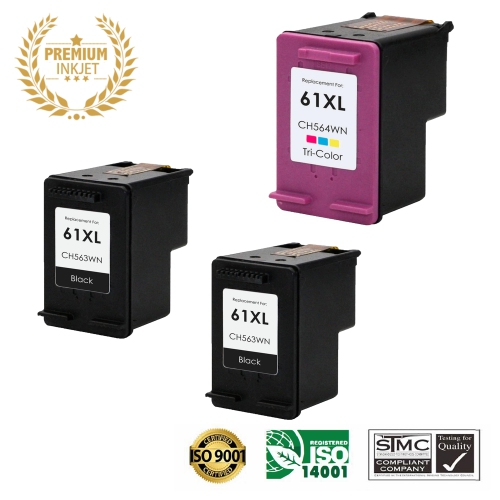

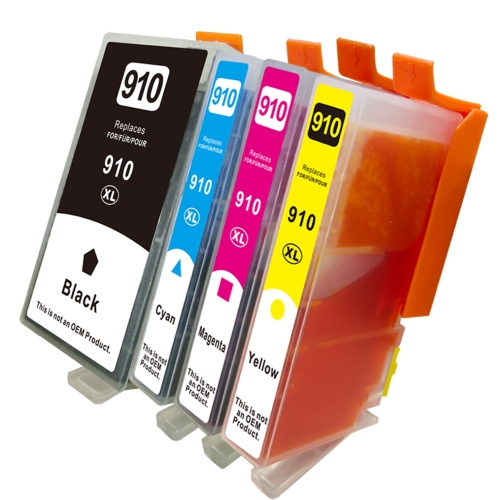
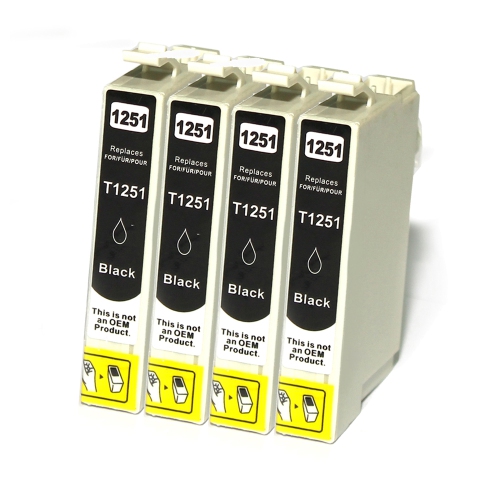

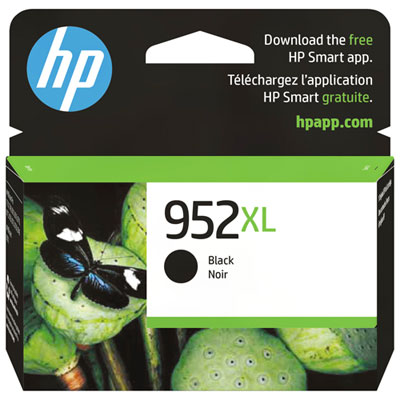






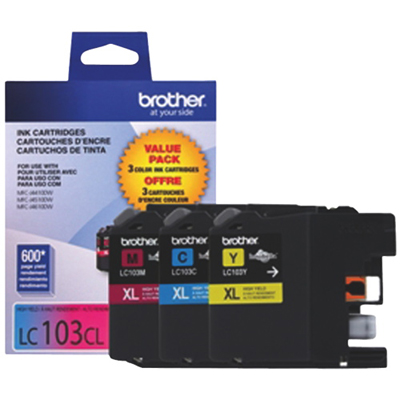

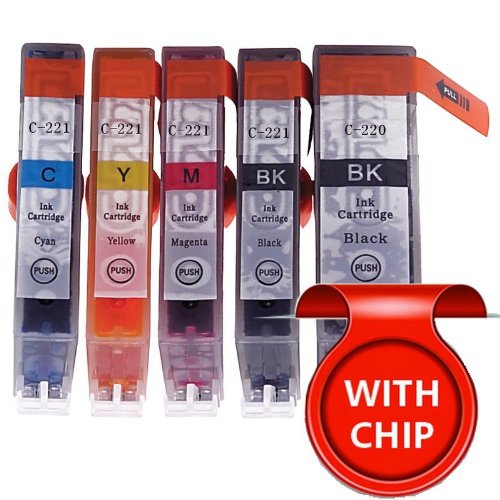
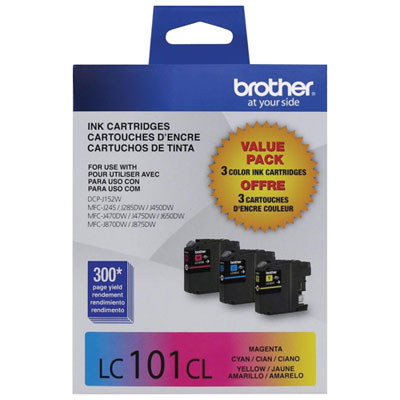
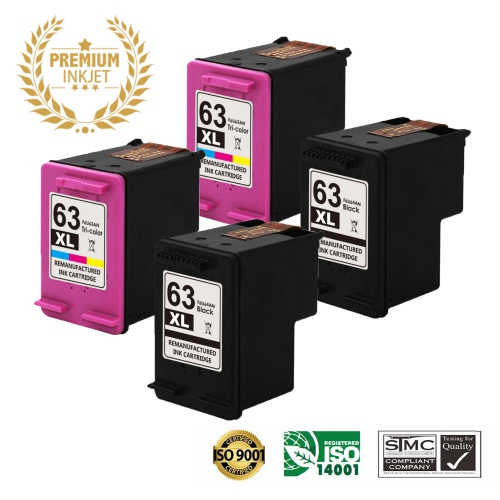














































Why similar-looking cartridges aren’t always the right match
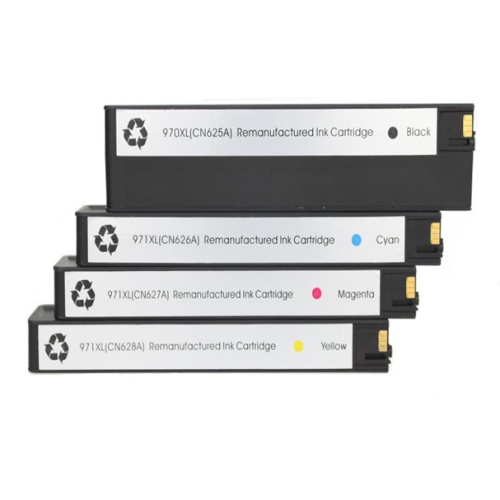
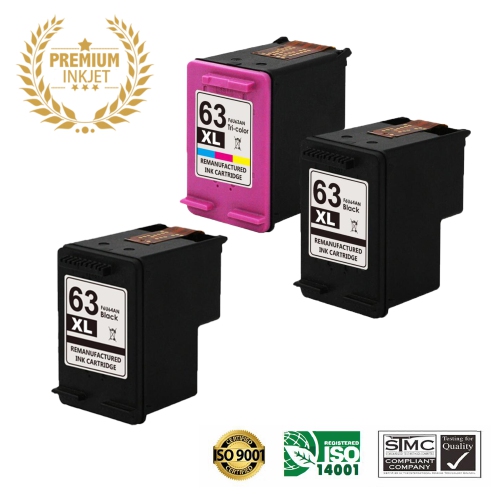
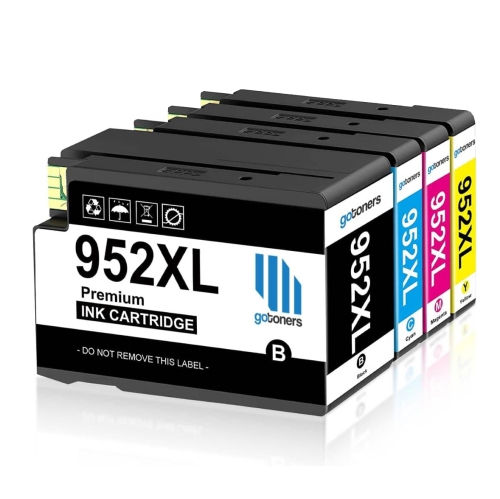
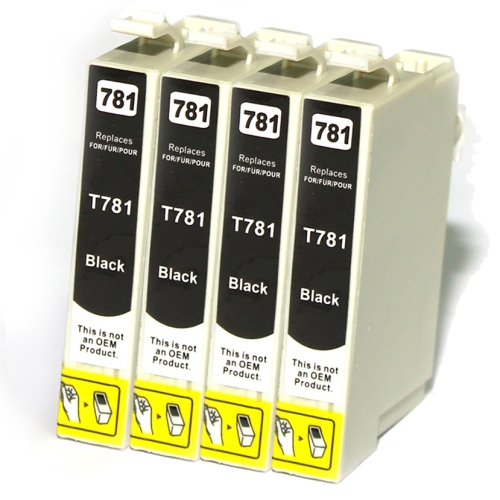
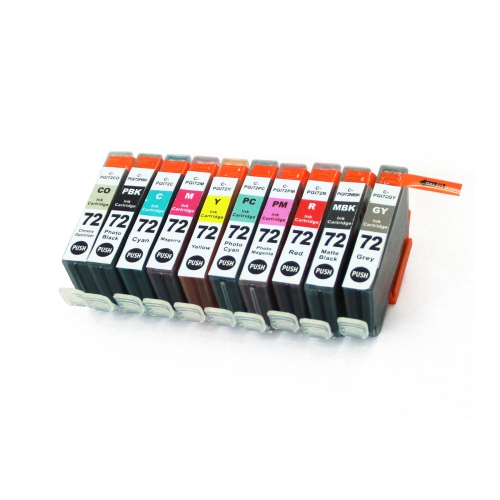
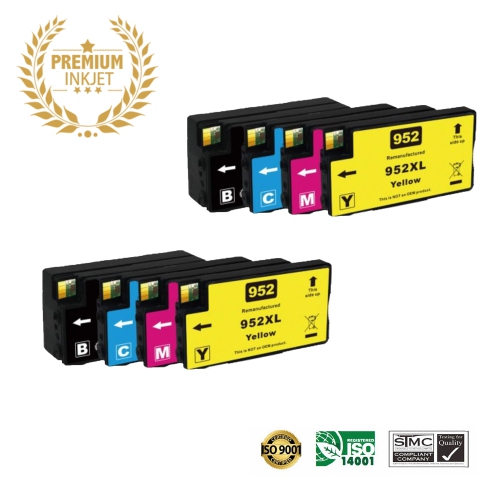
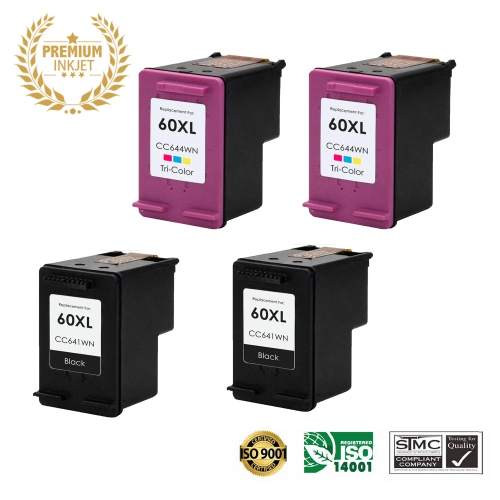
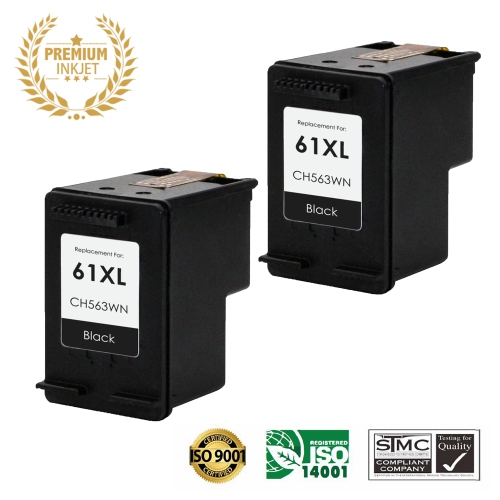
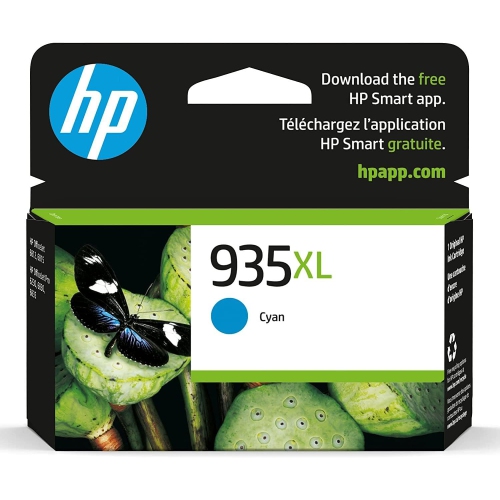
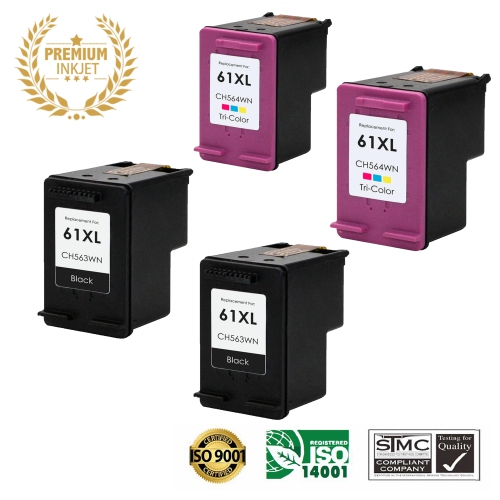
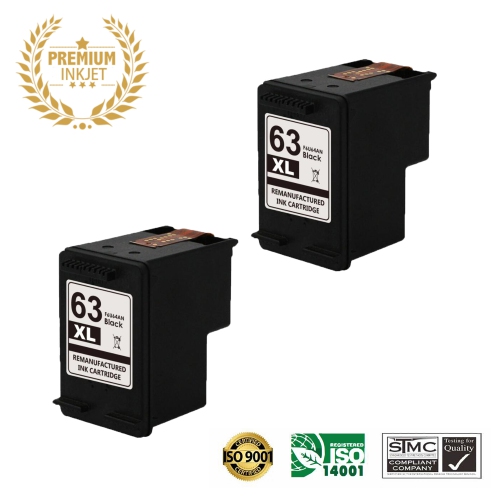
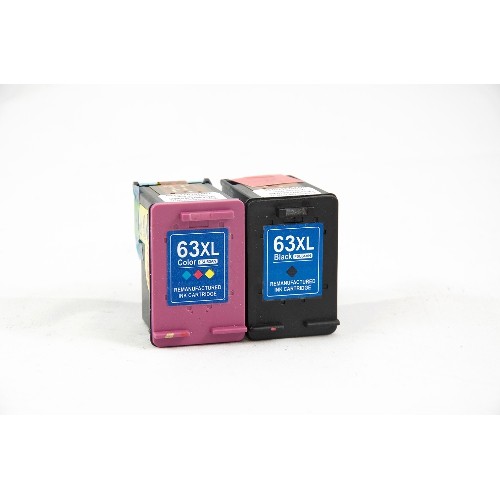
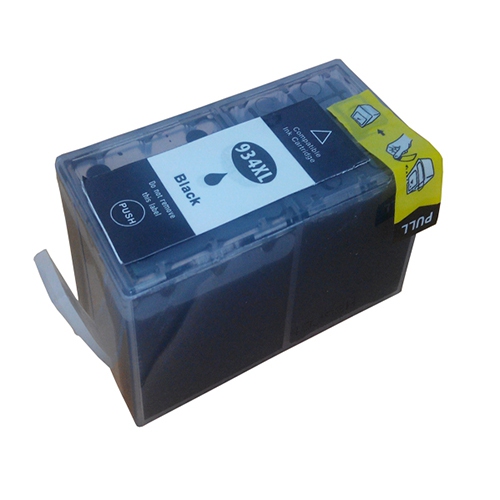
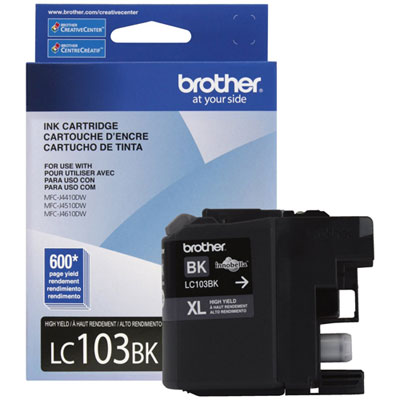
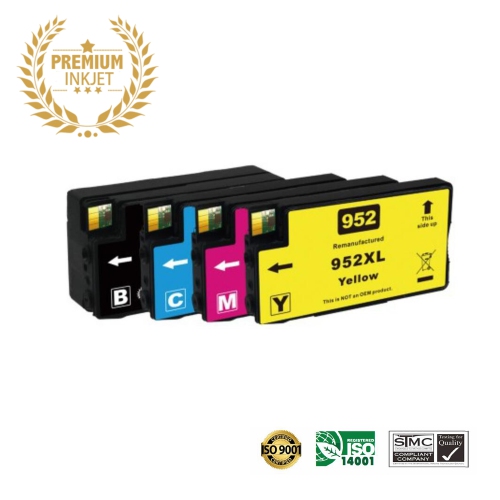
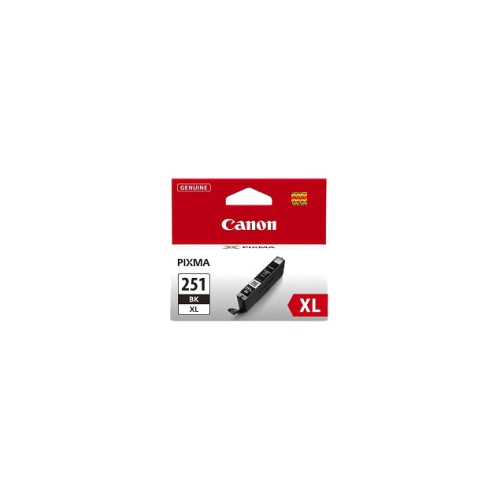
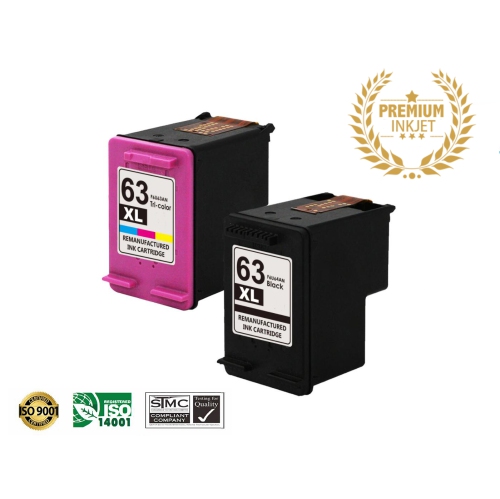
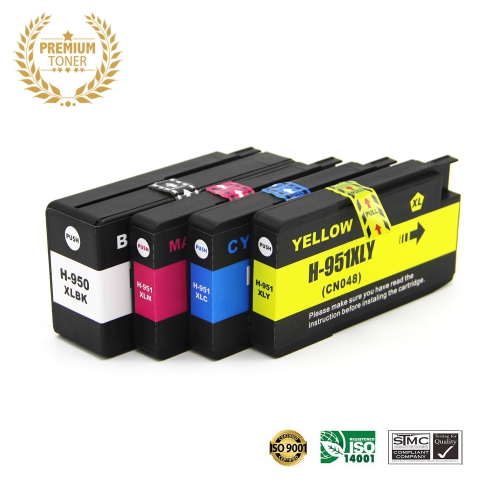
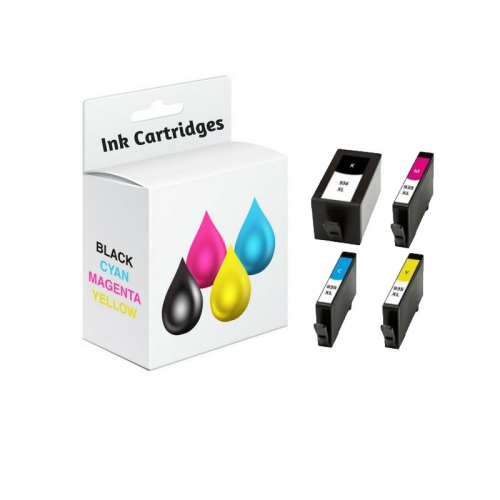
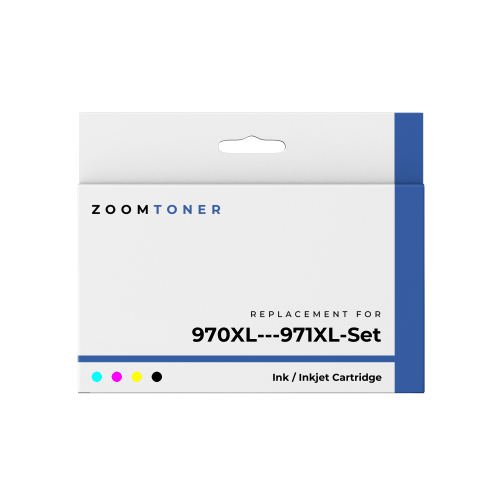
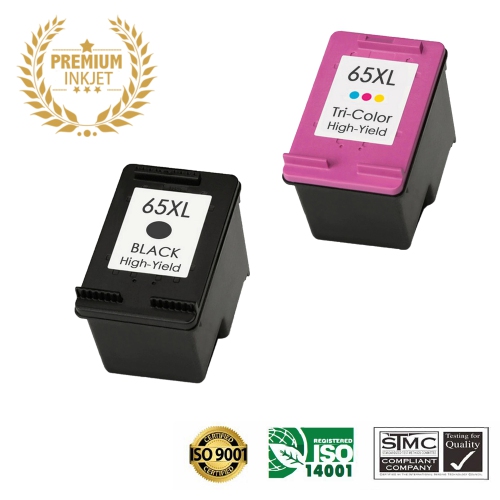
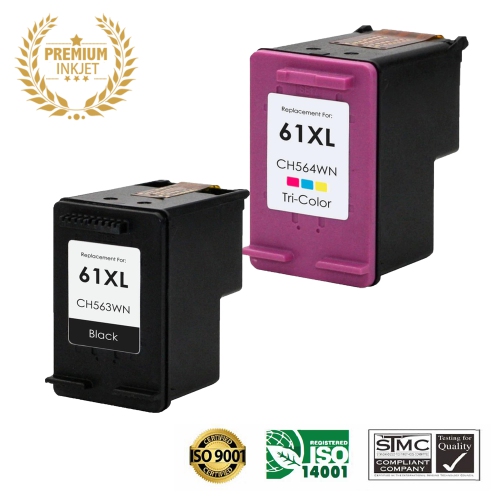
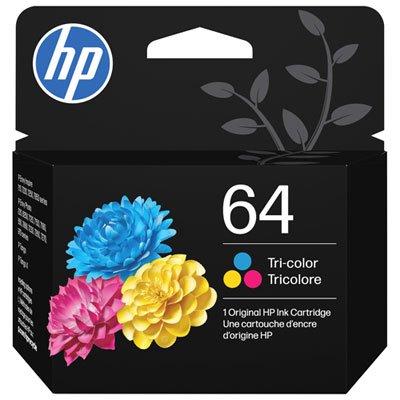
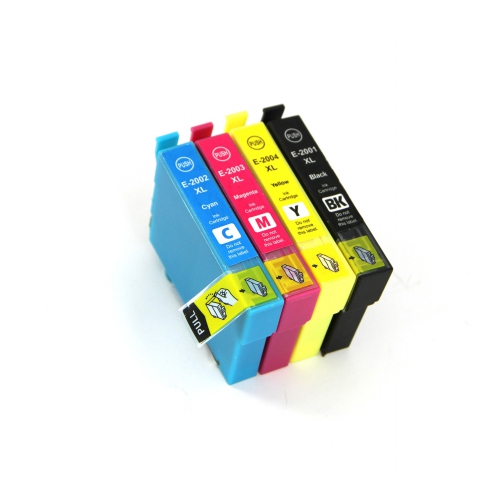
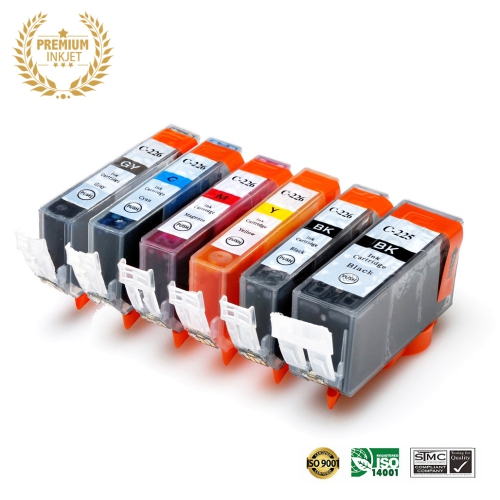
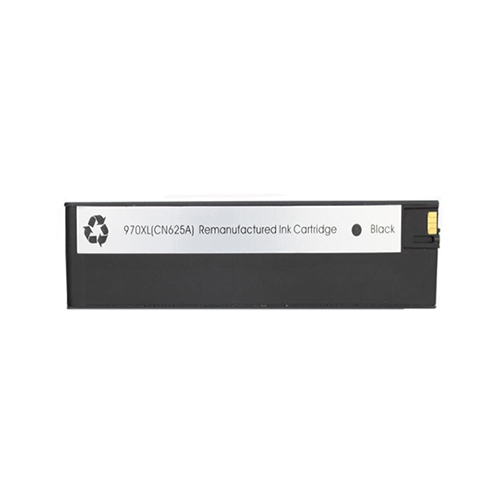
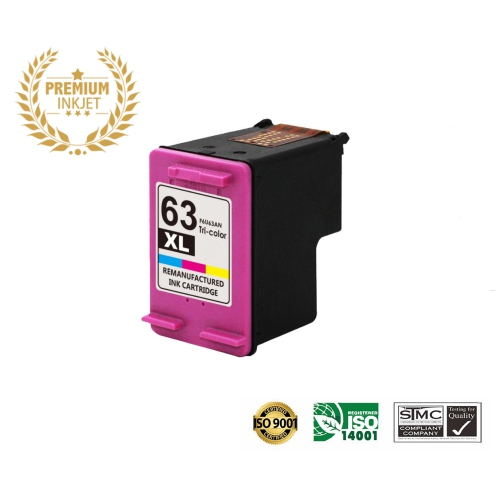
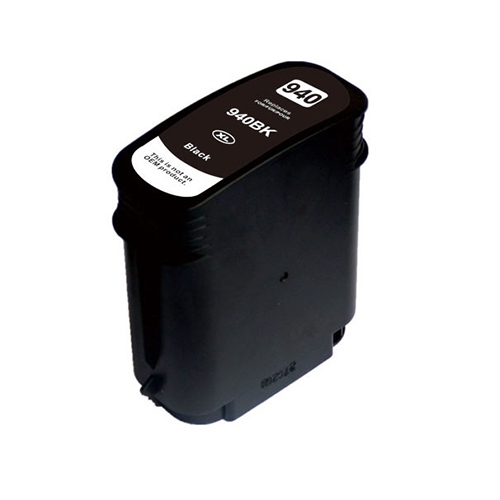
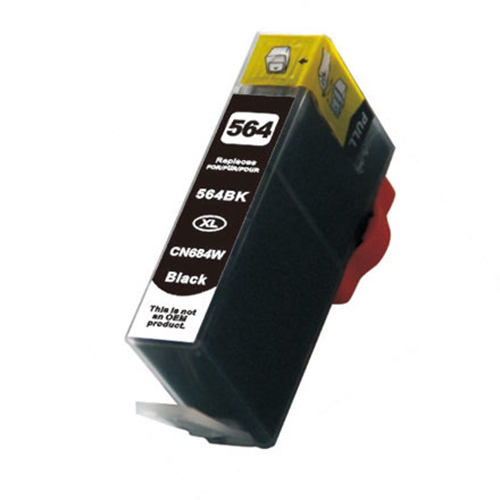
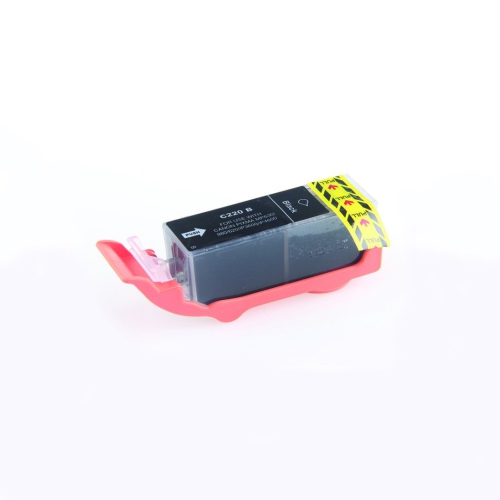
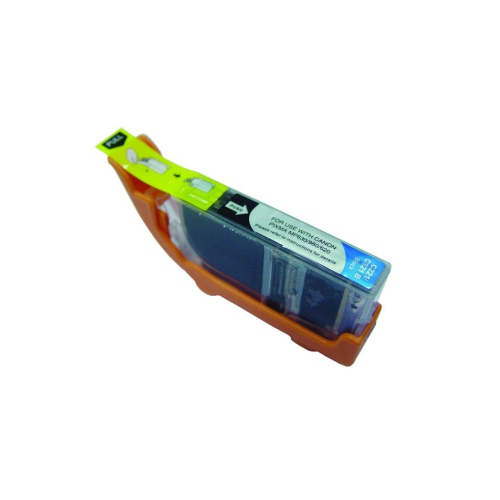
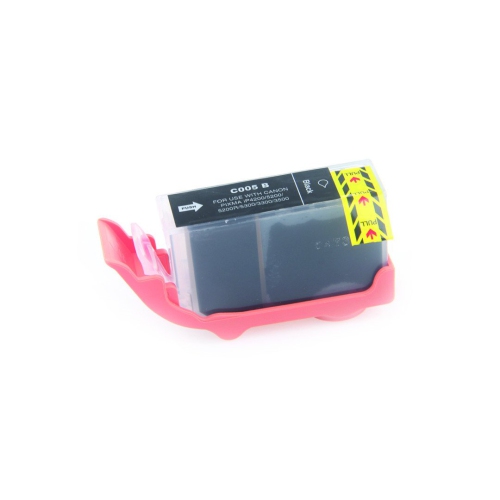
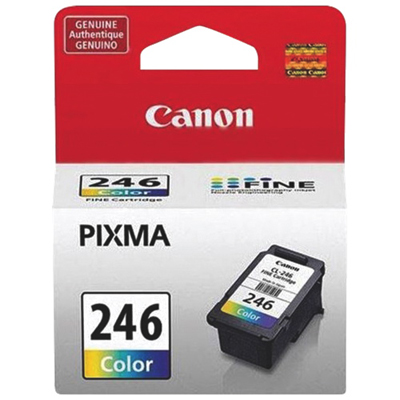
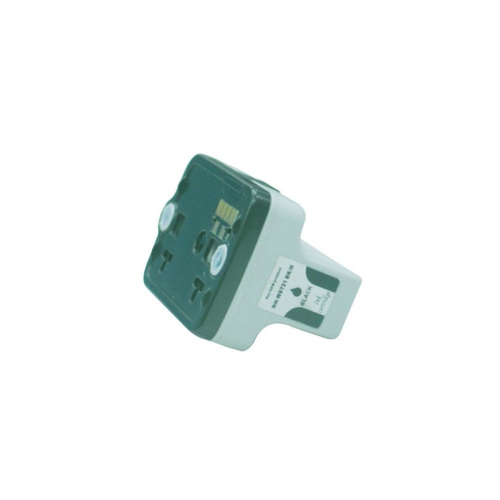
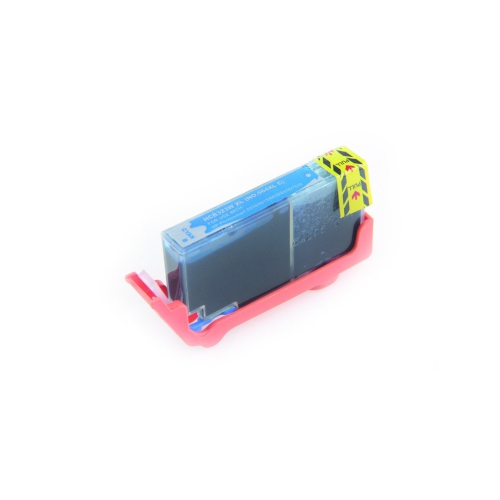
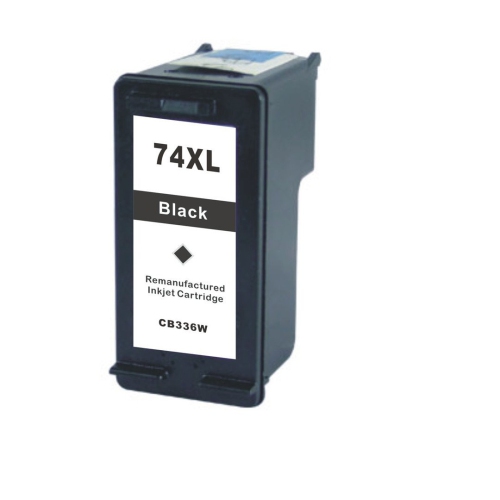
Inkjet cartridges hold the liquid ink an inkjet printer uses to produce text, graphics, and photographs on paper. Unlike toner cartridges, which contain powder for laser printers, inkjet cartridges feed ink through tiny printhead nozzles that place droplets precisely on the page. They serve a wide range of everyday needs, from school assignments and shipping labels to presentation handouts, family photos, and home office paperwork. Black ink cartridges handle much of the text in documents, while colour cartridges supply the inks used for illustrations, charts, and images. Some printers use one black cartridge and a combined tri-colour cartridge; others have separate cartridges for cyan, magenta, yellow, and black, sometimes with additional colours for photographic work. With separate colour cartridges, each colour can be replaced individually when depleted. A combined colour cartridge keeps several inks in one unit, though one depleted colour can require replacing the whole cartridge. The right fit depends on the printer’s exact model and supported cartridge numbers, not simply the cartridge’s appearance or the printer manufacturer’s name. Two cartridges with similar plastic housings can have different electrical contacts, ink delivery arrangements, or recognition chips. Checking the printer’s cartridge specifications is therefore more reliable than matching the shape of an old cartridge. Original equipment manufacturer, or OEM, cartridges are made by the printer manufacturer for designated models. Compatible cartridges are newly made alternatives from another manufacturer, while remanufactured cartridges are previously used cartridge bodies that have been cleaned, refilled, and tested for further use. For any type, the stated model compatibility matters, and printer firmware or regional cartridge requirements can also affect recognition. A cartridge intended for another printer family is not interchangeable just because it contains the same colour of ink. For a shared household printer or a busy desk, a correct match helps keep routine printing straightforward, whether the next task is a single permission slip or a full set of meeting documents.
Ink formulation and cartridge design both influence how a finished page looks and holds up to handling. Dye-based inks contain colourants dissolved in liquid and are often used for vivid colour and smooth tonal transitions, particularly on suitable photo paper. Pigment-based inks contain fine colourant particles suspended in liquid and are commonly used for crisp text and resistance to smudging on appropriate paper. Some inkjet printers combine pigment black with dye-based colours, while others use different arrangements tailored to their intended output. These formulations are not freely interchangeable: the printer is designed to work with particular inks, and the cartridge specifications should match those requirements. Print durability also depends on the paper, drying time, handling, and exposure to light or moisture. A photograph stored in an album has different demands from a document that will be highlighted, folded, or carried in a bag. No ink cartridge alone makes every print waterproof or fade-proof. Paper settings matter as well, since selecting plain paper or photo paper changes how the printer applies ink. Standard-yield and high-yield cartridges offer another distinction. High-yield versions generally contain more usable ink and have a higher stated page yield than the corresponding standard version, but they must still be explicitly supported by the printer. Page yield is an estimate based on specified test conditions rather than a promise for every print job. Dense charts, full-page images, and borderless photographs use ink differently from lightly printed text pages, so the same cartridge can produce very different page counts in different households. Cleaning cycles and printer maintenance also consume some ink. For someone printing occasional forms, the pattern of use may matter more than a large yield figure; for a student producing frequent reports, a higher-capacity compatible format can mean fewer cartridge changes. Black-only documents do not always mean black-only ink use, either. Depending on the printer and selected settings, colour ink may be used in greys, maintenance routines, or composite black, and some printers require usable colour cartridges even when printing text.
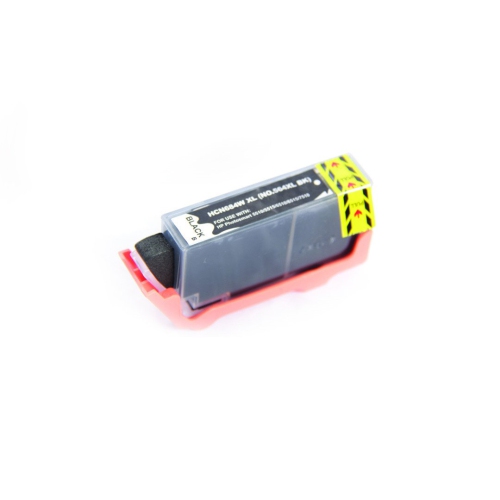
The cartridge housing is usually moulded plastic, with seals, vents, and internal components that manage the movement of ink. Some cartridges include an integrated printhead, so replacing the cartridge also replaces that component; others supply ink to a printhead that remains inside the printer. This difference affects maintenance expectations and makes careful handling worthwhile. Electrical contacts and nozzle surfaces are delicate, and touching them can leave residue that interferes with recognition or ink flow. Protective packaging helps keep an unused cartridge sealed until installation, while the printer’s instructions identify which tabs or tapes need to be removed. Leaving a required vent covered, removing a label that should remain in place, or forcing a cartridge into the wrong slot can interrupt printing. Once installed, cartridges are best left in their intended positions rather than repeatedly removed between jobs. For occasional users, long periods without printing can allow ink at the nozzles to dry, leading to gaps in letters or faint bands across images. The printer’s built-in nozzle check can help distinguish a flow problem from an empty cartridge, and the prescribed cleaning process is preferable to improvised cleaning methods. Repeated cleaning cycles use ink, so persistent streaking deserves attention to the printer’s maintenance instructions rather than endless retries. A tidy printing area also makes cartridge changes easier: there should be room to open the access panel fully, read the cartridge labels, and keep loose paper away from exposed ink. For compact workspaces, printer carts can provide a dedicated surface and storage for paper and unopened cartridges, provided their dimensions and weight capacity suit the printer. Keeping spare cartridges in their original packaging, following storage guidance, and checking any use-by information helps preserve them until needed. Across home, school, and small office tasks, well-matched inkjet cartridges support clear, readable documents and detailed colour printing, with the best results coming from the combination of compatible ink, suitable paper, and consistent printer care.
Top selling and popular products
-
 Your price for this item is $40.99
-
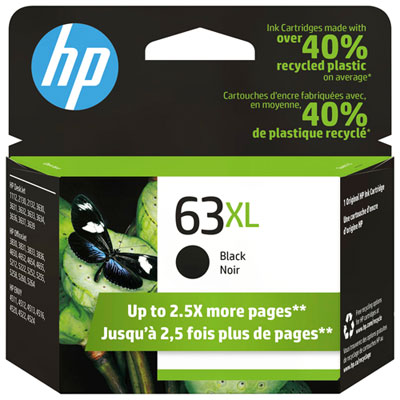 Your price for this item is $101.99
-
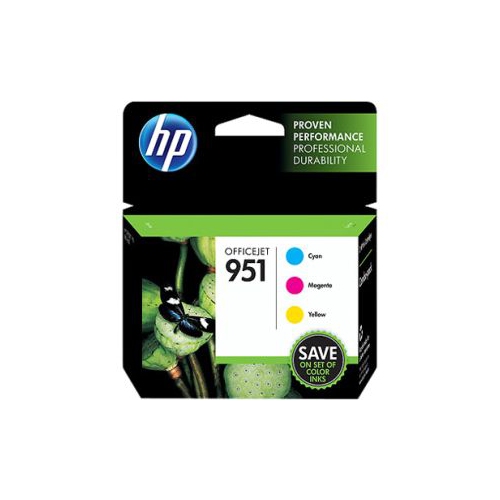 Your price for this item is $129.99
-
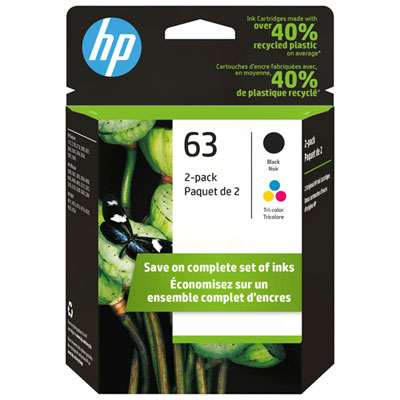 Your price for this item is $109.99
-
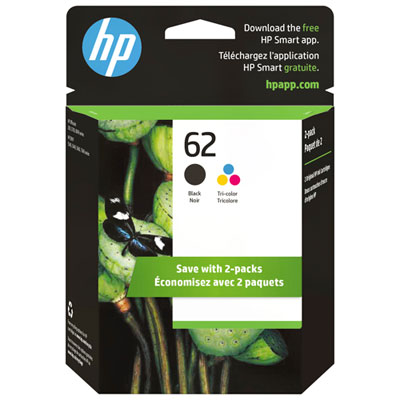 Your price for this item is $89.99
-
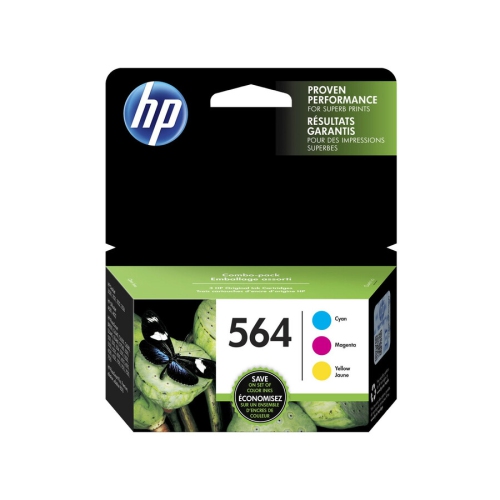 Your price for this item is $90.99
-
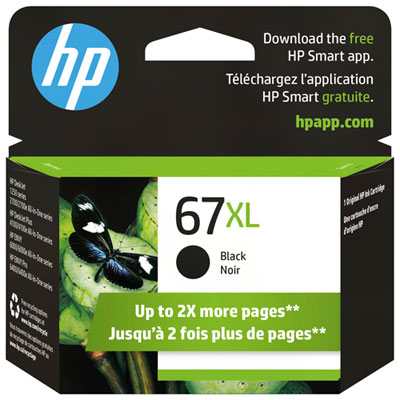 Your price for this item is $52.99
-
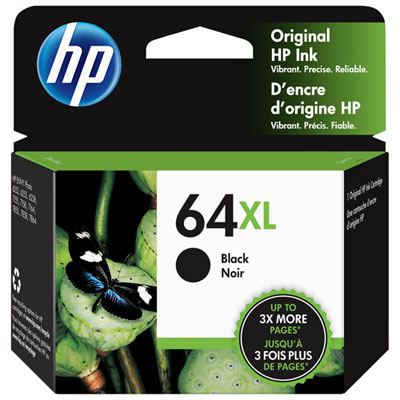 Your price for this item is $101.99
Discover more categories related to Inkjet Cartridges

Top Collections:
Pokemon Centers, Kindle Devices, Best Budget Office Chairs, Canon G7X Cameras, Apple iPhones 16, Samsung Galaxy Phones, Refurbished Apple Laptops, Laptops for Students, iPhone 15 Apple, Budget Smartphones
Some products may be subject to Environmental Handling Fees
(EHF) depending on your province.
Learn more about EHFs.