Legal Size File Boxes
Organizing your important documents has never been easier with our selection of legal-size file boxes. Whether you're a busy professional, a student, or simply looking to declutter your home office, these file boxes provide the perfect solution for keeping your files neat, tidy, and easily accessible. Designed to accommodate legal-sized documents, these sturdy and durable file boxes offer ample storage space while protecting your important paperwork from dust, moisture, and damage. With their sleek and functional design, our legal-size file boxes are a must-have addition to any workspace or home office setup.
Sort
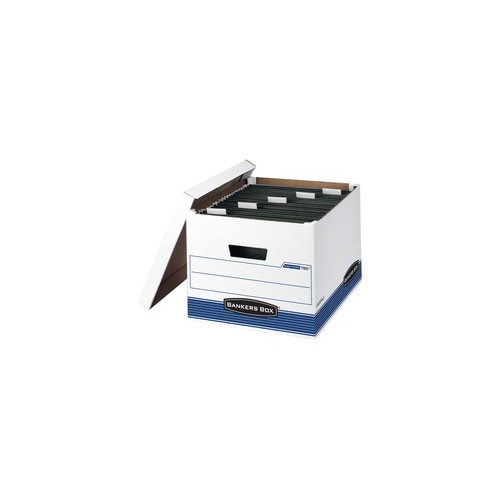
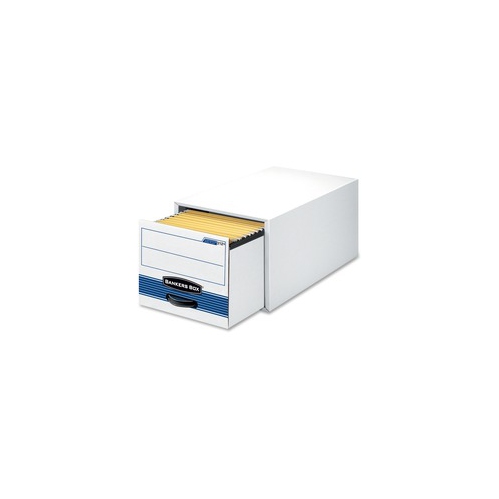
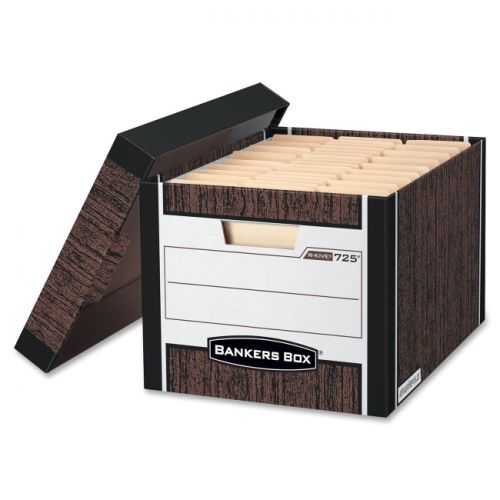
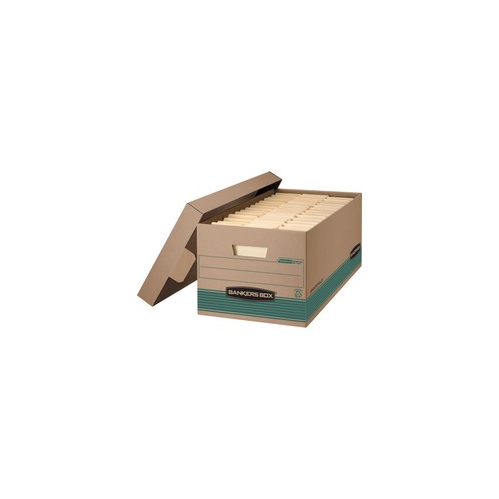

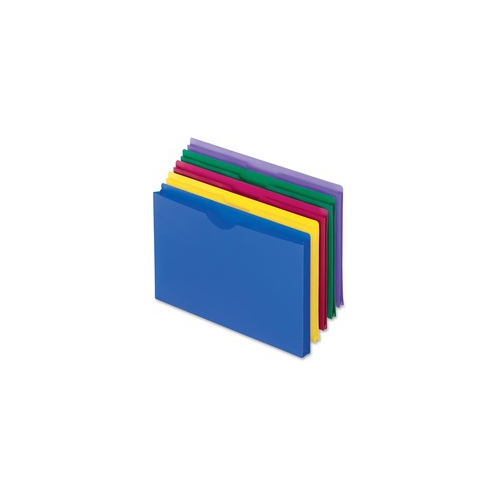
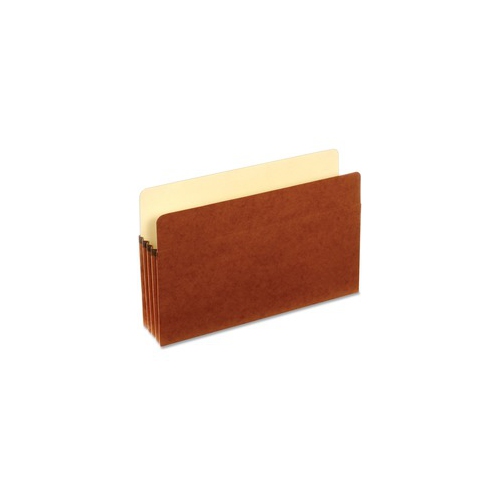
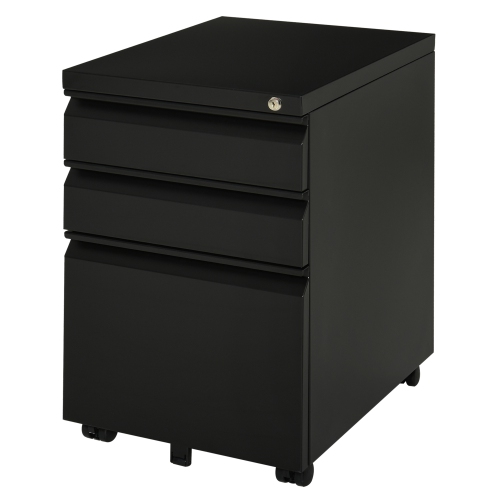
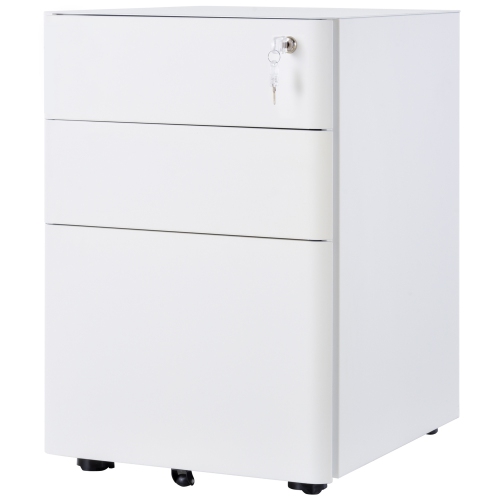
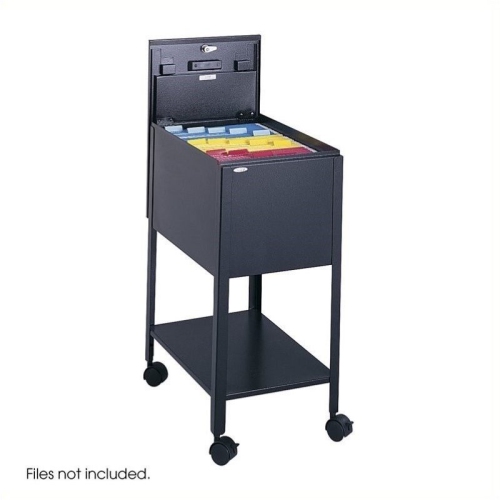
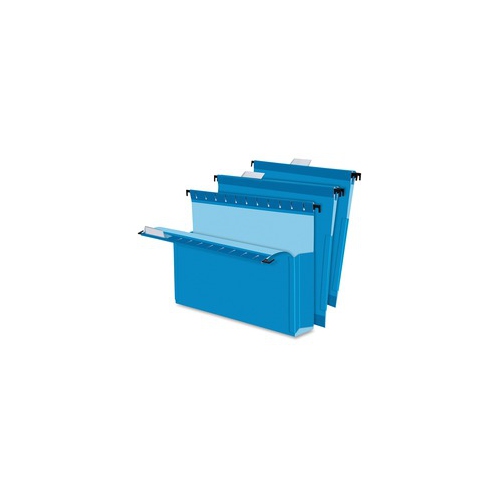
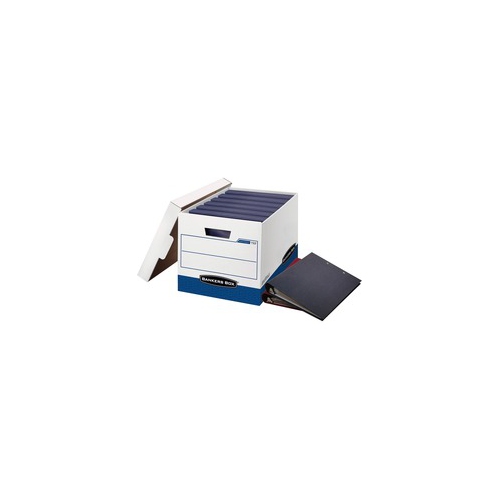
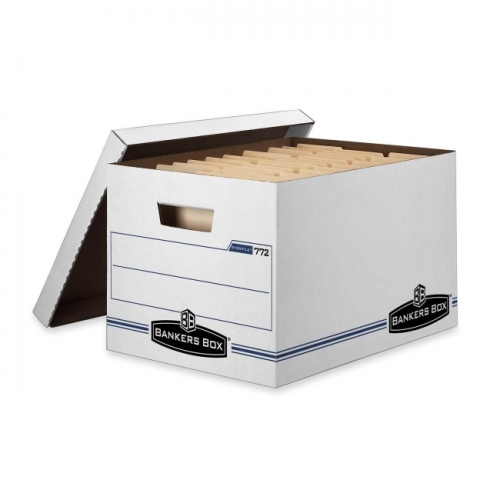
Extra length helps paperwork stay flat and accessible
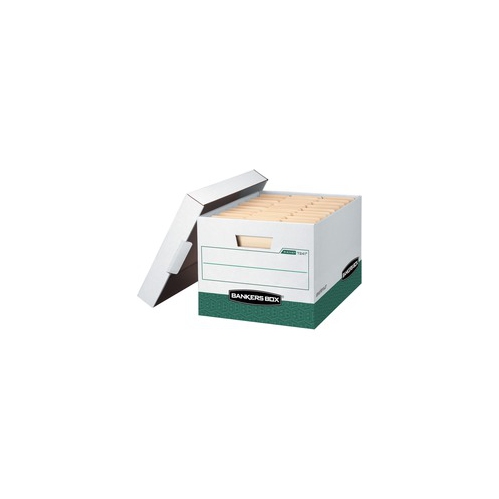
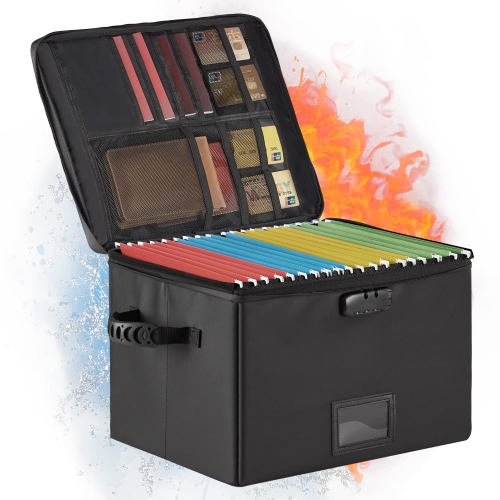
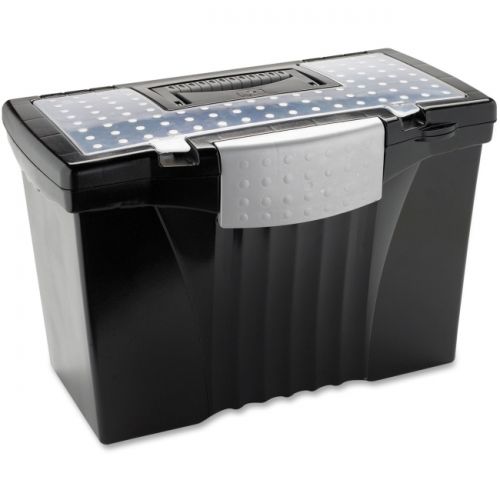
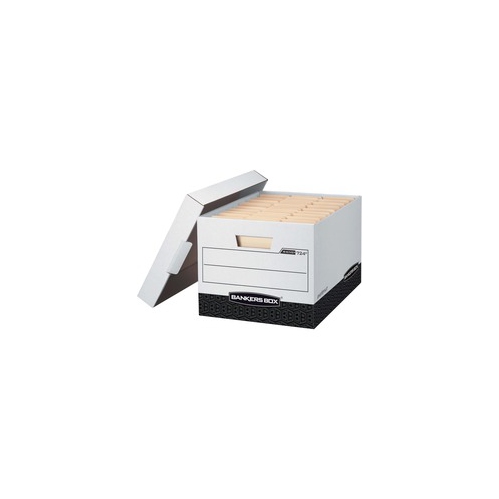
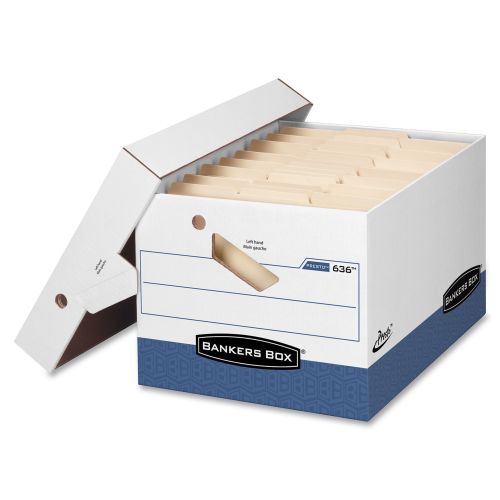
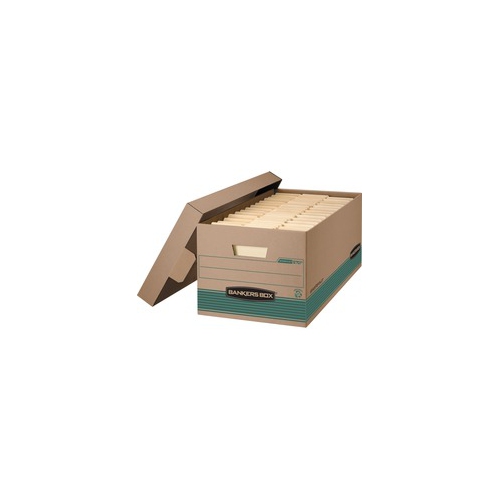
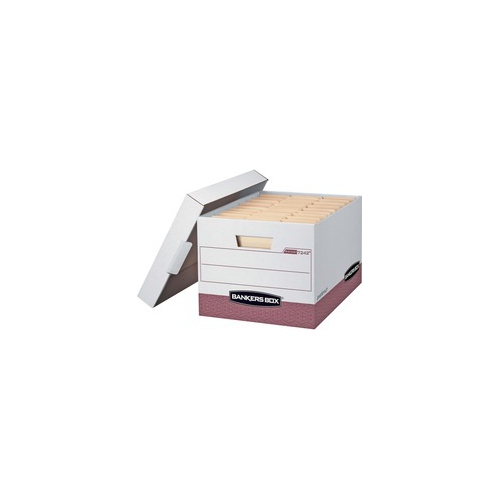
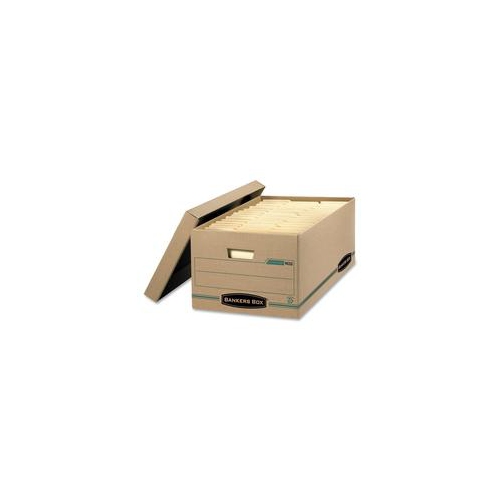
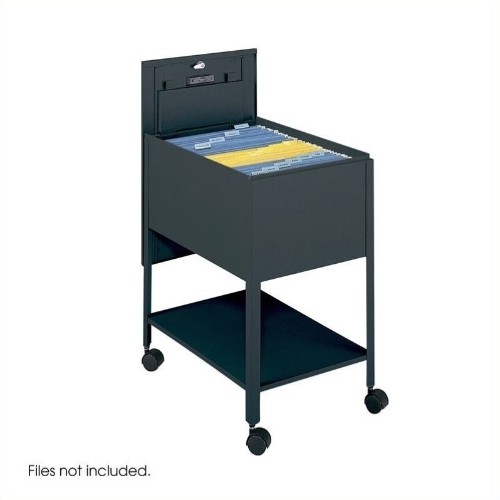
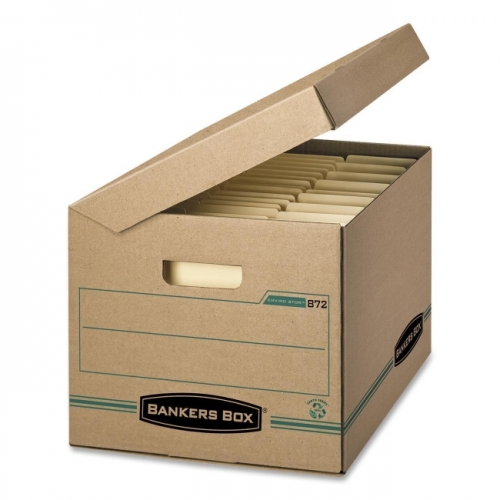
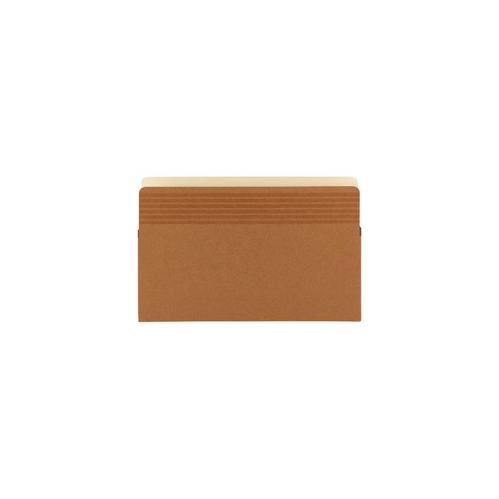
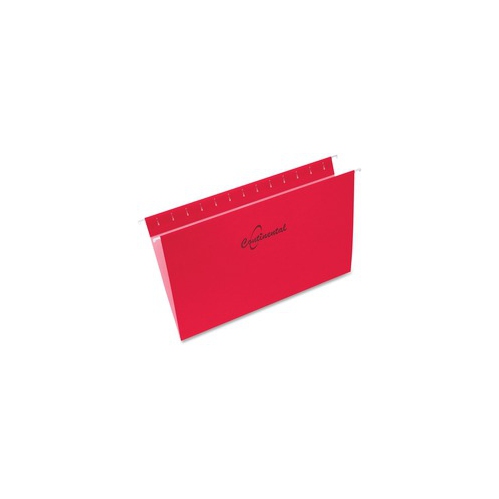
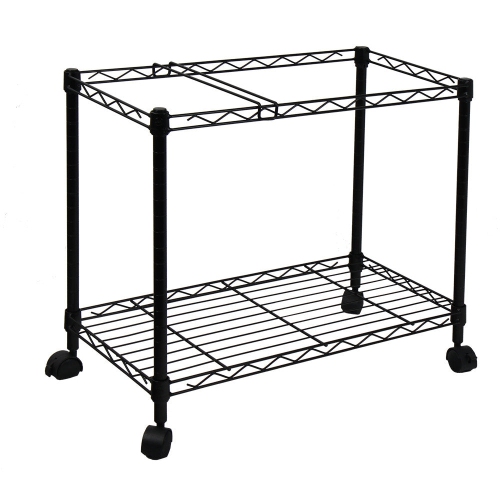
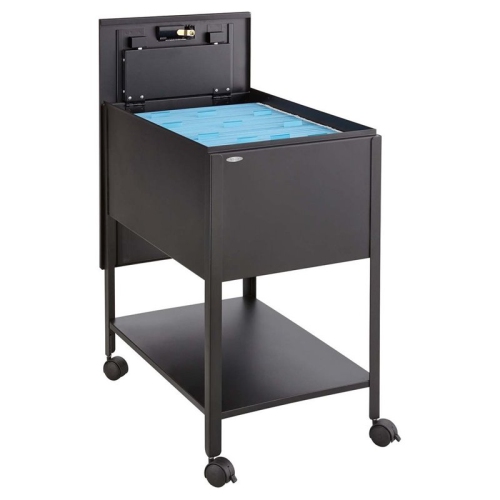
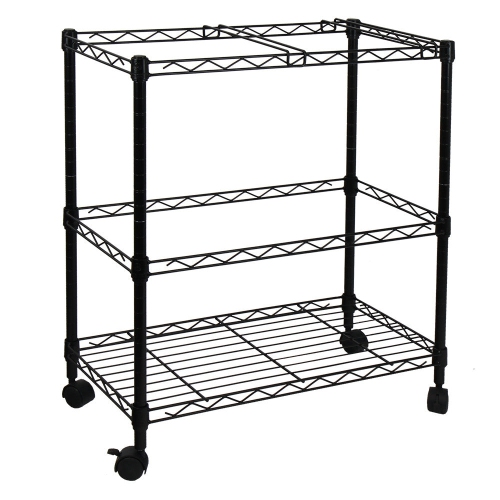
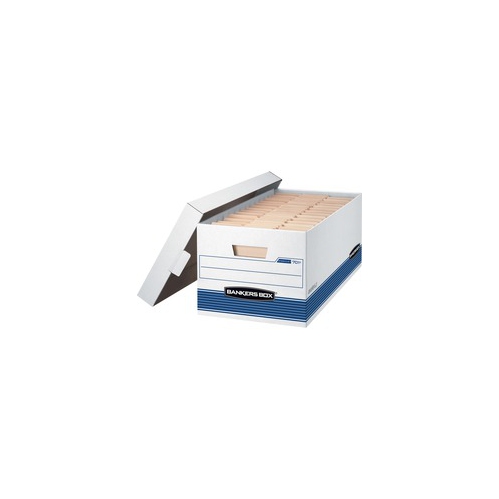
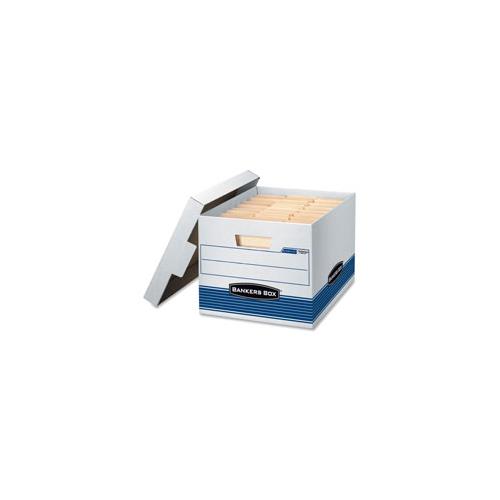
Legal size file boxes are made to hold longer legal paperwork measuring 8.5 x 14 inches, making them a practical choice for documents that extend beyond the dimensions of standard letter-size files. Their extra length gives hanging folders room to sit properly without bending, folding or pressing against the lid, which can help keep records easier to identify when they are needed later. A typical legal file box has an interior measuring approximately 15 to 15.25 inches long and 12 to 12.25 inches wide, although exact dimensions can vary between designs. Checking the inside measurements is important because the outside dimensions can be noticeably larger once the walls, lid and handles are included. Legal size file boxes are useful in home offices, small businesses, clinics, property management offices, schools, workshops and any setting where paperwork needs to be grouped and stored in a dependable way. They can hold tax records, contracts, invoices, insurance documents, property files, client information, school records, project paperwork and other sheets that need to remain flat and accessible. Some people use them for active files that move between a desk and a filing area, while others reserve them for records that are no longer used every day but still need to be kept for reference. During the cooler months, they can also be helpful for bringing order to a home office or storage room when paperwork from the year has accumulated in piles, drawers and reusable envelopes. Instead of forcing legal documents into letter-size containers, a properly sized file box provides enough room for folders to stand upright and for labels to remain visible, creating a clearer filing system from the start.
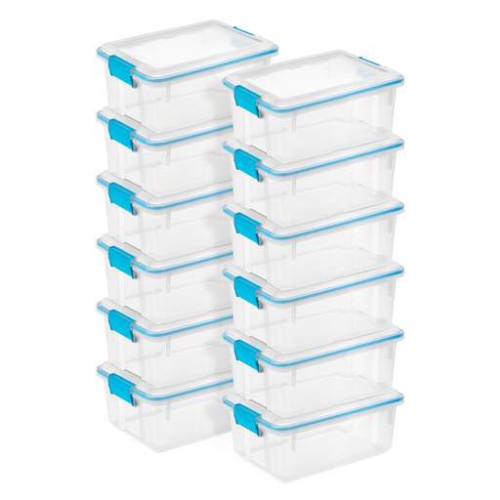
The material and construction should match the way the box will be used. Corrugated cardboard file boxes are a popular option for archiving because they are lightweight, easy to label and convenient to store on shelving. Heavy-duty corrugated designs generally have reinforced walls, stronger hand holes and fitted lids that help them retain their shape when filled. Some are intended to stack, and their stated stacking capacity can range from roughly 450 to 550 pounds for standard-duty designs to as much as 850 pounds for heavy-duty options, depending on how the weight is distributed and how the boxes are positioned. Stackable boxes are especially useful when several categories of records need to be stored together, but the heaviest boxes should normally be placed at the bottom and shelves should be checked for their own weight limits. A string-and-button closure can help keep a lid secured when a box is moved or tipped, while a lift-off lid can be more convenient when files are accessed frequently. Plastic legal file boxes, often made from polypropylene or a similar durable material, can be a better fit for active storage and transport. Latching lids help protect the contents from dust and accidental opening, and built-in handles make it easier to carry documents from one room to another. Plastic construction can also offer better resistance to occasional splashes or damp conditions than cardboard, although no file box should be treated as fully waterproof unless the manufacturer specifically says so. For long-term storage, keep documents in a dry, temperature-stable area away from direct sunlight, and avoid packing folders so tightly that pages become difficult to remove. Clear or semi-transparent walls can make contents easier to identify at a glance, while opaque designs provide a more discreet appearance for personal, financial or workplace records.
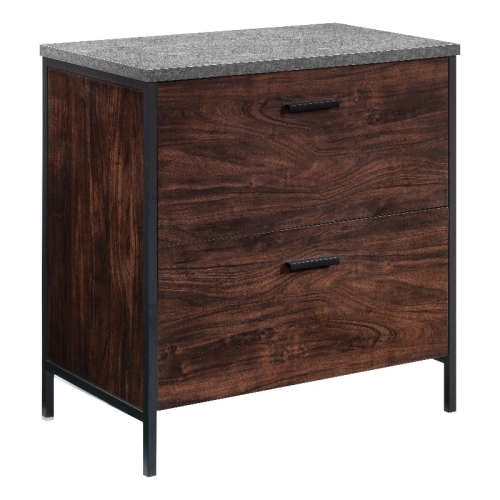
Before choosing a legal size file box, consider how often the contents will be handled, how much paperwork needs to fit inside and where the box will be kept. A portable model with a secure lid and carrying handle can suit active client files, renovation documents, real estate records or household paperwork that travels between a desk, vehicle and meeting space. A corrugated archive box may be more suitable for closed files that will remain on a shelf, in a closet or in a records room for an extended period. Look for designs that accommodate legal-size hanging folders if you want files to stay upright and separated by category; not every legal box includes folders, so the box’s compatibility and usable interior space are worth confirming before purchase. Consider label placement as well. A front-facing label area is useful when boxes are stored side by side, while a top label can be easier to read when they are arranged on a high shelf. Handles should feel sturdy enough for the expected load, since a fully packed legal file box can become heavy even when the container itself is lightweight. For documents that need more structured, drawer-style access, a filing cabinet may be a better complement to boxed storage. Explore Legal Size File Cabinets when you want files to remain readily accessible in a dedicated filing unit, and use boxes for overflow, inactive records or documents awaiting review. Whether the goal is to prepare a small business archive, sort household records or create a more orderly workspace, choosing the right size, closure, material and carrying design can make legal paperwork easier to protect, transport and find.
The material and construction should match the way the box will be used. Corrugated cardboard file boxes are a popular option for archiving because they are lightweight, easy to label and convenient to store on shelving. Heavy-duty corrugated designs generally have reinforced walls, stronger hand holes and fitted lids that help them retain their shape when filled. Some are intended to stack, and their stated stacking capacity can range from roughly 450 to 550 pounds for standard-duty designs to as much as 850 pounds for heavy-duty options, depending on how the weight is distributed and how the boxes are positioned. Stackable boxes are especially useful when several categories of records need to be stored together, but the heaviest boxes should normally be placed at the bottom and shelves should be checked for their own weight limits. A string-and-button closure can help keep a lid secured when a box is moved or tipped, while a lift-off lid can be more convenient when files are accessed frequently. Plastic legal file boxes, often made from polypropylene or a similar durable material, can be a better fit for active storage and transport. Latching lids help protect the contents from dust and accidental opening, and built-in handles make it easier to carry documents from one room to another. Plastic construction can also offer better resistance to occasional splashes or damp conditions than cardboard, although no file box should be treated as fully waterproof unless the manufacturer specifically says so. For long-term storage, keep documents in a dry, temperature-stable area away from direct sunlight, and avoid packing folders so tightly that pages become difficult to remove. Clear or semi-transparent walls can make contents easier to identify at a glance, while opaque designs provide a more discreet appearance for personal, financial or workplace records.
Before choosing a legal size file box, consider how often the contents will be handled, how much paperwork needs to fit inside and where the box will be kept. A portable model with a secure lid and carrying handle can suit active client files, renovation documents, real estate records or household paperwork that travels between a desk, vehicle and meeting space. A corrugated archive box may be more suitable for closed files that will remain on a shelf, in a closet or in a records room for an extended period. Look for designs that accommodate legal-size hanging folders if you want files to stay upright and separated by category; not every legal box includes folders, so the box’s compatibility and usable interior space are worth confirming before purchase. Consider label placement as well. A front-facing label area is useful when boxes are stored side by side, while a top label can be easier to read when they are arranged on a high shelf. Handles should feel sturdy enough for the expected load, since a fully packed legal file box can become heavy even when the container itself is lightweight. For documents that need more structured, drawer-style access, a filing cabinet may be a better complement to boxed storage. Explore Legal Size File Cabinets when you want files to remain readily accessible in a dedicated filing unit, and use boxes for overflow, inactive records or documents awaiting review. Whether the goal is to prepare a small business archive, sort household records or create a more orderly workspace, choosing the right size, closure, material and carrying design can make legal paperwork easier to protect, transport and find.
Top selling and popular products
-
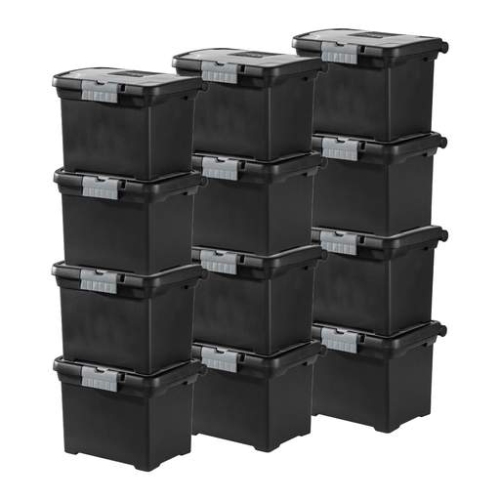 Your price for this item is $418.99
 -
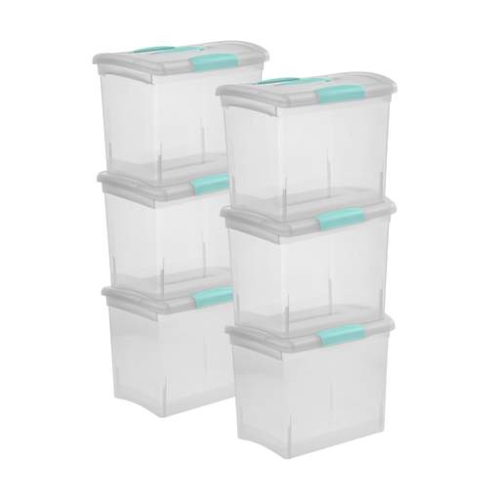 Your price for this item is $118.97
 -
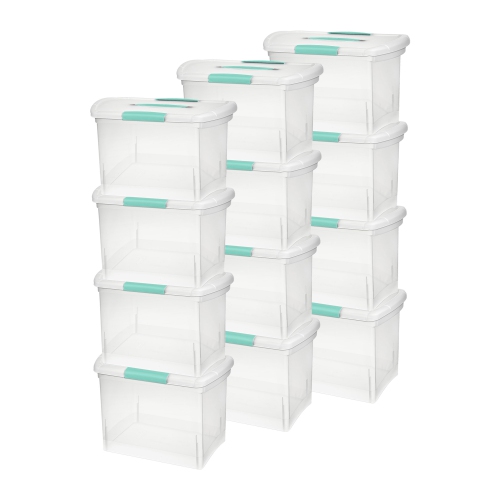 Your price for this item is $240.99
 -
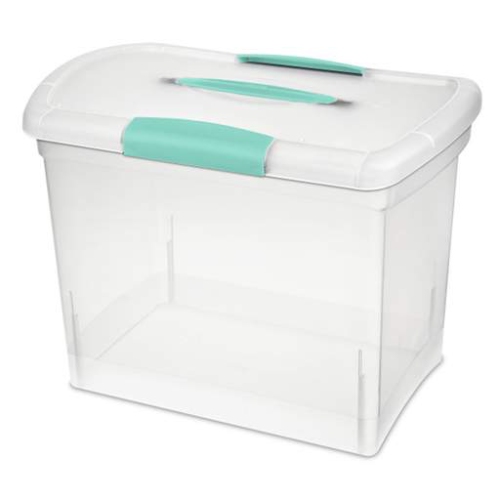 Your price for this item is $351.99
 -
 Your price for this item is $12.99
 -
 Your price for this item is $89.99
 -
 Your price for this item is $10.99
 -
 Your price for this item is $223.99
Discover more categories related to Legal Size File Boxes
Top Collections:
Pokemon Centers, Kindle Devices, Best Budget Office Chairs, Apple iPhones 16, Canon G7X Cameras, iPhone 15 Apple, Alarm Clock, Refurbished Apple Laptops, Flip Phones, Best Laptops for Writers
Some products may be subject to Environmental Handling Fees
(EHF) depending on your province.
Learn more about EHFs.