Legal Size File Pockets
Legal Size File Pockets offer a convenient solution for organizing and storing important documents, contracts, and paperwork. Perfect for offices, home workspaces, or classrooms, these file pockets help keep legal-sized papers neat and accessible. With a variety of options available, it's easy to find the right fit for your filing system. Stay organized and maintain easy access to your essential files with Legal Size File Pockets designed to meet your organizational needs.
Sort





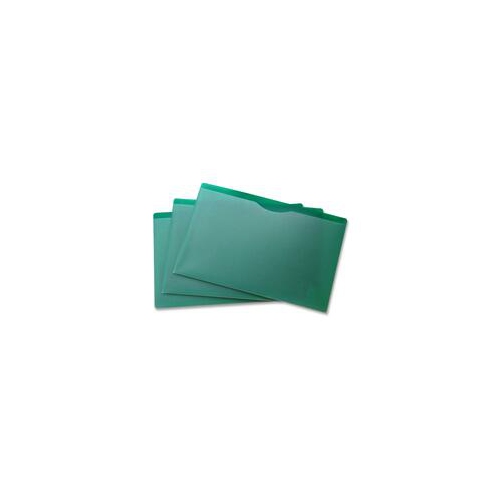
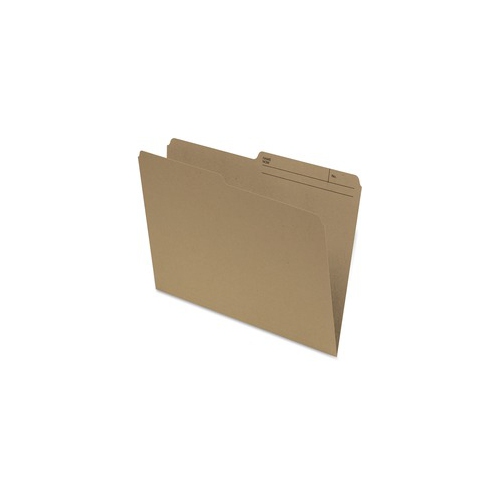

Room for longer documents and growing files
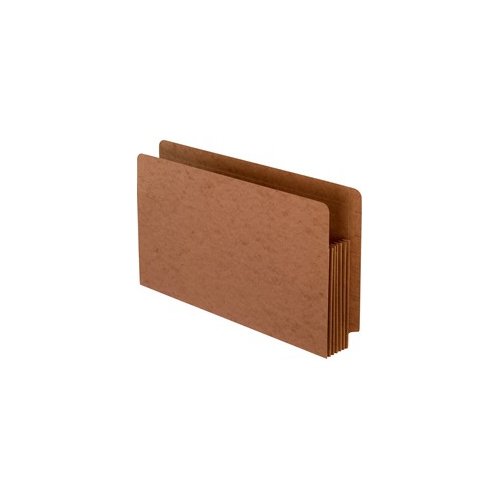
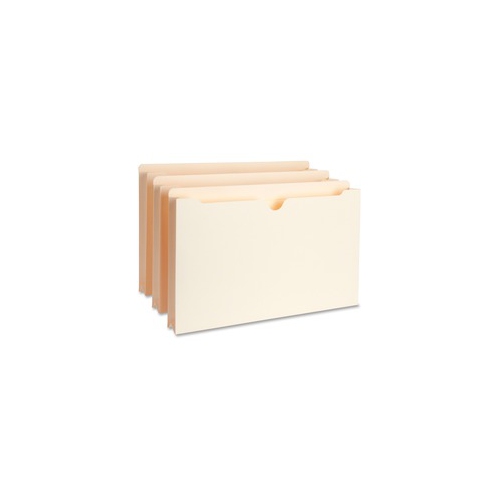
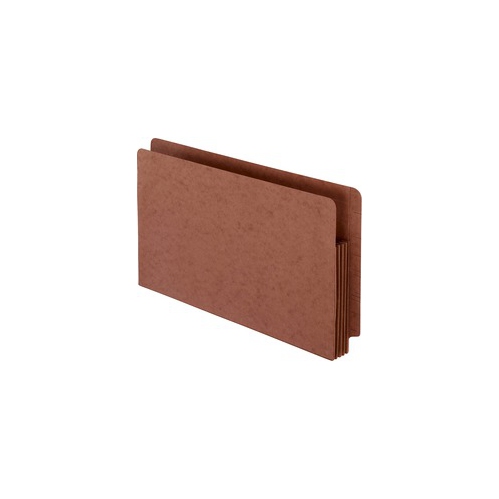
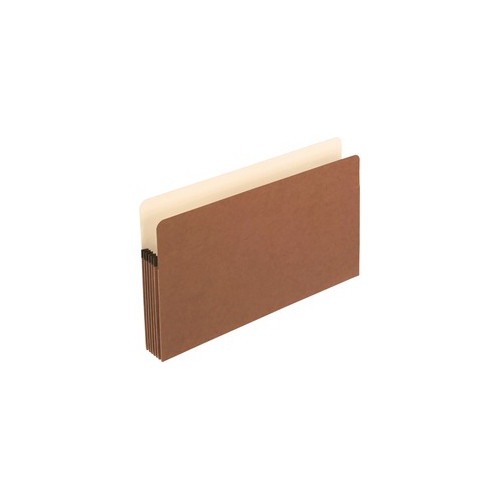
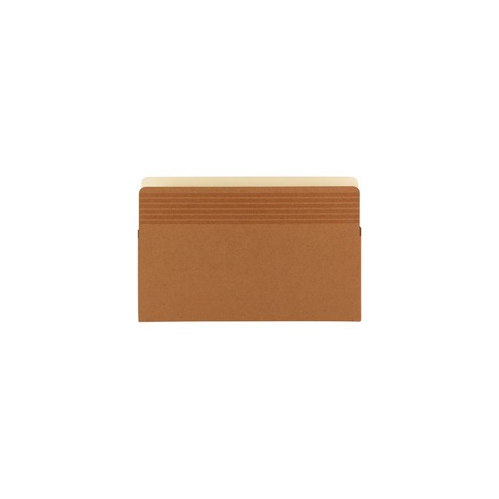
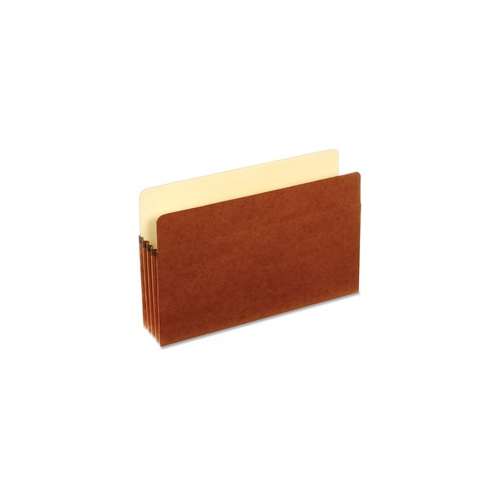
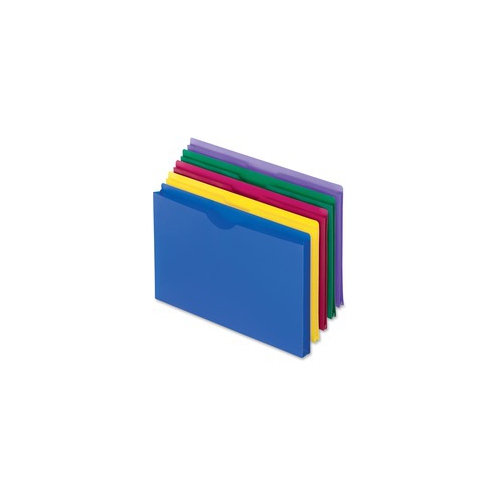
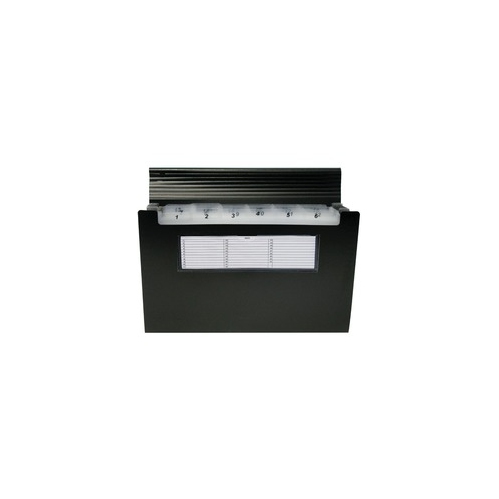
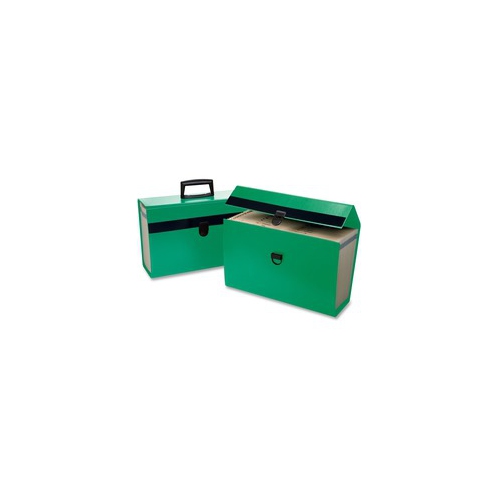
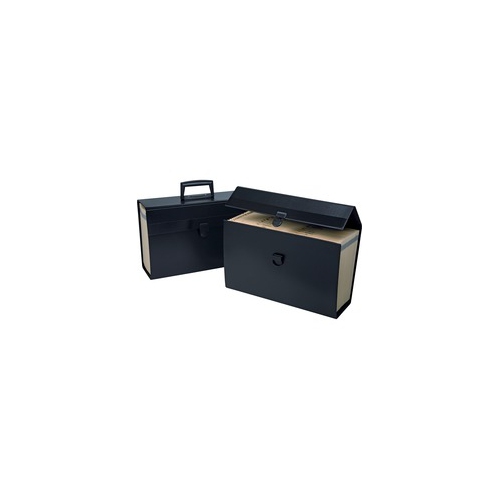
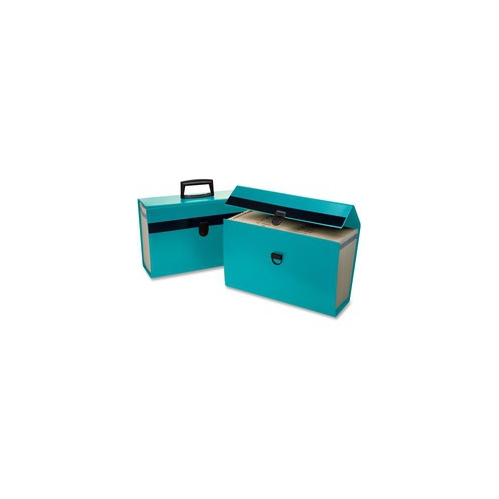
Legal size file pockets are document holders designed for paper measuring 8.5 by 14 inches. They keep longer sheets together without folding the ends, making them useful for contracts, property documents, administrative forms, and other paperwork that extends beyond standard letter size. Common formats include lightweight sleeves, expanding paperboard pockets, and plastic pockets, with different constructions suited to carrying, sorting, or storing documents. Unlike a basic folder that folds around a stack of paper, a file pocket typically has joined edges that help contain loose sheets. Some have closed sides and a bottom with an open top, while sleeve-style designs may open along two adjacent edges for easier insertion. Expanding versions have folded side panels, often called gussets, that allow the pocket to accommodate a growing file. These distinctions matter when a few signed pages become a thicker package of correspondence, supporting forms, and reference notes. A slim pocket can keep a small document set separate inside a work bag, while a deeper expanding pocket is better suited to an ongoing project with several related sections. Legal size refers to the paper format rather than a particular profession: these pockets can be useful in legal offices, accounting practices, real estate businesses, school administration offices, and home filing systems. A household might use one to gather property paperwork, renovation agreements, and appliance service records; an office administrator might keep a complete meeting package together for handover to a colleague. Clear pockets make the first page visible at a glance, which can help distinguish similar document sets without removing them. Opaque pockets conceal the contents from casual view, although they do not replace secure storage for confidential records. The right format depends on how the papers move through the day, whether they stay in a cabinet, travel between appointments, or remain close at hand on a desk.
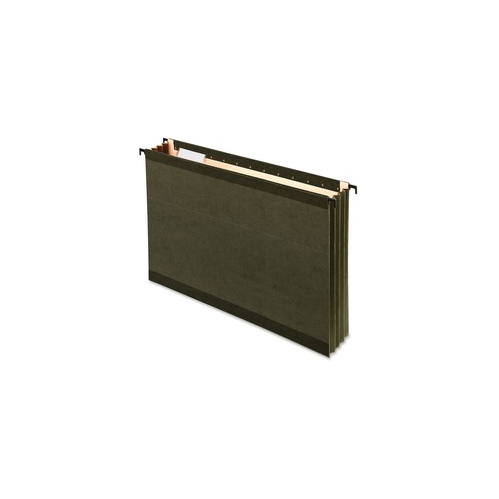
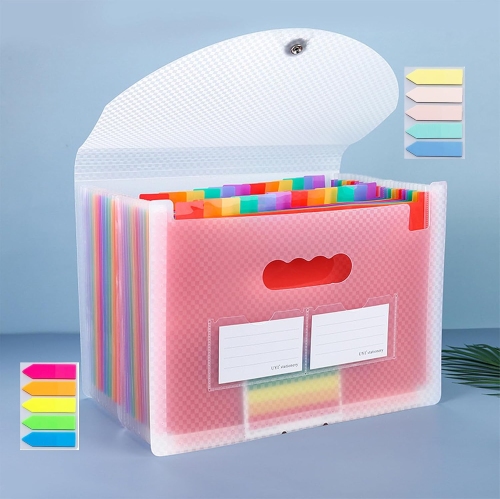
Materials and construction affect how legal size file pockets handle repeated use. Paperboard and fibre-based pockets offer structure that helps a bundle of documents stay upright, while flexible polypropylene sleeves provide a lighter way to separate smaller sets of paperwork. Plastic can be practical where surfaces need occasional wiping, but moisture resistance should not be confused with waterproof protection. An open edge can still let in liquid, and important originals need additional protection wherever spills are a concern. For expanding pockets, reinforced gussets and securely joined corners are especially useful because those areas carry much of the load when a full file is lifted. A sturdy front and back panel can also help prevent curling and make the pocket easier to slide into a drawer. Capacity deserves a closer look than the outside appearance alone suggests. A pocket’s expansion measurement describes the space it can open into, not a guaranteed sheet count; heavier paper, internal folders, envelopes, and clips all take up room. Leaving a little space makes it easier to add a document without compressing the contents or straining the sides. Fit is equally important. A pocket intended for legal paper usually needs outer dimensions larger than the sheets it holds, so the usable interior size and the overall width should both suit the filing setup. A letter-size drawer, briefcase compartment, or desktop tray may not accommodate that extra length. Labels and tabs can add height, and a drawer lid or cabinet frame may interfere with access even when the pocket itself fits. A freestanding file pocket also should not be assumed to function as a hanging folder unless its design includes the necessary supports. For a growing collection that benefits from separate sections, legal size expanding file folders can offer a different approach to grouping documents. A single pocket keeps one file together, while a divided organizer can separate stages, subjects, or document types within the same larger collection.
Legal size file pockets work best as part of a filing routine that makes documents easy to find and return. A clear label with a client name, property address, project title, or date range is often more useful than a broad label such as “paperwork.” Colour can provide another visual cue, especially when several files look alike, but written labels remain helpful when a colleague or family member needs to locate the same material. Within a larger pocket, related sheets can be grouped in smaller folders when space allows, keeping signed documents separate from drafts or reference copies. For an active file, placing the most frequently used section near the opening reduces unnecessary handling. For completed records, a consistent order makes it easier to retrieve a particular document later without emptying the whole pocket onto a desk. Portability also affects the choice of construction. Open-top pockets are convenient for quick access, but they are better kept upright inside a bag or case; a closure, where included, can help keep loose sheets contained during travel. Wall-mounted legal size pockets serve a different purpose, keeping incoming forms or shared paperwork off the desktop, and their mounting method and overall dimensions need to suit the intended surface. Everyday care is straightforward but worthwhile. Plastic surfaces can generally be wiped with a soft cloth according to their care directions, while paperboard pockets are better kept dry and handled with clean hands. Papers should be dry before filing, and sharp clip edges or bulky fasteners should not press against seams. Overfilled pockets are harder to carry and can put stress on folds, so separating a large file into clearly labelled volumes may be more practical than forcing everything into one holder. Checking corners, gussets, and closures for wear helps identify when a frequently handled pocket needs replacing. Whether holding a short appointment package or a substantial set of records, a well-fitted legal size pocket gives longer documents a defined place and keeps related paperwork together through everyday handling.
Top selling and popular products
-
 Your price for this item is $28.85
-
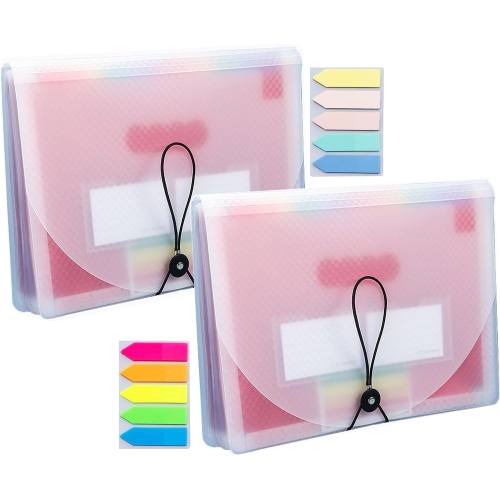 Your price for this item is $32.98
-
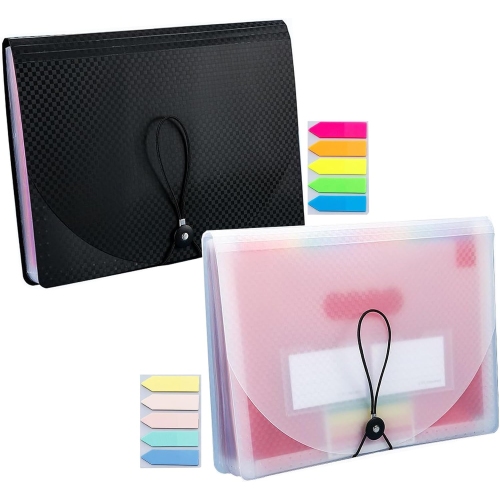 Your price for this item is $30.92
-
 Your price for this item is $32.49
-
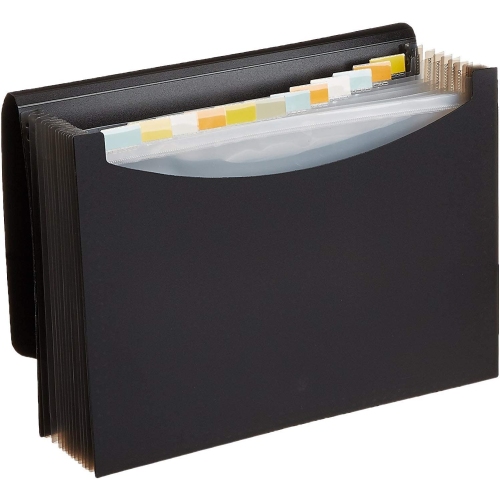 Your price for this item is $12.62
-
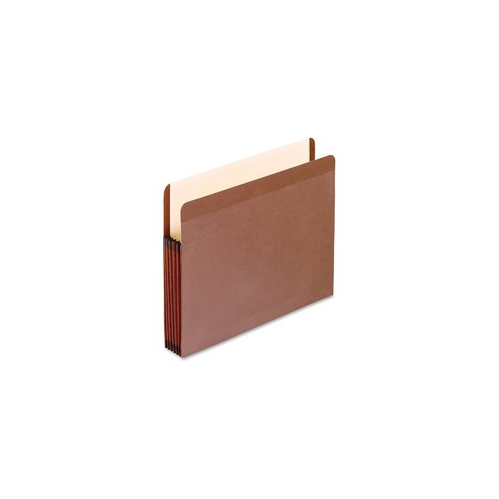 Your price for this item is $5.99
-
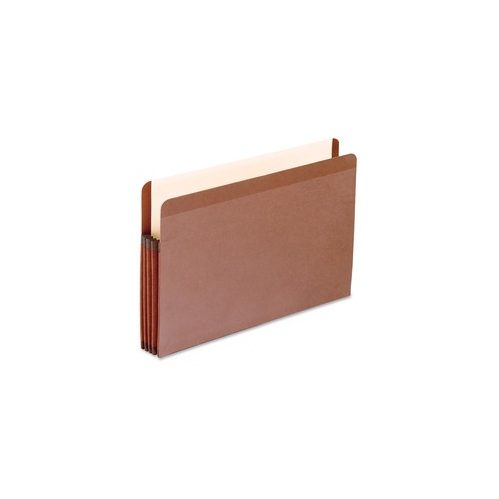 Your price for this item is $4.99
-
 Your price for this item is $5.99
Discover more categories related to Legal Size File Pockets

Top Collections:
Best Black Friday Deals This Year, Best Black Friday Deals On Electronics, Kindle Devices, Dyson Airwrap, Best Cameras for Sports Photography, Best Budget Office Chairs, Canon G7X Cameras, PS5 Pro Consoles, Best Black Friday Deals On Apple Products, XBOX One S Consoles
Some products may be subject to Environmental Handling Fees
(EHF) depending on your province.
Learn more about EHFs.