Lithium CR1220
Lithium CR1220 batteries are a reliable choice for powering a variety of small electronic devices, including watches, key fobs, calculators, and fitness trackers. Designed for efficiency and dependable performance, these coin cell batteries ensure your essential gadgets stay operational when you need them most. Explore the selection of Lithium CR1220 batteries to keep your devices running smoothly and enjoy seamless everyday convenience.
Sort


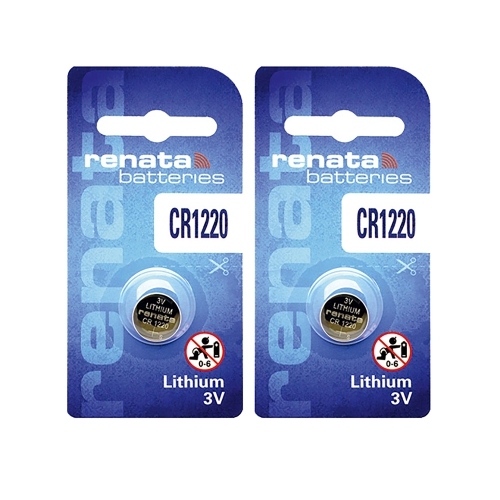


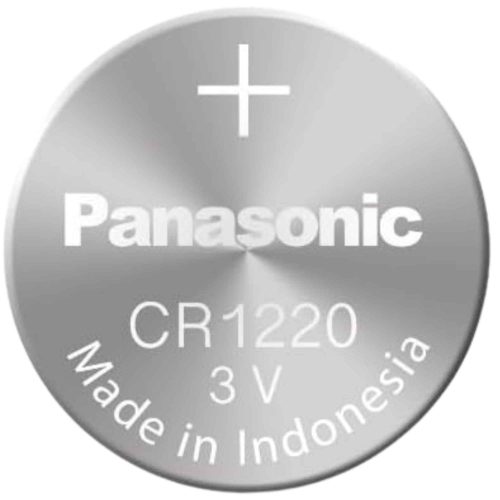

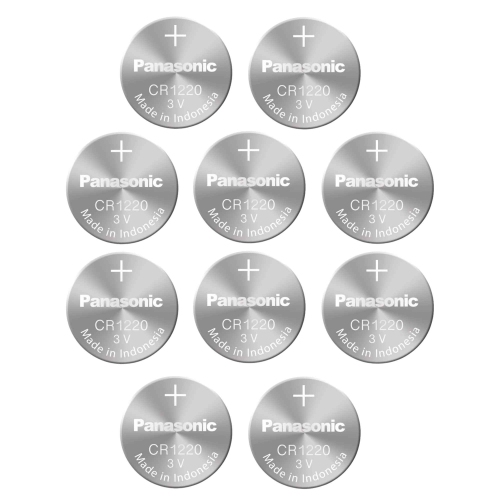
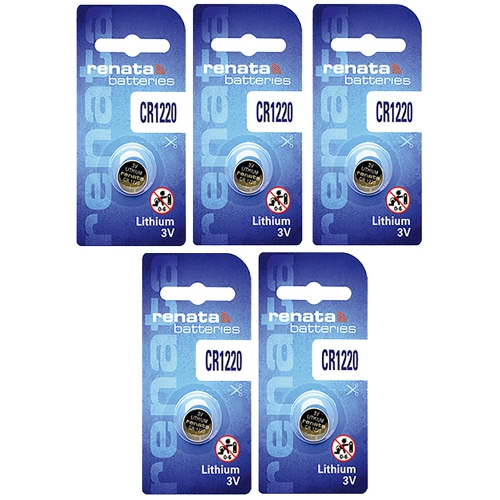
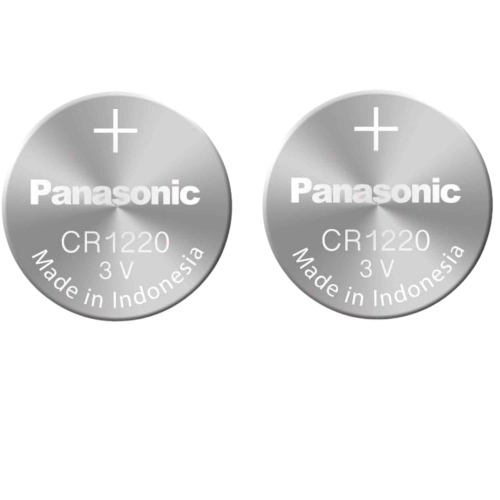

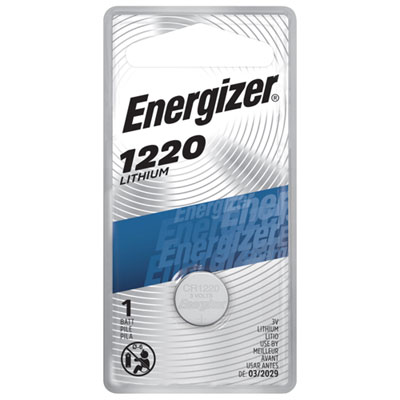
Why battery fit matters as much as voltage
Lithium CR1220 batteries are compact, non-rechargeable coin cells designed to power small electronic devices that require a nominal 3-volt supply. A standard CR1220 measures approximately 12.5 mm in diameter and 2.0 mm thick, making it small enough to sit inside a shallow battery compartment or a dedicated holder on a circuit board. Its lithium manganese dioxide chemistry combines a lithium anode with a manganese dioxide cathode inside a sealed metal casing, commonly made from stainless steel. Typical capacity is around 35 to 40 mAh, although the rated figure varies by manufacturer and test conditions. That capacity describes stored electrical charge, not a guaranteed number of operating hours: a device that draws power continuously will use the battery differently from one that briefly activates a display or transmits a signal. The CR1220 format is suited to compatible low-power electronics, including certain watches, calculators, small clocks, key fobs, digital thermometers, and electronic measuring devices. Some equipment also uses a coin cell to maintain a clock or stored settings when its main power source is disconnected. These are examples of possible uses, not a compatibility list; devices that look alike can require entirely different batteries. For someone replacing the cell in a familiar household device, the most useful starting point is the battery designation printed in the compartment or listed in the manual. A calculator with a fading display or a small clock that repeatedly loses its settings may need a fresh battery, but those symptoms can also have other causes. Checking the specified format before opening a package helps distinguish a straightforward replacement from a problem with the contacts, controls, or electronics. The appeal of this battery type is its combination of a small physical footprint and a 3-volt supply for equipment designed around those characteristics.
Correct fit matters as much as voltage when choosing a CR1220 replacement. Coin cells can look nearly identical at a glance, especially when viewed face-on, but small differences in thickness or diameter affect whether the battery sits securely against the contacts and whether the compartment closes properly. A thinner cell may lose contact when the device moves, while a thicker one may put pressure on the retaining clip or cover. Neither makes a suitable substitute simply because its label also says 3 volts. A device that specifies Lithium CR2450N requires its specified battery format rather than a CR1220; the shared lithium chemistry does not make the two interchangeable. Other details can matter too, including whether the equipment needs a plain coin cell in a removable holder or a battery assembly with attached connections. Equipment with soldered battery connections or a sealed power compartment may require servicing rather than a simple battery swap. For a user-accessible compartment, switch the device off and follow its replacement instructions, noting the orientation of the old cell before removing it. Match the positive and negative markings on the replacement to those shown in the holder or manual rather than assuming that the printed face always points upwards. Handle the new cell with clean, dry hands, keep the contact surfaces free of grease, and avoid bridging the two terminals with a metal tool. The battery should settle into its holder without bending the clip or forcing the cover shut. If it does not, stop and check the size and orientation. Once the compartment is secured, test the device’s basic functions and reset any clock, date, or saved preferences that were lost. For a health-related measuring device, follow the manufacturer’s checks after battery replacement before relying on a reading. A secure fit and a closed battery cover are particularly important for portable equipment that is carried, handled frequently, or kept within reach of children.
Battery life depends on the device’s electrical demands, how often it is used, and the condition of its contacts, so a CR1220 cannot be assigned one dependable lifespan across every application. Frequent display illumination, repeated transmissions, or other higher-demand functions can shorten service compared with occasional low-power operation. A battery with a higher stated capacity is not automatically the better choice if its dimensions, chemistry, or electrical characteristics do not match the equipment’s requirements. Likewise, measuring voltage alone may not establish whether a used cell can still operate a device reliably under load. The manufacturer’s low-battery warning and replacement guidance are more useful than judging the battery by its appearance. For infrequently used electronics, checking operation before an important task can prevent an interruption halfway through taking a measurement or using a remote control. Keep spare CR1220 batteries in their original protective packaging until needed, with the designation and any date markings easy to read. Package quantity is best matched to the number of compatible devices and their replacement frequency, rather than assuming every small household electronic uses the same cell. Store batteries in a dry, secure location away from children and pets, and do not leave loose cells in a drawer, bag, or pocket with keys, coins, or other metal objects. Metal can connect the terminals and cause a short circuit. CR1220 cells are primary batteries and must not be recharged, even if a charger physically appears to accommodate them. Do not crush, puncture, dismantle, or use a cell that is damaged, swollen, or leaking. Coin batteries are a serious swallowing hazard, including after they have been removed from service. Keep both new and used cells out of reach, secure battery compartments promptly, and seek emergency medical help immediately if swallowing or insertion into the body is suspected; do not wait for symptoms. Protect used cells against short circuits and follow local battery-disposal requirements. Careful handling, exact size matching, and attention to the device instructions help make a small battery replacement a reliable part of maintaining everyday electronics.
Top selling and popular products
-
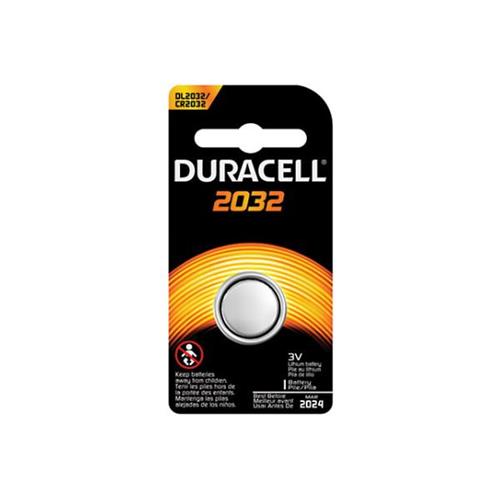 Your price for this item is $25.97
-
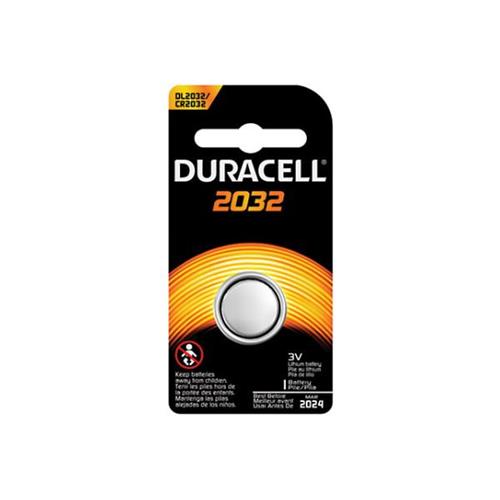 Your price for this item is $45.97
-
 Your price for this item is $9.99
-
 Your price for this item is $10.99
-
 Your price for this item is $6.99
-
 Your price for this item is $6.97
-
 Your price for this item is $12.99
-
 Your price for this item is $10.99
Discover more categories related to Lithium CR1220

Top Collections:
Pokemon Centers, Best Cameras for Sports Photography, Kindle Devices, Samsung Galaxy Phones, Canon G7X Cameras, Pokémon 30th Celebration Cards, Refurbished Apple Laptops, iPhone 15 Apple, Laptops for Students, Budget Smartphones
Some products may be subject to Environmental Handling Fees
(EHF) depending on your province.
Learn more about EHFs.