Magnetic Dry Erase Boards for Classrooms
Magnetic Dry Erase Boards for Classrooms provide a versatile solution for teaching, organizing, and collaborating in educational spaces. Designed to support interactive learning and efficient communication, these boards are ideal for daily lessons, group activities, and displaying important information. Explore options that help create an engaging classroom environment while keeping notes and ideas visible and accessible to everyone. Find the right Magnetic Dry Erase Boards for Classrooms to enhance your teaching experience and keep your classroom running smoothly.
Sort
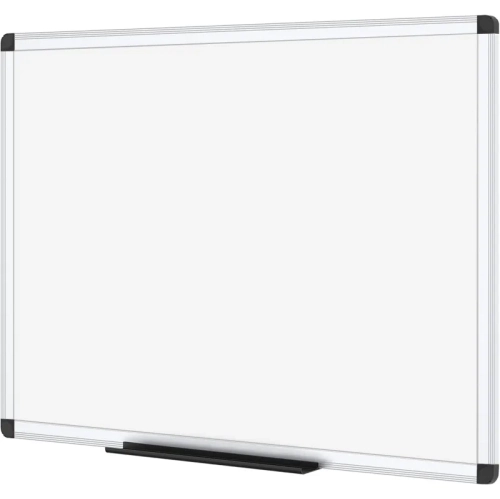
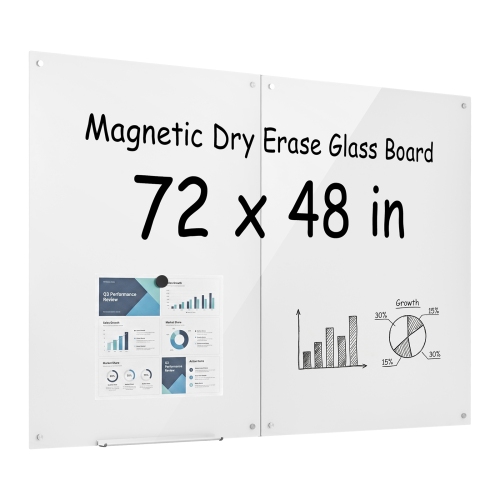
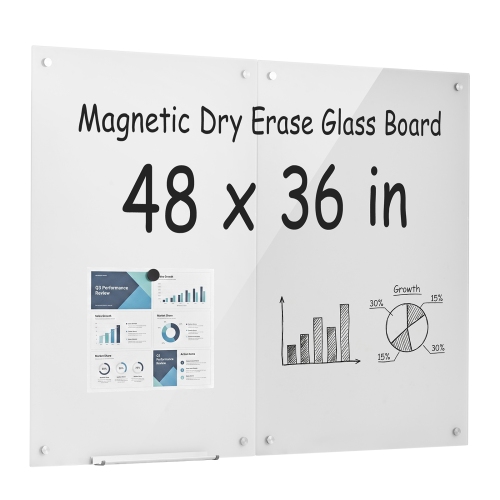
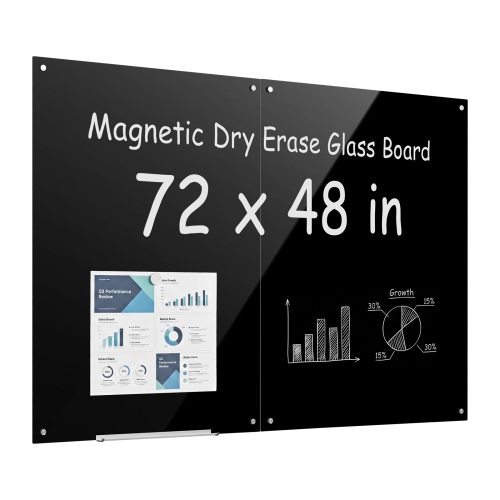




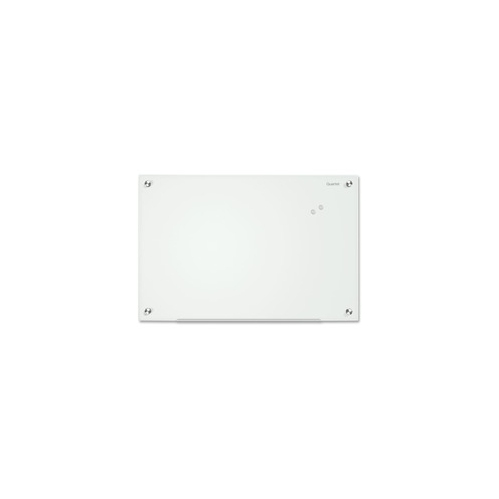

Where lesson notes and magnetic teaching aids meet
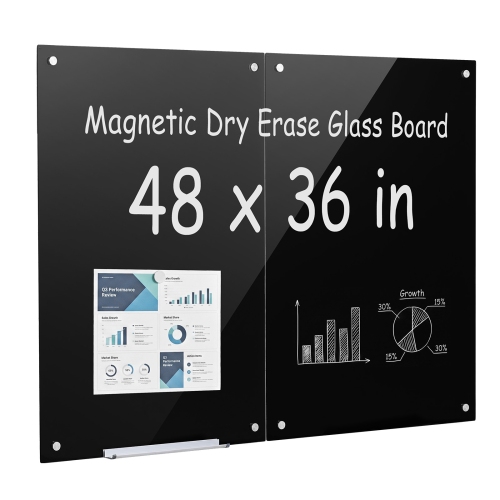
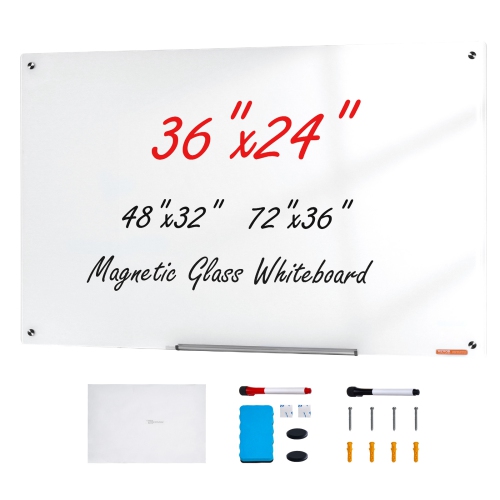
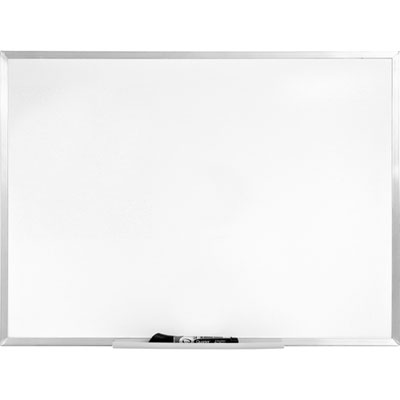
Magnetic dry erase boards for classrooms combine a writable surface with a place to attach compatible magnets, giving teachers room to explain an idea and display supporting materials together. A maths lesson might pair a handwritten equation with movable magnetic counters, while a literacy activity could use letter magnets beside a sentence being built word by word. Printed diagrams, classroom jobs, and daily schedules can stay visible without taking up the space needed for notes. This combination makes a magnetic whiteboard useful for whole-class instruction, small-group work, tutoring, and learning at home. Within the wider category of Magnetic Dry Erase Boards, the right classroom format depends on how lessons happen and who needs to see or reach the surface. A large wall-mounted board can serve as the main teaching area, while a smaller board beside a reading table keeps prompts close to a focused group. Individual boards let students hold up answers, practise spelling, or work through calculations without leaving their seats. Magnetic capability adds flexibility, but it does not mean every accessory will attach equally well: the board’s construction, the magnet, and the thickness of any paper between them all affect holding strength. For everyday teaching, a smooth surface that erases cleanly matters just as much as its ability to hold a worksheet. Clear contrast between marker ink and the board helps students follow a worked example, particularly when writing is large enough to read from the back of the room. A plain surface leaves room for diagrams and freehand layouts, while a printed grid or ruled format can support aligned calculations, handwriting practice, or recurring classroom routines. The most useful layout leaves enough open writing space after calendars, reminders, and other materials have been attached.
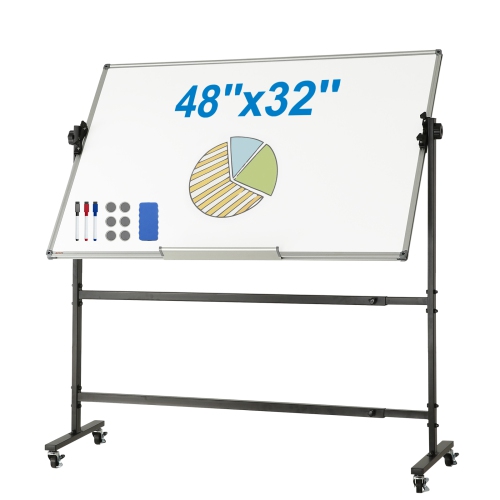
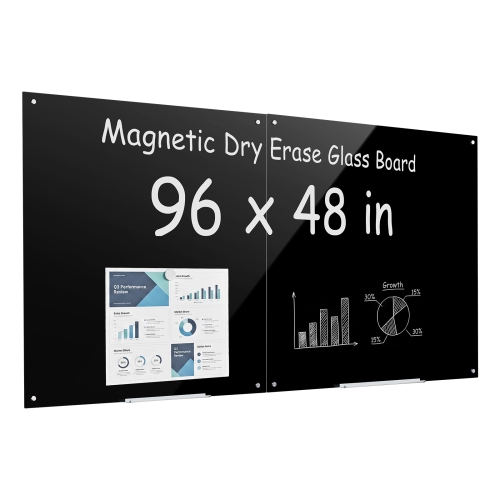
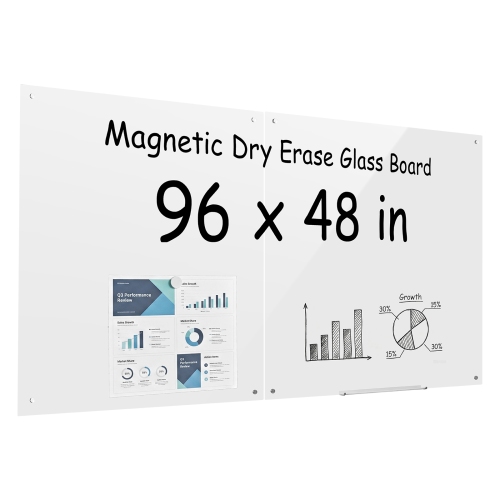
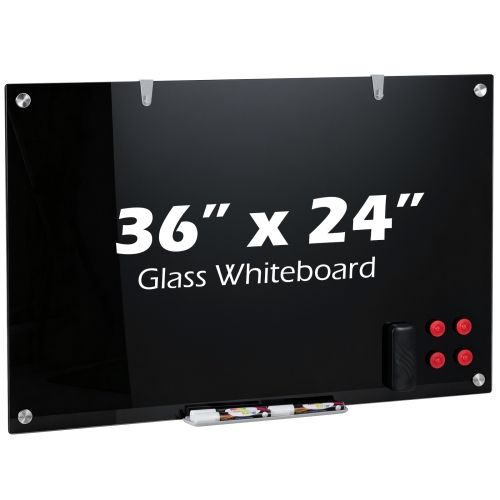
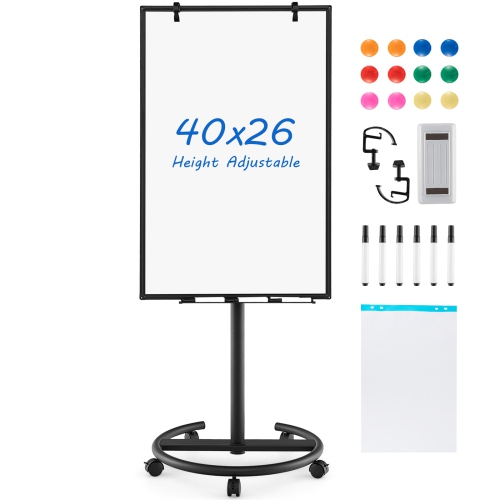
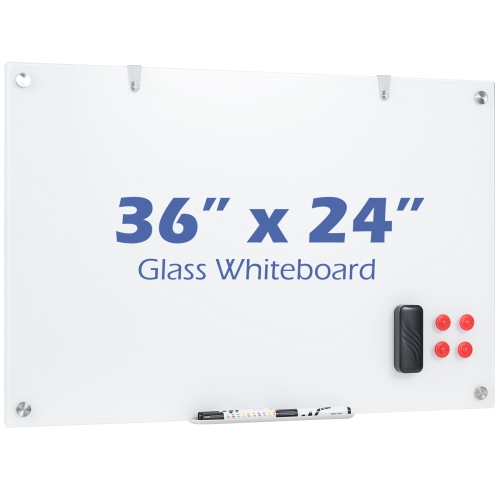
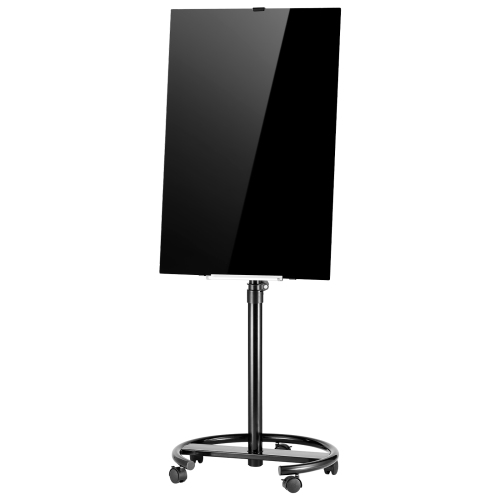
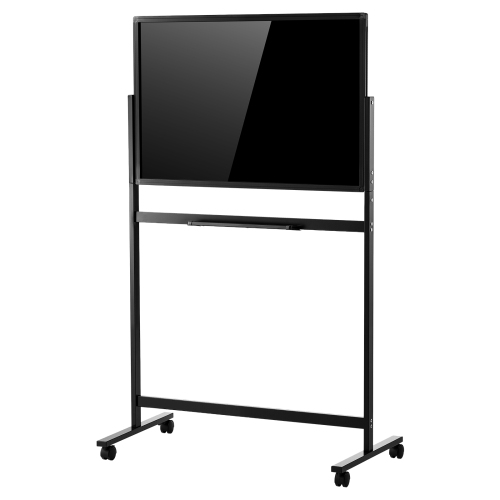
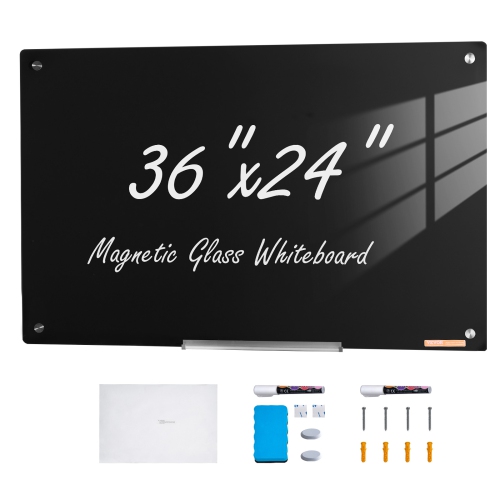
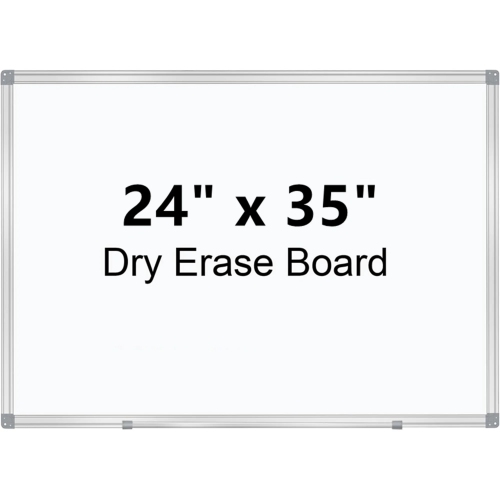
Surface material has a direct effect on how a classroom whiteboard feels to write on and how it stands up to repeated use. Painted or coated steel provides a magnetic writing surface, although resistance to scratching and lingering marker shadows varies with the coating. Porcelain-enamel steel generally offers strong resistance to wear and staining, making it well suited to boards that are written on and erased throughout the school day. Glass boards have a smooth, non-porous writing face, but only versions designed with a magnetic backing provide magnetic functionality. The glass layer also creates distance between the writing face and the metal backing, so compatible magnets are particularly important. Ordinary lightweight magnets may not hold securely on these surfaces. A board described simply as dry erase is not necessarily magnetic; that feature should be confirmed in its specifications. Frames, corners, and trays also deserve attention in a busy classroom. A rigid frame helps support the board, protected corners reduce exposed edges, and a secure marker tray keeps frequently used supplies within reach. Wall space should be measured with surrounding furniture and fixtures in mind, including cupboards, switches, and any area needed for projection. The usable writing area may be smaller than the board’s overall dimensions because of its frame or attached components. Mounting height should suit the intended users: a teacher’s presentation board and a board used by younger children may need different positions. Visibility matters too, especially where windows or overhead lighting create reflections across the surface. Mobile magnetic whiteboards offer another arrangement for shared rooms and flexible teaching spaces. A stable base, securely locking castors, and enough clearance to move between tables are important considerations. Double-sided designs can keep one activity prepared while another is in progress, provided the turning mechanism locks securely and the board is positioned where students can gather without blocking walkways.
Daily care helps preserve a clear writing surface and keeps classroom routines moving. Dry erase markers intended for the board material are the starting point; permanent markers, abrasive pads, and unsuitable cleaning chemicals can leave marks or damage a finish. Letting the ink dry briefly before erasing usually produces a cleaner result than wiping wet strokes, and a clean eraser is less likely to spread old pigment across fresh work. When marker residue remains, a soft cloth and a cleaner approved by the board manufacturer are preferable to improvised treatments. Particular care may be needed around frames and seams, where excess liquid can collect. Magnets and accessories should also have clean contact surfaces, since trapped grit can scratch a board when objects are dragged across it. Lifting an accessory to reposition it is gentler than sliding it along the writing area. In classrooms with young children, loose magnets require careful supervision and storage because swallowed magnets can cause serious injury. Age-appropriate teaching accessories, checked regularly for loose or damaged parts, are more suitable than small, powerful loose magnets. Keeping markers, erasers, and display materials organized also makes the board easier to use between activities. A teacher can leave a reading prompt in one section, reserve the centre for modelling an answer, and attach a reference sheet at the side without covering the main explanation. For students working independently, a smaller magnetic board can keep task cards beside their written responses, reducing the need to look between separate surfaces. Tutors and learning-support staff may value a portable format that can move between teaching spaces, while a fixed board provides a consistent focal point for daily lessons. Durability is therefore about more than the surface alone: secure mounting, dependable fittings, appropriate accessories, and manageable cleaning all contribute to everyday usefulness. Matching those details to the age group, room layout, and frequency of use helps a classroom magnetic dry erase board remain a practical teaching tool through repeated lessons, revisions, and fresh starts.
Top selling and popular products
-
 Your price for this item is $169.99
-
 Your price for this item is $54.99
-
 Your price for this item is $35.65
-
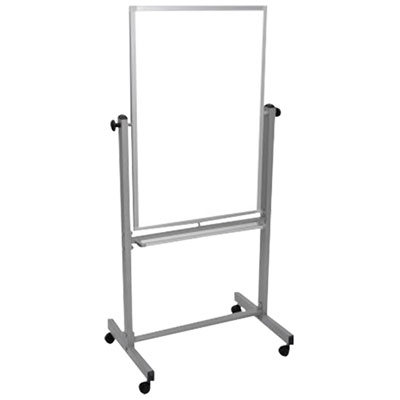 Your price for this item is $359.99
-
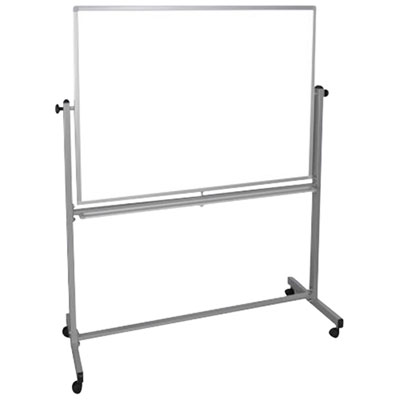 Your price for this item is $429.99
-
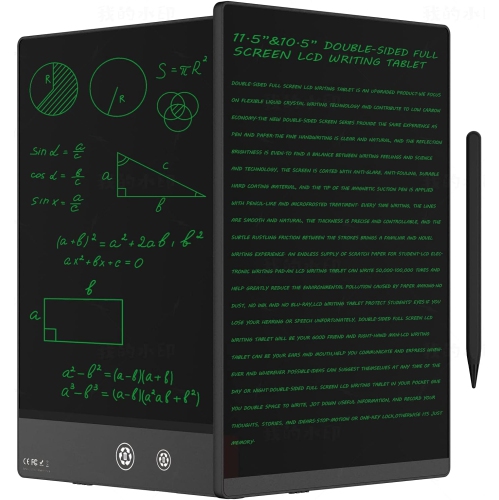 Your price for this item is $30.28
-
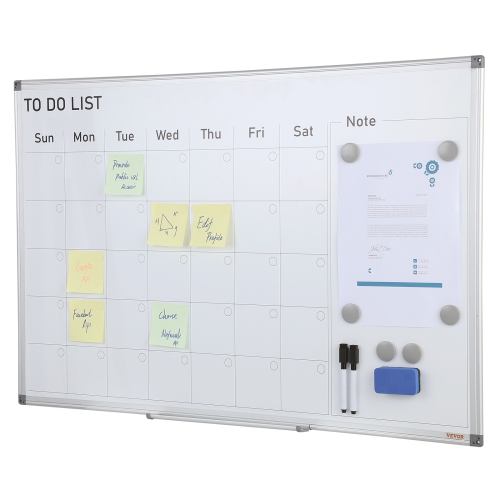 Your price for this item is $51.99
-
 Your price for this item is $69.99
Discover more categories related to Magnetic Dry Erase Boards for Classrooms

Top Collections:
Pokemon Centers, Best Cameras for Sports Photography, Kindle Devices, Samsung Galaxy Phones, Canon G7X Cameras, Pokémon 30th Celebration Cards, Refurbished Apple Laptops, iPhone 15 Apple, Laptops for Students, Budget Smartphones
Some products may be subject to Environmental Handling Fees
(EHF) depending on your province.
Learn more about EHFs.