Mailing Envelopes
Looking for mailing envelopes to protect and deliver your important documents and packages? Look no further! At Best Buy, we offer a selection of quality mailing envelopes that are designed to meet all your shipping needs. Whether you're sending out business contracts, personal letters, or small parcels, our range of envelopes will ensure that your items arrive safely and securely. With various sizes, materials, and sealing options available, you'll find the ideal envelope to suit your specific requirements. Shop with us today and experience the convenience and reliability of our mailing envelopes!
Sort










Why envelope fit matters as much as material
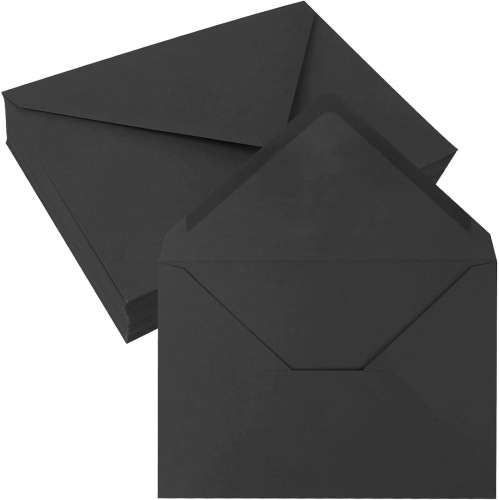
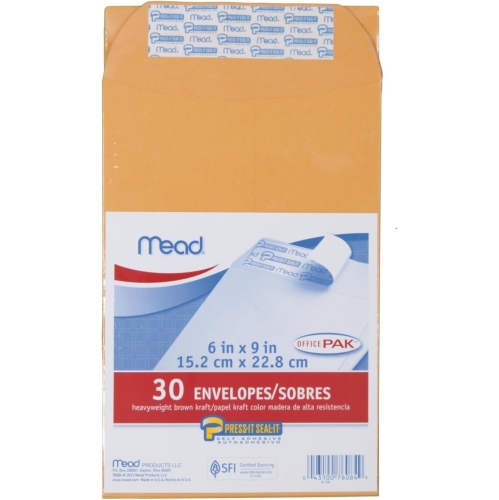
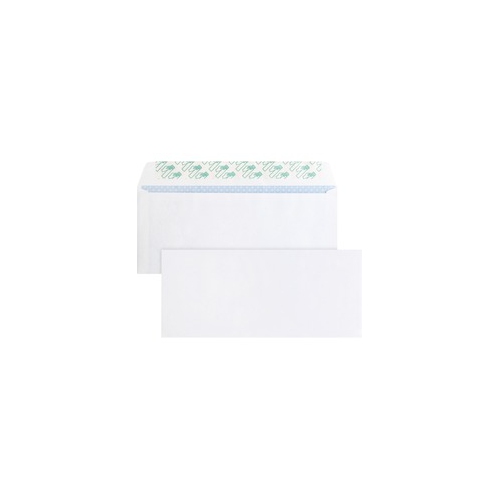
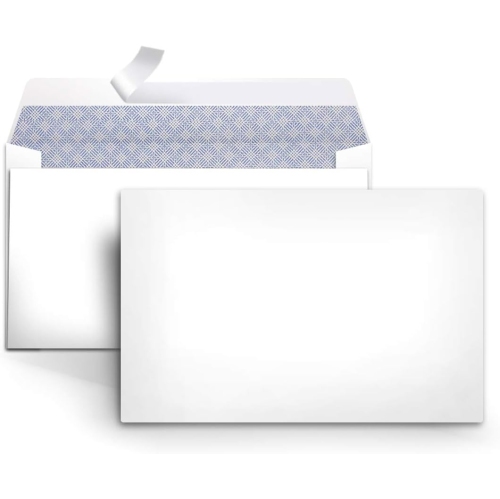
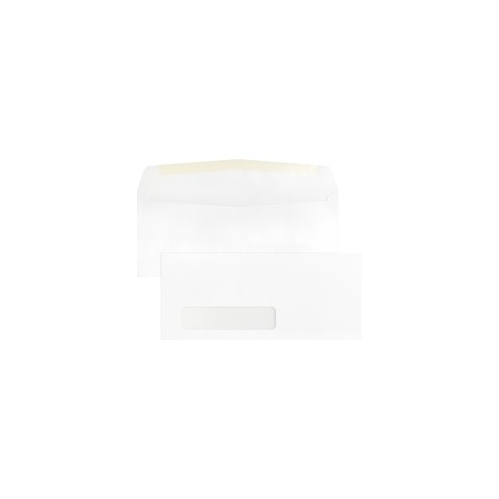
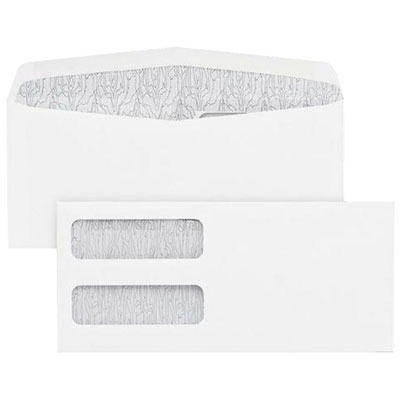
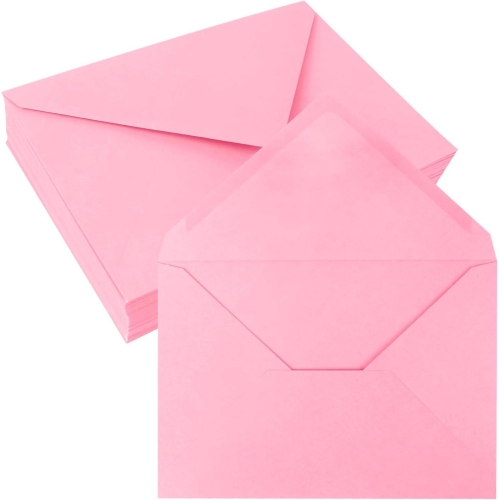
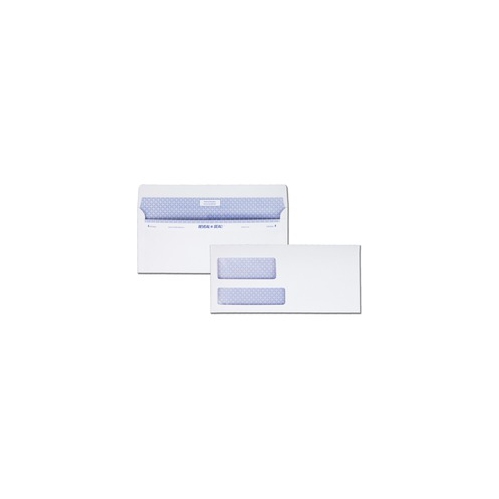
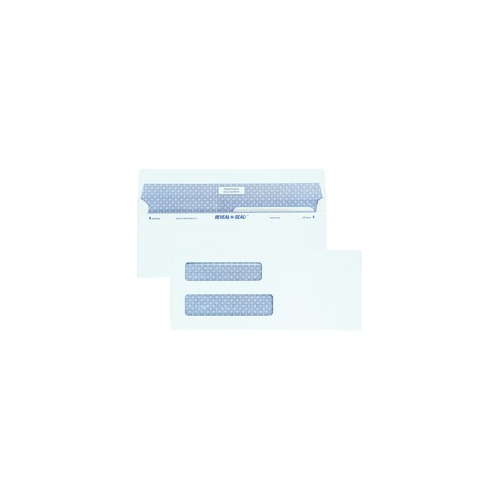
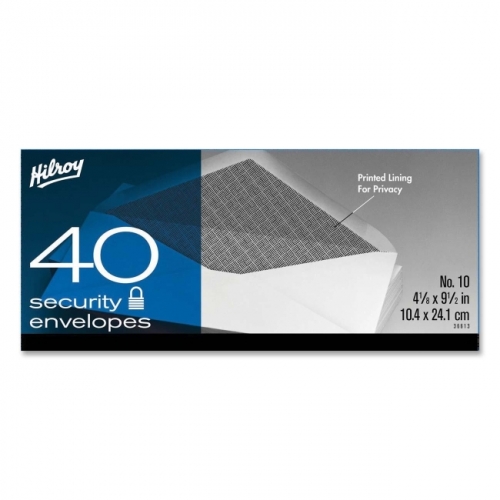
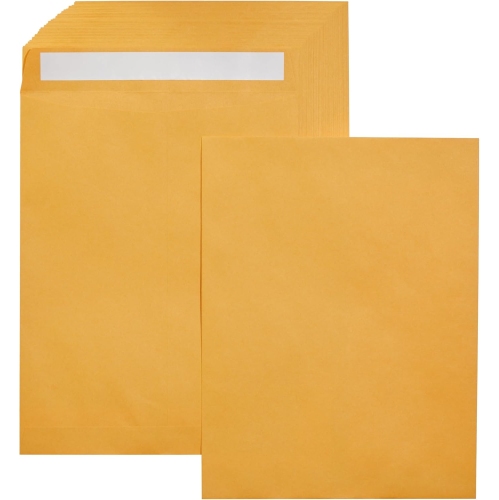
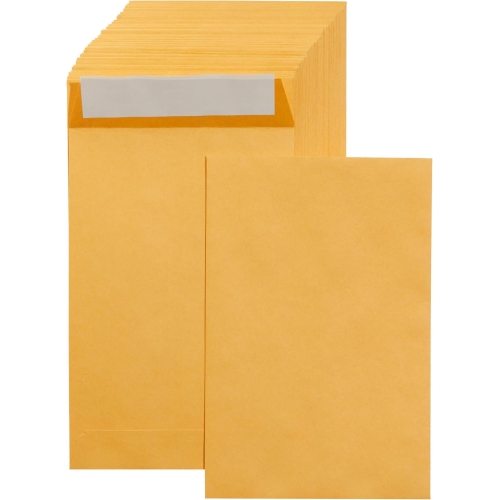
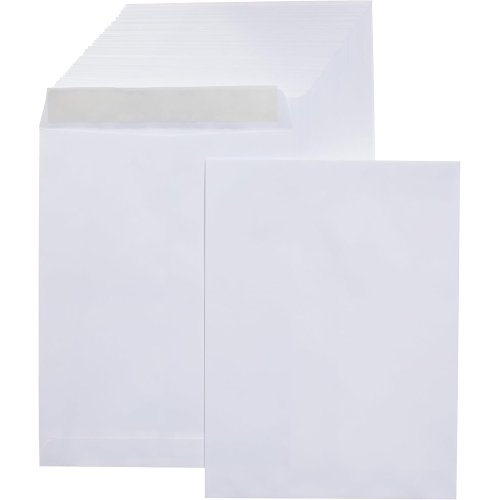
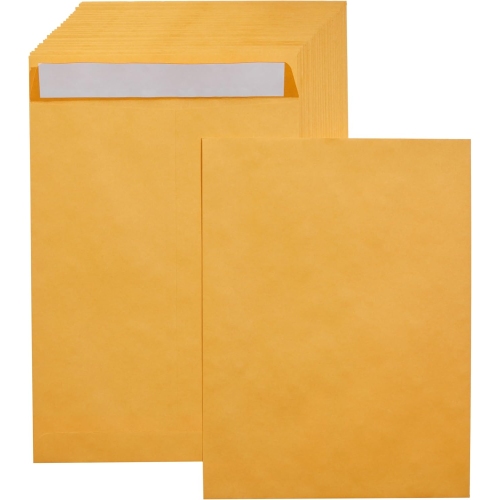
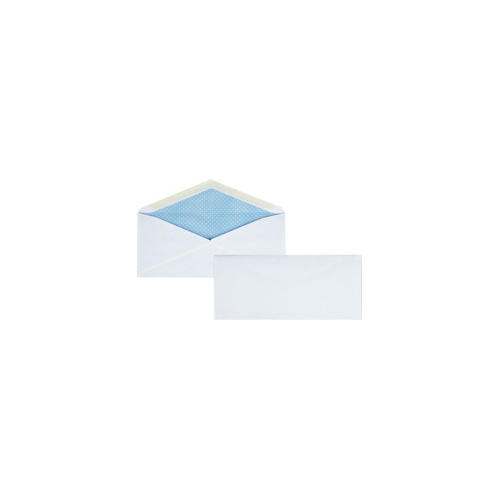
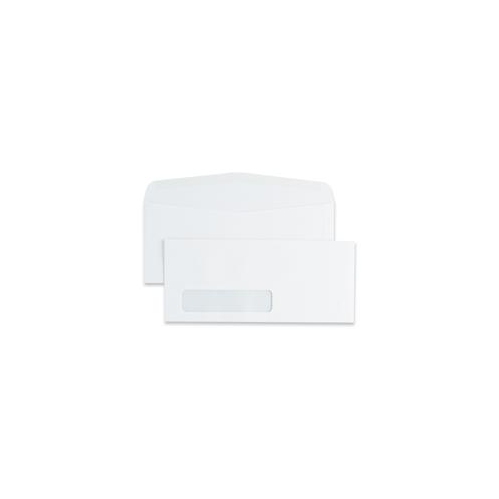
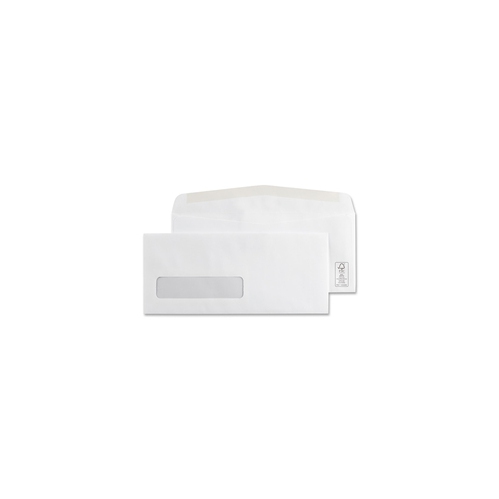
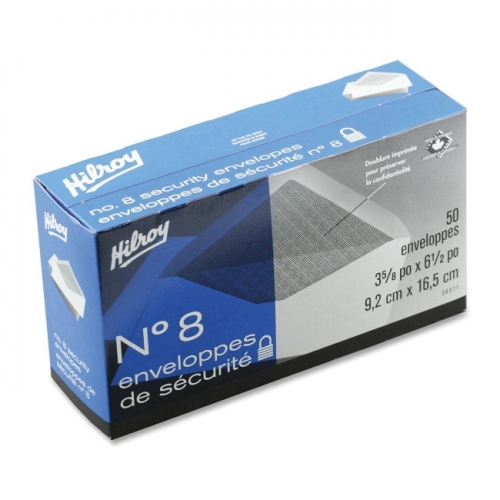
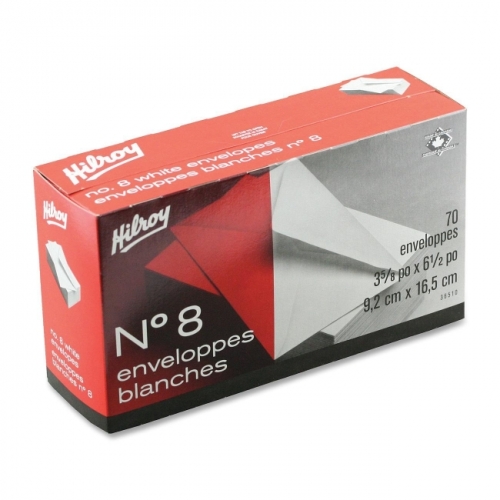
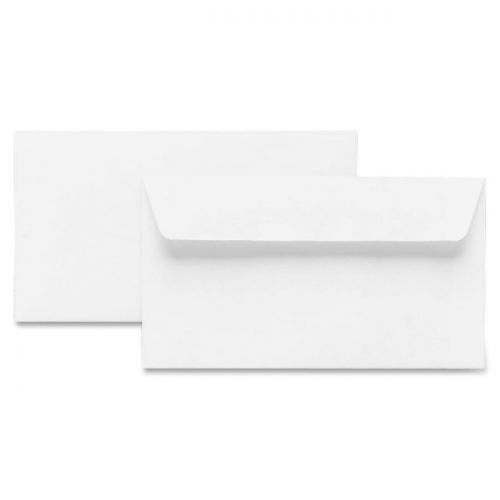
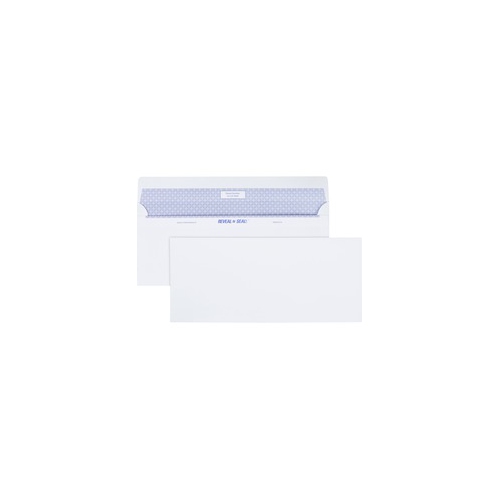
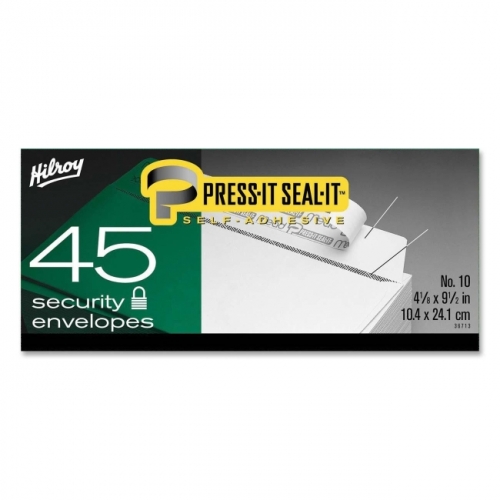
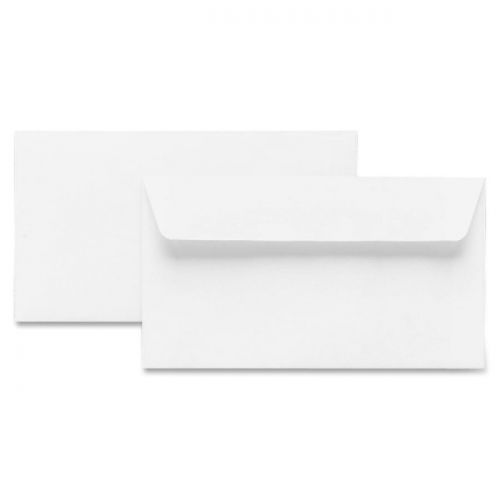
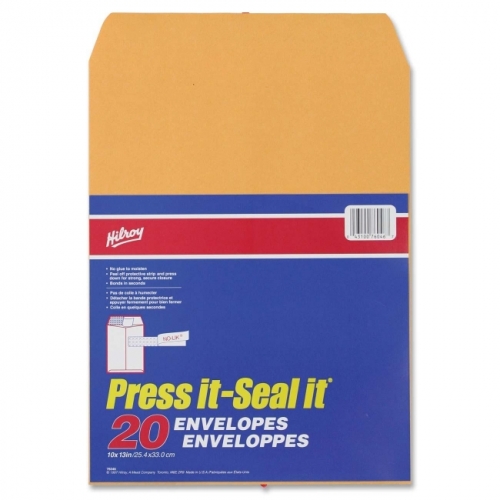
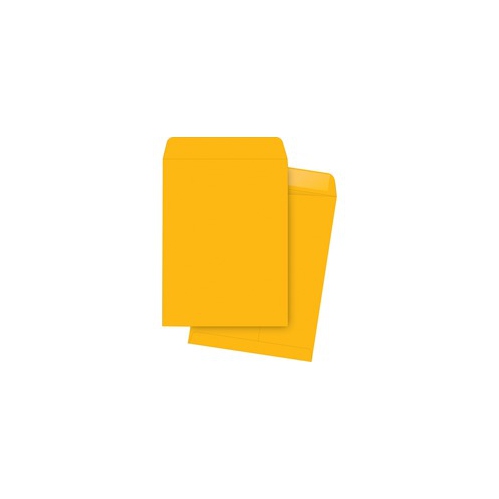
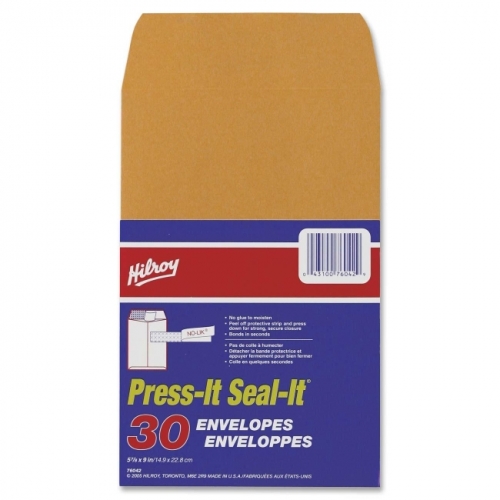
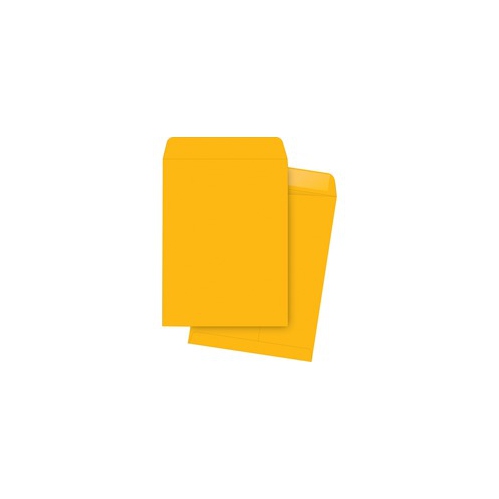
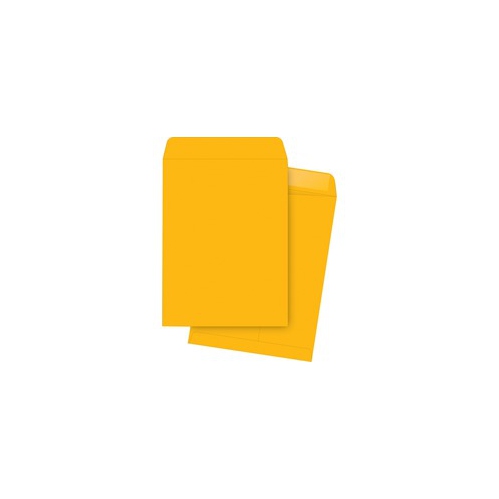
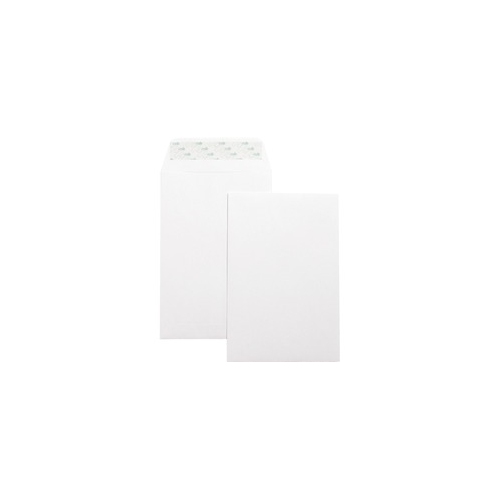
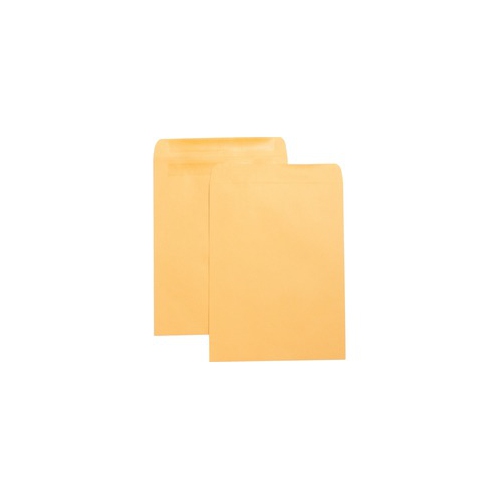
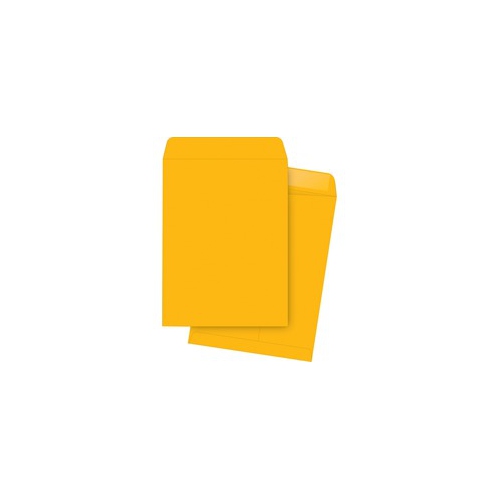
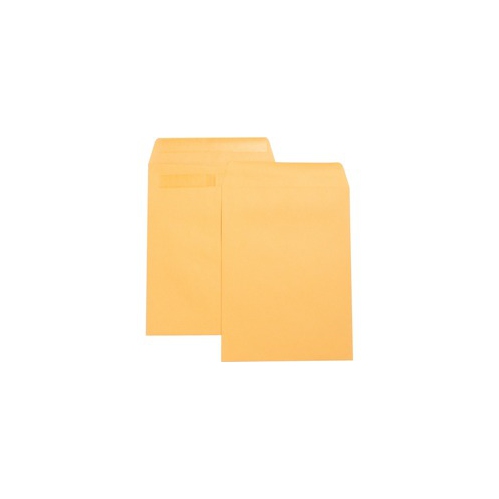
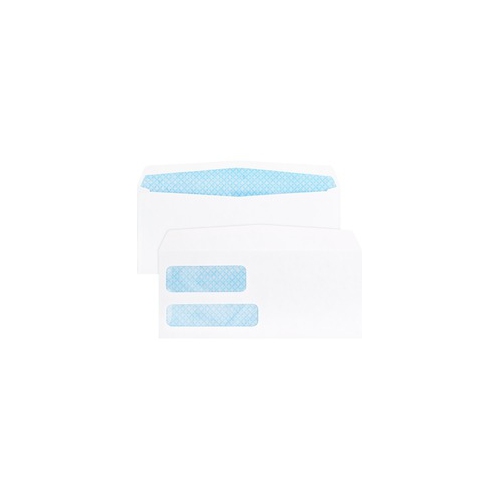
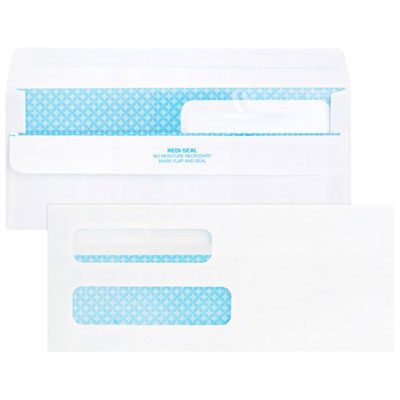
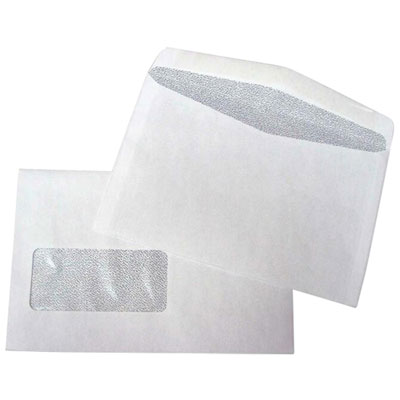
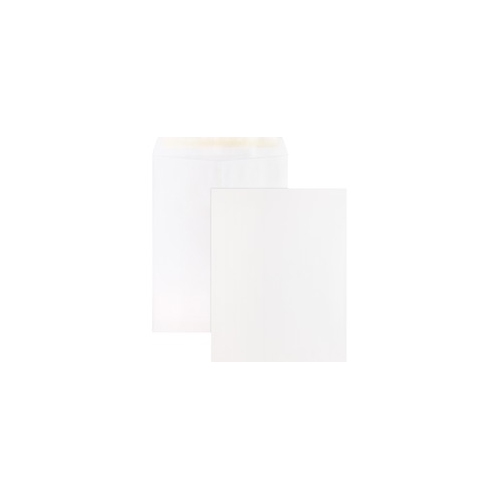
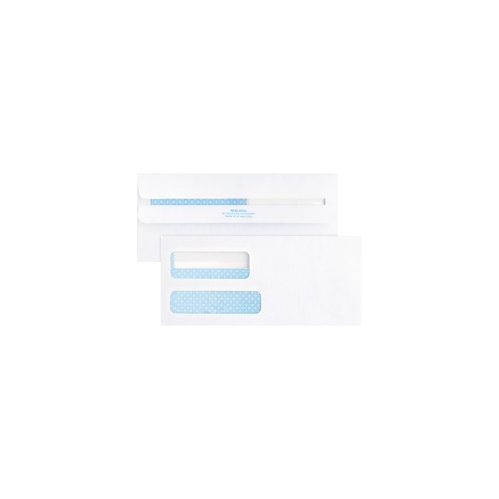
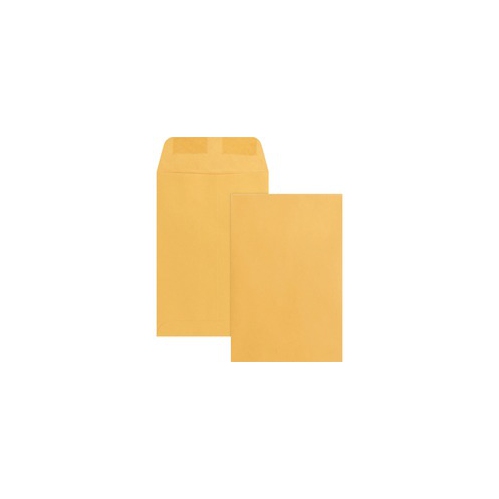
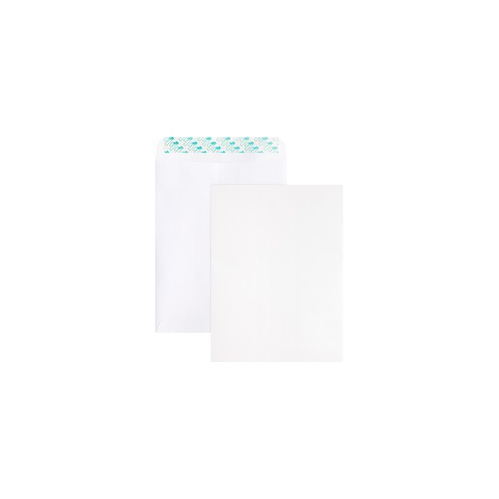
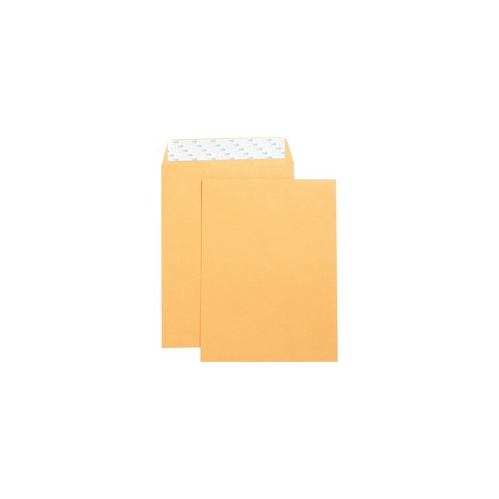
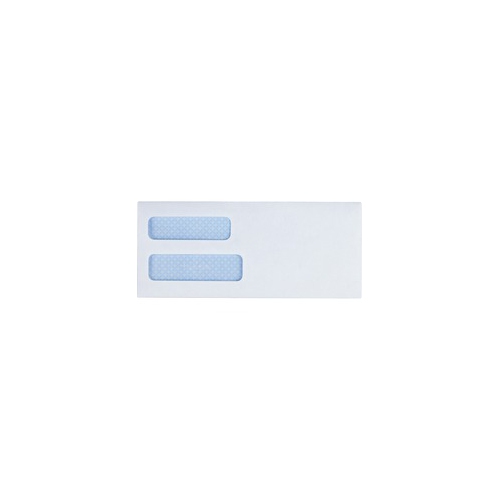
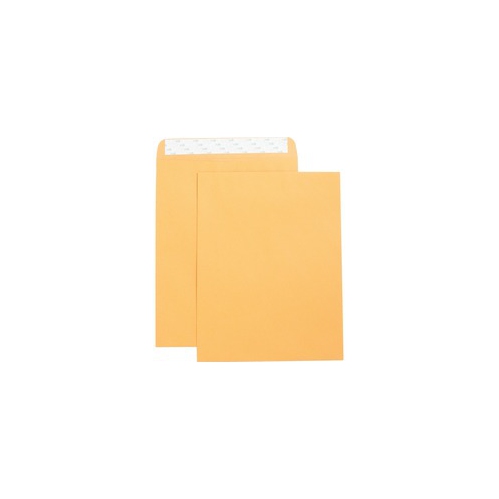
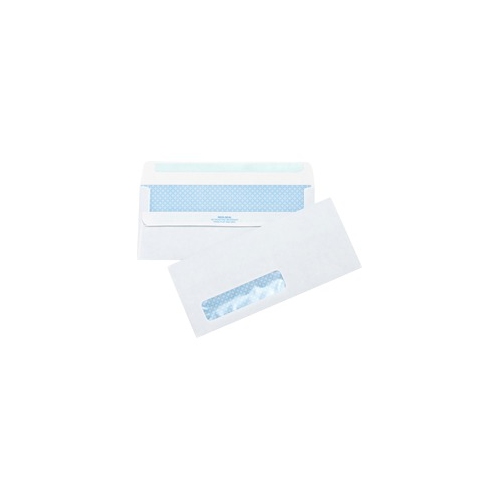
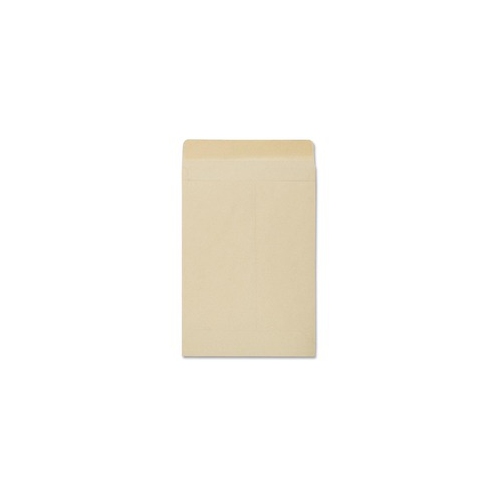
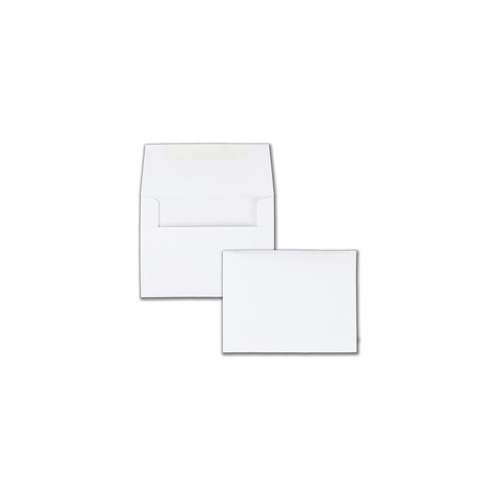
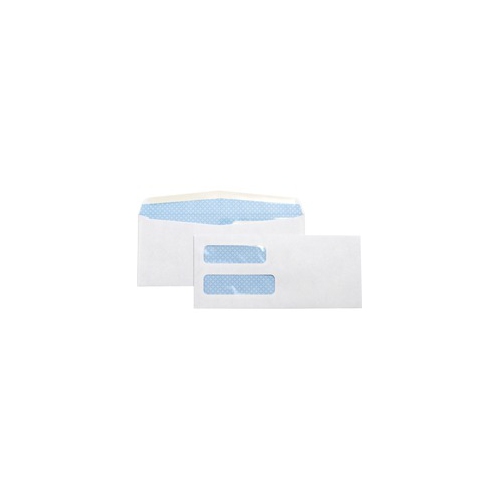
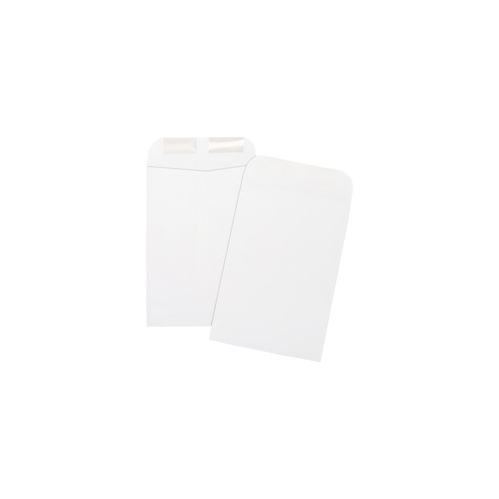
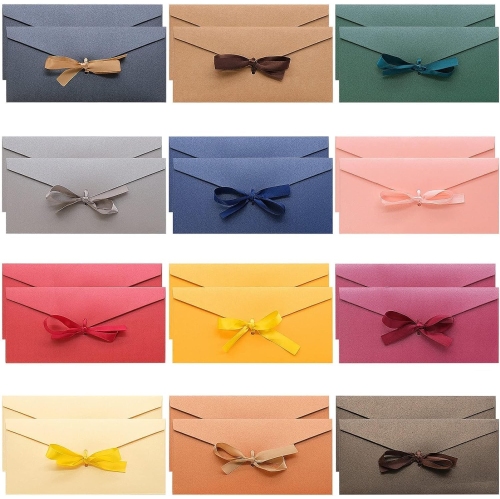
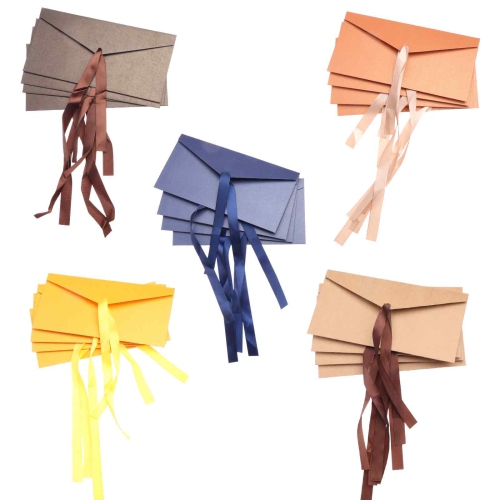
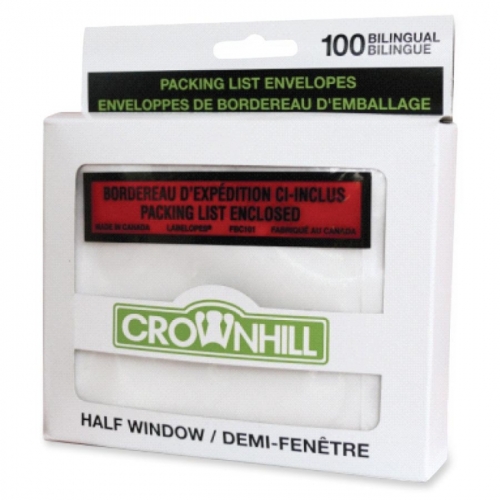
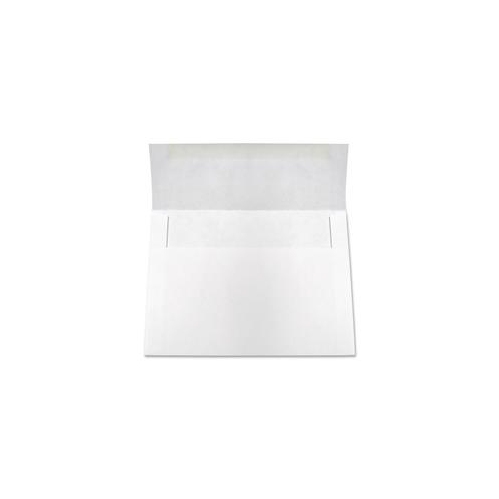
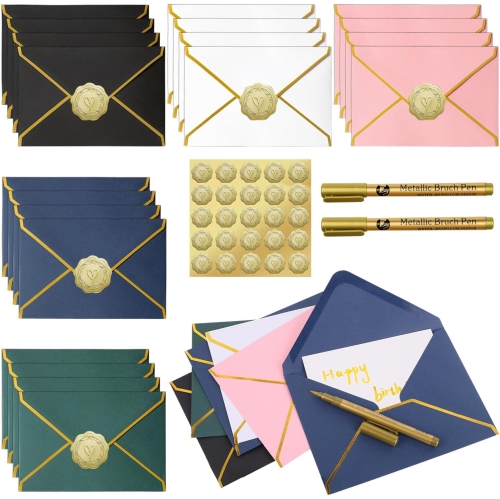
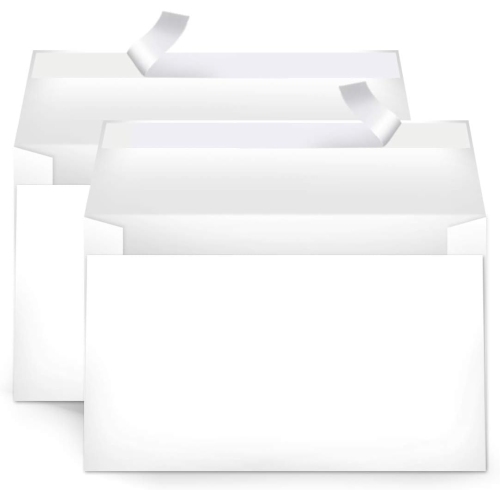
Mailing envelopes keep correspondence, documents, and small goods together while providing a clear surface for addressing and postal handling. The most suitable format depends on what is being sent: a folded business letter needs a different envelope from an unfolded certificate, a photograph, or a piece of clothing. Standard #10 business envelopes measure approximately 4 1/8 by 9 1/2 inches and commonly hold letter-size sheets folded into thirds, making them useful for invoices, cheques, statements, and everyday correspondence. For papers that need to remain flat, a 9 by 12 inch document envelope generally accommodates 8 1/2 by 11 inch sheets without folding. Larger formats can provide space for reports, presentation materials, or several documents, although the usable interior dimensions and thickness of the contents matter as much as the stated envelope size. An envelope should leave enough room for papers to slide in easily and for the flap to close fully, without forcing corners against the seams. Too much unused space, however, can allow contents to shift or bunch during handling. For routine letters and personal notes, Letter Envelopes offer formats suited to smaller, flatter correspondence. White paper provides a familiar backdrop for printed addresses and handwritten details, while brown kraft paper is often used for document mailing. Window envelopes can display an address printed on the enclosed sheet, provided the layout lines up with the window and stays in position when the envelope is moved. Opaque paper or an interior security pattern helps limit the visibility of information inside, which is useful when mailing account details or personal records. These features support different workflows, from a home office sending occasional paperwork to an administrative team preparing batches of addressed correspondence. A legible address, a secure closure, and a format that suits the contents all contribute to an envelope that is straightforward to prepare and handle.
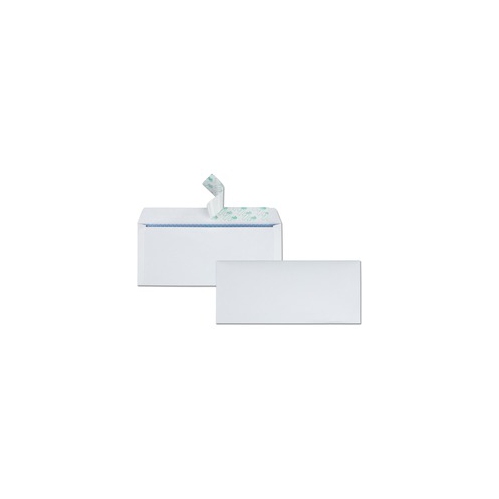
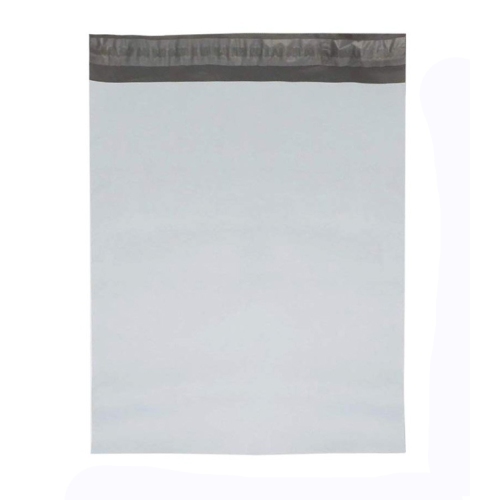
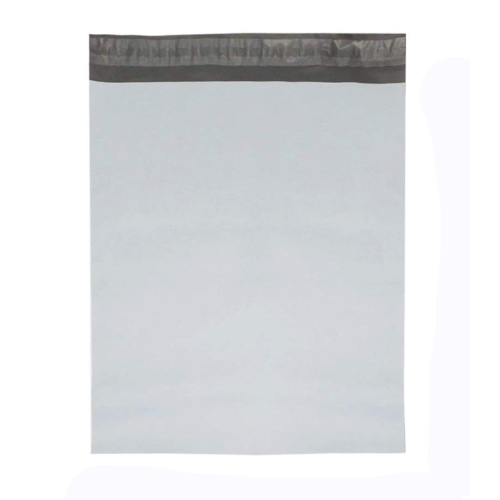
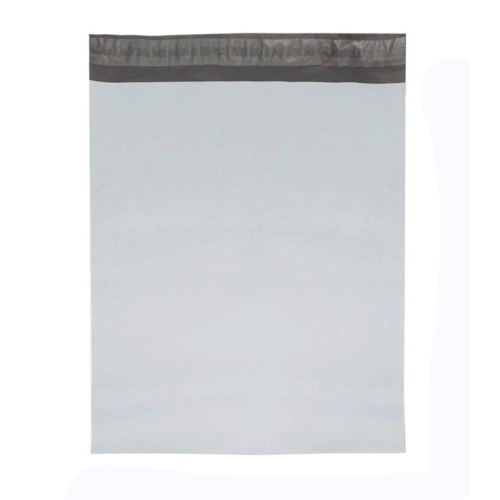
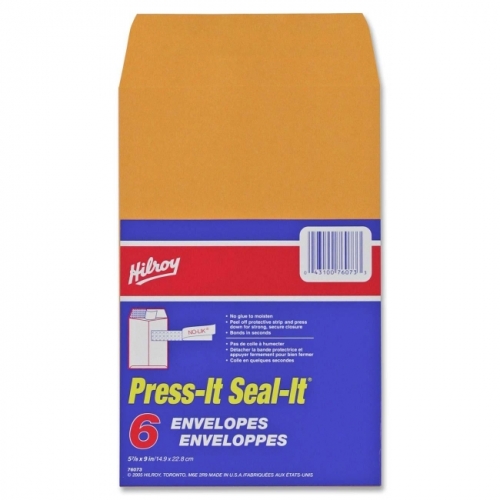
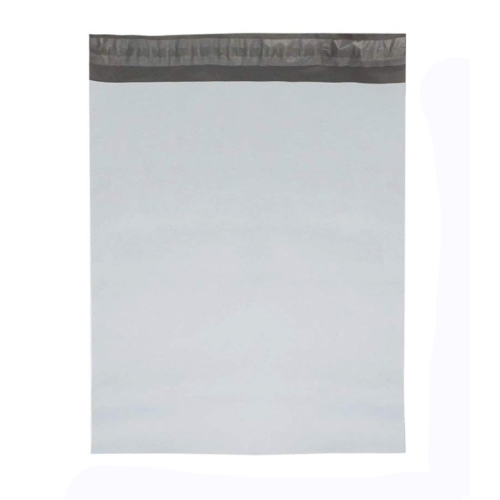
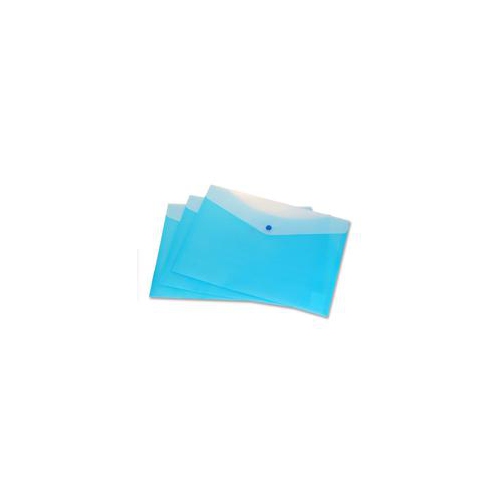
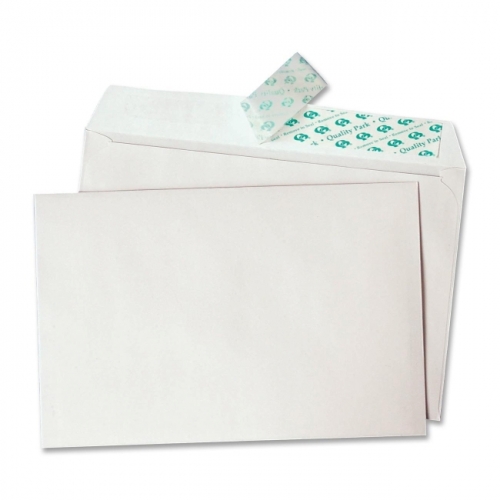
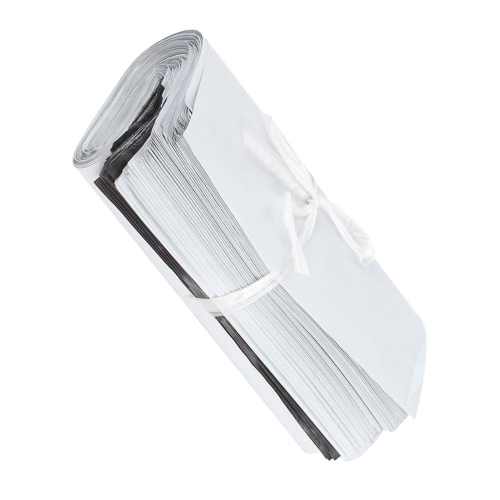
Materials and construction determine how much protection a mailing envelope can provide. Unpadded paper envelopes are well suited to letters and flat documents, while heavier paper offers more substance for thicker bundles and repeated handling. Kraft envelopes have a practical appearance and are commonly used for paperwork, with durability depending on paper weight, seam construction, and how tightly the envelope is filled. Padded envelopes add a cushioning layer, which may be made from bubble material or paper-based padding, to help protect small contents from light bumps and rubbing. The padding takes up interior space, so a mailer’s outer measurements do not necessarily describe the room available for the contents. Poly mailers have a flexible plastic exterior and are often used for soft goods such as clothing or fabric accessories. Their moisture resistance and resistance to tearing vary by material and construction; a plastic exterior alone does not make a mailer completely waterproof or prevent damage from sharp edges. Rigid mailing envelopes or envelopes used with a suitable stiff insert can help photographs, artwork, and certificates resist bending. Fragile objects, heavy contents, and pieces with exposed corners may require a box and additional protective packaging rather than an envelope. Closure styles also affect everyday use. Gummed flaps need moisture to activate the adhesive, self-seal closures bond when their prepared surfaces are pressed together, and peel-and-seal flaps expose an adhesive strip after the liner is removed. Clasp closures can make it easier to open and close a document envelope during preparation, but the envelope may need additional sealing before mailing, depending on its design and the carrier’s requirements. A reinforced seam and a flap that lies flat help keep contents enclosed. Stuffing an envelope until its sides bulge can strain those seams and reduce the adhesive contact at the opening, even when the material itself feels substantial.
Mailing envelopes serve a wide range of personal and professional tasks, with small details making a noticeable difference in daily use. A bookkeeper sending an invoice and return slip may prefer a consistent business-envelope format, while a photographer mailing a print needs space for a protective sleeve and support against bending. A small online seller sending a folded garment may benefit from a flexible mailer that follows the shape of the contents without unnecessary bulk. Families mailing handwritten letters, school forms, or copies of important paperwork can use different envelope sizes to keep each mailing neat and appropriately contained. Matching the enclosure to the envelope also improves presentation: pages arrive with fewer creases when they are not squeezed into a narrow opening, and a card is easier to remove when there is a little clearance around its edges. Smooth, clean outer surfaces are helpful for adhesive labels, while some coated or plastic materials need labels or writing tools intended for that surface. Addressing on a flat, unobstructed area helps keep delivery details readable; seams, clasps, and heavily padded areas can make labels harder to apply evenly. For regular mailing, consistent envelope dimensions can simplify document folding, label placement, and storage, although printer compatibility should be checked before feeding envelopes through a printer. Flap position, paper thickness, window construction, and the printer’s supported media settings can all affect the result. Keeping unused envelopes flat and dry helps preserve their shape and protects adhesive strips from contamination. Sealing surfaces should be free of dust, loose fibres, and residue so the closure can make proper contact. Before sending, the finished envelope should hold its contents securely without gaps, exposed edges, or a flap lifting away from the body. Carrier requirements may vary with the destination, dimensions, thickness, and contents, so the completed mailing matters more than the envelope size alone. With the right balance of fit, material, cushioning, and closure, mailing envelopes provide practical packaging for everything from a single signed page to a carefully prepared bundle of documents.
Top selling and popular products
-
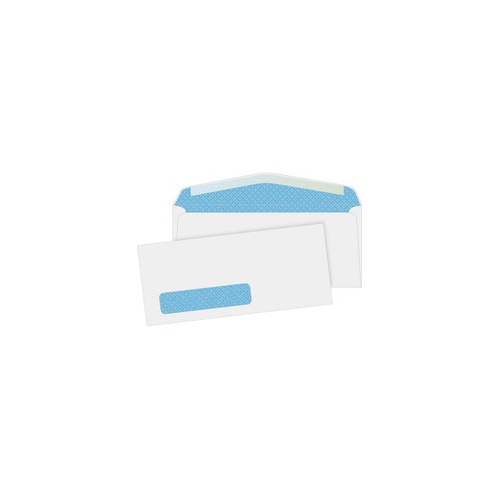 Your price for this item is $28.99
-
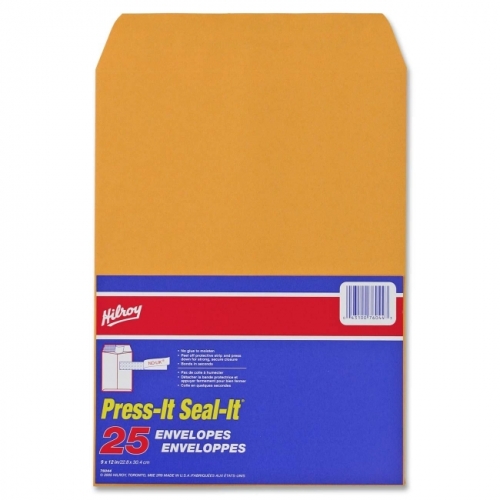 Your price for this item is $6.99
-
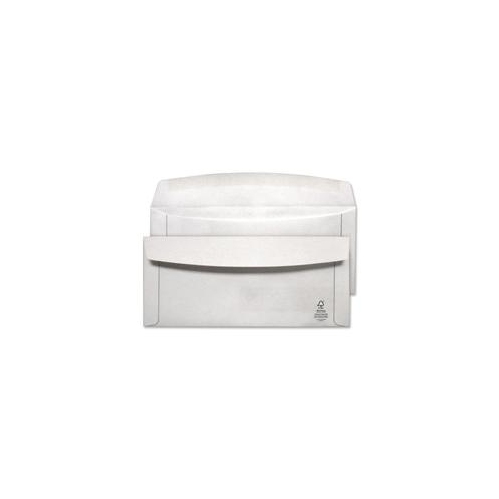 Your price for this item is $35.99
-
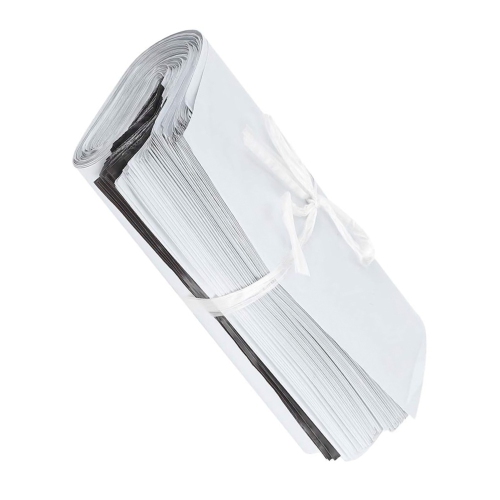 Your price for this item is $26.99
-
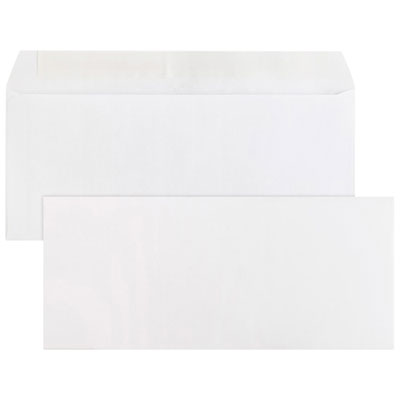 Your price for this item is $28.99
-
 Your price for this item is $26.99
-
 Your price for this item is $28.99
-
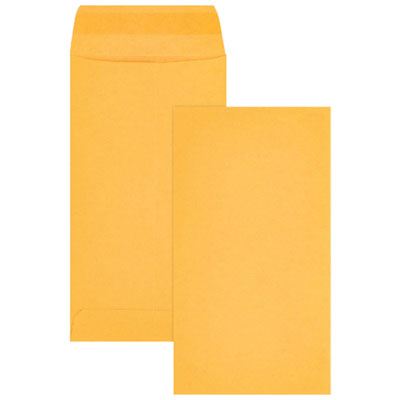 Your price for this item is $39.99
Discover more categories related to Mailing Envelopes
Top Collections:
Best Black Friday Deals This Year, Best Black Friday Deals On Electronics, Kindle Devices, Best Black Friday Deals On Apple Products, Best Budget Office Chairs, Best Cameras for Sports Photography, Dyson Airwrap, Canon G7X Cameras, Best Laptops for Writers, Samsung Galaxy Phones
Some products may be subject to Environmental Handling Fees
(EHF) depending on your province.
Learn more about EHFs.