Metal Clips
Metal clips are versatile and practical tools that offer a simple solution for organizing papers, keeping food bags sealed, or securing various items together. Whether you're at home, in the office, or on-the-go, metal clips provide a reliable way to tidy up your space and keep things in order. With their durable construction and easy-to-use design, metal clips are essential for anyone looking to streamline their daily tasks and maintain a clutter-free environment. Explore our selection of metal clips to find the perfect solution for your organizational needs.
Sort



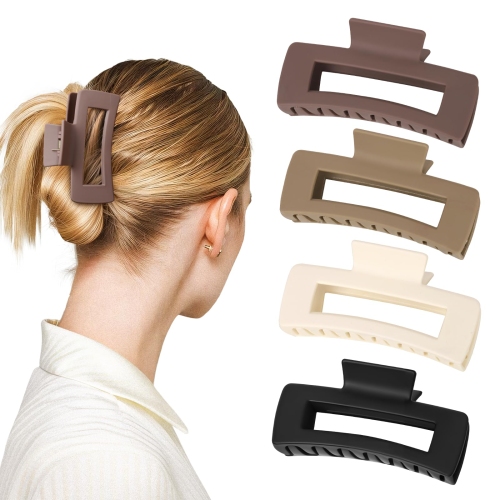
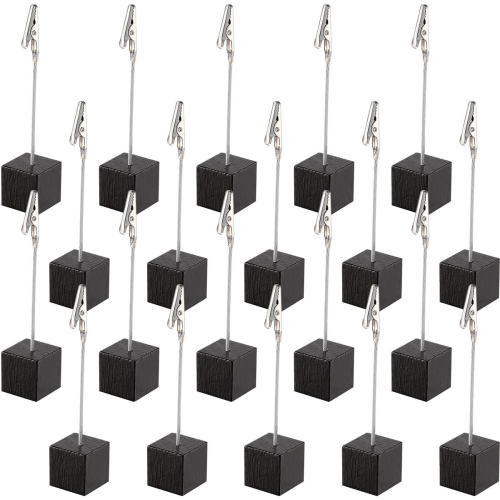
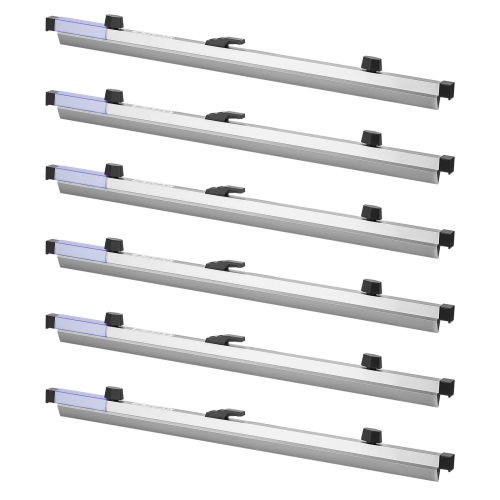
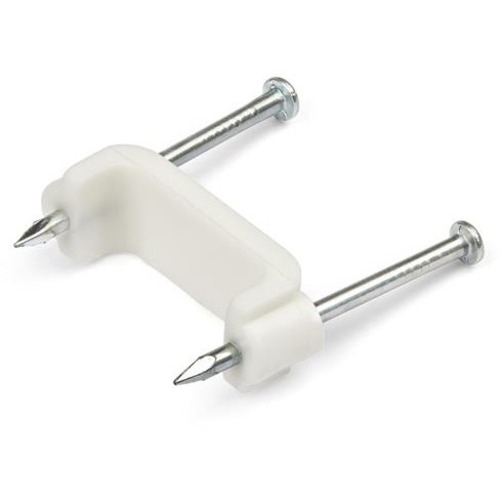











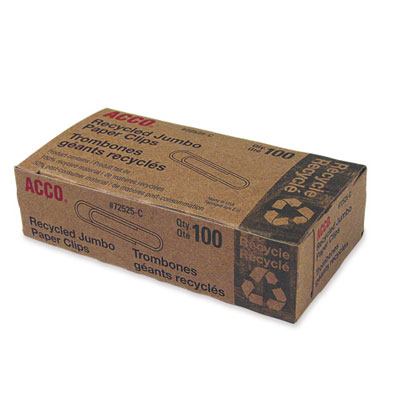
Why a stronger grip isn’t always better
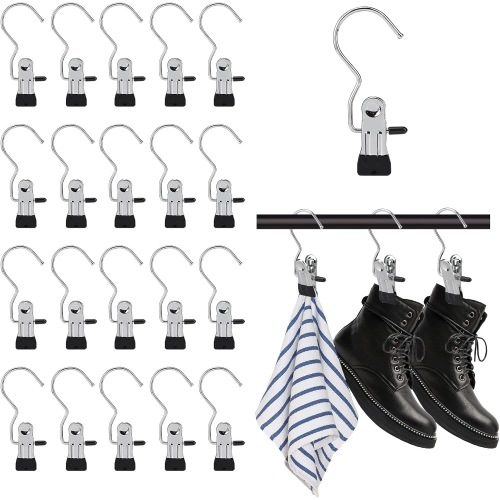
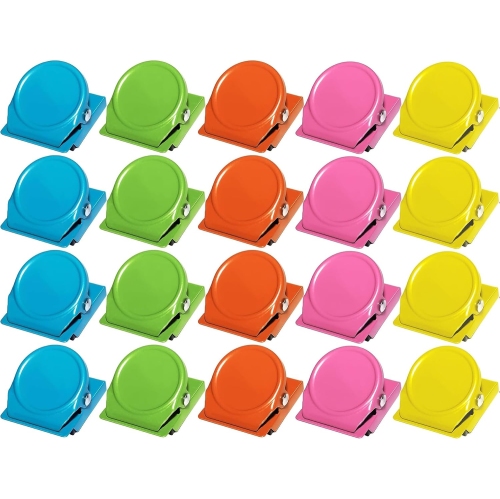
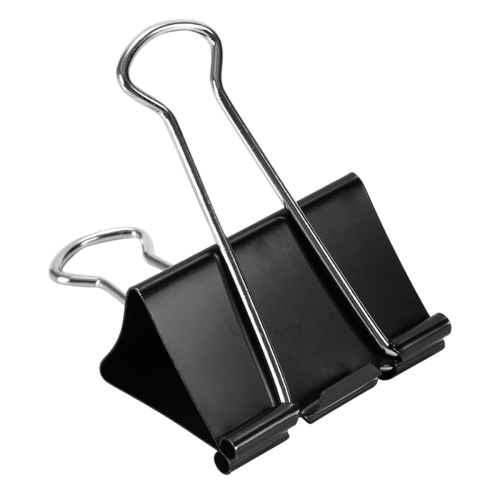
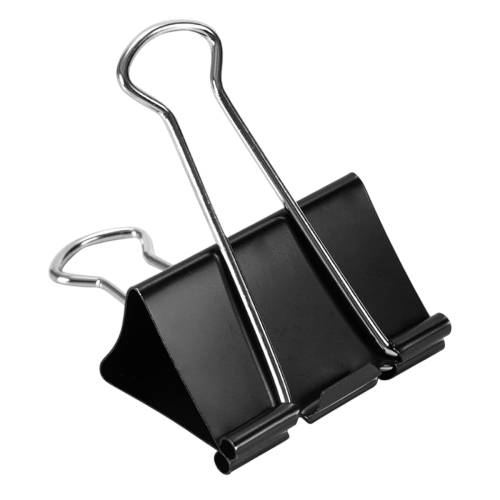
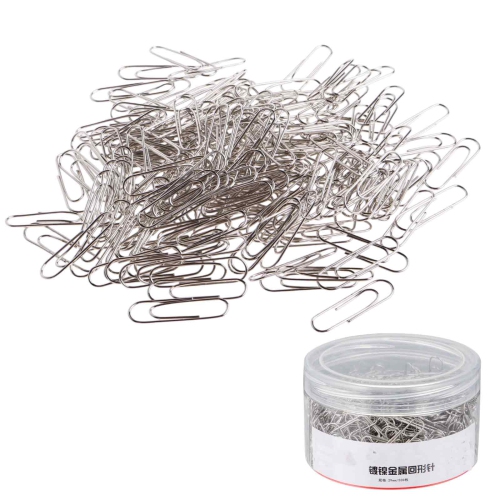
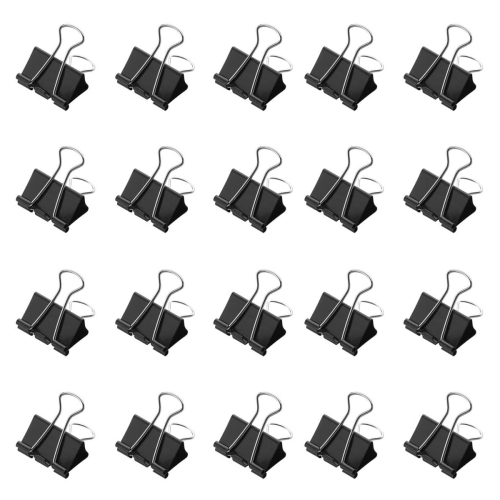
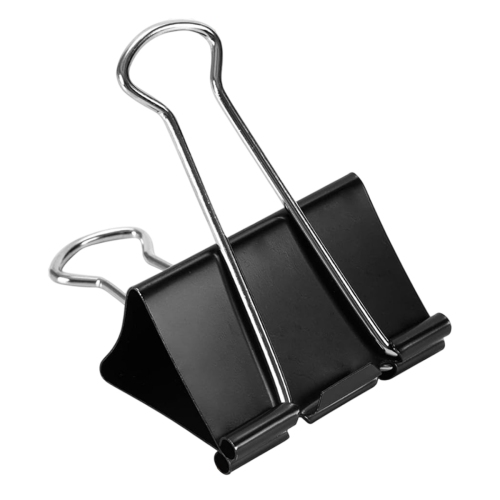
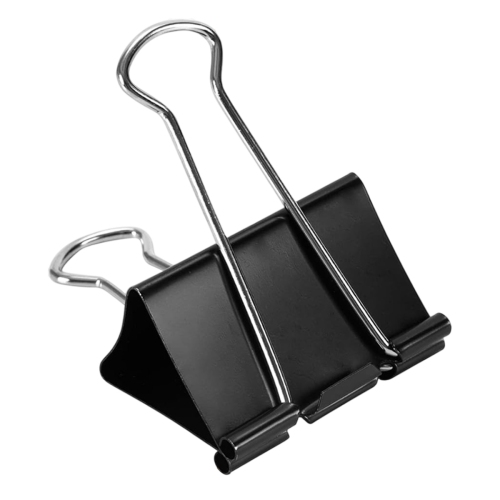
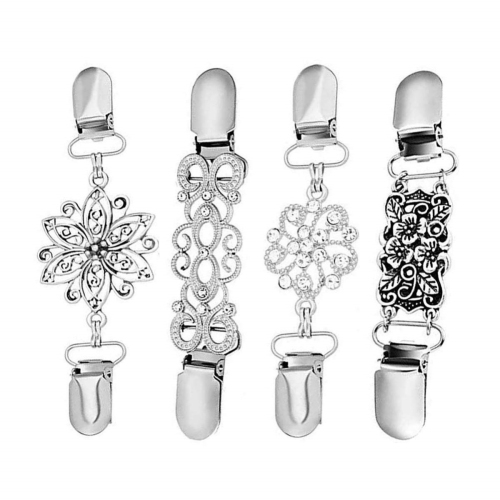
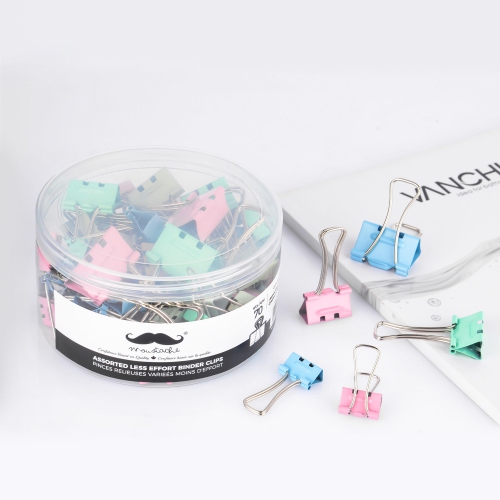
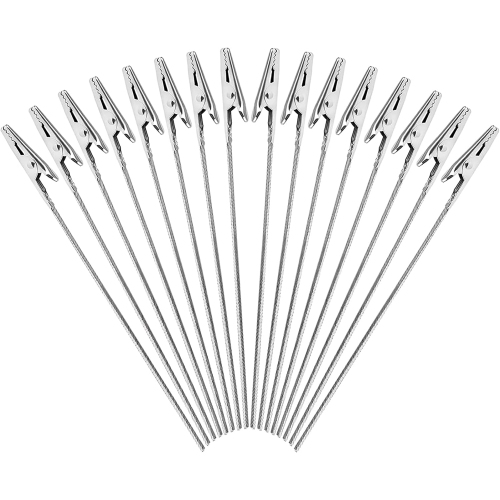
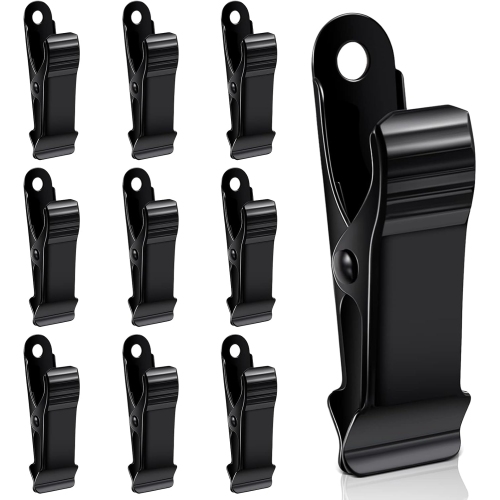
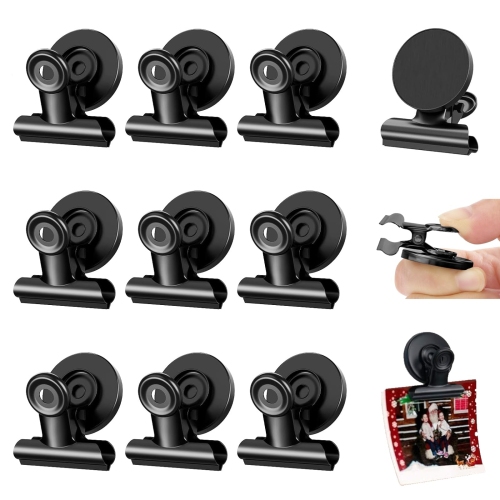
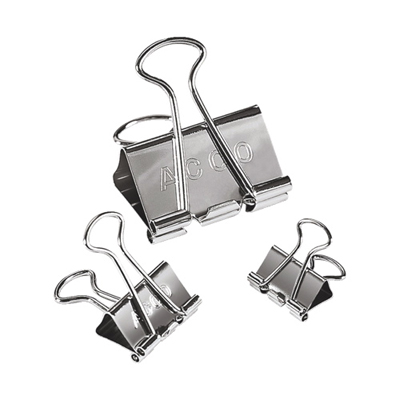
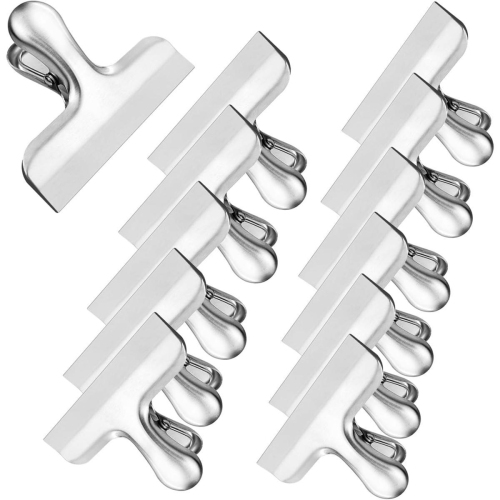
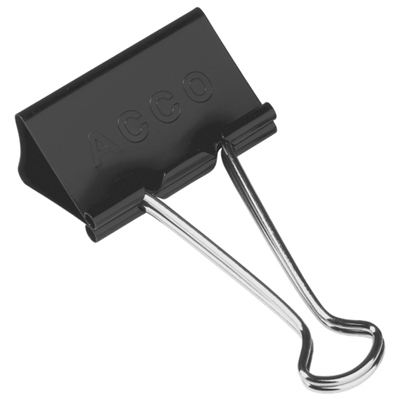
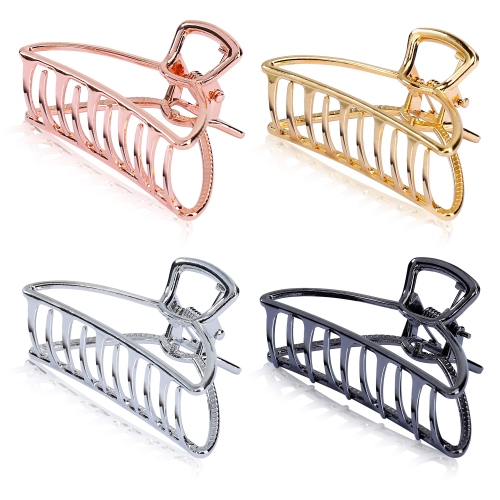
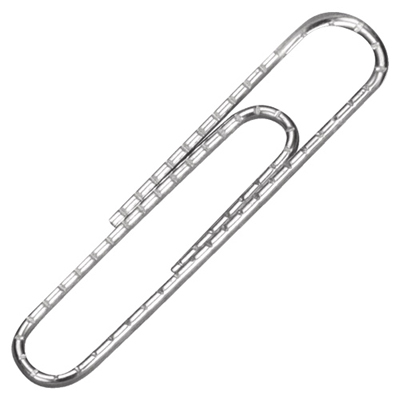
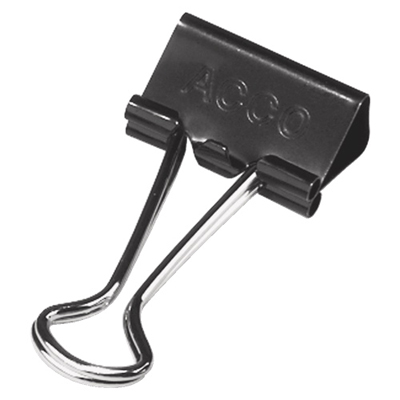
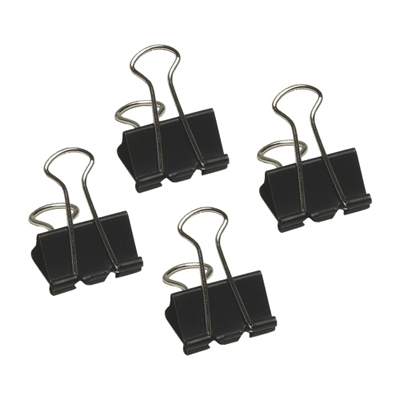
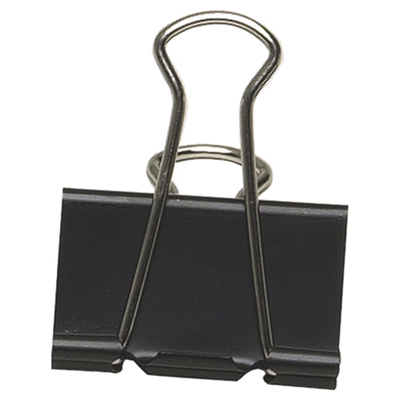
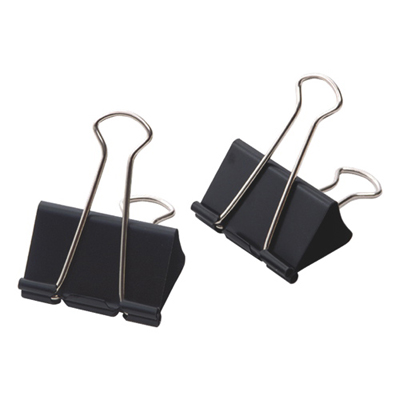
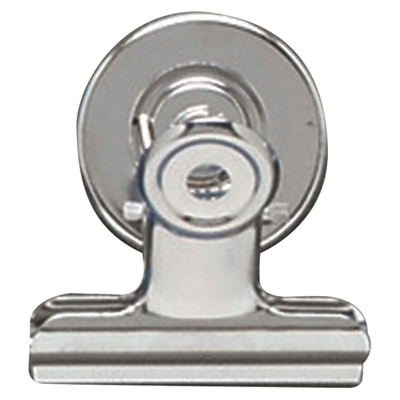
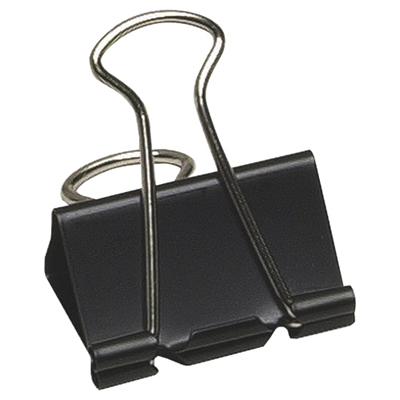
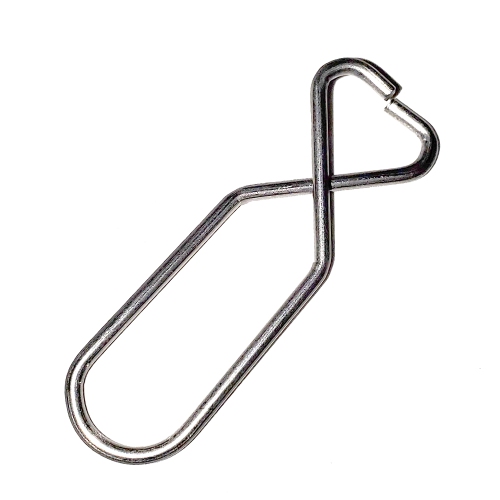
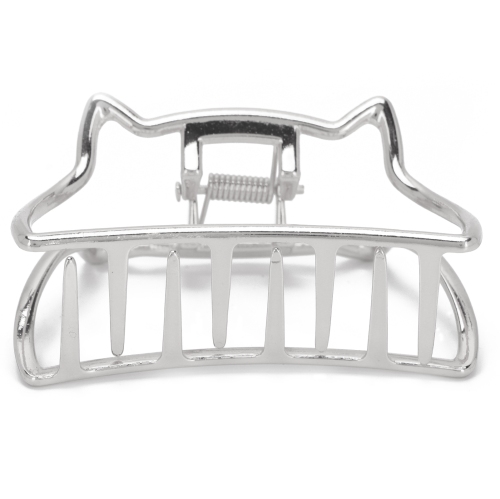
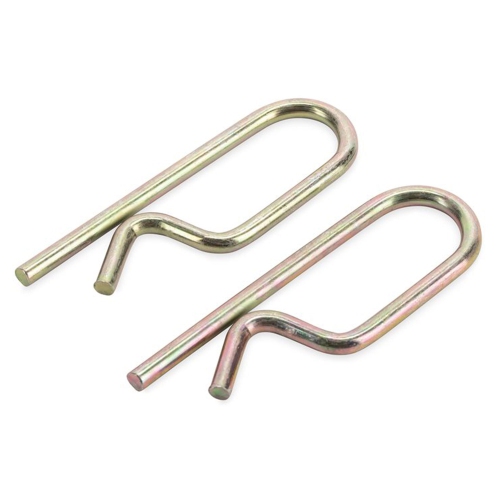
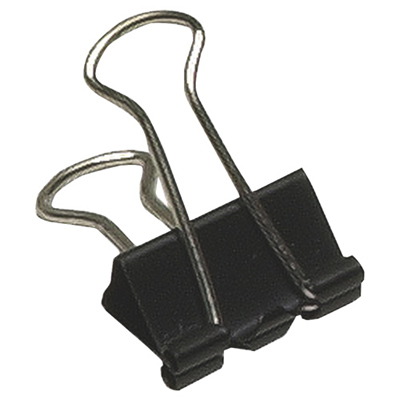
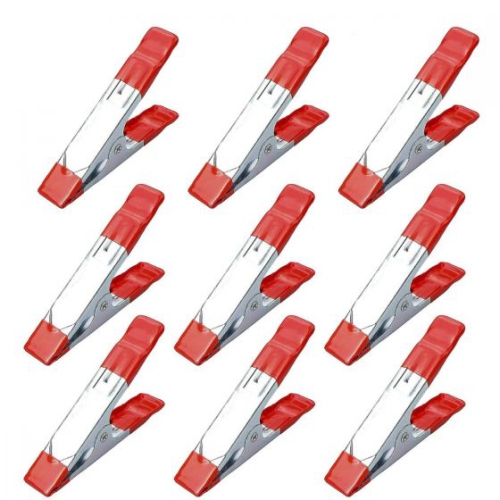
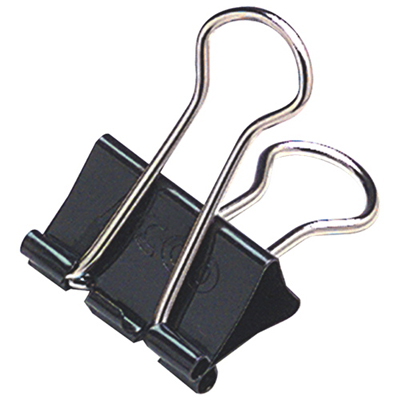
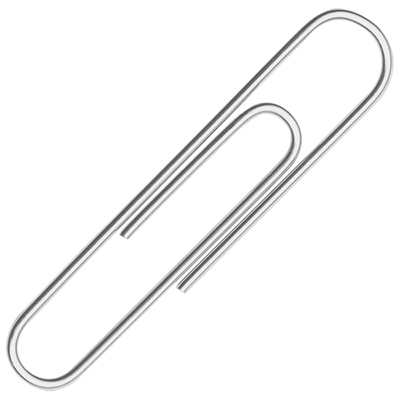
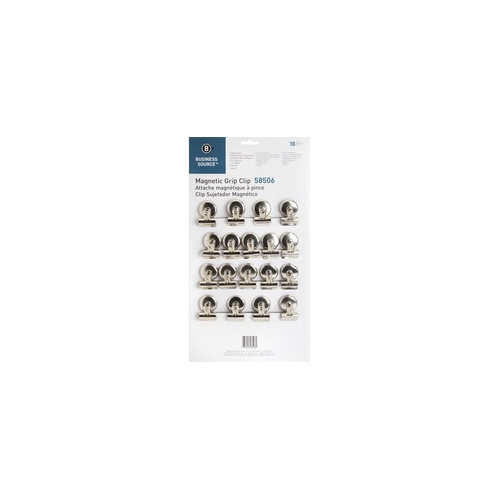
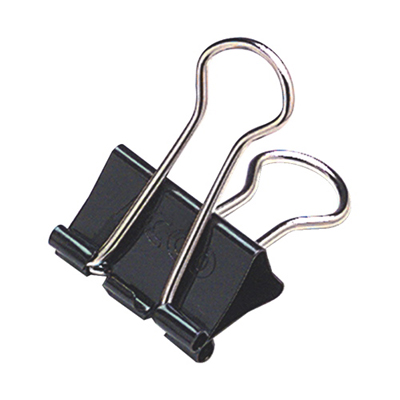
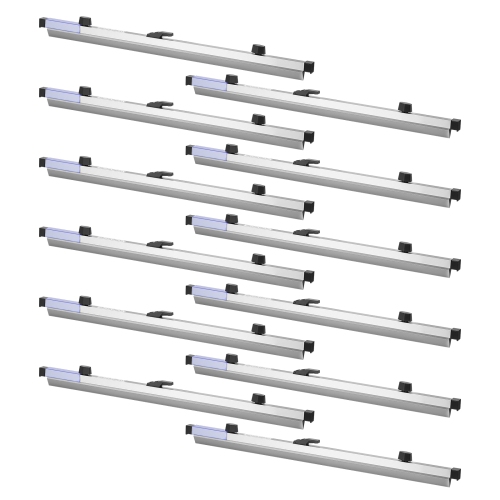
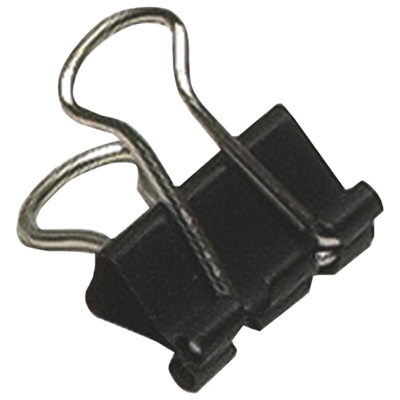
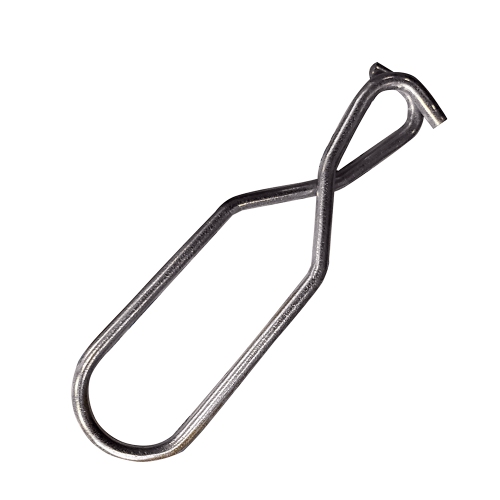
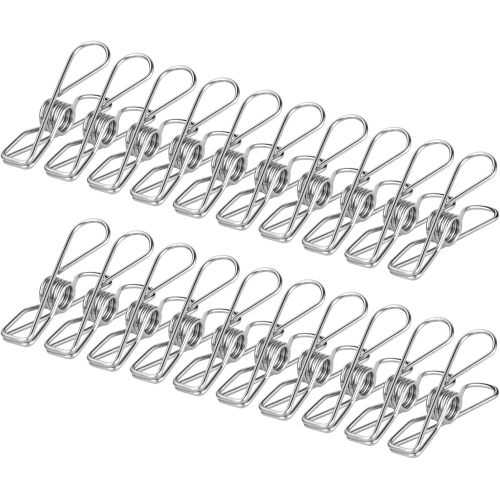
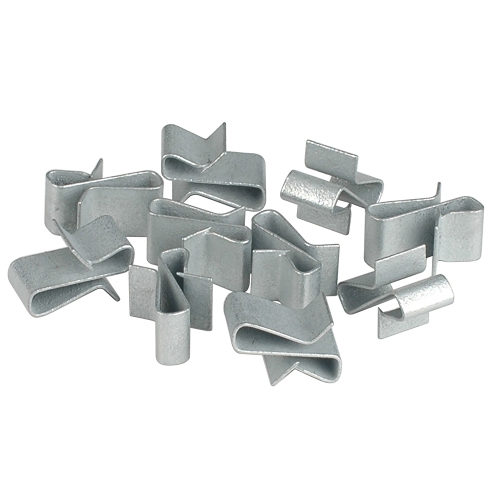
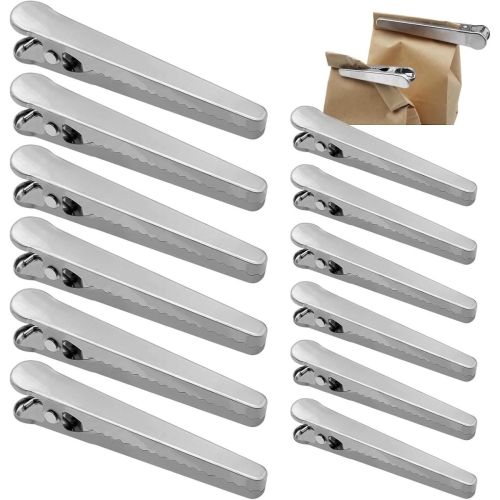
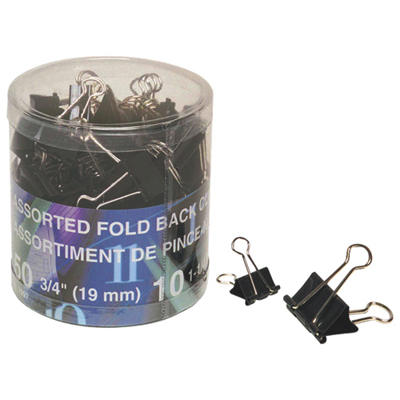
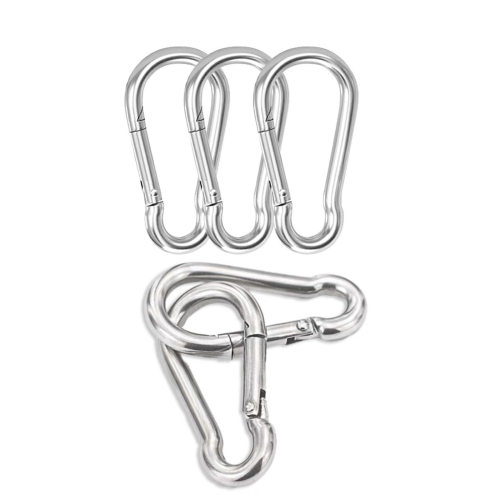
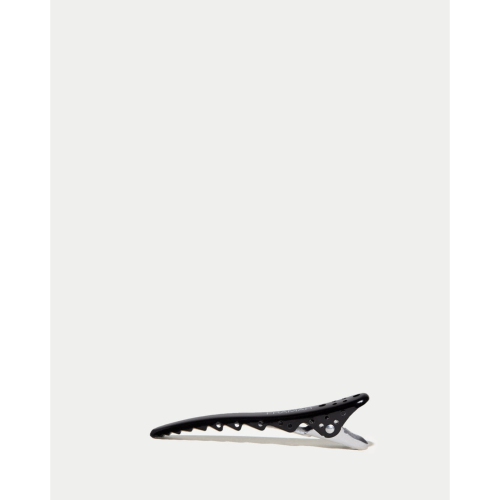
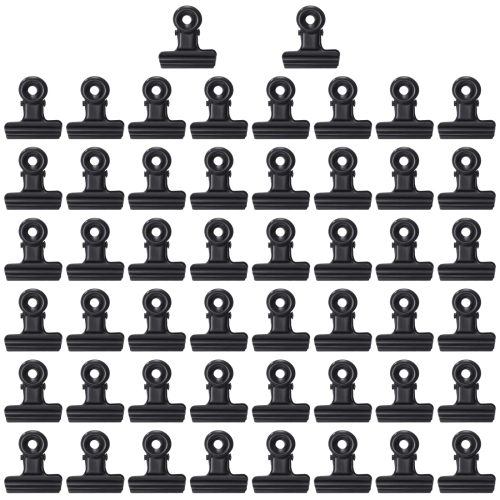
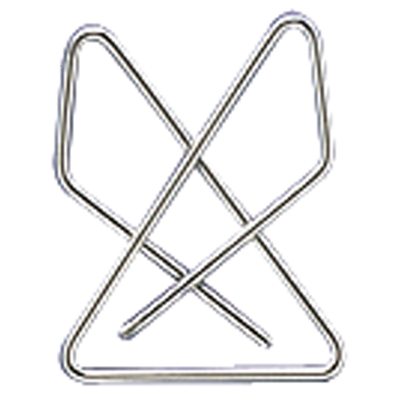
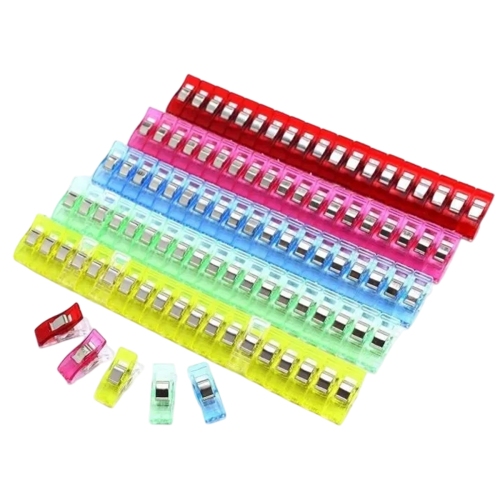
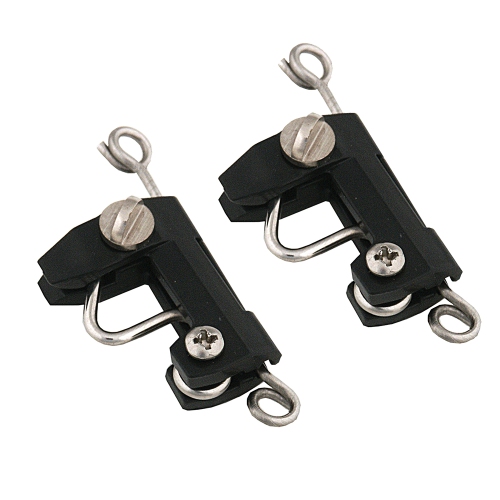
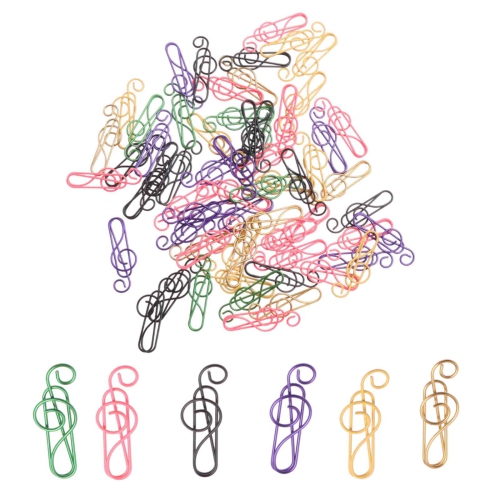
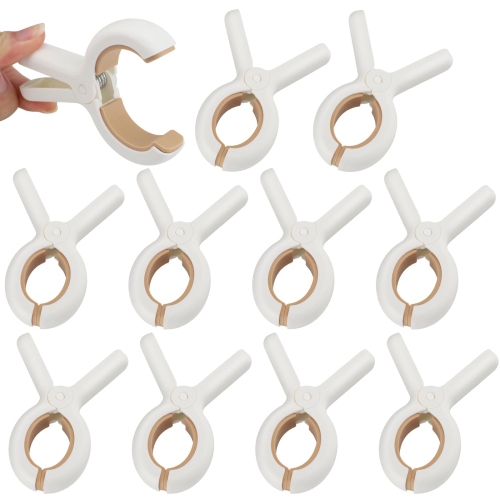
Metal clips are reusable fasteners that hold materials together, secure loose ends, or attach objects to another surface without a permanent bond. Their usefulness comes from a simple combination of grip, shape, and release: a spring-loaded jaw, folded steel body, or hinged clasp applies pressure where it is needed, then opens when the contents need to move. Different styles serve different purposes. Binder clips have a folded metal body and squeeze handles that make them useful for keeping paper stacks together, while bulldog-style clips typically use a spring-loaded jaw with a broad gripping edge. Small paper clips slide over a few sheets without covering much of the page. Utility clips and swivel clasps connect straps, loops, and lightweight accessories, while spring clamps can hold thicker materials during suitable craft or workshop tasks. These differences matter more than appearance alone. A slim clip that keeps receipts attached to an expense sheet will not necessarily hold a sketchpad securely, and a strong clamp may leave an impression on delicate paper or fabric. For documents, the right capacity keeps the stack neat without requiring excessive force to open the clip. For craft materials, the jaw opening needs to accommodate the full thickness of every layer, including any protective padding placed between the clip and the surface. In a kitchen, a metal clip can keep a folded bag closed between uses, although closing a bag this way does not necessarily create an airtight seal. Any component intended to touch food directly should be suitable for that purpose. Across these uses, a useful starting point is to match the clip to the material being held, the thickness of the bundle, and how often it will be opened. A clip used several times a day benefits from comfortable handles and predictable release, while one left in place needs a stable grip that does not gradually slip or damage the contents.
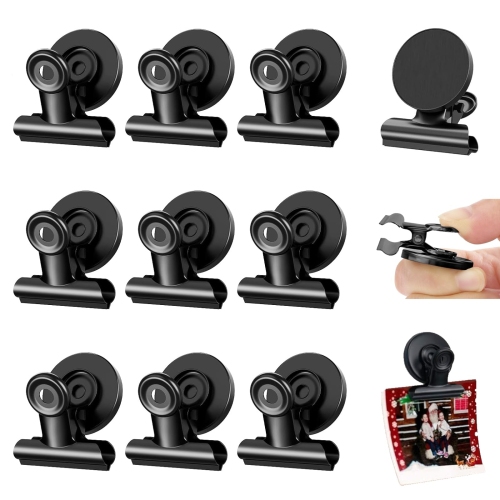
Material and construction influence how a metal clip feels in the hand and how it stands up to repeated use. Spring steel can provide the flex and restoring force needed for a firm grip, while stainless steel offers corrosion resistance that can be useful around sinks or other places where occasional moisture is likely. Stainless steel is not completely immune to staining or corrosion, and its performance depends on the alloy, finish, and conditions of use. Plated or painted steel can provide a smooth, finished surface, but scratches may expose the metal underneath. A clean edge, an evenly aligned jaw, and a hinge that moves freely are practical details worth noticing. Rough seams or burrs can catch fabric, mark paper, or scratch a desk. Soft jaw covers can help protect delicate finishes, although padding may reduce the usable opening and can wear with repeated handling. Grip strength also needs to suit the task. More pressure is not always better: a strong spring can crease photographs, compress foam, or leave marks in leather. For display materials, placing a clean protective layer between the jaw and the contents can help, provided the added layer does not make the connection unstable. Care is usually straightforward, but the finish and any attached components should determine the cleaning method. Wiping away dust and drying the clip after contact with moisture can help keep the moving parts working smoothly. Avoid soaking clips with materials or coatings that are not intended for immersion, and follow any supplied care directions. A bent body, loose hinge, damaged pad, or spring that no longer closes evenly can change the grip considerably. Keeping clips in a shallow tray or divided drawer makes sizes easier to distinguish and reduces tangling between handles and hooks. Small clips also belong out of reach of young children, and fingers should stay clear of closing jaws, particularly on stronger spring clamps.
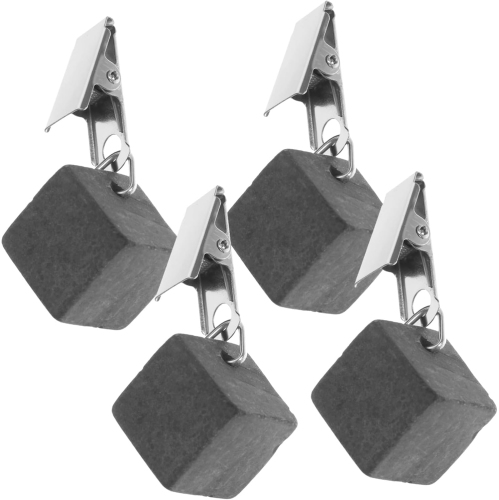
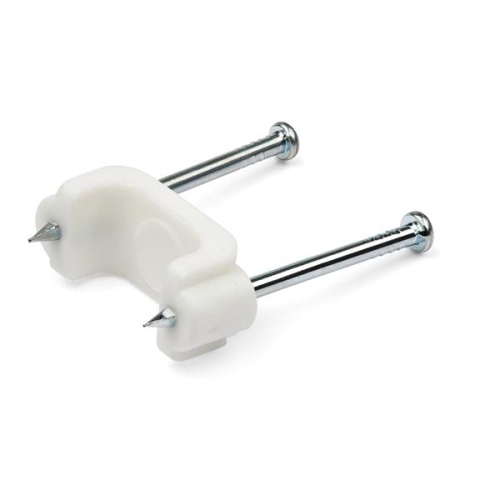
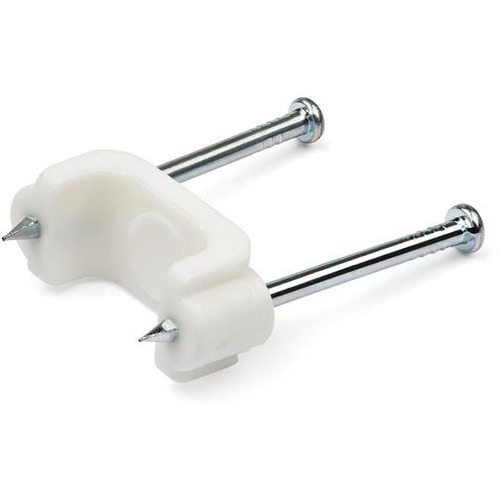
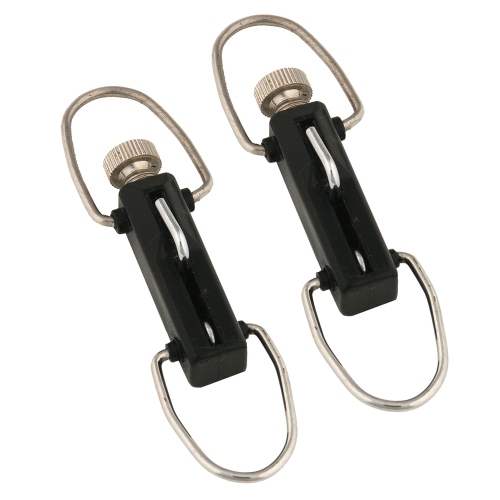
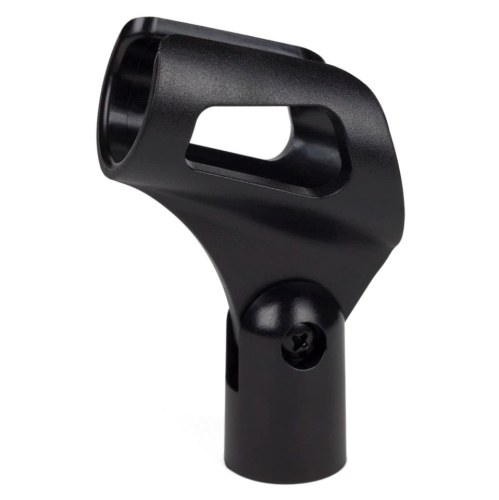
At a desk, metal clips can bring order to the papers that need to stay together without being permanently stapled: a set of signed forms, a collection of receipts, or reference sheets beside a monitor. In a classroom or creative workspace, they can hold drawing paper to a suitable board, keep fabric layers aligned for a temporary layout, or group small packets of materials for a shared project. A broad jaw spreads pressure over a larger area, while a narrow gripping point leaves more of the surface visible; either can be useful depending on the material and the amount of access needed. Clips used to hold glued pieces should be appropriate for the adhesive and the pressure required, since squeezing too firmly can distort soft materials or force out too much adhesive. Around audio equipment, fit becomes more specialized. Mic Clips are designed for microphone mounting, where the microphone body dimensions and connection to the stand matter more than general-purpose clamping strength. Similar care applies when organizing cables: a purpose-designed cable clip should support the cable without crushing its jacket, sharply bending it, or putting strain on a connector. Conductive metal clips should be kept away from exposed electrical contacts. For hanging or attaching accessories, consider the complete connection, including the clip, loop, strap, and supporting surface. A strong-looking metal body does not establish a safe working load, and ordinary stationery or utility clips should not be treated as equipment for lifting, climbing, overhead suspension, or other safety-critical tasks. Any stated load limit applies only under its specified conditions. For everyday use, the most practical metal clips combine an appropriate opening with enough grip to stay put and a release that is easy to operate. That balance helps a small fastener do its job reliably, whether it is keeping paperwork tidy, supporting a creative task, or holding a lightweight accessory within reach.
Top selling and popular products
-
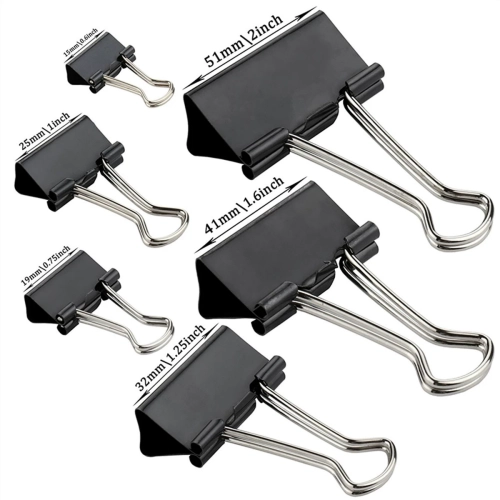 Your price for this item is $18.88
-
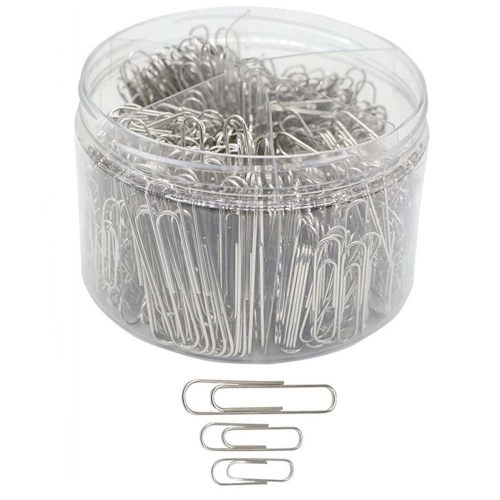 Your price for this item is $34.99
-
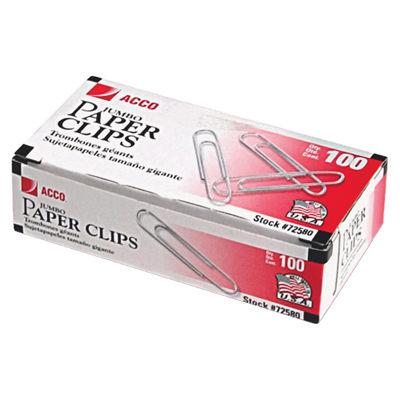 Your price for this item is $4.99
-
 Your price for this item is $7.35
-
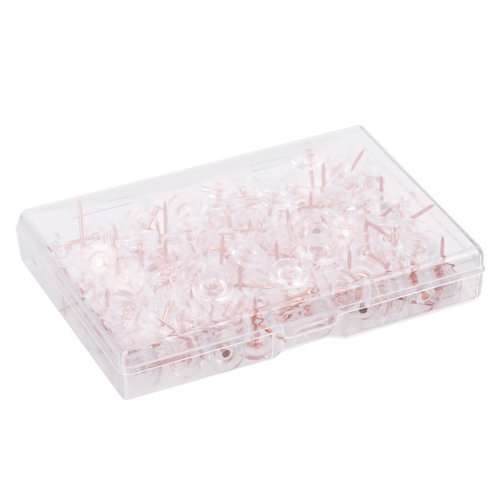 Your price for this item is $18.88
-
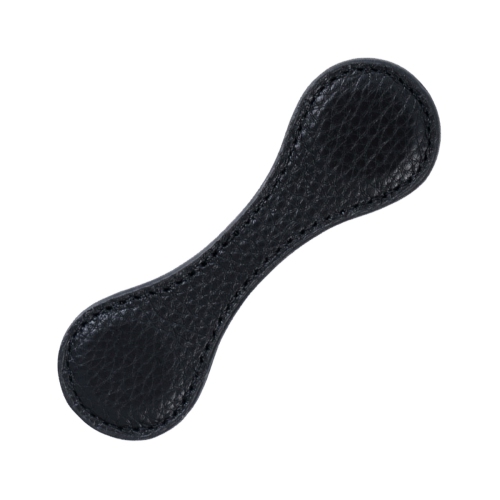 Your price for this item is $18.88
-
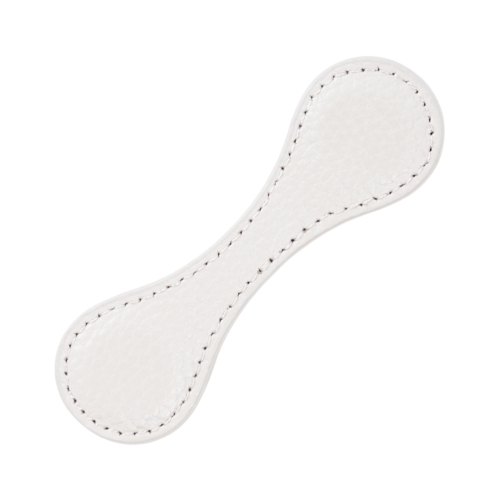 Your price for this item is $18.88
-
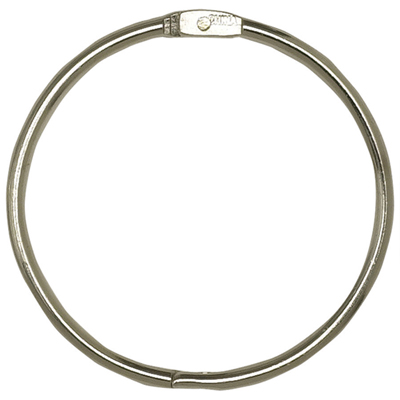 Your price for this item is $11.99
Discover more categories related to Metal Clips
Top Collections:
Best Black Friday Deals This Year, Best Black Friday Deals On Electronics, Kindle Devices, Pokemon Centers, Best Black Friday Deals On Apple Products, Best Cameras for Sports Photography, Dyson Airwrap, Pokémon 30th Celebration Cards, Apple iPhone 17 Pro, Canon G7X Cameras
Some products may be subject to Environmental Handling Fees
(EHF) depending on your province.
Learn more about EHFs.