Office Desk Decor
Transform your workspace into a haven of style and productivity with our curated selection of office desk decor. Elevate your office ambiance with sleek desk organizers, chic desk lamps, inspiring wall art, and elegant planters. Whether you prefer a minimalist aesthetic or a more eclectic vibe, we have everything you need to personalize your desk space and boost your creativity. Browse through our collection of modern and functional decor pieces to create a workspace that reflects your unique personality and enhances your daily work routine.
Sort
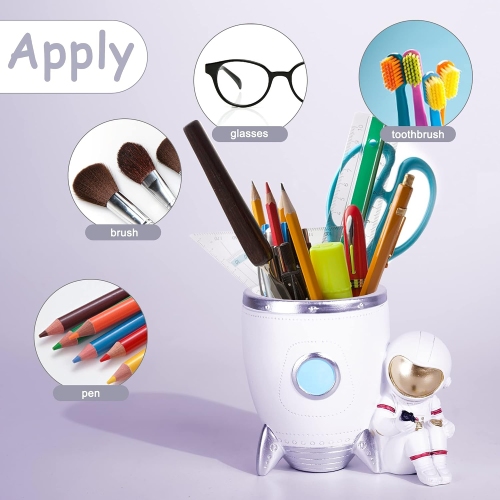


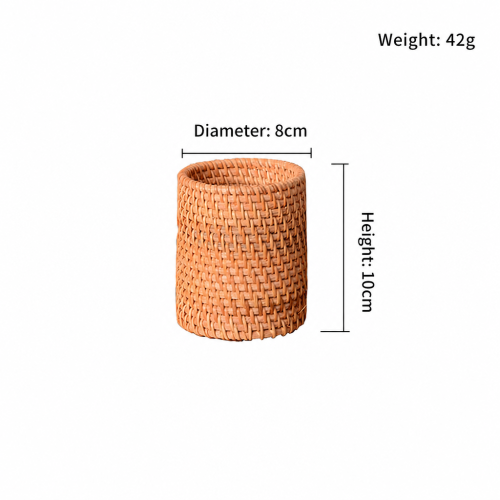
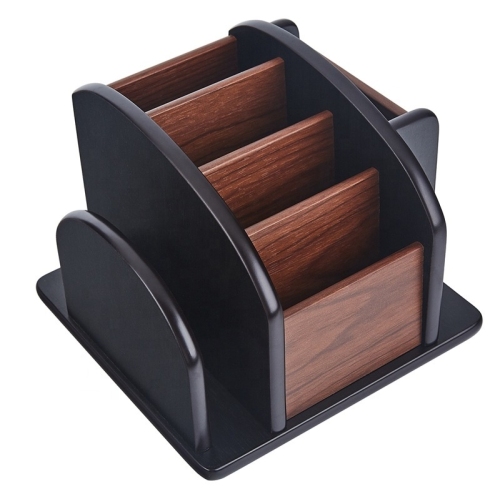
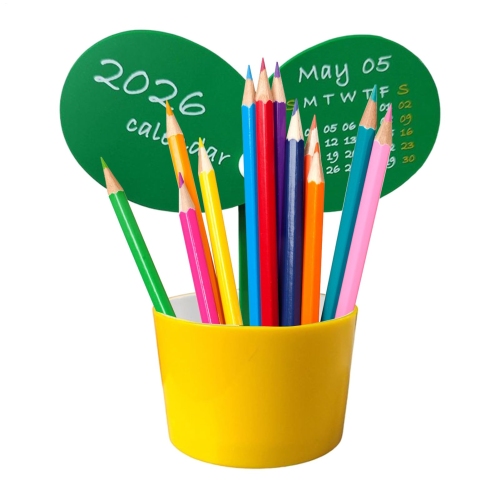
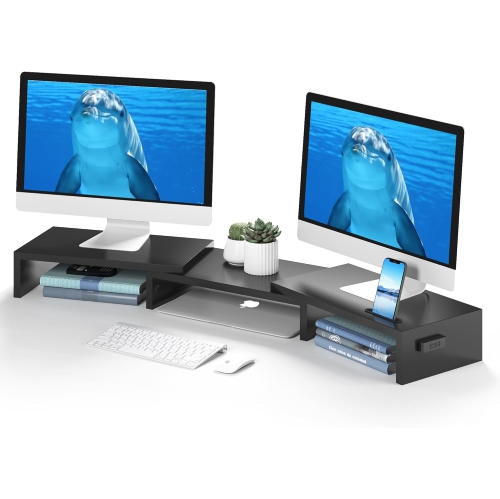
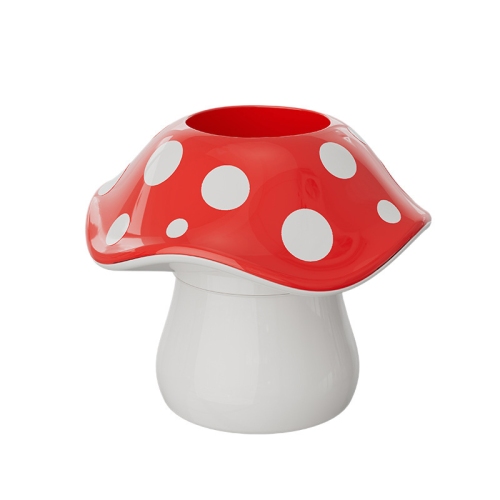
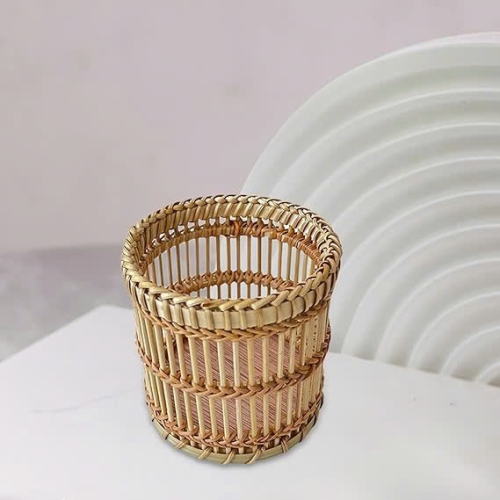
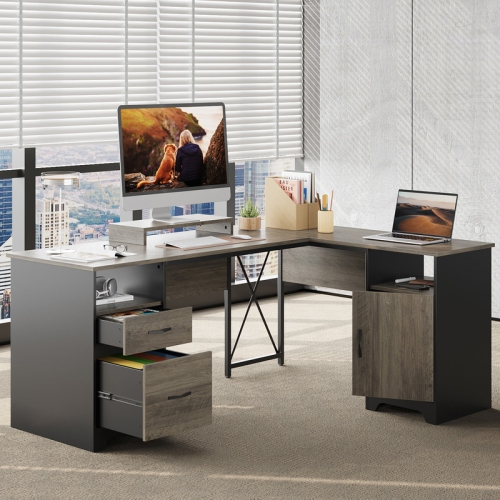
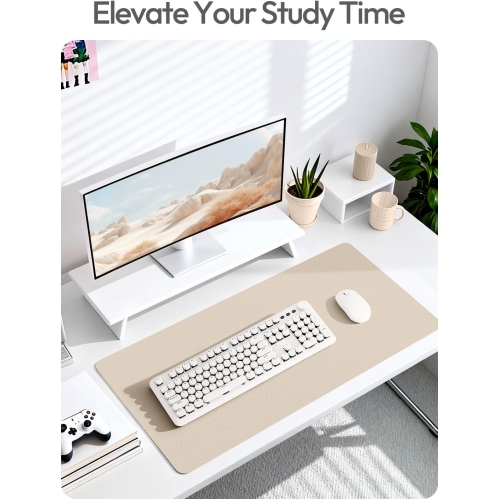

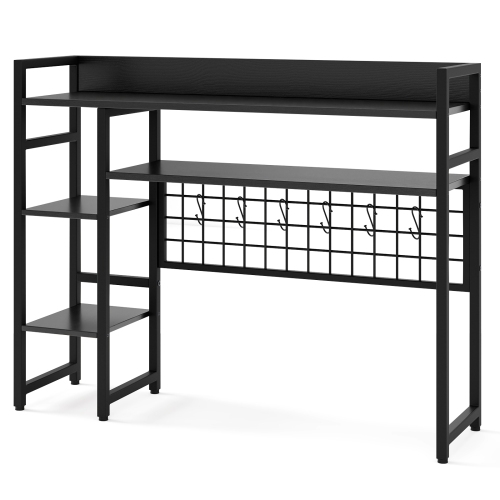
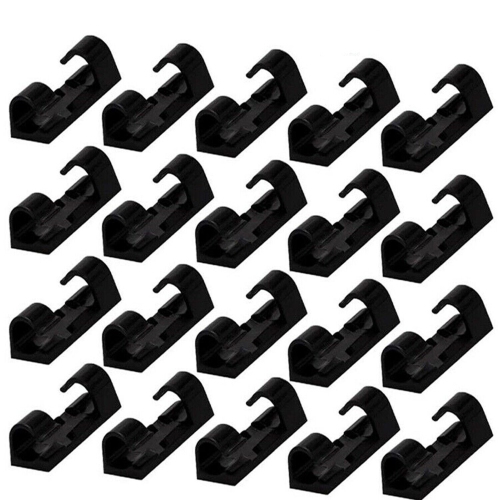
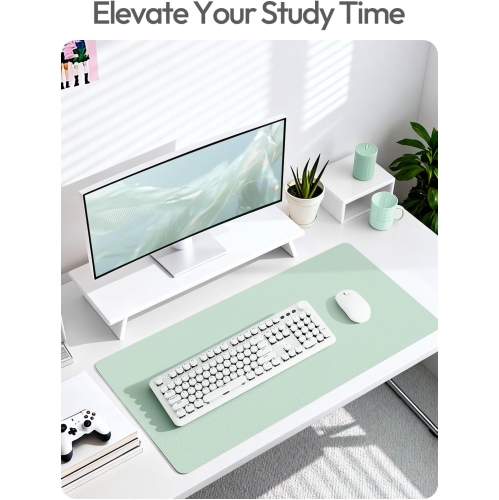
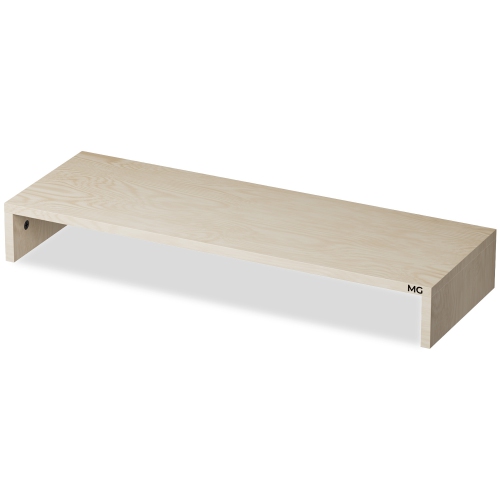
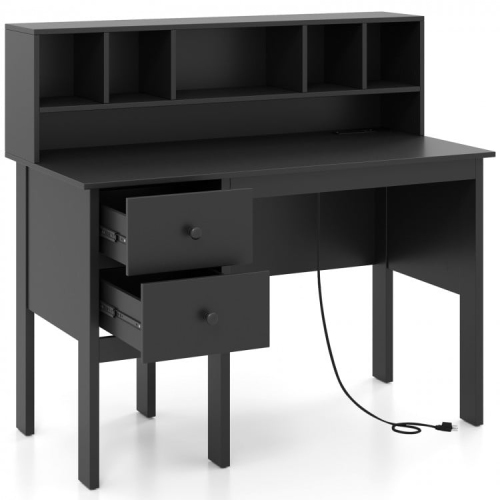
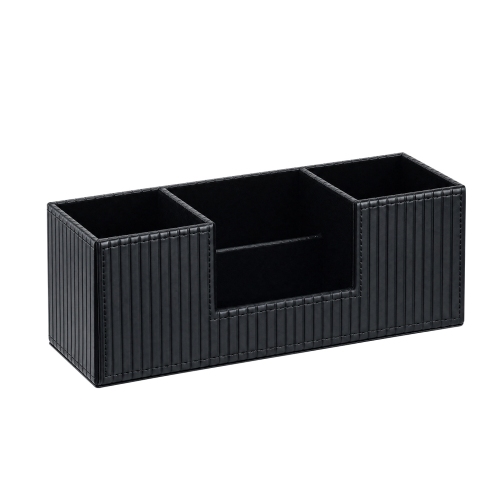
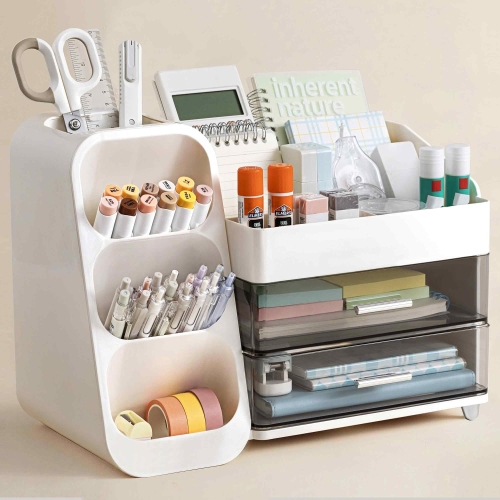
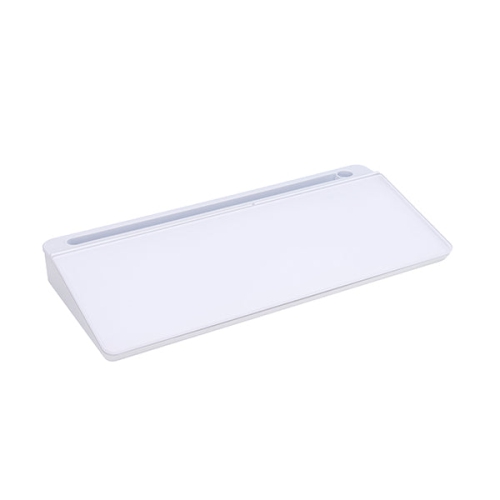
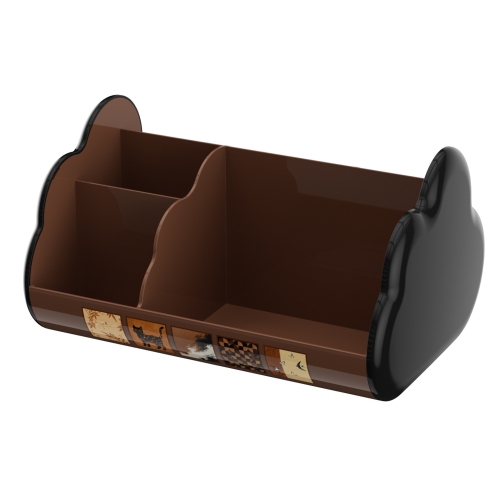
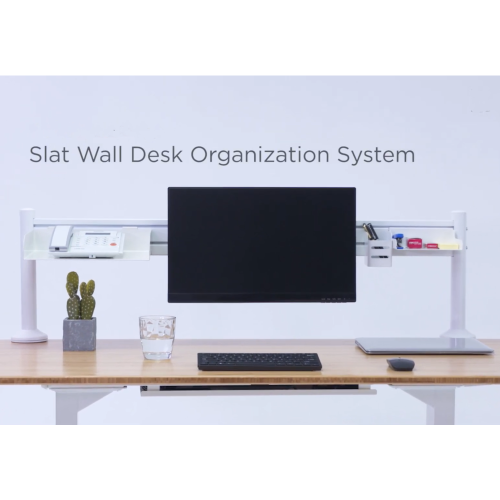
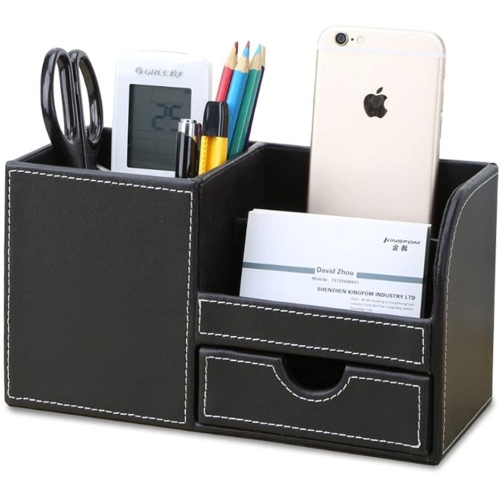
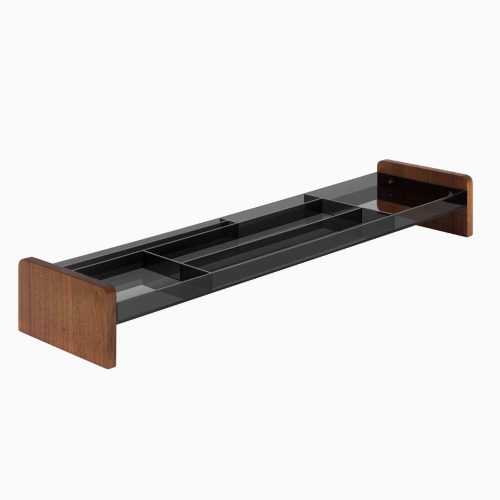
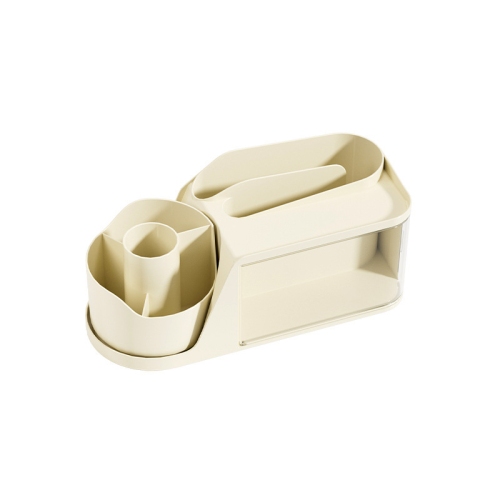
Personal touches that leave room for everyday tasks
Office desk decor brings together decorative accents, practical storage, and lighting to make a work surface feel personal without crowding out everyday tasks. The most useful pieces earn their place through a balance of appearance and purpose: a pen holder keeps writing tools within reach, a shallow tray gathers loose essentials, and a framed photograph adds a familiar face beside the screen. These details can suit a dedicated home office, a shared workplace, a student’s study area, or a small desk tucked into a living room. A cohesive look does not require everything to match. Repeating a colour, material, or shape across a few accents can create a sense of connection while leaving room for individual taste. Pale wood and soft neutral tones give a desk a relaxed appearance, while dark metal and clean-lined accessories work well with a more understated setup. Clear acrylic keeps the contents of organizers visible and introduces little visual weight, which can be helpful on a compact surface. Rounded forms, illustrated accents, and gentle colour combinations offer a more playful direction; Cute Desk Decor explores that side of workspace styling. Personal touches tend to feel most natural when they reflect the person who uses the desk, whether that means a travel photograph, a small sculptural accent, or a favourite colour carried through everyday accessories. In a shared office, a restrained arrangement can add character while leaving communal surfaces clear. At home, decorative choices may also connect the desk with nearby furniture so the work area feels like part of the room rather than an afterthought. Someone who spends the day on video calls may appreciate a tidy arrangement that looks considered on camera, while someone who sketches or writes by hand may prefer most accents along the back edge. In either case, office desk accessories work best when they leave a generous, uninterrupted area for the tasks that happen there every day.
Size and placement matter as much as style, especially when a monitor, keyboard, and laptop already occupy much of the desktop. An organizer’s outside dimensions show how much space it takes up, but the size and depth of its compartments determine what it can actually hold. A deep cup suits longer writing tools, whereas a low divided tray makes smaller essentials easier to see and retrieve. Upright storage can reduce the footprint needed for papers and notebooks, provided its height does not block a screen or interfere with shelving above the desk. On a shallow work surface, low-profile accents usually fit more comfortably between equipment and the wall. Cable openings, charging leads, monitor stands, and a clear path for the mouse also deserve space; decorative pieces should not cover ventilation openings or make frequently used connections awkward to reach. Materials influence both the look and the day-to-day feel of an arrangement. Wood offers grain and variation, though its finish determines how well it tolerates moisture and cleaning. Metal can feel sturdy and crisp, with painted or coated finishes that may need protection from scratches. Acrylic provides a clear view of stored contents but can show fingerprints and fine surface marks. Ceramic and glass add smooth surfaces and substantial weight, although they can chip or break if knocked against a desk edge. Felt and fabric accessories introduce softness and can help cushion small objects, but textured surfaces may hold dust or catch ink stains. A smooth underside or suitable protective pad helps prevent an accessory from marking the desktop, particularly when it is moved often. Durability also depends on construction: stable bases, neatly finished edges, secure joins, and compartments that remain easy to clean are useful qualities for pieces handled throughout the day. Care requirements vary by finish, so manufacturer directions are a better reference than assuming every material can tolerate the same cleaner. Regular light dusting and prompt attention to spills help decorative accessories retain their appearance without making upkeep a major task.
Lighting and greenery add another layer to office desk decor, with practical considerations that differ from those of storage accessories. A desk lamp can serve as a visual accent while directing light towards a notebook or keyboard. An adjustable head makes it easier to position light where it is needed, while a shade or diffuser can soften the appearance of an exposed light source. The base needs enough room to sit securely, and the cord should reach its connection without stretching across the main work area. Positioning also affects reflections on glossy screens and shadows across handwritten pages; a lamp that looks balanced in the room still needs to work with the person’s usual seating position. Small plants introduce varied shapes and textures, but living plants need suitable light, access for watering, and a planter arrangement that protects the surface underneath. Artificial greenery offers a similar decorative role without watering, though leaves and containers still need occasional dusting. Either option is easier to accommodate when it stays clear of electronics and does not spill into the space used for paperwork. Photographs, decorative clocks, and modest display accents can provide a focal point without requiring a large collection. Leaving visible space between them helps each detail stand out and makes wiping the desktop simpler. For a desk used by several people, portable accents and contained storage can make the transition between users more straightforward. For students or anyone starting a new role, useful decorative accessories can also make thoughtful gifts, particularly when their size and style suit the recipient’s actual setup. A compact workspace calls for a different footprint than a broad executive desk, and a workplace with shared surfaces may leave little room for personal displays. Neutral finishes are often easier to coordinate when preferences are uncertain, while a familiar colour or playful detail can make a gift feel more personal. Across these settings, the strongest desk arrangements combine a few expressive touches with reliable everyday function, keeping the surface welcoming, organized, and comfortable to use.
Top selling and popular products
-
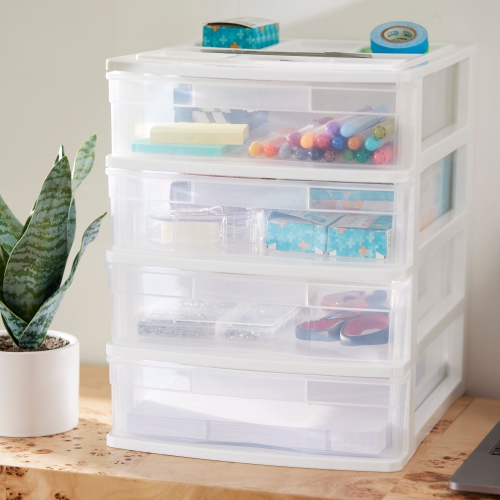 Your price for this item is $143.99
-
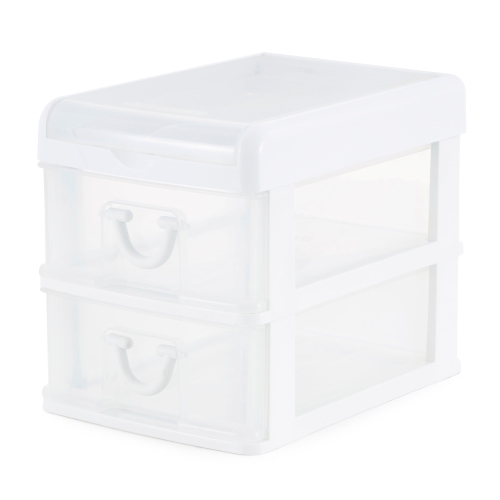 Your price for this item is $56.99
-
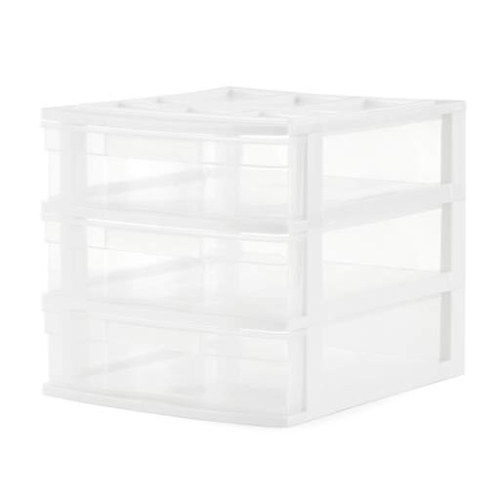 Your price for this item is $61.99
-
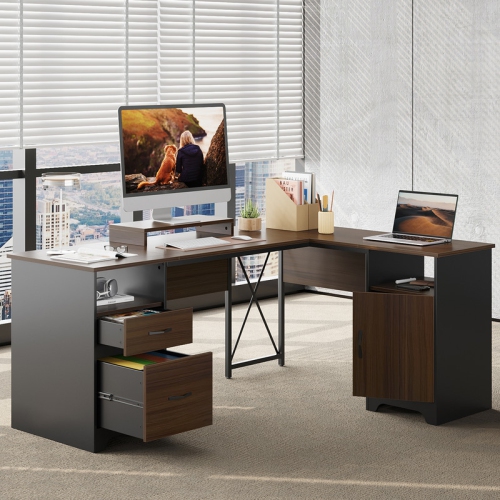 Your price for this item is $309.99
-
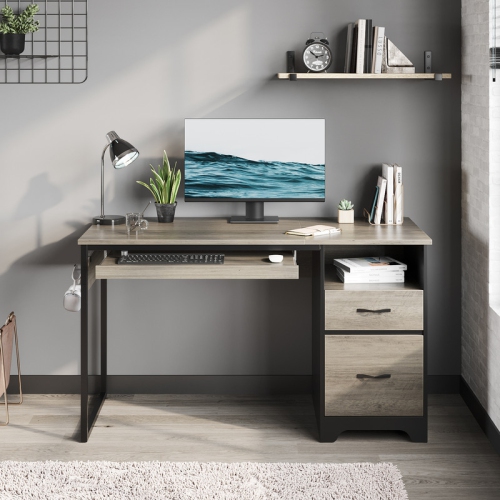 Your price for this item is $259.99
-
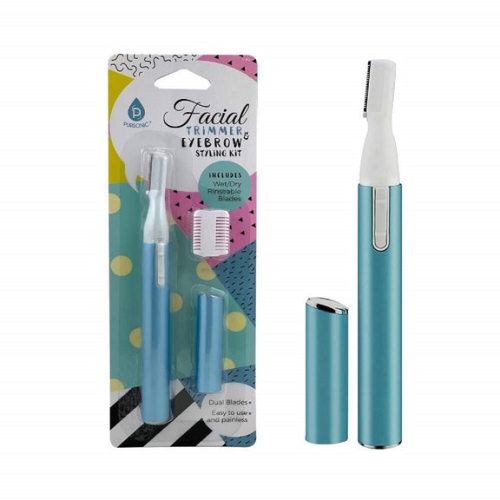 Your price for this item is $19.99
-
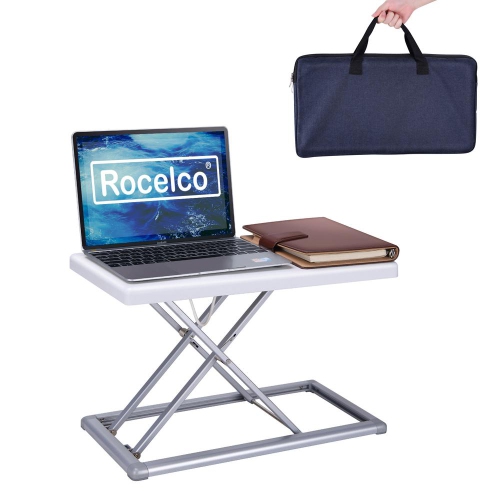 Your price for this item is $129.99
-
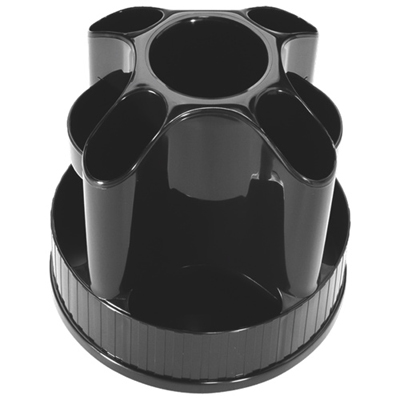 Your price for this item is $47.99
Discover more categories related to Office Desk Decor

Top Collections:
Pokemon Centers, Kindle Devices, Best Cameras for Sports Photography, Pokémon 30th Celebration Cards, Apple iPhones 16, Canon G7X Cameras, iPhone 15 Apple, Flip Phones, Samsung Galaxy Phones, Alarm Clock
Some products may be subject to Environmental Handling Fees
(EHF) depending on your province.
Learn more about EHFs.